Great Buddha: Hase and the Kamakura Daibutsu
80 min · 1.5 km · easy
Kamakura food is a matter of geography. This is a seaside town wrapped in farmland, an hour from Tokyo, so its signature is freshness from both directions: the tiny whitebait landed off the Shonan coast and the prized vegetables grown in the surrounding hills. The result is casual, local, and made for grazing on foot, a whitebait bowl at lunch, a purple-sweet-potato soft serve in the afternoon, a local craft beer as you pace yourself down the shopping street. This guide covers the dishes worth seeking out and where to find them, and it pairs naturally with a slow walk on one of our Kamakura self-guided tours.
The dishes to seek out
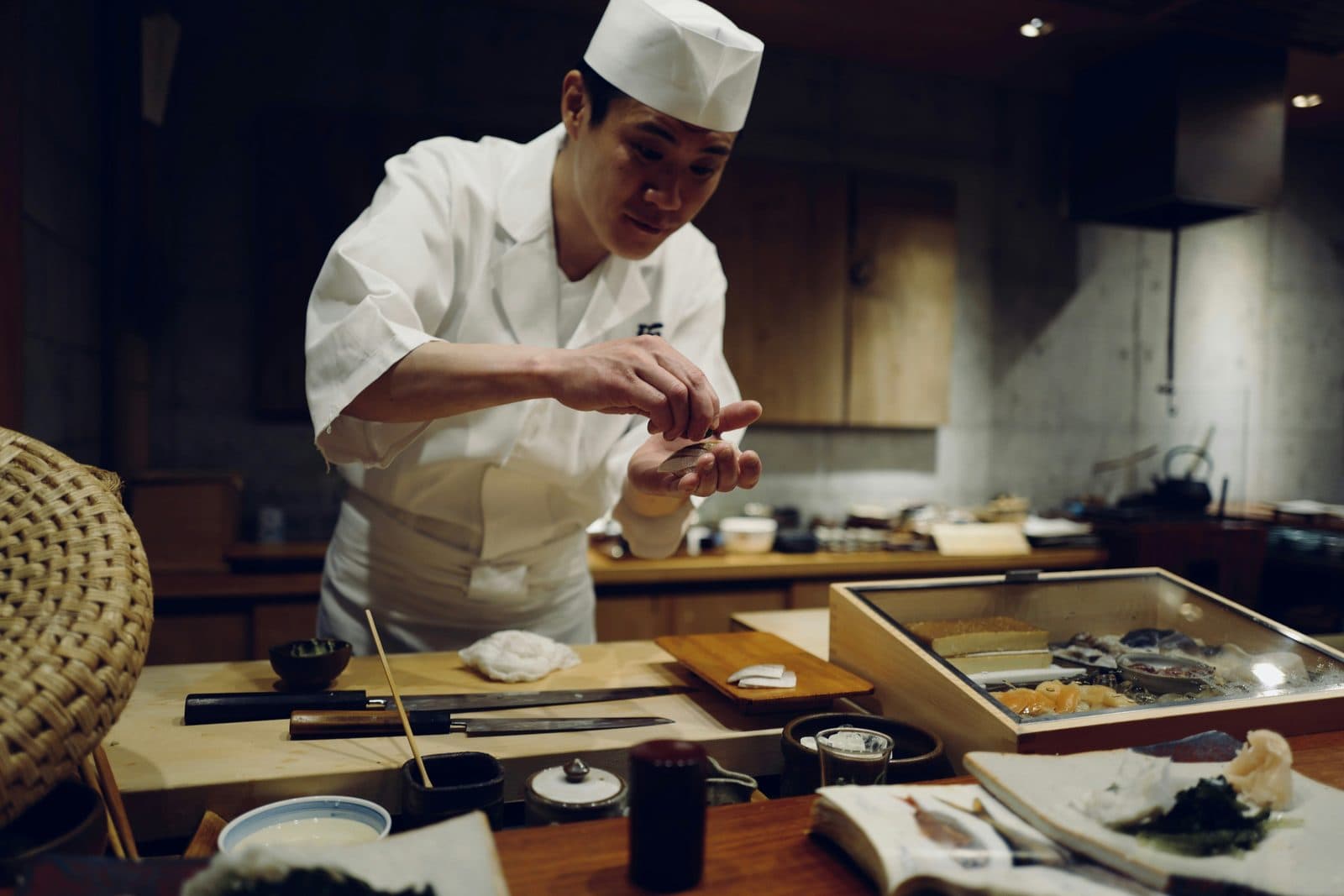
Shirasu don. Kamakura signature dish: a bowl of rice topped with shirasu, the tiny whitebait landed fresh off the nearby Shonan coast. It comes two ways. Nama shirasu is raw, silky, and faintly sweet, available only when the boats have been out, so it is a genuine catch-of-the-day treat. Kama-age shirasu is lightly boiled, delicate, and available year-round. You will find shirasu don near Kamakura Station, along the coast, and around Hase, so it makes a natural lunch on the Great Buddha and Hase walk.
Kamakura vegetables. Kamakura yasai, grown in the hills around the town and prized for their quality, turn up as tempura and in vegetable-forward dishes across the better restaurants. Paired with the local whitebait, they are the other half of Kamakura sea-and-soil identity.
Komachi-dori street snacks. The main shopping lane is a grazing street. Freshly grilled senbei rice crackers, croquettes, dango and mochi sweets, and a rotating cast of trendy treats fill the stalls. Buy small and eat as you walk.
Purple-sweet-potato treats. Kamakura is known for murasaki imo, purple sweet potato, and its most famous form is a vivid purple-sweet-potato soft serve made from locally grown tubers, a Komachi-dori staple. You will also find it baked into cakes and sweets. A photogenic, genuinely local snack.
Kamakura craft beer. The town has its own local craft beer, poured in cafes and beer stops around Komachi-dori and the Yukinoshita area near the shrine, sometimes alongside German-style sausages and ham. A good late-afternoon pause when you are pacing the day.
Where the food culture lives
Hear a stop from this walk
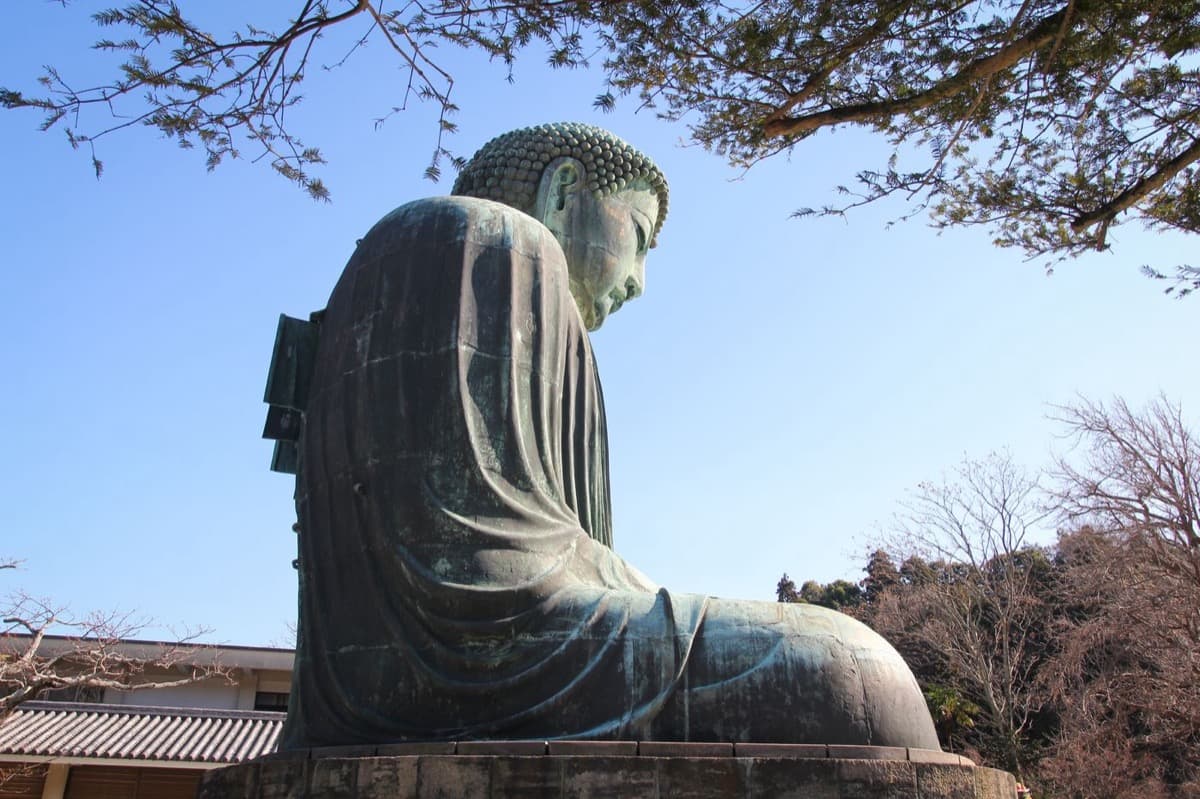
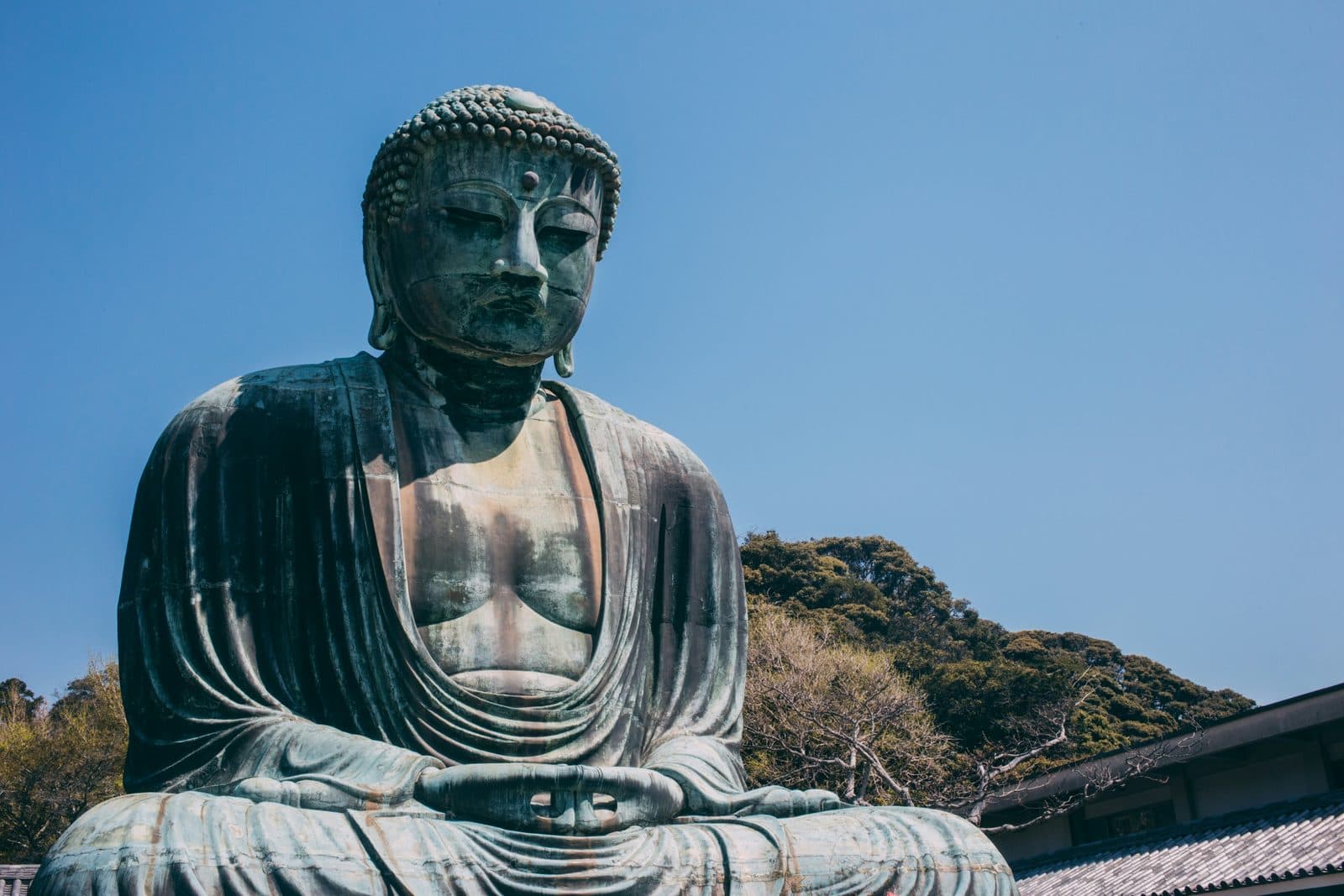
The Great Buddha: Kamakura Daibutsu
Komachi-dori, for grazing. The covered shopping street running from Kamakura Station toward Tsurugaoka Hachimangu is the beating heart of casual Kamakura eating: street snacks, sweets, soft serve, and craft beer. It doubles as your route to the shrine, so walk the Tsurugaoka Hachimangu tour and let Komachi-dori feed you along the way. Note that most shops keep daytime hours, opening around 10 or 11 and closing by early evening.
Hase and the coast, for shirasu. The seaside side of town, around the Great Buddha and Hasedera and out along the shore, is whitebait country. A shirasu don here is the freshest you will get.
The temple town, for shojin ryori. Kamakura Zen heritage means a tradition of Buddhist temple cuisine, shojin ryori, naturally plant-based and built on vegetables, tofu, and dashi. It is the quiet, meditative counterpoint to the street snacks, and it echoes the northern monasteries you walk on the Temple Valleys tour.
Eat as you walk
The best way to work through this list is on foot, one area at a time. Pair a midday visit to the Great Buddha and Hasedera with a shirasu bowl in Hase, then graze back up Komachi-dori toward Tsurugaoka Hachimangu with a purple-sweet-potato soft serve and a local craft beer. Route your day with the one day in Kamakura itinerary, plan the practical side with the Kamakura travel guide, and browse all Kamakura tours. Every tour is free to start: the introduction and first stop play in full, and every later stop plays a short preview before an optional purchase.
Frequently asked questions
- What food is Kamakura known for?
- Kamakura is best known for shirasu don, a rice bowl of tiny whitebait (shirasu) caught fresh off the nearby Shonan coast, served either raw (nama shirasu, silky and delicate) or boiled. It is also known for prized Kamakura vegetables grown in the surrounding hills, the street snacks of Komachi-dori shopping street, purple-sweet-potato (murasaki imo) soft serve and treats, and local Kamakura craft beer. Being a seaside town near farmland, its signature is freshness.
- What is shirasu and where do you eat it in Kamakura?
- Shirasu are tiny whitebait, the larval fish landed off Kamakura Shonan coast. The classic dish is shirasu don, a bowl of rice topped with the whitebait, served either raw (nama shirasu, silky and only available when the boats are out) or boiled (kama-age, delicate and always available). You will find shirasu don in restaurants near Kamakura Station, along the coast, and around Hase near the Great Buddha and Hasedera.
- What should you eat on Komachi-dori?
- Komachi-dori is Kamakura main shopping street, a covered lane of stalls and cafes running from Kamakura Station toward Tsurugaoka Hachimangu, and it is the place to graze. Look for purple-sweet-potato soft serve, freshly grilled senbei rice crackers, croquettes, dango and mochi sweets, and cafes pouring local Kamakura craft beer. Most shops open around 10 or 11 and close by early evening, so it is a daytime and late-afternoon street.
- Are there good vegetarian options in Kamakura?
- Yes. Kamakura vegetables (Kamakura yasai), grown in the surrounding hills and prized for their quality, feature in tempura and vegetable-forward dishes around town, and the temple town has a tradition of Buddhist shojin ryori cuisine, which is naturally plant-based. Komachi-dori snacks and cafes also offer plenty of vegetable and sweet options, so vegetarians eat well here.
Ready to experience it?
Great Buddha: Hase and the Kamakura Daibutsu
80 min · 1.5 km · easy
More from Kamakura
Explore more at your own pace.
Kamakura Travel Guide: Day Trip from Tokyo, Getting Around, When to Go (2026)
One Day in Kamakura: The Perfect Day Trip from Tokyo (2026)
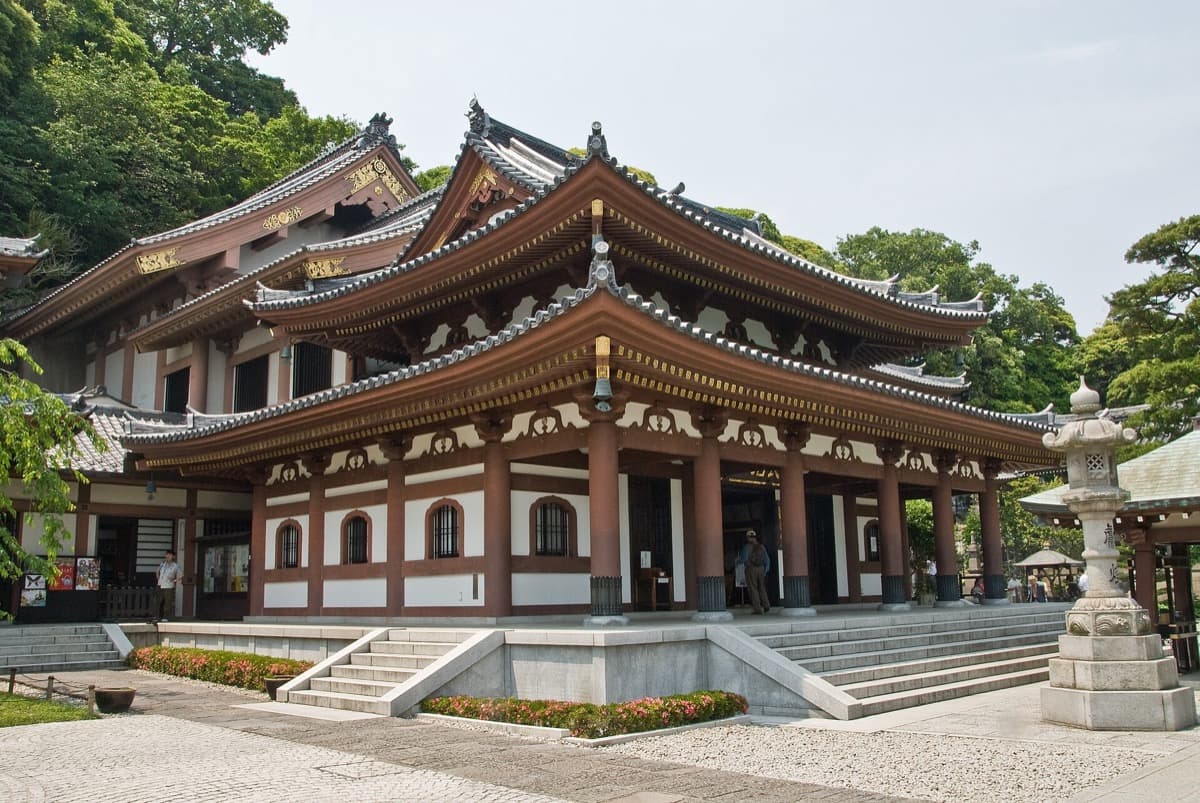
Hase-dera: The Kamakura Temple of a Giant Kannon That Washed Ashore From the Sea
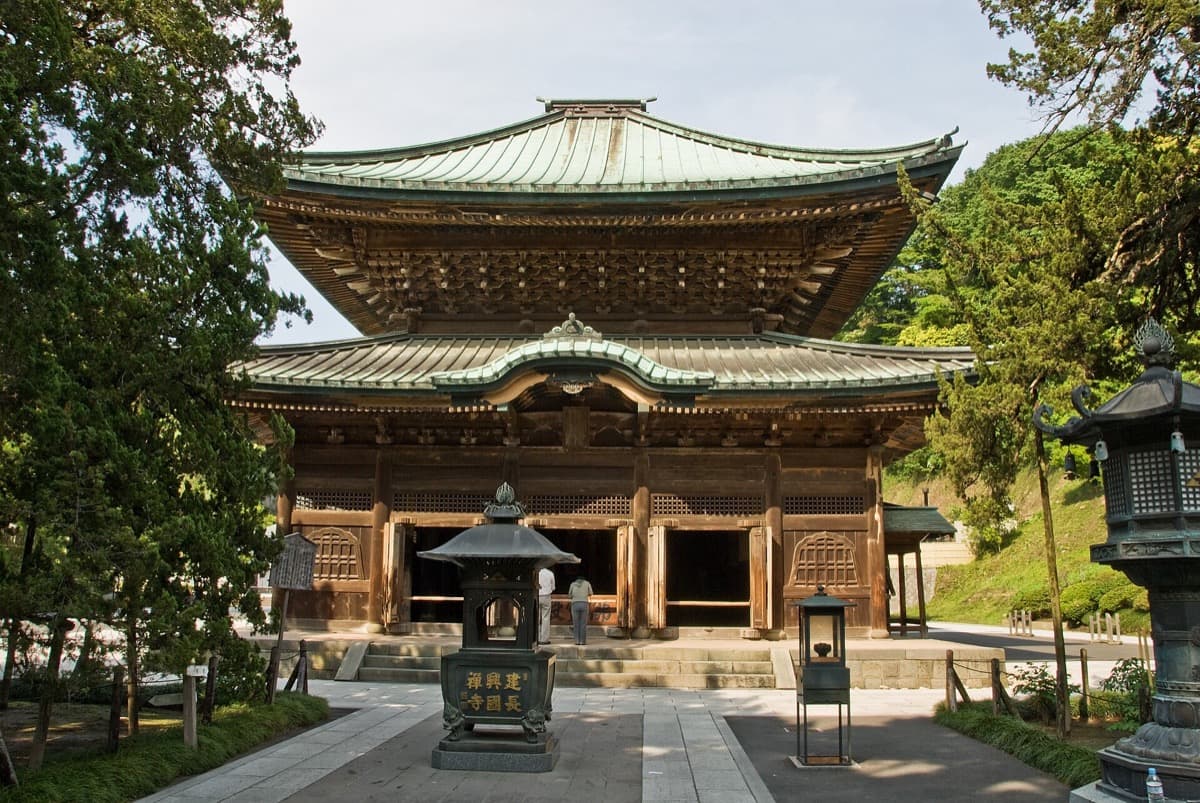
Kencho-ji: Japan's Oldest Zen Training Monastery, Founded by a Chinese Monk in 1253
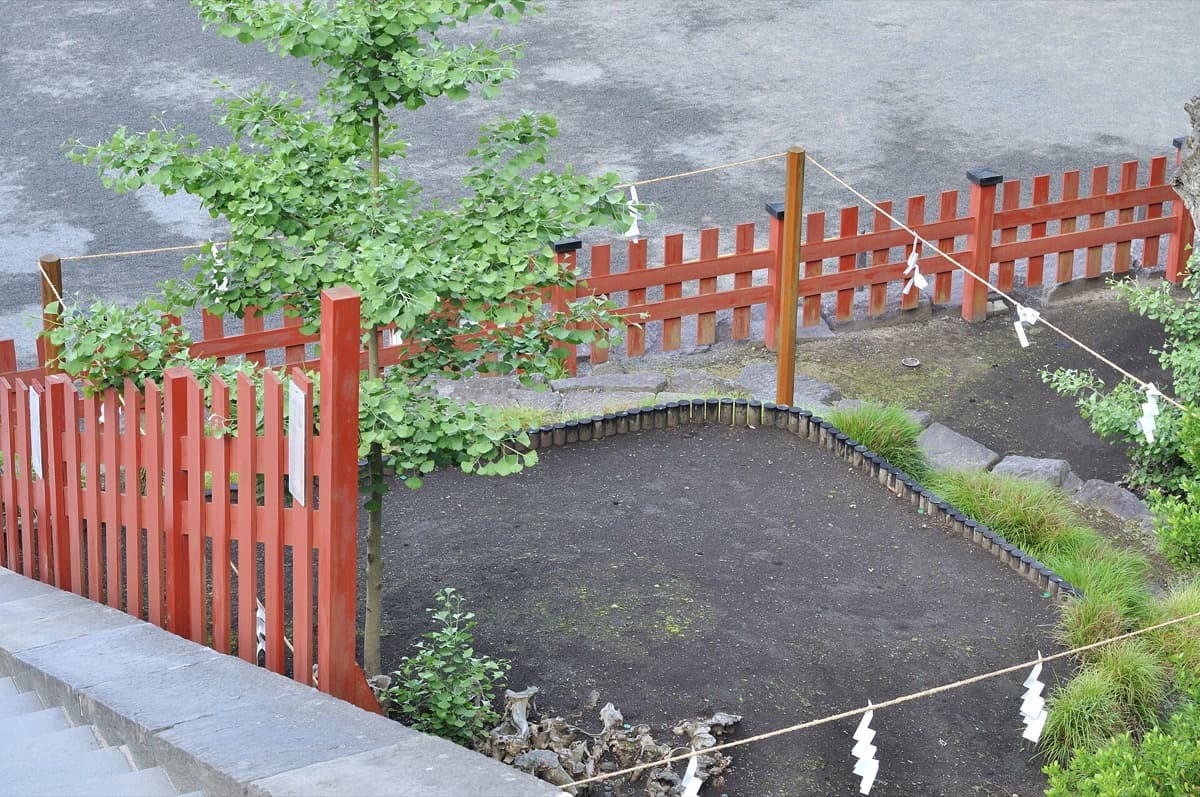
The Great Ginkgo of Tsurugaoka Hachimangu: The Tree, the Legend, and the Shogun Killed on the Steps