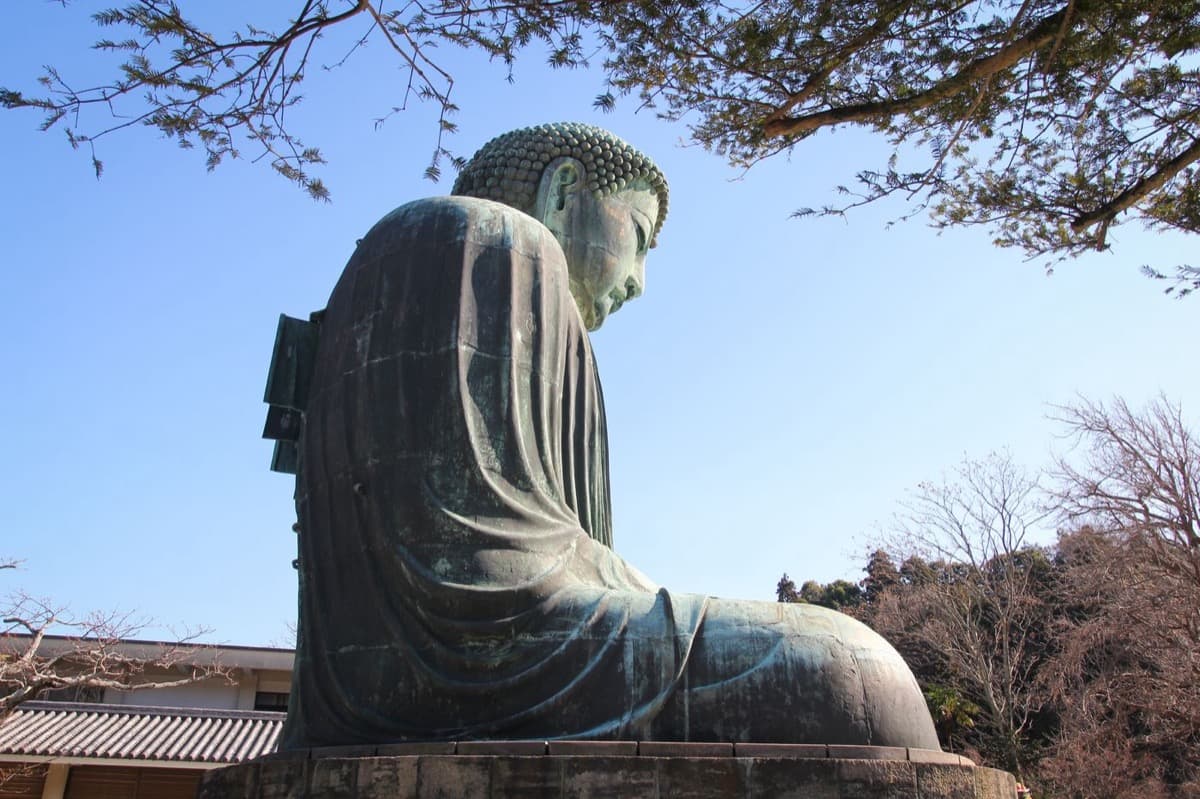
Great Buddha: Hase and the Kamakura Daibutsu
80 min · 1.5 km · easy
Kamakura rewards a little planning. It is an easy hour from Tokyo, but its sights are spread across three distinct areas, a northern temple valley, a seaside temple district, and a central shrine avenue, stitched together by a charming but slow single-track railway. This guide answers the practical questions travelers actually search, answer first, then the detail.
How to get to Kamakura from Tokyo
Short answer: the JR Yokosuka Line, direct, about an hour.
- From Tokyo Station it is roughly 60 minutes and about 940 yen one-way, no transfer, with trains every 10 to 15 minutes through the day.
- The line also stops at Shinagawa, Yokohama, and Kita-Kamakura (one stop before Kamakura), which is the smart place to get off for the northern Zen temples.
- From Shinjuku, the Shonan-Shinjuku Line also runs to Kamakura.
- The Japan Rail Pass covers the Yokosuka Line, so pass holders ride free.
Direct trains run late into the evening, so a relaxed same-day return to Tokyo is easy. This is what makes Kamakura the go-to day trip: leave after breakfast, be back for dinner. For a routed day, follow the one day in Kamakura itinerary.
How long do you need in Kamakura?
Hear a stop from this walk
The Great Buddha: Kamakura Daibutsu
Short answer: a full day for the highlights.
- Half a day covers the Great Buddha and Hasedera if that is all you want.
- A full day adds the Kita-Kamakura Zen temples, Tsurugaoka Hachimangu, Komachi-dori, and the Enoden ride toward the coast, without rushing.
- Two days lets you slow right down, add Enoshima properly, and linger by the sea.
Most visitors do Kamakura as a day trip and leave satisfied.
Getting around Kamakura
Kamakura is a walk-plus-short-train place, and the short train is half the fun.
- On foot. Central Kamakura, Komachi-dori, and Tsurugaoka Hachimangu are all a short walk from Kamakura Station, and the sights within each area are best explored on foot. This is how our self-guided Kamakura tours are built.
- The Enoden line. The Enoshima Electric Railway is a beloved single-car line that trundles from Kamakura through Hase (get off here for the Great Buddha and Hasedera) and out along the coast toward Enoshima. Slow, scenic, and a highlight in its own right.
- JR to Kita-Kamakura. The northern Zen temples (Engaku-ji, Kencho-ji) sit one JR stop north of Kamakura at Kita-Kamakura; many people walk from there back down into town.
- Rental bikes. Available near Kamakura Station and good for the flatter coastal stretches, though the temple valleys involve stairs and are better on foot.
- IC card. Use a rechargeable card like Suica or Pasmo to tap on and off the JR and Enoden without fumbling for change.
Best time to visit Kamakura
Kamakura has beautiful seasonal windows, each with a trade-off:
- Hydrangea season (early to mid-June). The showcase window. Hasedera hydrangea path (some 2,500 plants across 40 varieties) and the tiny "hydrangea temple" Meigetsu-in are at their peak. Gorgeous, and the busiest, so go on a weekday and arrive early.
- Autumn foliage (mid to late November). Strong colour in the temple grounds, big crowds too.
- Cherry blossom (late March to early April). The Tsurugaoka Hachimangu avenue is lined with cherry trees.
- Summer. Warm and humid, with beach season on the coast and the risk of typhoons; the sea is lively but crowded.
For thinner crowds, favour weekdays and early mornings whatever the season.
Is Kamakura safe?
Very. Kamakura is a calm, safe town, and Japan overall is one of the safest countries for visitors, including solo and female travelers. Japan carries the lowest US State Department advisory level and violent crime is rare. Ordinary precautions apply: mind your belongings in crowded lanes and on packed trains, watch your footing on temple stairs and coastal paths, and be aware of natural-hazard risks such as earthquakes and, in summer, typhoons and strong surf.
Kamakura on a budget
Kamakura is easy on a tight budget:
- Cheap to reach: the train from Tokyo is under 1,000 yen each way.
- Low entry fees: most temples charge only a few hundred yen, and the Great Buddha grounds and Hasedera are modest.
- Free to enjoy: the Hachimangu avenue, Komachi-dori, the beaches, and the Enoden ride itself.
- Eat cheap and well: shirasu (whitebait) bowls and Komachi-dori street snacks. See what to eat in Kamakura for what to order.
- Skip the guide fee: Roamer self-guided audio tours are free to start, so you get expert narration without booking a private guide, a start time, or a tip.
Start planning your walk
Ready to route your day? Read the one day in Kamakura itinerary, browse the best self-guided walking tours in Kamakura, or see all Kamakura tours. Every tour is free to start: the introduction and first stop play in full, and every later stop plays a short preview before an optional purchase. Tours can also be downloaded in advance for offline listening.
Frequently asked questions
- How do you get to Kamakura from Tokyo?
- Take the JR Yokosuka Line direct from Tokyo Station to Kamakura Station: about 60 minutes, roughly 940 yen one-way, with no transfer and trains every 10 to 15 minutes through the day. It also stops at Shinagawa, Yokohama, and Kita-Kamakura, one stop before Kamakura, which is handy for the northern Zen temples. The Japan Rail Pass covers this route. From Shinjuku you can also ride the Shonan-Shinjuku Line.
- How long do you need in Kamakura?
- A full day covers the highlights comfortably. A half day is enough for just the Great Buddha and Hasedera if you are tight on time, a full day adds the Kita-Kamakura Zen temples, Tsurugaoka Hachimangu, and the Enoden ride toward Enoshima and the coast, and two days lets you slow right down. Because it is so close to Tokyo, most people do Kamakura as a day trip and it works well.
- How do you get around Kamakura?
- Kamakura is best explored on foot within each area, stitched together by short train hops. The star is the Enoden (Enoshima Electric Railway), a single-car line that trundles between Kamakura, Hase (for the Great Buddha and Hasedera), and out along the coast toward Enoshima. Central Kamakura, Komachi-dori, and Tsurugaoka Hachimangu are all walkable from Kamakura Station, and Kita-Kamakura Zen temples sit one JR stop north. Rental bikes are available near the station for the flatter coastal stretches, though the temple valleys involve stairs.
- What is the best time of year to visit Kamakura?
- Two windows stand out. Early to mid-June is hydrangea (ajisai) season, when Hasedera and Meigetsu-in fill with blooms, one of the most beautiful times to visit, and also one of the busiest. Autumn, roughly mid to late November, brings excellent foliage in the temple grounds with big crowds too. Spring cherry blossom lines the Hachimangu avenue in late March into early April. For thinner crowds, aim for weekdays and early mornings; summer beach season and the June and November peaks are the most crowded.
- Is Kamakura safe for tourists?
- Yes. Kamakura is very safe, like Japan generally, and easy for solo and female travelers. Japan carries the lowest US State Department travel advisory level and violent crime is rare. Normal sense applies: mind belongings in crowded lanes and on packed trains, and take care on temple stairs and coastal paths. Be aware of natural-hazard risks like earthquakes and, in summer, typhoons and strong surf on the beaches.
- Can you see Kamakura on a budget?
- Easily. The train from Tokyo is cheap, most sights charge only a small temple entry fee (a few hundred yen each, and the Great Buddha grounds and Hasedera are modest), and much of the pleasure is free: walking the Hachimangu avenue, Komachi-dori, the coast, and the Enoden ride itself. Eat well for little on shirasu bowls and Komachi-dori street snacks. Self-guided audio tours are free to start on Roamer, so you can add expert narration without hiring a guide.
Ready to experience it?
Great Buddha: Hase and the Kamakura Daibutsu
80 min · 1.5 km · easy
More from Kamakura
Explore more at your own pace.
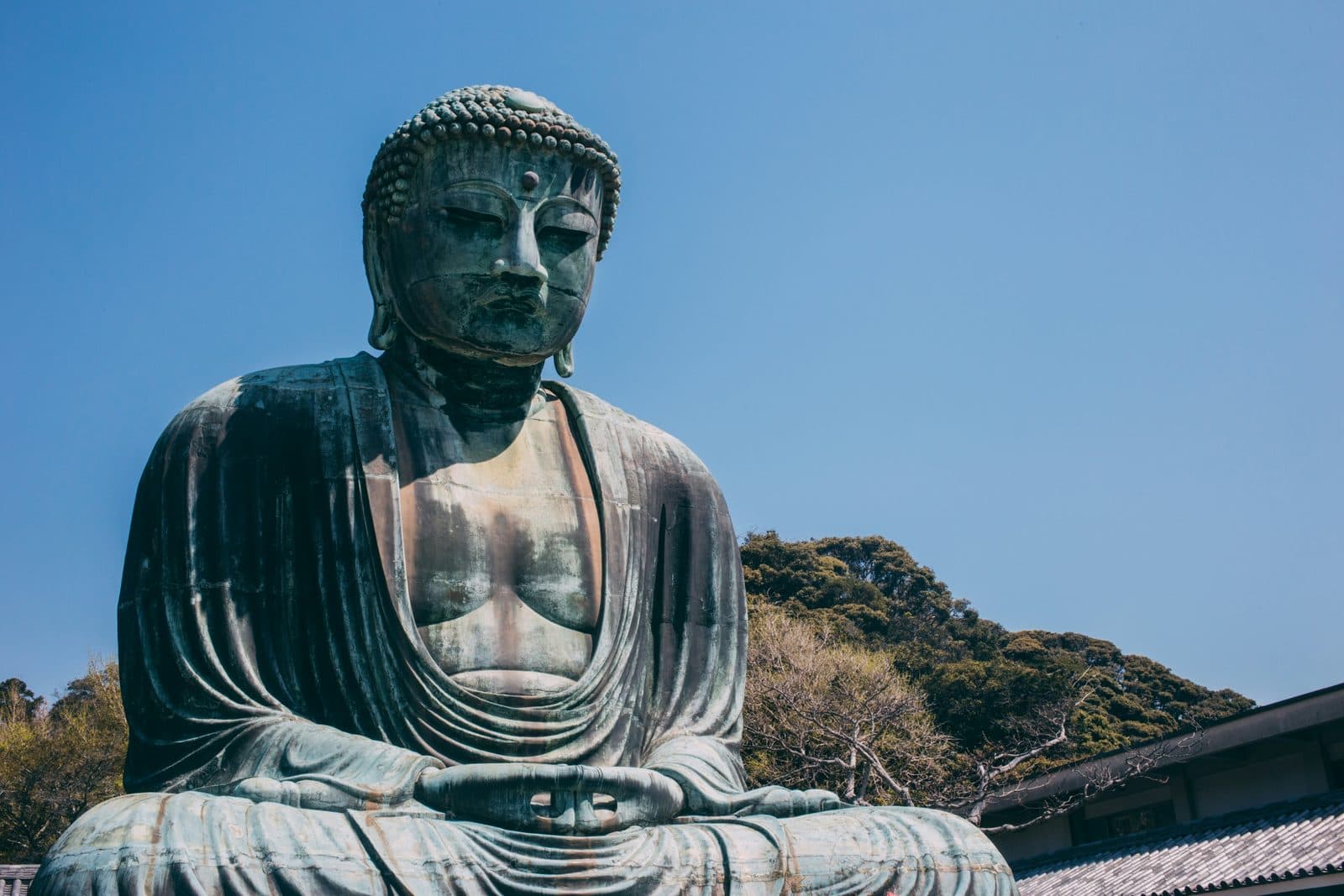
One Day in Kamakura: The Perfect Day Trip from Tokyo (2026)
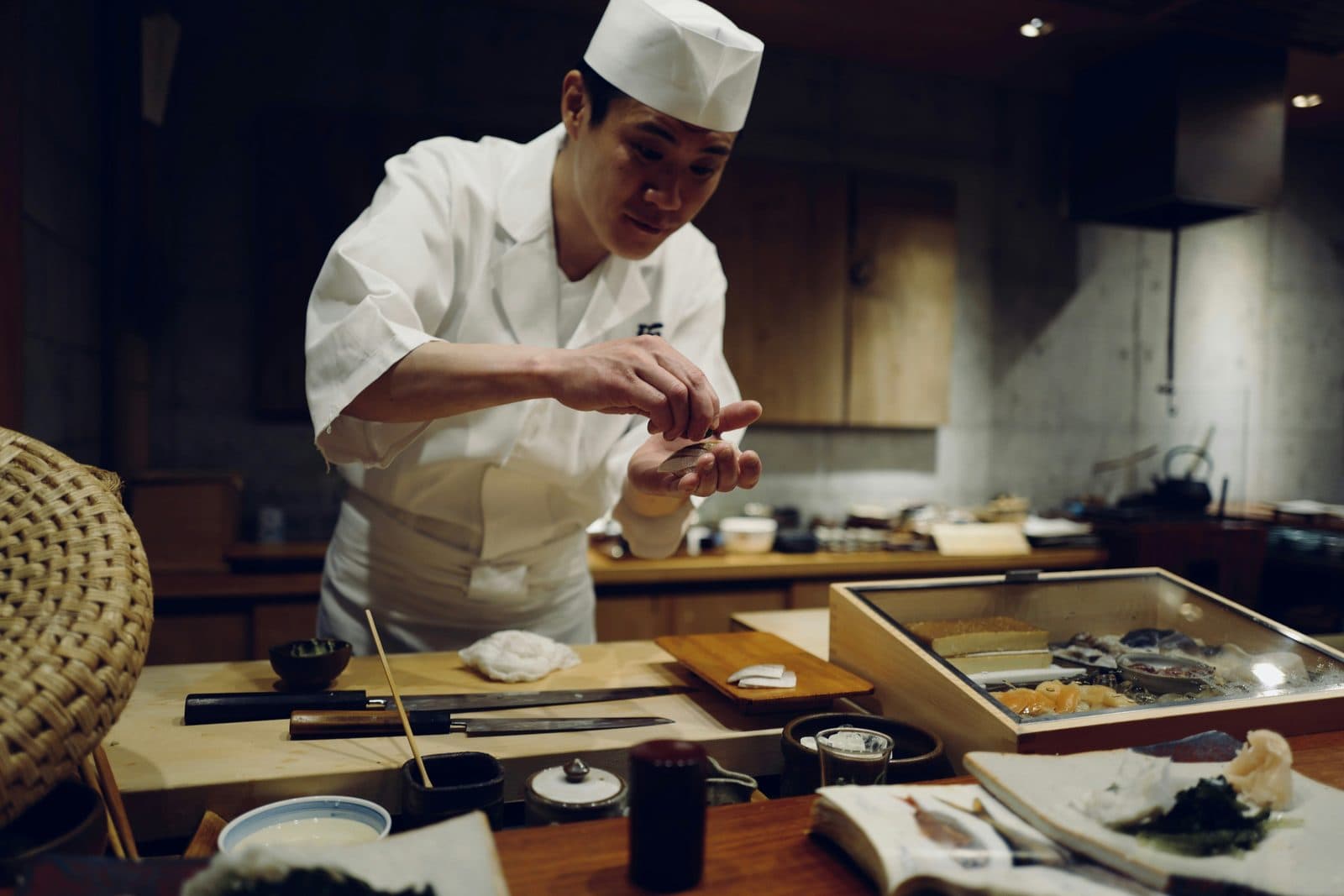
What to Eat in Kamakura: A Food Guide (2026)
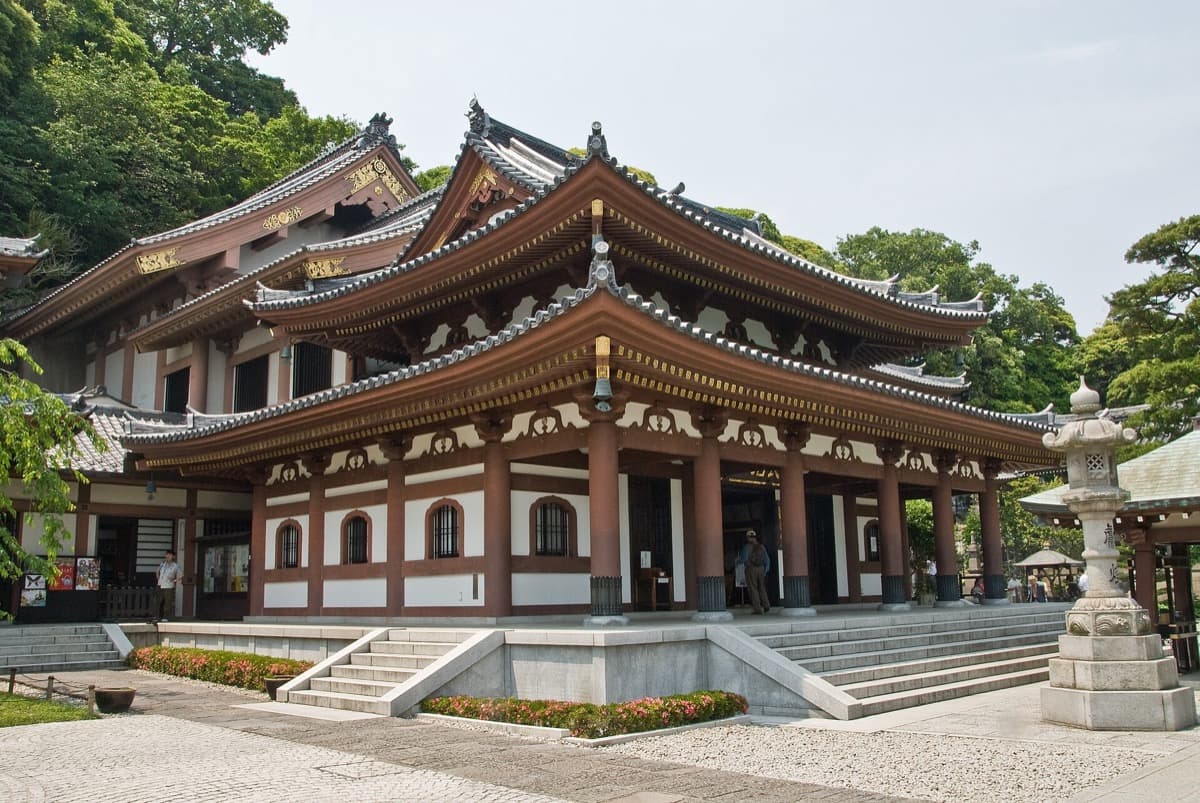
Hase-dera: The Kamakura Temple of a Giant Kannon That Washed Ashore From the Sea
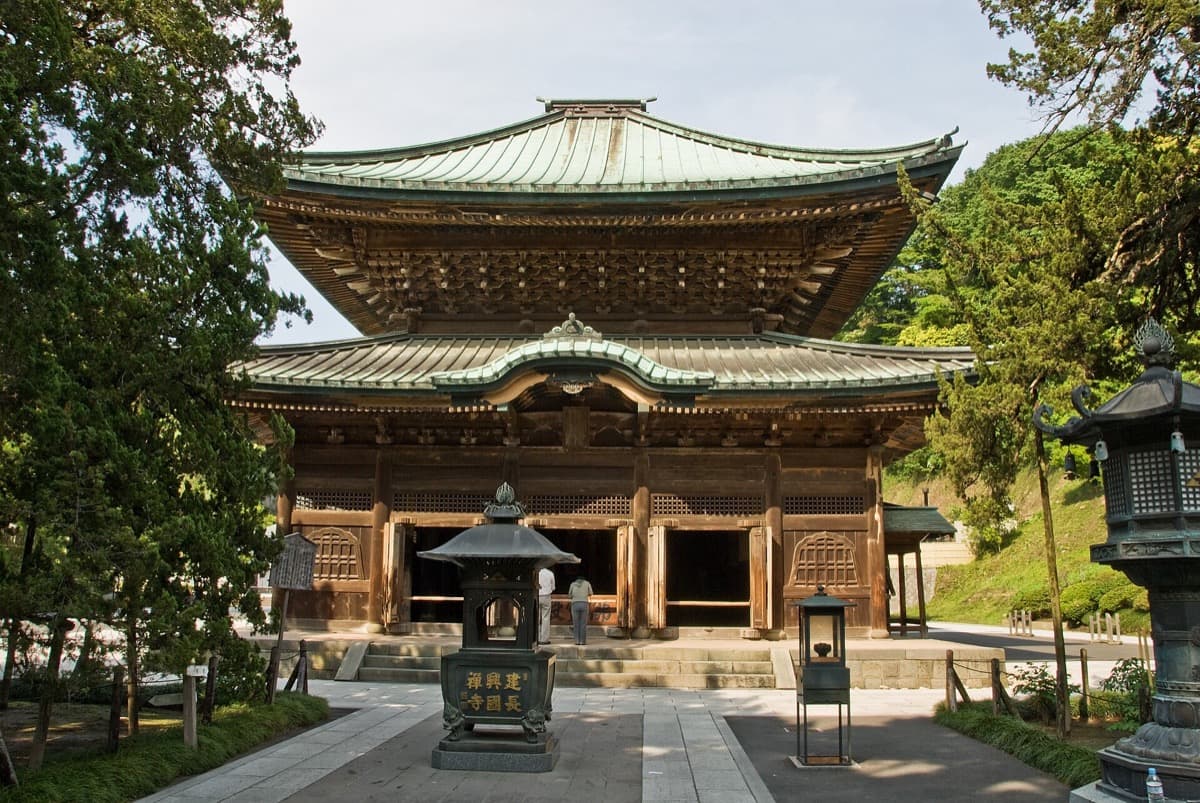
Kencho-ji: Japan's Oldest Zen Training Monastery, Founded by a Chinese Monk in 1253
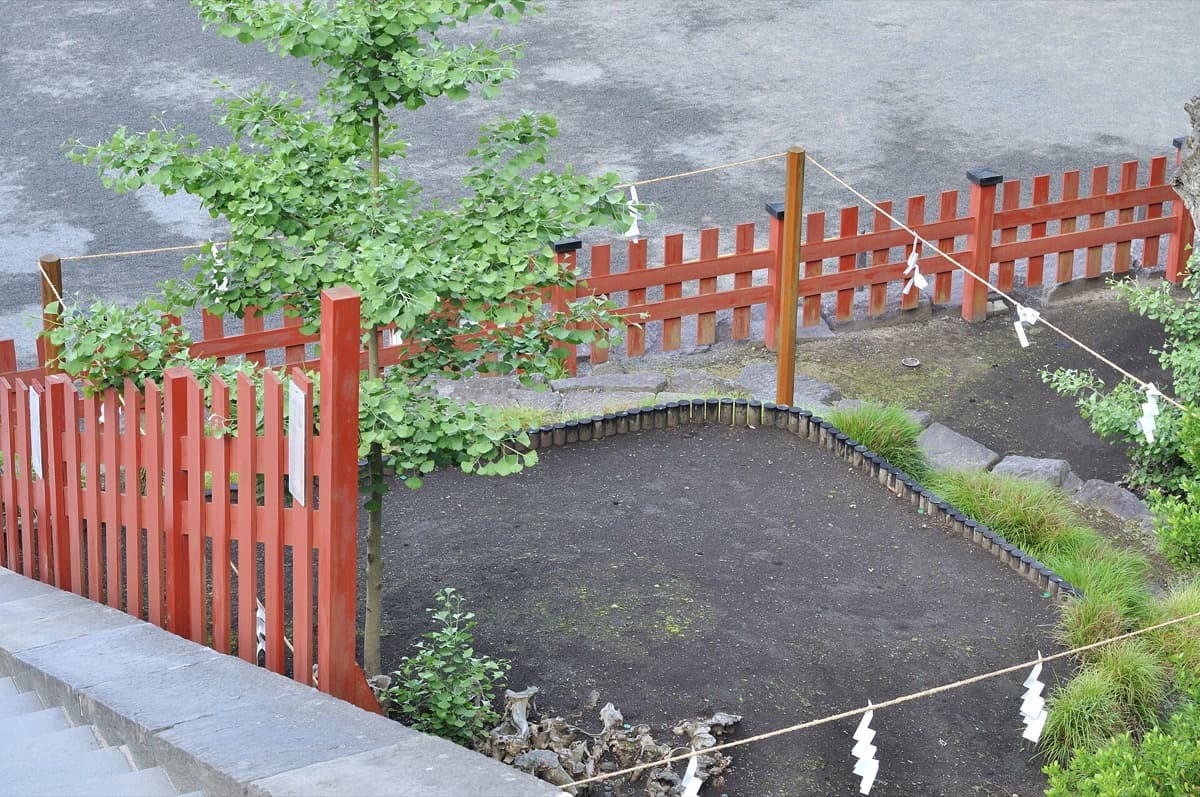
The Great Ginkgo of Tsurugaoka Hachimangu: The Tree, the Legend, and the Shogun Killed on the Steps