Great Buddha: Hase and the Kamakura Daibutsu
80 min · 1.5 km · easy
Kamakura is the best day trip you can take from Tokyo, and one well-planned day sees the essentials. Here is the route.
You cannot exhaust eight centuries of samurai history, Zen monasteries, and seaside temples in a single day, but you do not need to. Kamakura folds Japan first warrior capital into a compact ring of wooded valleys between the hills and the sea, close enough to Tokyo for a morning train yet dense enough to fill a full day on foot. This itinerary routes the Great Buddha, the temple of hydrangeas, the country oldest Zen halls, the samurai capital avenue, and the little Enoden railway to the coast into one comfortable walking day, and names the self-guided Kamakura walking tour that anchors each block so the history walks with you.
Getting there: the morning train from Tokyo
Take the JR Yokosuka Line direct from Tokyo Station to Kamakura: about 60 minutes, roughly 940 yen one-way, no transfer, with trains every 10 to 15 minutes through the day. It also stops at Shinagawa, Yokohama, and, one stop before Kamakura, Kita-Kamakura, which is exactly where a good day starts. Get off at Kita-Kamakura for the Zen temples, then work your way south. See the Kamakura travel guide for the full transport rundown, including the Enoden line and rental bikes.
Morning: the Zen valleys of Kita-Kamakura
Hear a stop from this walk
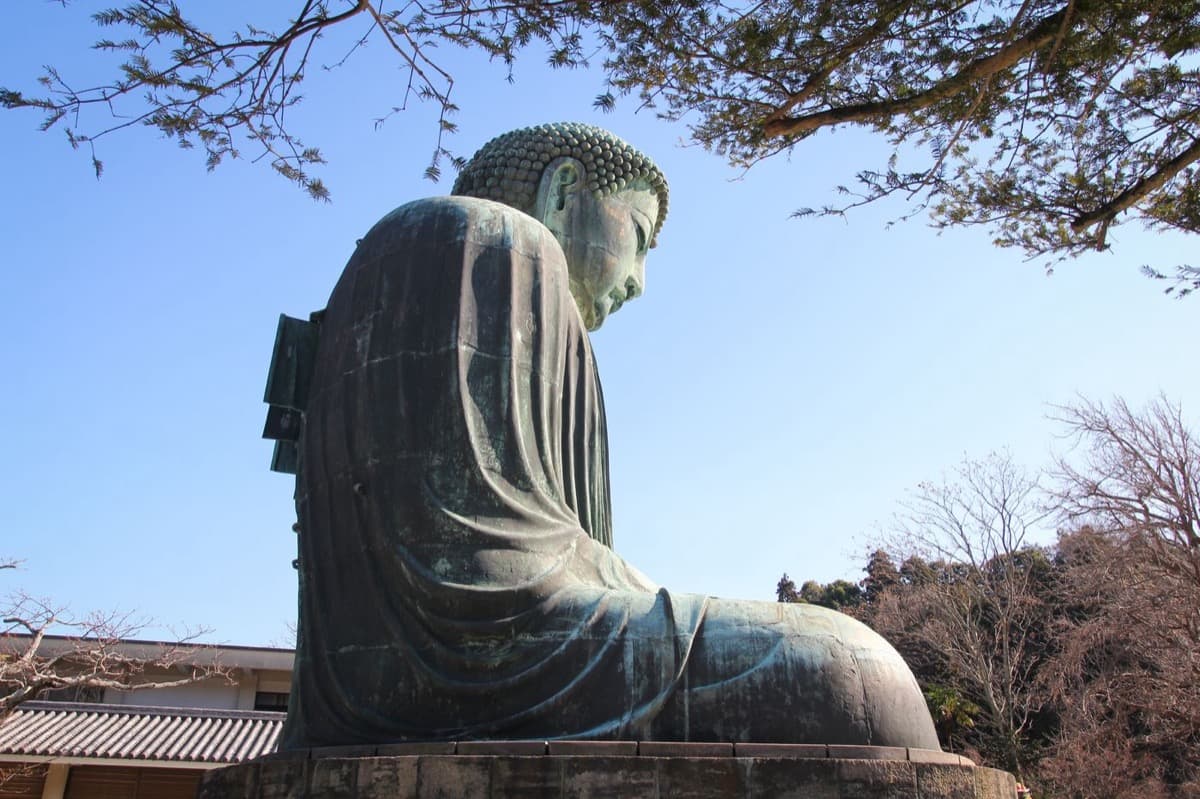
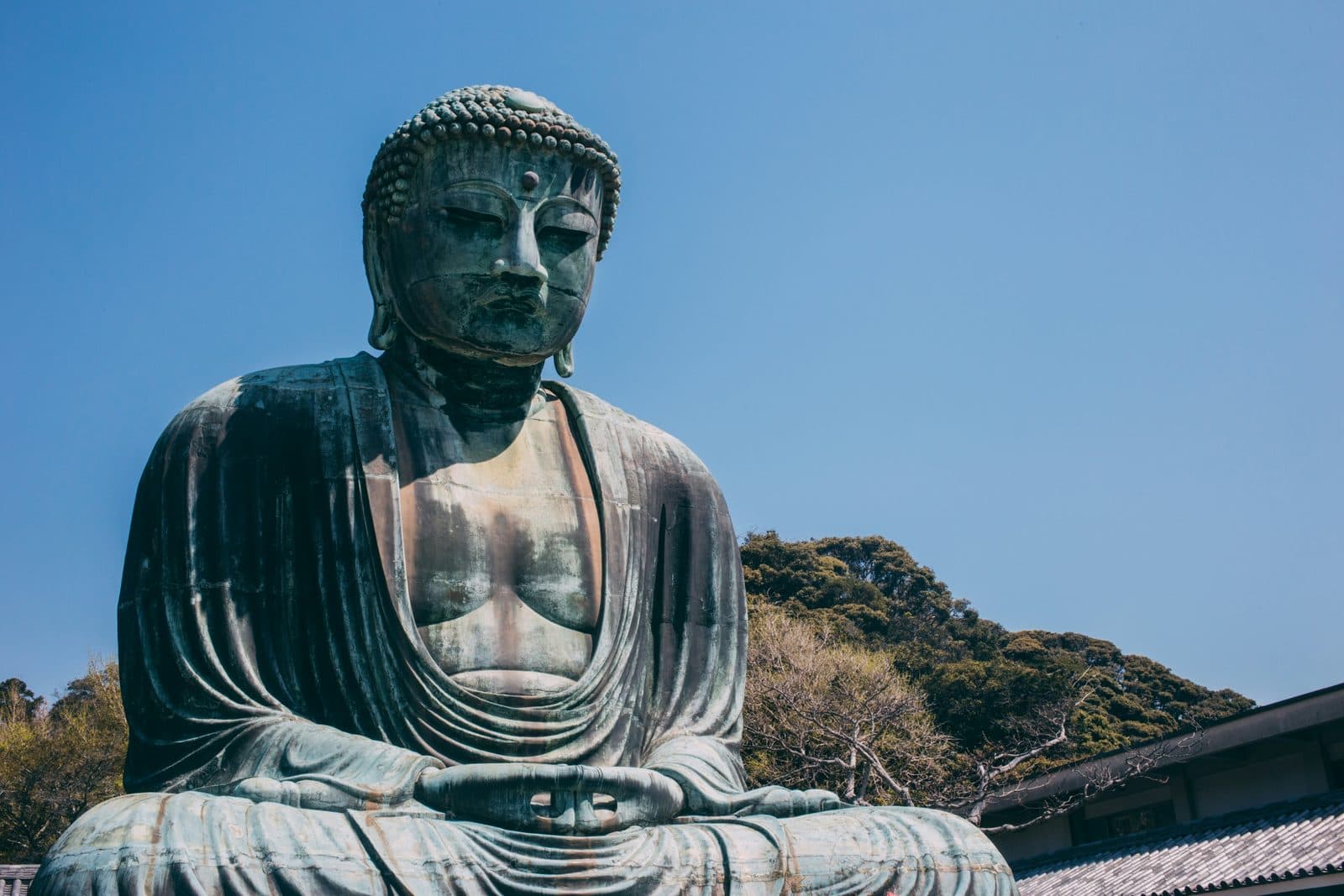
The Great Buddha: Kamakura Daibutsu
Start at Kita-Kamakura, where the northern valley holds Japan oldest Zen monasteries. Engaku-ji sits right by the station, the second-ranked of the five great Kamakura Zen temples. A short walk south brings you to Kencho-ji, ranked first and completed in 1253, the oldest Zen training monastery in the country, founded by a Chinese master at the invitation of the Hojo regents who then ruled Japan. In hydrangea season detour to tiny Meigetsu-in, the "hydrangea temple," and Tokei-ji, the old refuge convent.
Walk this stretch with the The Temple Valleys: Zen in the Northern Hills self-guided audio tour, which reads the valley as what it really was: an imported foreign meditation practice, organized by the warrior government like a state ministry and made into the discipline of the samurai. It is a linear walk downhill, so it feeds you naturally toward central Kamakura.
Midday: the Great Buddha and Hasedera
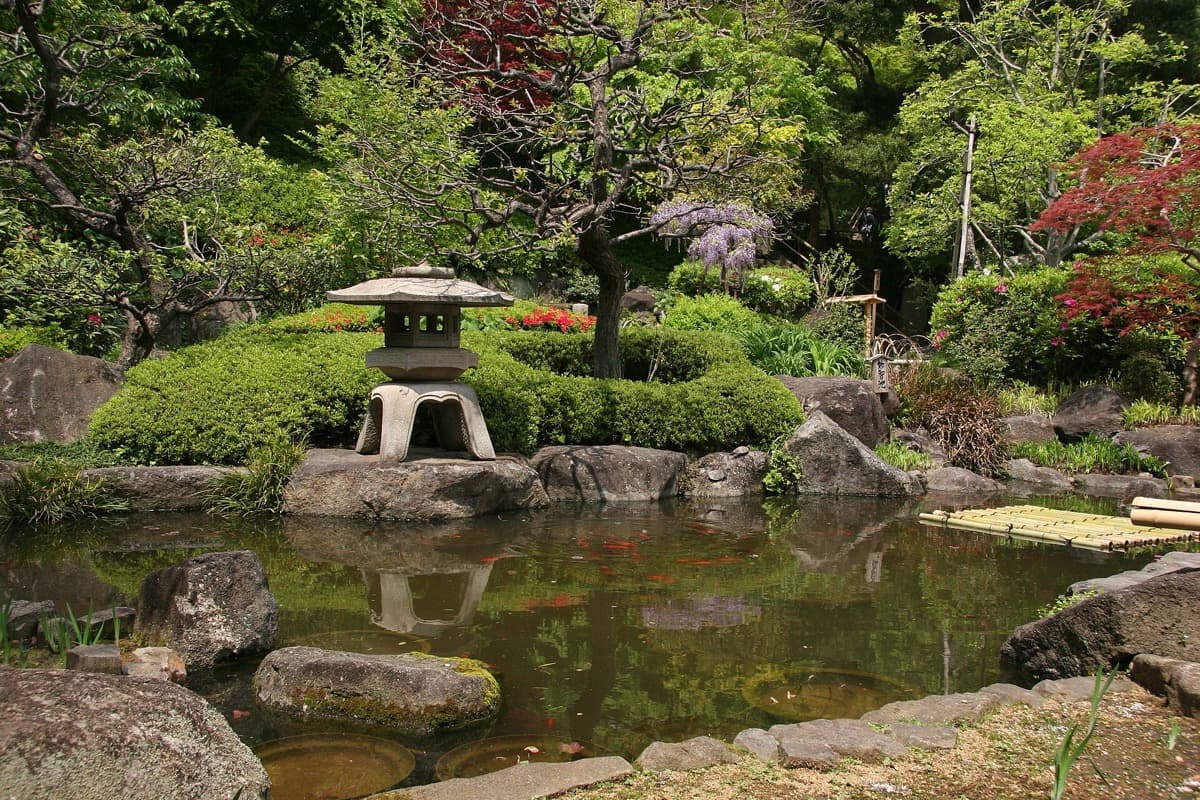
From Kamakura Station, ride two stops on the Enoden line to Hase for the day two signature sights, a five-minute walk apart. Start at Hasedera, a hillside temple of a 9-meter gilded wooden Kannon, a candle-lit sea grotto, and, above the garden, a hydrangea path of some 2,500 plants across 40 varieties that draws crowds every June. Its terrace gives a wide view over Sagami Bay.
Then walk up to Kotoku-in and the Great Buddha, the bronze Daibutsu cast around 1252, about 13 meters tall and 93 tons. It once sat inside a great wooden hall; storms wrecked the hall repeatedly and a tsunami from the 1498 earthquake washed the last one away for good, so the Buddha has sat under open sky ever since. It is hollow, and for a few coins you can step inside and see the seams of its casting.
This is the block for the The Great Buddha and Hase tour, which ends inside the statue itself. The Hase streets between the two are also the right place for lunch: this is shirasu (whitebait) country. See what to eat in Kamakura for the bowls and snacks worth ordering here.
Afternoon: the samurai capital and Komachi-dori
Ride the Enoden back to Kamakura Station and walk the shrine avenue. Tsurugaoka Hachimangu, the war-god shrine of the Minamoto clan, sits at the head of an arrow-straight, cherry-lined approach that Japan first samurai ruler drew from the sea inland to his shrine. Read as a serene stroll it is pretty; read correctly it is the engineered spine of the country first warrior capital.
Walk it with Tsurugaoka Hachimangu and the Samurai Capital, which climbs that avenue and teaches you to see the city plan under the calm. On the way back to the station, cut through Komachi-dori, the covered shopping lane packed with street-food stalls and souvenir shops, the place for purple-sweet-potato soft serve, senbei, and a Kamakura craft beer if you are pacing yourself.
Evening: the Enoden line to the coast
If you have the light and the legs, ride the Enoden line west from Hase or Kamakura. It is a single-car railway that rattles between houses and along the shore, one of the loveliest short train rides in Japan, out toward Enoshima, the little shrine island off the coast, where the sunset over Sagami Bay closes the day. Even a there-and-back ride to watch the sea from the train is worth it. Then the JR Yokosuka Line carries you back to Tokyo in about an hour, with direct trains running late into the evening.
The one-day route at a glance
| Block | Where | Anchor tour |
|---|---|---|
| Morning | Kita-Kamakura Zen temples (Engaku-ji, Kencho-ji) | The Temple Valleys: Zen in the Northern Hills |
| Midday | Hasedera, Great Buddha, Hase lunch | The Great Buddha and Hase |
| Afternoon | Tsurugaoka Hachimangu, Komachi-dori | Tsurugaoka Hachimangu and the Samurai Capital |
| Evening | Enoden line to Enoshima and the coast | (ride and unwind) |
Plan the rest of your trip
One day covers Kamakura essentials. For how to get here and around, when to come for the hydrangeas or autumn colour, and whether it is safe, read the Kamakura travel guide. For every route in town, see the best self-guided walking tours in Kamakura, or browse all Kamakura tours. Every tour is free to start: the introduction and first stop play in full, and every later stop plays a short preview before an optional purchase.
Frequently asked questions
- Is Kamakura a good day trip from Tokyo?
- Kamakura is arguably the best day trip from Tokyo. It sits about an hour south by direct train on the JR Yokosuka Line (roughly 60 minutes and about 940 yen one-way from Tokyo Station, no transfer), and it packs Japan first samurai capital, the Great Buddha, the temple of hydrangeas, the country oldest Zen monasteries, and a seaside railway into one compact, walkable area. You can leave Tokyo after breakfast and be back for dinner.
- How long do you need in Kamakura?
- A full day is ideal for the highlights. You can hit the Great Buddha and Hasedera in a half day if you are short on time, but a full day lets you add the northern Zen valleys, the Tsurugaoka Hachimangu approach, and the Enoden line ride out toward Enoshima and the coast without hurrying. Two days would let you slow down further, but Kamakura essentials fit a single well-planned day.
- How much walking is a one-day Kamakura itinerary?
- Expect roughly 6 to 9 km on foot across the day, spread over temple grounds, the Hase hillside, and the Hachimangu avenue, with some stairs and gentle slopes. The Enoden line and short train hops cover the longer distances between areas, so you are walking neighborhoods, not marching between them. Wear real walking shoes and pace yourself with tea and snack breaks.
- Do I need to book anything in advance for one day in Kamakura?
- Almost nothing needs booking. Temple grounds, shrine paths, and the streets are open to walk-ups, though most temples and Hasedera charge a small entry fee paid at the gate. The self-guided audio tours that anchor each block are free to start and can be downloaded in advance, so you can walk with narration even where the signal is patchy in the wooded valleys.
Ready to experience it?
Great Buddha: Hase and the Kamakura Daibutsu
80 min · 1.5 km · easy
More from Kamakura
Explore more at your own pace.
Kamakura Travel Guide: Day Trip from Tokyo, Getting Around, When to Go (2026)
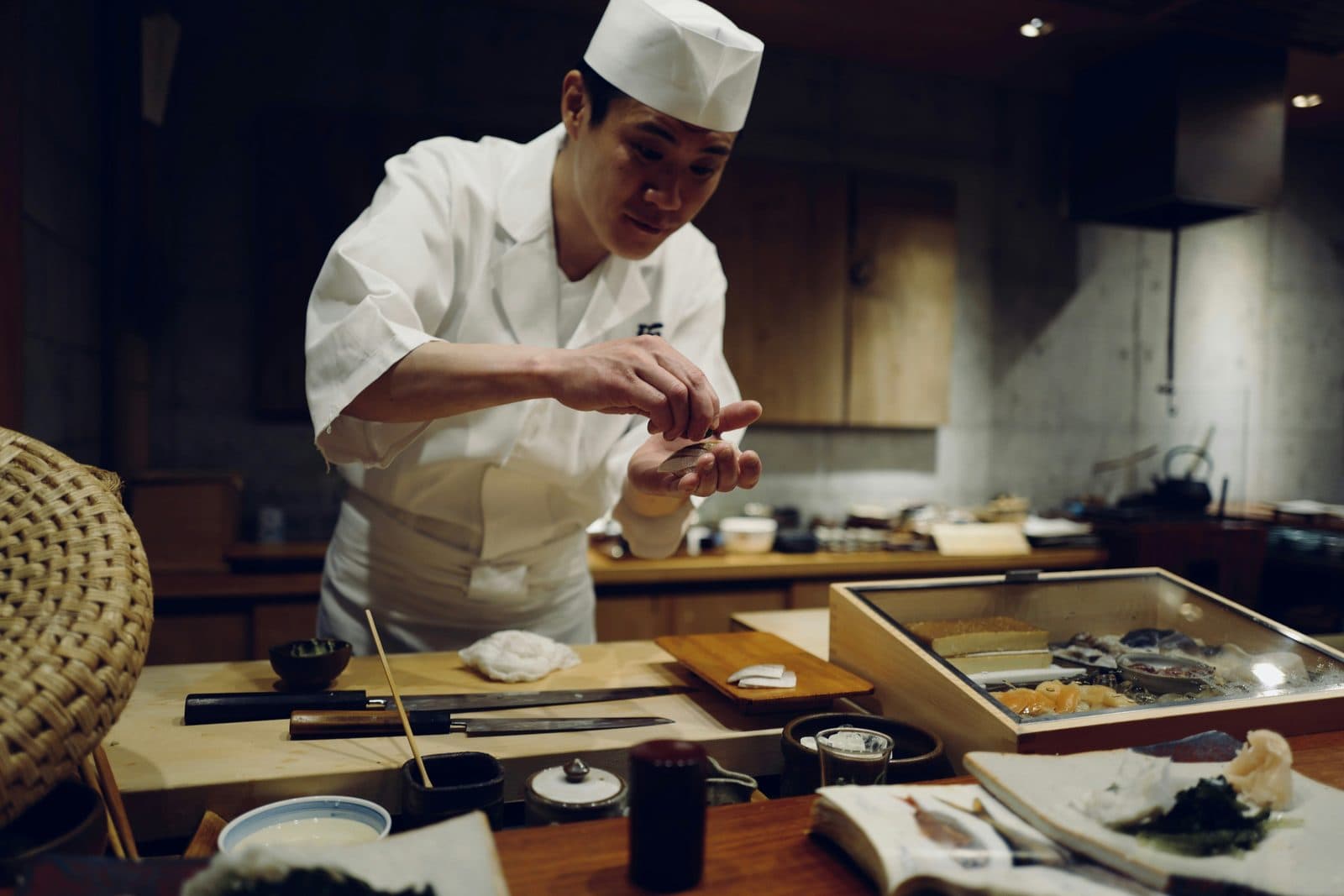
What to Eat in Kamakura: A Food Guide (2026)
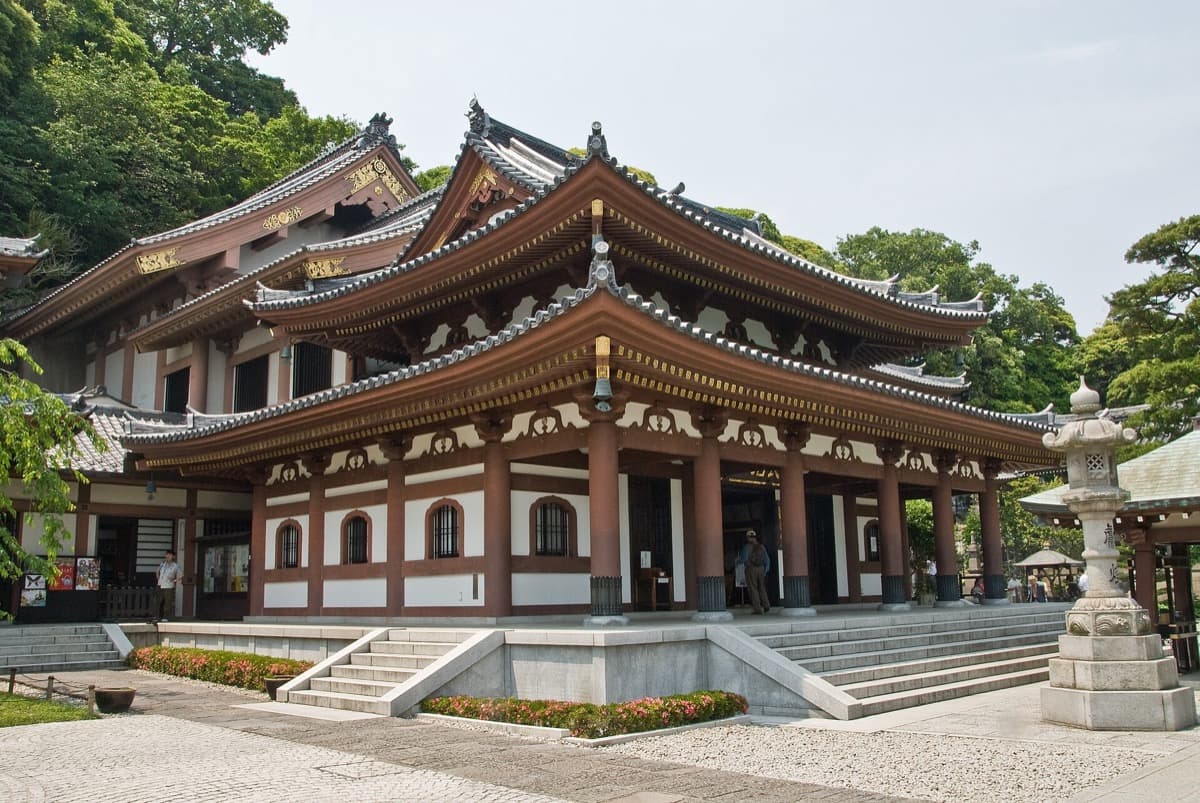
Hase-dera: The Kamakura Temple of a Giant Kannon That Washed Ashore From the Sea
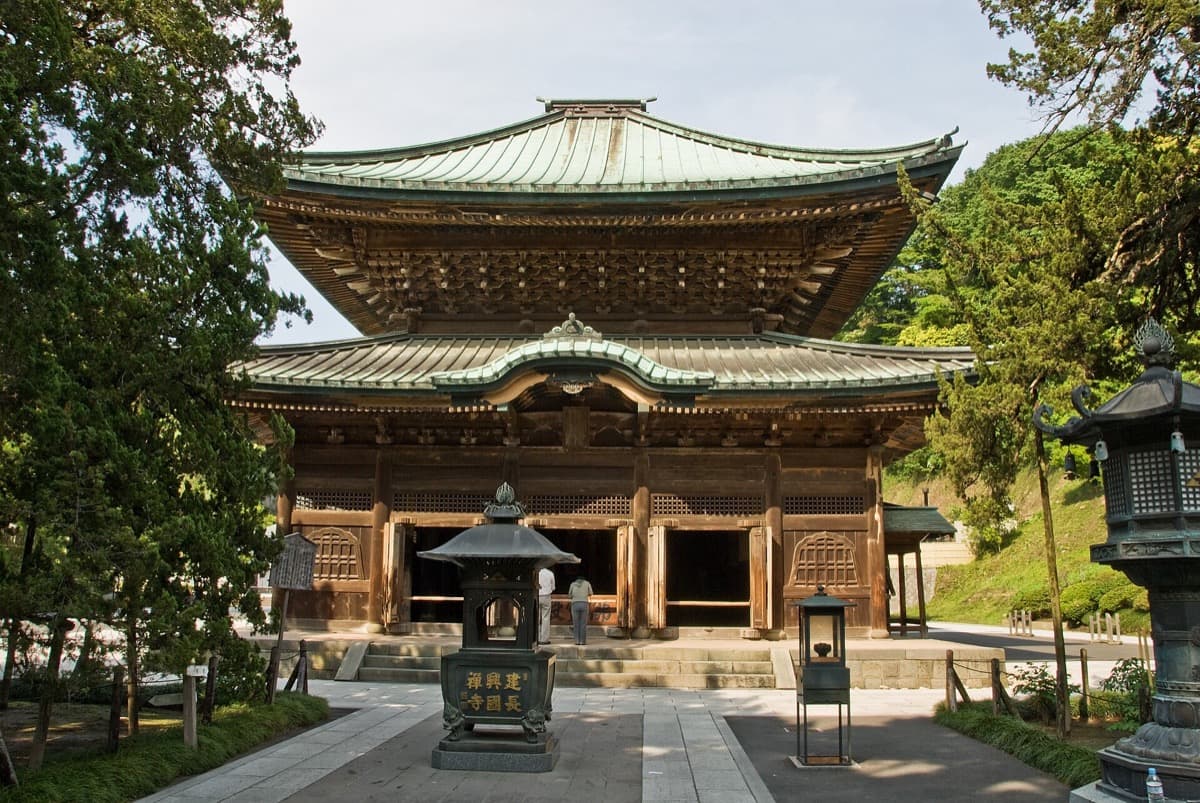
Kencho-ji: Japan's Oldest Zen Training Monastery, Founded by a Chinese Monk in 1253
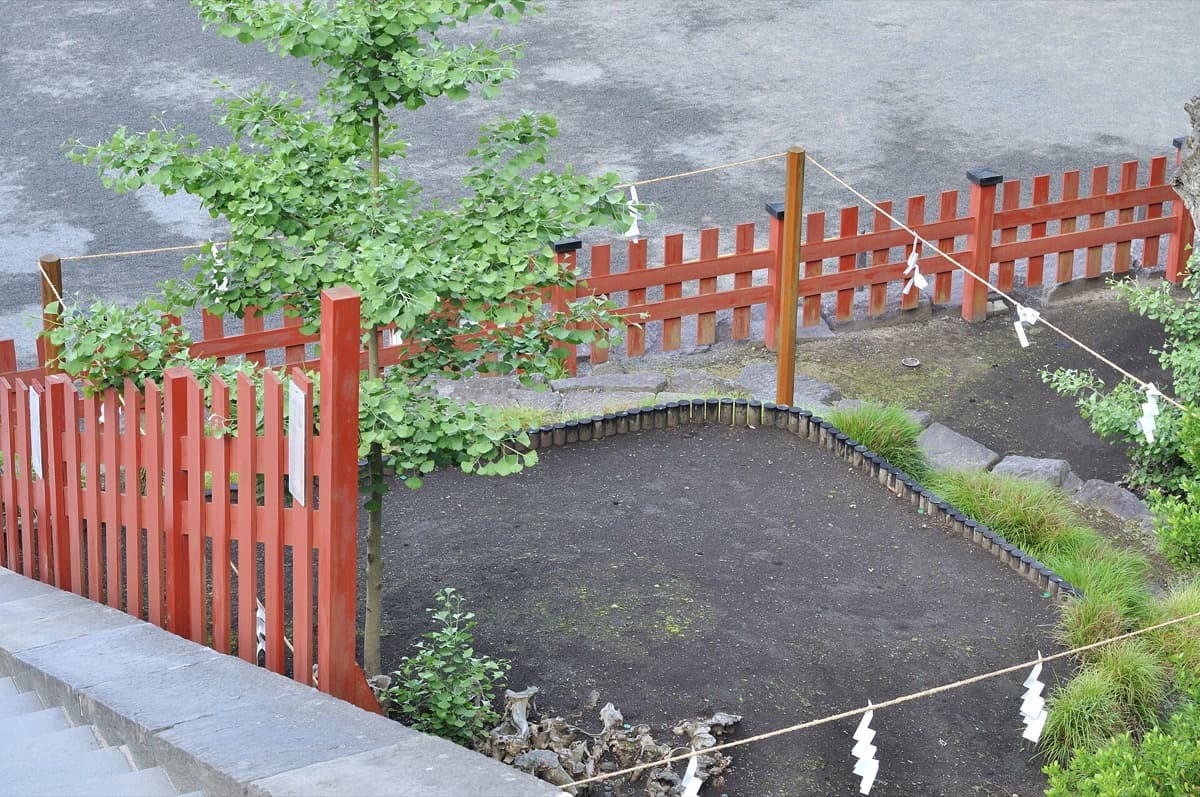
The Great Ginkgo of Tsurugaoka Hachimangu: The Tree, the Legend, and the Shogun Killed on the Steps