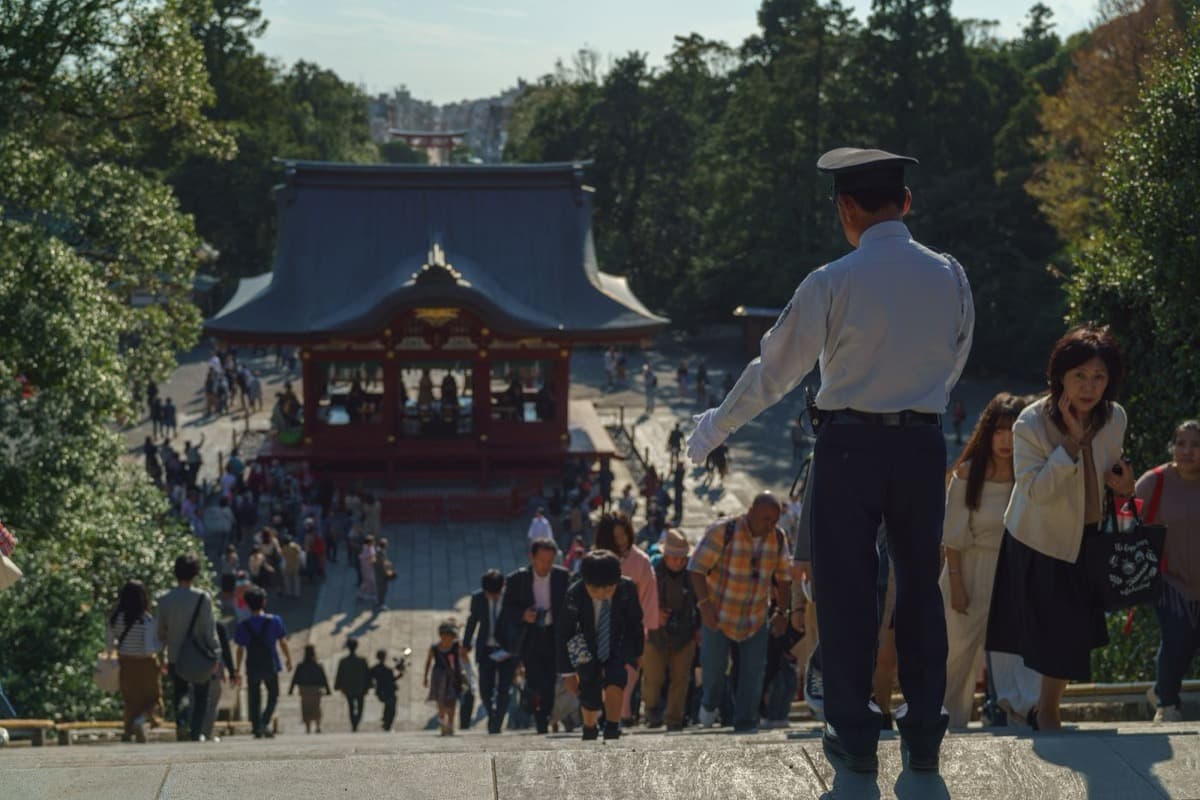
Tsurugaoka Hachimangu and the Samurai Capital
Climb the arrow-straight avenue that Japan's first samurai ruler drew from the sea to his war god's shrine, and read a serene cherry-lined approach as what it truly was: the engineered spine of the country's first warrior capital.
4.64|80 minutes|3 km|6 Stops
Start
Ichino-torii: The Avenue from the Sea
1
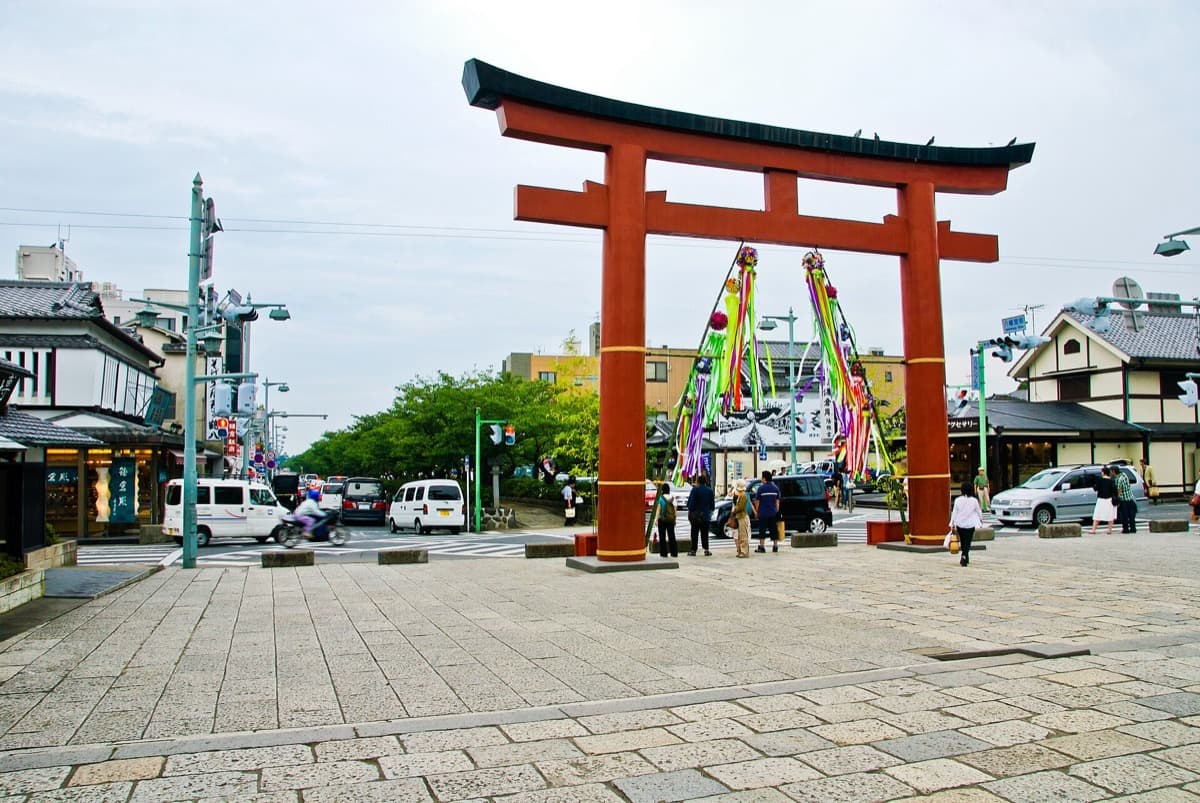
Ichino-torii: The Avenue from the Sea
The first great gateway at the beach end of Wakamiya-oji, where the ceremonial axis of the samurai capital meets the sea.
2
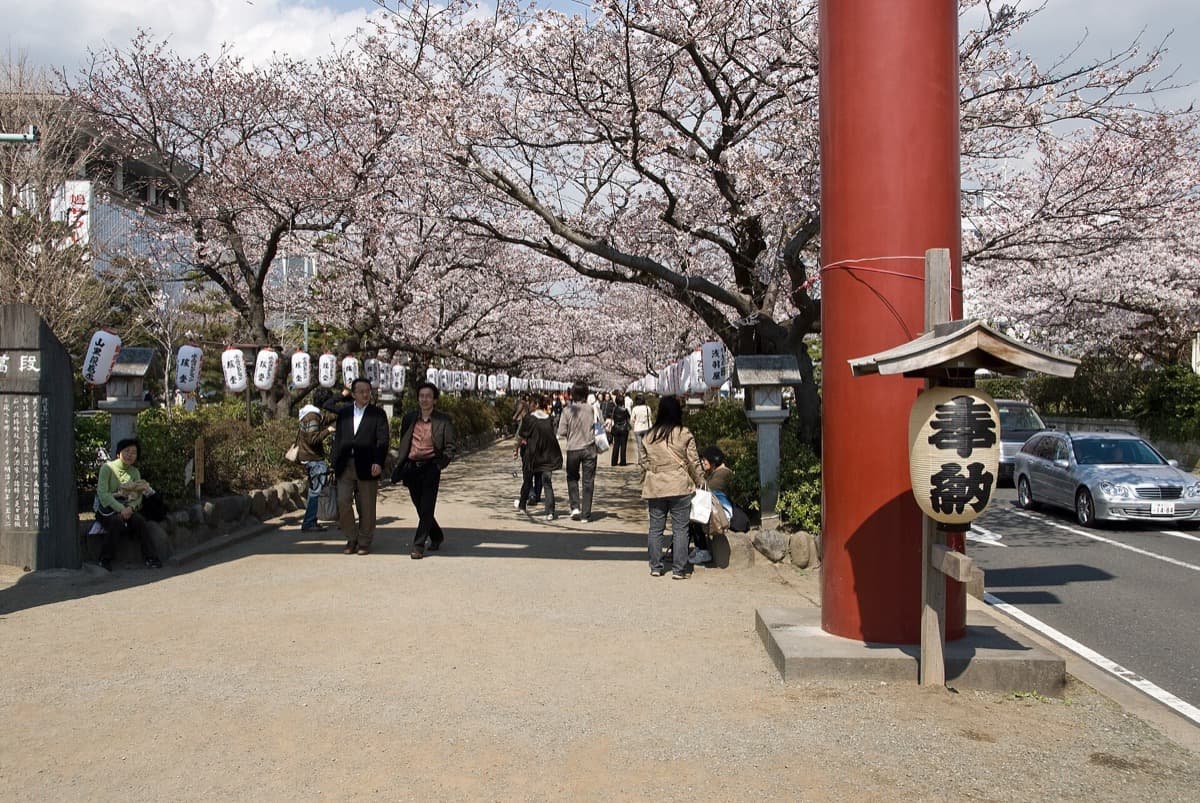
The Dankazura: The Raised Path
A raised central stone path up the middle of the avenue, tied by tradition to a shogun's prayer for a safe birth.
3
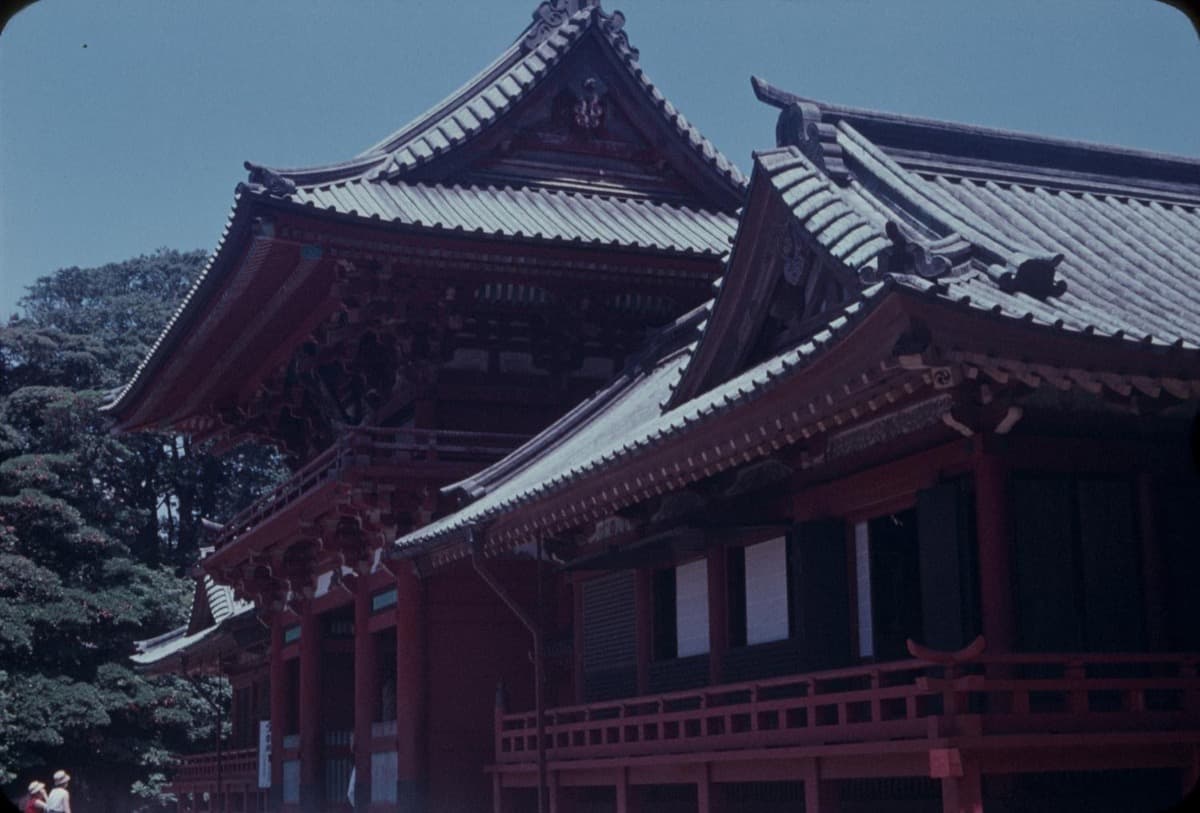
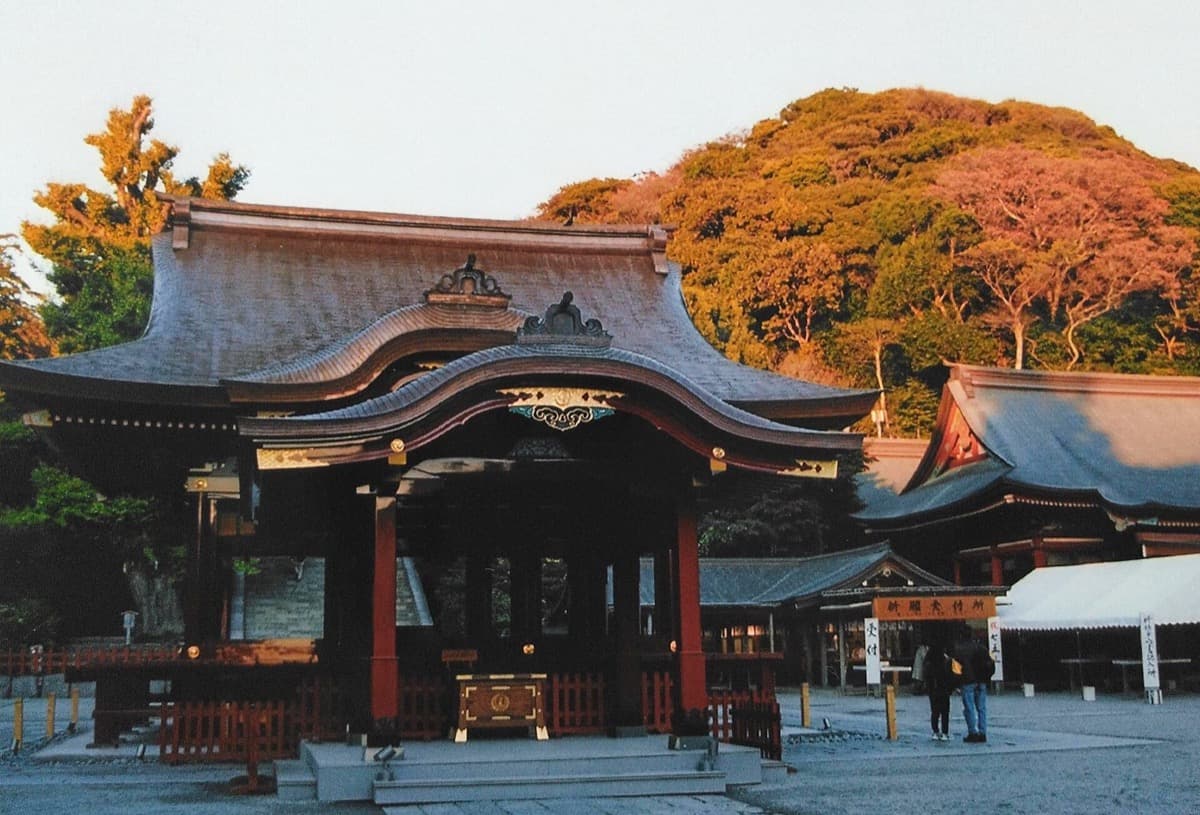
Tsurugaoka Hachimangu: Shrine of the War God
The central shrine at the head of the valley, where Yoritomo installed the war god Hachiman to guard his government.
4
The Maiden: The Captured Dancer
An open dance stage in the lower precinct, remembered for a captive dancer's act of defiance before Yoritomo.
5
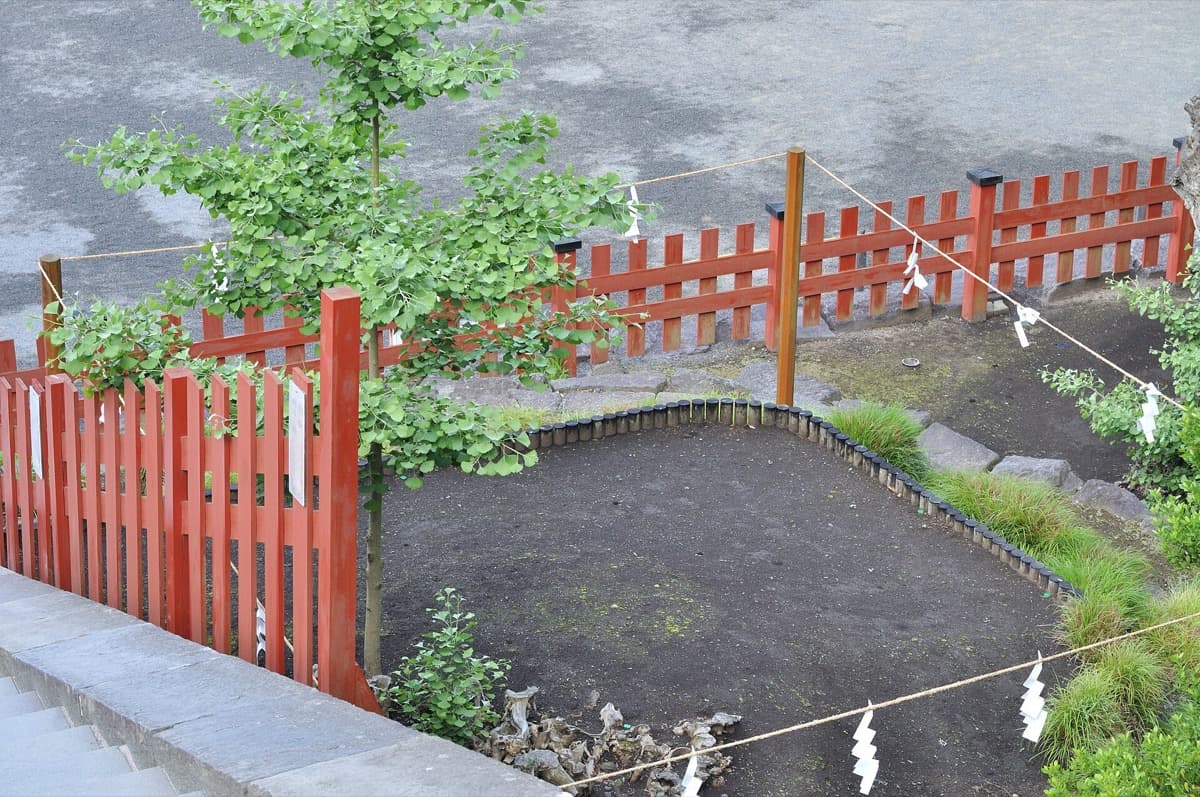
The Great Ginkgo: The Assassination on the Steps
A thousand-year-old ginkgo, toppled in a storm, marking the steps where the ruling clan destroyed its own line.
6
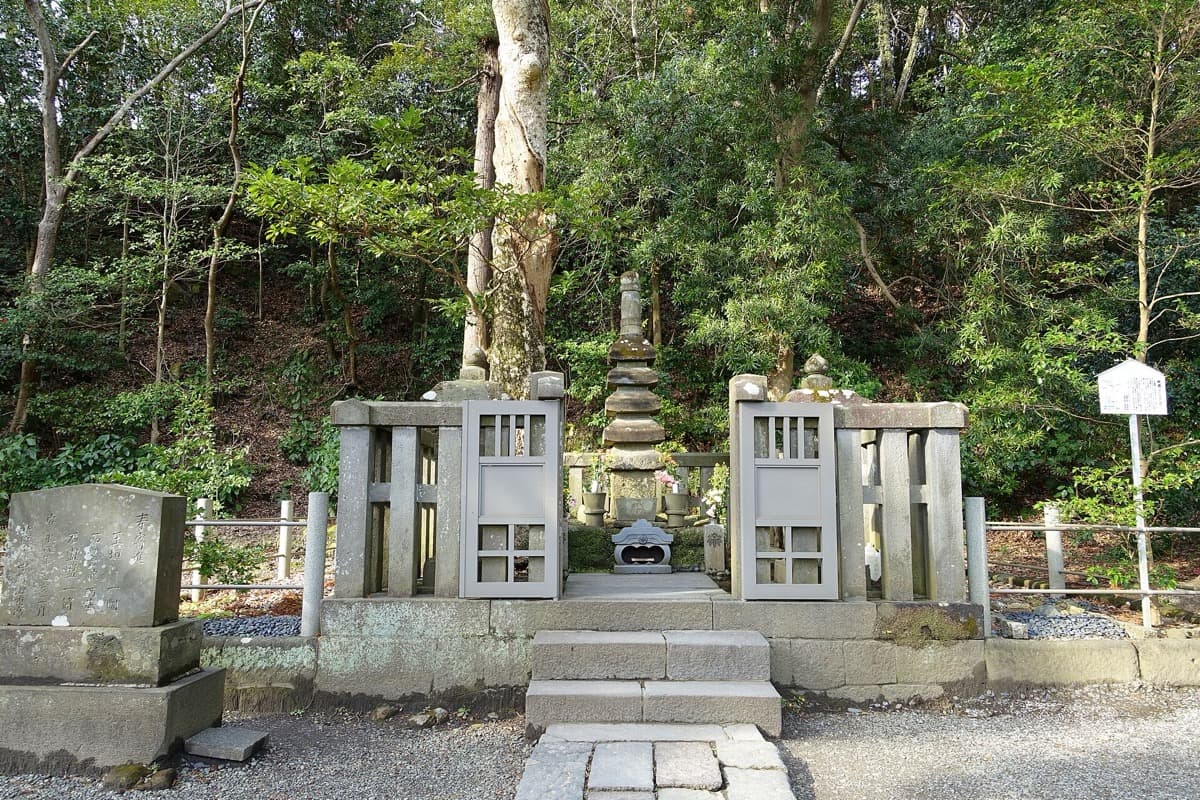
Minamoto no Yoritomo's Grave
The plain hillside tomb of the founder who designed the whole approach, the man behind the samurai capital.
Best Time to Visit
Early morning on a weekday, ideally in the cooler months or in early April when the Dankazura cherries bloom. The avenue and shrine are quietest soon after sunrise, before day-trippers arrive from Tokyo, and the low light suits the long climb from the sea. Avoid midday on spring and autumn weekends, when the approach and steps grow crowded.
Pro Tips
- •Start at the beach end and walk inland so you climb the avenue the way it was designed to be read, from the sea up to the shrine.
- •The main sites on this walk, the avenue, the Dankazura, the shrine grounds, the dance stage, the ginkgo, and Yoritomo's grave, are all free to enter.
- •A separate peony and flower garden inside the shrine, near the Genpei ponds, charges a small fee, so budget for it only if you want the gardens.
- •Wear comfortable shoes: the shrine has a staircase of sixty-one steps, and the grave sits up its own flight of stone steps into the woods.
- •Carry water, especially in summer, since the open avenue offers little shade on the climb from the beach.
- •Give yourself extra time at the quieter grave at the end, since most visitors stop at the shrine and the founder's tomb is often peaceful.
Safety & Precautions
- Tsurugaoka Hachimangu is an active place of worship. Keep your voice low near the halls, follow the posted etiquette at the purification basin, and be discreet with photography during ceremonies and weddings on the dance stage.
- The shrine steps and the stone steps up to Yoritomo's grave can be steep and slick when wet, so take them slowly in rain and hold the rail where one exists.
- In June, Kamakura's hydrangea season draws heavy crowds to the town's temples and to the Enoden line, so trains and popular paths can be packed. Travel early and allow extra time.
- Summer on the exposed avenue gets hot and humid with little shade, so pace yourself, drink often, and rest in the shrine grounds if you feel the heat.
Gallery
Related Reading
Go deeper on what you'll see, hear, and walk through.
Overview
Best Self-Guided Walking Tours in Kamakura (2026)
3 min
Overview
Kamakura Travel Guide: Day Trip from Tokyo, Getting Around, When to Go (2026)
5 min
Overview
One Day in Kamakura: The Perfect Day Trip from Tokyo (2026)
5 min
Thematic
What to Eat in Kamakura: A Food Guide (2026)
4 min
Deep dive
The Great Ginkgo of Tsurugaoka Hachimangu: The Tree, the Legend, and the Shogun Killed on the Steps
6 min