Plaza de Mayo: The Square Where a Nation Keeps Being Made
90 min · 2.1 km · easy
If you have one meal in Buenos Aires, eat asado at a parrilla: beef cooked slowly over wood or charcoal, seasoned with little more than salt, and served with chimichurri. Around that centerpiece the city organizes a full food grammar. Empanadas and choripán for the hand, milanesa and pizza al molde for the table, medialunas at a marble café, and dulce de leche in nearly every dessert. Most of it traces to two immigrant waves, Spanish and Italian, that reshaped the River Plate kitchen. Here is what to order, where the tradition comes from, and how to ask for it without sounding like you just landed.
Start with asado, the meal everything else orbits
Asado is both a technique and a social event, closer to a slow ritual than a quick dinner. At a parrilla (which means both the grill and the restaurant built around it) the meat arrives in cuts, not in one plate. Order bife de chorizo (a thick sirloin strip, unrelated to sausage) or ojo de bife (ribeye) if you want a single steak. If you want the fuller experience, ask for a parrillada, a mixed grill that can include tira de asado (short ribs), vacío (flank), chorizo, and morcilla (blood sausage). The seasoning is deliberately minimal so the beef carries the flavor, and chimichurri, a garlicky herb-and-oil sauce, sits on the side rather than smothering the meat.
Two things belong on the table with it. Provoleta is a round of provolone grilled until crisp outside and molten inside, usually dusted with oregano. Papas a la provenzal (fried potatoes with garlic and parsley) round out the carbs. Order your steak by doneness: jugoso is rare to medium-rare, a punto is medium, and cocido is well done. If you say nothing, a good parrilla will lean toward a punto.
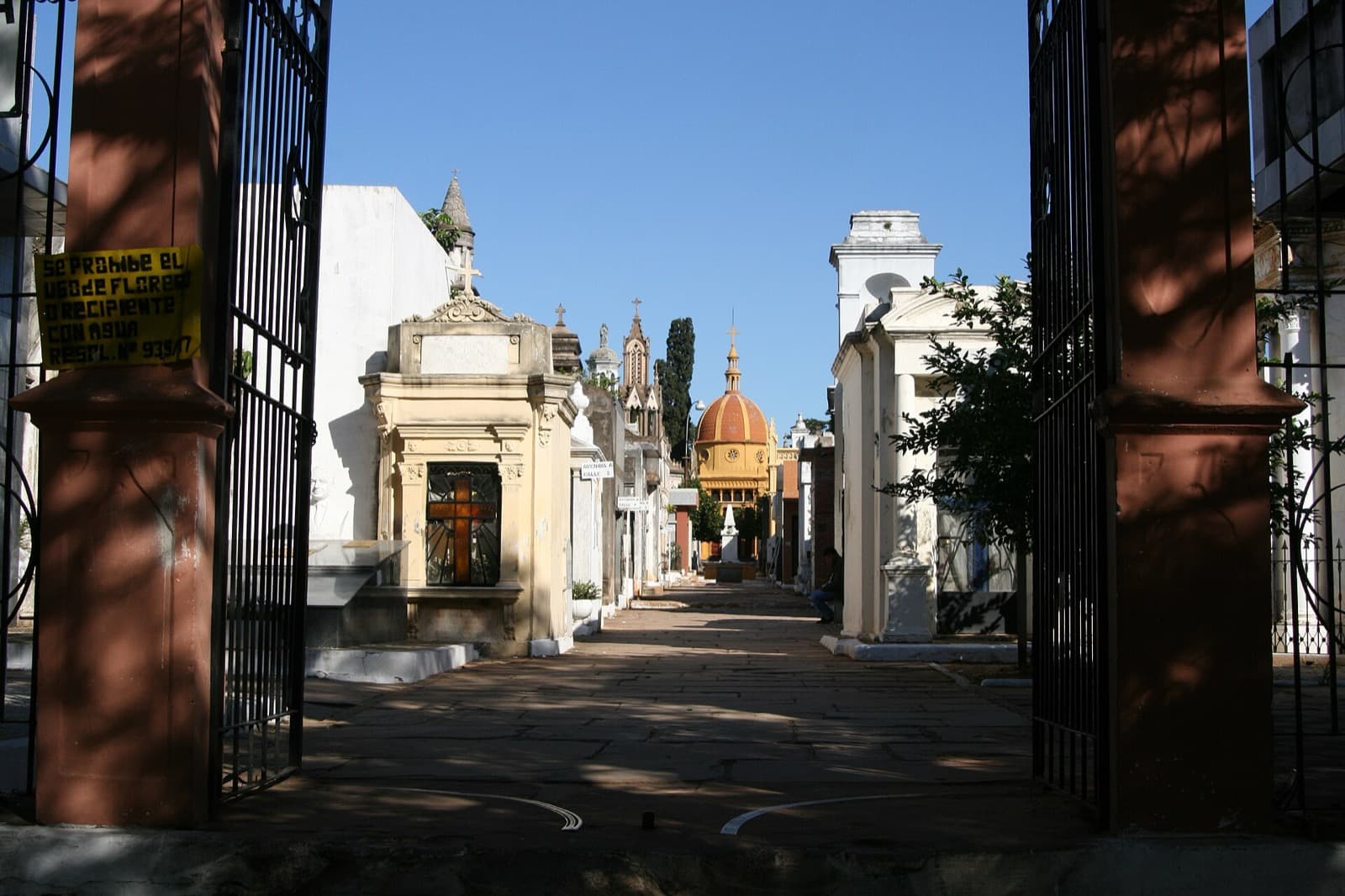
Our Recoleta walking tour ends in a neighborhood dense with classic parrillas, which makes it a natural pre-dinner walk.
Empanadas: read the region in the pastry
Hear a stop from this walk
National Congress: The Other End of the Axis
Empanadas are the country's most portable food and its clearest map of regional identity. The form came to South America with Spanish colonizers in the sixteenth century, but each province bent it to local taste. Salteñas, from Salta in the northwest, are small, juicy, and lightly spiced, often with potato and a spoon of broth sealed inside. Tucumán empanadas skip the potato, letting knife-cut beef, onion, and hard-boiled egg carry the flavor, and they are baked in clay ovens. Cordobesas from Córdoba turn slightly sweet with raisins or sugar. Mendocinas from wine country lean on beef, olives, and egg with paprika and cumin.
Tucumán takes the empanada seriously enough to hold a National Empanada Festival in the town of Famaillá, which has run every September since 1979 and draws thousands each year. In a Buenos Aires bakery you will usually choose by filling: carne (beef), carne suave (mild), jamón y queso (ham and cheese), or humita (a sweet-corn filling). Many shops mark the seal or ridge pattern so you can tell one filling from another once they are baked. Two or three make a light lunch.
The Italian table: milanesa, pizza, and helado
Italian immigration rebuilt half the Buenos Aires menu, and nowhere is that clearer than the milanesa. It descends from cotoletta alla milanese, the breaded veal cutlet of Milan. The local twist is the milanesa napolitana, topped with tomato sauce, ham, and melted cheese. By popular account it was invented in Buenos Aires in the 1940s, and one widely repeated story traces it to a downtown restaurant called Nápoli, near the Luna Park stadium, where a cook is said to have masked a burnt cutlet with those toppings. Treat that origin as beloved lore rather than settled fact, but the dish itself is everywhere and reliably good.
Buenos Aires pizza is its own species. Pizza al molde has a thick, spongy, pan-baked crust, a style that grew in the La Boca neighborhood where Italian immigrants used bread pans and bread ovens because pizza-specific gear did not exist yet. The signature is fugazzeta: two layers of dough with cheese in the middle and sweet onion on top, a cousin of the cheeseless, onion-topped fugazza. Fugazza and its variations are attributed to pizza maker Juan Banchero in La Boca; his father Agustín, from Genoa, had opened a La Boca bakery in 1893, and the name traces to fugassa, the Genoese word for focaccia.
For dessert, follow the queue to a heladería. Argentine helado descends from Italian gelato, brought by the same immigrant wave, and it is typically denser and creamier than gelato. Order dulce de leche, the caramel-like milk confection that flavors much of the country's sweets, or granizado (chocolate chip) if you want a second scoop.
Street food and the café ritual
The essential street food is choripán: grilled chorizo split into a crusty roll and topped with chimichurri. You will find it at parrillas, football stadiums, and weekend fairs, including the Sunday market on Plaza Dorrego. Our San Telmo walking tour passes the covered Mercado de San Telmo and the Plaza Dorrego fair, both good places to eat with your hands between stops.
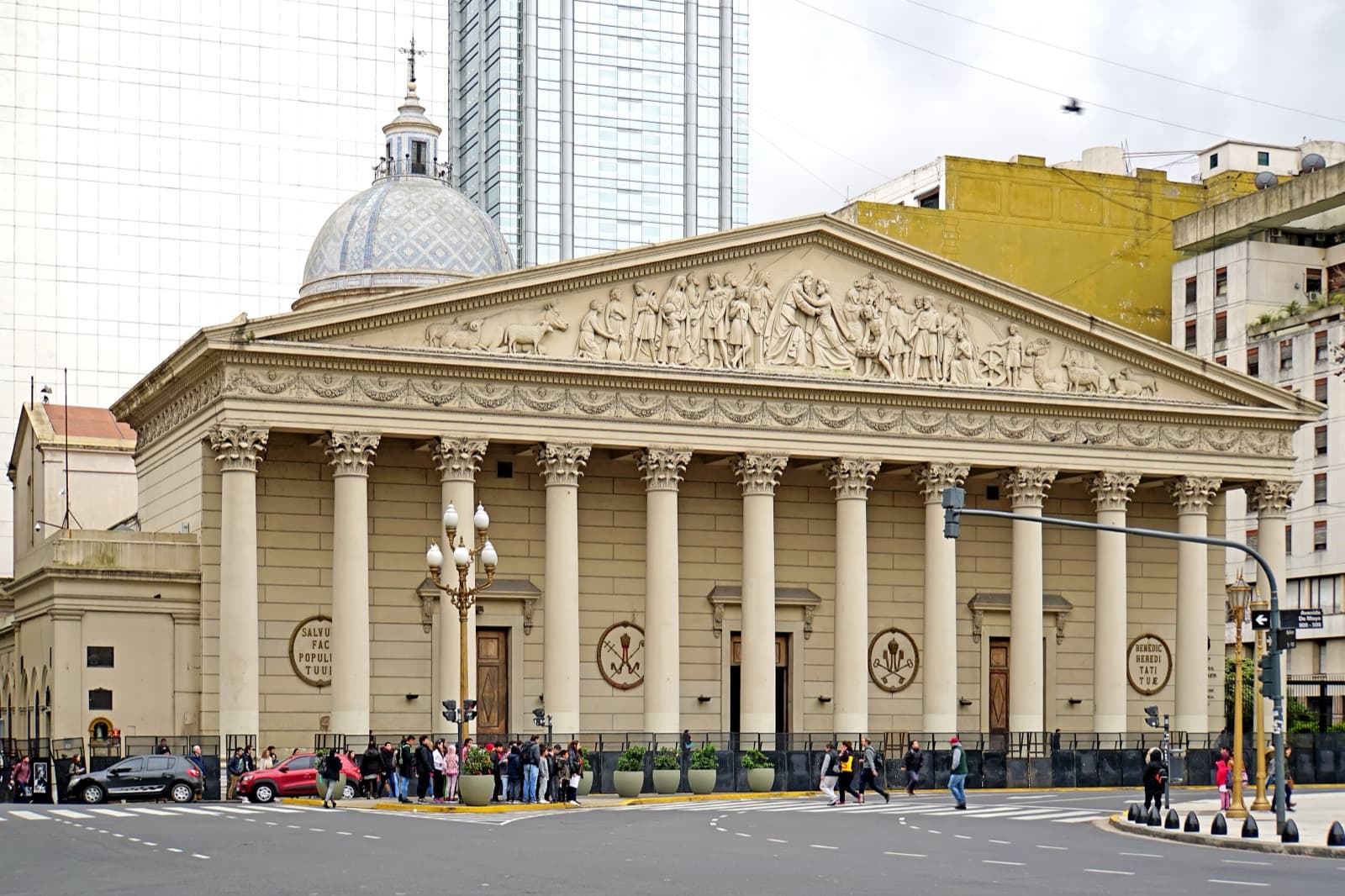
The other daily ritual is coffee. Porteños drink an espresso-based cup, and the most common order is a cortado, an espresso "cut" with a little milk. A café con leche is closer to half coffee, half milk, usually a morning drink. Either one comes with a small glass of soda water and, often, a medialuna, the local croissant that comes in a sweeter, glazed version (de manteca) and a plainer, drier one (de grasa). Facturas is the general word for the tray of pastries. The city's grand old cafés keep this alive: Café Tortoni, opened in 1858 and named after a Parisian café, has had its entrance at 825 Avenida de Mayo since 1894. It is widely called the oldest in the city, and a fixture on our Plaza de Mayo walking tour along the historic avenue.
One note on mate: the herbal green infusion sipped from a shared gourd is genuinely everywhere in daily life, but it is a social and home custom, not usually a restaurant order. You will see people drinking it in parks and on benches rather than buying it at a café.
How to order, and when to show up
The single biggest adjustment for visitors is timing. Dinner runs late. Kitchens fill after 9 p.m., and prime dining time is from about 9:30 onward, so an early arrival can put you in a nearly empty room. Between roughly 5 and 7 p.m. many locals take merienda, an afternoon pause for coffee or mate with a medialuna or an alfajor (two soft cookies sandwiching dulce de leche). If you are hungry earlier than 9, merienda is your bridge to a late dinner.
A few practical phrases carry you far. La cuenta, por favor asks for the check, which in Argentina almost never arrives until you request it. Para llevar means to go. Splitting and sharing is normal at a parrilla, so ordering fewer plates than people and passing them around is expected, not rude. To plan the walking half of your eating days, start from the city hub: Buenos Aires walking tours.
Sources
Frequently asked questions
- What is the most iconic food to eat in Buenos Aires?
- Asado, beef grilled slowly over wood or charcoal at a parrilla, is the defining meal. It is seasoned mostly with salt and served with chimichurri and sides like provoleta (grilled provolone) and fried potatoes. Cuts such as bife de chorizo (sirloin strip) and tira de asado (short ribs) are common orders. Asado is treated as a slow social ritual, not a quick dinner.
- What are the different types of Argentine empanadas?
- Regional styles differ by province. Salteñas from Salta are small, juicy, and lightly spiced with potato. Tucumán empanadas use knife-cut beef, onion, and egg with no potato, baked in clay ovens. Córdoba empanadas turn slightly sweet with raisins or sugar, and Mendoza versions add olives, egg, paprika, and cumin. Tucumán has held a National Empanada Festival in Famaillá every September since 1979.
- What is milanesa napolitana and where was it invented?
- Milanesa napolitana is a breaded beef or veal cutlet topped with tomato sauce, ham, and melted cheese. It is a Buenos Aires variation on the Milanese cotoletta, and by popular account it appeared in the city in the 1940s. A widely repeated story traces it to a downtown restaurant called Nápoli, near the Luna Park stadium, where a cook is said to have masked a burnt cutlet with those toppings. That origin is best treated as lore rather than confirmed fact.
- How do you order coffee in Buenos Aires?
- The most common order is a cortado, an espresso cut with a little milk. A café con leche is closer to half coffee and half milk, usually taken in the morning. Coffee typically comes with a small glass of soda water and often a medialuna, the local croissant. Grand cafés like Café Tortoni, opened in 1858, keep this tradition alive.
- What time do people eat dinner in Buenos Aires?
- Dinner is late. Restaurant kitchens fill after 9 p.m., and prime dining time runs from about 9:30 onward. Many locals take merienda, an afternoon coffee-and-pastry pause, between roughly 5 and 7 p.m. to bridge the gap. If you get hungry earlier, merienda with a medialuna or an alfajor is the local solution.
- Is pizza in Buenos Aires different from Italian pizza?
- Yes. Pizza al molde has a thick, spongy, pan-baked crust that grew in the La Boca neighborhood, where Italian immigrants used bread pans and bread ovens. The signature is fugazzeta, two layers of dough with cheese in the middle and sweet onion on top. It is a cousin of fugazza, a cheeseless onion pizza attributed to pizza maker Juan Banchero in La Boca.
Ready to experience it?
Plaza de Mayo: The Square Where a Nation Keeps Being Made
90 min · 2.1 km · easy
More from Buenos Aires
Explore more at your own pace.
Buenos Aires: The City That Keeps Rewriting Itself in Public
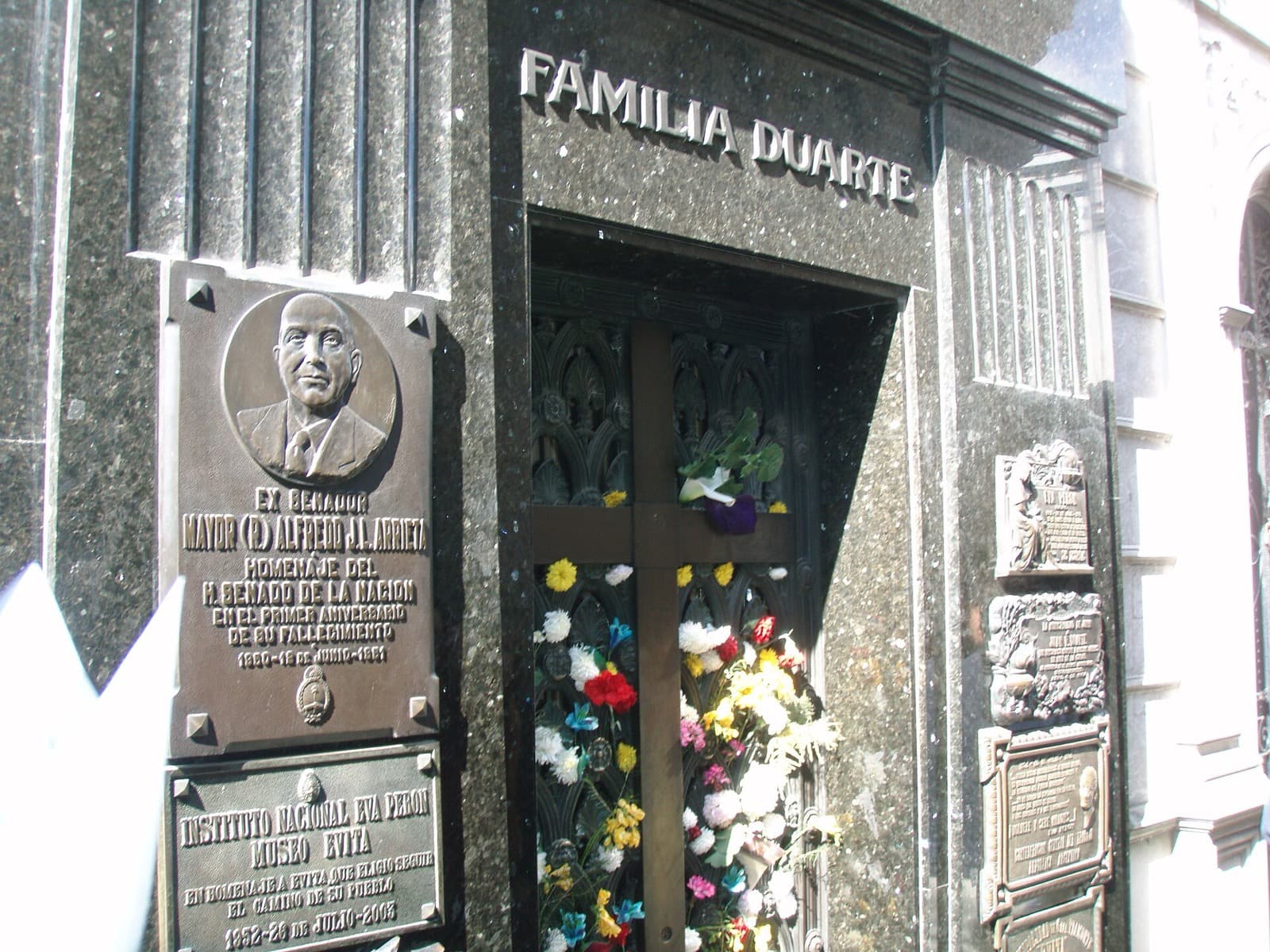
The Tomb of Eva Perón and the Recoleta Cemetery That Outshone the Living
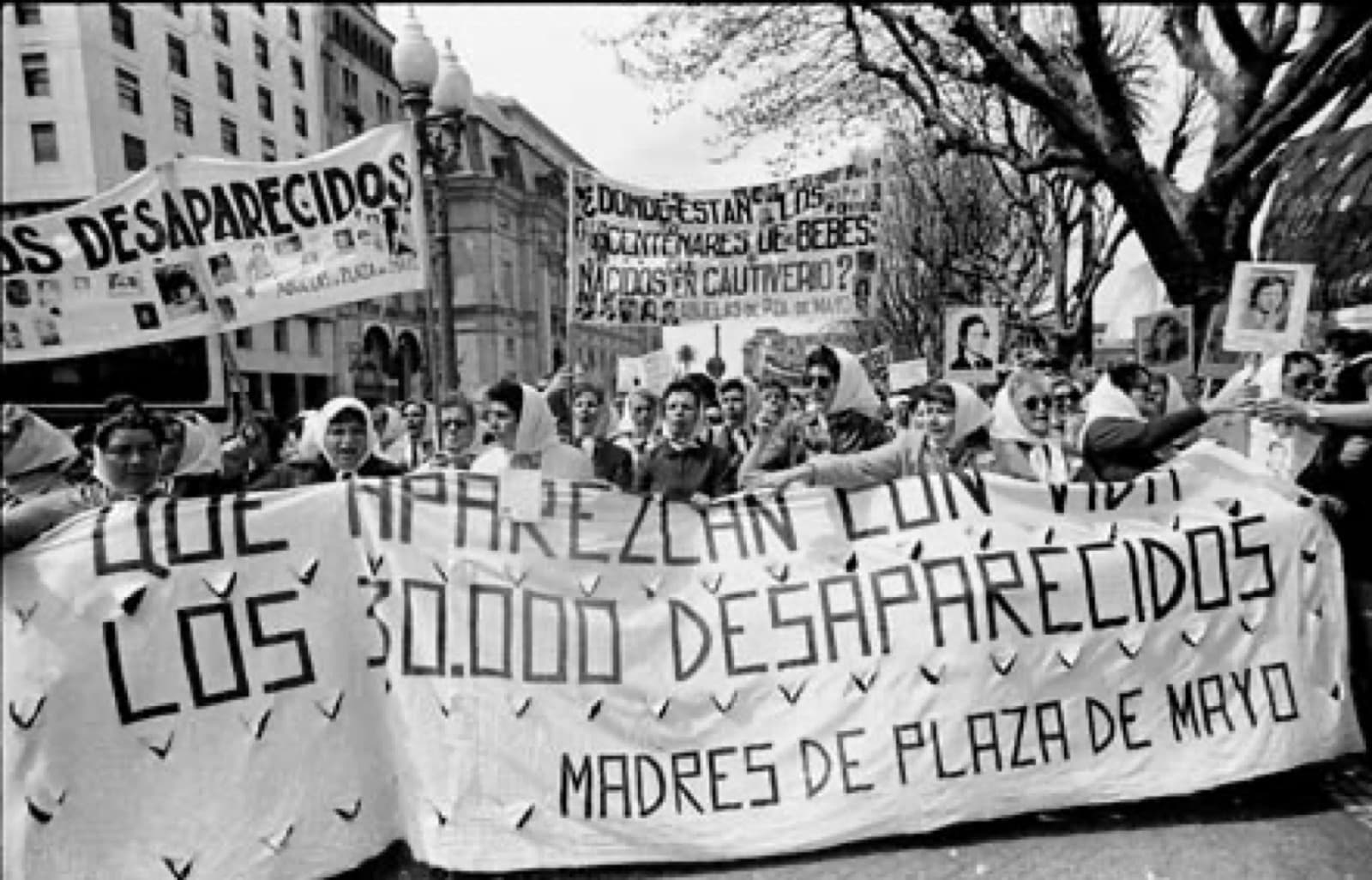
The White Headscarves at the Center of Plaza de Mayo
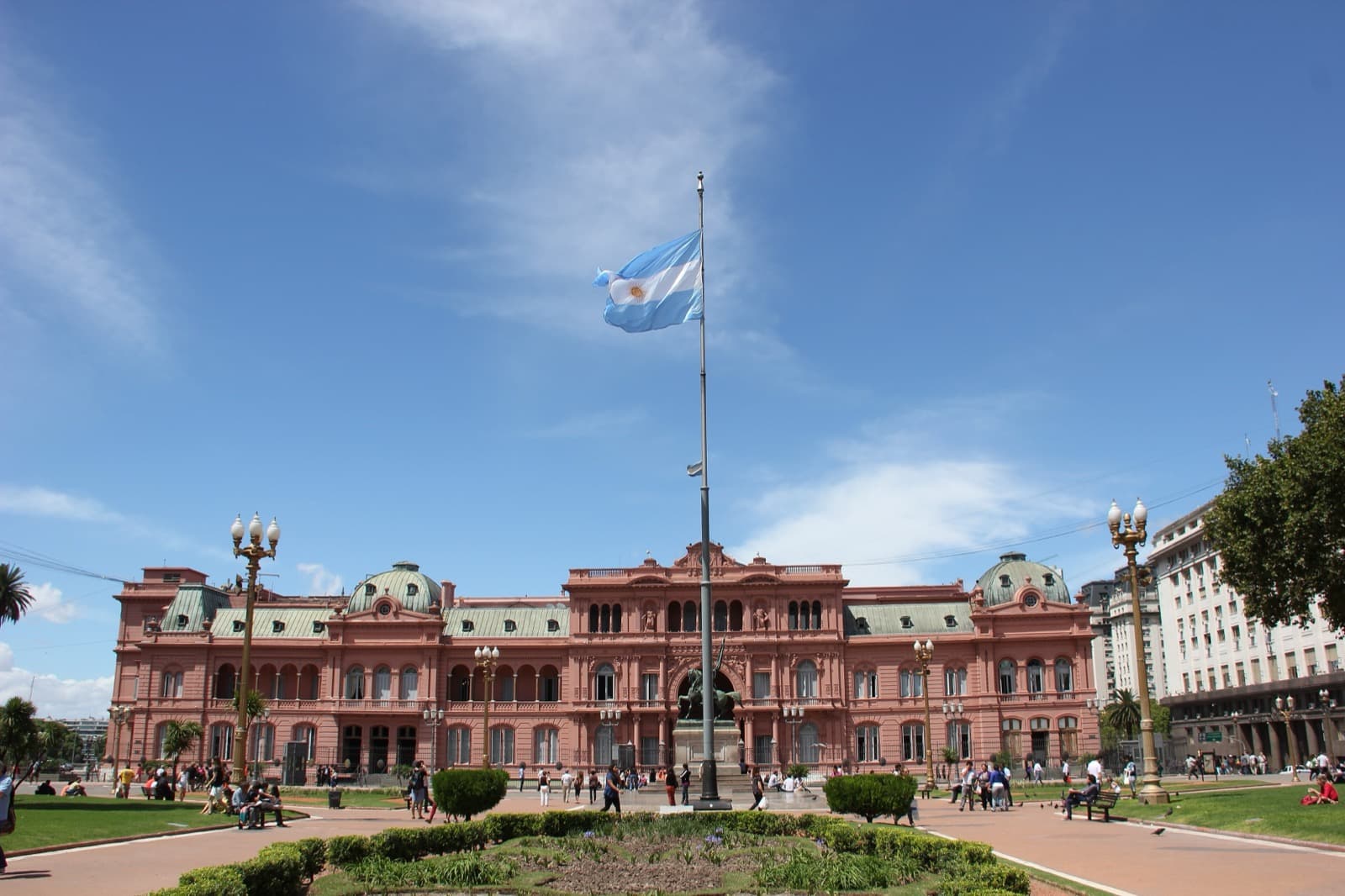
Casa Rosada: The Pink House That Faces the Founding Square
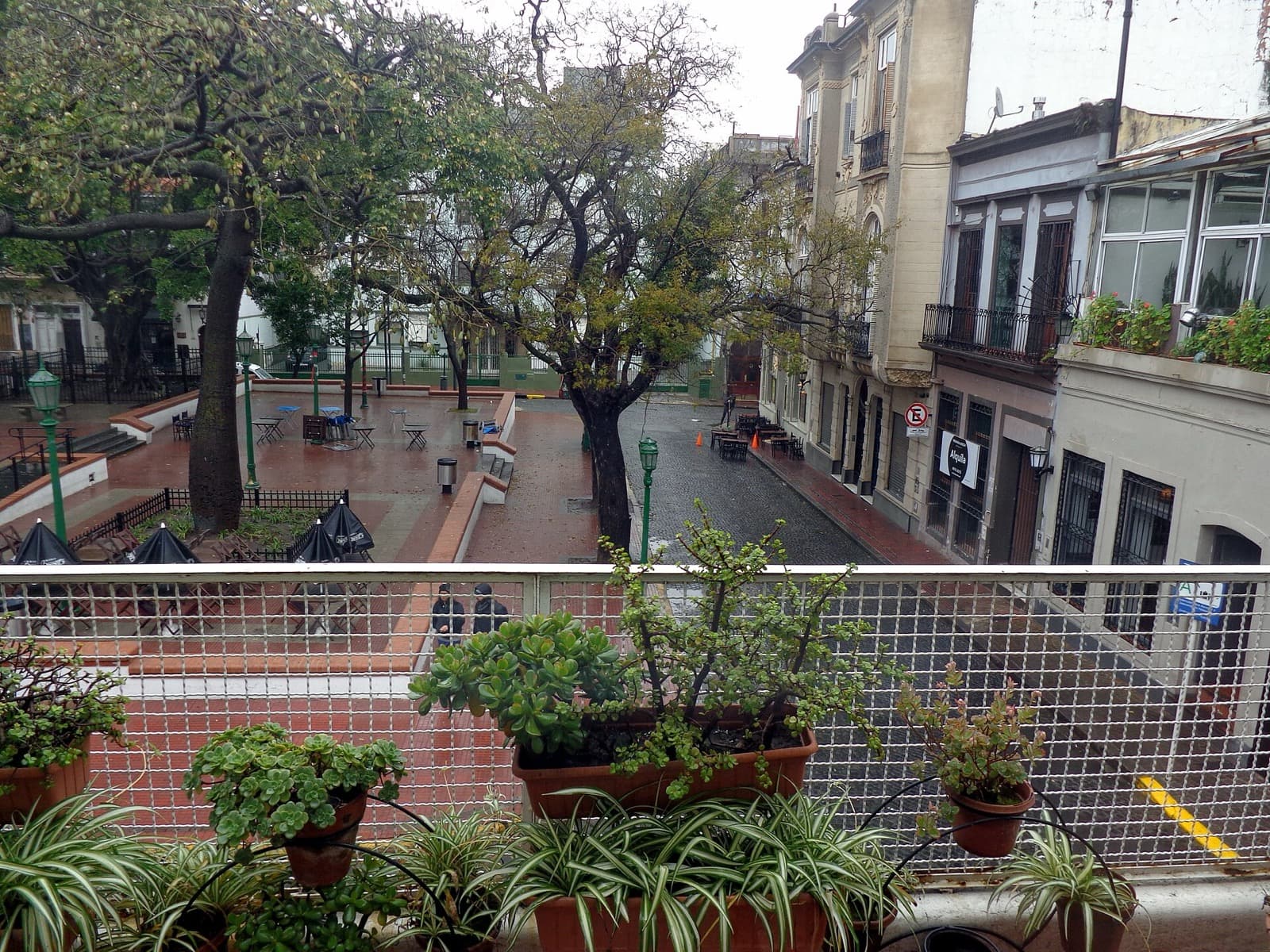
Plaza Dorrego: The Small Square Where San Telmo Comes to Life