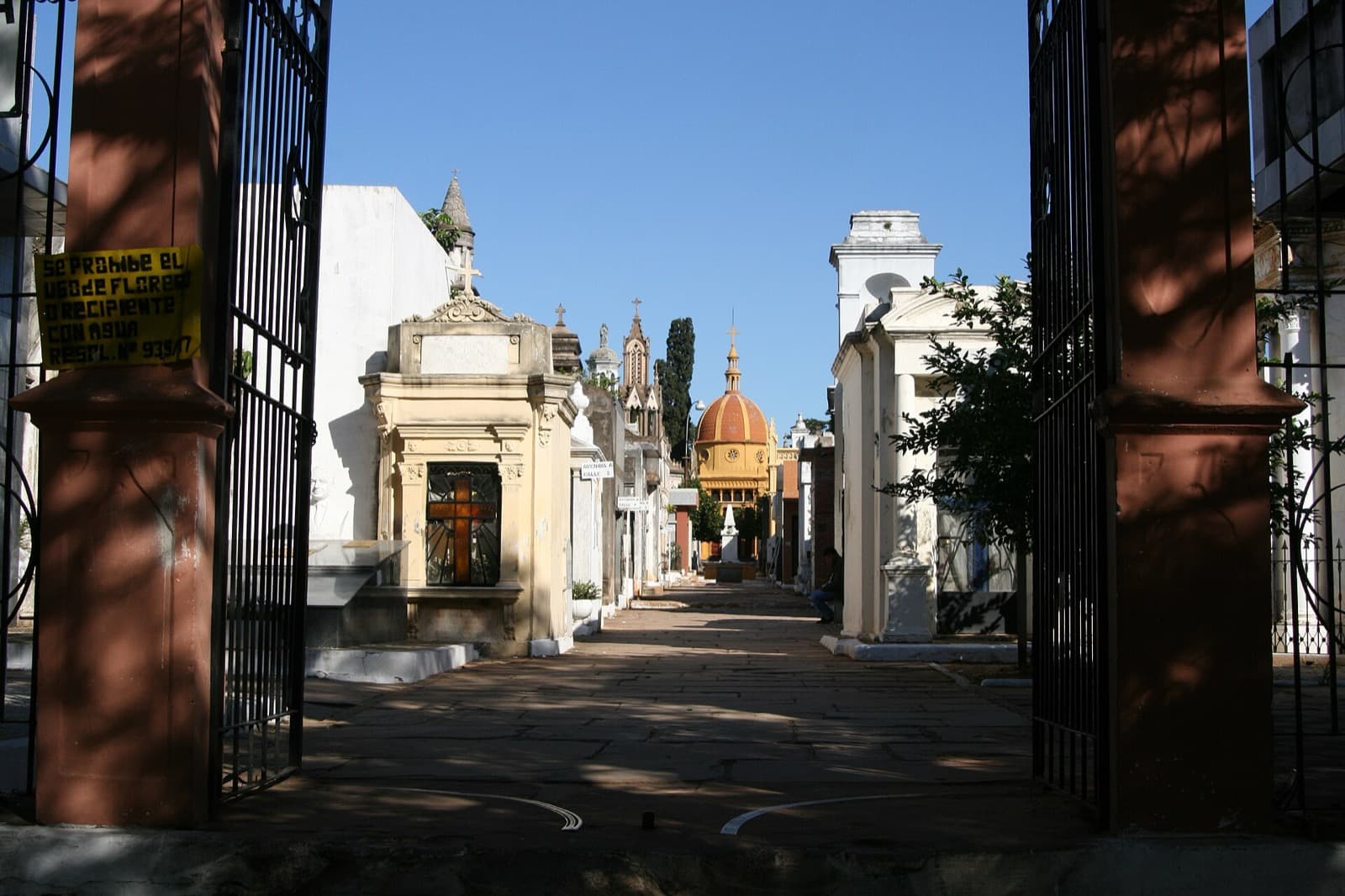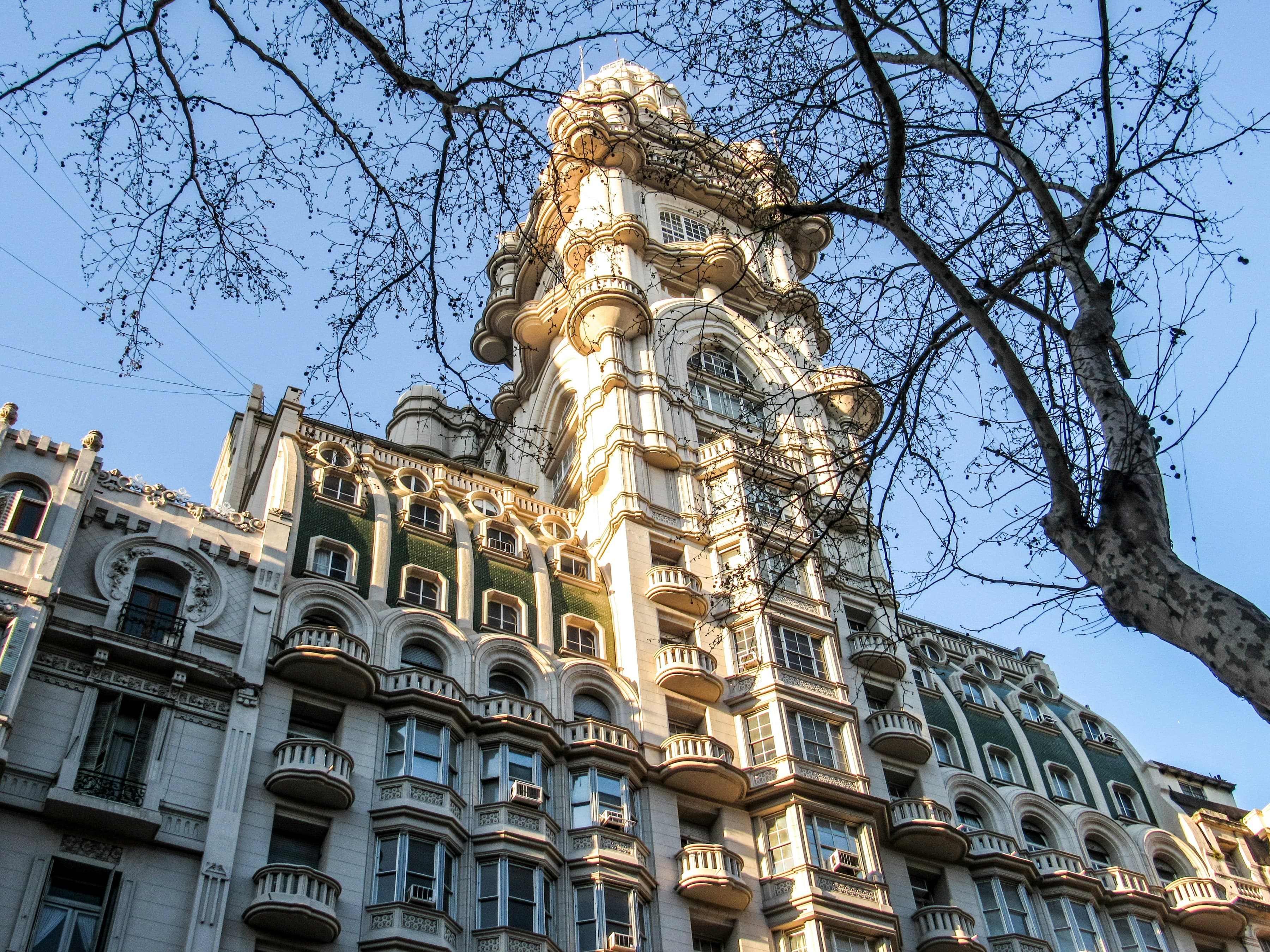
Plaza de Mayo: The Square Where a Nation Keeps Being Made
90 min · 2.1 km · easy
Plan three to four days for Buenos Aires, get a SUBE card on arrival to ride the Subte and the colectivo buses, aim for spring (September to November) or autumn (March to May), keep an eye on your phone and bag in crowds, and expect a city that runs affordable for most travelers once you pay in pesos. Buenos Aires rewards a slow walker: the founding square, the marble cemetery, and the cobbled tango barrio each sit in a compact core you can cover on foot, one neighborhood at a time.
This is a practical planning guide to the questions people actually type before a trip. Every logistic below was checked against current 2026 sources. Where a price shifts often (Argentina's inflation moves fast), I describe it in plain terms rather than pin a number that will be wrong by the time you land.
How many days do you need?
Three days covers the essential city. Four to five lets you slow down and add the outer barrios. Most itineraries built by locals and guidebooks land on three full days as the minimum to see the historic center, Recoleta, San Telmo, Palermo, and La Boca at a relaxed pace, with four or five giving room for museums, a day trip, or simply sitting in a cafe.
A workable rhythm: one day for the historic center around Plaza de Mayo, one for Recoleta and its cemetery, one for San Telmo and its Sunday fair, and any extra days for Palermo's parks and restaurants or a slower return to a neighborhood you liked. Each of our three self-guided walks fits inside a single half-day, so you can stack two in a day or keep one per morning. Browse them all at Buenos Aires walking tours or on the city page at /argentina/buenos-aires.
How do you get around?
Hear a stop from this walk
National Congress: The Other End of the Axis
Get a SUBE card. It is the rechargeable contactless card that pays for nearly all public transport in the city: the Subte (subway), the colectivo buses, and the commuter trains. You buy one with just your passport at the airport, at Subte and train station booths, or at many kioscos (small convenience shops) around town. The card itself is cheap, a few US dollars, and you top it up at kiosks, station offices, or through the SUBE app.
The Subte is the fastest way to cross the center and runs on several lettered lines. Since late 2024 the Subte turnstiles also accept Visa and Mastercard contactless and phone wallets, so you can ride the subway without a SUBE card in a pinch. The buses still require SUBE, so the card is worth getting anyway. On a colectivo, tell the driver your destination, then tap. Fares are low, well under a US dollar per ride with SUBE at current rates.
For door to door, Uber and Cabify work well and are widely used. For short hops in the tourist core, you often will not need any of it: Plaza de Mayo, San Telmo, and the Avenida de Mayo are a continuous walkable stretch, and Recoleta is a flat, easy neighborhood on foot. Wear real walking shoes for San Telmo. Its streets are original cobblestones and the pavements are uneven, a detail our San Telmo walk flags up front.
When is the best time to visit?
Spring (September to November) and autumn (March to May) are the sweet spots. Both bring mild temperatures in the roughly 14 to 24 Celsius range (about 57 to 75 Fahrenheit), thinner crowds, and better hotel rates than peak season. November is a local favorite because the jacaranda trees bloom lilac across the avenues. Autumn tends to have the lowest hotel occupancy, which helps your budget.
Summer (December to February) is hot and humid, often into the 30s Celsius, with afternoon storms, and many porteños leave town. Winter (June to August) is cool and dry, rarely freezing, and perfectly walkable if you pack a jacket, with the bonus of even lighter crowds. There is no bad season for a walking tour here, only trade-offs between heat, rain, and company on the street.
One timing note that shapes an itinerary: if you want San Telmo at full voice, go on a Sunday. The Feria de San Telmo runs Sundays roughly 10 am to 5 pm, with Defensa Street closed to traffic and lined with antique stalls, street performers, and tango from Plaza de Mayo down to Parque Lezama. A weekday morning gives you the same streets calm and the church open for a quieter read.
Is Buenos Aires safe?
Buenos Aires is broadly safe for travelers who stay aware, with the real risk being petty theft rather than violent crime. Pickpocketing, bag snatching, and distraction scams are the common problems, and they cluster where tourists cluster: crowded markets, public transport, pedestrian zones, and outdoor cafes. A specific local hazard is the motochorro, a thief on a motorcycle who can grab a phone or bag from a pedestrian, most often at traffic lights or cafe tables where a phone sits out.
The practical response is ordinary caution, not fear. Keep your phone off the cafe table and out of your back pocket, wear a bag across your body and closed, and skip the flashy jewelry. The northern neighborhoods (Recoleta, Palermo, Belgrano) are statistically calmer than the southern edges. Be more alert around the Retiro and Constitución transport hubs and in La Boca after dark, which is a daytime destination. Handled sensibly, the city feels lively rather than tense, which is exactly why a self-guided walk works: you set the pace, keep your hands free, and follow the audio at your own rhythm.
What will it cost?
Budget-wise, Buenos Aires is affordable for most foreign visitors, with the important catch that you should pay in pesos and carry some cash. Public transport is very cheap. Museums are often free or low cost: the National Museum of Fine Arts in Recoleta has free admission, and the Casa Rosada museum on Plaza de Mayo is free.
Many of the best things here cost nothing at all. The Plaza de Mayo, the Cabildo exterior, the Metropolitan Cathedral, the Avenida de Mayo, Plaza del Congreso, Plaza Francia, the Floralis Genérica flower, Plaza Dorrego, and Parque Lezama are all free public space. Where there are fees, they are modest and worth budgeting a little cash for: Recoleta Cemetery charges foreign visitors an entry fee paid by card at the gate (Argentine residents, students, and retirees enter free), and El Zanjón de Granados in San Telmo is a private site seen by guided tour only, so check its times and consider booking ahead. The Sunday fair and small shops often prefer cash and give better prices for it, so keep pesos on hand.
How this routes into the walks
Our three Buenos Aires walks are built to slot into the itinerary above, each self-guided with GPS-triggered audio so there is no group, no schedule, and no fixed start time. The historic-center walk, Plaza de Mayo, runs about 2 kilometers over ten stops from the founding square west along the Avenida de Mayo to Congress. The Recoleta walk covers the marble cemetery, the colonial Basílica del Pilar, the Belle Époque squares, and the free fine-arts museum in about three flat kilometers. The San Telmo walk is a short, slow 1.5 kilometers through the oldest surviving quarter, best on cobblestone-ready shoes. Start any of them from /argentina/buenos-aires or compare them at Buenos Aires walking tours.
Sources
- SUBE Card: Where to Buy and How to Use It, Visit Argentina (official)
- Getting Around, Official English Website for the City of Buenos Aires
- Best Times to Visit Buenos Aires, U.S. News Travel
- Is Buenos Aires Safe? 2026 Expert Guide, Worldly Adventurer
- The Sunday San Telmo Street Fair, Wander Argentina
Frequently asked questions
- How many days do you need in Buenos Aires?
- Three full days covers the essential city at a relaxed pace, including the historic center around Plaza de Mayo, Recoleta, San Telmo, Palermo, and La Boca. Four to five days lets you slow down and add museums, outer neighborhoods, or a day trip. Each of our three self-guided walks fits inside a single half-day.
- How do you get around Buenos Aires?
- Get a SUBE card, the rechargeable contactless card that pays for the Subte subway, the colectivo buses, and commuter trains. You buy one with just your passport at the airport, station booths, or kioscos, and top it up at kiosks or the SUBE app. Since late 2024 the Subte turnstiles also accept Visa and Mastercard contactless and phone wallets, though buses still require SUBE. Uber and Cabify are widely used, and the tourist core is very walkable.
- When is the best time to visit Buenos Aires?
- Spring (September to November) and autumn (March to May) are ideal, with mild temperatures around 14 to 24 Celsius, thinner crowds, and better hotel rates. November brings blooming jacaranda trees, and autumn tends to have the lowest hotel occupancy. Summer is hot and humid with afternoon storms, and winter is cool, dry, and still very walkable.
- Is Buenos Aires safe for tourists?
- Buenos Aires is broadly safe for aware travelers, with petty theft the main risk rather than violent crime. Pickpocketing, bag snatching, distraction scams, and motochorro phone snatchings happen most in crowds, on transport, and at outdoor cafes. Keep your phone off the table, wear a crossbody bag, avoid flashy jewelry, and be extra alert around the Retiro and Constitución hubs and in La Boca after dark.
- How much does Buenos Aires cost?
- Buenos Aires is affordable for most foreign visitors, especially if you pay in pesos and carry cash. Public transport is very cheap, and many highlights are free, including the National Museum of Fine Arts, the Casa Rosada museum, and most plazas and avenues. Recoleta Cemetery charges foreign visitors a modest card-only entry fee at the gate, and El Zanjón de Granados is a paid guided tour.
- When is the San Telmo Sunday fair?
- The Feria de San Telmo runs on Sundays, roughly 10 am to 5 pm, along a pedestrianized Defensa Street from Plaza de Mayo down to Parque Lezama. It fills with antique stalls, crafts, street performers, and tango dancers. Arrive before 11 am to browse before the noon-to-3-pm peak, and carry cash, since many vendors give better prices for it.
Ready to experience it?
Plaza de Mayo: The Square Where a Nation Keeps Being Made
90 min · 2.1 km · easy
More from Buenos Aires
Explore more at your own pace.
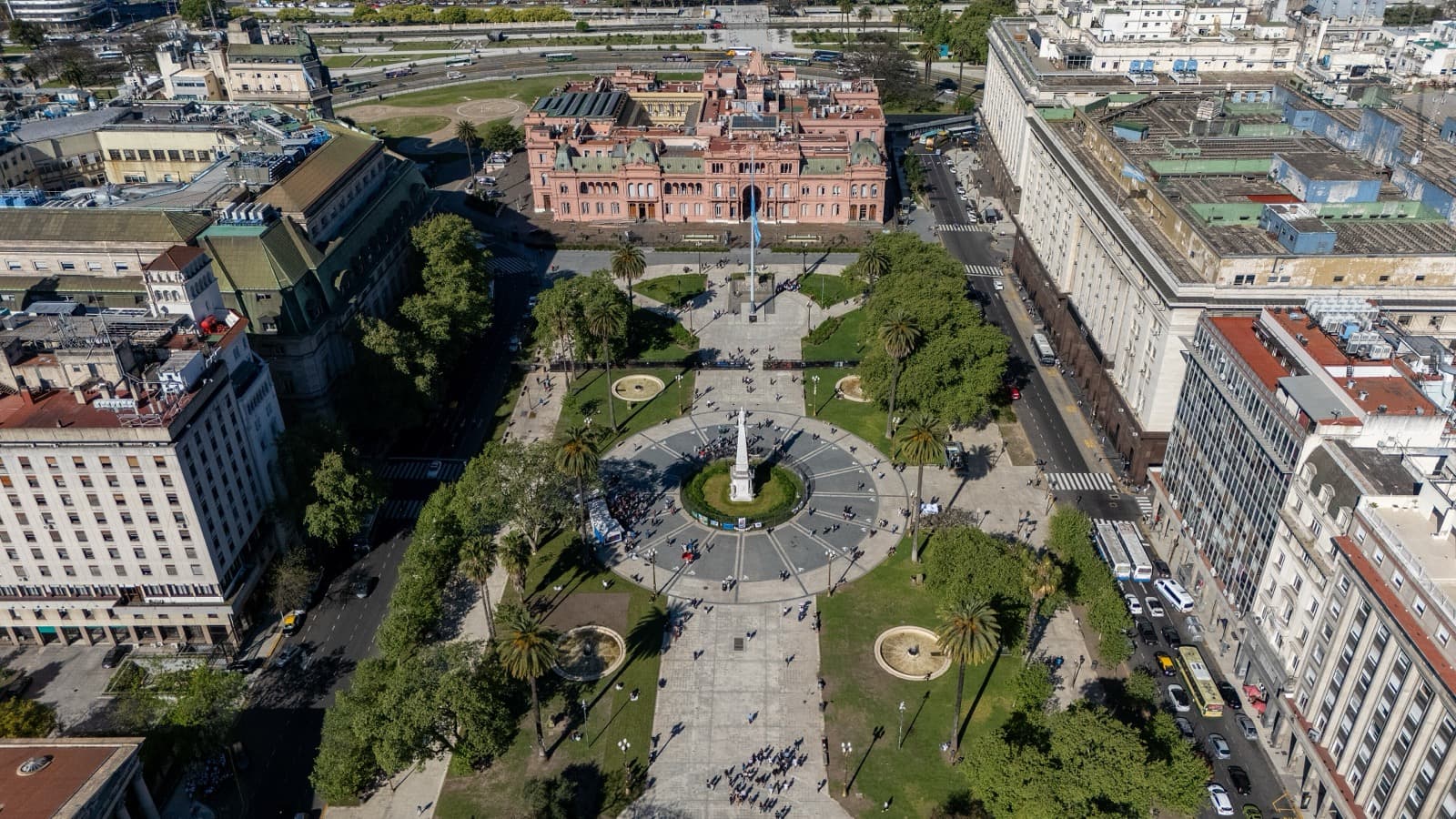
Buenos Aires: The City That Keeps Rewriting Itself in Public
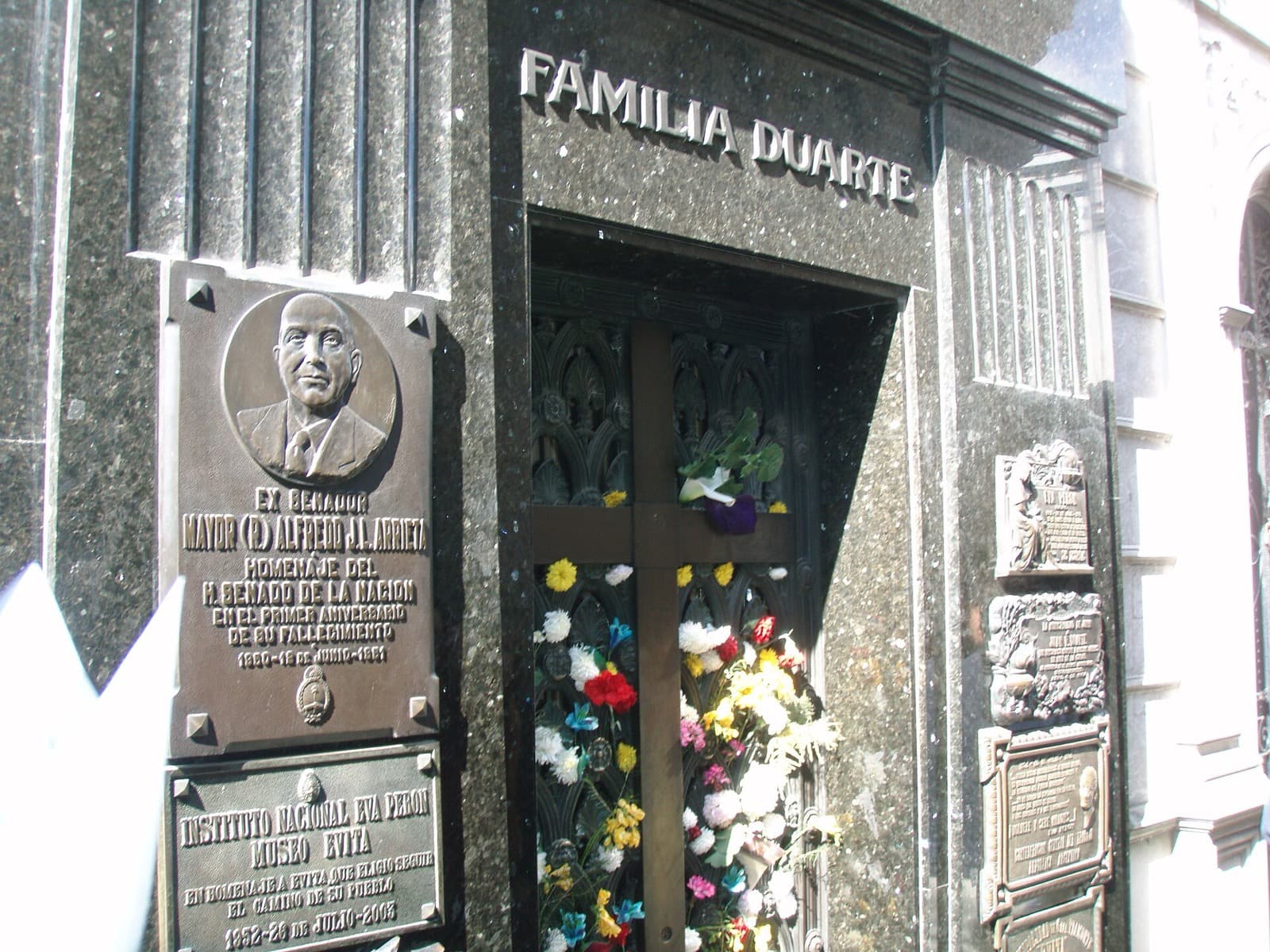
The Tomb of Eva Perón and the Recoleta Cemetery That Outshone the Living
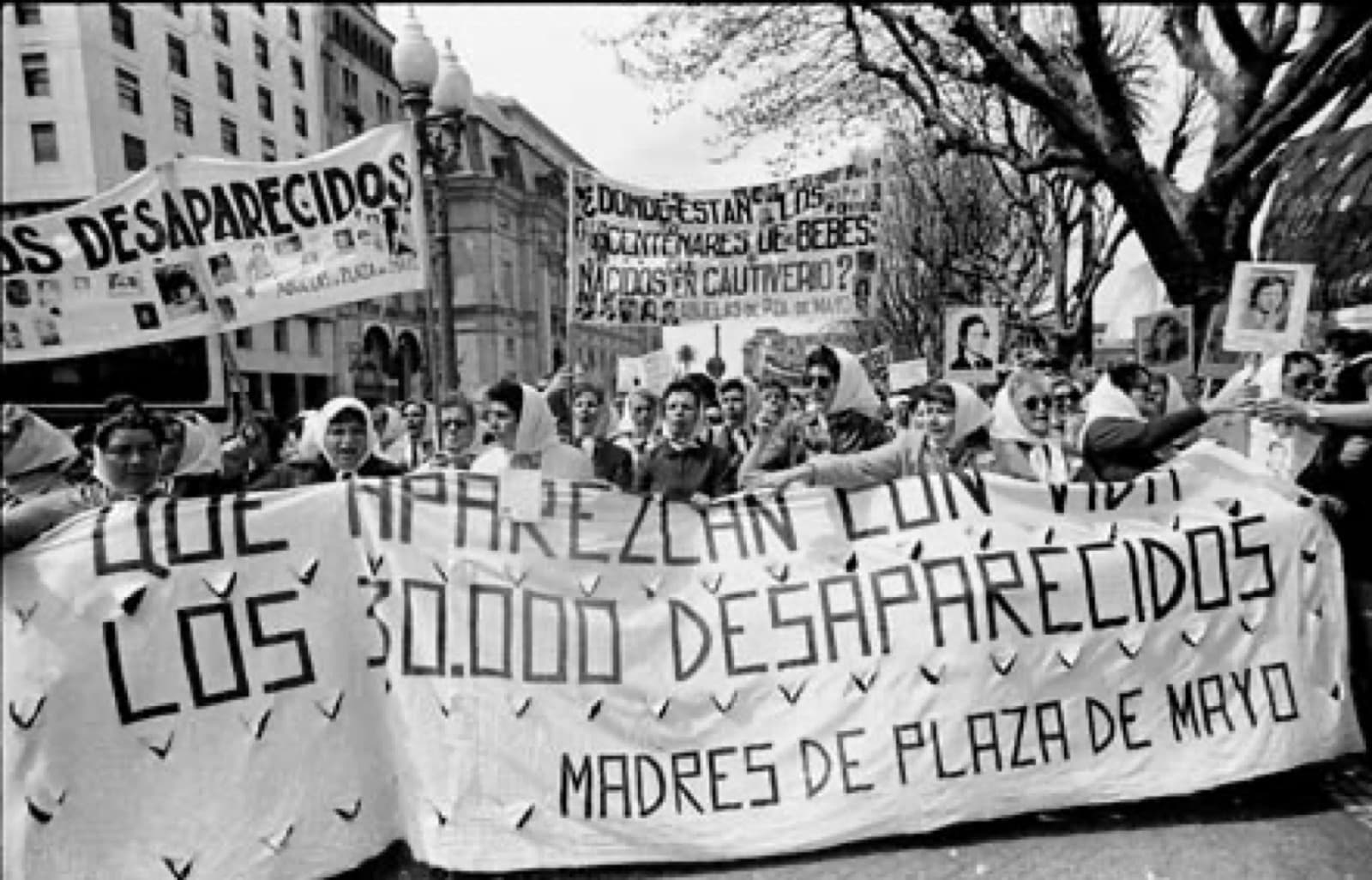
The White Headscarves at the Center of Plaza de Mayo
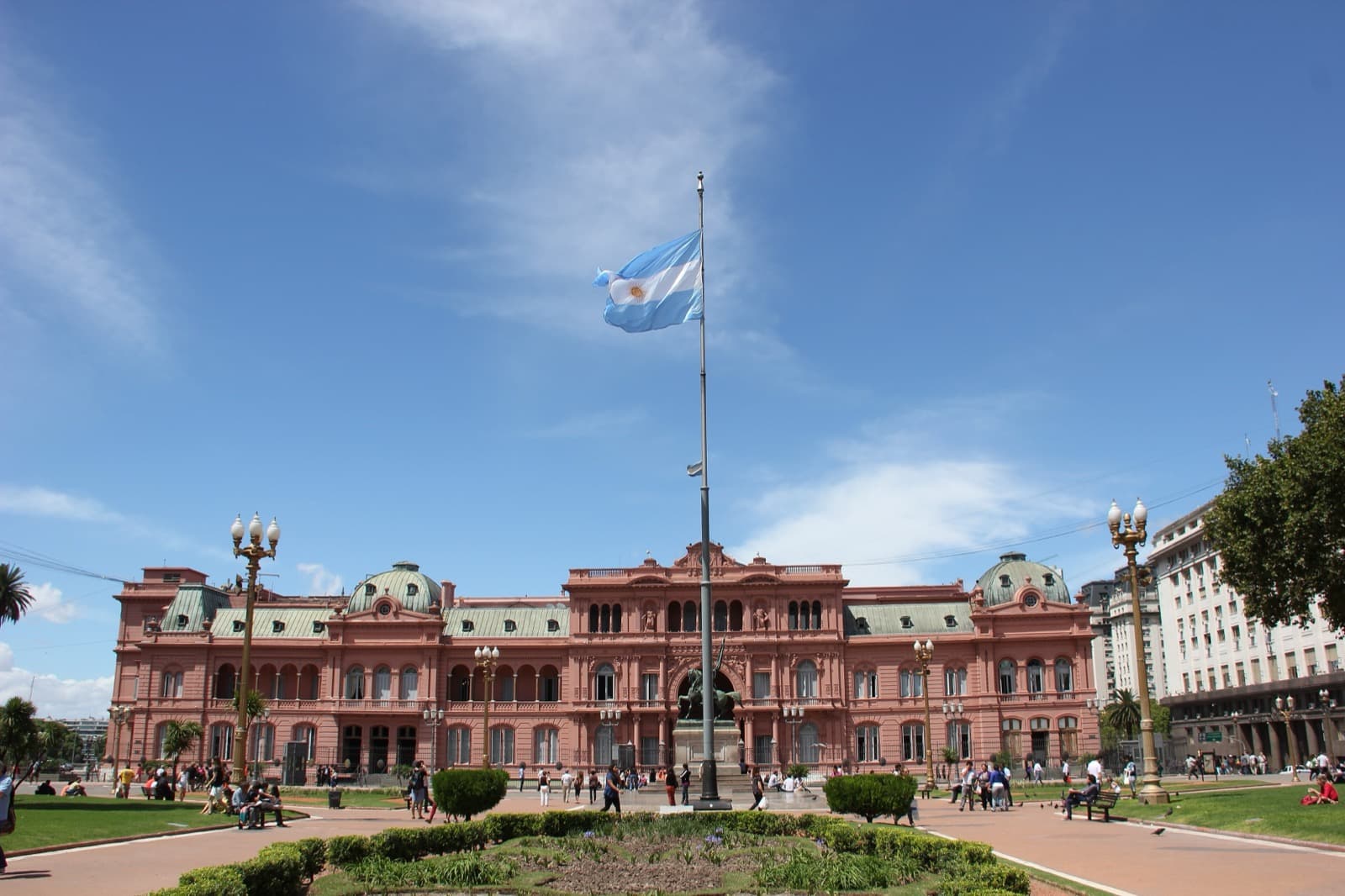
Casa Rosada: The Pink House That Faces the Founding Square
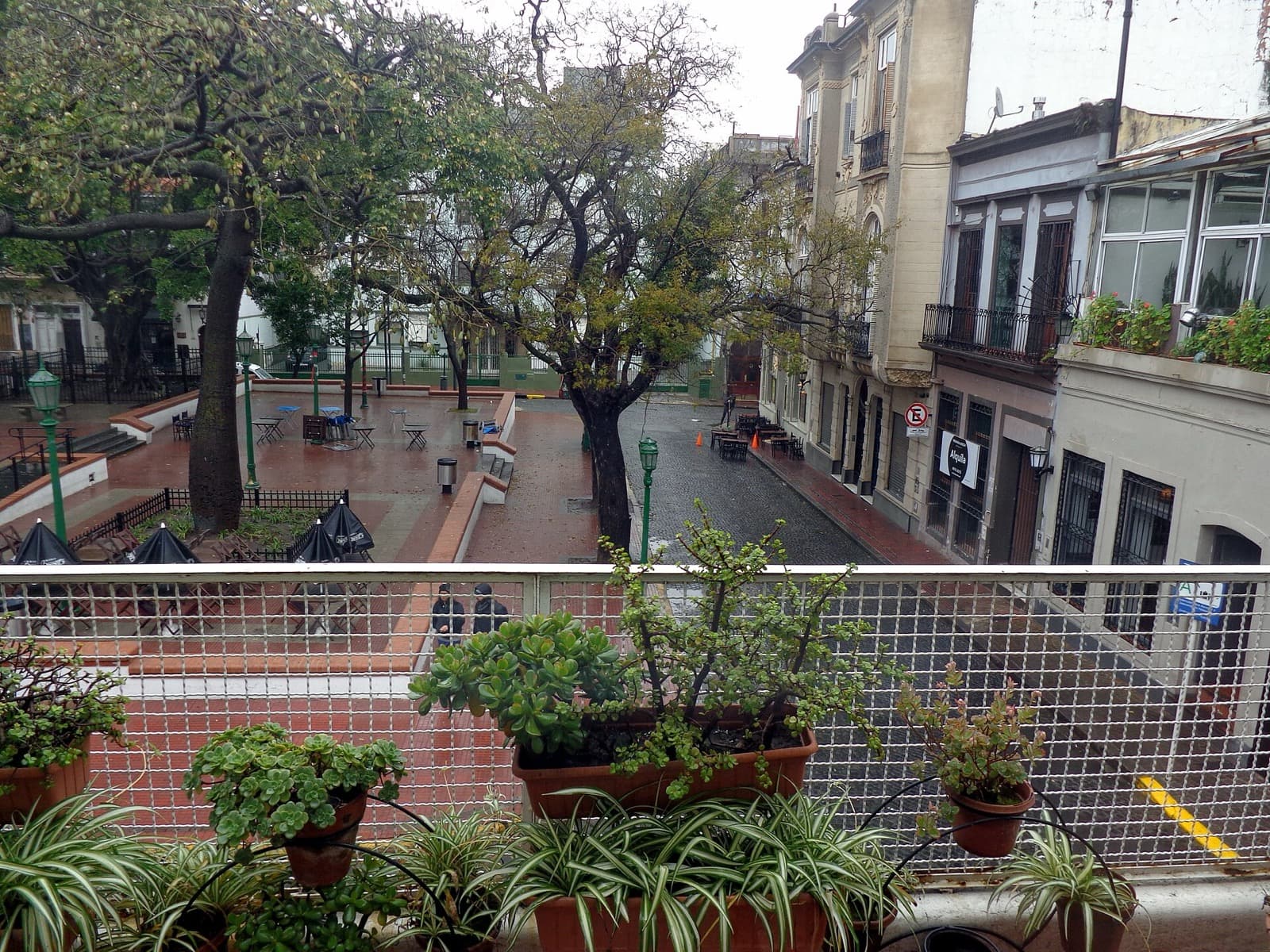
Plaza Dorrego: The Small Square Where San Telmo Comes to Life