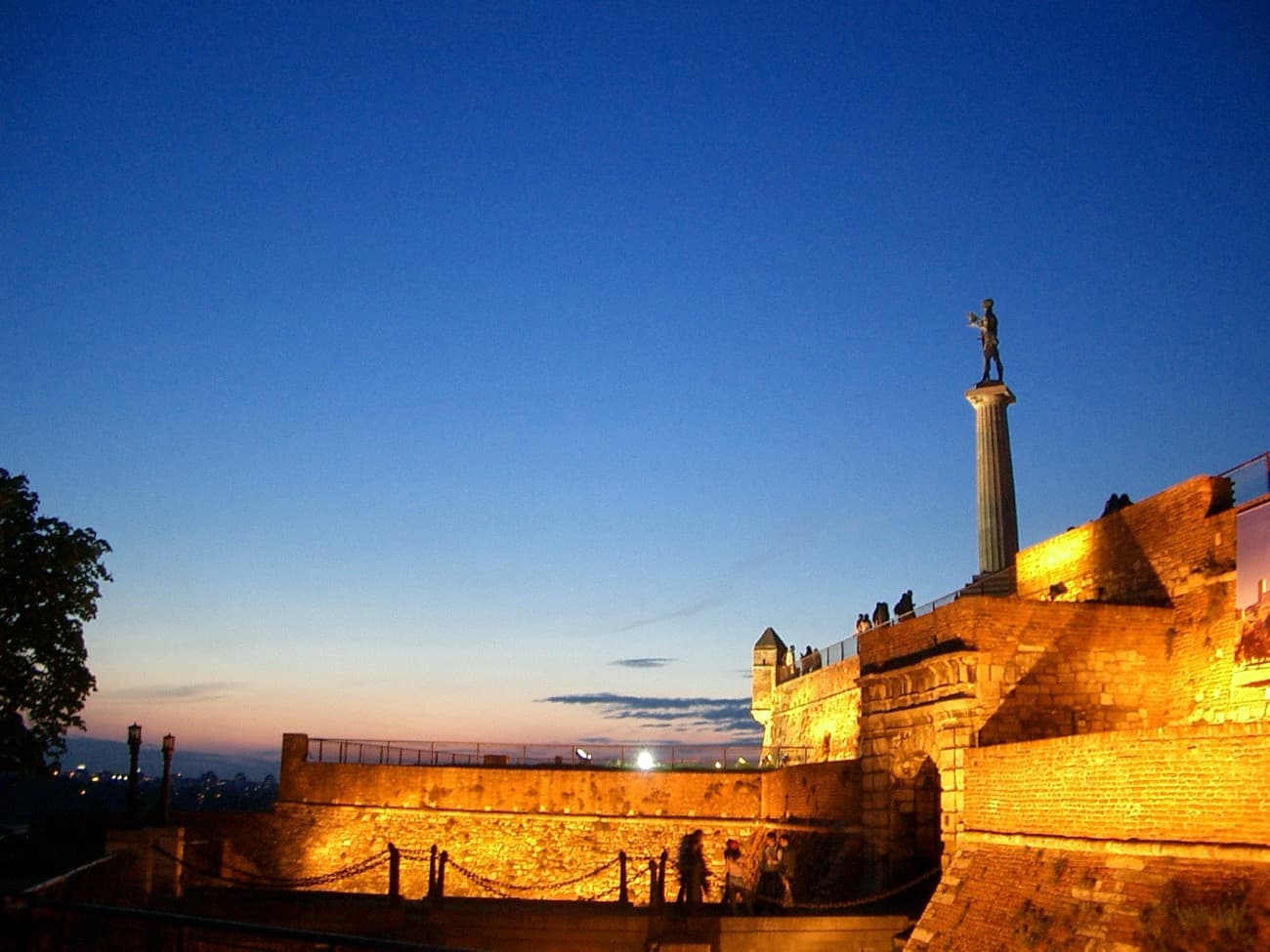
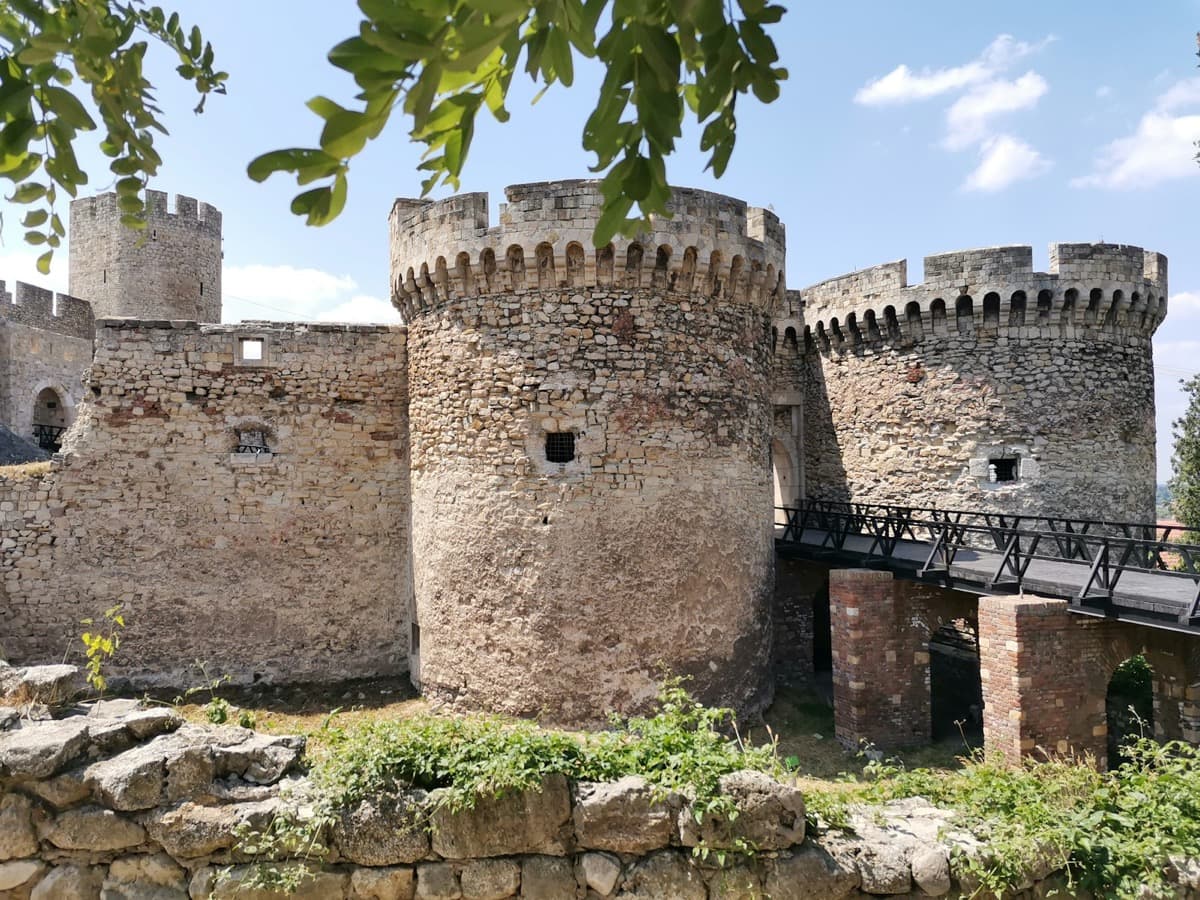
The White City: A Fortress Everyone Had to Have
105 min · 4.3 km · moderate
Eat in Belgrade the way the grill and the bakery organize the day: start with burek from a pekara, build a lunch or dinner around the Leskovac grill (cevapi and pljeskavica), and treat kajmak, ajvar, and rakija as the fixed supporting cast that turns a plate of meat into a Serbian meal. The dishes are specific, the traditions are traceable, and the ordering is simpler than the long menus suggest. Here is what to eat, where the food comes from, and how to ask for it like someone who lives here.
The short answer: what to order first
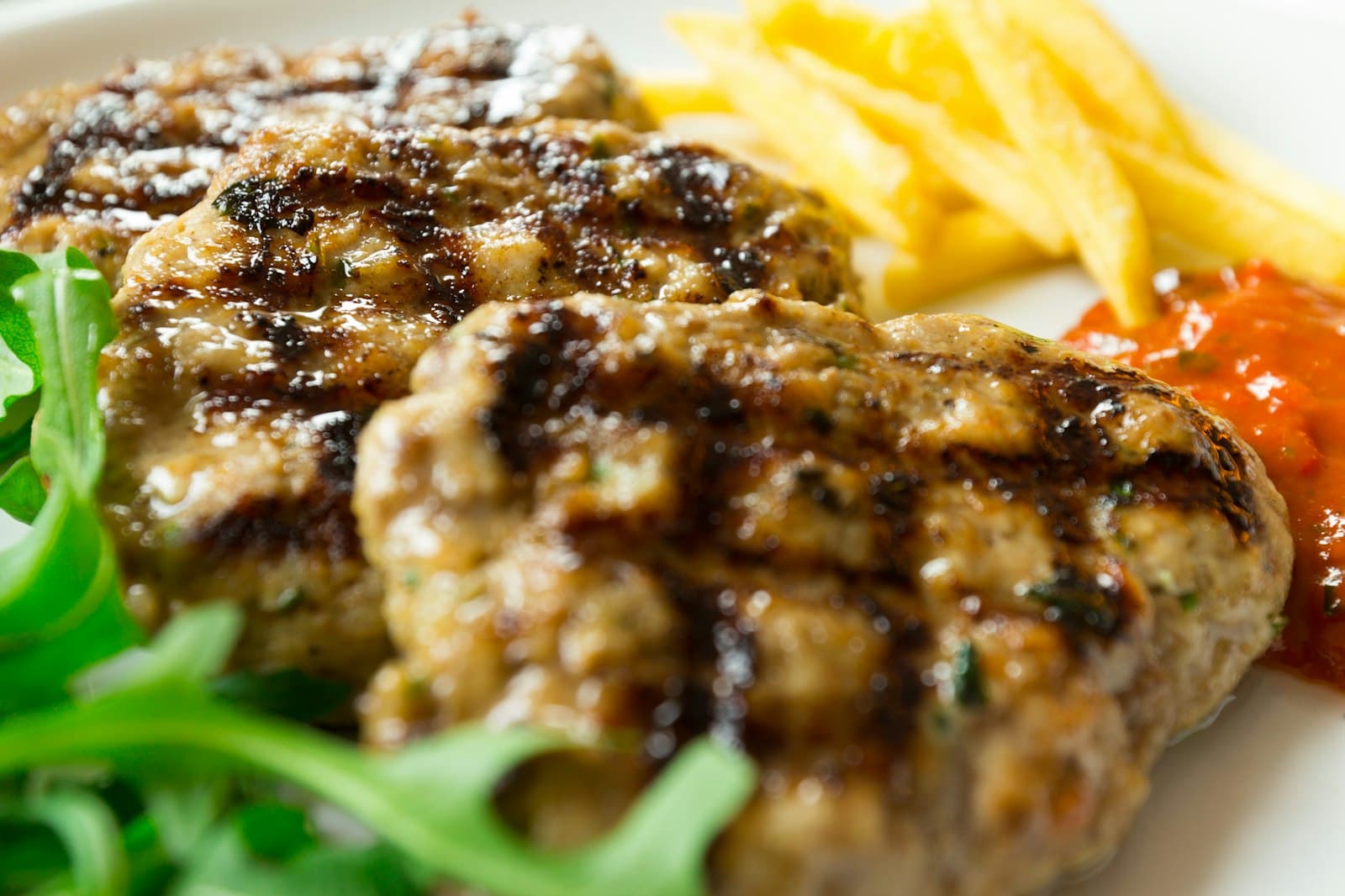
If you eat one thing, make it a mixed grill built on cevapi and pljeskavica. Cevapi (also called cevapcici) are small grilled fingers of minced meat, usually beef, pork, lamb, or a mix, ordered by the piece and served in lepinja or somun flatbread with raw chopped onion. Pljeskavica is the same seasoned meat pressed into one large patty. Both trace to the grill kitchens of Leskovac in southern Serbia, whose cooks migrated to Belgrade and made the Leskovac grill the city's default fast food. When you see "Leskovacka pljeskavica" on a menu, that is the spicy southern version, typically with onions worked into the meat.
Order the grill with its two permanent companions: kajmak and ajvar. Kajmak is a thick, mild dairy spread skimmed from simmered cream, closer to clotted cream than to cheese, and it melts into hot meat. Ajvar is a roasted red pepper relish, sometimes with eggplant, that families cook down in large batches in autumn to store through winter. On almost any grill plate in Belgrade, whether in a kafana or at a counter, those two show up beside the meat.
The dishes with a documented origin
Hear a stop from this walk
The Inner Stambol Gate: The Newest Conqueror's Front Door
Two plates on every "traditional Serbian" menu have clear, checkable backstories.
Karadjordjeva snicla (Karadjordje's steak) is a rolled veal or pork cutlet stuffed with kajmak, breaded, fried, and served with tartar sauce and lemon. It looks old and courtly, but it is a twentieth-century invention: it was created by chef Mica Stojanovic in the 1950s when an order for chicken Kiev arrived and he lacked the chicken and butter, so he improvised a rolled cutlet from veal and kajmak instead. It was named for the Serbian revolutionary Karadjordje, who was born in the region of Sumadija, an area then known for its kajmak. Order it when you want something richer and more of an occasion than the grill.
Sarma is the winter and celebration dish: minced meat and rice rolled in cabbage leaves (usually soured cabbage in Serbia) and slow-cooked. It is the dish you are most likely to be served at a family table rather than a fast counter, and many kafanas keep it on the menu year-round.
For a quicker, cheaper introduction to the region's peppers-and-cheese habit, look for urnebes, a salad of white cheese and kajmak mashed with hot chili peppers that comes from the Nis area of southern Serbia. It doubles as a spread and a side.
Breakfast is a bakery, not a table
Belgrade's morning food is burek, and you buy it standing up. Burek is layered, flaky pastry filled most often with minced meat, or with cheese (sirnica), spinach (zeljanica), or potato. You order it at a pekara (bakery), and here the local move matters: burek is commonly sold by weight, so you point and ask for a portion in grams, and the counter cuts a fresh wedge. The two phrases that make you fluent: "za ovde ili za poneti?" means "for here or to go," and the traditional drink alongside it is jogurt, a thin drinking yogurt you sip rather than spoon. It is filling and cheap, and it is genuinely how the city starts the day.
What to drink
The national spirit is rakija, a strong fruit brandy. The plum version, sljivovica, is the benchmark; you will also see kajsijevaca (apricot), dunjevaca (quince), and viljamovka (pear). It is served as an aperitif in a small glass, sipped, not shot. For beer, Jelen (Deer) and Lav (Lion) are the common domestic lagers. In a kafana, ordering a rakija before the food arrives is the normal sequence.
Where the food lives: Skadarlija
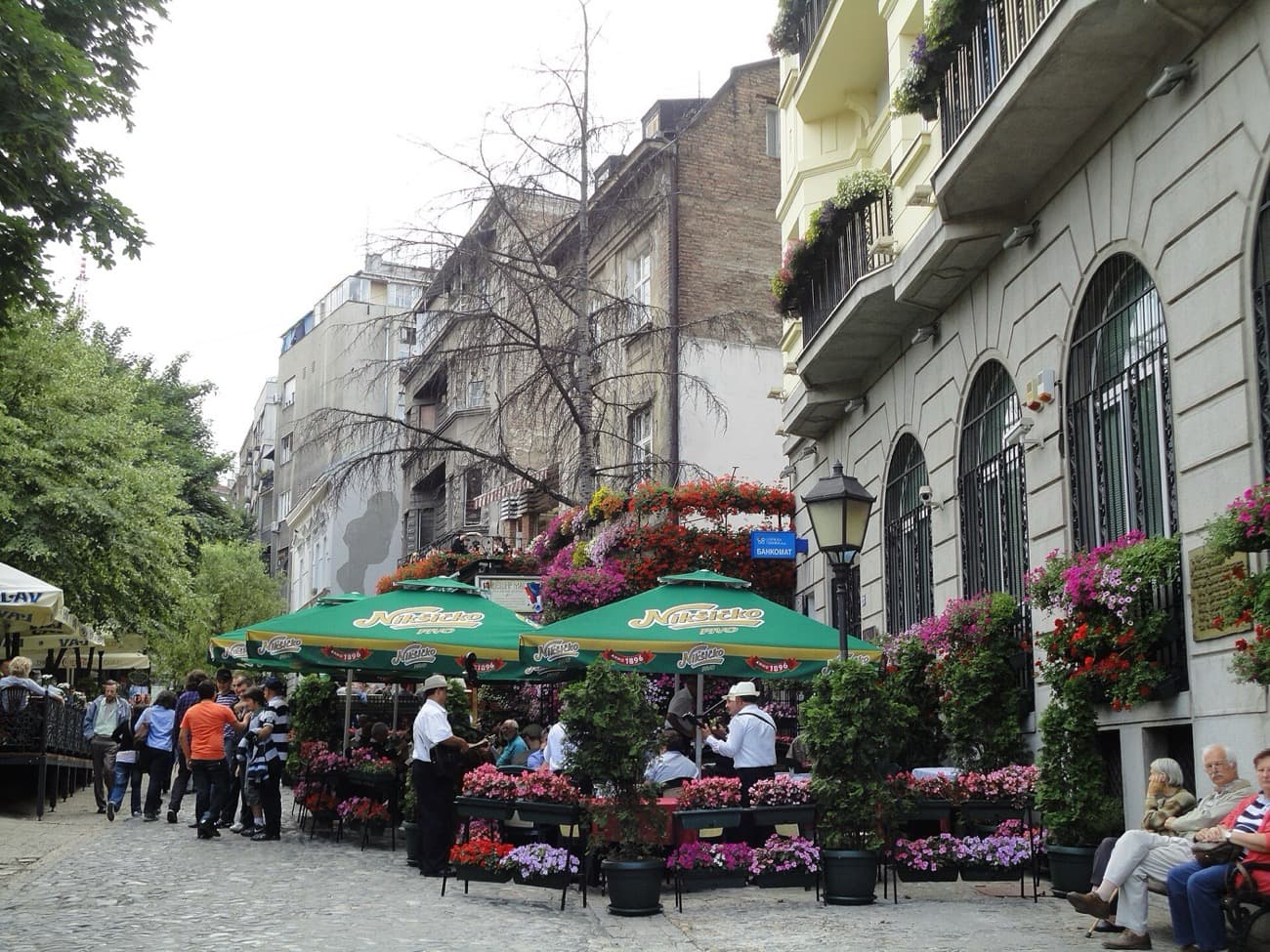
The place to eat all of this in one sitting is Skadarlija, Belgrade's cobblestone bohemian street, often compared to Montmartre in Paris (the two quarters formalized a sister-neighborhood tie in 1977). It gathered its bohemian identity in the last decades of the nineteenth century and especially after 1901, when writers and actors from the demolished Dardaneli inn moved into its kafanas, the traditional taverns that combine food, drink, and live music. The oldest still-operating kafana here is Tri Sesira ("Three Hats"), founded in 1864; its neighbors, including Dva Jelena ("Two Deer"), serve the same canon of grilled meats, Karadjordjeva snicla, kajmak, and ajvar, often with tamburasi (string players) in the evening. Expect a kafana to be about the long, slow meal, not a quick bite.
Skadarlija sits directly on our self-guided walk through the old downtown. The Empire to Aftermath tour routes through this part of the city, so you can pair the neighborhood's history with lunch there and pick up the walk before or after you eat. For the full set of routes and how they fit together, see the Belgrade walking tours hub or the city page at /serbia/belgrade.
How to order like a local, in one paragraph
At a pekara in the morning: point at the burek, say how many grams you want, answer "za poneti" if you are taking it to go, and add a jogurt. At a grill counter: ask for cevapi by the piece (ten is a normal portion) or a pljeskavica, both in lepinja, and say yes to kajmak and onions. In a kafana for the main meal: start with a rakija, order a mixed grill or a Karadjordjeva snicla, and let ajvar and kajmak carry the plate. Prices at bakeries and grills are low, kafana meals run higher because you are paying for the room and the music, and portions in both are large, so order less than you think you need.
Sources
Frequently asked questions
- What food is Belgrade known for?
- Belgrade is known for the Leskovac grill: cevapi (small grilled minced-meat fingers) and pljeskavica (a large seasoned patty), both served in flatbread with raw onion. These dishes came to Belgrade with migrants from Leskovac in southern Serbia. They are almost always eaten with kajmak, a rich dairy spread, and ajvar, a roasted red pepper relish.
- What is the most famous Serbian dish to try in Belgrade?
- Karadjordjeva snicla, or Karadjordje's steak, is one of the most ordered sit-down dishes. It is a rolled veal or pork cutlet stuffed with kajmak, breaded and fried, and served with tartar sauce and lemon. Despite its regal name, it was invented by chef Mica Stojanovic in the 1950s as an improvised chicken Kiev made without the chicken.
- What do people in Belgrade eat for breakfast?
- The classic Belgrade breakfast is burek, a layered flaky pastry filled with minced meat, cheese, spinach, or potato, bought from a bakery called a pekara. It is commonly sold by weight, so you order a portion in grams and the counter cuts a fresh piece. Serbians pair it with jogurt, a thin drinking yogurt that you sip rather than spoon.
- Where should I eat traditional Serbian food in Belgrade?
- Skadarlija, the cobblestone bohemian street, is the most traditional dining area, lined with kafanas (taverns) that serve grilled meats, Karadjordjeva snicla, kajmak, and ajvar. The oldest still-operating kafana there, Tri Sesira, was founded in 1864. Evenings often include tamburasi, live string musicians, so plan for a long, slow meal rather than a quick bite.
- What is rakija and how do you drink it?
- Rakija is a strong Serbian fruit brandy, most famously sljivovica made from plums, with apricot, quince, and pear versions also common. It is served in a small glass as an aperitif before the meal and is sipped slowly, not taken as a shot. In a kafana, ordering a rakija before the food arrives is the normal sequence.
- What are kajmak and ajvar?
- Kajmak is a thick, mild dairy spread skimmed from simmered cream, closer to clotted cream than to cheese, and it melts into hot grilled meat. Ajvar is a roasted red pepper relish, sometimes with eggplant, that Serbian families cook down in large batches in autumn to store through winter. The two appear together beside almost any grill plate in Belgrade.
Ready to experience it?
The White City: A Fortress Everyone Had to Have
105 min · 4.3 km · moderate
More from Belgrade
Explore more at your own pace.
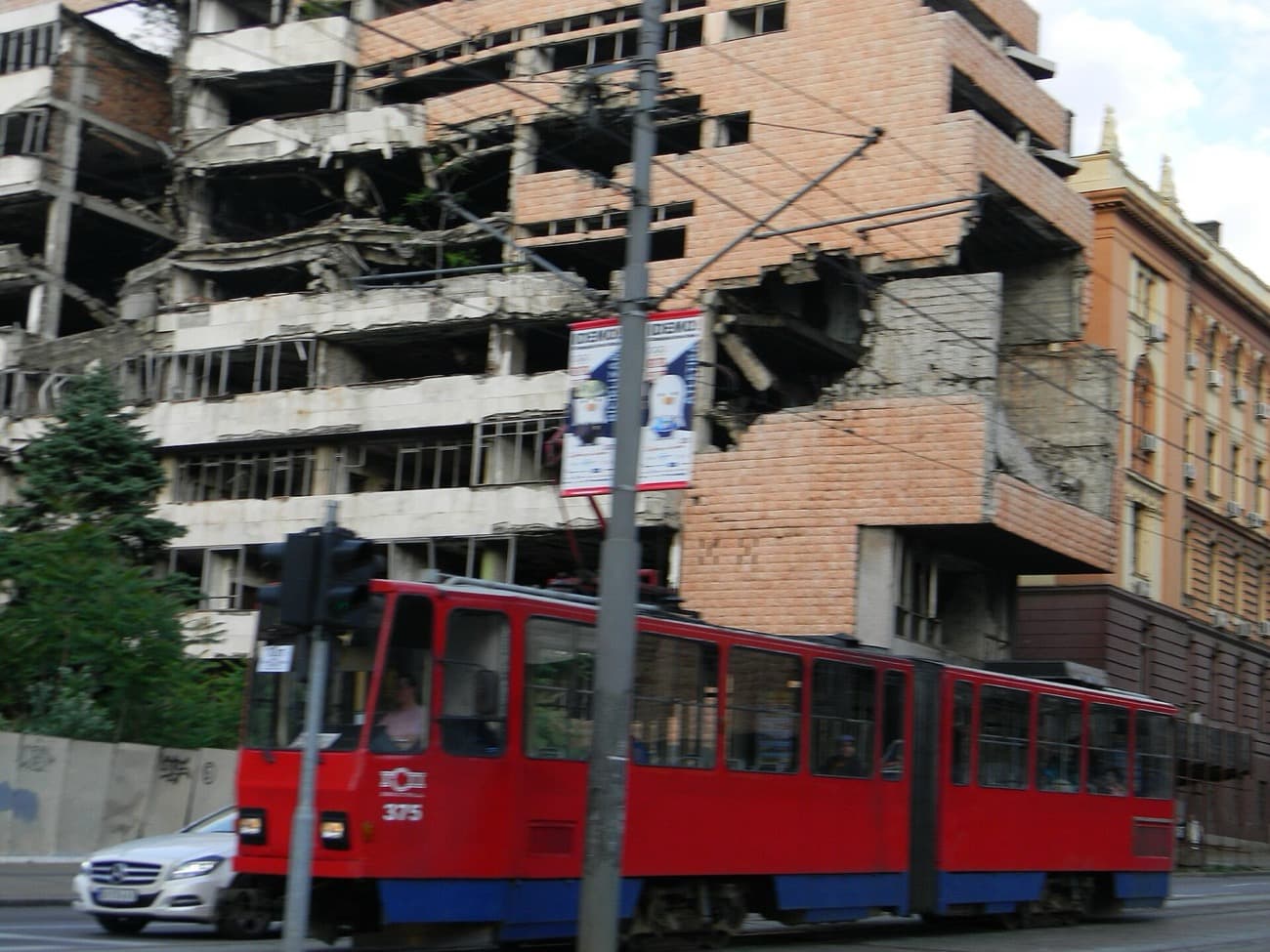
The Bombed Generalstab: How One Belgrade Ruin Holds the Whole Downtown
The House of Flowers: Why Belgrade Still Keeps Tito's Grave
The Stacked Stone of Kalemegdan: Reading Belgrade's Layered Fortifications
Skadarlija: Reading Belgrade's Bohemian Quarter, Cobblestone by Cobblestone
The Museum of Yugoslavia Entrance: Where Belgrade Still Tends a Vanished Country's Grave