The White City: A Fortress Everyone Had to Have
105 min · 4.3 km · moderate
You can see the best of Belgrade in one day on foot by walking a single line from the fortress hill down to the bohemian street: start at Kalemegdan and the Belgrade Fortress in the morning, follow the pedestrian spine of Knez Mihailova into the downtown ridge around Republic Square and Terazije by midday, make one short trip out to the Dedinje hill for the Museum of Yugoslavia in the afternoon, then finish over dinner in the lamplit lanes of Skadarlija. The grounds you will spend the most time in are free, the city's public transport is free, and the two paid stops (a museum ticket and the odd fortress attraction) cost very little. Below is the hour by hour version, with the opening hours and ticket needs checked against current sources, plus where each leg lines up with a self-guided Belgrade walking tour.
The one-day route at a glance
Belgrade rewards a walker because its old core sits on one ridge above the point where the Sava river meets the Danube. You can chain the three signature experiences (the fortress, the downtown boulevards, and the Yugoslav-era hill) into a loop of roughly 8 to 9 kilometers of actual walking, spread across a full day with long breaks. Only one leg, out to the Dedinje district, is better done by a short taxi or bus ride rather than on foot.
Here is the shape of the day:
- Morning (about 2 to 3 hours): Belgrade Fortress and Kalemegdan Park
- Late morning to lunch (about 1.5 hours): Knez Mihailova Street down to Republic Square and Terazije
- Afternoon (about 2 hours including travel): Museum of Yugoslavia and the House of Flowers in Dedinje
- Evening (open-ended): Skadarlija for dinner and a slow walk back
If you have Roamer loaded, this maps almost exactly onto three tours you can start on your phone: the fortress leg follows the self-guided tours in Belgrade, the downtown leg and the afternoon on Dedinje each have their own audio walk. More on the handoffs as we go.
Morning: the Belgrade Fortress and Kalemegdan
Hear a stop from this walk
The Inner Stambol Gate: The Newest Conqueror's Front Door
Start at Kalemegdan, the park that wraps the Belgrade Fortress, ideally by 9 or 10 in the morning before the day warms and the crowds thicken. The fortress grounds and the surrounding park are open around the clock and free to enter, which makes this the easiest possible start to the day. You pay only if you go inside specific attractions such as the Military Museum, the Roman Well, or the Nebojsa Tower, and those charge a small entry fee rather than a steep one.
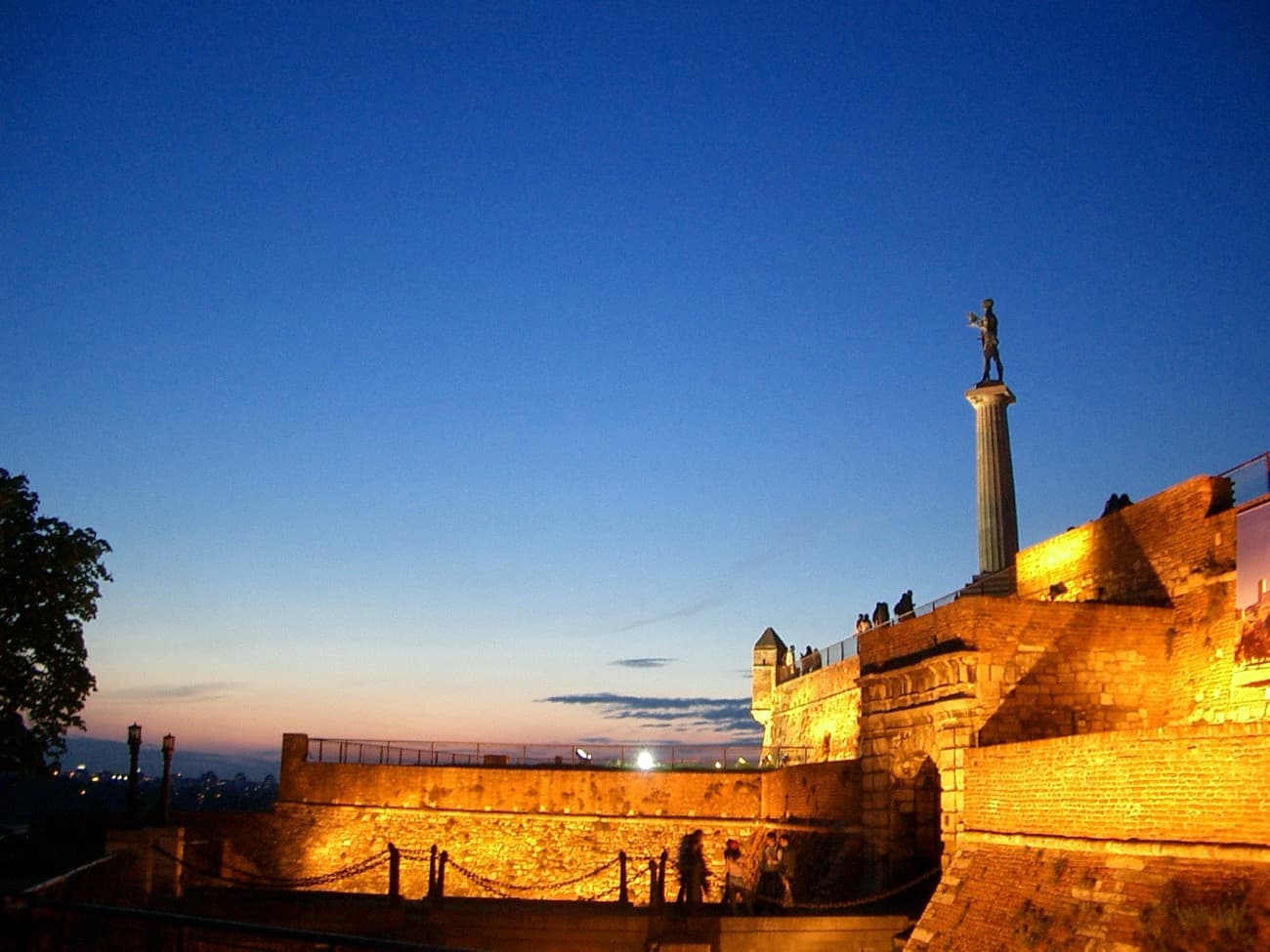
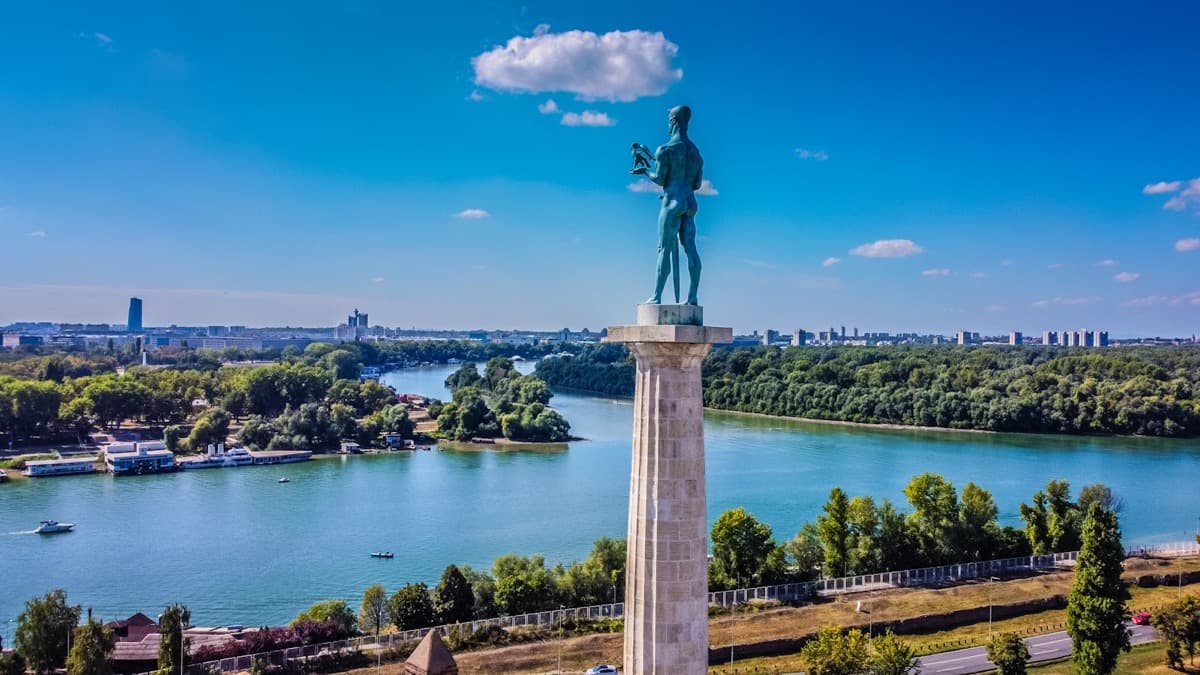
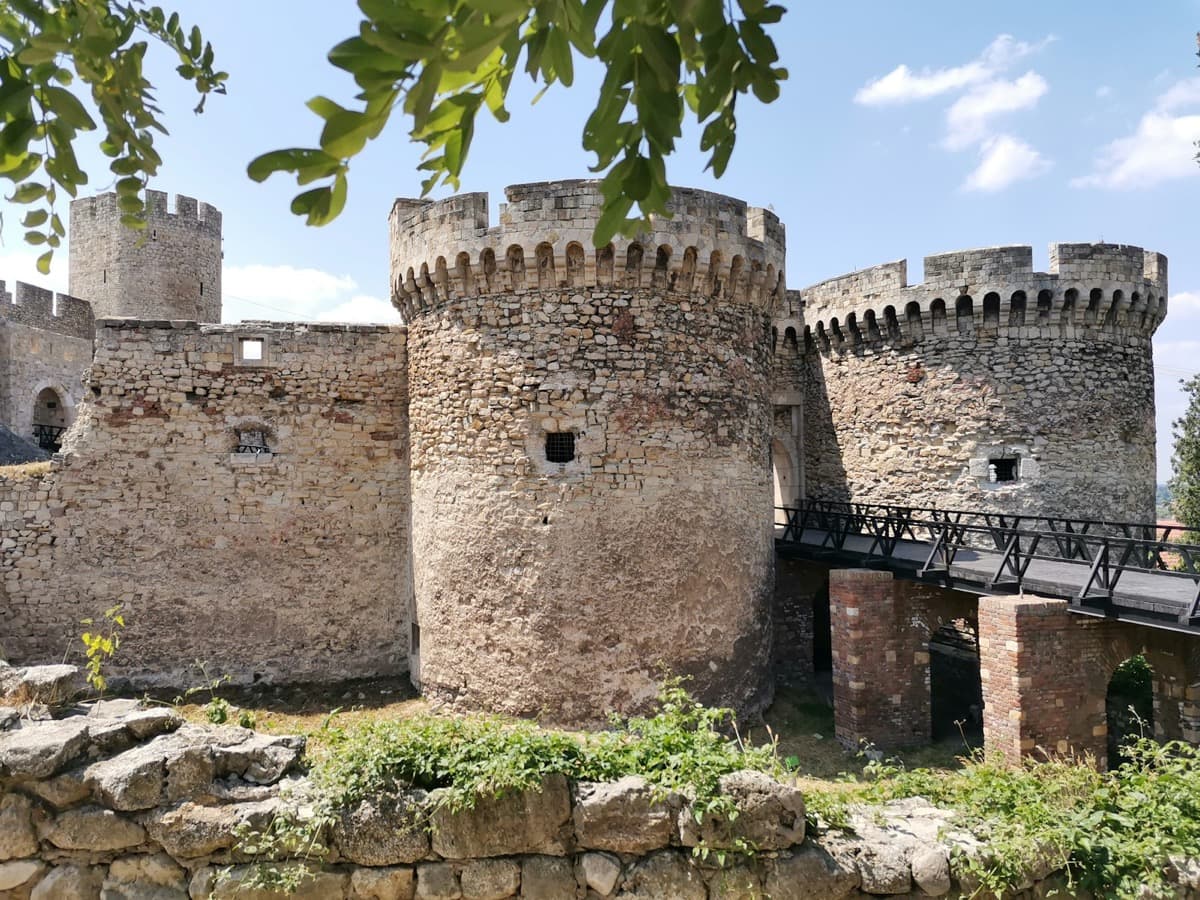
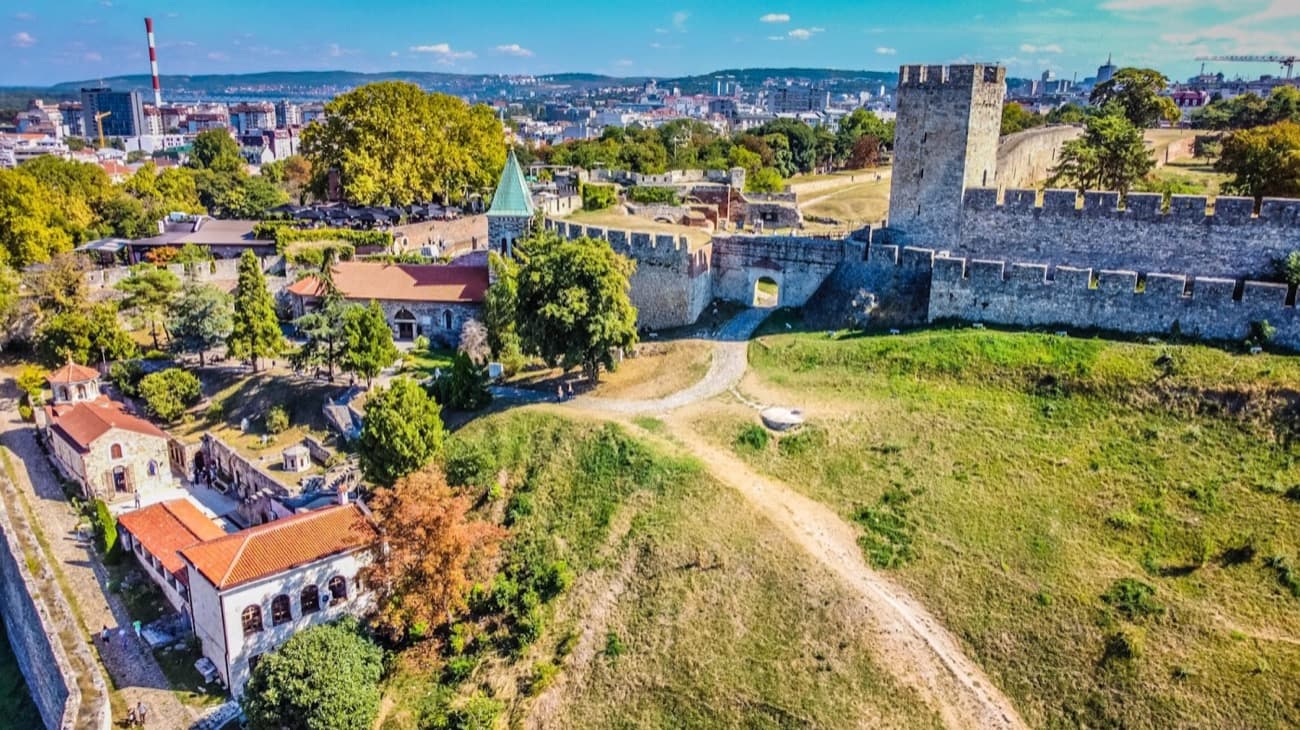
Walk in from the Knez Mihailova end through the Inner Stambol Gate, the Ottoman-era entrance that is the fortress's front door. From there the layers reveal themselves in stacked stone: medieval walls raised under the Serbian despot Stefan Lazarevic, Ottoman and Habsburg rebuilds on top, and out on the ramparts the bronze figure known as the Victor, or Pobednik, looking over the confluence. Give yourself time on the terrace where the Sava meets the Danube. This viewpoint is the single best reason to come early, when the light is soft and the rivers are quiet.
Down the river-facing slope you will find Ruzica Church and the small Chapel of Saint Petka, and further along the water the Nebojsa Tower, which has served in turn as a cannon position, a prison, and now a museum. This whole leg is the ground covered by the fortress audio walk, a roughly 4 kilometer loop that reads the hill as Belgrade's deep-time story. It is the natural place to let a self-guided narration carry the history while you keep your eyes on the stones.
Midday: Knez Mihailova, Republic Square, and Terazije
Leave the fortress the way you came and walk straight down Knez Mihailova Street, the pedestrian axis that runs on top of a Roman road. This is the busiest and most reliably lively stretch of the city, lined with shops, cafes, and street performers from morning to night, and it feeds you directly into the downtown core. It is a flat, easy 10 minute stroll to Republic Square.
Republic Square, with its monument to Prince Mihailo on horseback in front of the National Museum, is the city's central gathering point and a good spot to sit for a coffee. From here the downtown ridge tour picks up: south to Terazije and the landmark facade of Hotel Moskva, then across to the House of the National Assembly and Nikola Pasic Square. This leg reads one downtown ridge where five regimes stacked on top of each other, and it is where you will feel Belgrade shift from fortress town to twentieth century capital. Break for lunch anywhere along here. The side streets off Terazije and toward Republic Square are full of bakeries and sit-down places, and portions are generous.
One practical note that changes how you plan the day: Belgrade's regular city buses, trams, and trolleybuses have been free since 2025, so you can hop on and off without buying a ticket or tapping a card. Only the airport express and a few express minibus lines still charge. That free network is what makes the afternoon leg painless.
Afternoon: the Museum of Yugoslavia and the House of Flowers
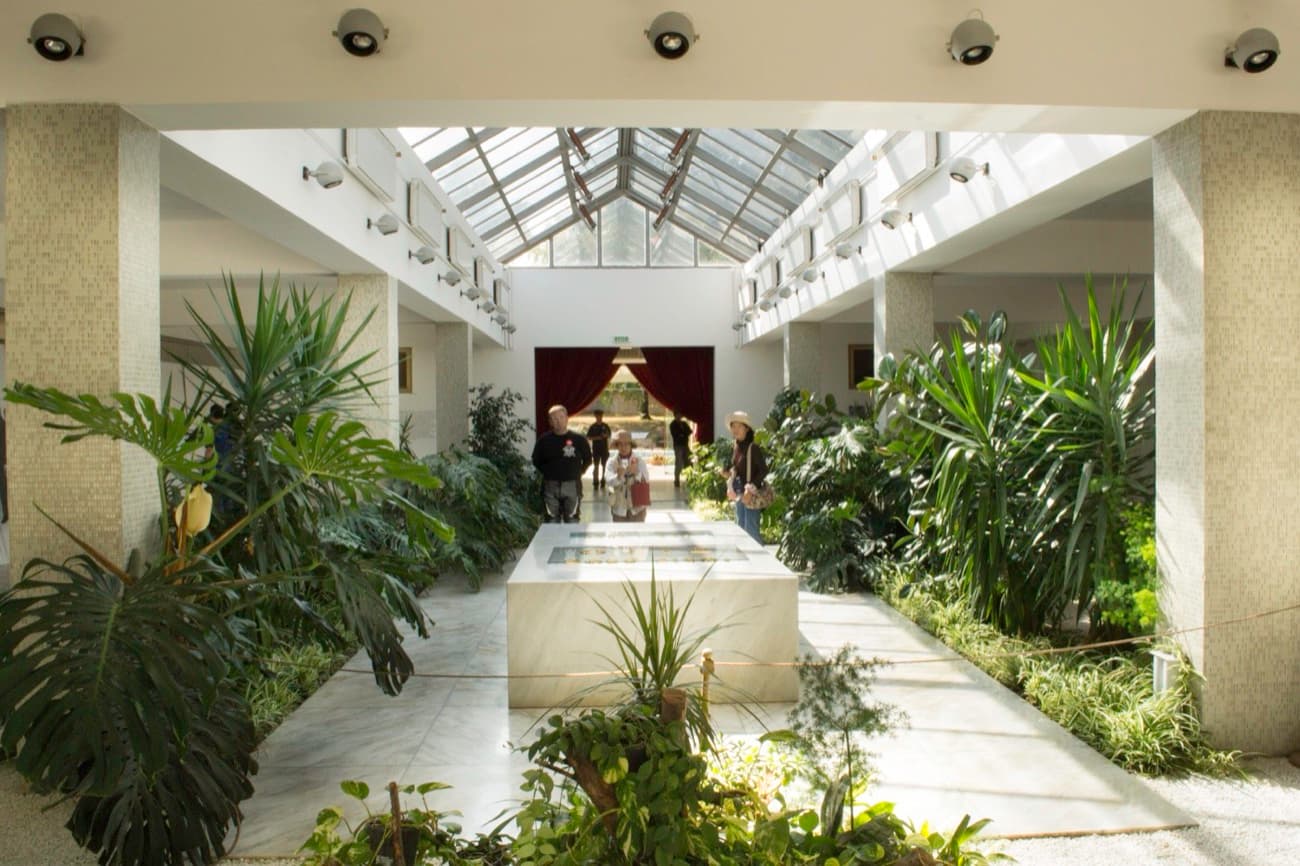
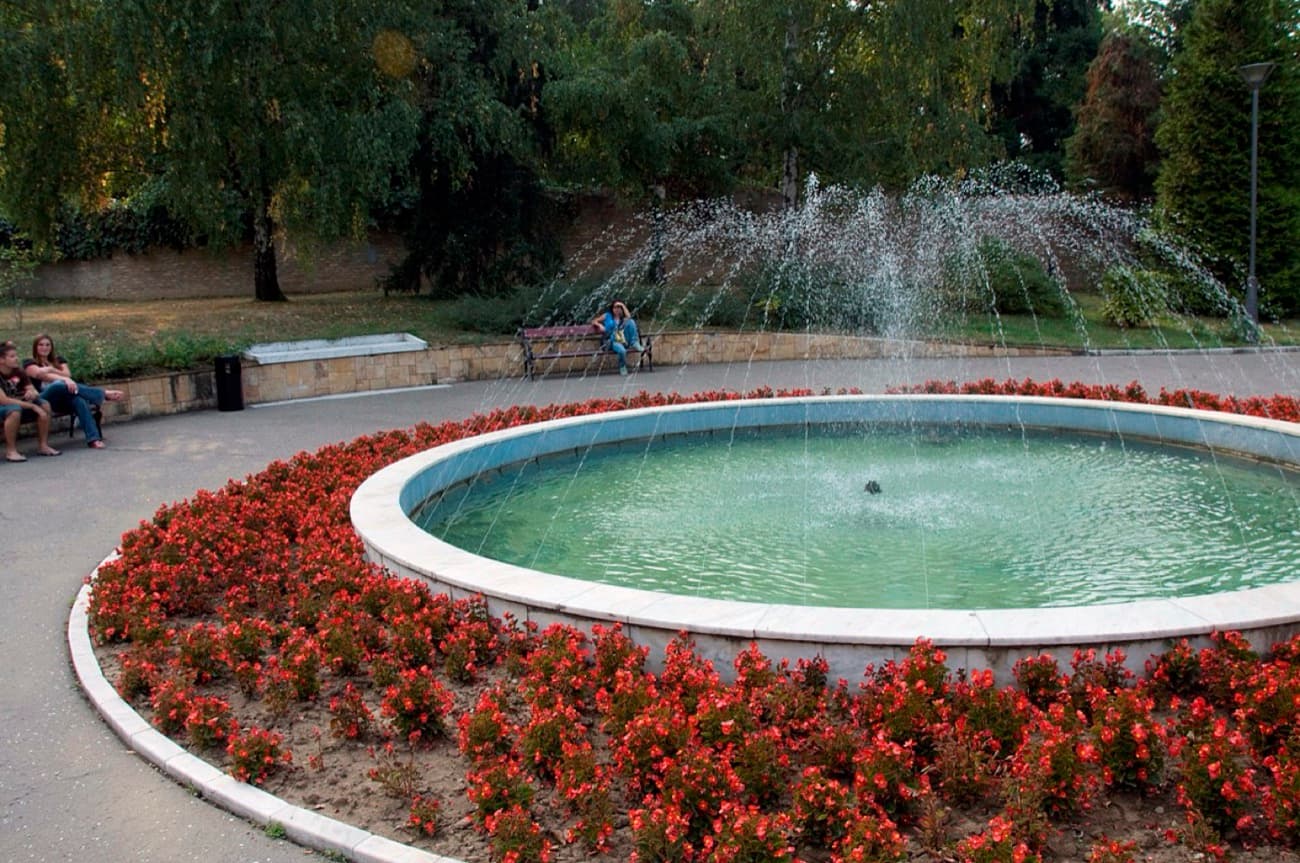
For the afternoon, ride or take a short taxi out to the Dedinje hill, about 5 kilometers south of the center, to the Museum of Yugoslavia. This is the one part of the day that is not a walk from the center, and it is worth the trip. The museum campus tends the tomb of Josip Broz Tito inside the House of Flowers, alongside halls of relay batons from the old Day of Youth and the gifts sent by leaders of the Non-Aligned Movement. It is the physical memory of a country that no longer exists, and reading it in person lands differently than reading about it.
Check the calendar before you commit the afternoon to this: the Museum of Yugoslavia is closed on Mondays and open Tuesday through Sunday, generally from 10 in the morning to 6 in the evening, with additional closures on January 1, January 7, and over Orthodox Easter. Entry is inexpensive, around 800 dinars for an adult ticket, roughly the price of a coffee and a pastry, and it covers the House of Flowers along with the other museum buildings, with reduced rates for students and free entry for young children. If your one day in Belgrade falls on a Monday, swap this leg for more time on the fortress and downtown, and keep the museum for another visit.
The Dedinje campus is a compact, mostly flat walk once you arrive, so the whole visit including travel runs about two hours. Its self-guided audio walk is short and reflective by design, which suits the quiet of the grounds.
Evening: Skadarlija and the walk back
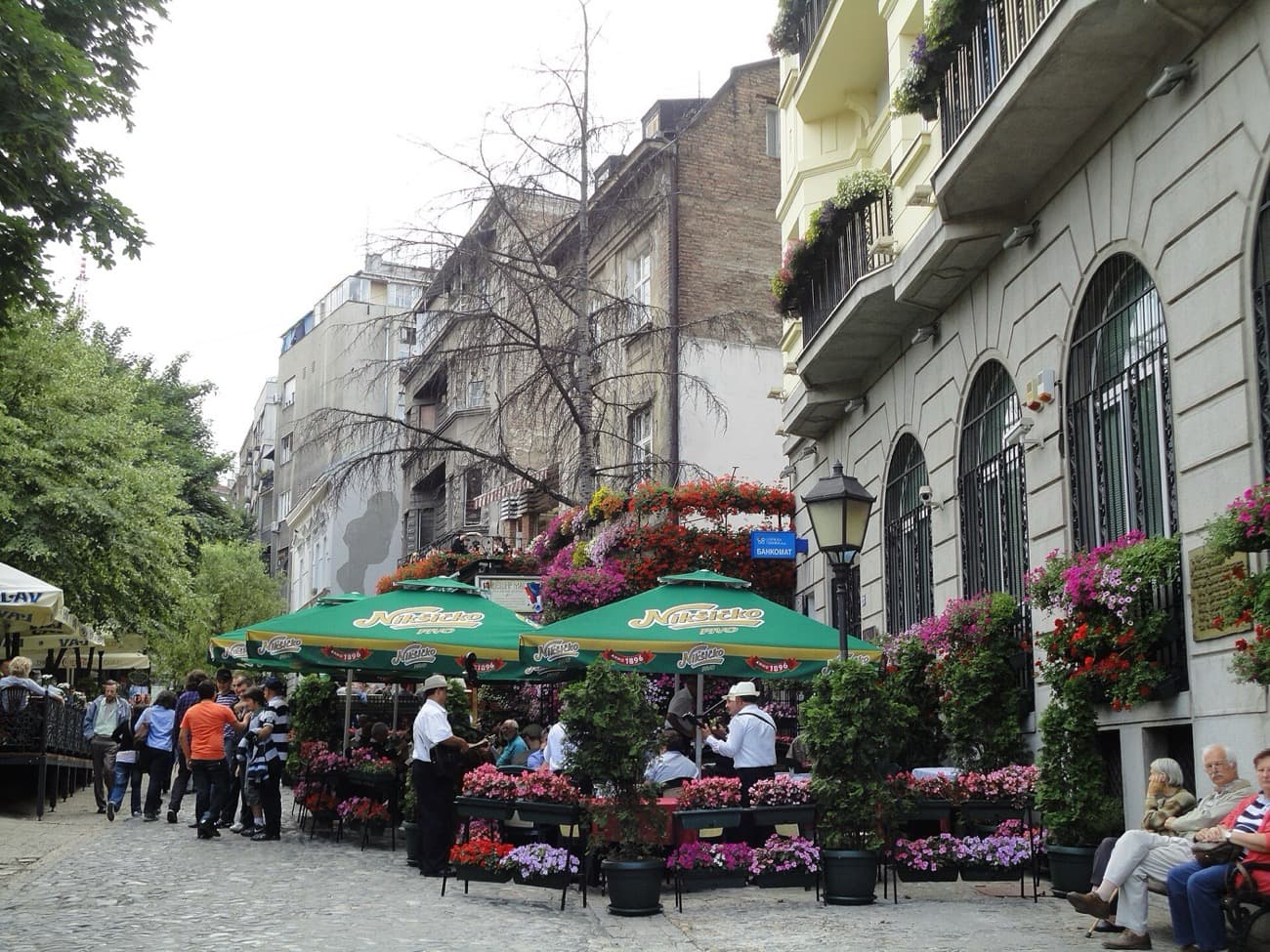
End the day in Skadarlija, the cobbled bohemian lane that has been Belgrade's tavern quarter since the late nineteenth century. It is at its best after sunset, when the kafanas fill and live music drifts down the slope. Historic restaurants like Tri Sesira, which dates to the eighteen sixties, and Dva Jelena have been serving here for generations, and even if you only walk the length of the street and pick a table by feel, it is the right note to end on. Arrive a little before the dinner rush if you want a relaxed seat, because weekends and summer evenings get busy.
Skadarlija sits just off Republic Square, so the evening closes the loop: you are a flat 10 minute walk from where you had your midday coffee, and an easy stroll back to most central hotels. The downtown audio walk threads Skadarlija into its route, so you can let the narration set up the quarter before you sit down to eat.
Is Belgrade safe to walk for a day?
Yes, central Belgrade is comfortable to walk through by day and evening, and the route above stays in well-lit, well-populated areas the whole way. The main thing to watch is ordinary petty theft: pickpockets work crowded spots like Knez Mihailova, the fortress park, and busy trams, so keep your wallet in a front pocket or a zipped bag and stay aware in crush points. Violent crime is rare and this is a normal precaution, not a reason to worry. Use a registered taxi or a ride app for the Dedinje leg rather than an unmarked car, and you will be fine.
How to do this with Roamer
Each leg of this day has a matching self-guided audio walk, so you can let the history play in your ears and keep your eyes on the city. The fortress morning, the downtown midday ridge, and the Dedinje afternoon each correspond to one of the three walks you can start from the Belgrade tour page, and you can browse all of them from the Belgrade walking tours hub. Because the tours are self-guided, you set the pace: linger on the confluence terrace, skip a stop, or stretch lunch, and the day still holds together.
Sources
- Belgrade Fortress official visitor information (opening hours and tickets), beogradskatvrdjava.co.rs
- Museum of Yugoslavia, visit information (hours, closed Mondays, tickets), muzej-jugoslavije.org
- Belgrade public transport guide 2026 (free city network), Tourist Organisation of Belgrade
- Skadarlija guide, Tourist Organisation of Belgrade
- Belgrade safety guide for tourists 2026, travelsafe-abroad.com
Frequently asked questions
- Can you see Belgrade in one day?
- Yes. Belgrade's old core sits on one ridge above the Sava and Danube confluence, so you can chain the fortress, the downtown boulevards, and an evening in Skadarlija on foot in a single day. The only leg better done by a short taxi or free bus is the Museum of Yugoslavia out on the Dedinje hill, about 5 kilometers south of the center.
- Is the Belgrade Fortress free to enter?
- The Belgrade Fortress grounds and Kalemegdan Park are free and open around the clock. You pay only a small entry fee for specific indoor attractions such as the Military Museum, the Roman Well, or the Nebojsa Tower, so a visit to the walls, ramparts, and confluence terrace costs nothing.
- What days is the Museum of Yugoslavia open?
- The Museum of Yugoslavia, which includes the House of Flowers with Tito's tomb, is open Tuesday through Sunday, generally from 10 in the morning to 6 in the evening, and is closed on Mondays. It also closes on January 1, January 7, and over Orthodox Easter. Adult tickets are inexpensive and cover the House of Flowers plus the other museum buildings.
- Is public transport in Belgrade free?
- Yes. Belgrade's regular city buses, trams, and trolleybuses have been free since 2025, with no ticket or card needed to board. The exceptions are the airport express bus and a few express minibus lines, which still charge a small fare paid on board.
- Is Belgrade safe to walk around?
- Central Belgrade is comfortable to walk by day and evening, and the main streets stay busy and well lit. The realistic concern is petty theft: pickpockets work crowded spots like Knez Mihailova, the fortress park, and packed trams, so keep valuables secure. Violent crime is rare and normal city awareness is enough.
- When is the best time to visit Skadarlija?
- Skadarlija, Belgrade's cobbled tavern quarter, is at its best after sunset, when the kafanas fill and live music starts. Arrive a little before the dinner rush for a relaxed table, since weekend and summer evenings get crowded. It sits just off Republic Square, a flat 10 minute walk from the downtown core.
Ready to experience it?
The White City: A Fortress Everyone Had to Have
105 min · 4.3 km · moderate
More from Belgrade
Explore more at your own pace.
The Bombed Generalstab: How One Belgrade Ruin Holds the Whole Downtown
The House of Flowers: Why Belgrade Still Keeps Tito's Grave
The Stacked Stone of Kalemegdan: Reading Belgrade's Layered Fortifications
Skadarlija: Reading Belgrade's Bohemian Quarter, Cobblestone by Cobblestone
The Museum of Yugoslavia Entrance: Where Belgrade Still Tends a Vanished Country's Grave