The White City: A Fortress Everyone Had to Have
105 min · 4.3 km · moderate
Plan two to three full days in Belgrade, get around on the city's free buses, trams and trolleybuses, and time your visit for May or September when the weather is mild. That is the short answer for the walkable core of the Serbian capital, the ridge above the Sava and Danube confluence where the fortress sits. Below is the practical version: how long to stay, how to move, when to come, an honest word on safety, and what a day costs. When you want the layered history under your feet rather than in a guidebook, our self-guided audio walks cover the same ground at your own pace. Start with the Belgrade walking tours hub or jump straight to the city page at /serbia/belgrade.
How many days do you need in Belgrade?
Two full days cover the essentials. Three lets you slow down.
Belgrade's historic center is compact and mostly flat along the top of the ridge, so you can see a lot on foot. A sensible split:
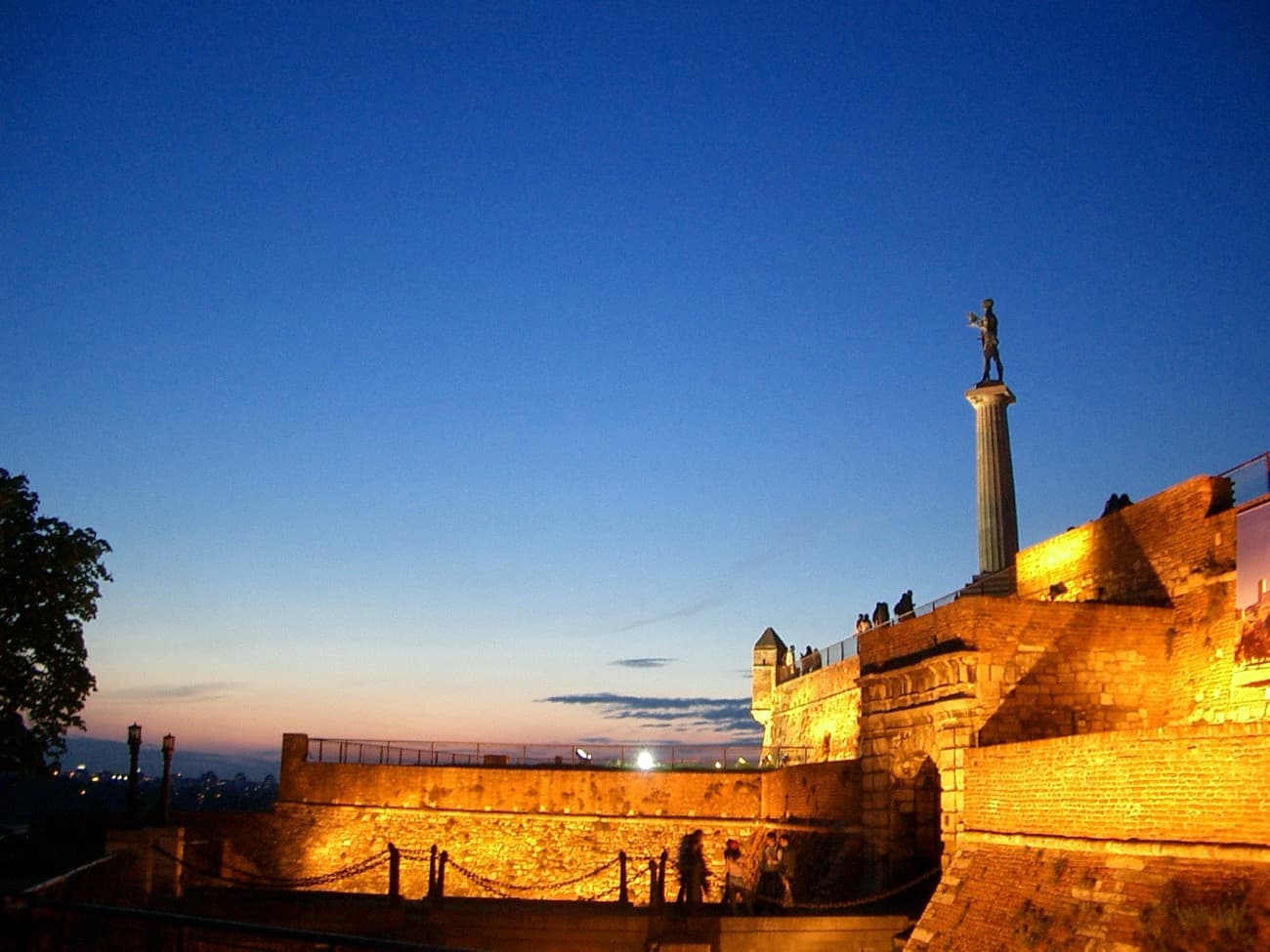
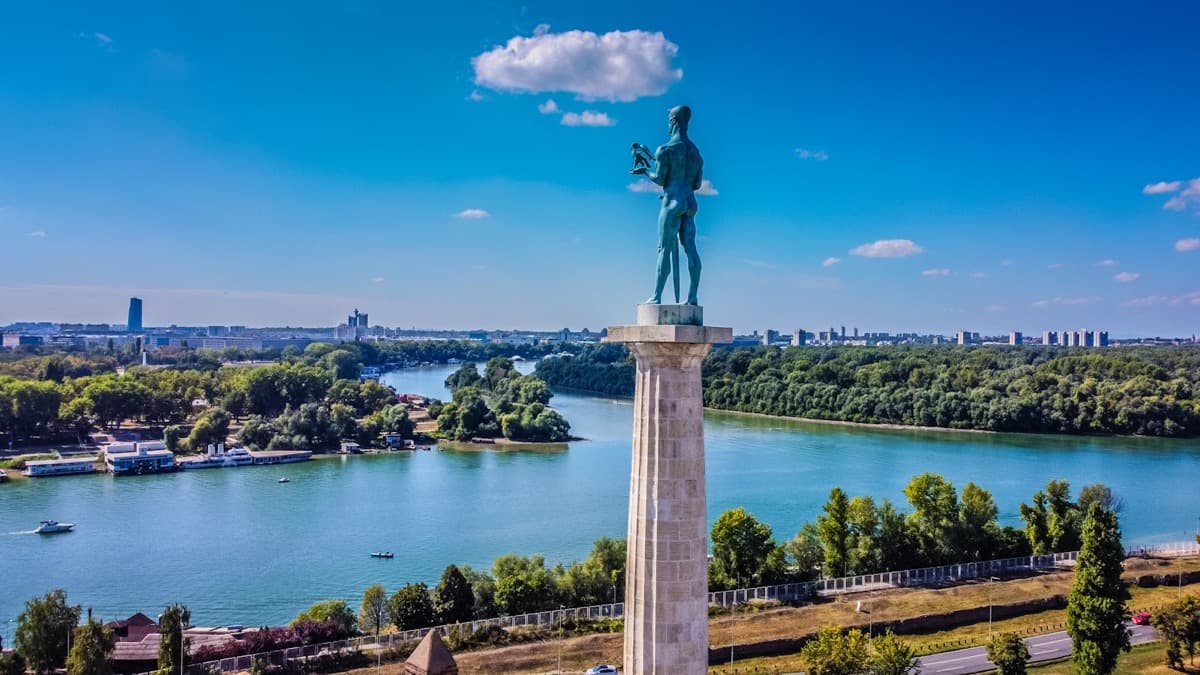
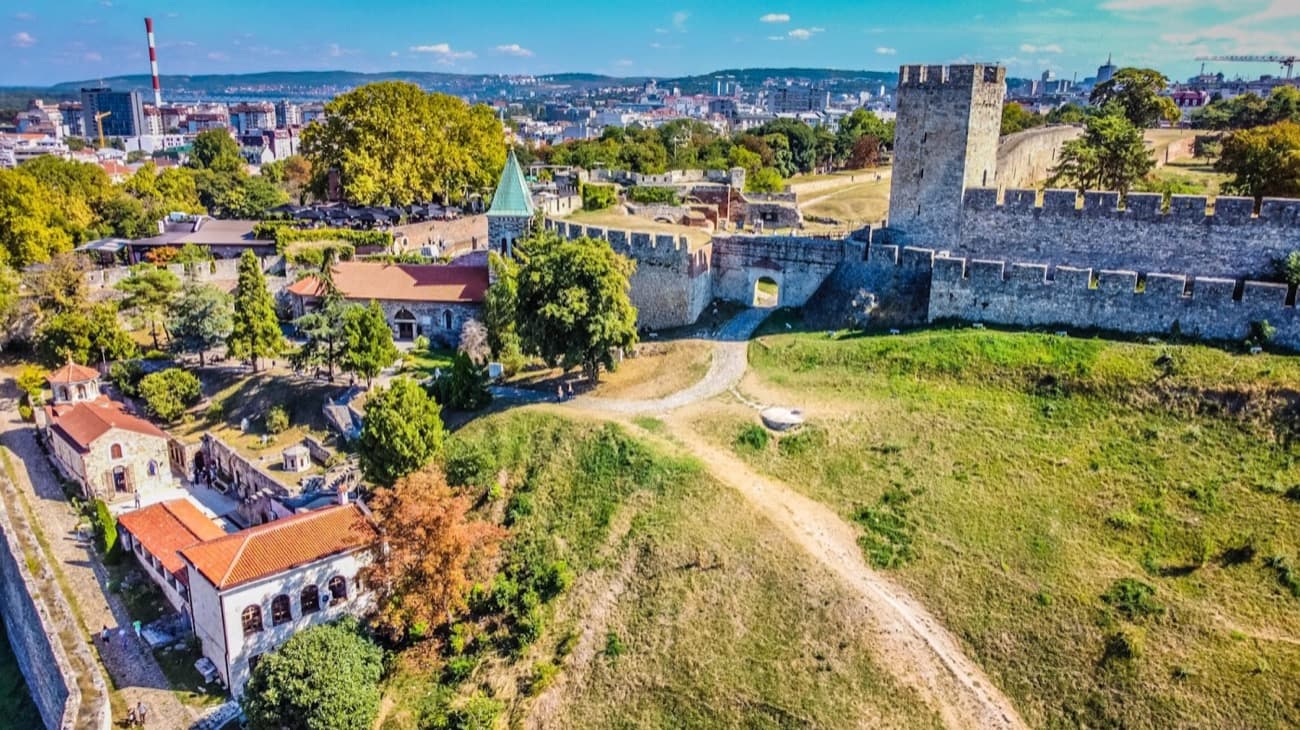
- Day one: Belgrade Fortress and Kalemegdan Park, then the pedestrian spine of Knez Mihailova Street down into the old town. This is exactly the arc of our Kalemegdan and White City walk, which runs about 4.3 kilometers over roughly an hour and three quarters and reads the fortress as stacked stone, from Celtic and Roman Singidunum through Ottoman and Habsburg rebuilding.
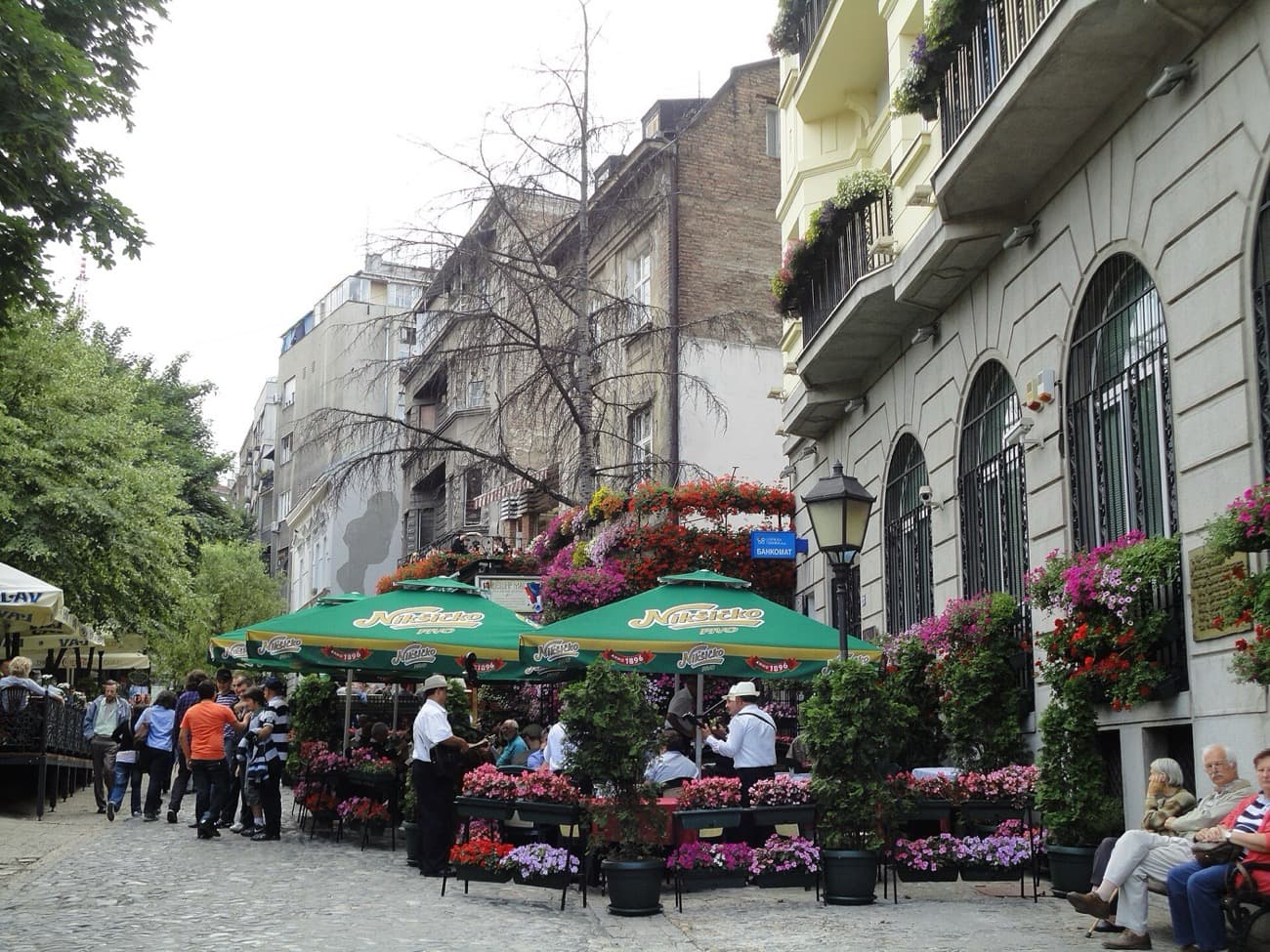
- Day two: the downtown ridge, from Terazije and Hotel Moskva through Republic Square and the Skadarlija quarter to the National Assembly, ending at the sober memorials near Tasmajdan Park. Our Empire to Aftermath walk follows this line, about 3.4 kilometers.
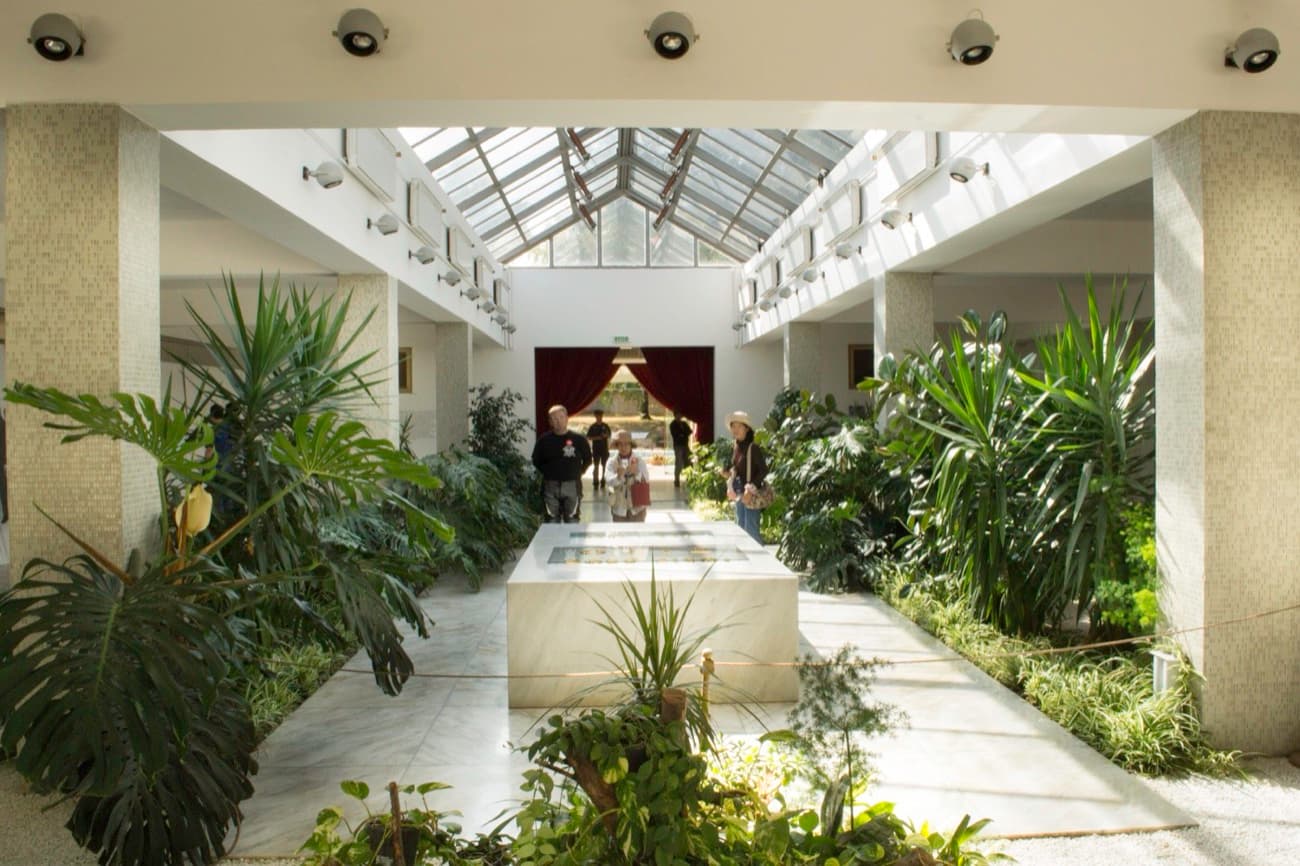
- Half a day or day three: the hill of Dedinje and the Museum of Yugoslavia campus, where Tito's tomb sits inside the House of Flowers. Our Tito's Yugoslavia walk is a short, easy loop of about 0.6 kilometers built around that museum campus.
If you only have one day, do the fortress and Knez Mihailova and save the museum for next time.
How do you get around Belgrade?
Hear a stop from this walk
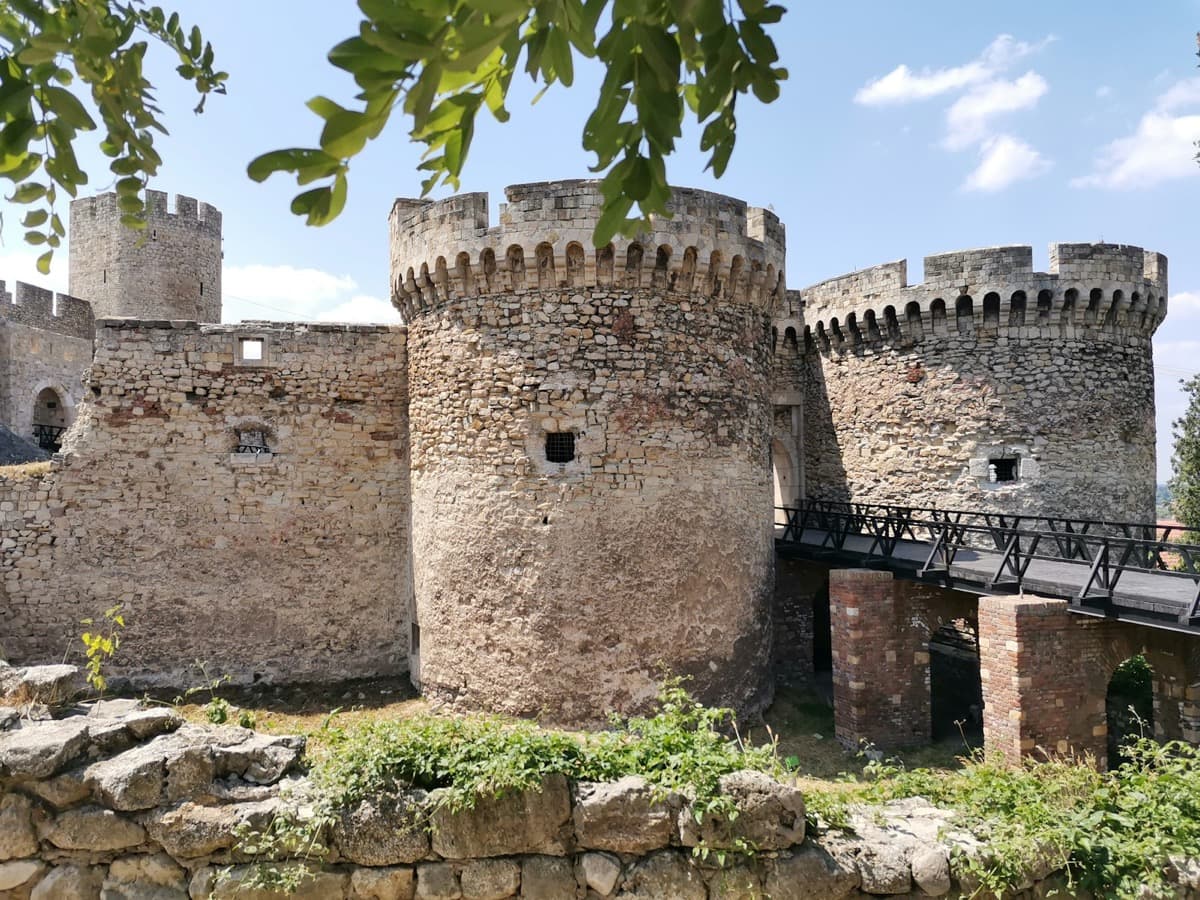
The Inner Stambol Gate: The Newest Conqueror's Front Door
Ride the public transport for free, and walk the center.
Since January 2025, Belgrade made all regular city and suburban public transport free for everyone, including buses, trams, trolleybuses and the BG Voz train. You do not need a ticket, card or app on regular city lines: just board and ride. The city runs a large network of bus, tram and trolleybus lines under GSP Beograd.
Two paid exceptions exist. The A1 airport minibus to Slavija Square costs 400 dinars, paid to the driver, and the E express minibuses cost 200 dinars.
For the historic core, you will barely need transport at all. The fortress, Knez Mihailova, Republic Square, Skadarlija and the National Assembly are all within an easy walk of one another. The Museum of Yugoslavia on Dedinje is the one sight that is a bus or taxi ride out from the center.
Getting in from the airport
From Nikola Tesla Airport (BEG), you have a few options:
- A1 minibus to Slavija Square, 400 dinars on board, roughly every hour, more often at peak times.
- City bus line 72 to Zeleni Venac near the center, free like the rest of city transport.
- Official taxi, which typically runs €20 to €30 on the meter. Use the taxi desk inside arrivals to get a fixed-price voucher rather than accepting a ride from touts at the door, which is the single most common airport overcharge.
When is the best time to visit Belgrade?
Come in May or September for the most comfortable weather.
Spring and autumn are the sweet spots. May brings mild temperatures, often in the high teens to low twenties Celsius, and thinner crowds than summer. September is many travelers' pick for the year: warm but not hot, comfortable for walking all day, with the cultural season starting up again.
Summer (July and August) is hot, often above 30 degrees Celsius, and is the season for river bars, festivals and nightlife rather than long daytime walks. Plan outdoor sightseeing for early morning or evening if you come then. Winter is cold, sometimes below freezing, quiet and cheaper, which suits a museum-heavy trip more than a fortress ramble.
Since most of the fortress walk is outdoors and exposed on the confluence terrace, a mild, dry day makes a real difference to the experience.
Is Belgrade safe?
Belgrade is generally safe for visitors, including solo travelers, with petty theft the main thing to watch.
Violent crime against foreigners is rare, and the central streets are busy and well trafficked into the late evening. Solo travelers, including women, broadly report feeling comfortable in the main city center, and many younger locals speak English. That is the honest, non-alarming picture: this is a relaxed capital, not a place that demands constant vigilance.
The practical cautions are ordinary ones:
- Pickpocketing happens in crowded spots, on packed trams and in busy nightlife districts. Keep your wallet in a front pocket or a zipped bag.
- Taxis are the classic overcharge. Use a licensed taxi with a visible meter, or a ride-hailing app such as CarGo, rather than an unmetered car, especially late at night or from the airport.
- After dark, stick to lit, populated streets. Some pockets away from the riverfront and the main squares are quiet and dimly lit at night.
Two of our walks pass places tied to the wars of the 1990s, including memorials near Tasmajdan Park and buildings left as deliberate ruins. These are places of public memory. The tours treat them soberly and without taking sides, and you should approach them the same way, quietly and respectfully.
What does a day in Belgrade cost?
Belgrade is inexpensive by Western European standards, and much of the best sightseeing is free.
The currency is the Serbian dinar (RSD). Euros are not legal tender, so you pay in dinars: shops and restaurants are meant to charge in the local currency. Exchange offices and ATMs are easy to find in the center and at the airport, and cards are widely accepted. Bring some cash for small cafes, church donation boxes and the minibus.
A rough sense of daily spending:
- A coffee in a cafe runs a couple of hundred dinars.
- A casual ćevapi lunch is often in the several-hundred-dinar range.
- A mid-range restaurant meal typically lands in the low thousands of dinars per person.
- Transport inside the city is free, which quietly removes a whole line item.
Many of the headline sights cost nothing. Kalemegdan Park and the Belgrade Fortress grounds are free and open around the clock. Republic Square, Skadarlija, Knez Mihailova and the exterior of the National Assembly are all free to wander.
Where you do pay is the interior attractions. Inside the fortress, specific objects such as the Roman Well and Nebojsa Tower are ticketed, with a small entry fee each and a combined ticket in the range of a few hundred dinars. The Museum of Yugoslavia charges a modest admission (its regular ticket is 800 dinars, with reduced rates for students and pensioners), the House of Flowers with Tito's tomb is part of the same campus, and the museum is closed on Mondays. Always confirm current prices and hours on site or on the official pages before you go, since these shift.
Walk it your own way
The joy of Belgrade's center is that it rewards walking and reading the layers: an Ottoman road under a socialist boulevard, a fortress rebuilt by everyone who ever held the hill, a tomb kept for a country that no longer exists. That is what our self-guided audio walks are built for. You set the pace, pause when a view or a cafe pulls you in, and skip what does not interest you, with no schedule and no group to keep up with. Browse the full set from the Belgrade walking tours hub, or open the city page at /serbia/belgrade to pick your first route.
Sources
- City Public Transport, Tourist Organisation of Belgrade
- Belgrade becomes the largest European city to offer free public transport, EU Urban Mobility Observatory
- Public Transportation, Nikola Tesla Airport Belgrade (official)
- Museum of Yugoslavia, Visit Us (official hours and prices)
- Serbia Travel Advisory, U.S. Department of State
Frequently asked questions
- How many days do you need in Belgrade?
- Two full days cover the essentials of the compact, mostly flat historic center: the Belgrade Fortress and Kalemegdan, Knez Mihailova Street, the downtown ridge from Terazije to the National Assembly, and the Museum of Yugoslavia on Dedinje. A third day lets you slow down and add Skadarlija or the riverfront. With only one day, focus on the fortress and Knez Mihailova.
- Is public transport free in Belgrade?
- Yes. Since January 2025, all regular city and suburban buses, trams, trolleybuses and the BG Voz train are free for everyone, with no ticket, card or app needed. The only paid exceptions are the A1 airport minibus at 400 dinars and the E express minibuses at 200 dinars.
- How do you get from Belgrade Airport to the city center?
- The A1 minibus runs to Slavija Square for 400 dinars paid on board, roughly hourly. City bus line 72 goes to Zeleni Venac and is free like the rest of city transport. An official taxi typically costs 20 to 30 euros on the meter, and using the taxi desk voucher inside arrivals avoids overcharging by touts.
- When is the best time to visit Belgrade?
- May and September are the most comfortable months, with mild temperatures and lighter crowds than summer. July and August are hot, often above 30 degrees Celsius, and better for nightlife than long daytime walks. Winter is cold, quiet and cheaper, which suits a museum-focused trip.
- Is Belgrade safe for tourists and solo travelers?
- Belgrade is generally safe, including for solo travelers. Violent crime against foreigners is rare and central streets stay busy into the evening. The main concerns are ordinary: pickpocketing in crowds and on trams, and taxi overcharging. Use a licensed metered taxi or a ride-hailing app like CarGo, and keep valuables secure.
- What currency does Belgrade use and how expensive is it?
- Belgrade uses the Serbian dinar, and euros are not legal tender, so you pay in dinars. ATMs and exchange offices are easy to find and cards are widely accepted. The city is inexpensive by Western European standards: coffee costs a couple of hundred dinars, a casual lunch a few hundred, and free city transport plus many free sights keep daily costs low.
Ready to experience it?
The White City: A Fortress Everyone Had to Have
105 min · 4.3 km · moderate
More from Belgrade
Explore more at your own pace.
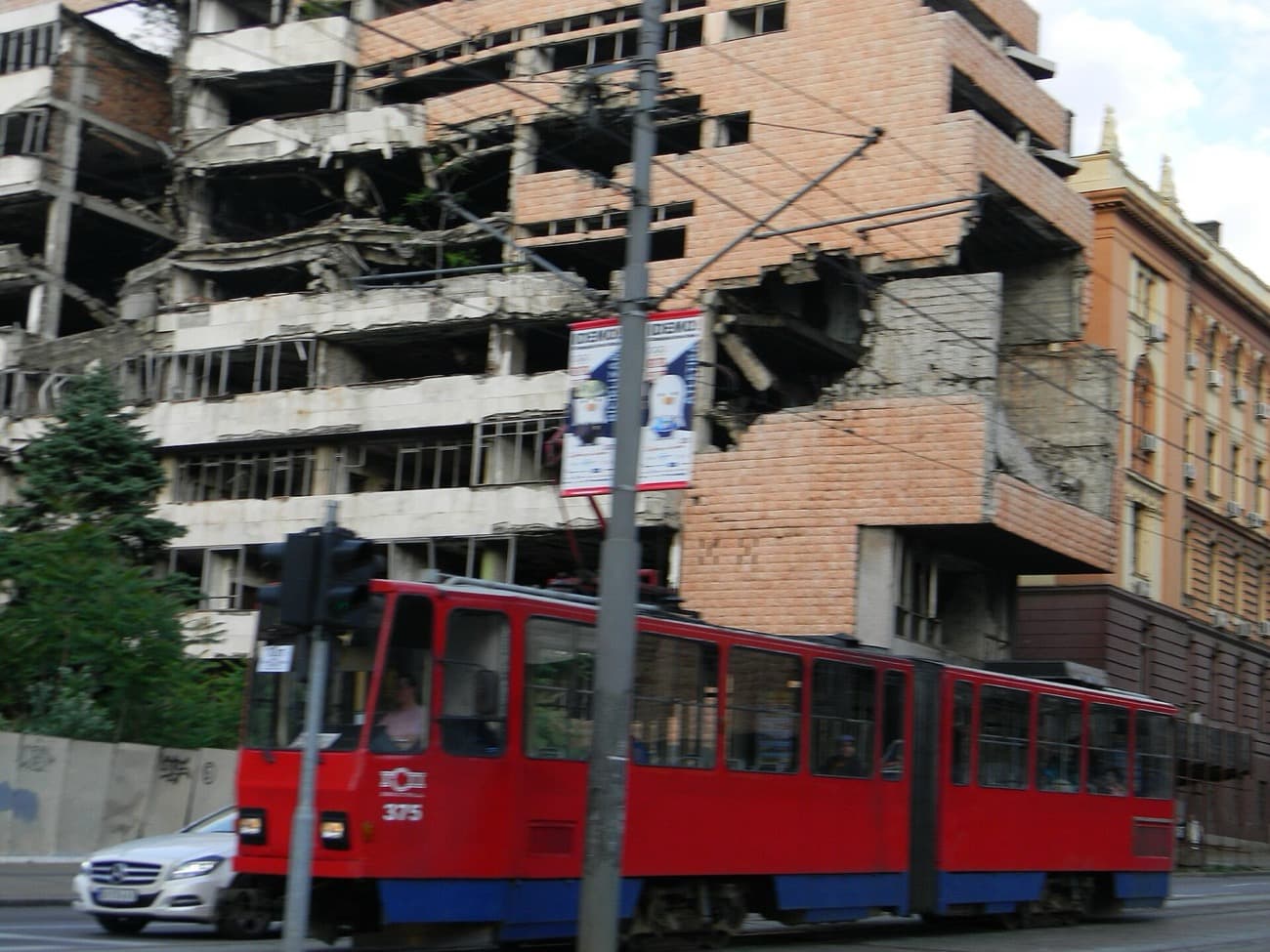
The Bombed Generalstab: How One Belgrade Ruin Holds the Whole Downtown
The House of Flowers: Why Belgrade Still Keeps Tito's Grave
The Stacked Stone of Kalemegdan: Reading Belgrade's Layered Fortifications
Skadarlija: Reading Belgrade's Bohemian Quarter, Cobblestone by Cobblestone
The Museum of Yugoslavia Entrance: Where Belgrade Still Tends a Vanished Country's Grave