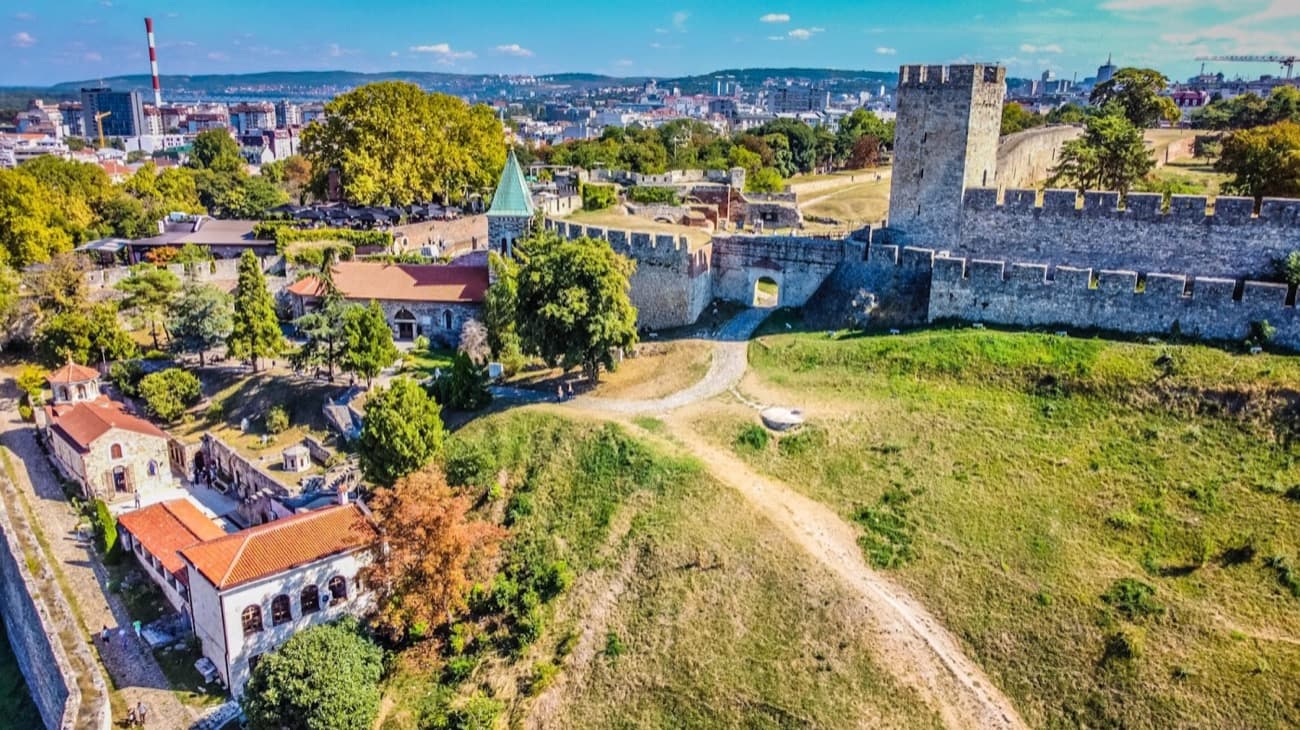
Stand in the Upper Town of Kalemegdan and you are looking at more than one empire at once. Roman, medieval Serbian, Ottoman, and Austrian stone all touch along this ridge, each conqueror having rebuilt on the wreckage of the last, because the hill above the point where the Sava River flows into the Danube was a door no army could afford to leave open. That single stretch of layered wall is the argument the whole fortress makes, and it is the reason a self-guided walk through Kalemegdan reads less like a monument tour and more like a core sample drilled straight down through two thousand years.
One ridge, four empires, no fresh start
The layered fortifications in the Upper Town are the second stop on the White City walk, and they are its thesis in a single view. The oldest visible layer is Roman. Before Rome, the Celtic tribe called the Scordisci founded a fortified settlement here in the third century before the common era, already choosing the ridge for its command of the water. Rome took the area in seventy-five before the common era, and in eighty-six of the common era the Fourth Flavian Legion arrived and stayed for centuries, one of the longest Roman postings on the Danube frontier. That legion built a square fort, a castrum, on this very Upper Town, with construction beginning around the turn of the second century. The town it guarded was called Singidunum, a name that blends a likely Celtic element with the word dunum, meaning fort. The place was named a stronghold before it was anything else.
Above the Roman course sits the medieval Serbian layer. In fourteen oh three, Despot Stefan Lazarevic made Belgrade the capital of medieval Serbia and launched a massive reconstruction. The base of the south-eastern rampart around the Upper Town was raised during his rule in the early fifteenth century. His chronicler, Constantine the Philosopher, left a written account describing the city as destroyed and neglected before the despot rebuilt its walls, towers, citadel, and palace. That is a rare firsthand medieval source, and it names the method the whole city runs on: nobody started fresh.
Then come the last two builders. The Ottomans held Belgrade from fifteen twenty-one to eighteen sixty-seven. The Austrians, during their occupation of seventeen eighteen to seventeen thirty-nine, reshaped the defenses in the modern bastioned military style, work associated with the engineer Nicolas Doxat de Demoret. Five builders, one non-negotiable ridge. What looks like a single fortress is every failed empire's attempt to keep it, stacked one atop another.
The confluence is the whole reason
Hear a stop from this walk
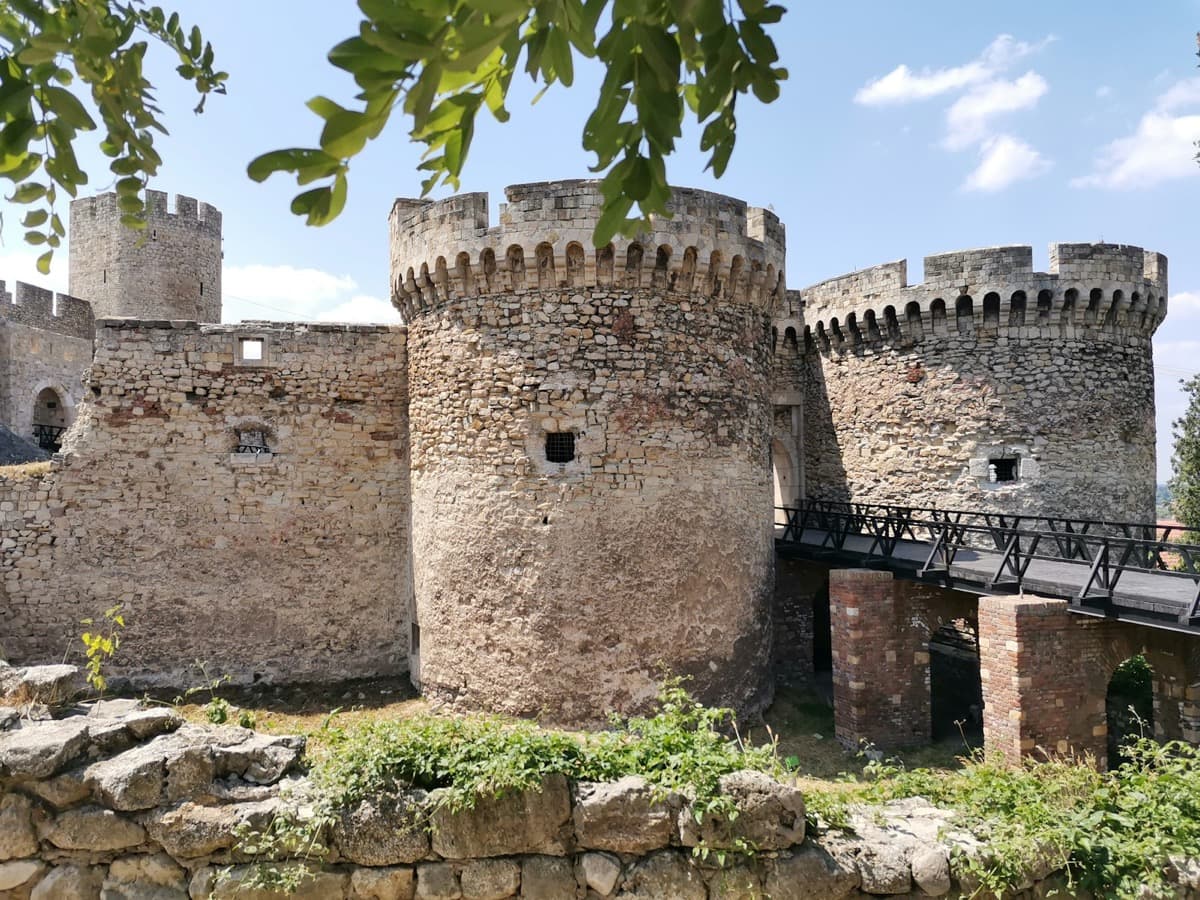
The Inner Stambol Gate: The Newest Conqueror's Front Door
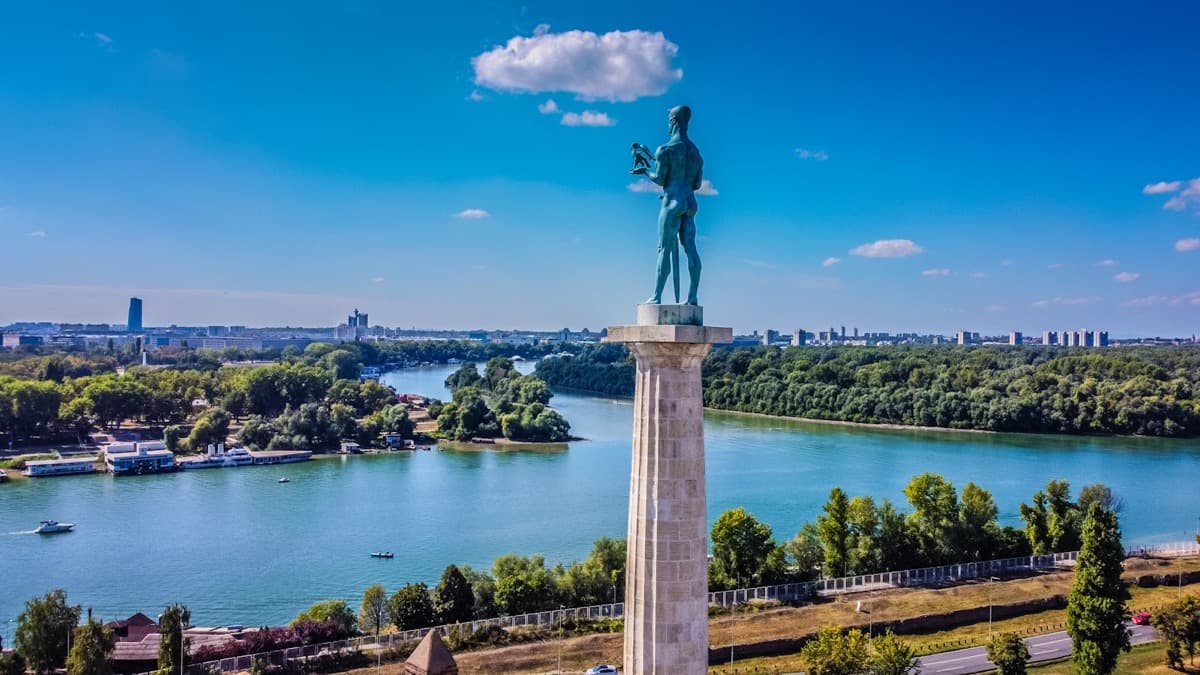
Walk a few steps from the layered walls to the edge of the Upper Town and the logic snaps into focus. Below the terrace, the Sava pours into the Danube. A fortress on this ridge watches both waterways at once, controls the crossing, and taxes the trade. Take away the confluence and Belgrade is just another hill. Keep it, and the hill becomes the door between central Europe and the Balkans, which is exactly why it was fought over and rebuilt more than forty times. Out in the junction sits Great War Island, in Serbian Veliko Ratno Ostrvo, about two square kilometres of protected wetland that served for centuries as the vantage point from which armies watched and besieged the fortress. Its role has since reversed completely: protected in two thousand five, declared a public park in twenty twenty-two, it now hosts around two hundred and eight bird species, including nesting white-tailed eagles.
Scar tissue you can see
The most literal expression of Belgrade's stacked history is not a wall at all but a chandelier. In the eastern outer bailey stands Ruzica Church, which began as an Austrian gunpowder magazine and was reconstructed as a place of worship, consecrated in nineteen twenty-five. Its chandeliers, candelabra, and metal icons were cast at the Military Technical Institute in Kragujevac from melted rifle and pistol bullets, spent shell casings, and sabres. A city that turned erasure into a construction method turned its weapons into light. Beside it, the small Chapel of Saint Petka, completed in nineteen thirty-seven to a design by architect Momir Korunovic, is built over a spring long regarded as a healing well.
Down on the Danube bank, the same pattern repeats in stone. Nebojsa Tower was built around fourteen sixty by the Hungarians as an artillery platform, converted into an Ottoman prison after seventeen thirty-nine, and restored into a four-floor multimedia museum that reopened in twenty ten. Its most remembered prisoner belongs to the whole region rather than one nation: Rigas Feraios, a Greek writer and revolutionary born in seventeen fifty-seven, was strangled here in seventeen ninety-eight for imagining a freer Balkans. He is honoured across the region as a shared Enlightenment figure.
Where the argument continues
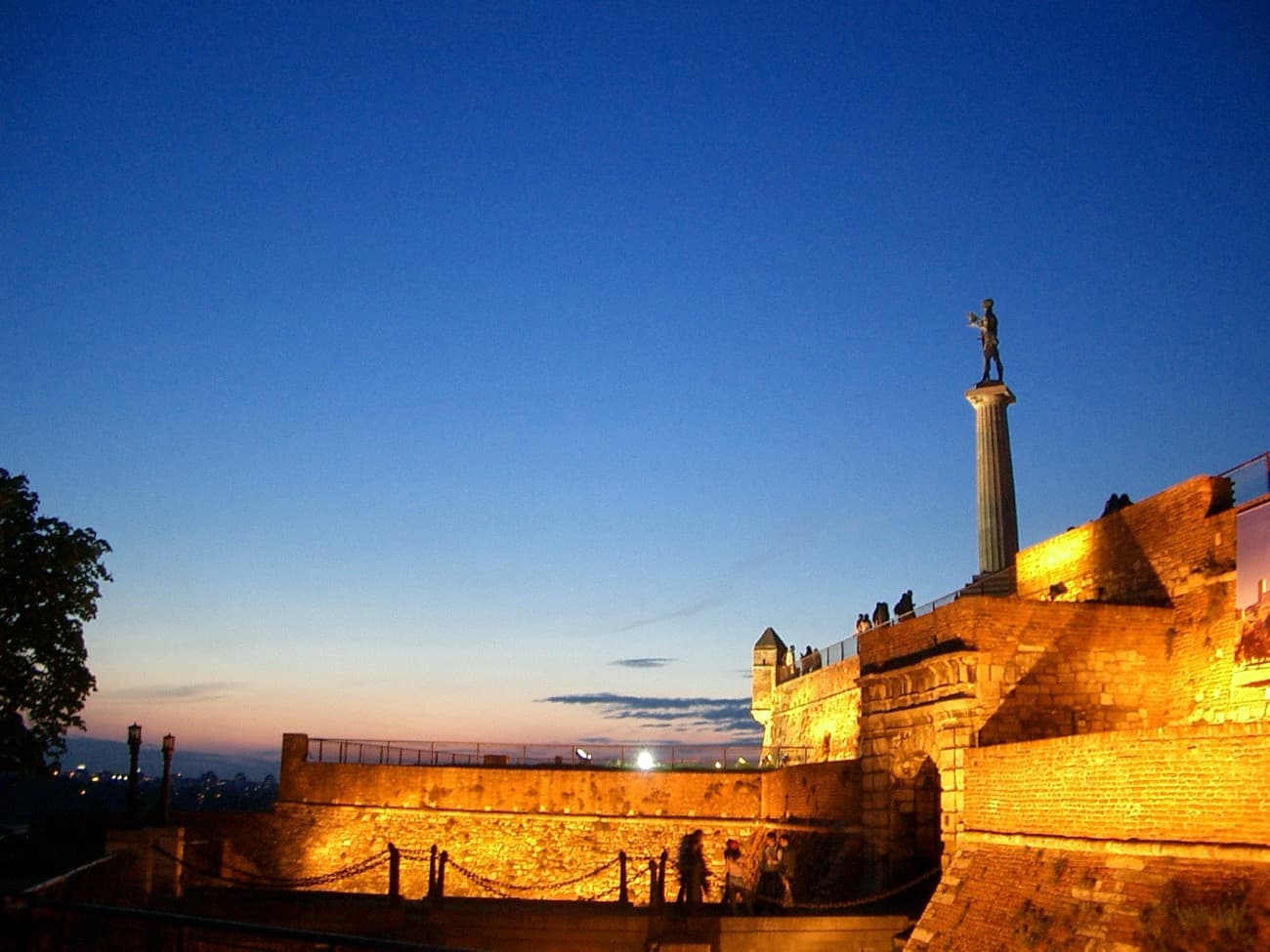
The walk closes above the water at the Victor, in Serbian Pobednik, the bronze nude figure by sculptor Ivan Mestrovic, cast in nineteen thirteen and unveiled on the rampart on the seventh of October, nineteen twenty-eight, on a pedestal by architect Petar Bajalovic. He holds a falcon for peace in one hand and a sword for war in the other, and he stands here only because a nude figure was judged too provocative for the city centre, prompting the decision in nineteen twenty-seven to move him from the planned Terazije location to the fortress ridge.
From the fortress the layers carry on into the living city along Knez Mihailova Street, the pedestrian promenade laid over the central axis of Roman Singidunum, later an Ottoman route lined with five mosques, named in eighteen seventy after Prince Mihailo Obrenovic and protected as a cultural-historical unit in nineteen sixty-four.
To read all of this at your own pace, the full self-guided audio route runs a little over four kilometres across about two hours, every stop short and skippable. Start with the wider set of Belgrade walking tours, then open the White City walk from the Belgrade city page and let the stones do the arguing.
Sources
- Belgrade Fortress official site (beogradskatvrdjava.co.rs): entries on the Upper Town, the Victor monument, and Nebojsa Tower, used for construction periods and ticketing.
- Wikipedia, "Singidunum": the Scordisci settlement, Rome's arrival, and the Fourth Flavian Legion's garrison at the Roman castrum.
- Wikipedia, "Belgrade Fortress": the medieval reconstruction under Despot Stefan Lazarevic and the Austrian bastioned rebuild.
- Wikipedia, "Great War Island": the island's role as a military vantage point and its later protection as a nature reserve and public park.
- Wikipedia, "Rigas Feraios": the Greek Enlightenment figure imprisoned and executed at Nebojsa Tower in seventeen ninety-eight.
Ready to experience it?
The White City: A Fortress Everyone Had to Have
105 min · 4.3 km · moderate
More from Belgrade
Explore more at your own pace.
Belgrade Travel Guide: How Many Days, Getting Around, Safety and Budget
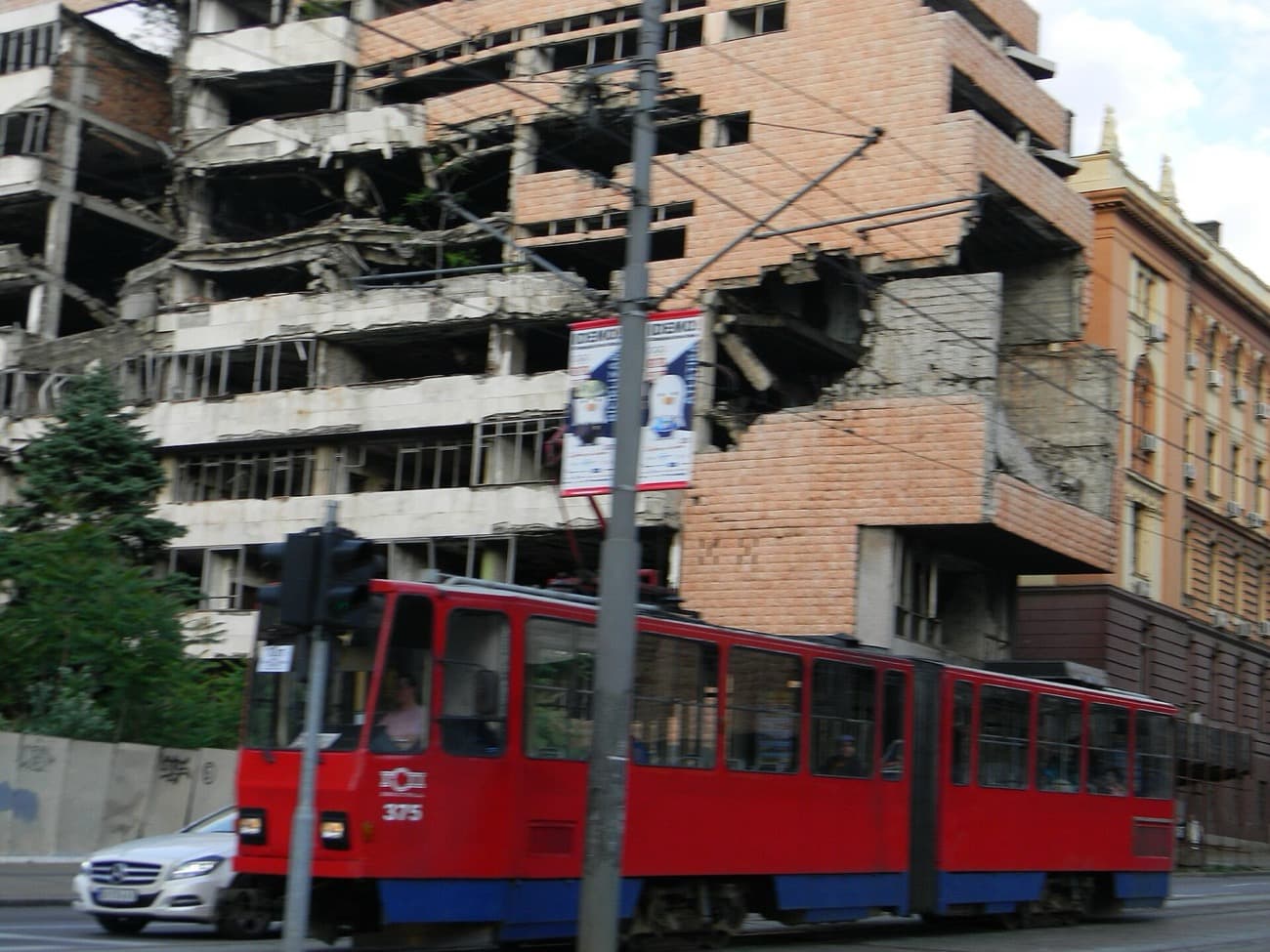
The Bombed Generalstab: How One Belgrade Ruin Holds the Whole Downtown
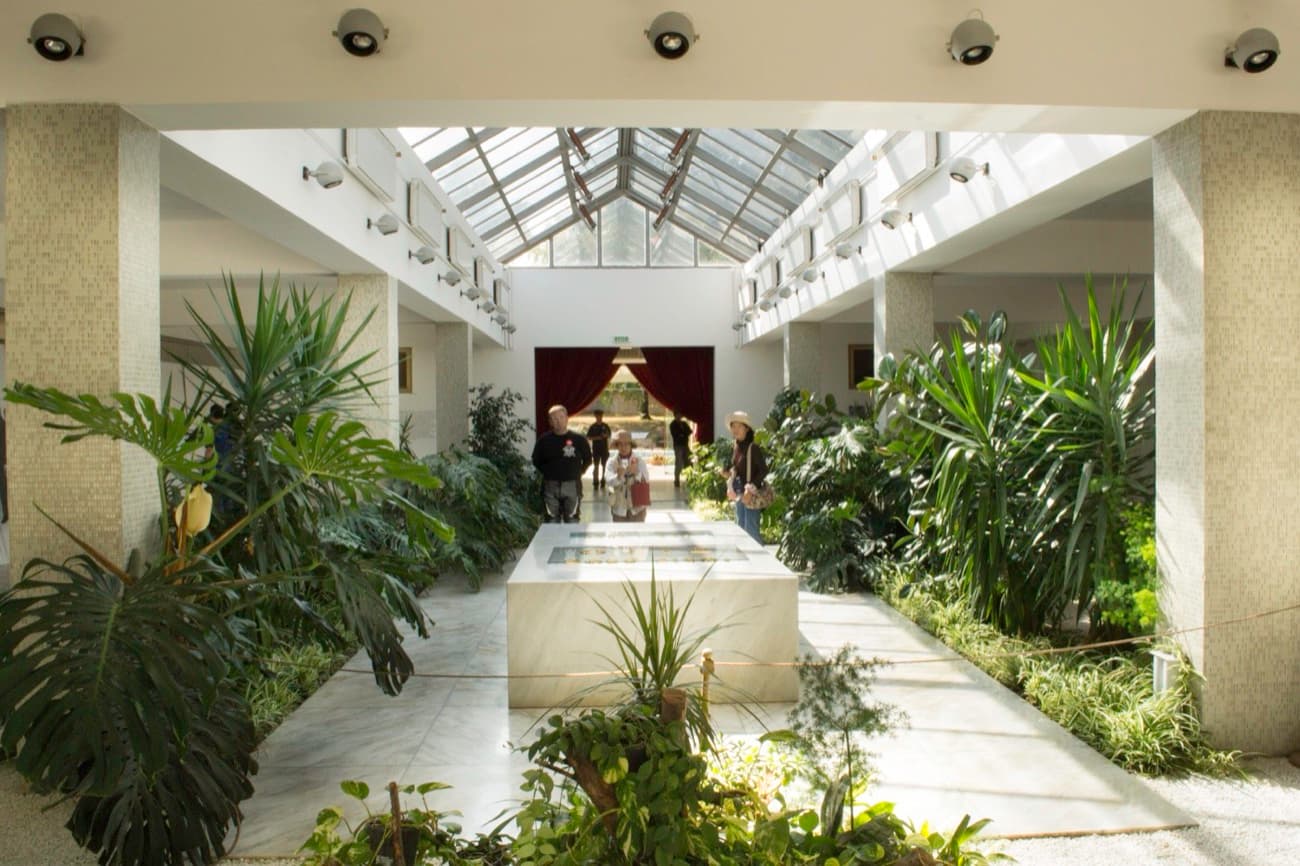
The House of Flowers: Why Belgrade Still Keeps Tito's Grave
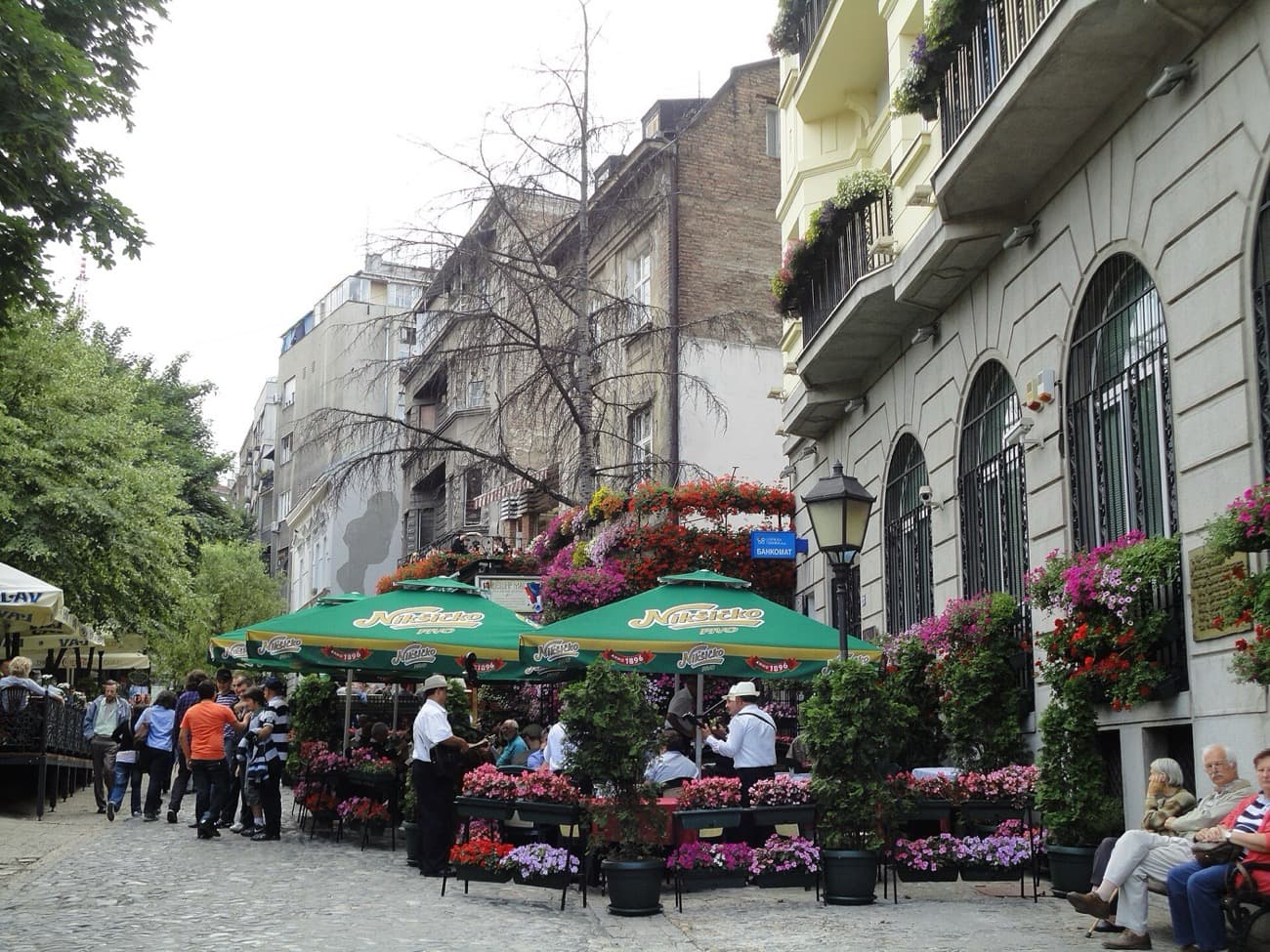
Skadarlija: Reading Belgrade's Bohemian Quarter, Cobblestone by Cobblestone
The Museum of Yugoslavia Entrance: Where Belgrade Still Tends a Vanished Country's Grave