The Rocks to the Opera House: The Town Sydney Kept Trying to Knock Down
120 min · 3.7 km · moderate
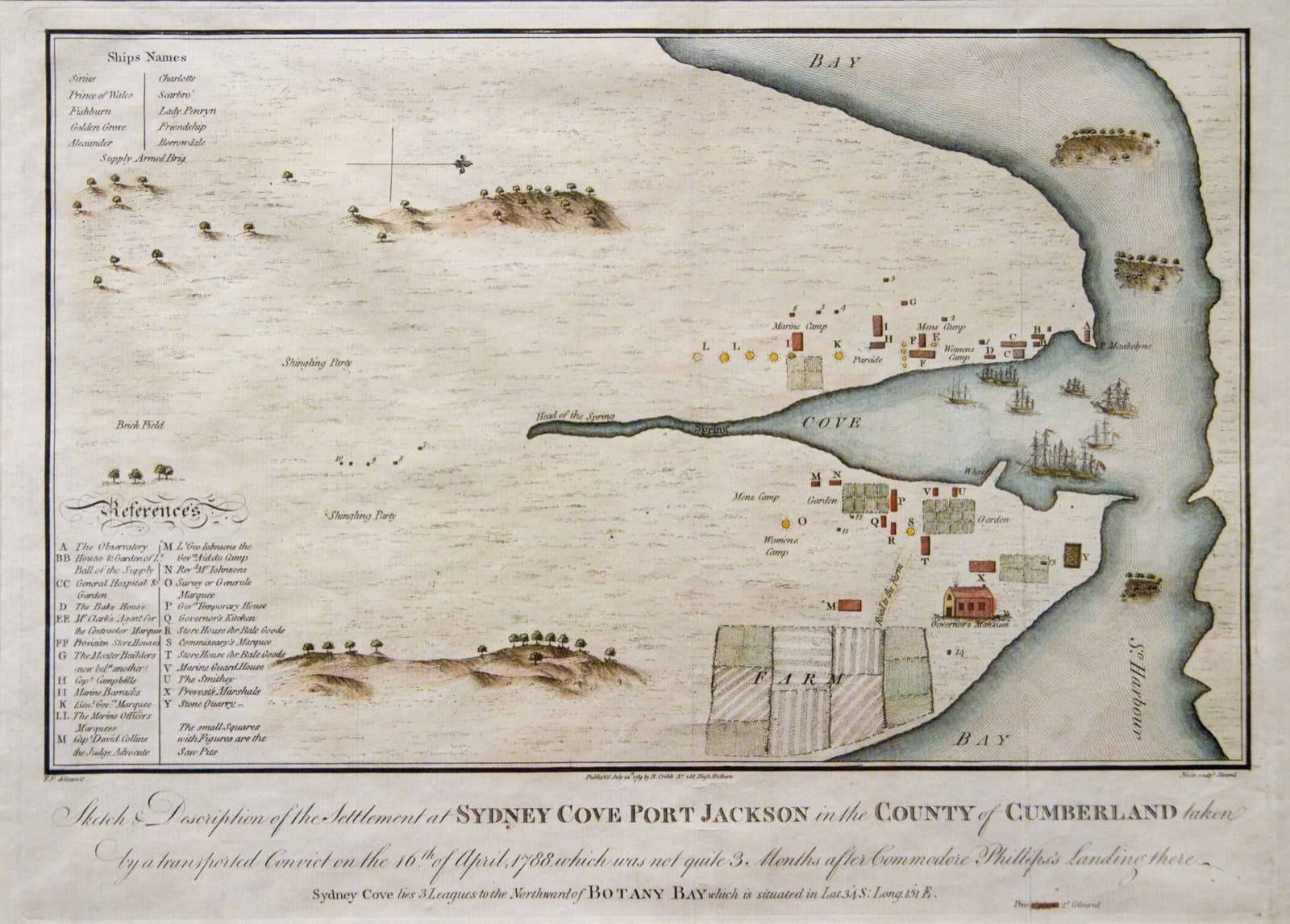
Sydney is best read as a story told in sandstone, from a convict beginning at a harbour cove to the white shells and the steel arch that made the city famous. In January of seventeen eighty-eight the First Fleet landed at Sydney Cove, called Warrane by the Gadigal, the traditional owners who had lived on this harbour for tens of thousands of years, and Governor Arthur Phillip's party raised the British flag over what became a penal colony. What convict hands then cut, carved, and laid became the city: the lanes of The Rocks, the ceremonial spine of Macquarie Street, and the sandstone seat where a governor's wife could watch the water. Walk those routes at your own pace and you read one continuous argument in stone, laid over older Gadigal ground and over a convict foundation.
The through-line: read the city in the rock it was cut from
Sydney does not hide its origins so much as pave over them, and the pleasure of walking it slowly is watching the older layers surface. Two self-guided walks trace the same argument from two angles. The Rocks to the Opera House: The Town Sydney Kept Trying to Knock Down reads the first town beneath the tourist quarter, then follows the shore round the cove to the harbour's two modern emblems. Macquarie Street: The Convict Architect's Sandstone Mile reads the civic street a governor built to turn a prison camp into a city. Together they carry you from seventeen eighty-eight to the twentieth century without ever leaving the shore of one cove. For the full set of routes, see the Sydney walking tours hub.
The convict town, cut by hand
Hear a stop from this walk
Playfair Street: Where The Rocks Fought Back
The Rocks grew as the convicts' and sailors' quarter on the rocky western shore of Sydney Cove, its houses, lanes, and steps cut from the sandstone by convict hands. The crooked pedestrian ways of Nurses Walk and the lane nicknamed the Suez Canal still follow the convict-era street pattern almost exactly, the arteries of the first town worn by the people packed together here. Cadmans Cottage, built in eighteen fifteen and eighteen sixteen, is one of the very oldest surviving houses in the city, and its namesake John Cadman was transported as a convict for horse theft before rising to run the governor's boats as coxswain. A convict past was not a dead end in this town; it was where most people started.
The hardest stone on the walk is the Argyle Cut, a canyon driven straight through the sandstone ridge. Convict chain gangs began it around eighteen forty-three, three years after transportation to New South Wales had ceased, and the sight of men labouring in chains through the town unsettled residents. The government abandoned it half finished, and for years the half-dug cut served as a quarry. Sydney Municipal Council completed it in eighteen fifty-nine, reportedly with explosives. Convicts started it and council labour finished it, but the walls no longer show whose hands did what: they were cut again around nineteen twelve and widened and straightened in nineteen thirty-one.
The oldest ground of all belongs to the Gadigal. At Sydney Cove the tour holds two truths at once: the founding of a colony, and the smallpox epidemic of seventeen eighty-nine, which Governor Phillip, going on what Bennelong told him, estimated had killed about half the people around the harbour. Bennelong also reported that his friend Colebee's clan had been left with three people. At Dawes Point, called Tar-ra, a Royal Marines lieutenant and astronomer named William Dawes worked with a young Aboriginal woman named Patyegarang to record the Sydney language in his notebooks in seventeen ninety and seventeen ninety-one, the single most important early record of that language, notebooks that survive today.
The civic street, order laid over coercion
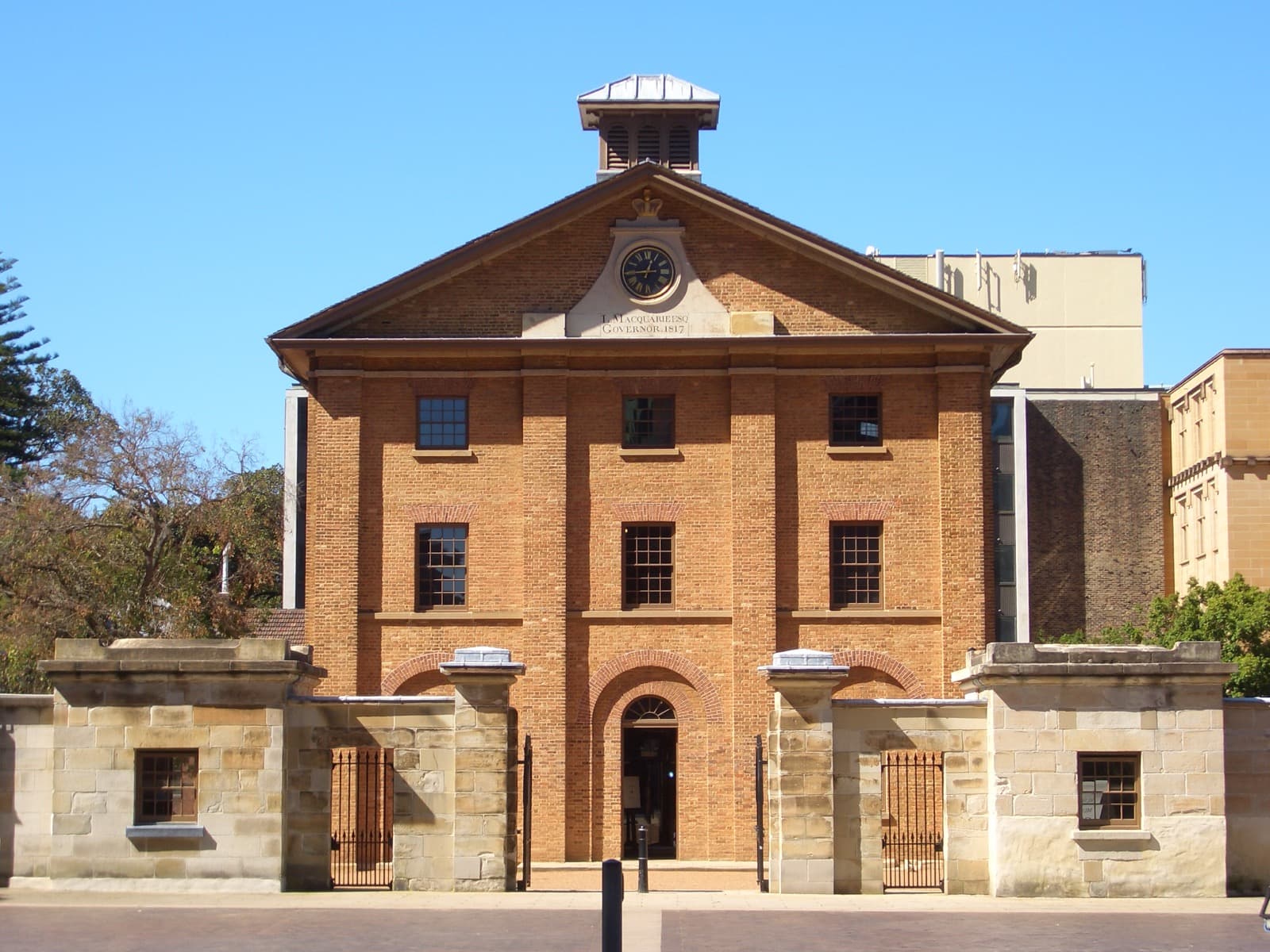
If The Rocks is the raw first town, Macquarie Street is the deliberate second act. After eighteen ten Governor Lachlan Macquarie set out to give the penal settlement the form of a real city, and his unlikely instrument was Francis Greenway, a man transported for forgery whom Macquarie made his architect and then pardoned. Greenway's Hyde Park Barracks, built between eighteen seventeen and eighteen nineteen to house male convicts, was inscribed in twenty ten as one of eleven Australian Convict Sites on the UNESCO World Heritage List. His Saint James' Church, consecrated in eighteen twenty-four and the oldest church building in the city, began life as a courthouse before a royal commissioner recommended converting it. A convicted forger designed the colony's finest buildings, and a courthouse became a place to pray.
The street's central scandal is the hospital Macquarie could not get London to fund. He paid for it instead by granting three men a monopoly on importing rum, which earned it the lasting nickname the Rum Hospital. Its two surviving wings each grew into something remarkable. The north wing became Parliament House of New South Wales, where the Legislative Council began meeting in eighteen twenty-nine, making it the oldest parliament building in Australia. The south wing became The Mint, which in eighteen fifty-five struck the first branch of the Royal Mint established anywhere outside Britain, turning gold from the New South Wales rushes into the Queen's own coin. A wing built to hold sick convicts learned to make a colony's laws; another learned to make its money. At the foot of the street the State Library of New South Wales, the oldest library in Australia, keeps ten of the fifteen surviving First Fleet journals, the fullest collection anywhere in the world.
The harbour, and the two emblems of struggle
The Rocks walk ends by carrying the story into the twentieth century, round the head of the cove at Circular Quay to the Opera House. Circular Quay itself is barely natural ground: it was built in stages between eighteen thirty-seven and eighteen fifty-five over tidal mudflats, its seawall largely raised by convict labour, over the Tank Stream that first watered the colony, which still runs beneath it in a stone culvert.
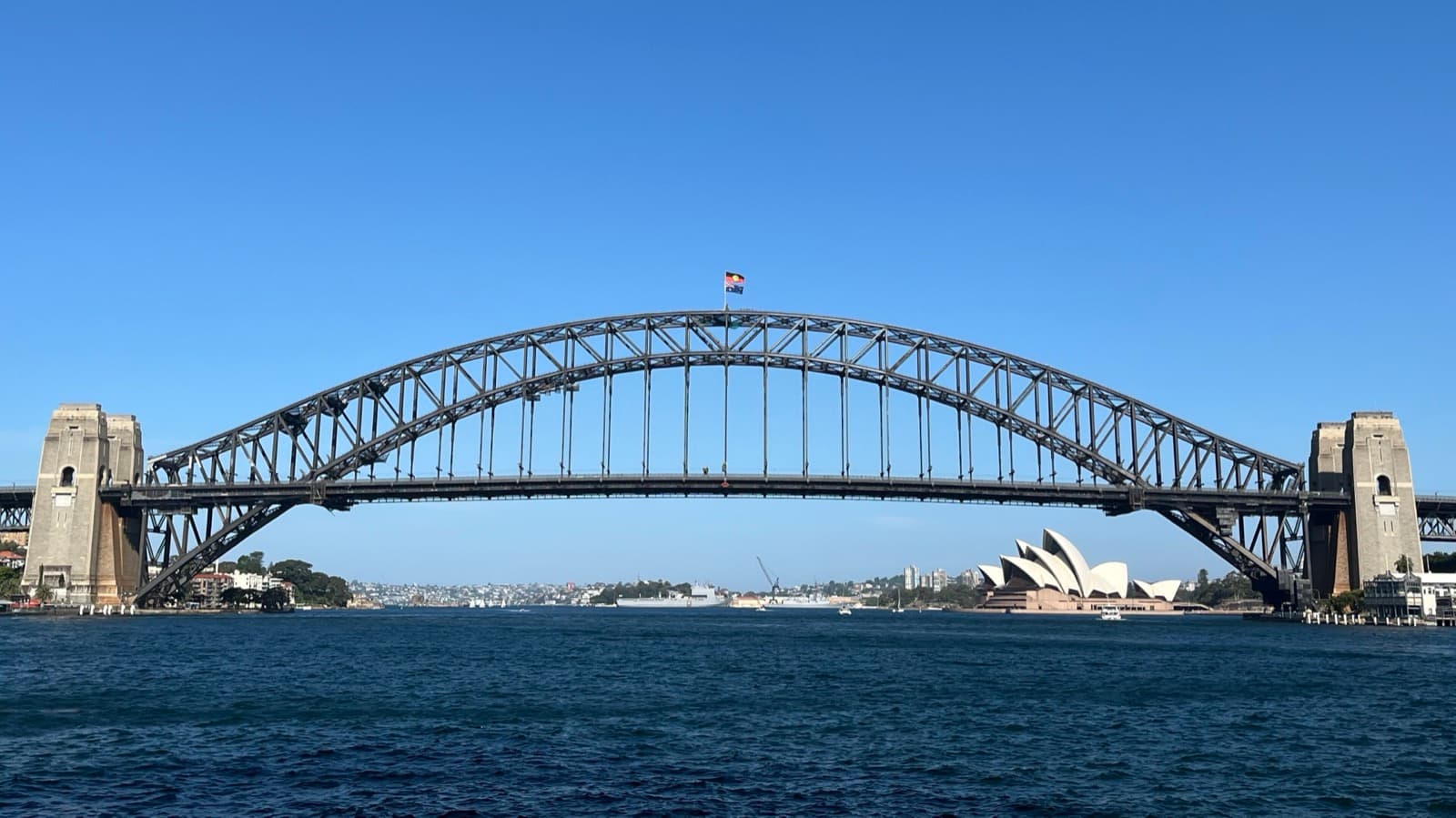
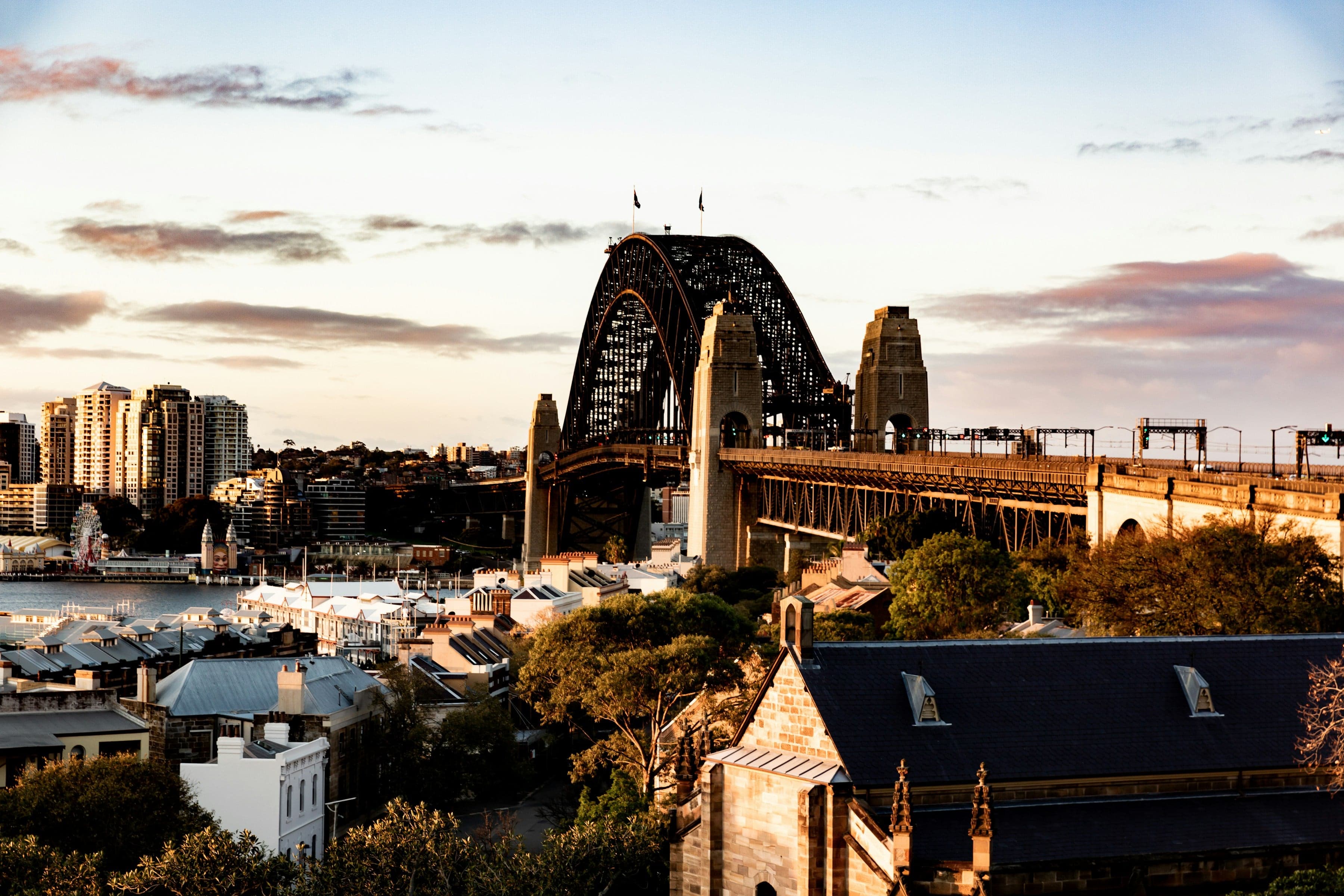
Both emblems are monuments to struggle. The Sydney Harbour Bridge, the single steel arch Sydney calls the Coathanger, was designed under John Bradfield and built by the British firm Dorman Long, its two half-arches meeting over the water in nineteen thirty. It opened on the nineteenth of March, nineteen thirty-two, in the depths of the Great Depression, in a piece of pure political theatre: Captain Francis de Groot of the New Guard rode up on horseback and slashed the ribbon with a sword before Premier Jack Lang could cut it. The Sydney Opera House, on Bennelong Point, was designed by the Danish architect Jorn Utzon, who won the international competition on the twenty-ninth of January, nineteen fifty-seven. The puzzle of its billowing shells had been solved by early nineteen sixty-two: every shell became a section of one single sphere. Amid conflict with the government, Utzon resigned in nineteen sixty-six and left Australia, never returning to see it finished. Peter Hall, with Lionel Todd and David Littlemore, completed the interiors, and Queen Elizabeth the Second opened it on the twentieth of October, nineteen seventy-three. UNESCO inscribed it as a World Heritage Site in two thousand and seven.
Past the Opera House, the path round Farm Cove through the Royal Botanic Garden leads to Mrs Macquarie's Chair, a bench hand-carved from the living sandstone by convict masons in eighteen ten for Elizabeth Macquarie, wife of the governor. From this seat the shells and the arch line up in a single frame, the classic postcard of Sydney. It is the perfect place to close the sandstone story: a convict-cut seat two centuries old, looking out at one monument that drove its architect from the country and another that rose in a depression, both standing on Gadigal Country taken in seventeen eighty-eight. Read the convict town, the Aboriginal harbour, the Georgian civic street, and the sails, all at your own unhurried pace.
Sources
- State Library of New South Wales, First Fleet journals and the arrival at Sydney Cove: https://www.sl.nsw.gov.au/collection-items/first-fleet-journals
- UNESCO World Heritage List, Australian Convict Sites (including Hyde Park Barracks): https://whc.unesco.org/en/list/1306/
- UNESCO World Heritage List, Sydney Opera House: https://whc.unesco.org/en/list/166/
- Dictionary of Sydney, The Rocks and Macquarie Street entries: https://dictionaryofsydney.org/
- Museums of History New South Wales, Hyde Park Barracks and Susannah Place: https://mhnsw.au/
- David Collins, An Account of the English Colony in New South Wales (1798), and Governor Phillip's despatch of 13 February 1790: the arrival at Botany Bay and the 1789 smallpox epidemic.
- NSW State Heritage Register, Argyle Cut, and Sydney Water, Tank Stream heritage fact sheet.
- Sydney Opera House, Our Story: the spherical solution and the completion by Hall, Todd and Littlemore: https://www.sydneyoperahouse.com/our-story
Frequently asked questions
- Why is Sydney called a sandstone city?
- Sydney was built from the sandstone it stands on. Convict hands cut the lanes and steps of The Rocks from the rock, began the Argyle Cut through the ridge, and carved Mrs Macquarie's Chair from the living stone in eighteen ten. Governor Macquarie's civic buildings along Macquarie Street, designed by the convict architect Francis Greenway, are sandstone works that turned a penal camp into a city.
- Where did the First Fleet land in Sydney?
- The First Fleet landed at Sydney Cove, called Warrane by the Gadigal, in January of seventeen eighty-eight. Governor Arthur Phillip had reached Botany Bay in the Supply on the eighteenth of January, found it poor, and moved north to the deeper cove, where his party raised the British flag on the twenty-sixth of January seventeen eighty-eight. The penal colony of New South Wales was formally proclaimed in February, once everyone had landed.
- Who was Francis Greenway and what did he build?
- Francis Greenway was a man transported to New South Wales for forgery whom Governor Macquarie made his architect and then pardoned. Along Macquarie Street he designed Hyde Park Barracks, built between eighteen seventeen and eighteen nineteen and now a UNESCO-listed Australian Convict Site, and Saint James' Church, consecrated in eighteen twenty-four and the oldest church building in the city, which began life as a courthouse.
- Why did the architect of the Sydney Opera House leave Australia?
- The Danish architect Jorn Utzon won the international competition for the Opera House on the twenty-ninth of January, nineteen fifty-seven, and by early nineteen sixty-two had solved the geometry of its shells by making every shell a section of a single sphere. Amid conflict with the government over cost and delays, he resigned in nineteen sixty-six and left Australia, never returning to see the building finished. Peter Hall, with Lionel Todd and David Littlemore, completed the interiors, and Queen Elizabeth the Second opened it in nineteen seventy-three.
- Are Sydney's historic walks free to do?
- The outdoor stops on these self-guided walks are free. The streets of The Rocks, Observatory Hill, Circular Quay, and the Opera House forecourt are open to the public, and along Macquarie Street the church, the Parliament public galleries, the Mint courtyard, and the State Library are free to enter. Some museums, such as Hyde Park Barracks, charge entry in Australian dollars, and interior Opera House tours are separately ticketed.
Ready to experience it?
The Rocks to the Opera House: The Town Sydney Kept Trying to Knock Down
120 min · 3.7 km · moderate
More from Sydney
Explore more at your own pace.
One Day in Sydney: A Walkable Morning-to-Evening Itinerary
Hyde Park Barracks: The Building That Explains Convict Sydney
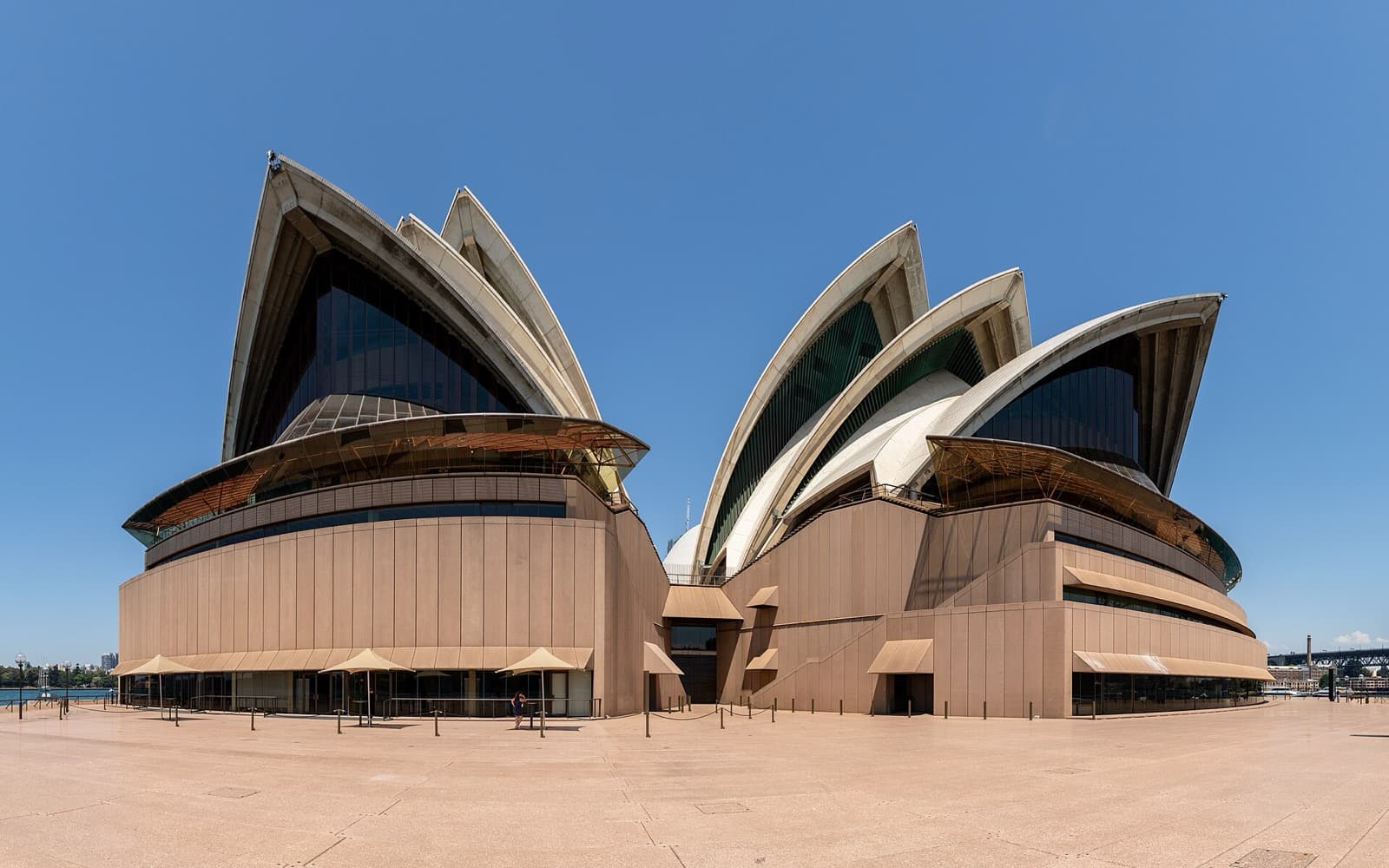
The Sydney Opera House and the Struggle Behind the Postcard
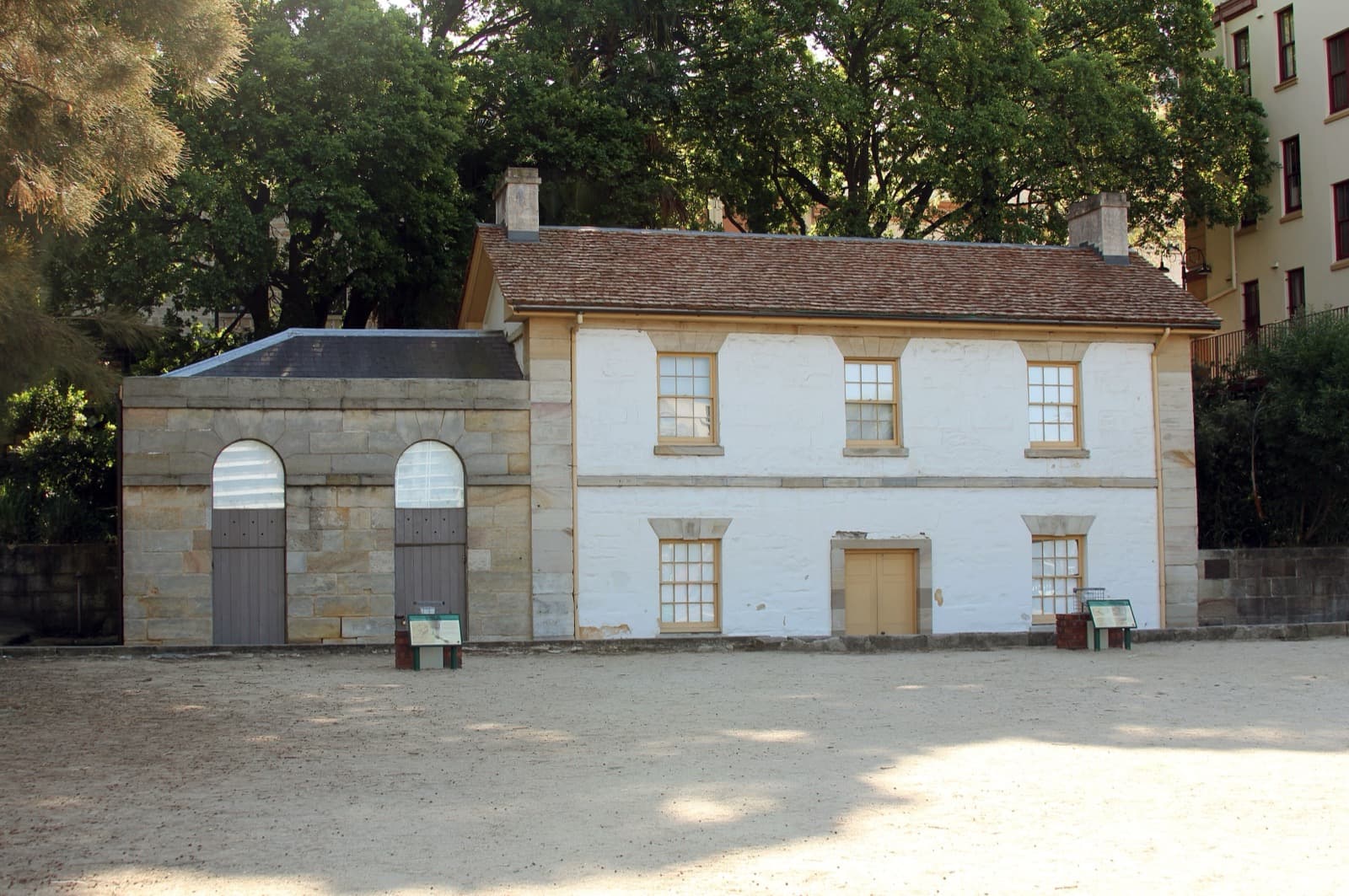
Cadmans Cottage: Sydney's Little House by the Water
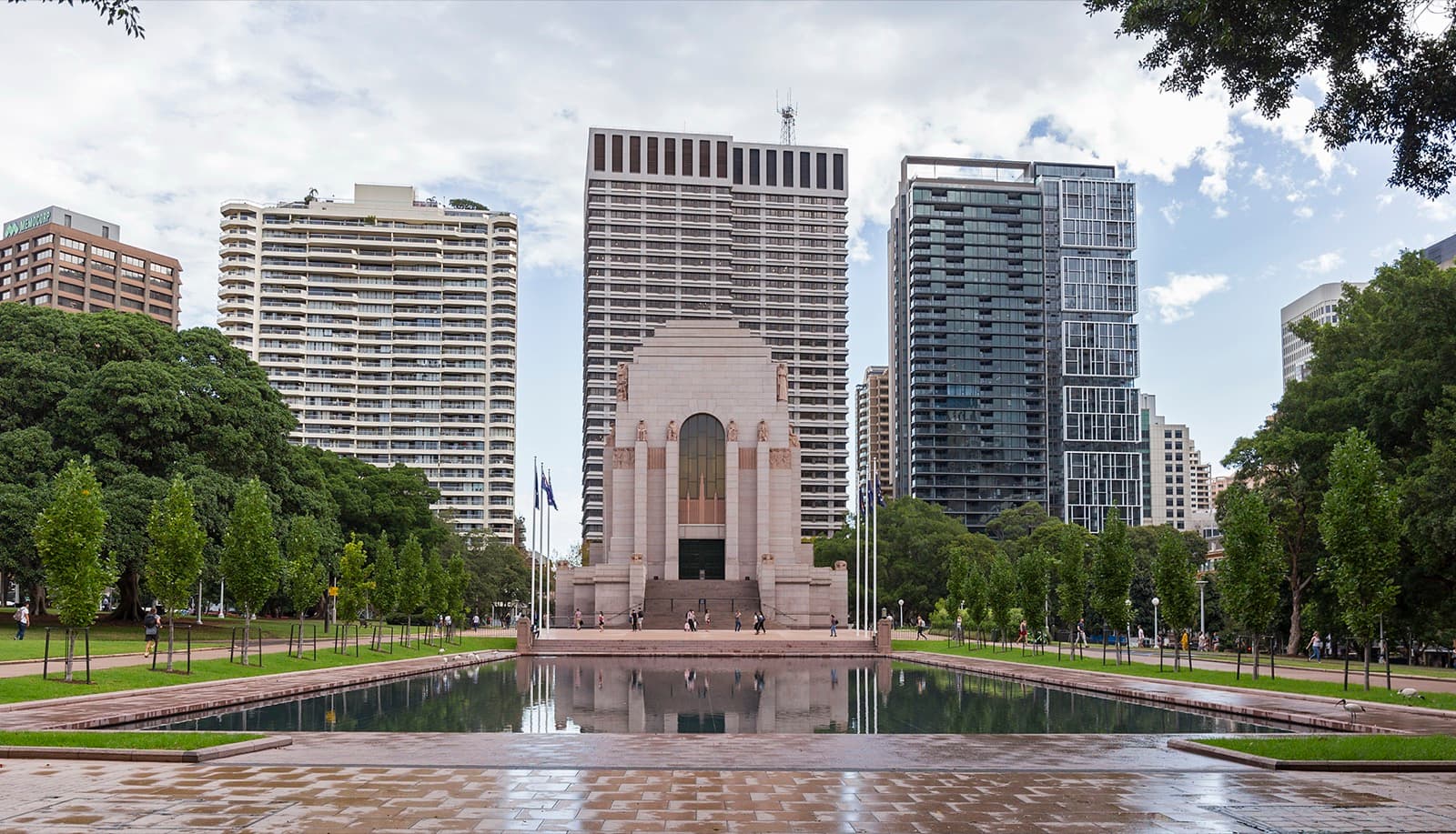
Hyde Park and the ANZAC Memorial: Australia's Oldest Park and Its War Memory