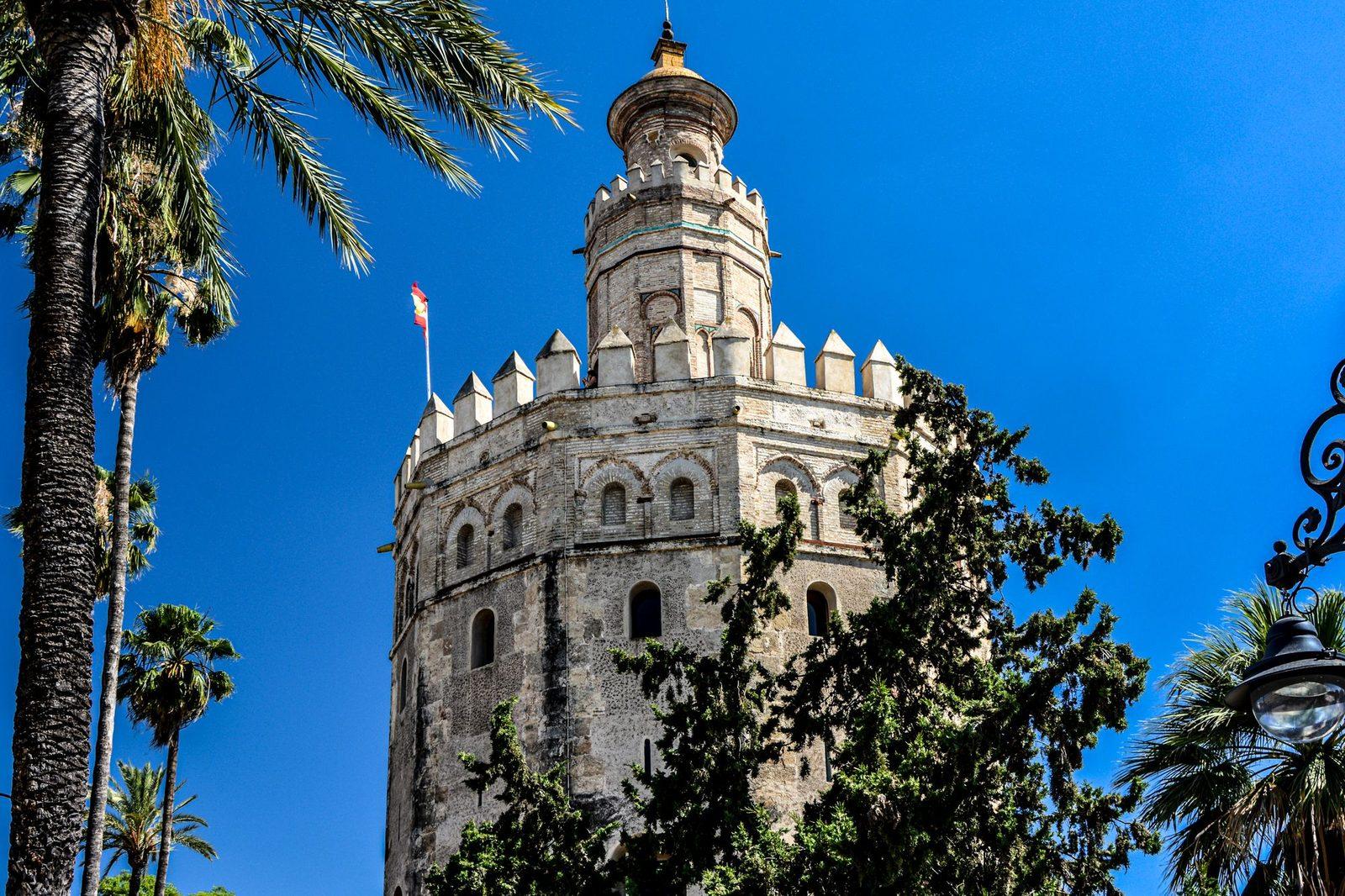
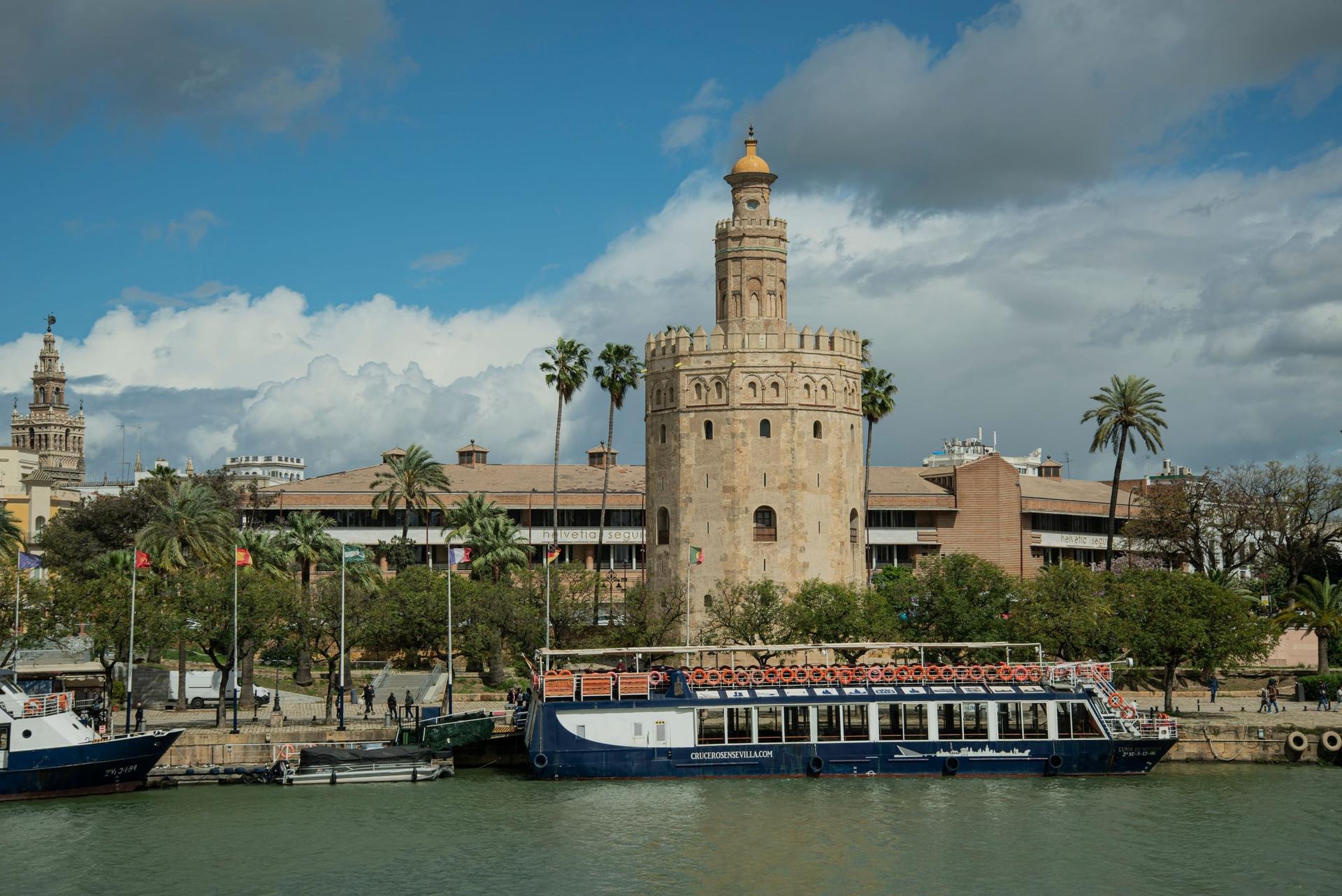
The Torre del Oro is an Almohad tower of 1221 that closed Seville's city wall at the river and guarded the port, and its famous golden shine came not from tiles but from lime mortar and pressed straw. That last fact is recent. For centuries the gold was put down to a facing of glazed tiles, until restorers in 2005 found the real cause. The tower's own history is the Spanish Navy's to tell, because it holds the Navy's maritime museum, and its page is the source for nearly everything here.
What the tower is
The Navy calls it an Almohad albarrana tower of the first third of the thirteenth century: a tower that stands out from the wall, joined to it, here as the last tower of the walls that ran down from the Alcázar to the river. It served as a bulwark for the defense of the port and of the bridge of boats to Triana. It has three bodies. The first two, both twelve-sided, were built in 1221. The third, a cylinder topped with a dome of golden tiles, was built in 1760.
That settles an old error. Guides used to say the second level was added by Pedro the First in the fourteenth century. The Navy dates both lower bodies to 1221 and says nothing of the kind.
Why it shone
Hear a stop from this walk
Real Casa de la Moneda: the King's Mint
The name comes from the Arabic for the golden gleam the tower threw across the river. The Navy's page explains what made it: "During the 2005 restoration works it was shown that this shine, until then attributed to a facing of tiles, came from a mixture of lime mortar and pressed straw." The tiles on the little dome at the top are real, and gold; they belong to the eighteenth-century top, not to the medieval tower.
The tower most people miss
A few minutes back toward the cathedral, on Calle Santander, stands a smaller eight-sided tower, the Torre de la Plata, the Silver Tower. It is easy to walk past. The city's teaching guide prints a sixteenth-century plan that numbers it beside the Torre del Oro, both on the city side, and quotes a document of 1608 about the stockades "from the Postigo del Carbón and Torre de la Plata as far as the Torre del Oro." Older guides placed a Torre de la Plata across the river and said it was gone; that is wrong. Its date and the origin of its name are not settled in the sources we read, and the story of a chain stretched across the river between towers is a legend nobody has documented.
Monument and museum
The Torre del Oro was declared a historic-artistic monument in 1931. A museum was ordered there in 1936 and opened in 1944, and inside it tells the river's history up to the end of the Indies trade. Two floors and a rooftop terrace are open. Entry is free, with a voluntary contribution: Monday to Friday 09:30 to 19:00, Saturday and Sunday 10:30 to 19:00, last entry 18:30, closed on 1 and 6 January, Good Friday, 1 May and 24, 25 and 31 December (checked 23 November 2026).
Seeing it on the walk
The Torre de la Plata is stop 2 and the Torre del Oro stop 3 of Torre del Oro and El Arenal: The Port of the Indies, twelve stops over about 1.4 km from the old royal mint to the Triana bridge. You arrive at stop 3 with the tower behind you, across the traffic of the Paseo de Colón: turn round to see it whole by the river. The walk is free to start in the Roamer app: the introduction and first stop play in full, and every later stop plays a short preview. For the port the tower guarded, read our companion to the Arenal.
Ready to experience it?
Torre del Oro and El Arenal: The Port of the Indies
70 min · 1.4 km · easy
More from Seville
Explore more at your own pace.
Seville Monument Tickets, Hours and Closures (Checked November 2026)
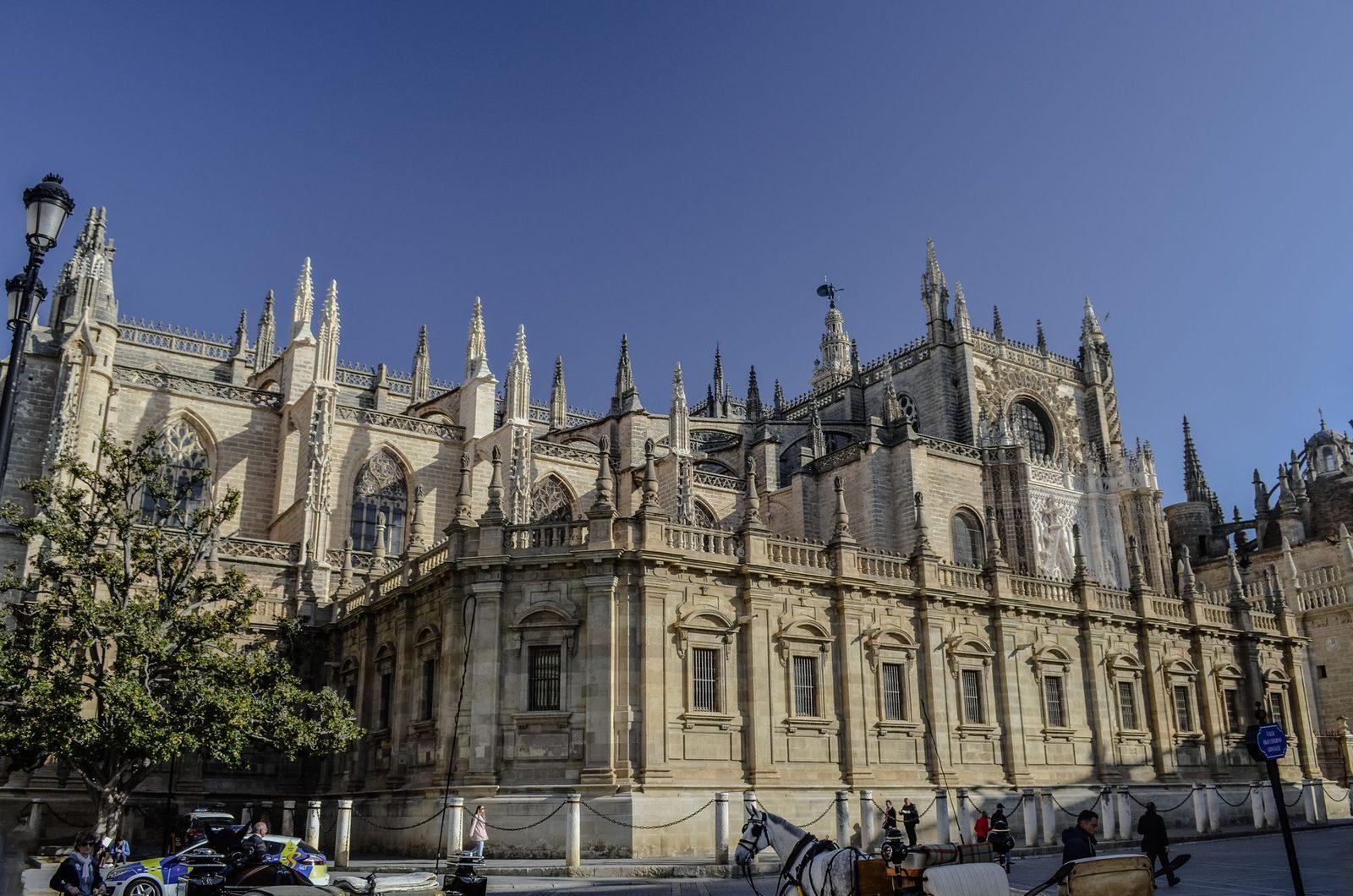
Best History Walking Tours in Seville (2026)
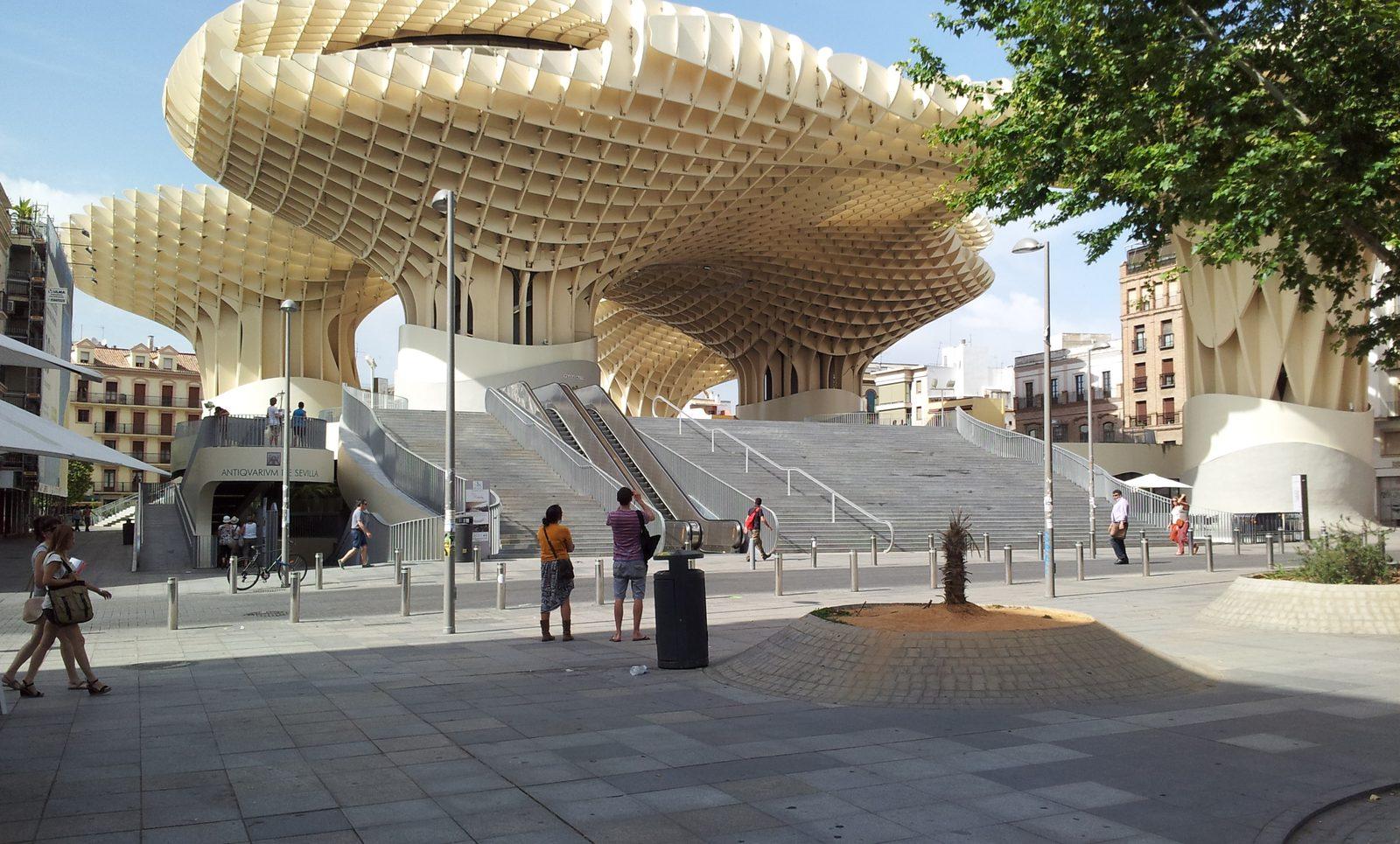
Las Setas and the Macarena: A Companion to Seville's Northern Old Town
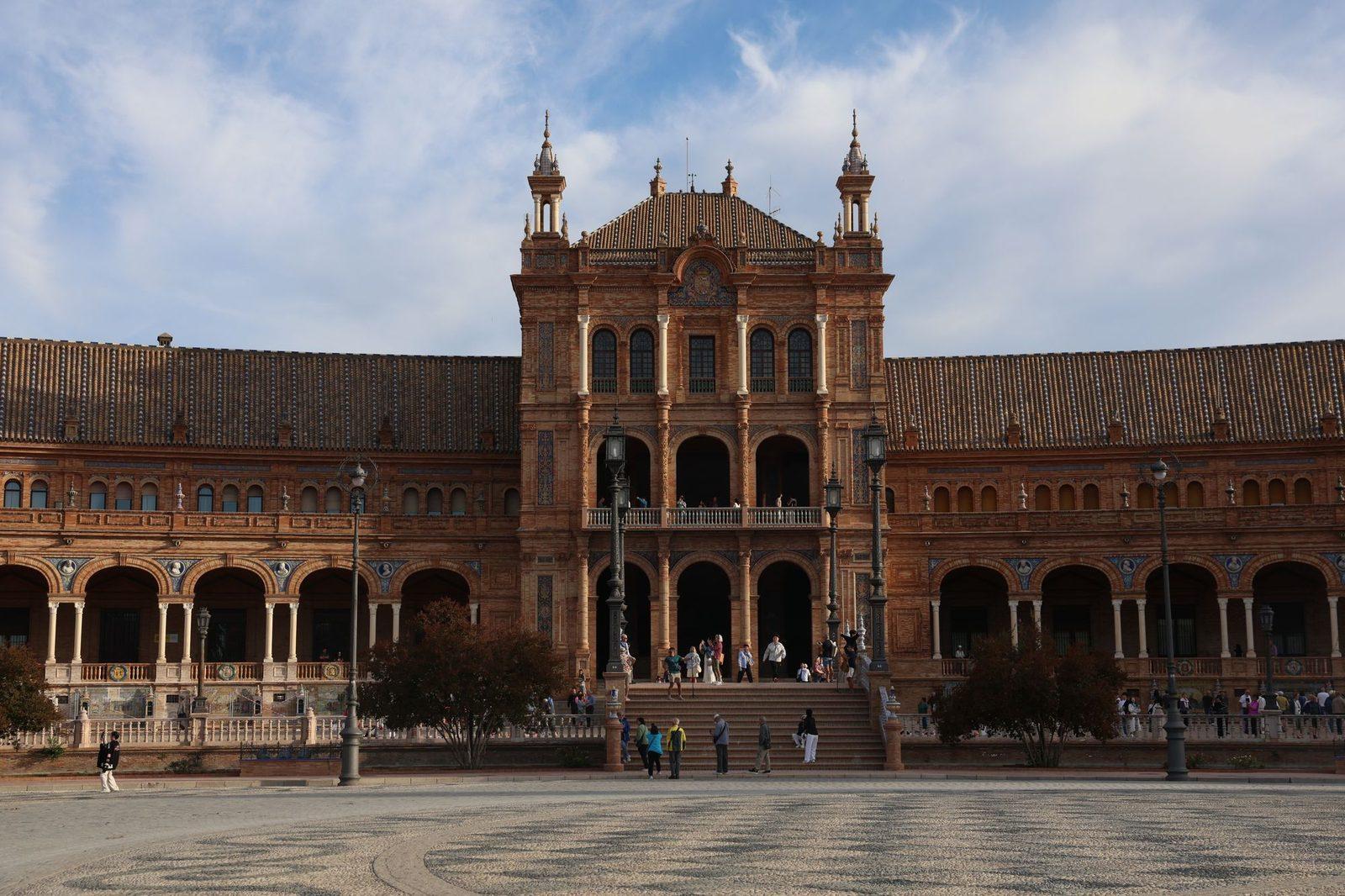
Plaza de España, Seville: A Companion to the Garden That Became a World's Fair
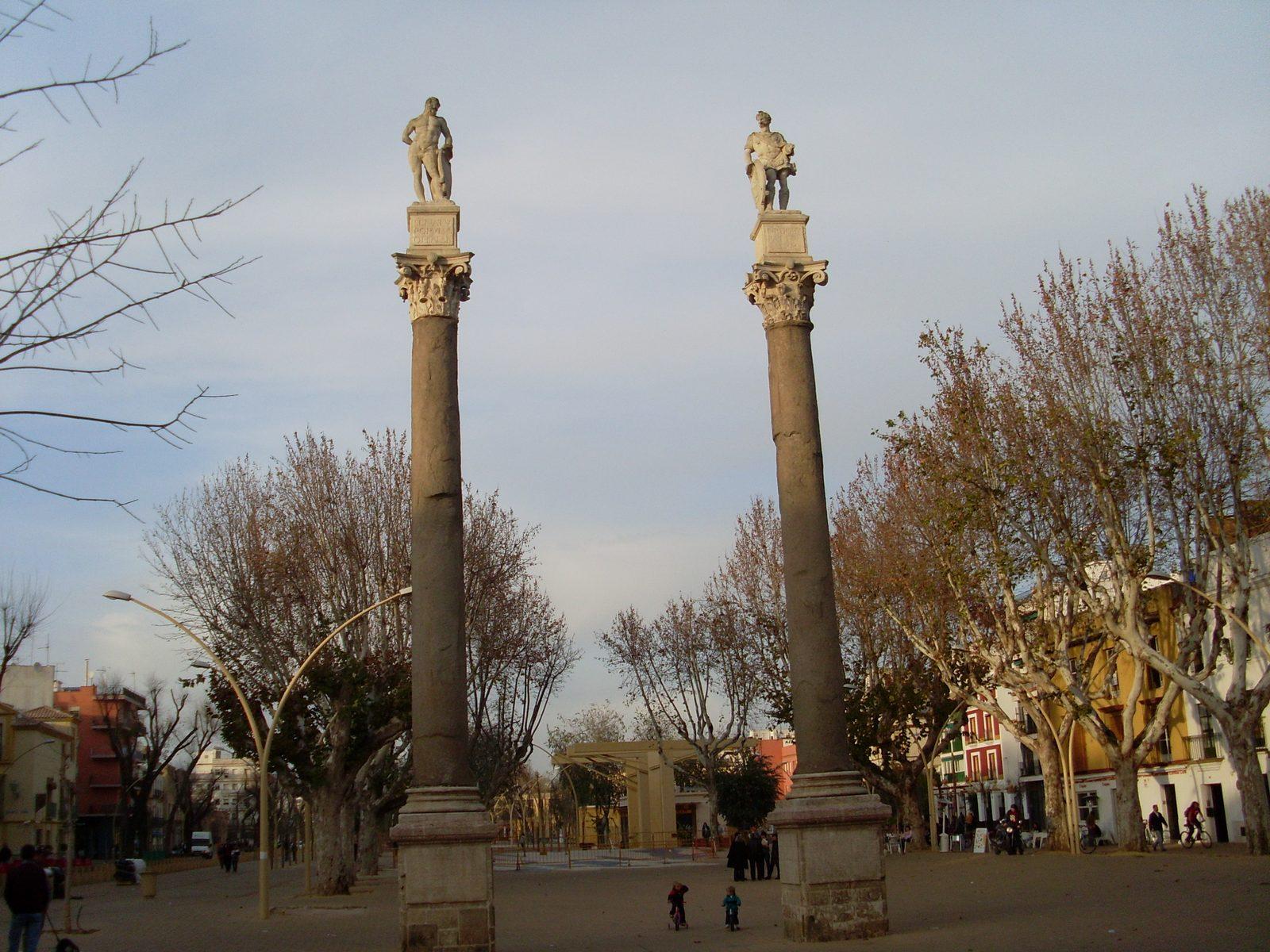
Alameda de Hércules, Seville: The Lagoon That Became a Garden