The Alameda de Hércules was a flood hollow until it was drained in 1573 and 1574 to make a public promenade, with three fountains and two Roman columns. It is a landmark of Renaissance town planning. It is not, though popular guides say so, the oldest public garden in Europe, and the scholar who has studied it most closely does not claim that.
The lagoon
Alonso de Morgado, who published a history of Seville in 1587, explains why the space is so wide. A flood broke in on this side of the city, and with all the water and damp the houses fell down. The water collected in the hollow, "and for this reason it took the name of Laguna," the Lagoon. It stayed that way until Francisco Zapata de Cisneros, first Count of Barajas and Asistente of the city from 1573 to 1579, made it into an alameda, a tree-lined walk.
Fountains and columns
Hear a stop from this walk
Las Setas
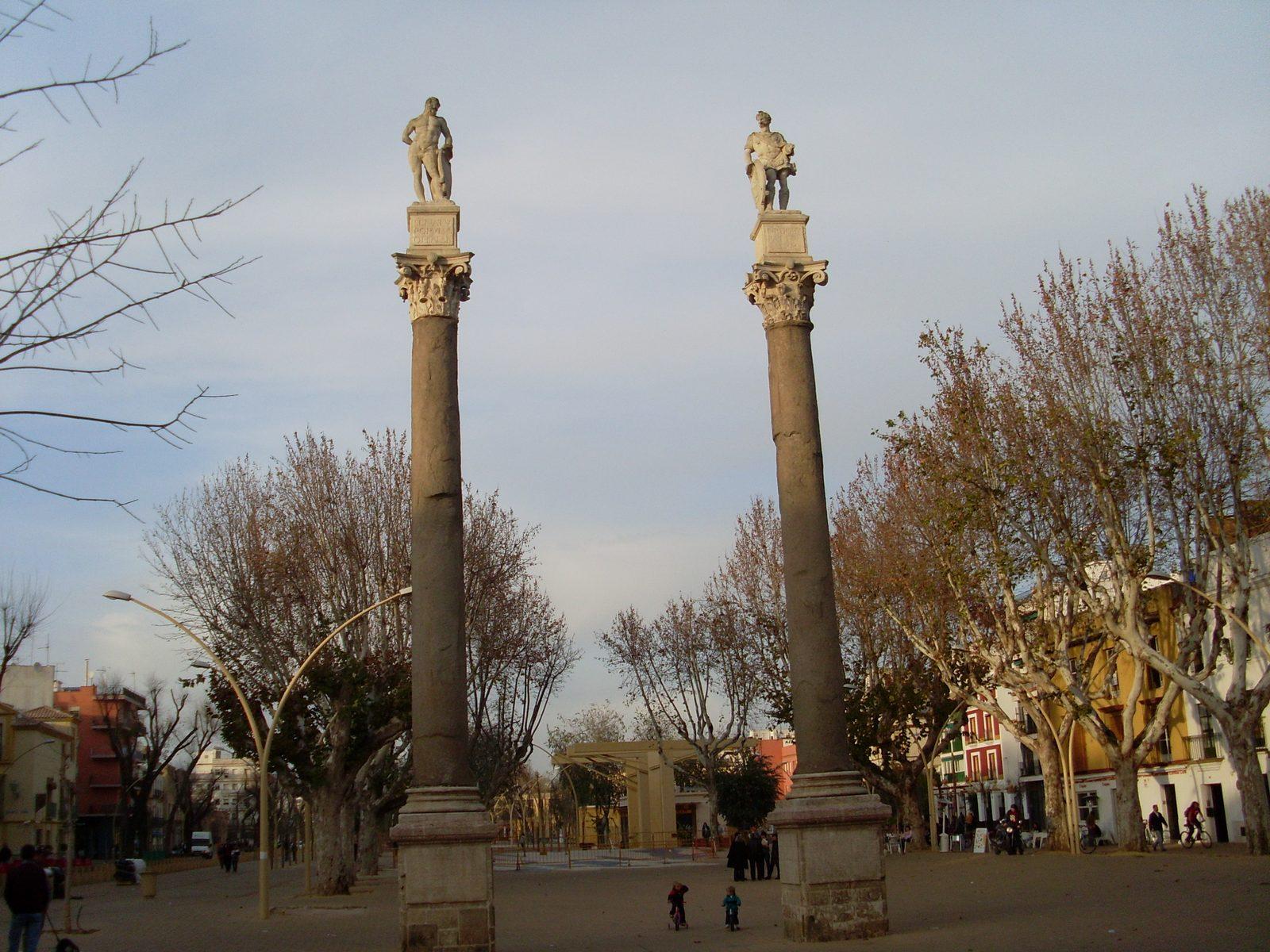
Morgado again: the Count brought the water of the Archbishop's spring to three fountains, and set up these two columns. The art historian Albardonedo Freire, who studied the project from the city's records, dates the start to about November 1573, from the council minutes of 4 November, with the water arriving in February 1574. The two columns at the south end are Roman, probably from a temple in the old city. On top stand Hercules and Julius Caesar, carved by Diego de Pesquera in 1574 and read as portraits of the emperor Charles the Fifth and his son Philip the Second. The University of Seville's heritage catalogue calls them the city's first civic monument.
The claim and the scholar
Albardonedo Freire's own words are that the Alameda is "the most important Mannerist public garden of the Iberian Peninsula," made between 1573 and 1574. "The oldest public garden in Europe" is a popularization repeated by travel sites; we do not repeat it, and neither does the walk.
The second pair
At the north end stand two more columns, crowned with lions. They came two centuries later, in the 1760s; Albardonedo Freire documents the reform of the spring's water system by the Asistente Larrumbe in 1763, and the lion columns are commonly dated about then. The garden has changed many times since.
How to read it today
Stand at the south end and the whole history is in view. The width is the flood's: Morgado says the hollow was so wide because the houses fell there. The water that made the garden possible came from the Archbishop's spring, as it still did when the city reformed the system in 1763. The two columns mark where the promenade began, and the lion columns at the far end mark the next century's work on the same ground.
On the walk
The Alameda is stops 6 and 7 of Las Setas and the Macarena: From Roman Houses to the Wall: the Roman columns first, then the lion columns at the far end, before the walk turns into Calle Feria. It is free to start in the Roamer app: the introduction and first stop play in full, and every later stop plays a short preview, at your own pace. The rest of the northern old town is in our companion to the walk.
Ready to experience it?
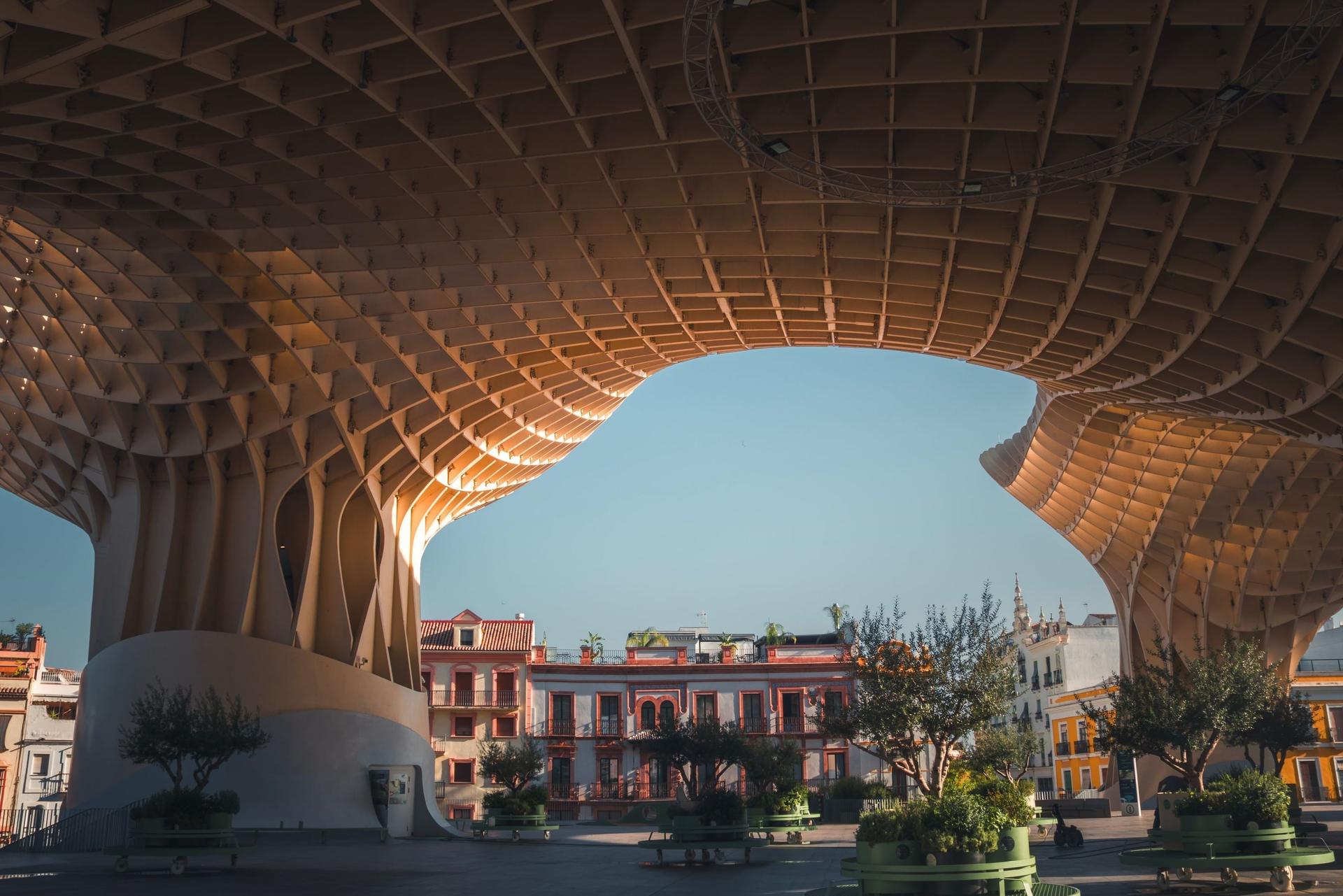
Las Setas and the Macarena: From Roman Houses to the Wall
80 min · 2.9 km · easy
More from Seville
Explore more at your own pace.
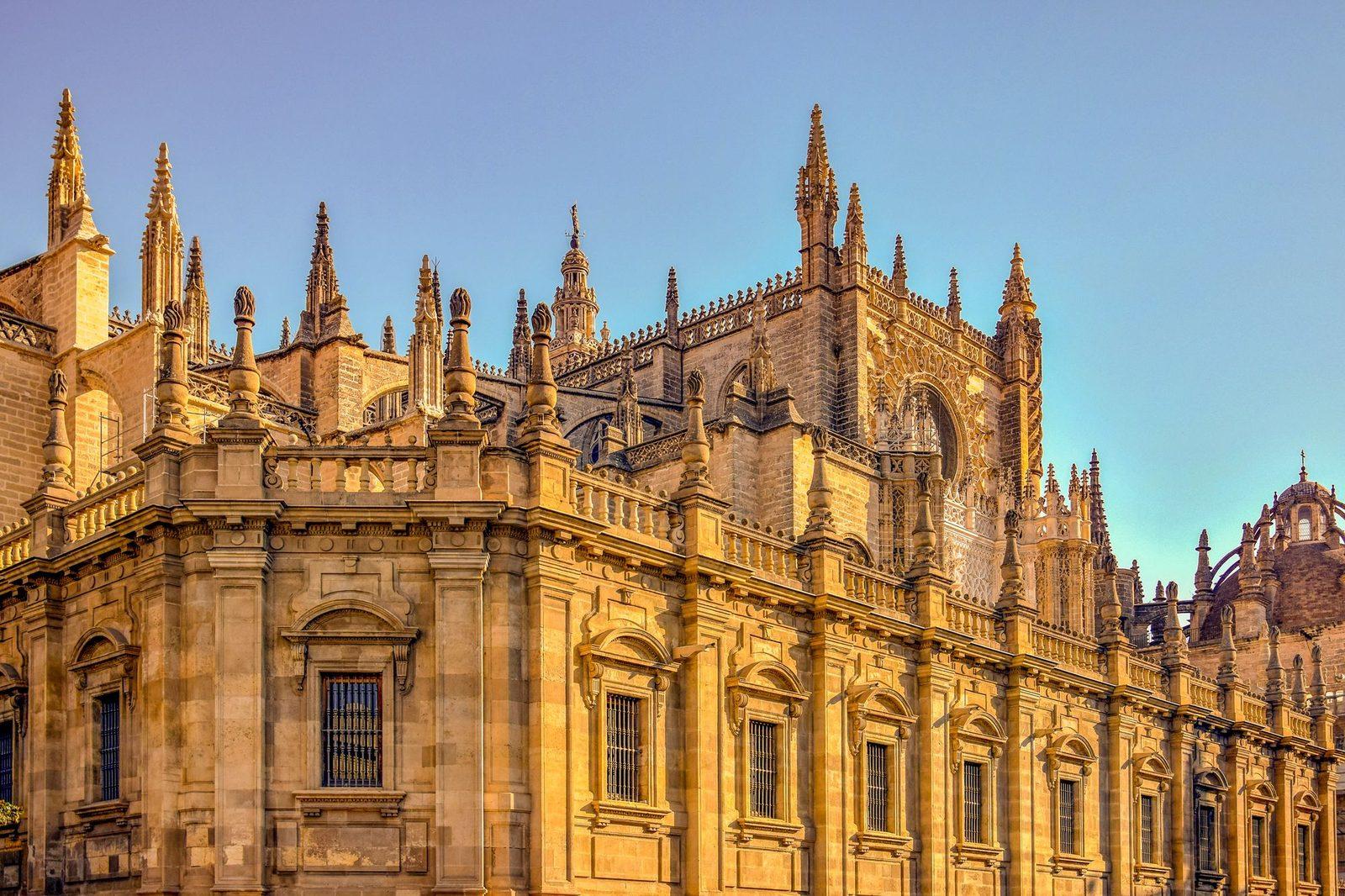
Seville Monument Tickets, Hours and Closures (Checked November 2026)
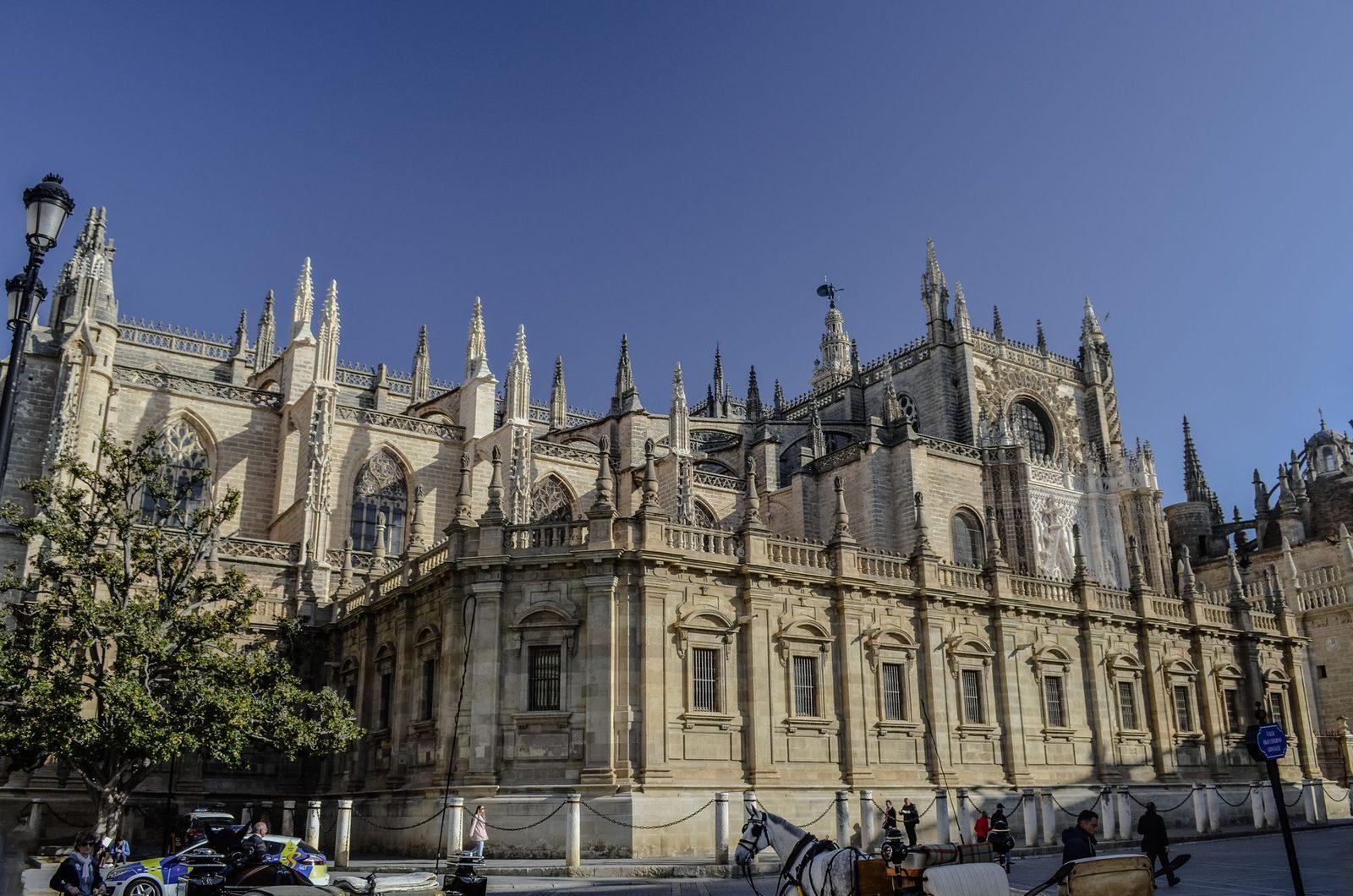
Best History Walking Tours in Seville (2026)
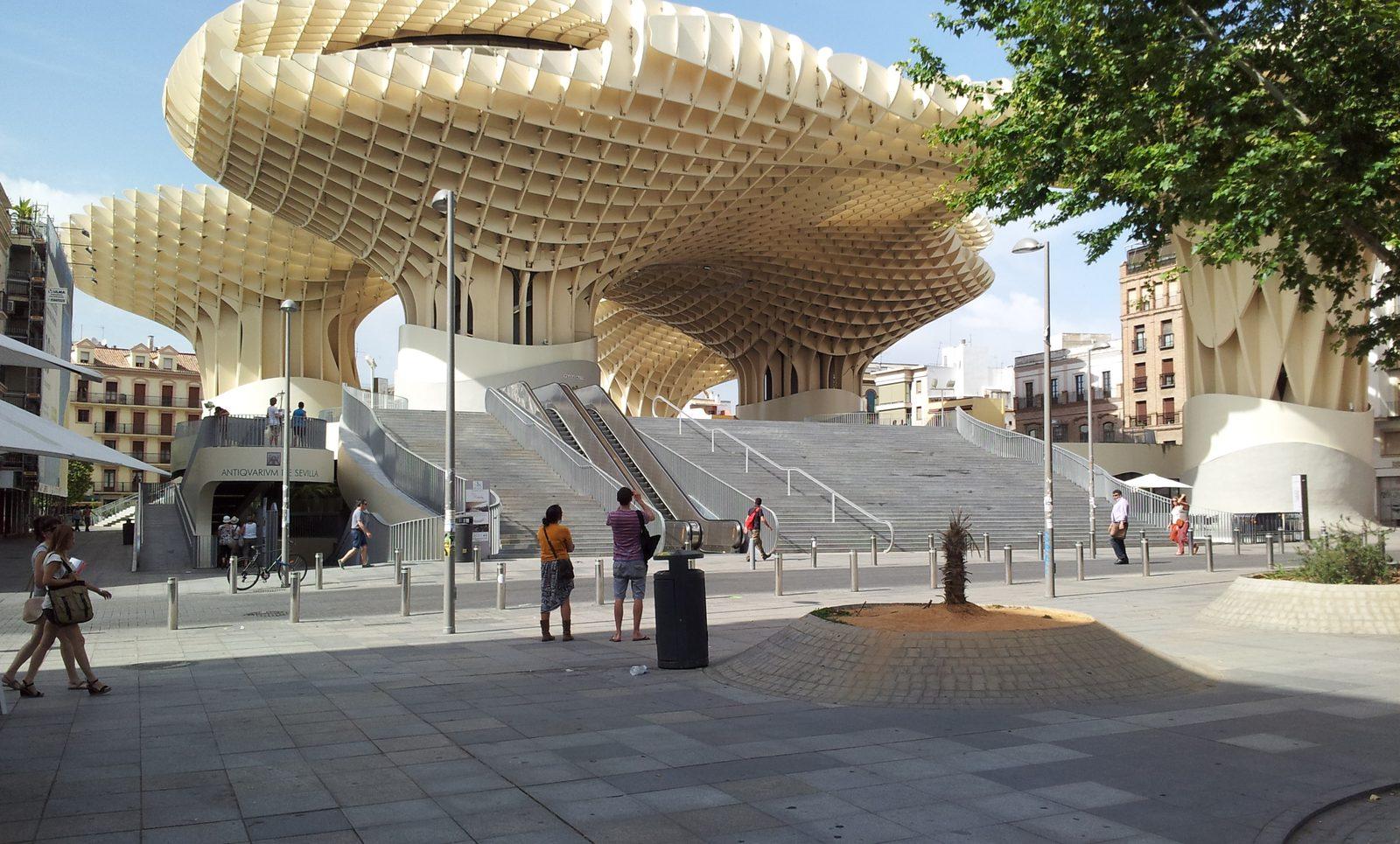
Las Setas and the Macarena: A Companion to Seville's Northern Old Town
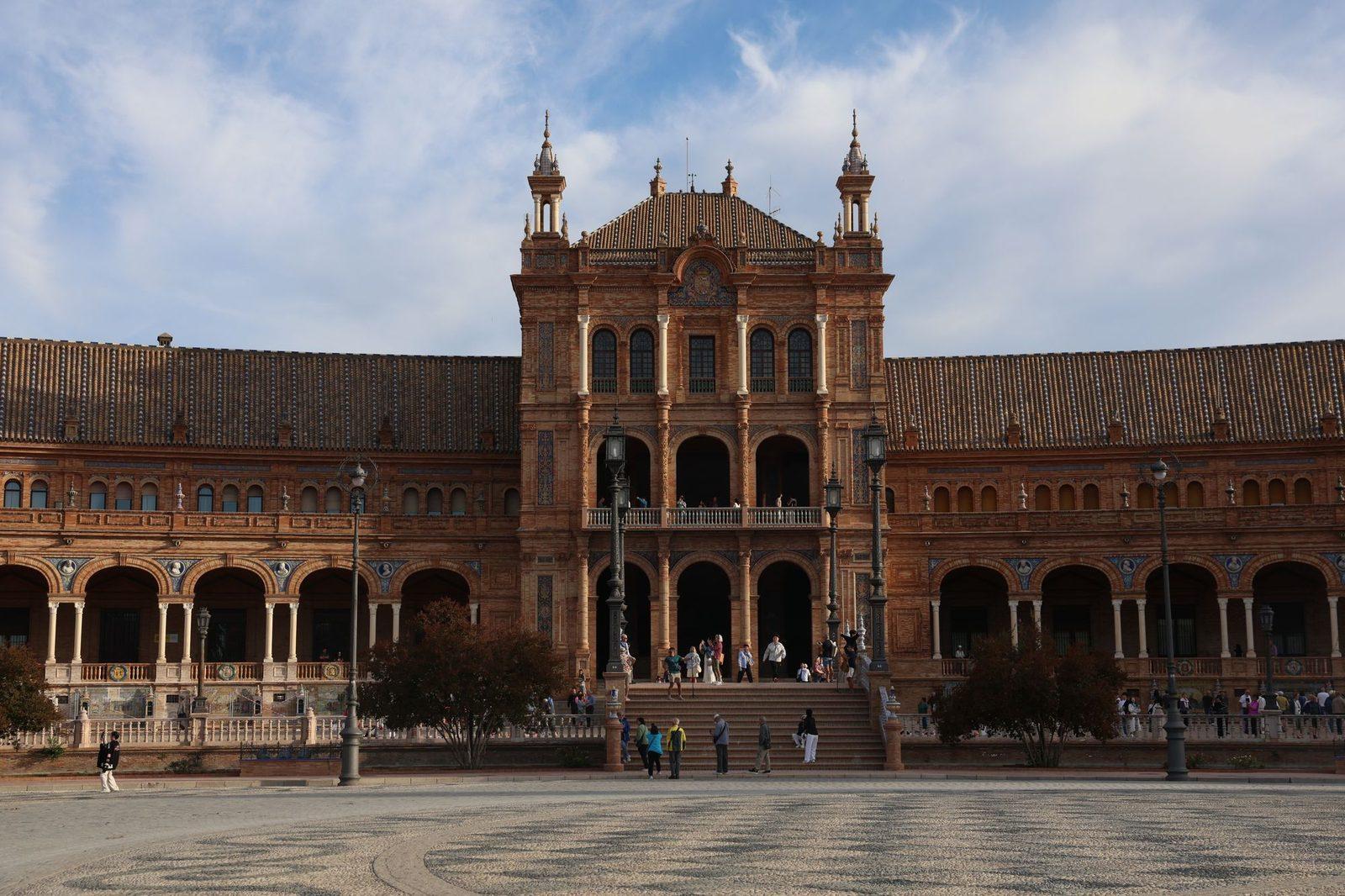
Plaza de España, Seville: A Companion to the Garden That Became a World's Fair
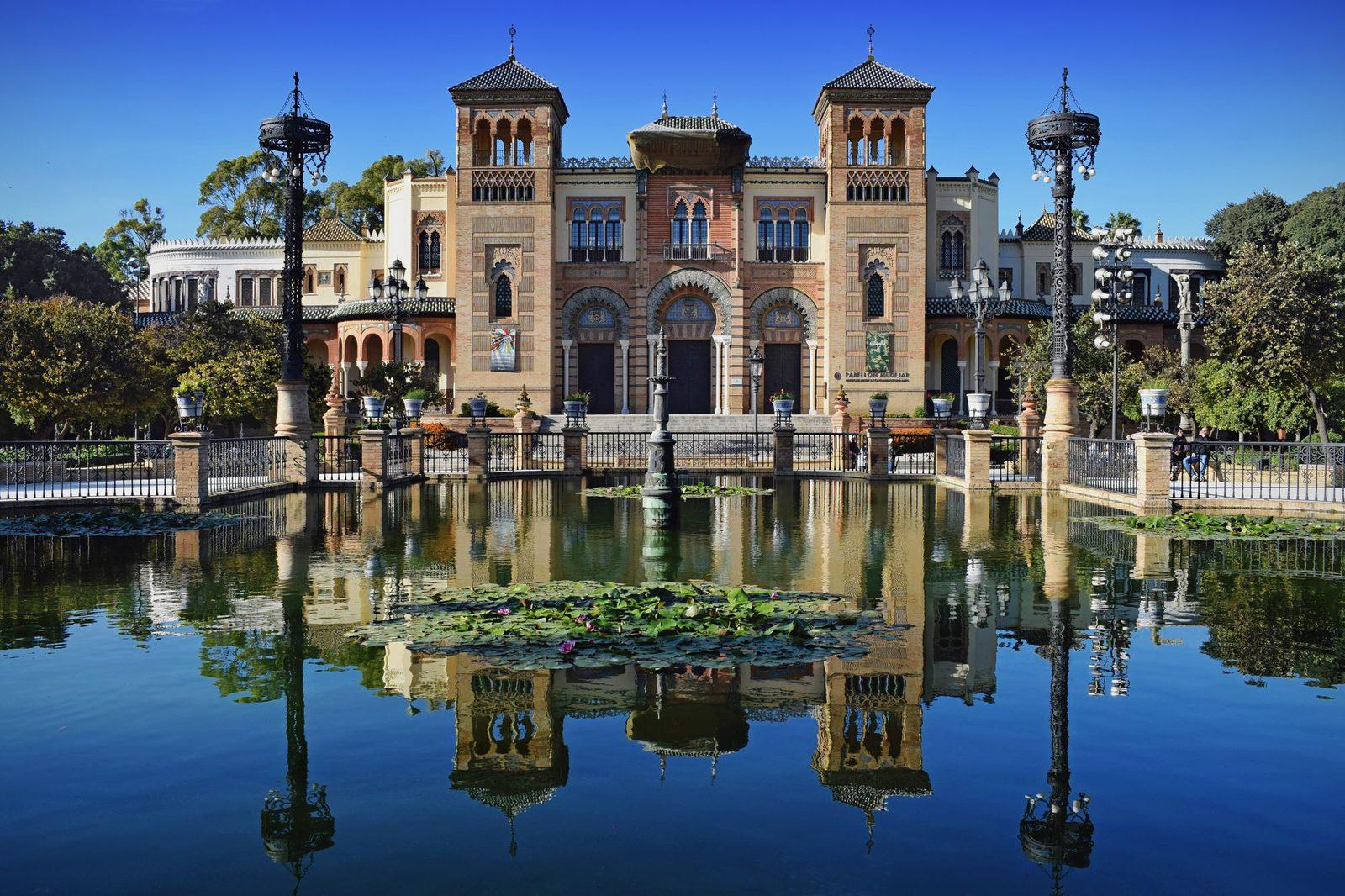
María Luisa Park, Seville: A Princess's Will and a French Gardener