Nara Park and Todai-ji: The Great Buddha
95 min · 3 km · moderate
Nara is the day trip everyone tells you to make from Kyoto or Osaka, and for once the advice is exactly right. A single day genuinely covers it, because Nara most famous sights are packed into one walkable park: the wild bowing deer, a bronze Buddha the size of a house inside the largest wooden hall on earth, a vermilion shrine hung with three thousand lanterns, and an old merchant town of lattice houses just downhill. This itinerary routes those in a comfortable one-day loop and names the self-guided Nara walking tour that anchors each block so the history comes with you.
A note on pace before you start. This is an easy walking day by Japanese-city standards, roughly 6 to 9 km, mostly flat through the park with one gentle climb, so wear comfortable shoes and treat the deer, tea, and food breaks below as part of the plan.
Morning: Nara Park, the deer, and the Great Buddha
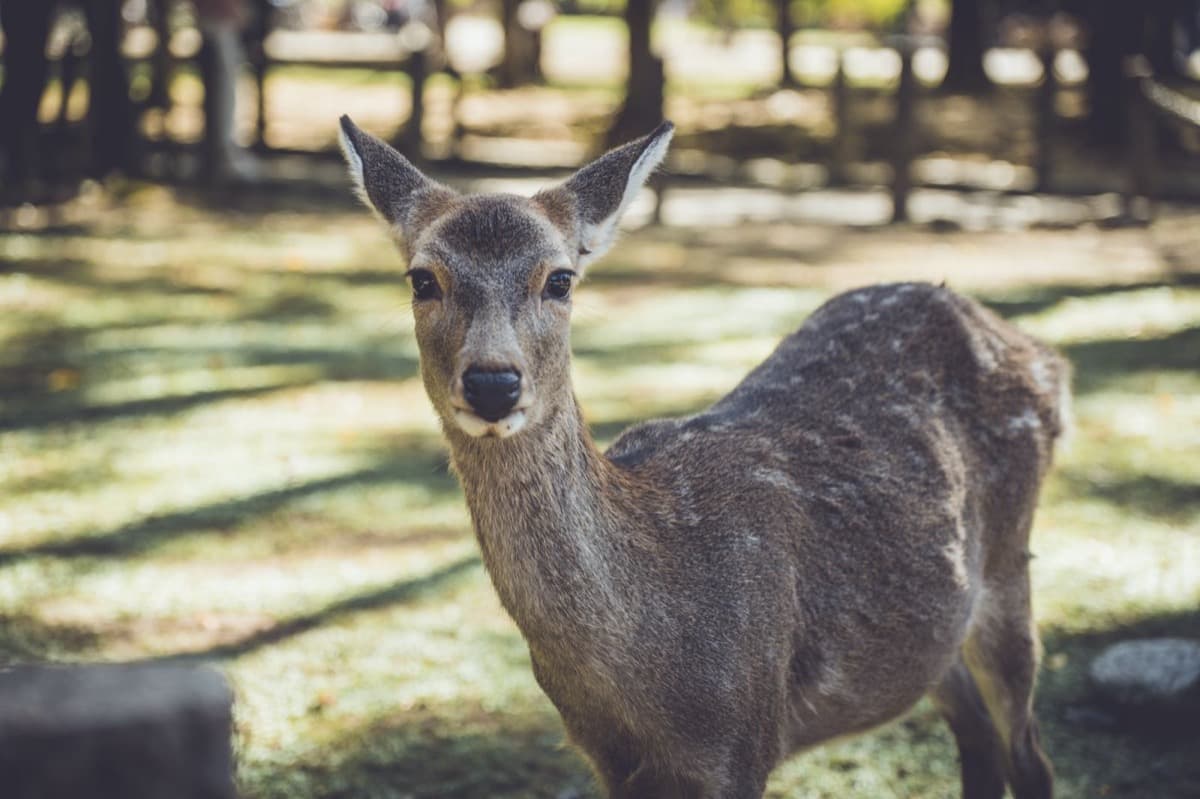
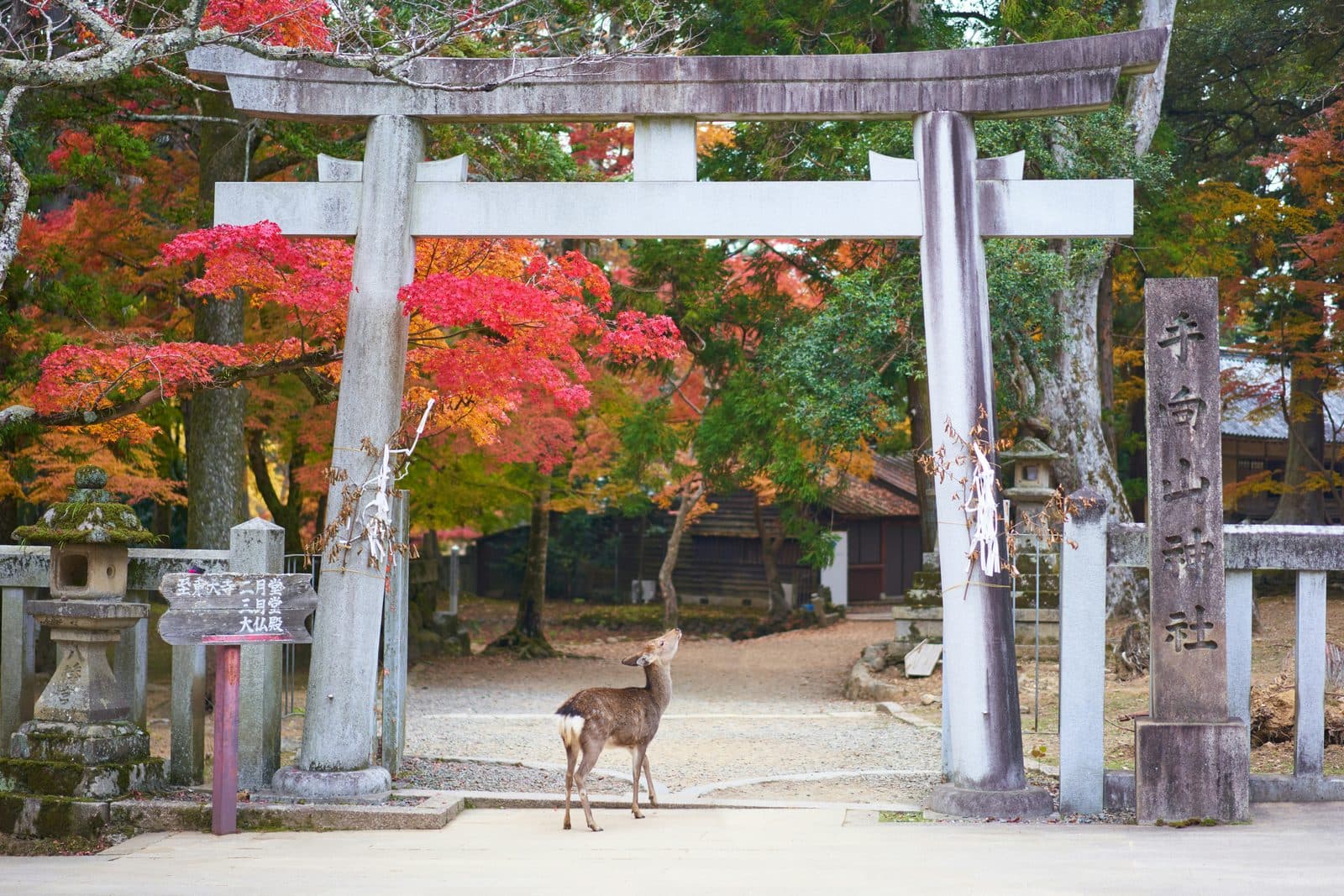
Come early, ideally to reach Todai-ji soon after it opens, because the Great Buddha Hall is calm at the start of the day and busy by late morning. From either Kintetsu Nara or JR Nara station it is a walk of ten to twenty minutes east into Nara Park, where the first of Nara famous sika deer will find you. Around 1,200 wild deer roam the park, protected here for centuries and designated a national monument in 1957. Buy a stack of shika senbei, the rice-bran deer crackers sold by licensed vendors, and many of the deer will bow their heads for one. A gentle warning: they are wild animals, they know exactly what the crackers mean, and a hungry pack can nip and shove, so feed them calmly and do not tease.
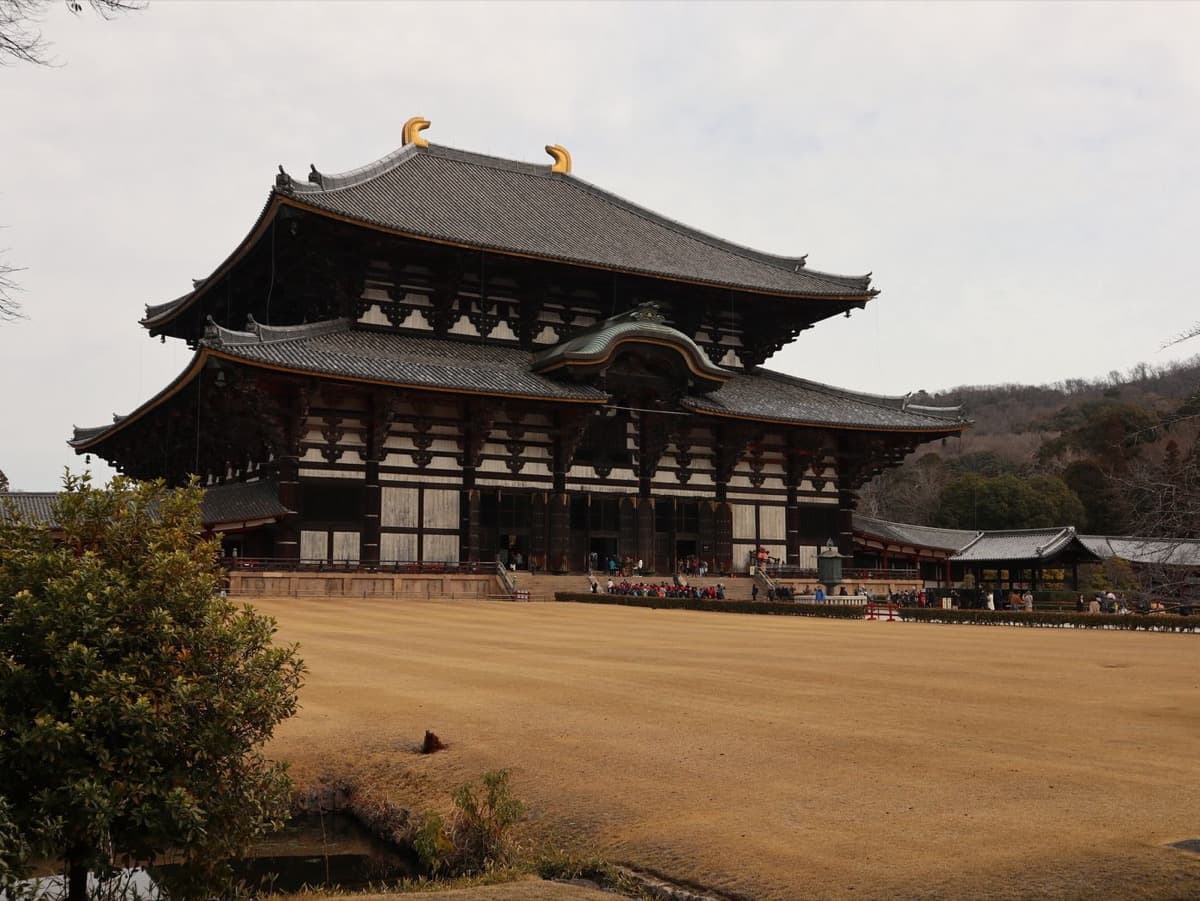
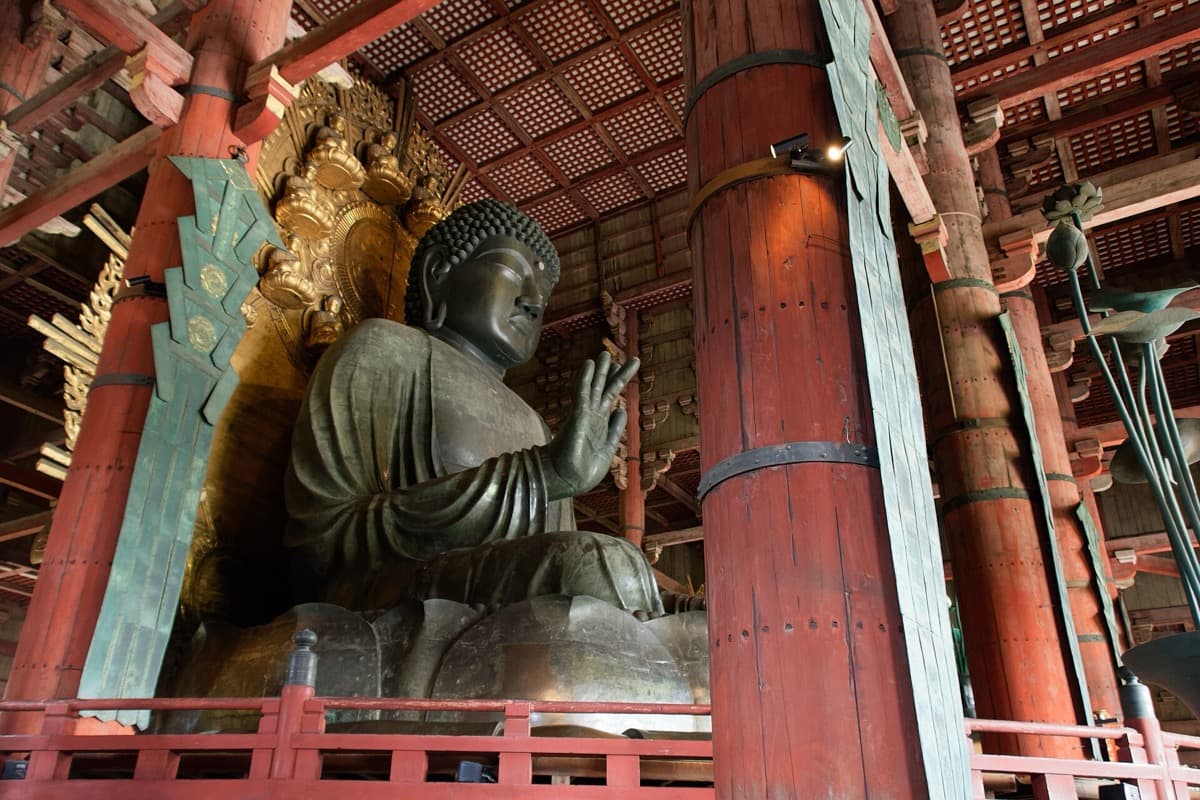
Walk the park to Todai-ji, through the towering Nandaimon Great South Gate with its pair of fierce guardian statues, to the Daibutsuden, the Great Buddha Hall. Inside sits the Daibutsu, a bronze Buddha roughly 15 meters tall, cast in the eighth century to bind a young nation together under one faith. The hall around it is one of the largest wooden buildings in the world.
This is the block to walk with the Nara Park and Todai-ji: The Great Buddha self-guided audio tour, which reads the park as what it once was: an instrument of imperial power, from a clan pagoda to a colossal Buddha cast as statecraft. To go deeper on the anchor stop before you walk, the companion piece on the Great Buddha as statecraft is a good primer.
Midday: Kasuga Taisha and the lanterns
Hear a stop from this walk
Nigatsu-do Hall: Twelve Centuries of Unbroken Fire
From Todai-ji, follow the park east and uphill to Kasuga Taisha, Nara great vermilion shrine, founded in the eighth century and rebuilt in an ancient cycle ever since. Its approach and halls are lined with nearly three thousand lanterns, stone ones along the wooded paths and bronze ones hung in rows under the eaves, all lit together only during the twice-yearly Mantoro lantern festivals. Above the shrine rises the Kasugayama Primeval Forest, where hunting and logging have been forbidden since 841, so the wilderness itself, not just the buildings, is the thing preserved.
Walk this block with the Kasuga Taisha and the Sacred Forest tour, which reads the shrine and the untouched forest above it as two ideas of permanence arguing with each other. The lantern-lined approach is also a good spot for a midday breather, and there are tea houses and rest stops near the shrine.
Afternoon: Naramachi, the merchant town
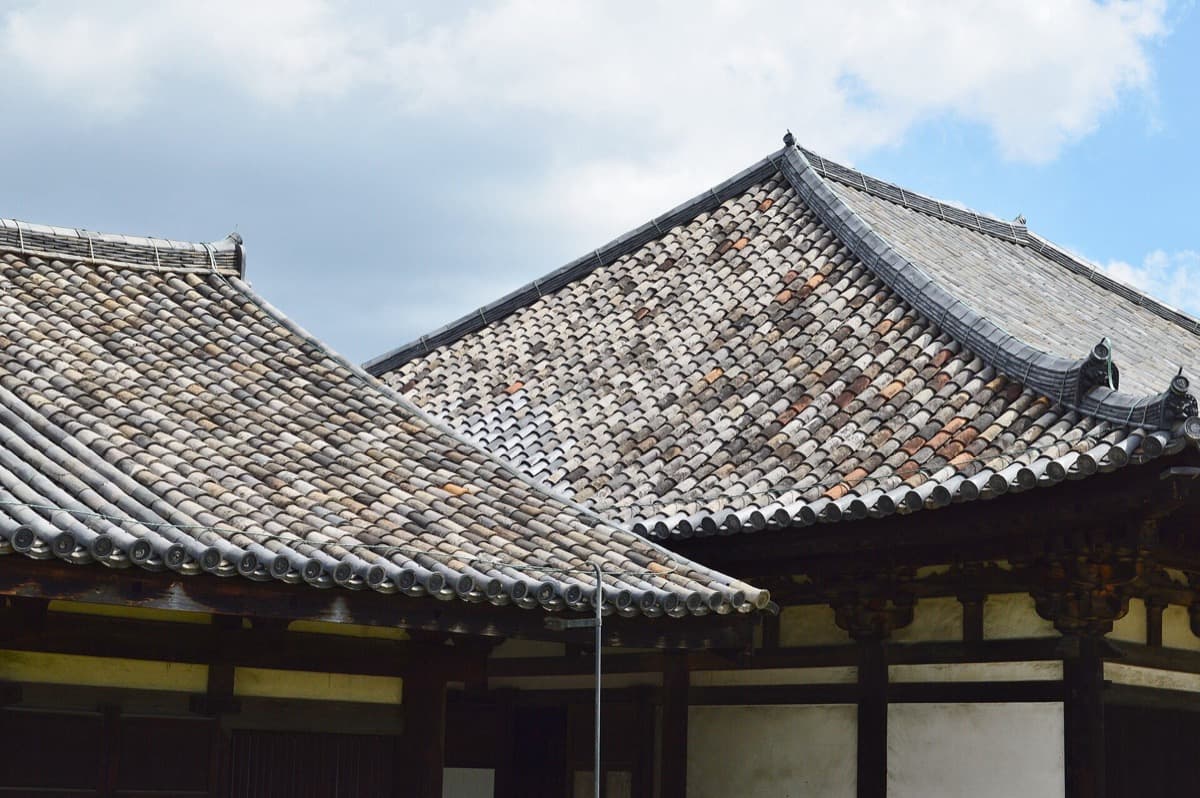
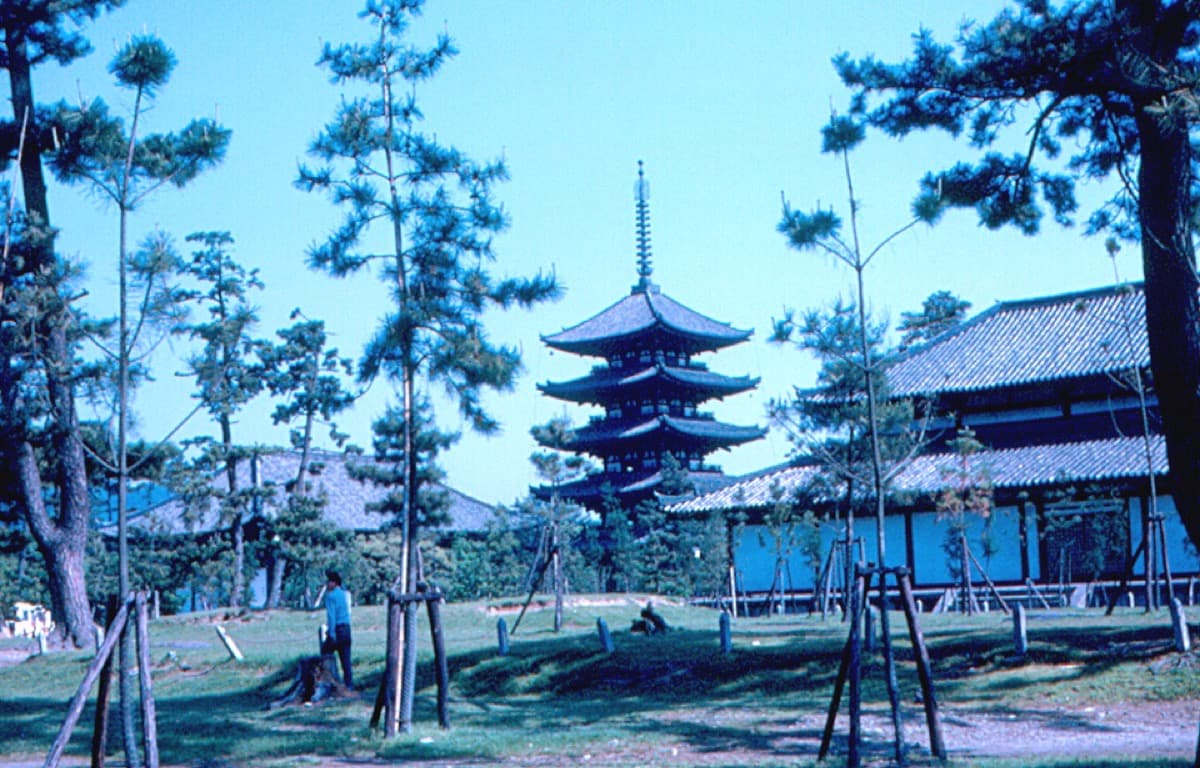
Come back down out of the park and head south into Naramachi, the old merchant quarter that grew up on the former grounds of Gango-ji, a temple older than the city itself. This is the lived-in Nara the day-trip crowds walk straight past: narrow lanes of latticed machiya townhouses, craft workshops, small museums, and the red stuffed migawari-zaru monkey charms that hang from the eaves to take on a household misfortunes. On the way, pause at Sarusawa Pond, which mirrors the five-storey pagoda of Kofuku-ji, one of Nara most photographed views.
Walk it with the Naramachi: The Merchant Town Beneath the Temples tour, which teaches you to read the lattice fronts and folk charms of a working town instead of only its temples. Naramachi is also where the day should slow down and eat: this is the place to try Nara own specialties, from persimmon-leaf sushi to kudzu sweets. See what to eat in Nara for what to order and where.
The one-day route at a glance
| Block | Where | Anchor tour |
|---|---|---|
| Morning | Nara Park, the deer, Nandaimon, Great Buddha | Nara Park and Todai-ji |
| Midday | Kasuga Taisha, lantern approach, sacred forest | Kasuga Taisha and the Sacred Forest |
| Afternoon | Sarusawa Pond, Naramachi lanes, Gango-ji | Naramachi: The Merchant Town |
Plan the rest of your trip
One day is enough for Nara, and the practical questions, how to get here from Kyoto or Osaka, the deer etiquette, when to come, are answered in the Nara travel guide. For every route in the city, see the best self-guided walking tours in Nara, or browse all Nara tours. Every tour is free to start: the introduction and first stop play in full, and every later stop plays a short preview before an optional purchase.
Frequently asked questions
- Can you see Nara in one day?
- Yes. Nara is Japan classic day-trip city precisely because its highlights are concentrated. Nara Park, Todai-ji and the Great Buddha, Kofuku-ji, Kasuga Taisha, and the Naramachi old town all sit within walking distance of each other and of the two main stations. A focused day, or even a half day, covers the essentials comfortably on foot, which is why most travelers visit Nara as a day trip from Kyoto or Osaka rather than staying overnight.
- What is the best order to see Nara in a day?
- Start early at Nara Park and Todai-ji while the Great Buddha Hall is quiet, then work east and uphill to Kasuga Taisha and its lanterns, and finish downhill south in the Naramachi merchant lanes in the late afternoon. This order climbs into the park in the cool morning, saves the atmospheric old town for the end when the day-trip crowds thin, and keeps you walking a single continuous loop rather than doubling back.
- How much walking is a one-day Nara itinerary?
- Expect roughly 6 to 9 km on foot across the day, most of it flat through Nara Park with a gentle climb to Kasuga Taisha. It is far less strenuous than a day in hilly Kyoto. Wear comfortable shoes, but this is a genuinely relaxed walking day with plenty of lawn, tea, and deer breaks built in.
- Do I need to book anything in advance for one day in Nara?
- Almost nothing needs booking. Nara Park, the deer, and the shrine grounds are free and open to walk-ups, and Todai-ji Great Buddha Hall charges only a small entrance fee paid at the gate. Buy deer crackers, shika senbei, from the licensed vendors in the park. The self-guided audio tours that anchor each block are free to start and can be downloaded in advance, so the history walks with you even without signal.
Ready to experience it?
Nara Park and Todai-ji: The Great Buddha
95 min · 3 km · moderate
More from Nara
Explore more at your own pace.
Nara Travel Guide: Day Trip from Kyoto or Osaka, the Deer, How Long You Need (2026)

What to Eat in Nara: A Food Guide (2026)
Gango-ji: The Temple Older Than Nara That Naramachi Grew Around
Kofuku-ji's Five-Storey Pagoda: The Tower an Empress Ordered and Fire Kept Remaking
The Great Buddha of Nara Was Cast to Hold a Country Together