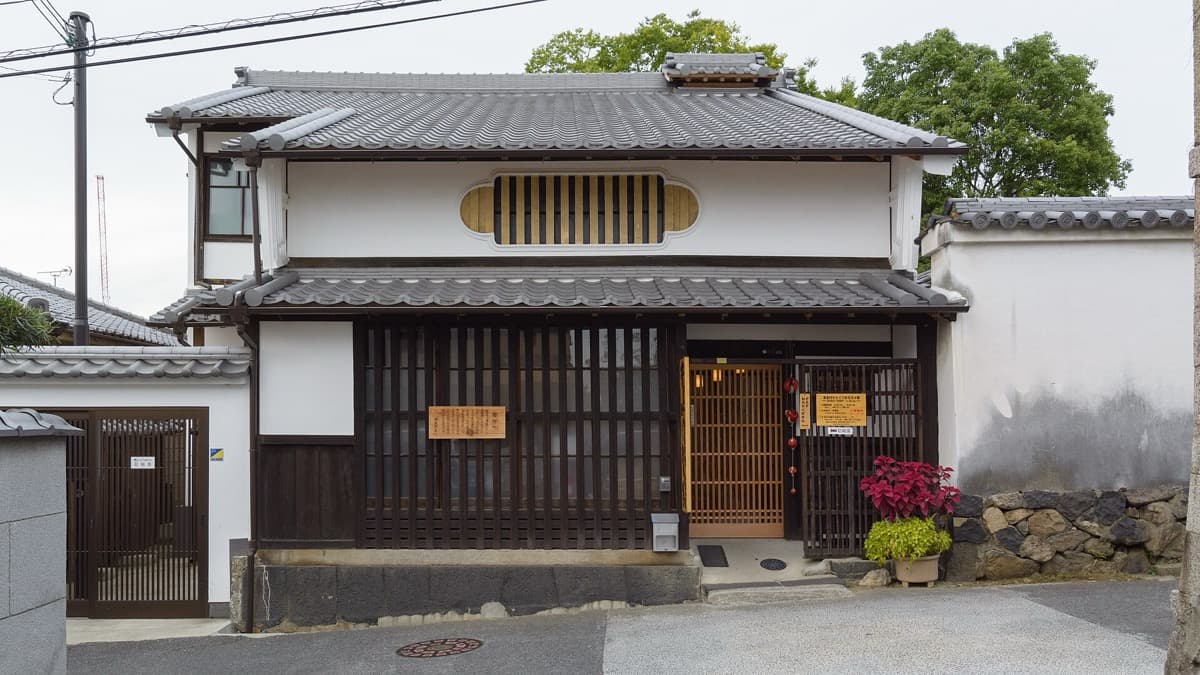
Ten minutes south of Nara's giant Buddha and famous deer lies Naramachi, the old merchant quarter that grew up on the grounds of a temple older than the city itself. This walk reads the lived-in Nara of lattice houses, red folk charms, and craft workshops that the crowds walk straight past.
Start · Sarusawa Pond: The Mirror at the Threshold
DirectionsStops
- 1
Sarusawa Pond: The Mirror at the Threshold
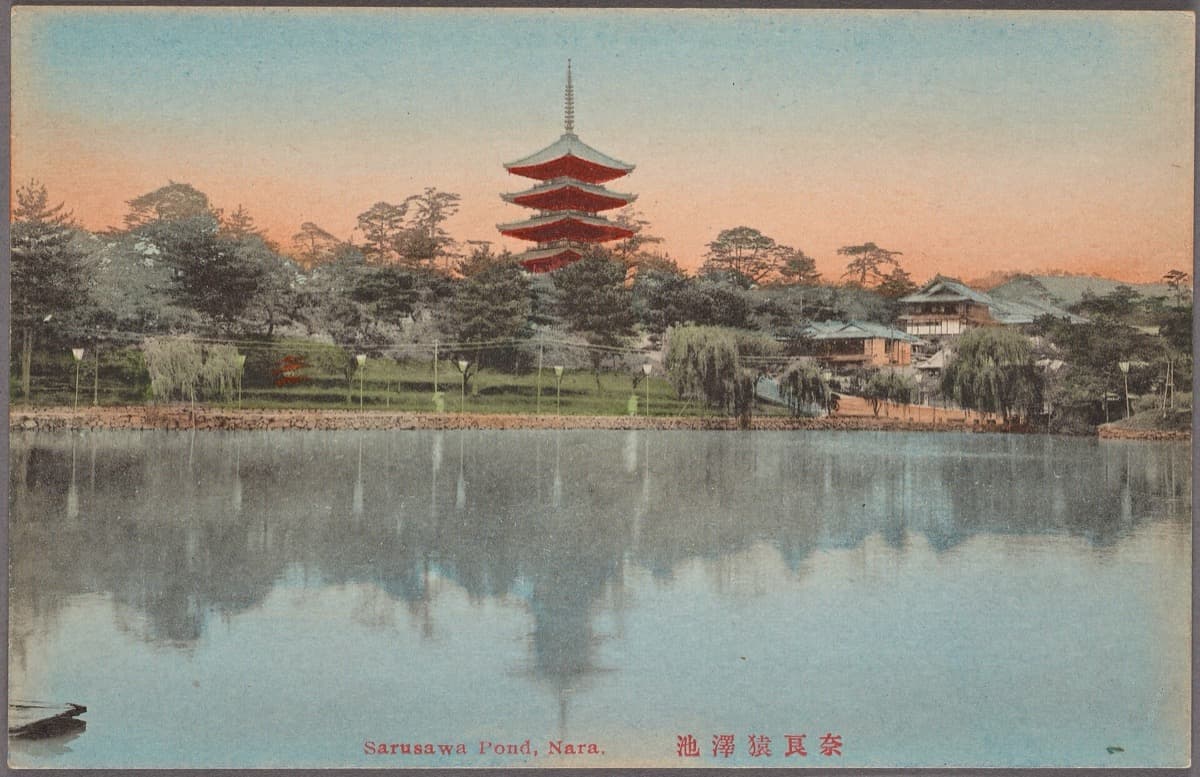
A still, artificial pond that reflects Kofuku-ji's five-story pagoda and marks the boundary between the monument city and the merchant quarter to the south.
- 2
Gango-ji Temple: The Root Older Than the Capital
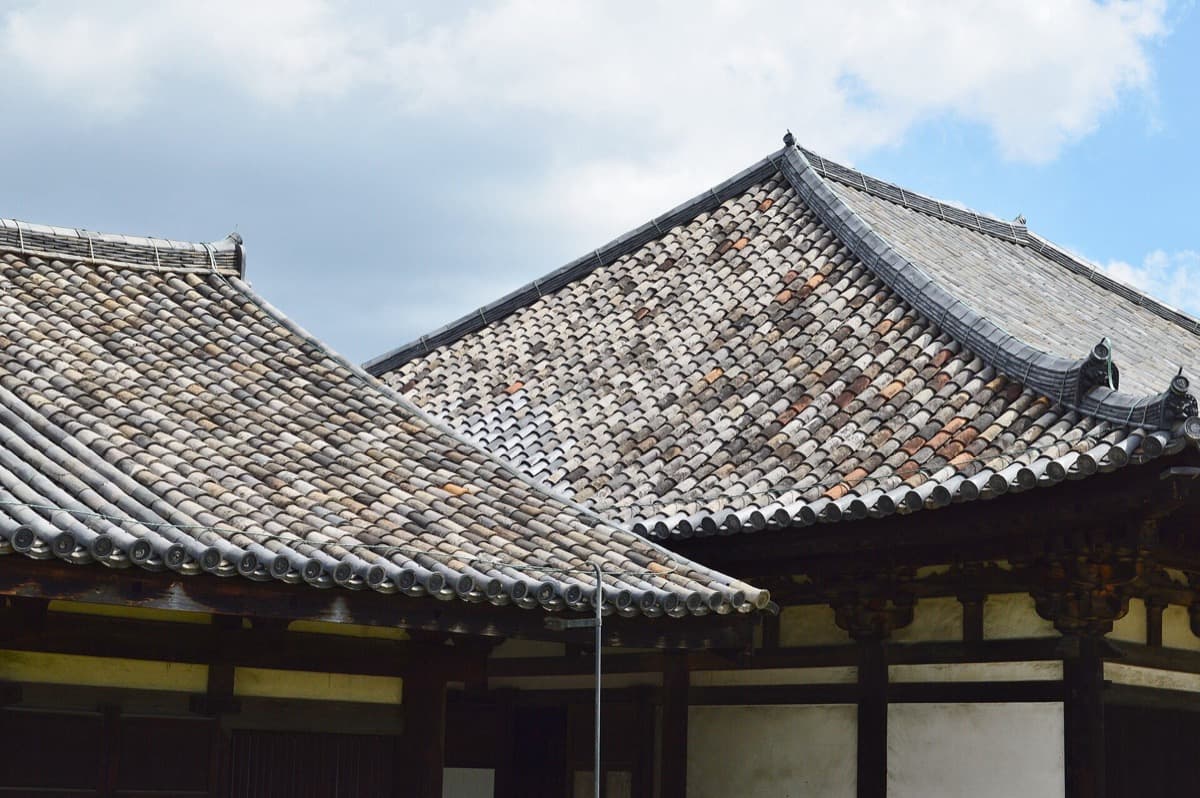
The origin temple of the whole quarter, with a lineage reaching back to the year five hundred and eighty-eight and roof tiles counted among Japan's oldest.
- 3
Naramachi Koshin-do: Reading the Red Monkeys
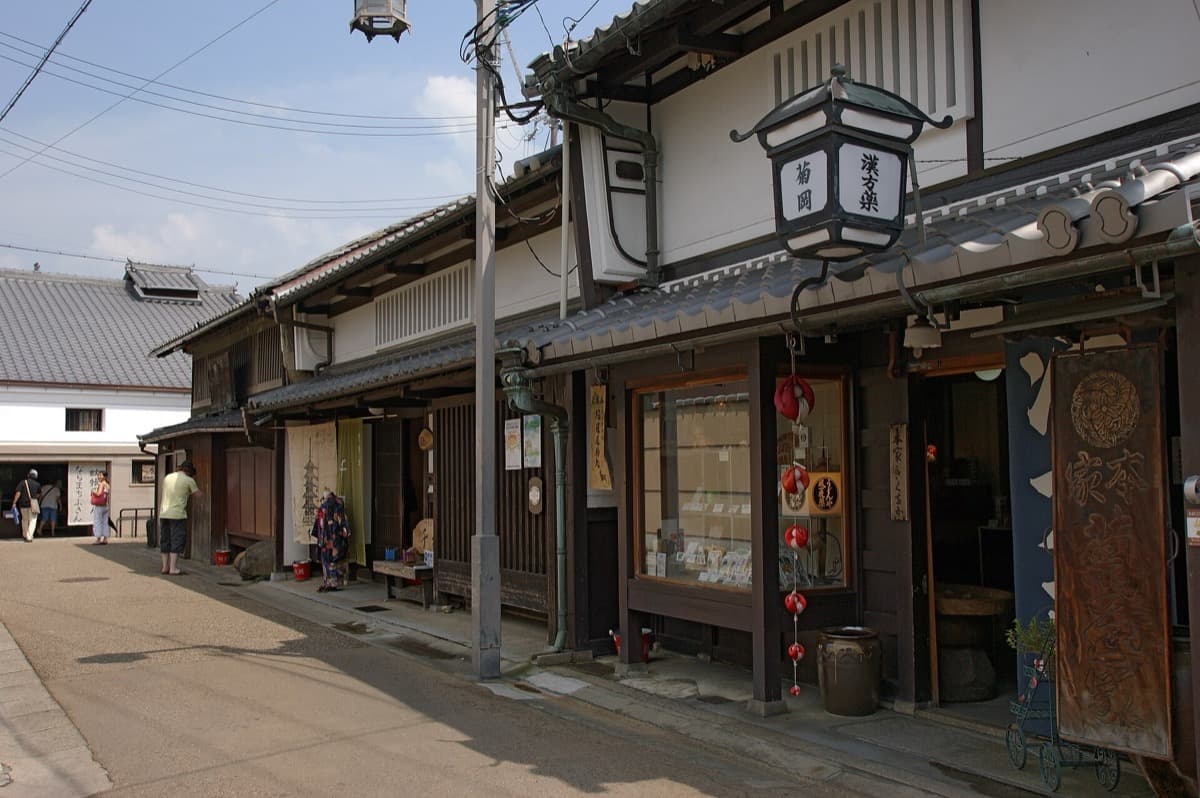
The small hall behind Naramachi's most recognizable object, the red substitute-monkey charms hung under eaves all over the quarter.
- 4
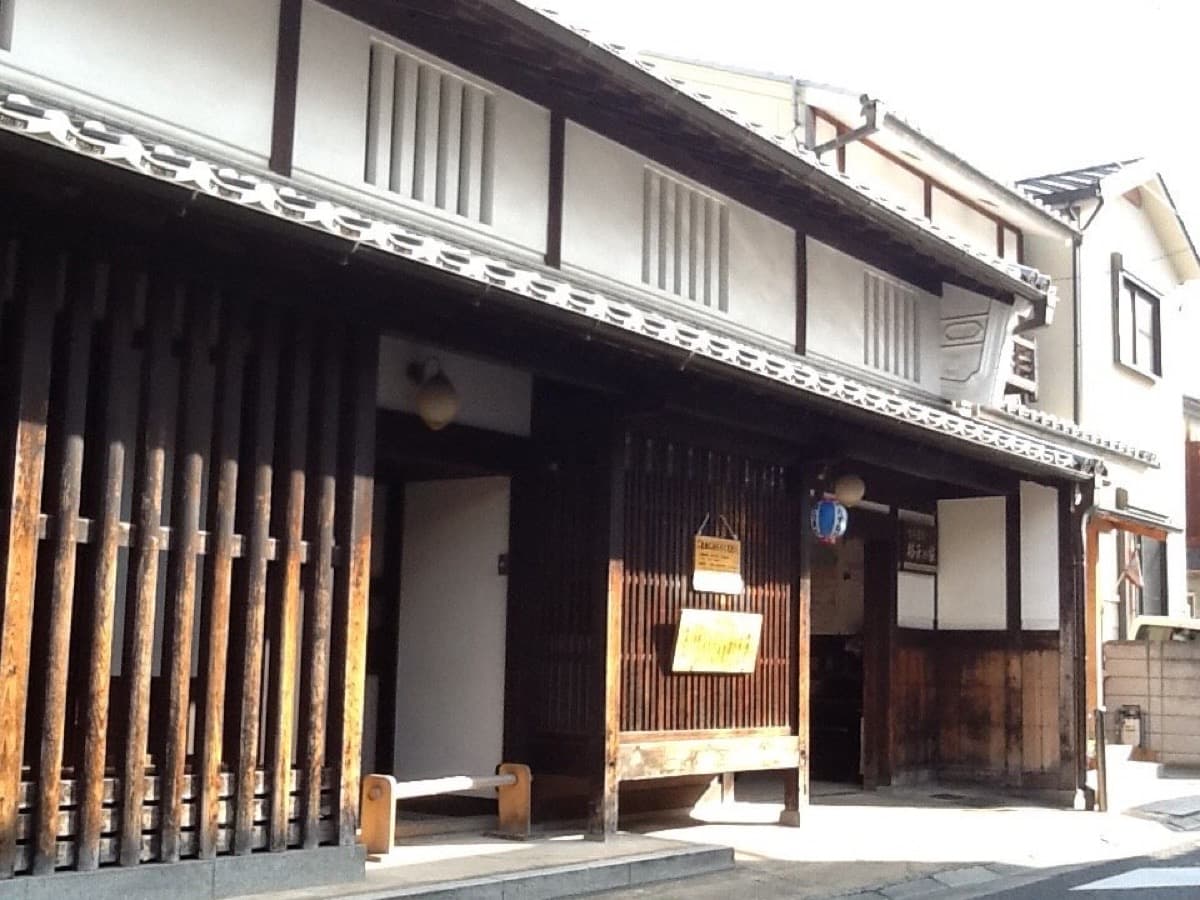
Naramachi Koshi-no-Ie: Inside the Eel's Bed
A free, publicly-run reproduction of a traditional Naramachi townhouse that lets you walk through the narrow-front, deep-plan machiya form.
- 5
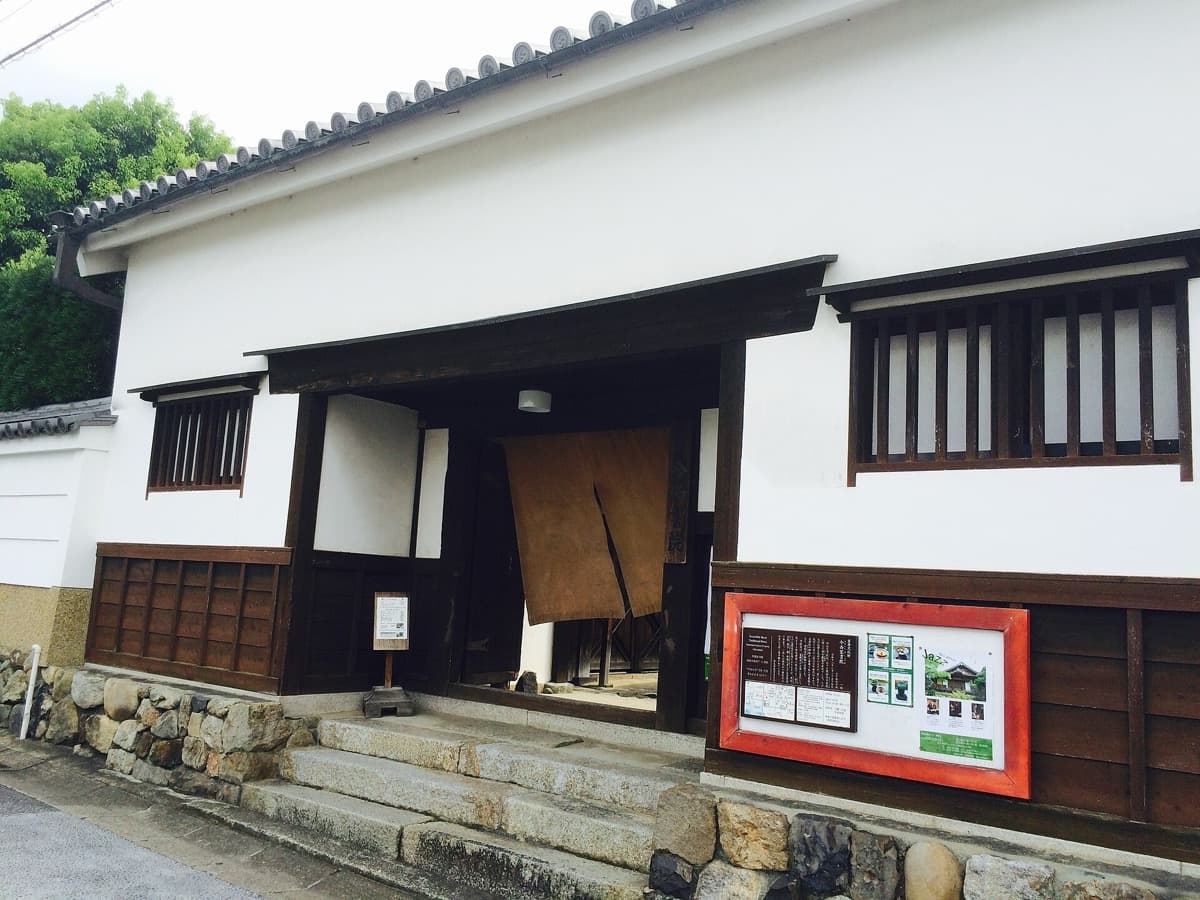
Imanishike Shoin: The Refined Residence Beside the Brewery
A preserved Muromachi-style shoin residence and Important Cultural Property, next door to the sake family that has run it and their brewery for generations.
- 6
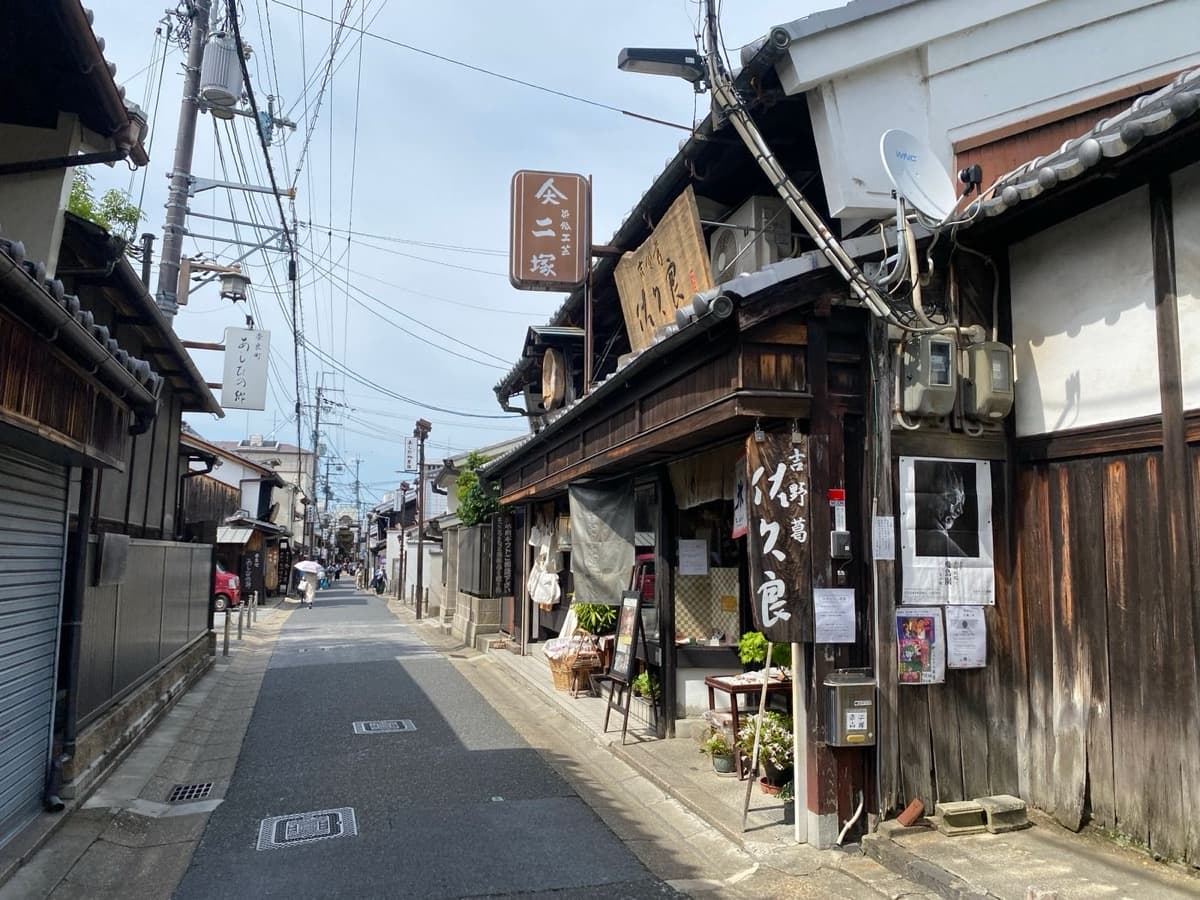
Mochiidono and the Old Merchant Streets: Ink, Brush, and Sake
The covered arcade and machiya lanes that form the commercial spine of the quarter, where Nara's heritage trades of ink, brush, and sake still live.
Details
Best Time to Visit
Late morning to early afternoon on a weekday gives you the best balance. The Naramachi houses and Gango-ji are open, roughly nine a.m. to five p.m., and the quarter stays far quieter than the deer park just to the north. Spring and autumn bring the mildest walking weather. If you come in summer, start early to stay ahead of the midday heat. Aim to reach Sarusawa Pond by mid-morning so you have unhurried time inside the houses before the four thirty last-entry cutoffs.
Pro Tips
- •Look up as you walk. Once you have seen your first red migawari-zaru monkey at Koshin-do, you will start spotting them under eaves all through the quarter.
- •Carry some cash. Small entry fees, tea service, and craft shops in Naramachi do not always take cards.
- •Gango-ji charges seven hundred yen for adults and stops admitting visitors at four thirty in the afternoon, so visit it earlier in your loop rather than saving it for last.
- •Naramachi Koshi-no-Ie is free and lets you walk through a full townhouse layout, so it is worth stepping inside even if you only have a few minutes.
- •Move at your own pace and skip freely. Each stop stands on its own, so linger in a garden or a lattice room and drop any stop that does not pull you in.
- •Pause at Sarusawa Pond on a still day for the pagoda reflection, and again on your way back toward the station to close the loop where you began.
Safety & Precautions
- •The sacred deer roam the park just north of Sarusawa Pond as a protected wild population. They can become pushy around the deer crackers sold nearby, so keep food packed away and give them space, especially if you have children with you.
- •At temples and shrines, follow local etiquette. A small bow before entering a hall or gate is customary, and keep your voice low inside sacred spaces.
- •Check opening hours and fees before you go. Gango-ji and the house museums generally run nine a.m. to five p.m. with last entry around four thirty, and some sites close on certain days.
- •Summers in Nara are hot and humid, and the park paths are gravel. Wear comfortable, closed shoes, carry water, and use sun protection if you walk in the warmer months.
Travel advisory: Exercise Normal Precautions (Level 1).
Gallery
Related Reading
Go deeper on what you'll see, hear, and walk through.
Overview
Best Self-Guided Walking Tours in Nara (2026)
3 min
Overview
Nara Travel Guide: Day Trip from Kyoto or Osaka, the Deer, How Long You Need (2026)
5 min
Overview
One Day in Nara: The Perfect Walkable Day Trip (2026)
5 min
Thematic
Best Culture Walking Tours in Nara (2026)
2 min
Thematic
What to Eat in Nara: A Food Guide (2026)
4 min
Deep dive
Gango-ji: The Temple Older Than Nara That Naramachi Grew Around
6 min
Read the walk
The full story of Naramachi: The Merchant Town Beneath the Temples, in words. Prefer to listen? Play it narrated, from home or on location.
Introduction
Nara sits in central Japan, an hour from Kyoto, and most travelers know it for two things: the giant bronze Buddha at Todai-ji and the sacred deer that wander the park as protected messengers of the gods. They arrive, they photograph the Buddha, they bow to the deer, and they leave. This walk goes the other way. Ten minutes south of the deer park lies Naramachi, the old merchant quarter, a neighborhood of narrow wooden townhouses, folk charms, and craft workshops that grew up on the former grounds of a temple older than the city itself. Over six stops, across roughly two kilometres and about two hours at your own unhurried pace, you will read Nara from its domestic floor rather than its monumental ceiling. You will start at a mirror-still pond, descend into the temple that seeded the whole quarter, learn to read the little red monkeys hanging under every eave, step inside an ordinary lattice-fronted house, stand before an aristocratic residence beside a working sake family, and finish among the ink, brush, and merchant streets that kept the city running. Each stop is short and skippable. Linger where a lattice or a garden holds you, move on when you are ready, and let the crowds keep flowing toward the Buddha while you explore the Nara they walk past. This is the lived-in city, the one people actually called home. When you arrive at Sarusawa Pond, begin with stop one.
1. Sarusawa Pond: The Mirror at the Threshold
You are standing at the edge of Sarusawa Pond, a still sheet of water dug in the year seven hundred and forty-nine as part of the grounds of Kofuku-ji temple. Look across the surface. On a calm day it holds a perfect upside-down reflection of Kofuku-ji's five-story pagoda and the willows that lean over the bank. That reflection has been cherished for centuries. It is counted among the classic Eight Views of Nara, a set of scenic sights celebrated since the Muromachi period. This is your threshold. Behind you and to the north lie the deer, the pagoda, the great temples, the Nara of postcards. Ahead and to the south lies Naramachi, the merchant quarter, the Nara people actually lived in. The pond is where the monument city looks at itself. The water carries a sadder story too. Legend tells of a court lady, an uneme, who drowned herself here after she lost the favor of an emperor. To comfort her spirit, a small shrine called Uneme Shrine was built nearby as a sub-shrine of the great Kasuga Grand Shrine. The legend says the shrine turned itself around overnight so that it would no longer have to face the water where she died, and to this day it stands with its back to the pond. Each September a festival floats a dragon-shaped boat across the surface in her memory. Treat it as legend, not record, but let it sit with you as you look at the water. Take a slow moment here. When you are ready, walk south, away from the crowds and the deer, and let the ground tilt gently down into the old quarter.
2. Gango-ji Temple: The Root Older Than the Capital
You are standing before Gango-ji, and its story begins long before Nara was a city. The temple traces its roots to Hoko-ji, also called Asuka-dera, founded in the year five hundred and eighty-eight by the powerful nobleman Soga no Umako in Asuka, to the south. That makes its lineage one of the very first Buddhist temples in Japan. When the capital moved to Nara, then called Heijo-kyo, the temple was relocated here in the year seven hundred and eighteen and given the name Gango-ji. It is widely described as Japan's oldest full-scale Buddhist temple, and its story is the reason this whole quarter exists. Look up at the roof of the main hall, the Gokurakubo, and its Zen room. Some of those tiles have been in continuous use since the Asuka period, roughly one thousand four hundred years, and are considered the oldest roof tiles in Japan. They were laid in an overlapping method, and you can read their age in the colors: a patchwork of red, white, black, and gray, older tiles mixed among newer ones. The hall also holds the Chiko Mandala, tied to a Nara-period scholar-monk named Chiko. In the year nineteen ninety-eight the temple was inscribed on the World Heritage list as part of the Historic Monuments of Ancient Nara. Here is the point of the whole walk. As Gango-ji's power faded over the centuries, the merchant town of Naramachi grew up on and around its former precincts. The narrow streets you are about to explore sit inside the footprint of a temple older than the capital. If you go in, admission is seven hundred yen for adults, and it is open from nine a.m. to five p.m., with last entry at four thirty.
3. Naramachi Koshin-do: Reading the Red Monkeys
By now you have probably noticed them: little red cloth figures, strung in bunches under the eaves of houses and shops all through Naramachi. You are standing at their source, the small Koshin-do hall. Those red charms are migawari-zaru, which means substitute monkeys, and they…
Full narration for this stop unlocks with the tour.
4. Naramachi Koshi-no-Ie: Inside the Eel's Bed
You are standing before Naramachi Koshi-no-Ie, and this is the stop where you get to step inside an ordinary house. It is free to enter and open from nine a.m. to five p.m. One thing to know first. This is a faithful reproduction, an accurate replica of a traditional Naramachi…
Full narration for this stop unlocks with the tour.
5. Imanishike Shoin: The Refined Residence Beside the Brewery
You are standing before the Imanishike Shoin, and it is the aristocratic counterpoint to the merchant houses you have been reading. Where Koshi-no-Ie showed you an ordinary townhouse, this is a residence built in the refined shoin-zukuri style of the Muromachi period, and it is…
Full narration for this stop unlocks with the tour.
6. Mochiidono and the Old Merchant Streets: Ink, Brush, and Sake
You have arrived at the Mochiidono streets, the covered arcade and the machiya lanes that form the commercial spine of the quarter and lead back toward the pond where you began. This is the working heart of Naramachi, and the place to read the crafts that made the city run.…
Full narration for this stop unlocks with the tour.