Nara Park and Todai-ji: The Great Buddha
95 min · 3 km · moderate
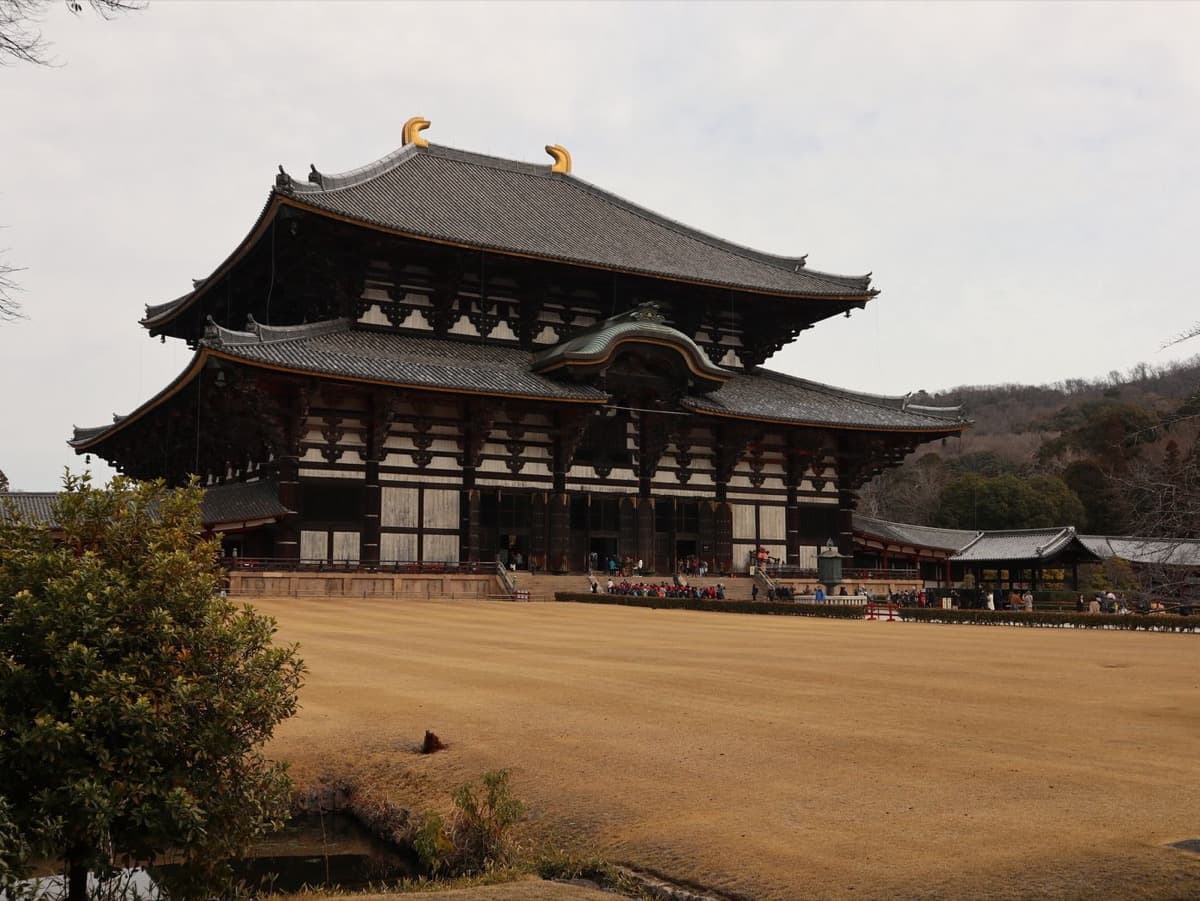
Nara is the easiest great day trip in Japan. It sits under an hour from both Kyoto and Osaka, and its headline sights, the famous bowing deer, the colossal Great Buddha, and a shrine hung with three thousand lanterns, are all packed into one flat, walkable park. Once you have the three things that matter most, how to day-trip here, how the deer work, and how long you need, the rest is easy. This guide answers the practical questions travelers actually search, answer first, then the detail.
Nara as a day trip from Kyoto or Osaka
The single most useful thing to know about Nara: almost nobody stays overnight, and you do not need to. It is a day trip.
- From Kyoto: the Kintetsu Kyoto Line reaches Nara in about 35 minutes by limited express, or roughly 45 minutes by regular express. The JR Nara Line takes around 45 minutes.
- From Osaka: the Kintetsu Nara Line from Osaka-Namba takes about 40 minutes by rapid express. JR from Osaka Station takes roughly 45 to 50 minutes.
Kintetsu Nara Station sits closer to Nara Park than JR Nara Station, so it is usually the more convenient arrival. Both are a ten-to-twenty-minute walk from the park. If you only have one day, follow our one day in Nara itinerary, which routes the whole thing as a single walking loop.
The deer: etiquette in one section
Hear a stop from this walk
Nigatsu-do Hall: Twelve Centuries of Unbroken Fire
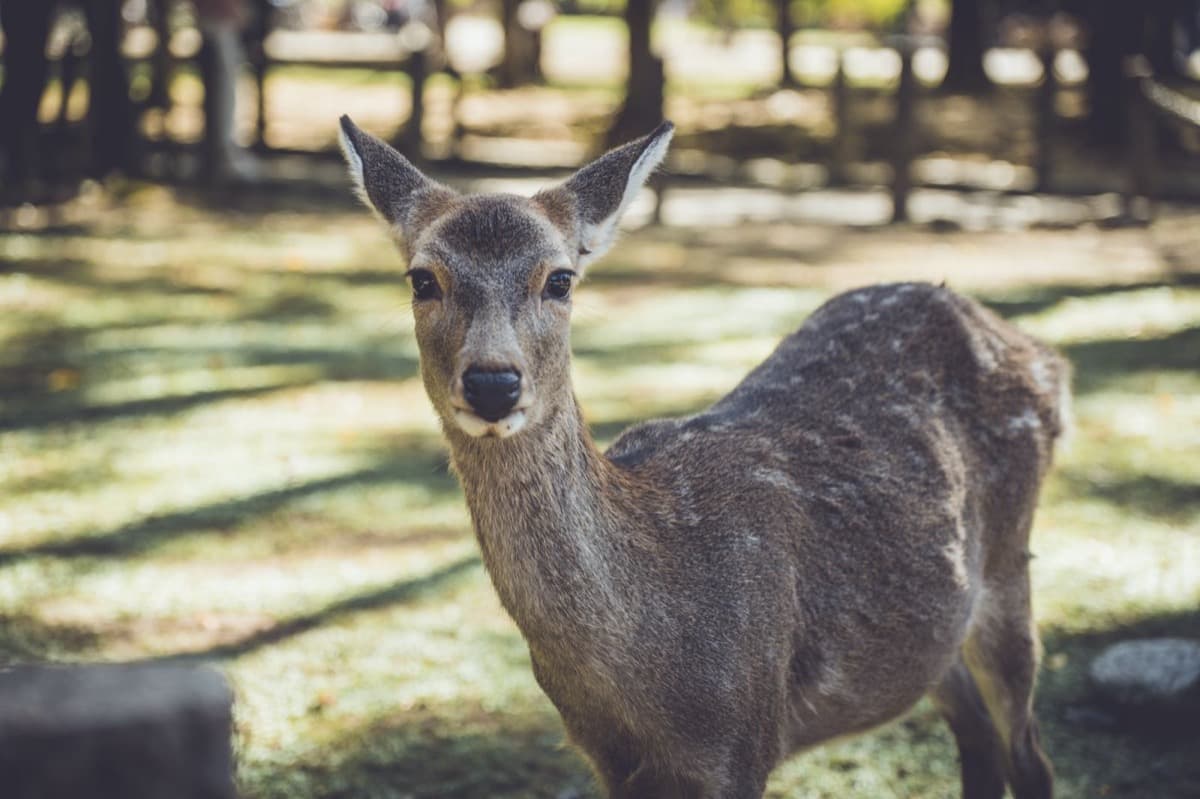
The deer are the reason many people come, so get this right. Around 1,200 wild sika deer roam Nara Park, regarded for centuries as sacred messengers of the gods and designated a national natural monument in 1957.
- The bow. Many deer will bow their heads when you raise a cracker. Buy shika senbei, the flat rice-bran deer crackers, from the licensed vendors in the park; do not feed them anything else.
- They are wild. These are not petting-zoo animals. Around food they can be pushy: nipping, headbutting, and tugging at bags, sleeves, and paper maps. Feed calmly, hand over the crackers quickly rather than teasing, keep food out of sight until you use it, and supervise young children.
- Be tidy. Keep plastic and paper away from them; deer have been harmed swallowing litter. When your crackers are gone, show your empty hands and the deer usually move on.
How long do you need, and is Nara walkable?
Half a day covers the core; a full day is unhurried.
- Half day (4 to 5 hours): Nara Park and the deer, Todai-ji and the Great Buddha, and Kasuga Taisha.
- Full day: add the Naramachi merchant town, Kofuku-ji, a garden, and a proper lunch.
Nara is genuinely walkable and mostly flat, far less strenuous than hilly Kyoto. Everything clusters in and around Nara Park, with only a gentle climb up to Kasuga Taisha. That is exactly how our self-guided Nara tours are built, at an easy walking pace you control.
Best time to visit Nara
- Spring (late March into April): cherry blossoms across the park. Beautiful and busy.
- Autumn (mid to late November): foliage in the surrounding hills. Also lovely and popular.
- Shoulder weeks: the quieter stretches of late spring and early autumn give good weather with thinner crowds.
Whatever the season, come early. The day-trippers pour in from Kyoto and Osaka by late morning, and the Great Buddha Hall is calmest right after it opens.
Is Nara safe?
Very. Japan is one of the safest countries in the world for visitors, and Nara is a small, calm city with very low crime, easy and welcoming for solo and female travelers. The one genuine hazard is the deer, which are wild and assertive around food, so handle the crackers sensibly as above. Otherwise the usual light precautions are plenty: mind your belongings in crowds and be aware of general natural-hazard risks such as earthquakes.
Is Nara worth it, and on a budget?
Yes, and yes. For a short trip, Nara delivers an extraordinary amount: a UNESCO World Heritage Great Buddha, a lantern shrine, an ancient protected forest, and free-roaming sacred deer, all in one walkable park. And it is cheap.
- Free to enjoy: the park, the deer, and most shrine grounds. Only Todai-ji Great Buddha Hall charges a small entrance fee.
- Cheap treats: a packet of deer crackers is a couple of hundred yen, and Nara specialties like kudzu sweets and persimmon-leaf sushi are inexpensive. See what to eat in Nara.
- Skip the guide fee: Roamer self-guided audio tours are free to start, so you get expert narration without booking a private guide, a start time, or a tip.
Start planning your day
Ready to route it? Read our one day in Nara itinerary, browse the best self-guided walking tours in Nara, or see all Nara tours. Every tour is free to start: the introduction and first stop play in full, and every later stop plays a short preview before an optional purchase. Tours can also be downloaded in advance for offline listening.
Frequently asked questions
- How do you get to Nara from Kyoto or Osaka?
- Nara is a short, easy train ride from both. From Kyoto, the Kintetsu Kyoto Line reaches Nara in about 35 minutes by limited express or roughly 45 minutes by regular express, and the JR Nara Line takes around 45 minutes. From Osaka, the Kintetsu Nara Line from Osaka-Namba takes about 40 minutes by rapid express, and JR from Osaka Station takes roughly 45 minutes to 50 minutes. The Kintetsu Nara Station sits closer to Nara Park than the JR station, so it is usually the more convenient arrival point.
- What is the deal with the deer in Nara?
- Nara Park is home to around 1,200 wild sika deer that roam freely and are considered sacred messengers of the gods, protected here for over a thousand years and designated a national natural monument in 1957. Many will bow their heads when you hold up a shika senbei, a rice-bran deer cracker sold by licensed vendors in the park. They are wild animals, though: they can be pushy around food, may nip or headbutt if teased or if you tease them by withholding crackers, so feed calmly, keep bags and maps out of reach, and supervise small children.
- How long do you need in Nara?
- Half a day covers the core, and a full day is comfortable and unhurried. In four to five hours you can see Nara Park and the deer, Todai-ji and the Great Buddha, and Kasuga Taisha. A full day adds the Naramachi merchant town, Kofuku-ji, a garden, and a relaxed lunch. Because everything is concentrated in one walkable park, most travelers visit Nara as a day trip rather than staying overnight.
- Is Nara walkable?
- Very. Nara main sights are clustered in and around Nara Park, which is largely flat, and you walk between the deer, Todai-ji, and Naramachi with only a gentle climb up to Kasuga Taisha. It is one of the least strenuous major sightseeing areas in Japan. From either station it is a walk of ten to twenty minutes to the park, and buses cover the longer stretches if you prefer.
- What is the best time to visit Nara?
- Spring, roughly late March into April, brings cherry blossoms across the park, and autumn, around mid to late November, brings foliage in the surrounding hills; both are beautiful and busier. For thinner crowds with good weather, the shoulder weeks of late spring and early autumn are excellent. Come early in the day whatever the season, both to beat the day-trip crowds arriving from Kyoto and Osaka and to see the Great Buddha Hall at its calmest.
- Is Nara safe for tourists?
- Yes, very. Japan is one of the safest countries in the world for visitors, including solo and female travelers, and Nara is a calm, small city with very low crime. The main hazard is the deer, which are wild and can be assertive around food, so handle the crackers sensibly. Otherwise ordinary care is all you need. Watch belongings in crowds and be aware of general natural-hazard risks like earthquakes.
- Is Nara worth visiting, and can you do it on a budget?
- Yes on both counts. Nara packs a UNESCO World Heritage Great Buddha, a lantern shrine, an ancient forest, and free-roaming sacred deer into one walkable park, which is remarkable value for a short trip. Most of it is free: the park, the deer to look at, and the shrine grounds cost nothing, and Todai-ji Great Buddha Hall charges only a small entrance fee. A packet of deer crackers is a couple of hundred yen. Self-guided audio tours are free to start on Roamer, so you can add expert narration without hiring a guide.
Ready to experience it?
Nara Park and Todai-ji: The Great Buddha
95 min · 3 km · moderate
More from Nara
Explore more at your own pace.
One Day in Nara: The Perfect Walkable Day Trip (2026)
What to Eat in Nara: A Food Guide (2026)
Gango-ji: The Temple Older Than Nara That Naramachi Grew Around
Kofuku-ji's Five-Storey Pagoda: The Tower an Empress Ordered and Fire Kept Remaking
The Great Buddha of Nara Was Cast to Hold a Country Together