Kasuga Taisha and the Sacred Forest
A walk through Japan's most famous vermilion shrine and the primeval forest above it, where the buildings are endlessly rebuilt and the wilderness is the thing preserved. The sacred deer, three thousand lanterns, and two hillsides that argue with each other.
4.25|120 minutes|6.5 km|6 Stops
Start
The Lantern-Lined Approach and the Sacred Deer
1
The Lantern-Lined Approach and the Sacred Deer
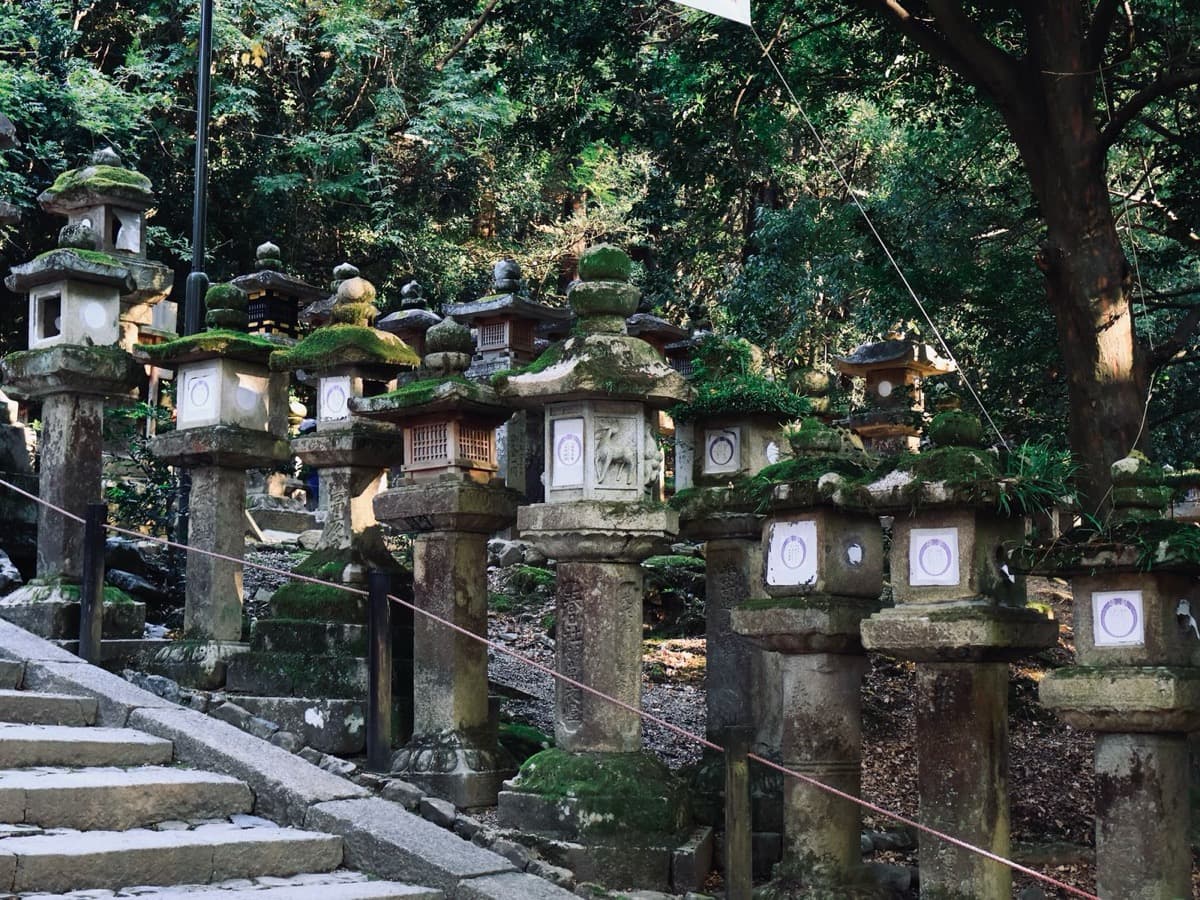
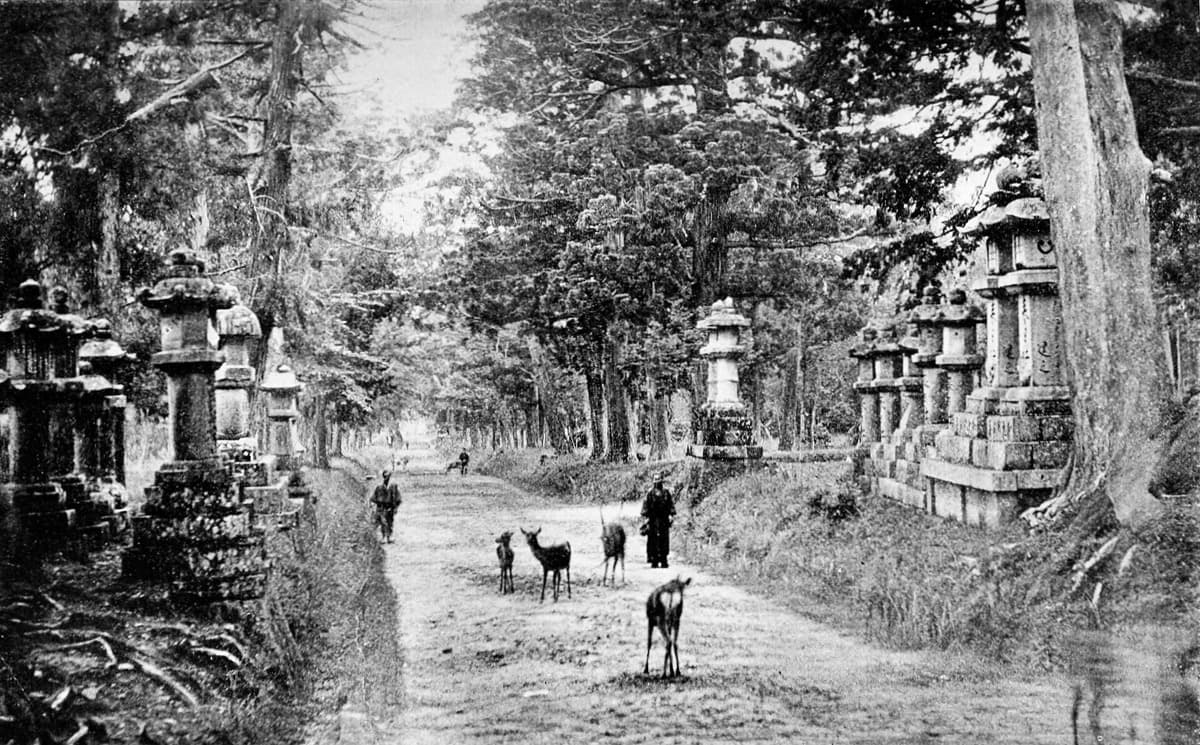
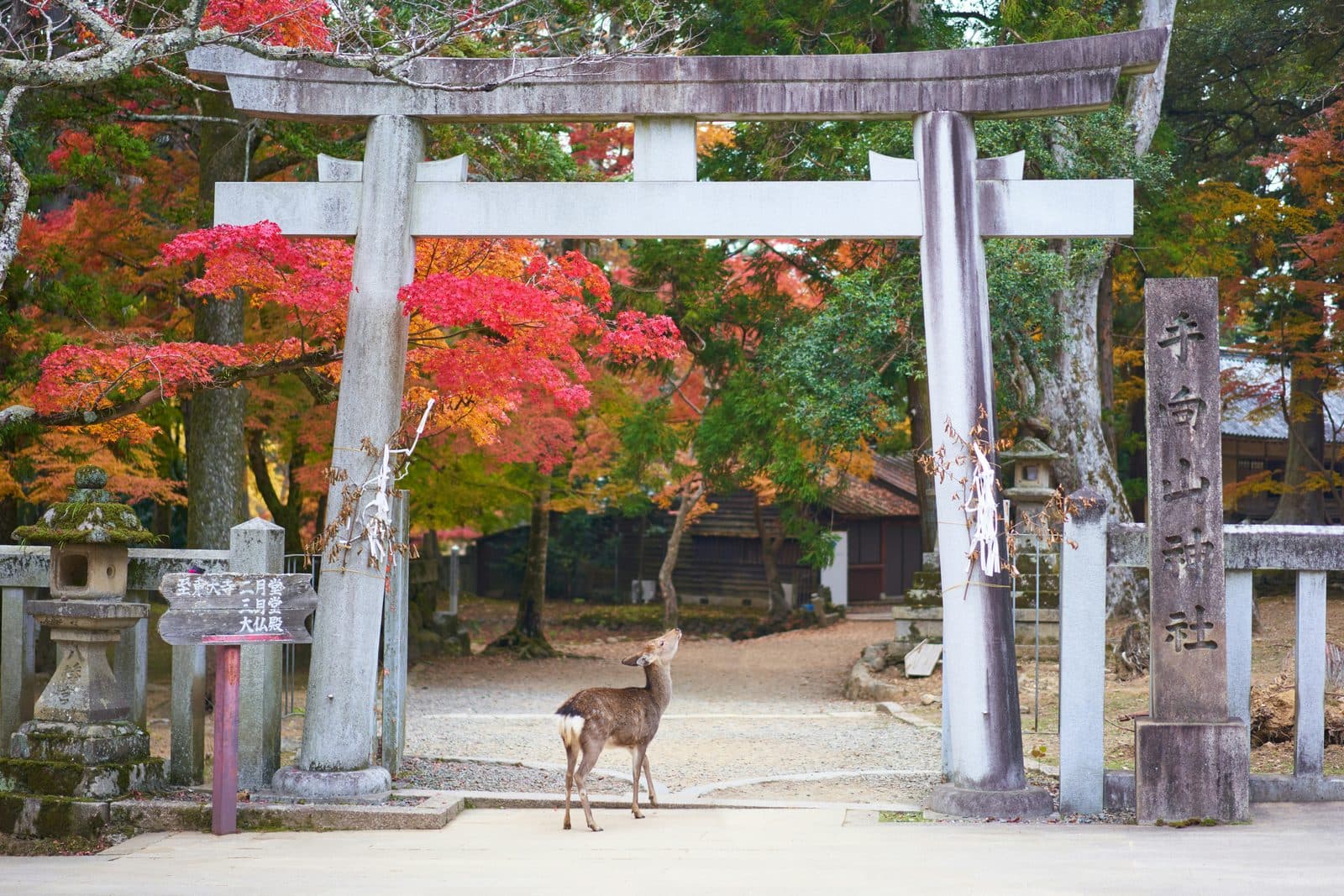
The moss-covered stone approach to Kasuga Taisha, where the shrine's protected sika deer wander freely among the lanterns.
2
Kasuga Taisha Main Shrine: The Endlessly Rebuilt Sanctuary
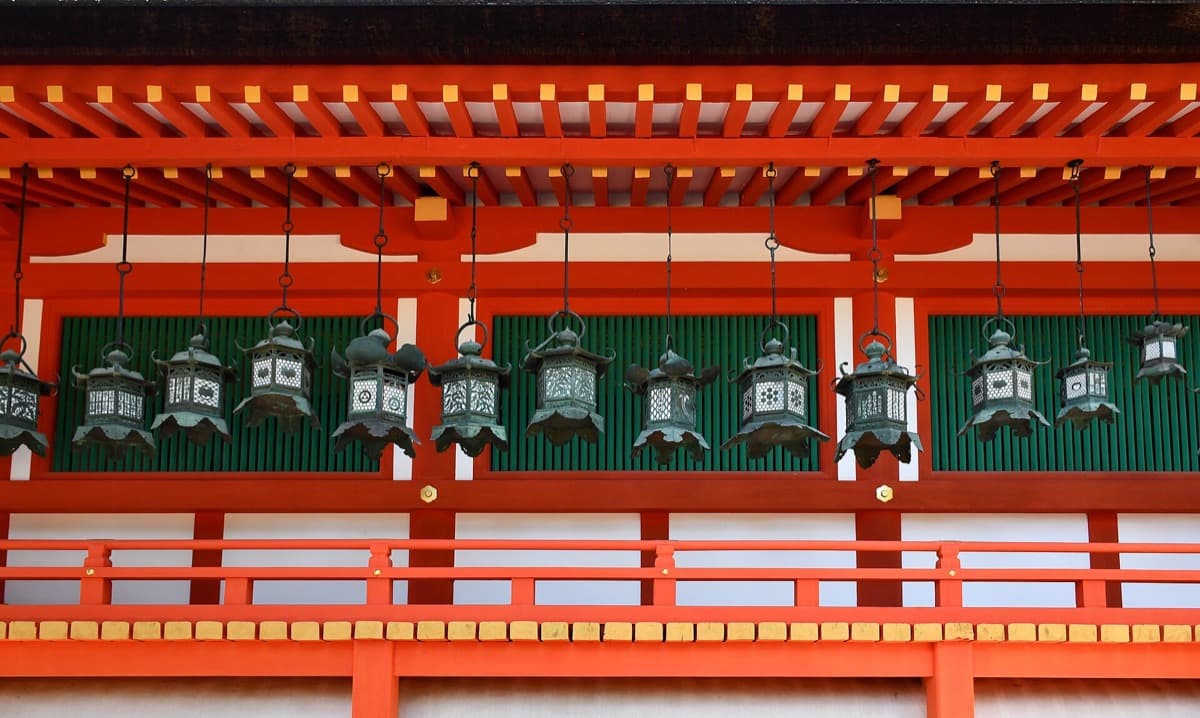
The vermilion main sanctuary, private shrine of the family that ruled Japan from behind the throne, rebuilt to the same design roughly every twenty years.
3
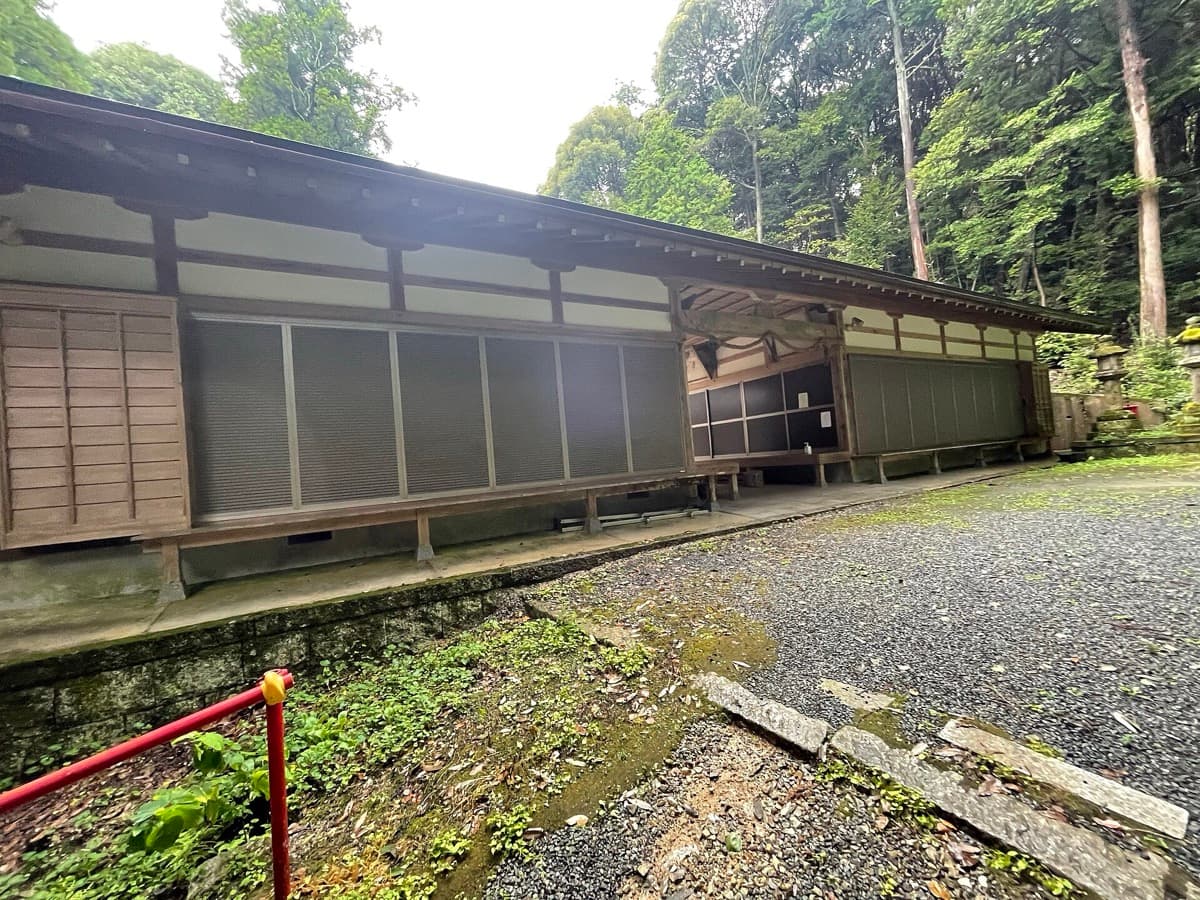
The Lantern Galleries
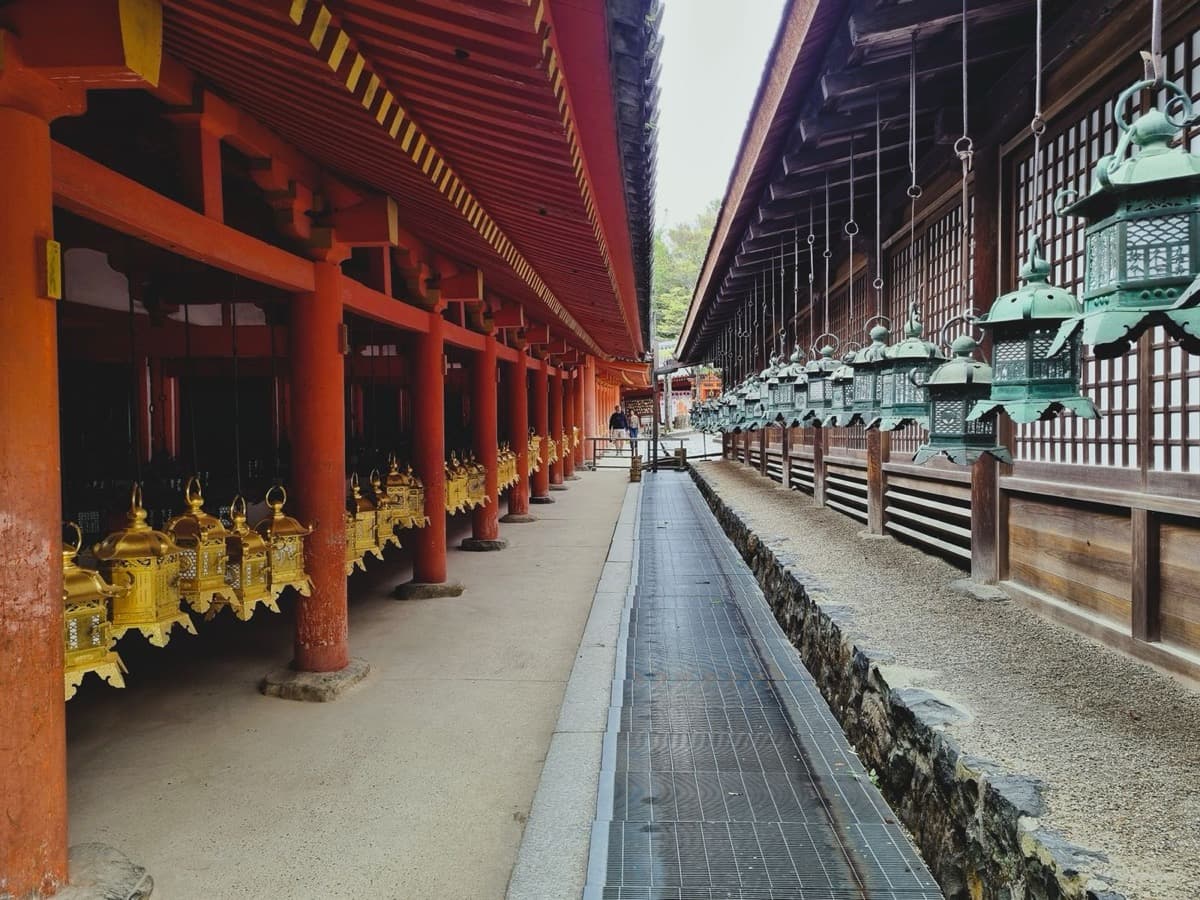
The roofed corridors around the sanctuary, hung with rows of aged bronze lanterns, lit all together only twice a year.
4
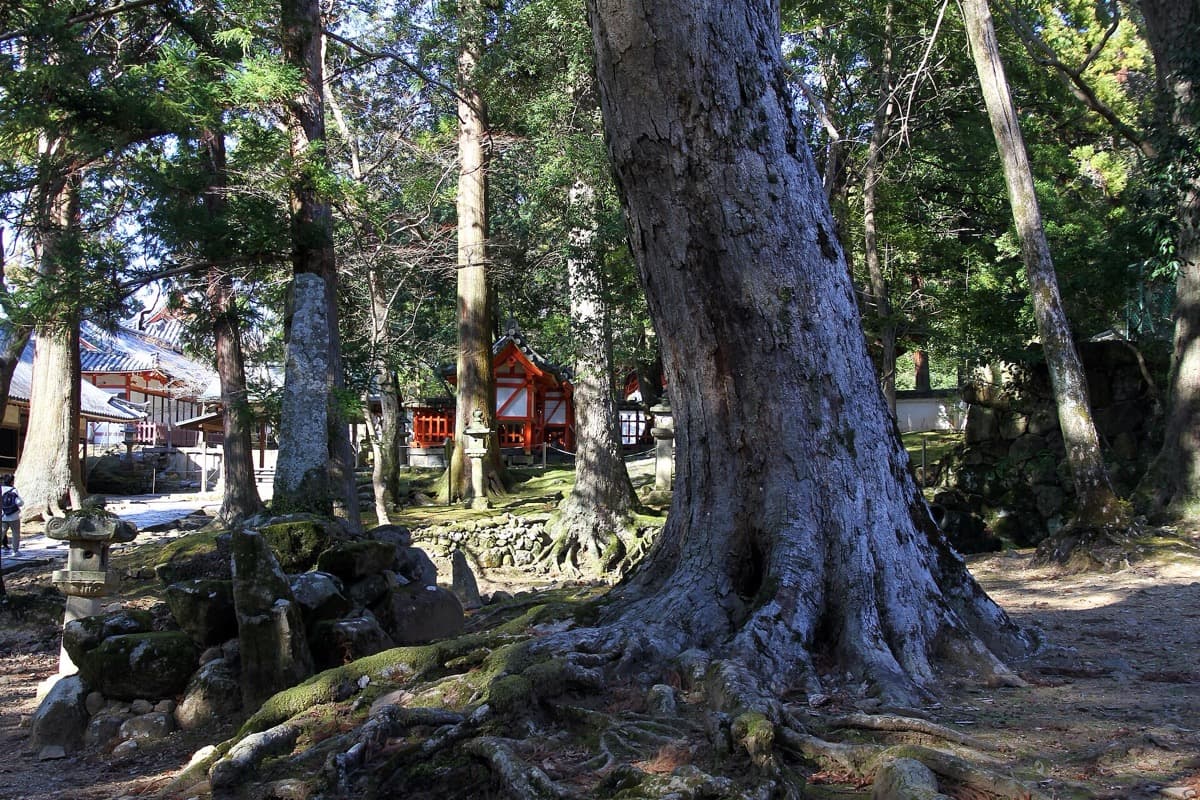
Wakamiya Shrine: The Unbroken Festival
An auxiliary shrine south of the main sanctuary whose festival has been held every single year since the twelfth century.
5
Kasugayama Primeval Forest: The Deliberate Wild
The primary forest above the shrine, where hunting and logging have been forbidden by imperial order since the year eight hundred and forty one.
6
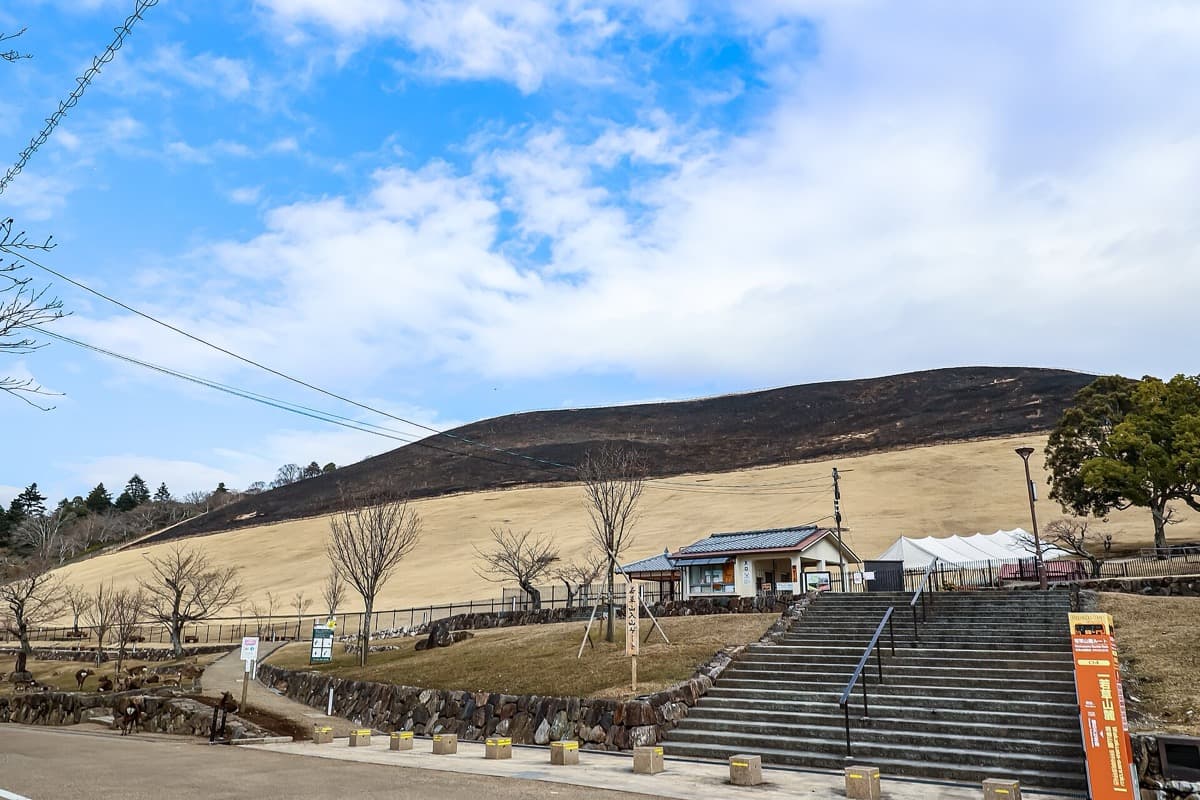
Mount Wakakusa: The Hillside That Is Burned
A grass hill at the park's edge whose entire slope is deliberately set ablaze every January, the opposite of the forest that was never cut.
Best Time to Visit
Early morning is ideal, when the deer are active on the cool approach and the lantern corridors are quiet before the crowds arrive. Late afternoon light turns the vermilion buildings and the moss-covered stone lanterns especially warm. If you want the full spectacle, time your visit to one of the Mantoro lantern-lighting festivals in early February or on August fourteenth and fifteenth, or to the Wakamiya On-Matsuri in mid December, though all three draw large numbers of visitors.
Pro Tips
- •The approach path and outer shrine grounds are free. The inner special worship area of the main shrine, where the bronze lantern corridors are best seen, costs around five hundred yen, so carry a little cash.
- •Do the walk uphill in order: the approach and deer first, then the shrine, then the forest edge, then finish high on Mount Wakakusa for the long view back over everything you passed.
- •Mount Wakakusa charges a small entry fee of around one hundred and fifty yen and is only open in season, roughly mid March to mid December, so check before you climb; you can always view the slope for free from the park below.
- •The two lantern-lighting Mantoro festivals, in early February and in mid August, are the only times all three thousand lanterns are lit together, so plan around them if the illuminated corridors are your priority.
- •Wear shoes you can walk gravel and slopes in, since the approach, the paths to the Wakamiya, and the climb to Mount Wakakusa are all uneven ground.
- •Bring water, especially in summer, as much of the route is outdoors with the steepest and most exposed stretch, Mount Wakakusa, saved for the end.
Safety & Precautions
- The deer are wild, protected animals, not pets. They can become pushy around the deer crackers sold in the park, so keep food out of sight and out of bags; a calm bow is a traditional way to greet them, and many will bow back before an offered cracker.
- Respect shrine etiquette in worship areas: keep your voice low, follow posted photography rules, and do not step off the marked paths, which is strictly forbidden inside the protected primeval forest.
- Check opening hours and fees before you go. The inner shrine area and Mount Wakakusa both charge small fees and keep seasonal or daytime hours, and Mount Wakakusa closes entirely outside its open season.
- Nara summers are hot and humid, and much of this route is exposed with a hill climb at the end, so carry water, use sun protection, and pace yourself; comfortable shoes are essential for the park gravel and slopes.
Gallery
Related Reading
Go deeper on what you'll see, hear, and walk through.
Overview
Best Self-Guided Walking Tours in Nara (2026)
3 min
Overview
Nara Travel Guide: Day Trip from Kyoto or Osaka, the Deer, How Long You Need (2026)
5 min
Overview
One Day in Nara: The Perfect Walkable Day Trip (2026)
5 min
Thematic
Best Culture Walking Tours in Nara (2026)
2 min
Deep dive
The Nara Forest No One Has Cut Since the Year 841
6 min