Ancient Town: The Port That Time Forgot
80 min · 1 km · easy
Yes, you can see the best of Hoi An in a single day. Few places make it this easy.
Hoi An is one of the rare towns where the whole story fits inside a small, flat, walkable center. This was a great international trading port from the 16th to the 18th century, where Japanese, Chinese, Dutch, and Portuguese merchants swapped silk and ceramics. Then the river silted, the ships moved to Da Nang, and the boomtown simply stopped and was preserved almost whole. Today its wooden shophouses, Chinese clan halls, and covered Japanese bridge sit within a 20-minute walk of each other, and at night the same streets fill with silk lanterns. This itinerary routes the essentials around a gentle walking day and names the self-guided Hoi An walking tour that anchors each block so the history walks with you.
One practical note before you start. You can wander the streets freely, but to go inside the heritage buildings you need the Old Town ticket, 120,000 VND (about 5 US dollars) for international visitors. It comes as five tear-off tabs, each good for one of the roughly 22 official sites, and one ticket easily covers a full day. Buy it at an official booth on the edge of the pedestrian zone, not from the buildings themselves.
Morning: the merchant port and the Japanese Covered Bridge
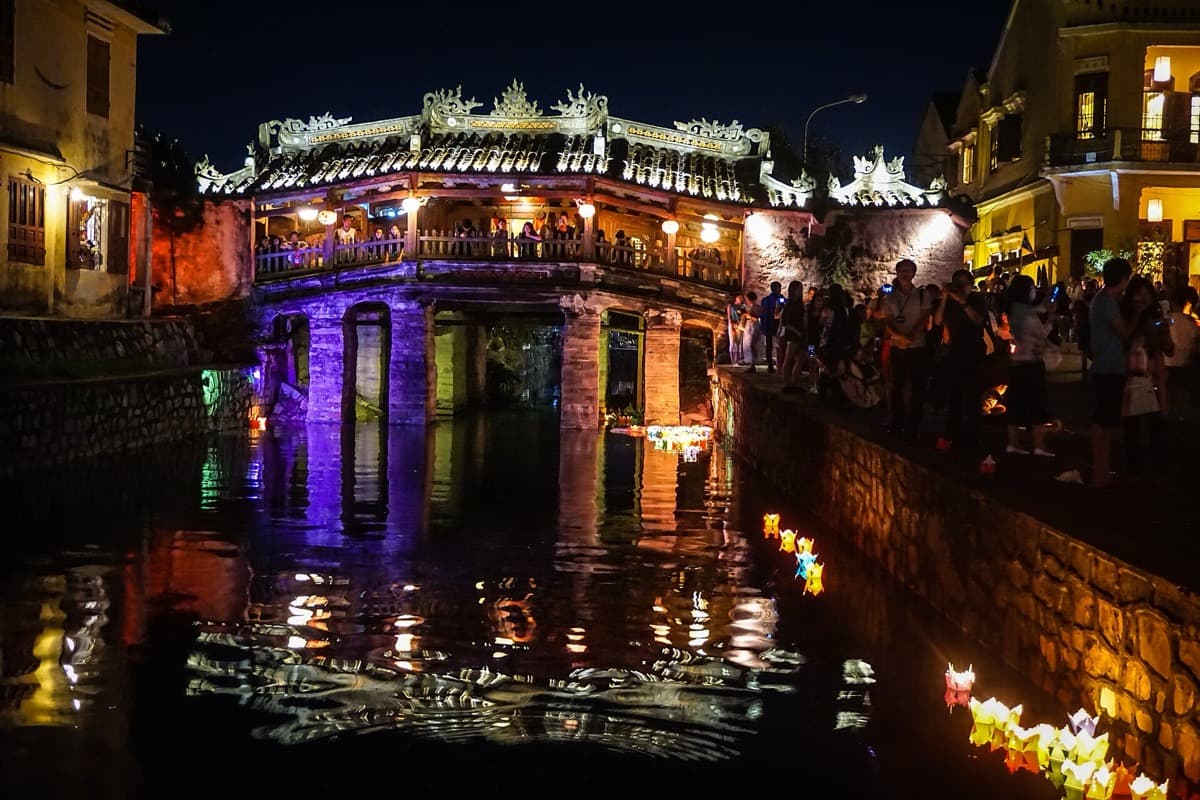
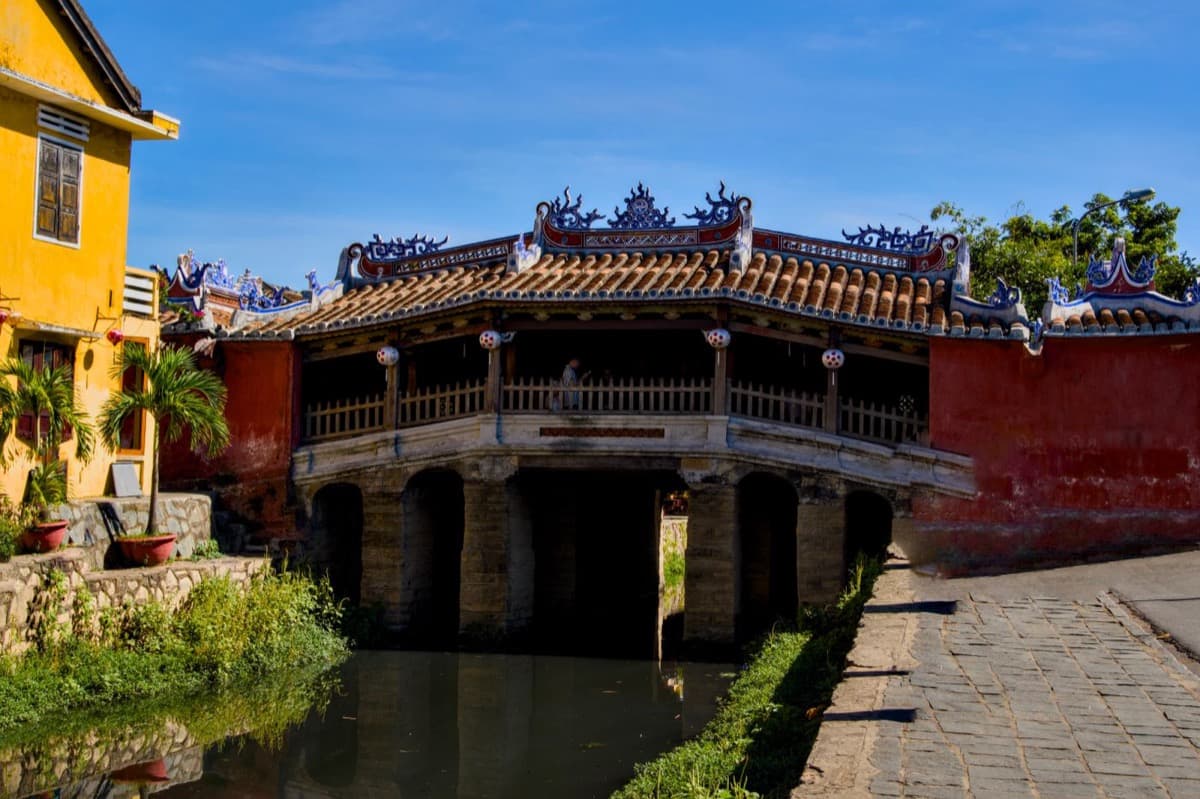
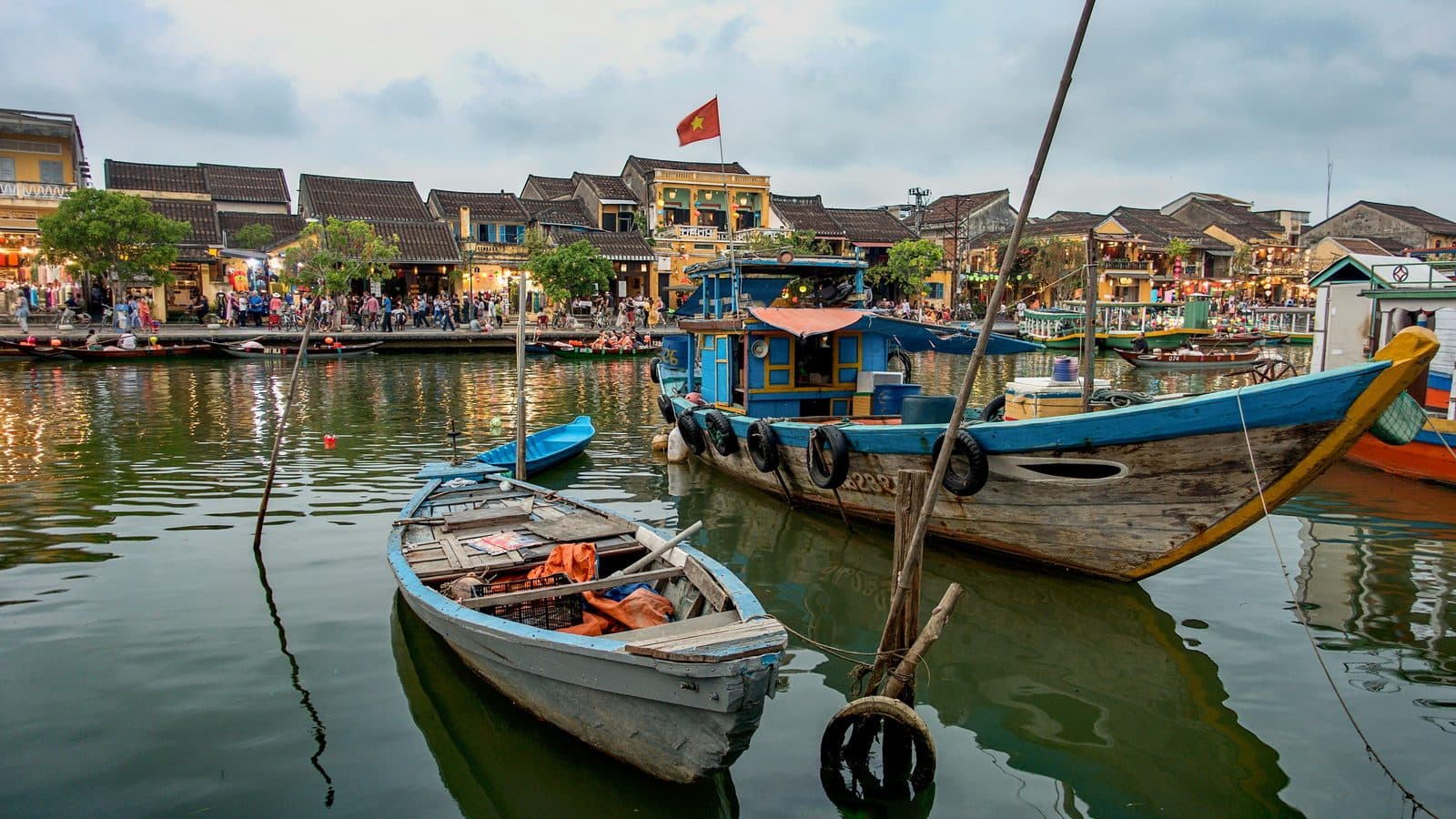
Start early, ideally before 9 am, when the lanes are cool and quiet enough to photograph. Begin at the Japanese Covered Bridge (Chua Cau), the little roofed bridge with a temple built into it that has become the emblem of Hoi An and appears on the country's banknote. From there, work east into the heart of the old port, past the historic merchant houses like Tan Ky and Phung Hung, wooden homes that have sheltered the same families for seven generations, and out to the Bach Dang riverfront and the central market.
This is the block to walk with The Port That Time Forgot self-guided audio tour. It reads the town as a harbor from the age of sail that got rich, got abandoned, and got saved by the very river that first made and then unmade it. If you want to go deeper on the anchor stop before you walk, the companion piece on the Japanese Covered Bridge is a fine primer on how one small bridge became a nation's symbol.
Morning is also the moment to fuel up on Hoi An's own dishes. See what to eat in Hoi An for the bowl of cao lau or the famous banh mi to grab before the heat sets in.
Midday: the Chinese assembly halls
Hear a stop from this walk
Bach Dang Riverfront: The Water That Made and Unmade the Town
By late morning, turn onto Tran Phu Street, the old town's spine, where the overseas-Chinese communities built their assembly halls. Each of the five, Fujian (Phuc Kien), Cantonese (Quang Trieu), Hainan, Chaozhou, and the combined Trung Hoa, is part temple, part clan clubhouse, part immigrant bank, built by a community of traders to feel less far from home. The Fujian Assembly Hall, dedicated to the sea goddess who protected the crossing, is the grandest and the one to prioritize if you enter only one.
Walk this stretch with The Halls of the Overseas Chinese self-guided tour, which reads five homesick communities in the temples they built, a map of who fled where. This is the right block to spend a couple of your ticket tabs, since the halls are the interiors most worth going inside. Midday heat makes it a natural time to be under a tiled roof rather than out on the open quay.
Afternoon: tailors, coffee, and the old houses
The hot middle of the afternoon is for the indoor pleasures Hoi An is known for. The town is Vietnam's tailoring capital, a legacy of its silk-trading past, and hundreds of tailor shops can measure, cut, and stitch a custom garment in a day or two. If you want something made, this is the time to get measured so it is ready before you leave. Break the afternoon with a Vietnamese coffee, and if you have a ticket tab left, duck into one more old house or a small museum, such as the Museum of Trade Ceramics, which lays out the cargo that made the town.
Wandering these blocks slowly is its own reward, and the merchant-port tour covers several of the old houses if you want narration as you go.
Evening: the lantern-lit river
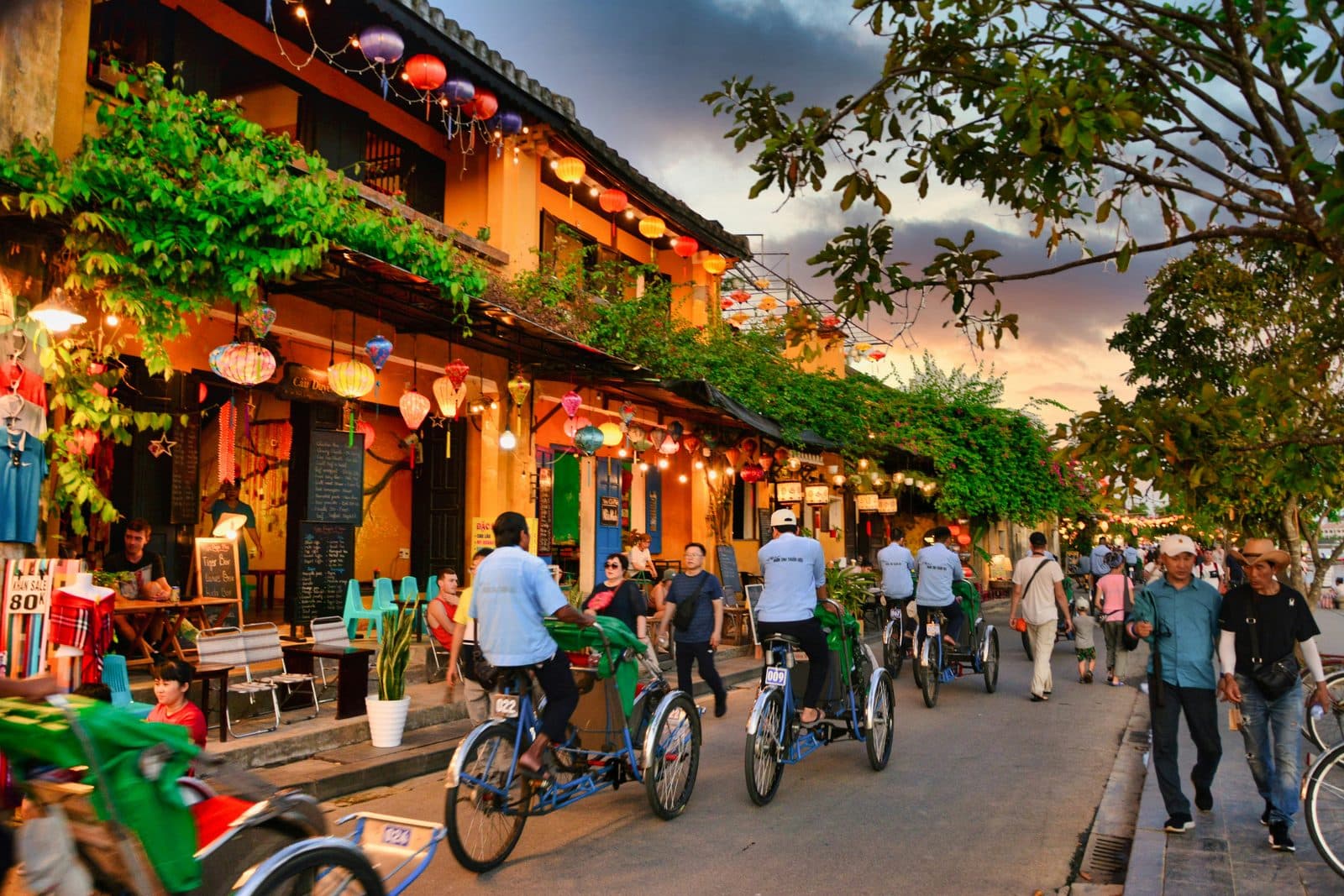
Stay for the night. This is what people remember. As dusk falls, Hoi An switches off most of its traffic, lights thousands of silk lanterns along the streets and over the Thu Bon River, and the An Hoi night market across the water turns commerce back into spectacle. Down on the quay, vendors sell little paper lanterns with a candle inside to float on the river, a wish sent downstream, and small boats will row you out among the reflections.
Walk the waterfront with Lanterns on the Thu Bon self-guided tour, which tells the story of how a dead port learned to glow: after the ships stopped coming, Hoi An turned its silk, its river, and its lantern craft into a nightly performance. For the fuller version of that idea, the companion piece on how a dead port learned to glow is the perfect close to the day. End with dinner at a riverside table before the crowds thin.
The one-day route at a glance
| Block | Where | Anchor tour |
|---|---|---|
| Morning | Japanese Covered Bridge, old houses, riverfront, market | The Port That Time Forgot |
| Midday | The five Chinese assembly halls on Tran Phu | The Halls of the Overseas Chinese |
| Afternoon | Tailors, coffee, one more old house or museum | (Merchant-port tour continues) |
| Evening | Lanterns, An Hoi night market, floating candles | Lanterns on the Thu Bon |
Plan the rest of your trip
One well-planned day sees the Ancient Town. For how many days Hoi An really deserves, how to get around, and when to go, read the Hoi An travel guide. For every route in town, see the best self-guided walking tours in Hoi An, or browse all Hoi An tours. Every tour is free to start: the introduction and first stop play in full, and every later stop plays a short preview before an optional purchase.
Frequently asked questions
- Can you see Hoi An in one day?
- Yes, better than most destinations. Hoi An Ancient Town is small, flat, and closed to most traffic, so its main sights sit within a 20-minute walk of each other: the Japanese Covered Bridge, the old merchant houses, the Chinese assembly halls, the central market, and the riverfront. A focused day covers all of it comfortably, ideally staying into the evening when the lanterns come on. What a single day cannot add is the beaches, the countryside, and the outlying Cham ruins, which most travelers save for a second or third day.
- Do I need the Old Town ticket for a one-day visit?
- You can walk the streets, cross the river, browse the tailor shops, and soak up the atmosphere without any ticket. The Hoi An Old Town ticket, 120,000 VND (about 5 US dollars) for international visitors, is only required to enter the heritage buildings: the old houses, the Chinese assembly halls, the museums, and the interior of the Japanese Covered Bridge. One ticket has five tear-off tabs, letting you pick five of the roughly 22 official sites, which is plenty for one day. Buy it at an official booth around the edge of the pedestrian zone.
- How much walking is a one-day Hoi An itinerary?
- Very little by big-city standards. The whole Ancient Town route is roughly 2 to 4 km on flat ground, spread across the day with plenty of shop, food, and coffee stops. It is one of the easiest walking days in Vietnam. If you want to reach An Bang Beach or the countryside, rent a bicycle, since those sit a few kilometers outside the old center.
- What is the best part of the day to be in Hoi An?
- Both ends. Come to the Ancient Town early, before about 9 am, when the light is soft and the lanes are quiet enough to photograph the covered bridge and old houses without crowds. Then stay for the night, when the town switches off its motorbikes, lights thousands of silk lanterns, and floats paper candles down the Thu Bon River. The middle of the day is hot and busy, which makes it the right time for an indoor tailor fitting, a museum, or a long lunch.
Ready to experience it?
Ancient Town: The Port That Time Forgot
80 min · 1 km · easy
More from Hoi An
Explore more at your own pace.
Hoi An Travel Guide: How Many Days, Getting Around, When to Go (2026)
How to See Hoi An: The Town That Failure Saved

What to Eat in Hoi An: A Food Guide (2026)
A Map of Who Fled Where: Reading Hoi An's Assembly Halls
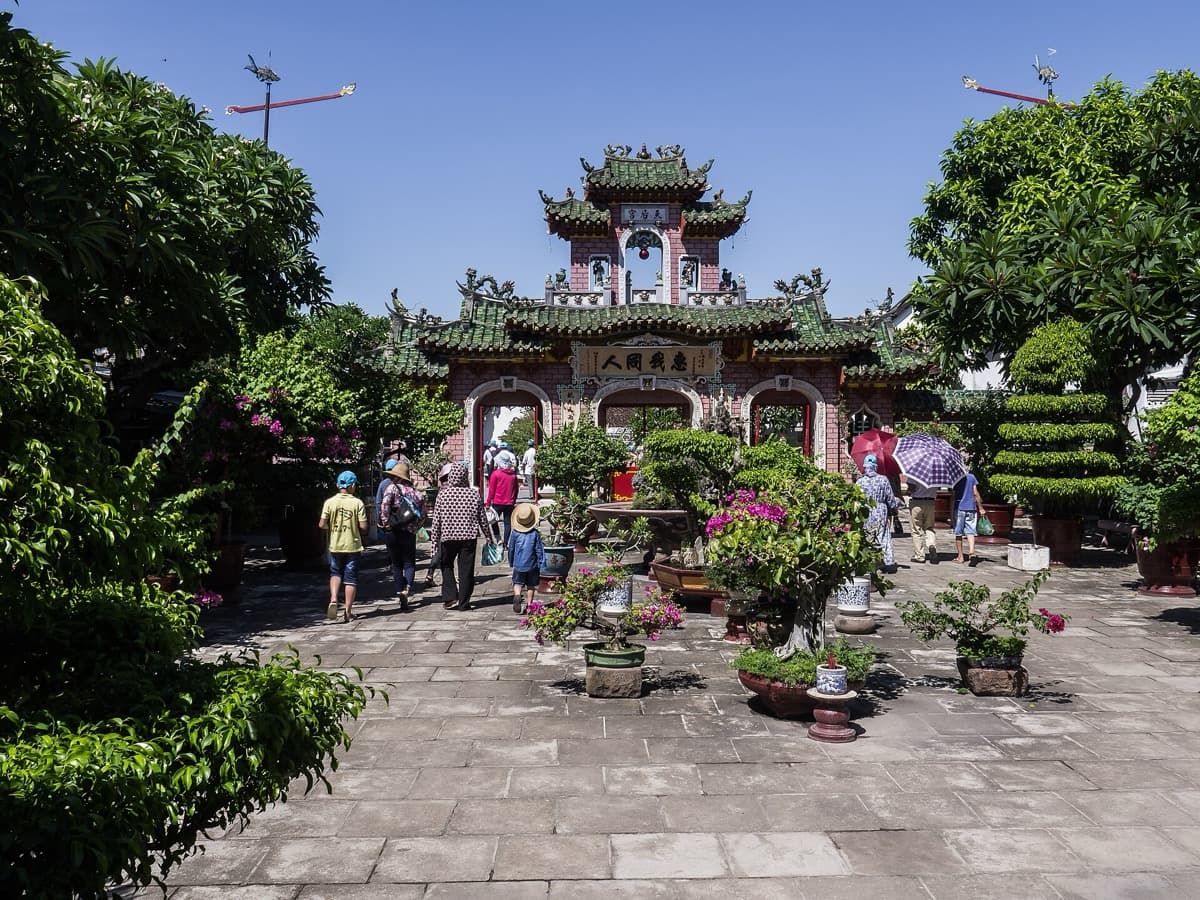
The Fujian Assembly Hall: A Cathedral Built by Refugees to the Sea That Carried Them