
Ancient Town: The Port That Time Forgot
80 min · 1 km · easy
Hoi An is one of the easiest places in Vietnam to plan. The Ancient Town is small, flat, and walkable, the town is remarkably safe, and it is cheap. Only two things really reward planning: timing, because the low-lying old center can flood in October and November, and the Old Town ticket, which decides which historic buildings you can go inside. This guide answers the practical questions travelers actually search, answer first, then the detail.
How many days do you need in Hoi An?
Short answer: two to three days for most people.
- 1 day is enough to see the entire Ancient Town on foot, ideally staying into the lantern-lit evening. Follow our focused one day in Hoi An route.
- 2 days adds An Bang Beach and the countryside by bicycle, plus time to have clothes tailored and refitted.
- 3 days brings a slower pace and a day trip, such as the My Son Cham ruins or a cooking class.
Because the airport is only about 30 km away, Hoi An slots neatly into a central-Vietnam loop with Da Nang and Hue. Under-scheduling is rarely the problem here; the mistake is more often not staying a single night, and so missing the town after dark.
Getting around Hoi An
Hear a stop from this walk
Bach Dang Riverfront: The Water That Made and Unmade the Town
The Ancient Town is a joy on foot, which is exactly how our self-guided Hoi An tours are built. For everything else:
- Walking. The old center is small, flat, and closed to cars and most motorbikes during pedestrian hours. You walk it, comfortably, in an afternoon.
- Bicycles. The best way to reach the beaches and countryside, which sit a few kilometers out. An Bang Beach is about 4 km away on flat lanes, an easy ride; Cua Dai Beach is nearby too.
- Taxis and Grab. Cheap and easy for longer hops. Use the Grab app to avoid haggling over fares.
- From the airport. Hoi An is about 30 km from Da Nang International Airport, roughly a 40 to 50 minute drive by taxi or pre-booked private car.
Best time to visit Hoi An
The timing that matters most:
- February to April (best). The dry season delivers warm, sunny days, low humidity, and comfortable walking weather. This is the prime window.
- May to July. Hot but dry, and good for the beach and Cham Island, with thinner crowds.
- October and November (avoid if you can). The peak of the rainy season. Heavy rain and typhoons can flood the Ancient Town, which sits low on the Thu Bon River. It does not flood badly every year, but the risk is real, so watch the forecast if you must travel then.
Is Hoi An safe?
Very. Hoi An is one of the safest and most relaxed towns in Vietnam, and an easy, welcoming place for solo and female travelers. Crime against visitors is rare, and because the pedestrianized Ancient Town is closed to most vehicles, the traffic that makes Vietnam big cities feel chaotic is largely absent. Ordinary precautions still apply: mind your belongings in evening crowds, use the Grab app or agree a fare before you ride, and respect the seasonal flood risk in October and November.
Hoi An on a budget
Hoi An is inexpensive, and much of its best experience costs nothing:
- Free to walk: the streets, the riverfront, the tailor-shop windows, the night market, and the lantern-lit lanes cost nothing. Only the heritage-building interiors need the ticket.
- The Old Town ticket: 120,000 VND, about 5 US dollars, with five tear-off tabs for five of the roughly 22 official sites. One ticket covers a full day of sightseeing.
- Eat cheap and well: a bowl of cao lau or a famous banh mi runs a couple of dollars. See what to eat in Hoi An.
- Tailoring is the one variable: you control the spend by how much you order. Choose a well-reviewed shop over the cheapest quote, and get measured early so you have time for a fitting.
- Skip the guide fee: Roamer self-guided audio tours are free to start, so you get expert narration without booking a guide, a start time, or a tip.
Start planning your walk
Ready to route your days? Read our one day in Hoi An itinerary, browse the best self-guided walking tours in Hoi An, or see all Hoi An tours. Every tour is free to start: the introduction and first stop play in full, and every later stop plays a short preview before an optional purchase. Tours can also be downloaded in advance for offline listening.
Frequently asked questions
- How many days do you need in Hoi An?
- Two to three days is the sweet spot. One day is enough to see the entire Ancient Town, ideally staying into the lantern-lit evening. Two days lets you add An Bang Beach and the countryside by bicycle, plus time to have clothes tailored. Three days adds a slower pace and day trips such as the My Son Cham ruins or a cooking class. Many people build Hoi An into a central-Vietnam loop with Da Nang and Hue, since the airport is only about 30 km away.
- How do you get around Hoi An?
- On foot and by bicycle. The Ancient Town is small, flat, and closed to cars and most motorbikes during pedestrian hours, so you walk it. For the beaches and countryside, which sit a few kilometers out, rent a bicycle; An Bang Beach is about 4 km away and an easy flat ride. For longer trips, taxis, the Grab app, and hired cars are cheap and easy. Hoi An sits about 30 km from Da Nang International Airport, roughly a 40 to 50 minute drive by taxi or private car.
- What is the best time of year to visit Hoi An?
- February to April is the best window: the dry season brings warm, sunny days, low humidity, and comfortable temperatures for walking the Ancient Town. The stretch to avoid if you can is October and November, the peak of the rainy season, when heavy rain and typhoons can flood the low-lying Old Town, which sits right on the river. It does not flood severely every year, but the risk is real. May to July is hot but dry and good for the beach.
- How does the Hoi An Old Town ticket work?
- You can walk the streets, cross the river, shop, and eat without any ticket. The Old Town ticket, 120,000 VND (about 5 US dollars) for international visitors, is only needed to enter the heritage buildings: the old merchant houses, the Chinese assembly halls, the museums, and the interior of the Japanese Covered Bridge. Each ticket has five tear-off tabs, so you choose five of the roughly 22 official sites. Buy it at an official booth around the edge of the pedestrian zone, not at the buildings.
- Is Hoi An safe for tourists?
- Yes, very. Hoi An is one of the safest and most relaxed towns in Vietnam, welcoming for solo and female travelers. Violent crime against visitors is rare and the pedestrianized Ancient Town is calm at night. Ordinary precautions apply: mind your belongings in crowds, agree taxi fares or use the Grab app, and be aware of the seasonal flood risk in October and November. Traffic is far gentler than in Vietnam big cities because the old center is closed to most vehicles.
- Can you get clothes tailored in Hoi An, and how long does it take?
- Yes, tailoring is one of the things Hoi An is most famous for, a legacy of its silk-trading past, and hundreds of tailor shops fill the town. A custom garment can often be made in a day or two, so get measured early in your stay and allow time for one fitting. Prices and quality vary widely, so it is worth choosing a well-reviewed shop rather than the cheapest quote, and building in a buffer day before you leave.
- Is Hoi An expensive?
- No. Hoi An is inexpensive by Western standards. A bowl of the town local specialty cao lau or a famous banh mi costs a couple of US dollars, a comfortable room is affordable, and bicycles rent for very little. The main variable spends are tailoring, which you control by how much you order, and the Old Town ticket at about 5 US dollars. Self-guided audio tours are free to start on Roamer, so you get expert narration without hiring a guide.
Ready to experience it?
Ancient Town: The Port That Time Forgot
80 min · 1 km · easy
More from Hoi An
Explore more at your own pace.
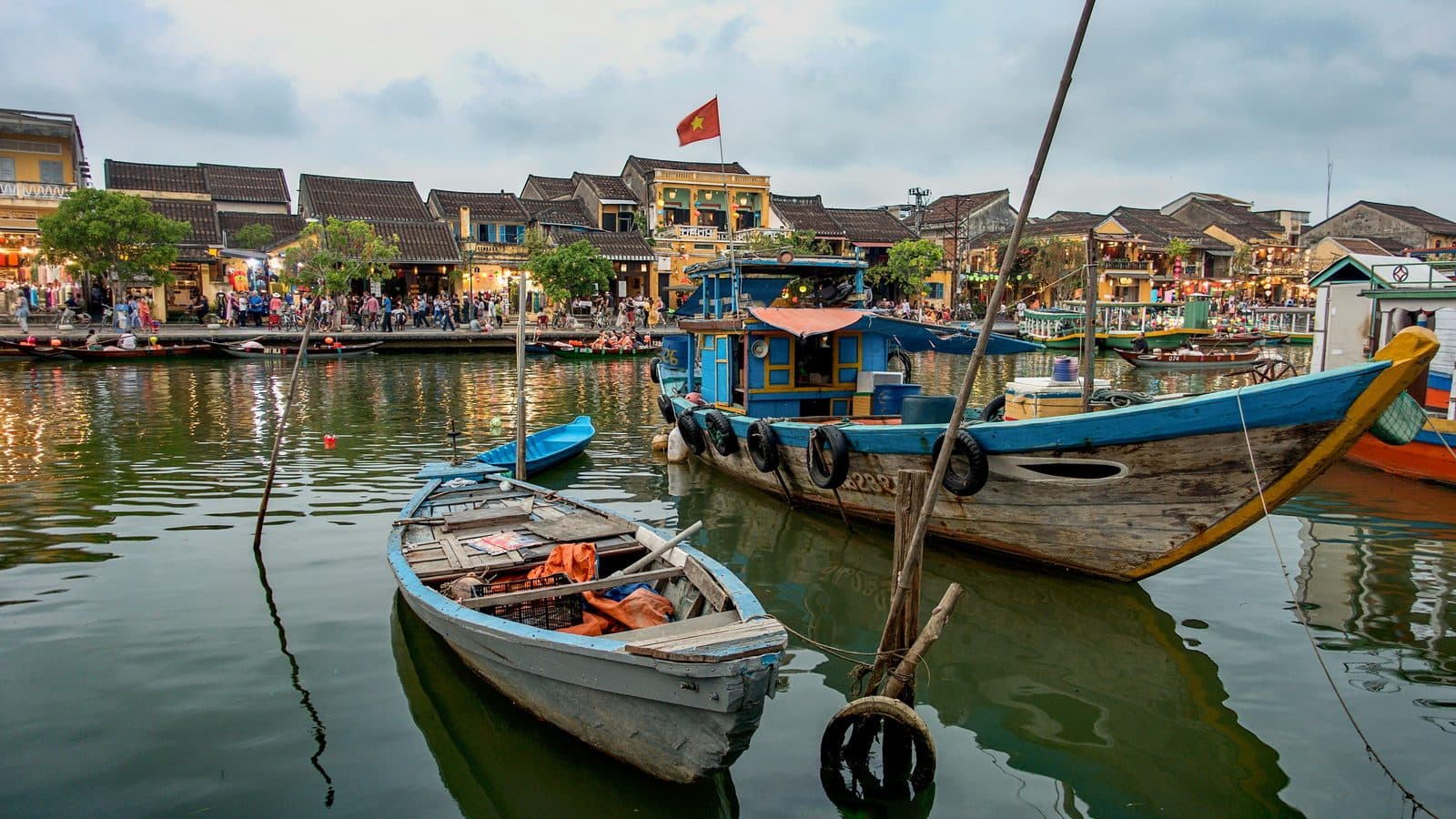
How to See Hoi An: The Town That Failure Saved

One Day in Hoi An: A Walkable Ancient Town Itinerary (2026)

What to Eat in Hoi An: A Food Guide (2026)
A Map of Who Fled Where: Reading Hoi An's Assembly Halls
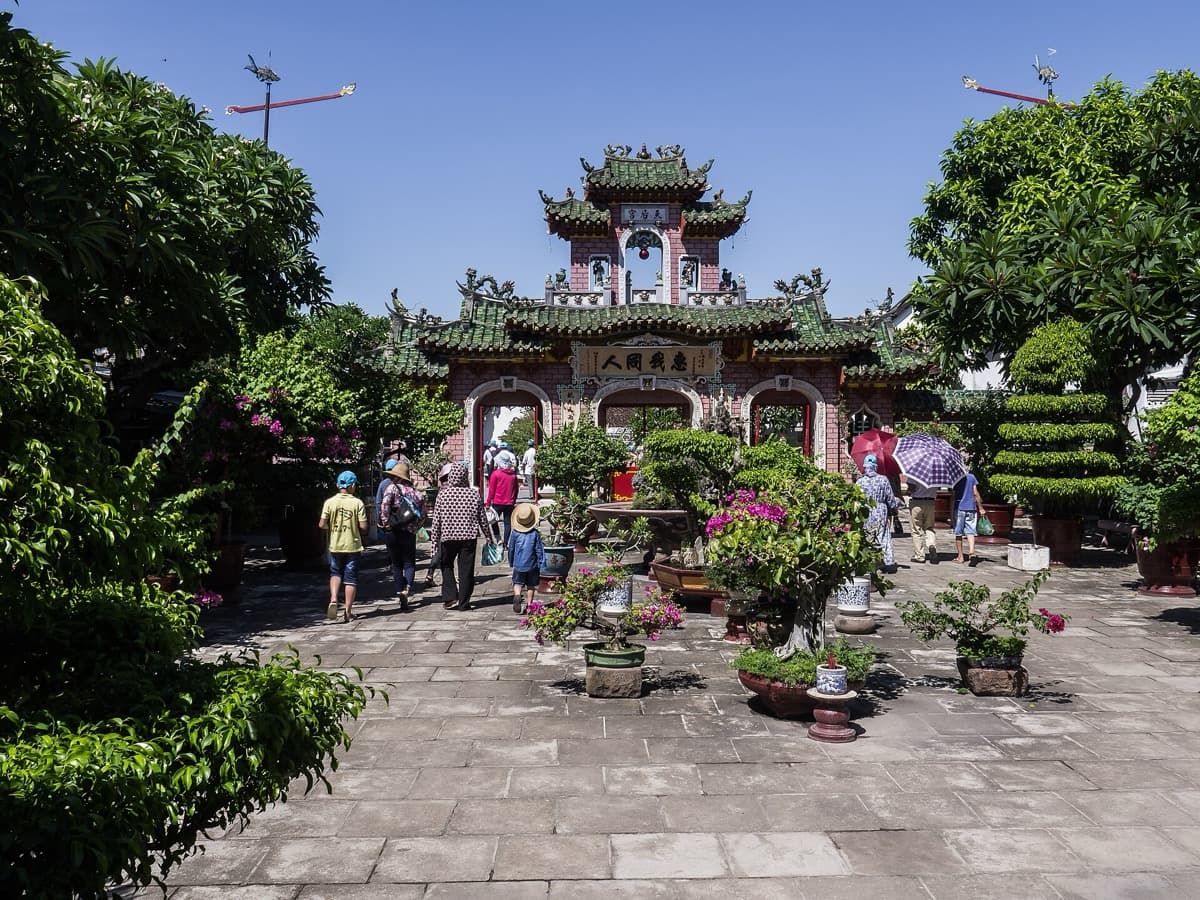
The Fujian Assembly Hall: A Cathedral Built by Refugees to the Sea That Carried Them