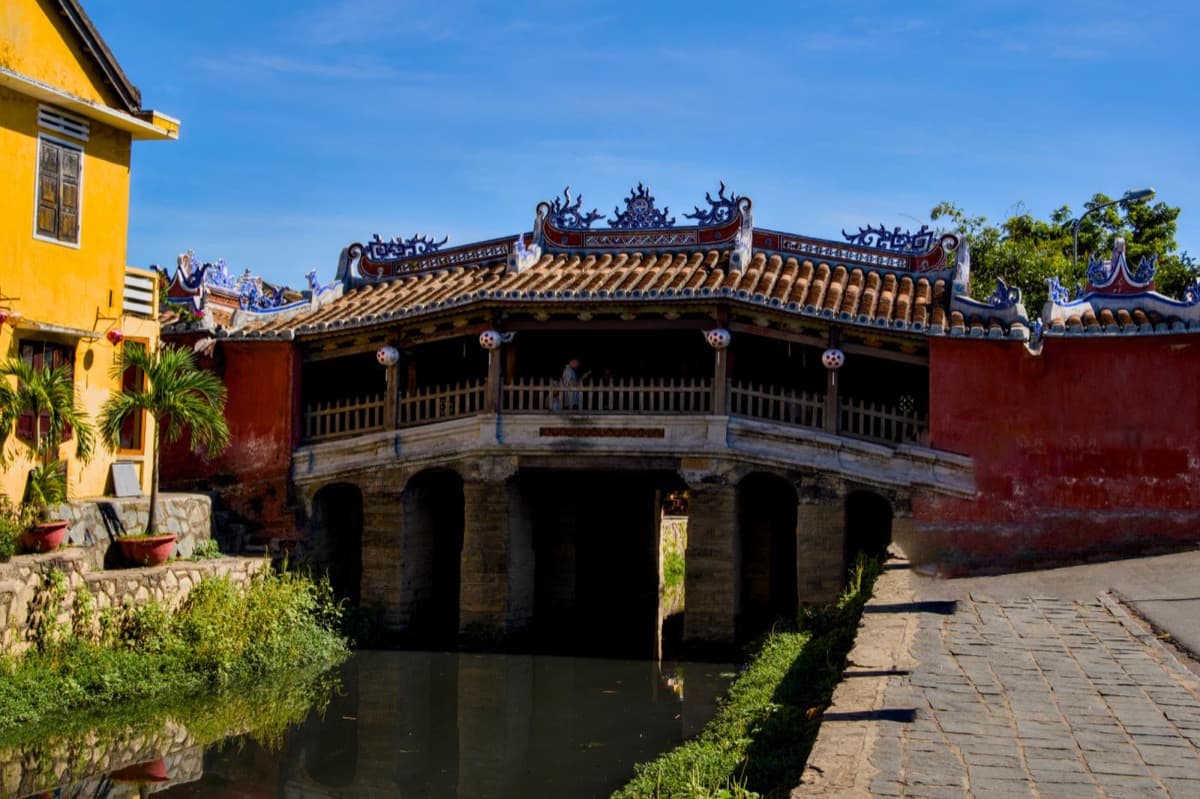
The Port That Time Forgot
Walk a perfectly preserved harbor from the age of sail, a Southeast Asian trading port that got rich, got abandoned, and got saved by the same river. From the Japanese covered bridge to the working market and the Thu Bon quay, read the story of Hoi An in the buildings that outlived its ships.
4.55|80 minutes|1 km|6 Stops
Start
Japanese Covered Bridge: Chua Cau, the Origin Symbol
1
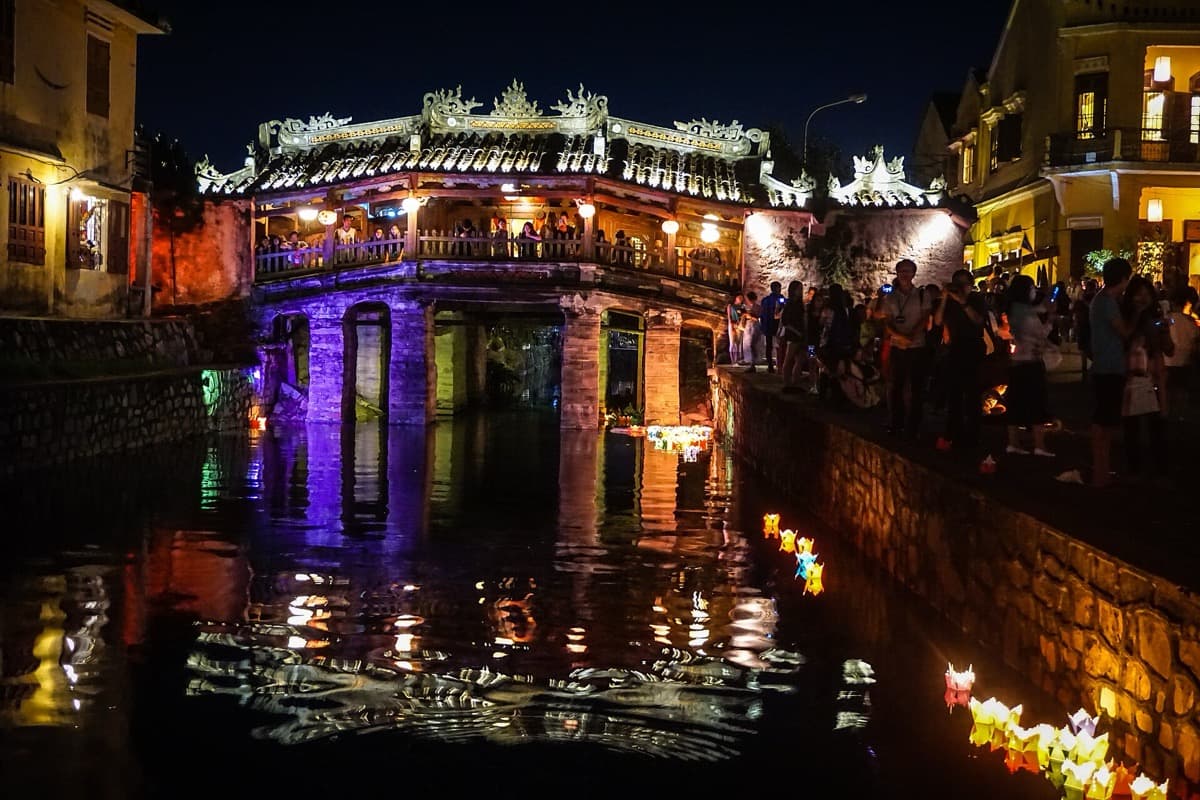
Japanese Covered Bridge: Chua Cau, the Origin Symbol
The little roofed footbridge at the western edge of the old town, built by Japanese merchants in the fifteen hundreds and now the enduring emblem of Hoi An.
2
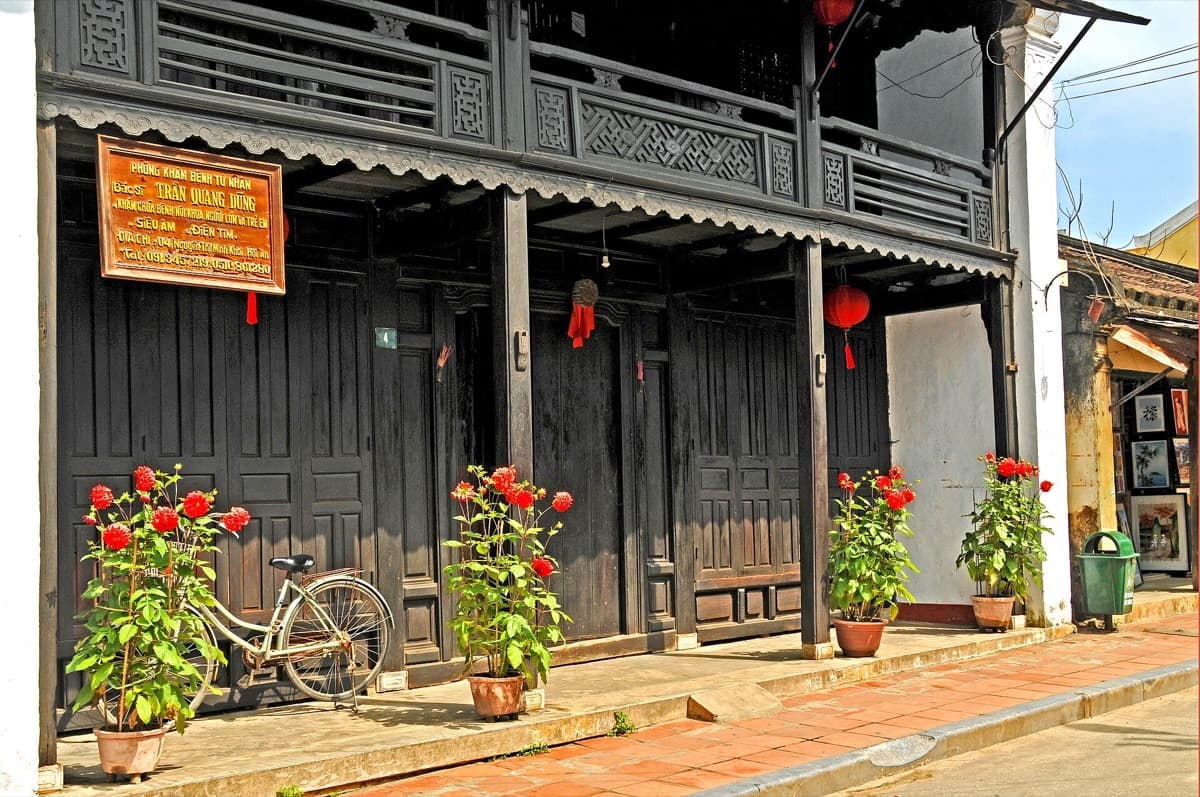
Phung Hung Old House: Living With the River
A tall timber merchant home just west of the bridge, built around seventeen eighty, whose ceiling trapdoor reveals how trading families defended their goods against the Thu Bon's floods.
3
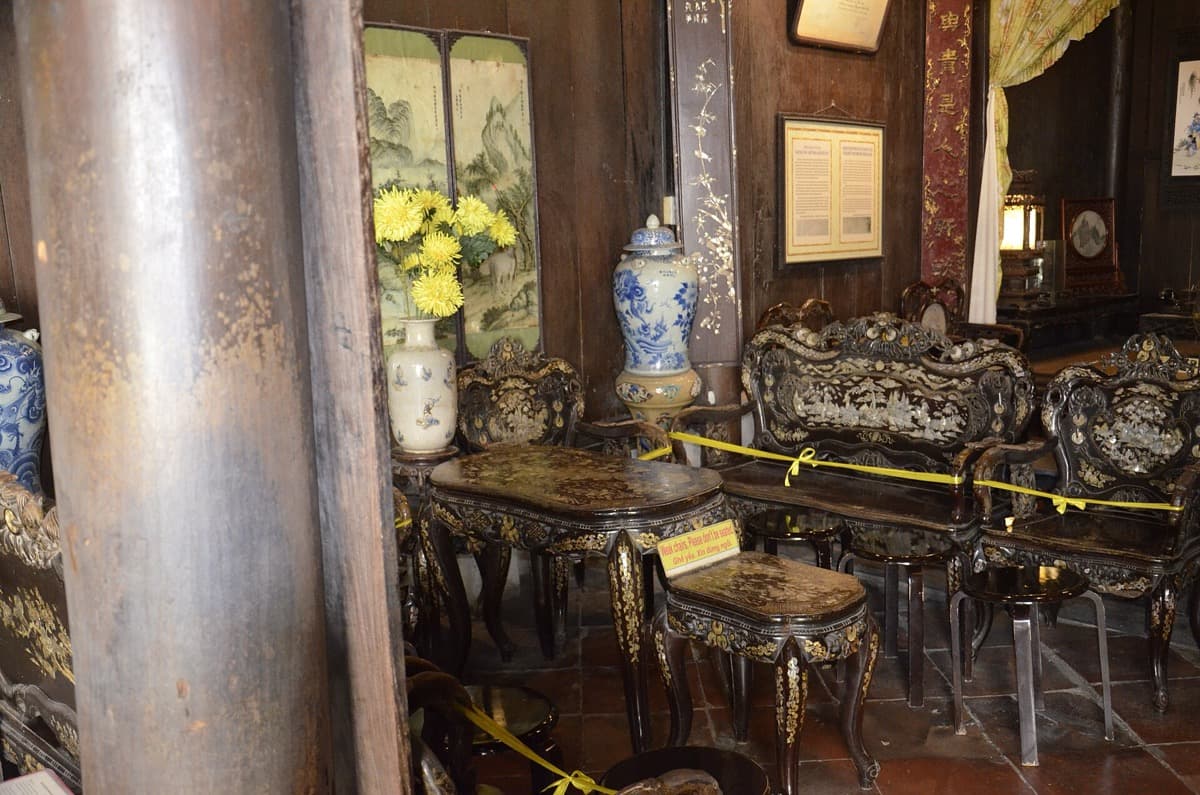
Tan Ky Old House: Seven Generations Under One Roof
A preserved merchant house one block back from the river, home to the Le family for seven generations and said to be built without a single iron nail.
4
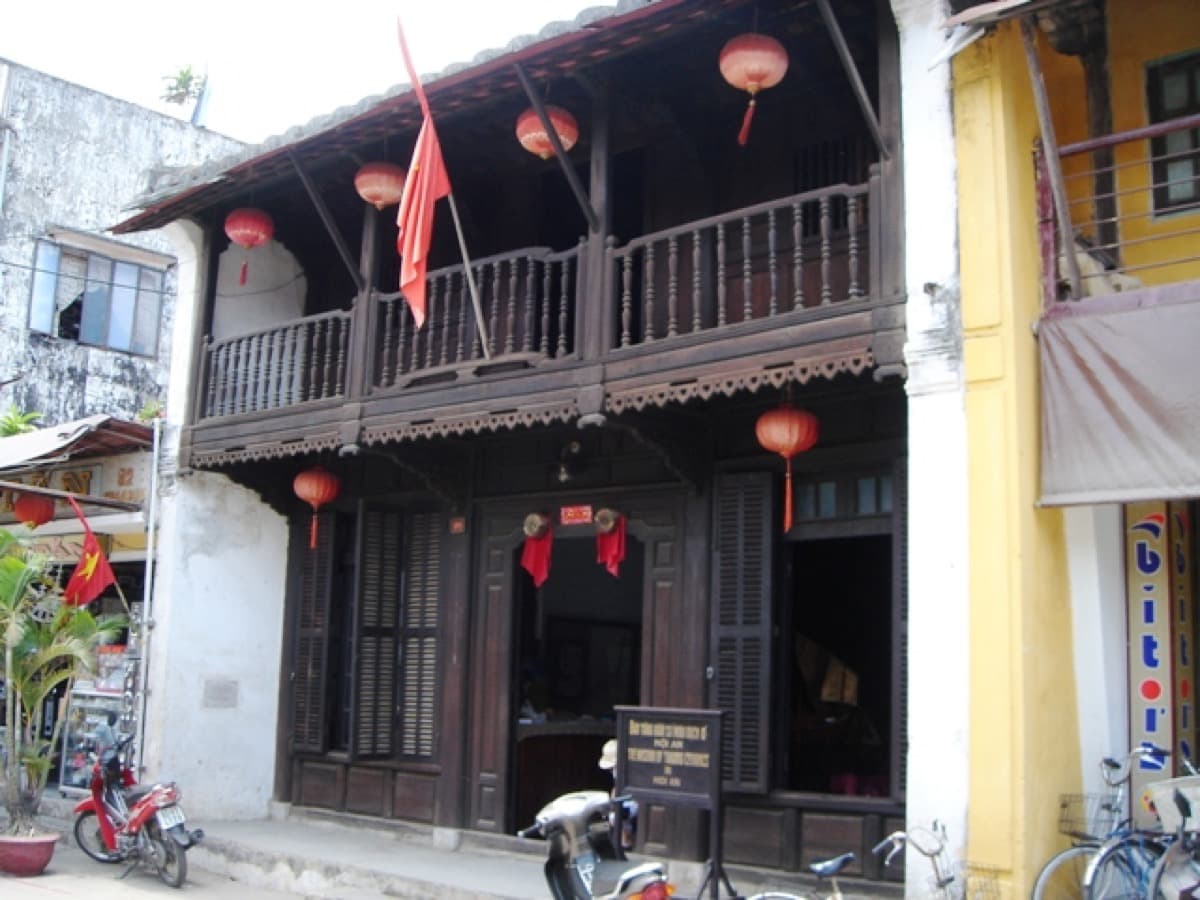
Museum of Trade Ceramics: The Cargo Made Tangible
A restored timber house on Tran Phu Street holding nearly three hundred seventy ceramics, some recovered from shipwrecks, that reveal what the port's whole trade was for.

5
Hoi An Central Market: The Commerce That Never Left
The riverside covered market at the eastern end of the old town, a trading institution since the early seventeen hundreds and still the town's beating commercial heart.
6
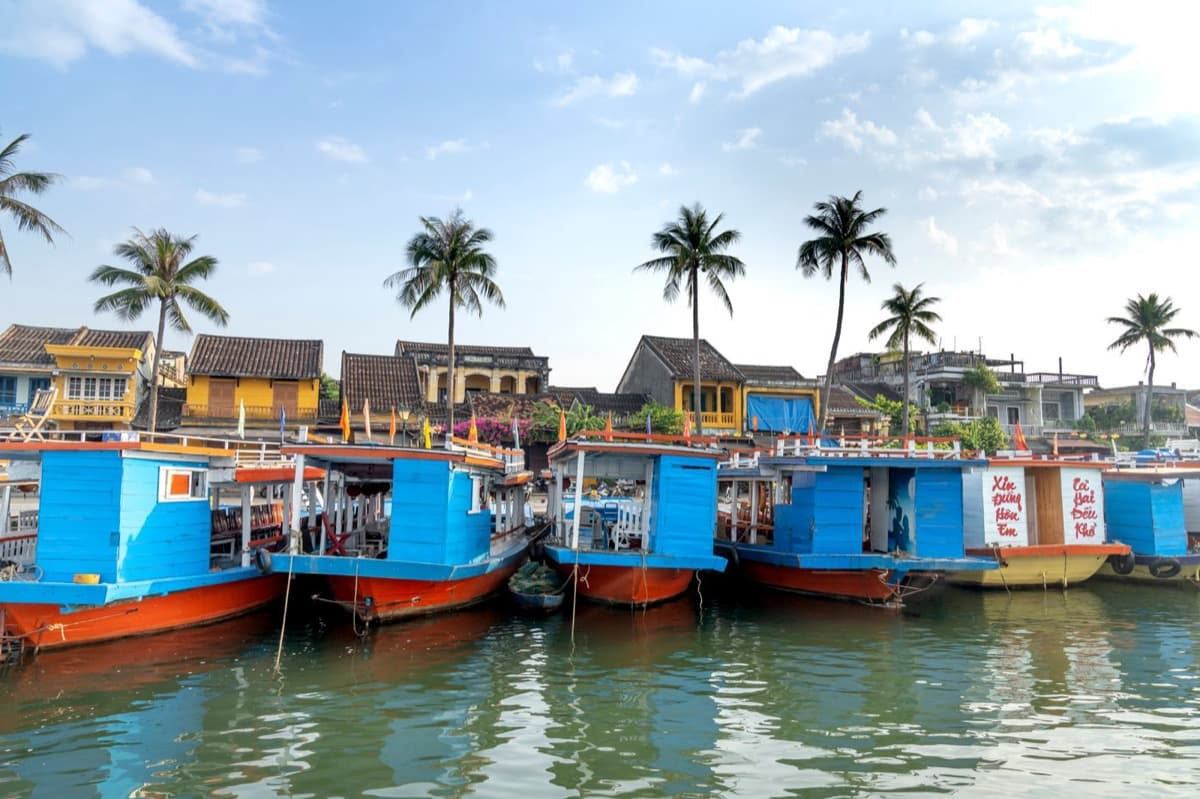
Bach Dang Riverfront: The Water That Made and Unmade the Town
The Thu Bon river quay along the southern edge of the old town, where the harbor that brought wealth then silted, sent the trade to Da Nang, and by failing preserved everything you have walked through.
Best Time to Visit
Early morning or late afternoon into the evening, when the central Vietnam heat eases and the lantern-lit streets and riverfront are at their most atmospheric. The old town is busiest around midday, so an early start gives you the quiet merchant houses nearly to yourself, while dusk brings the river and its lanterns to life.
Pro Tips
- •The Hoi An Ancient Town combined ticket, around one hundred twenty thousand dong, admits you to a choice of heritage sites including the covered bridge, Tan Ky, Phung Hung, and the Museum of Trade Ceramics. Buy it at a ticket booth near the entrances to the old town.
- •The market and the open riverfront are free to walk, so you can enjoy the final two stops with no ticket at all.
- •Wear light, breathable clothing and carry water. The old town is compact and flat, but the heat and humidity here are serious.
- •Go early to see the merchant houses in relative quiet, then circle back to the river toward dusk when the lanterns come on.
- •The stops sit close together in a dense, walkable cluster, so take them at your own pace and skip any that do not pull you in.
- •Hoi An's tailoring, silk, and lantern crafts are living traditions worth browsing, but treat them as part of the atmosphere rather than a checklist.
Safety & Precautions
- Central Vietnam is hot and humid for much of the year. Pace yourself, stay hydrated, and use the shade of the covered houses and the market during the midday heat.
- The Thu Bon river floods seasonally, especially from around September through November, and streets near the water can be submerged. Check local conditions before visiting in the wet months.
- The merchant houses and the bridge temple are working heritage sites and, in the temple's case, a place of worship. Keep your voice low, remove hats where asked, and do not touch the fragile timber or the artifacts.
- If you take a boat on the river, wear the life jacket provided and avoid overloaded vessels, particularly after dark or in high water.
Gallery
Related Reading
Go deeper on what you'll see, hear, and walk through.
Overview
Best Self-Guided Walking Tours in Hoi An (2026)
3 min
Overview
Hoi An Travel Guide: How Many Days, Getting Around, When to Go (2026)
4 min
Overview
How to See Hoi An: The Town That Failure Saved
7 min
Overview
One Day in Hoi An: A Walkable Ancient Town Itinerary (2026)
6 min

Thematic
What to Eat in Hoi An: A Food Guide (2026)
4 min
Companion
The Harbor That Failure Saved: How a Silted River Preserved a Whole Port
7 min
Deep dive
The Japanese Covered Bridge: A Little Bridge That Became a Nation's Emblem
5 min