Giza: The Pyramids and the Sphinx
150 min · 5 km · moderate
One well-planned day in Cairo, Egypt covers three of the city's defining layers on foot: the Giza plateau in the cool morning, the medieval spine of Islamic Cairo in the afternoon, and the quiet churches of Coptic Cairo either as an early first stop or a calm close. Cairo is enormous and its traffic is real, so the trick is not walking between these areas (you will take a taxi or the Metro to link them) but walking deeply within each one, where the distances are short and the reward is high. Below is a morning-to-evening route, with verified hours, ticketing, and honest logistics, tied to the self-guided audio walks you can run on your own phone at your own pace.
The short answer: how to spend one day in Cairo
Go to Giza first, at opening, before the heat and the crowds. Spend the late morning and midday on the plateau and, if time and energy allow, at the Grand Egyptian Museum a short drive away. In the afternoon, move to Islamic Cairo and walk Al-Muizz Street from gate to gate, ending with tea near Khan el-Khalili. If you want a third, gentler layer, add Coptic Cairo, which is compact, mostly free, and easy to reach by Metro. Three areas, three moods, one day. You will not see everything Cairo holds, and that is the point of moving at your own pace instead of a bus schedule.
If you would rather browse everything first, start at Cairo walking tours or the city page at /egypt/cairo.
Morning: the Giza plateau (roughly 8:00 to midday)
Hear a stop from this walk
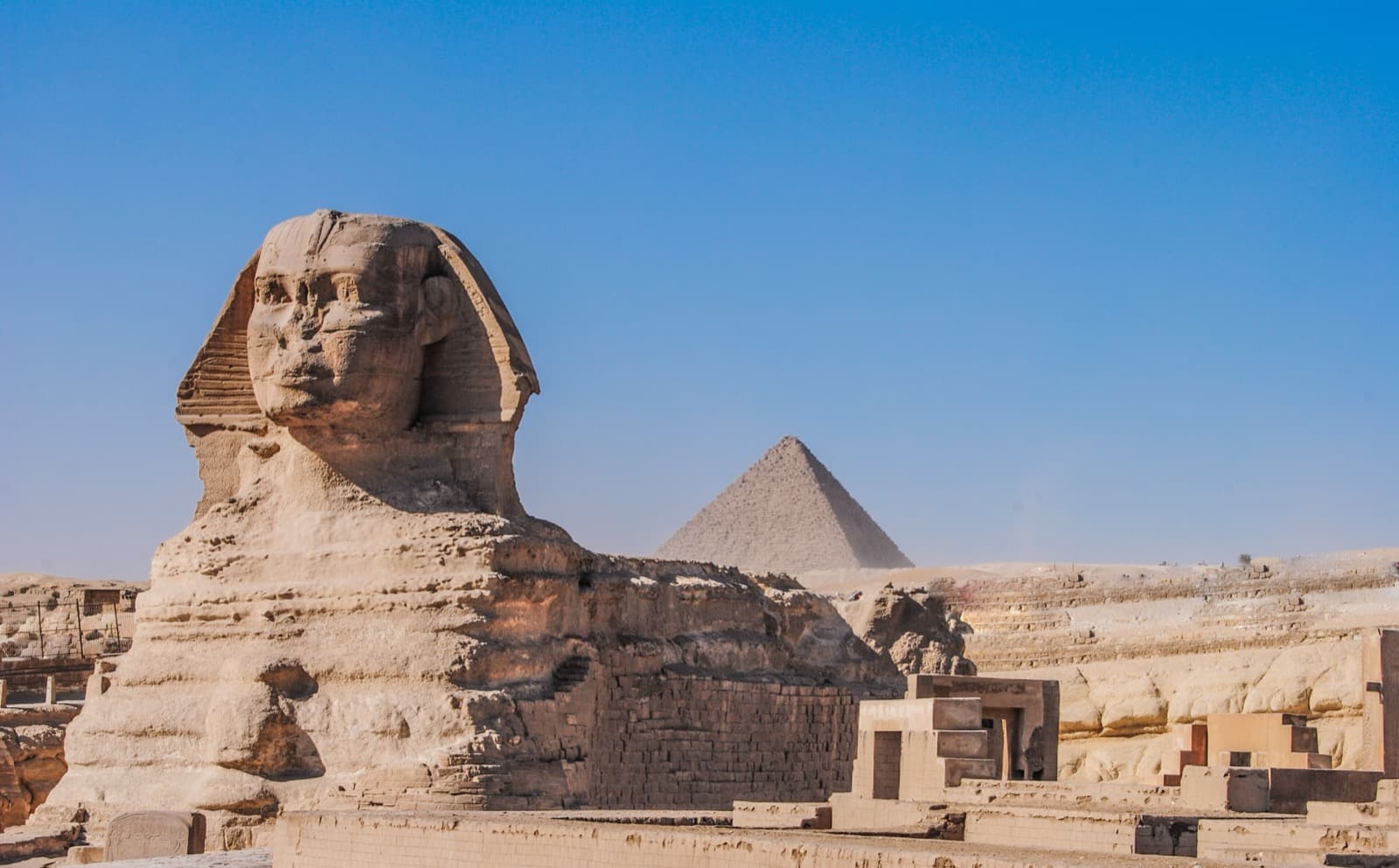
The Great Sphinx: The Guardian Facing the Sunrise
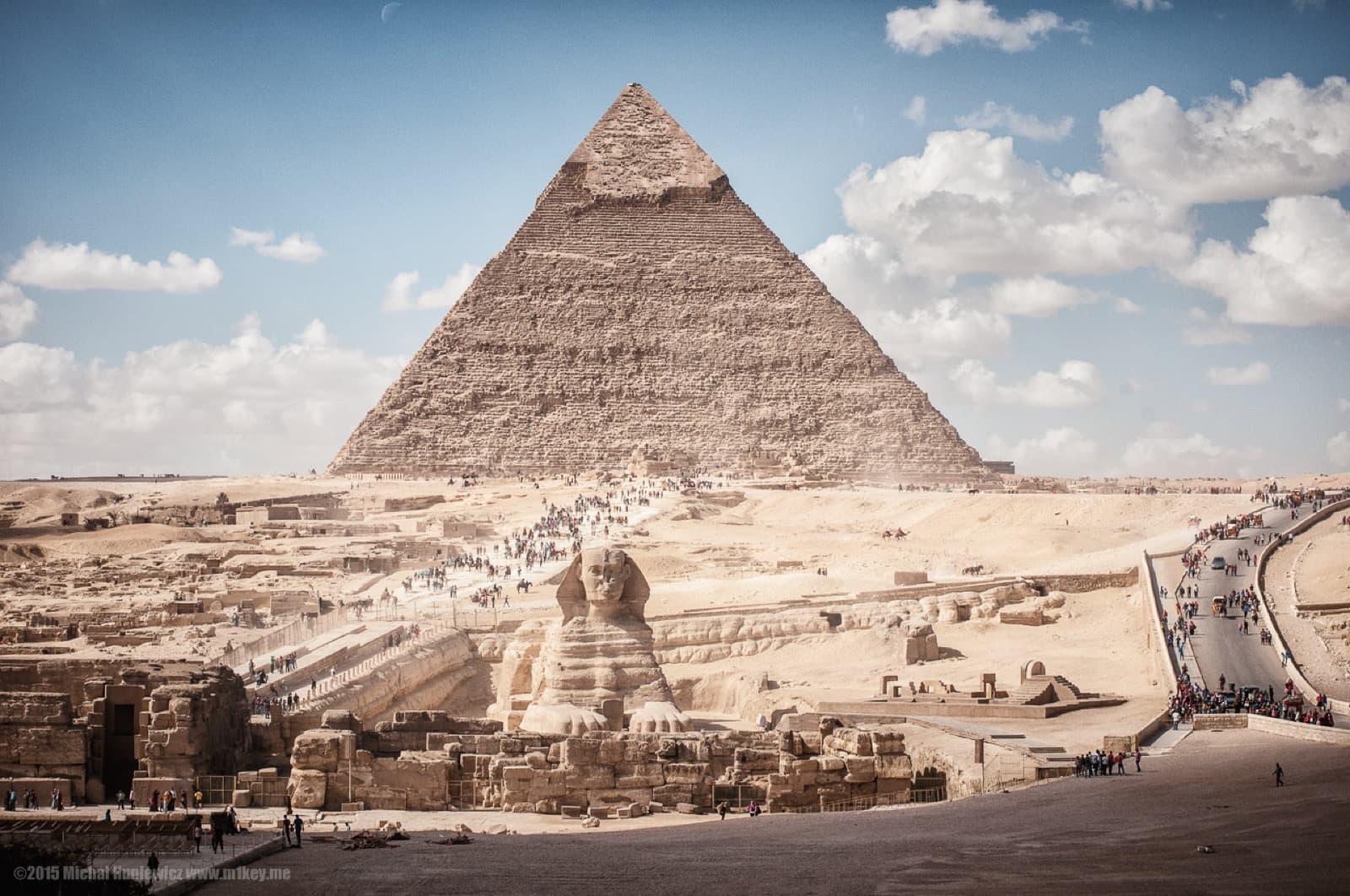
Begin at the pyramids. The Giza plateau opens in the morning, generally from around 8:00, and getting there near opening buys you softer light, cooler air, and thinner crowds before the tour buses arrive. General plateau entry for foreign adults is 700 EGP, which lets you walk among the Great Pyramid of Khufu, the Pyramid of Khafre, and the Pyramid of Menkaure, out to the panorama point, and down to the Great Sphinx. Going inside a pyramid costs a separate, additional ticket, and the interior tickets (especially for the Great Pyramid) are limited each day and can sell out, so decide early if that matters to you.
One important 2026 update: most major Egyptian sites, Giza included, have moved to card-only payment, so bring a working debit or credit card rather than relying on cash at the gate. Camel and horse touts are persistent here; a calm, firm "no thank you" and a pre-agreed price if you do want a ride will save you friction.
The plateau is a planned Fourth Dynasty royal cemetery, not three shapes on a poster, and reading it in order (the three pyramids, the Valley Temple of Khafre, then the Sphinx) makes the whole complex click into place. The self-guided Giza Pyramids and Sphinx audio walk covers seven stops across about two and a half hours and roughly five kilometres, so you can linger at the panorama point without a group pulling you along.
Midday option: the Grand Egyptian Museum
A short drive from the plateau sits the Grand Egyptian Museum, which was inaugurated on November 1, 2025 and opened to the public a few days later, on November 4, 2025. It is a separate ticket from Giza and, as of December 2025, tickets must be booked online in advance through the official site (visit-gem.com); on-site ticket sales were closed to manage crowds. The all-inclusive foreign-adult ticket runs roughly 28 to 30 US dollars and covers the galleries, including the complete Tutankhamun collection shown together for the first time.
The galleries generally run from about 9:00 to 18:00, with later hours on Wednesdays and Saturdays. If you add the museum to a Giza morning, it fills the middle of the day comfortably, but it is a lot of ground; if your legs are already tired, save it for a second day and go straight to the afternoon walk. This stop is the final beat of the Giza audio walk, so the narration hands you off to it naturally.
Afternoon: Islamic Cairo and Al-Muizz Street
By early afternoon, move to Islamic Cairo. Al-Muizz Street runs about one kilometre through the walled city the Fatimids founded in the year 969, and UNESCO inscribed the whole district as Historic Cairo in 1979. Walk it from north to south, from the gate of Bab al-Futuh past the Qalawun Complex, Khan el-Khalili, the Mosque of al-Azhar, and the Al-Ghuri Complex, down to the twin-minaret gate of Bab Zuweila. The street is a pedestrian zone for most of the day (roughly 8:00 to 11:00 at night), which makes it one of the easier walks in the city despite being dense with monuments.
This is a living quarter, not a museum behind glass: coppersmiths still work, spice stalls still trade, and the mosques are active places of worship, so dress modestly and remove your shoes where required. Entry to the street and to the working mosques is free; a few interiors and gate climbs charge a small ticket. Watch bags in the crowded lanes of Khan el-Khalili, decline the aggressive "come see my shop" pitches politely, and settle any price before you agree to anything. The Islamic Cairo and Al-Muizz Street audio walk runs eight stops over about two and a half hours across two and a half easy kilometres.
Evening: linger near Khan el-Khalili
Stay into the evening if you can. After sunset the heat drops, the medieval facades along Al-Muizz Street are lit, and the street fills with Cairo families out for the night. Find a table at a traditional cafe near Khan el-Khalili for mint tea and people-watching, and let the day wind down where it was busiest. This is the natural place to end a Cairo day on foot: no bus waiting, no fixed departure, just the city at its most alive.
Optional third layer: Coptic Cairo
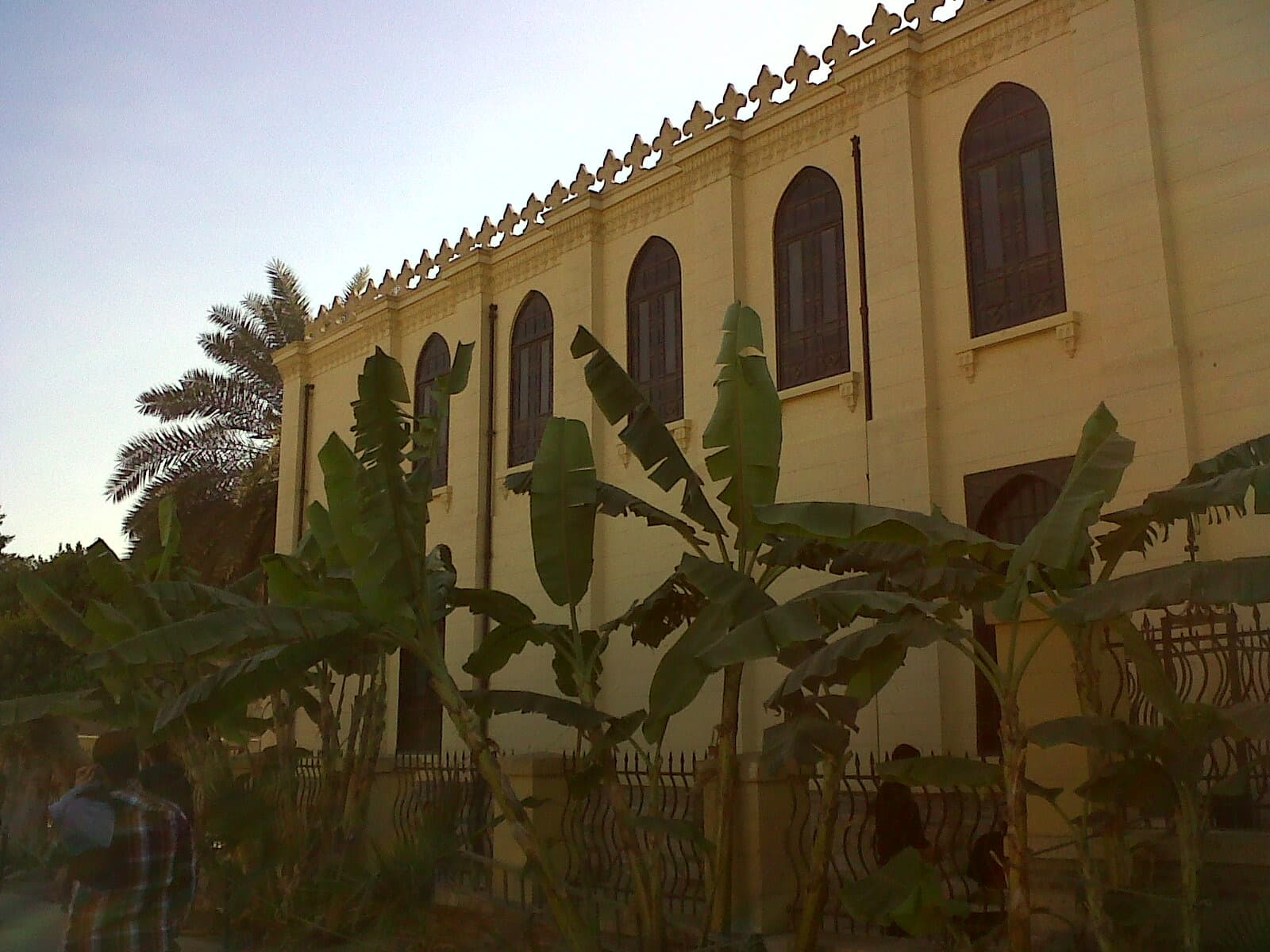
If you want a quieter, older counterpoint, add Coptic Cairo, best as an early first stop or a calm interlude. It is small and reachable by Metro Line 1 to Mar Girgis station, which lets you out at the door of the quarter (the Metro fare is a couple of Egyptian pounds and trains run every few minutes). Within a few hundred metres sit the Babylon Fortress towers, the Hanging Church, the Coptic Museum, Abu Serga, the Ben Ezra Synagogue, and, a short walk north, the Mosque of Amr ibn al-As.
The churches and the synagogue are free to enter (donations welcome); the Coptic Museum is a separate paid ticket. The Hanging Church generally opens around 9:00 to 17:00, though it closes to visitors during services, so a morning visit is safest. Photography is restricted inside the synagogue. The Coptic Cairo audio walk links seven stops over about two hours and under three kilometres, which makes it the gentlest of the three on your feet.
Getting between the areas, and a word on safety
Giza, Islamic Cairo, and Coptic Cairo are not walkable to one another; you will bridge them by taxi, ride-hail app, or Metro. Ride-hail apps sidestep the meter-versus-flat-fare haggling that comes with street taxis. Cairo is generally fine for tourists in 2026, with violent crime against visitors rare; the everyday annoyances are petty theft in crowds, overcharging, and pushy touts near Giza and in the bazaar. Keep bags zipped, keep small change handy so you are not opening a wallet on the street, and walk with a confident, unbothered stride. Solo women should expect some persistent attention and can defuse most of it by ignoring it and moving on. None of this should keep you home; it is the ordinary texture of a big city, and knowing it in advance is most of the defense.
Sources
- Pyramids of Giza Opening Hours 2026 (times, seasons, Ramadan)
- Giza pyramids tickets: 2026 prices and visitor tips
- Grand Egyptian Museum tickets 2026: prices and how to buy
- Cairo/Old Cairo travel guide, Wikivoyage (Mar Girgis Metro, churches)
- Is Cairo Safe for Tourists Right Now? 2026 Travel Safety Guide
Frequently asked questions
- Can you see the Giza Pyramids and Islamic Cairo in one day?
- Yes. Spend the morning at the Giza plateau at opening (around 8:00), then move by taxi or ride-hail app to Islamic Cairo for the afternoon and evening walk along Al-Muizz Street. The two areas are far apart and not walkable to each other, but each is compact enough to explore deeply on foot once you arrive. Adding the Grand Egyptian Museum or Coptic Cairo makes for a very full day.
- How much does it cost to enter the Giza Pyramids in 2026?
- General plateau entry for foreign adults is 700 EGP, which covers walking among the three pyramids, the panorama point, and the Great Sphinx. Going inside a pyramid requires a separate additional ticket, and interior tickets are limited daily and can sell out. Most major Egyptian sites, including Giza, now take card payment only, so bring a working debit or credit card.
- Do you need to book Grand Egyptian Museum tickets in advance?
- Yes. Since December 1, 2025, tickets must be booked online through the official site visit-gem.com, because on-site ticket sales were closed to manage crowds. The all-inclusive foreign-adult ticket costs roughly 28 to 30 US dollars and includes the Tutankhamun galleries. Galleries generally open around 9:00 to 18:00, with later hours on Wednesdays and Saturdays.
- How do you get to Coptic Cairo, and is it free?
- Take Cairo Metro Line 1 to Mar Girgis station, which lets you out right at the quarter; the fare is only a couple of Egyptian pounds. The churches and the Ben Ezra Synagogue are free to enter, with donations welcome, while the Coptic Museum is a separate paid ticket. The Hanging Church generally opens around 9:00 to 17:00 but closes to visitors during services.
- Is Cairo safe for tourists walking around in 2026?
- Cairo is generally safe for tourists in 2026, with violent crime against visitors rare. The common issues are petty theft in crowds, overcharging, and persistent touts near Giza and in Khan el-Khalili. Keep bags zipped, agree prices before you commit, use ride-hail apps to avoid taxi haggling, and walk confidently. Solo women should expect some persistent attention that is best defused by ignoring it.
- Is Al-Muizz Street pedestrian-friendly?
- Yes. Al-Muizz Street is a pedestrian zone for most of the day, roughly from 8:00 in the morning until about 11:00 at night, which makes its roughly one-kilometre stretch of mosques, madrasas, and merchant inns easy to walk. It is especially pleasant in the evening, when the heat drops, the historic facades are lit, and Cairo families come out to stroll.
Ready to experience it?
Giza: The Pyramids and the Sphinx
150 min · 5 km · moderate
More from Cairo
Explore more at your own pace.
Grand Egyptian Museum: What to See, From the Grand Hall to Tutankhamun
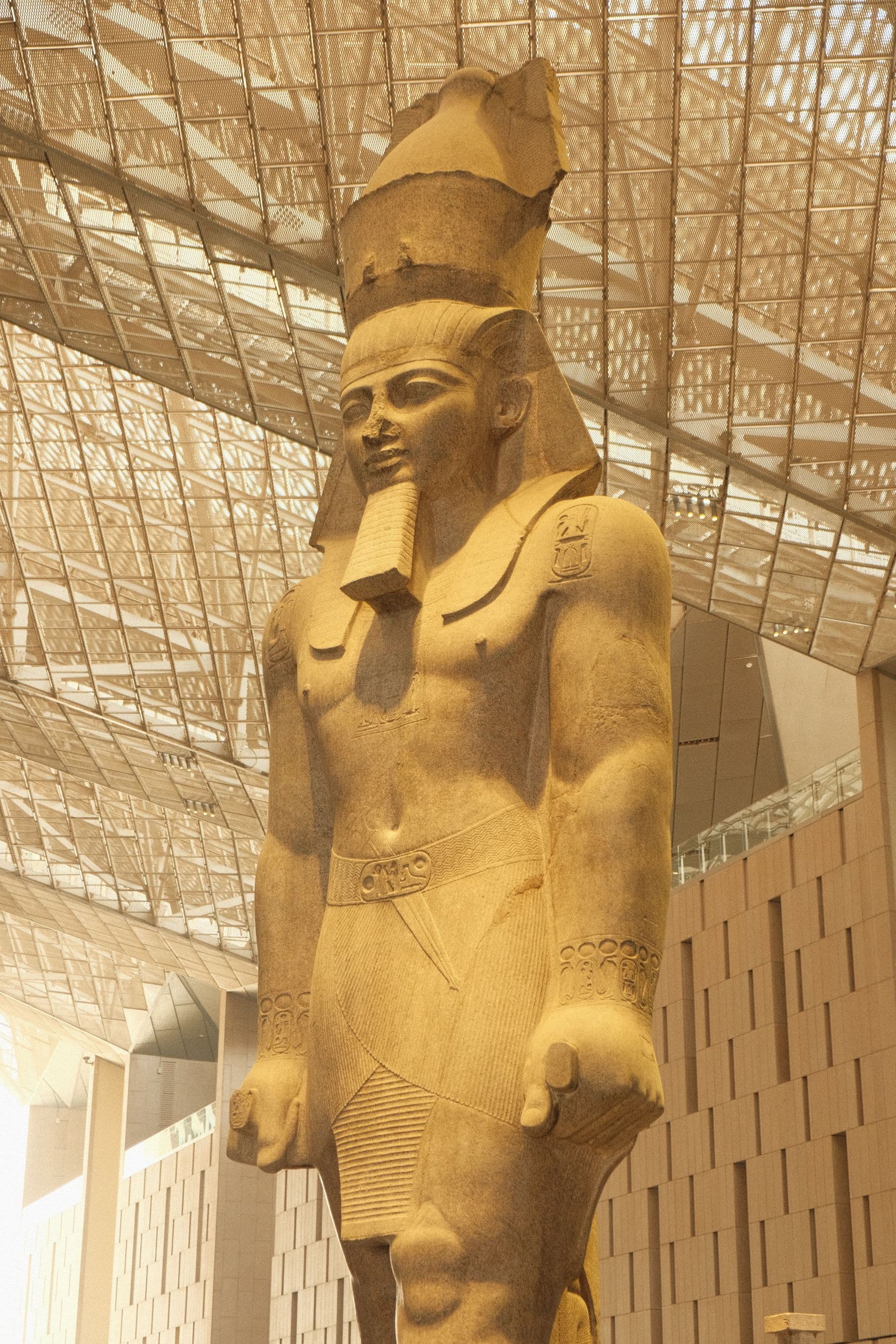
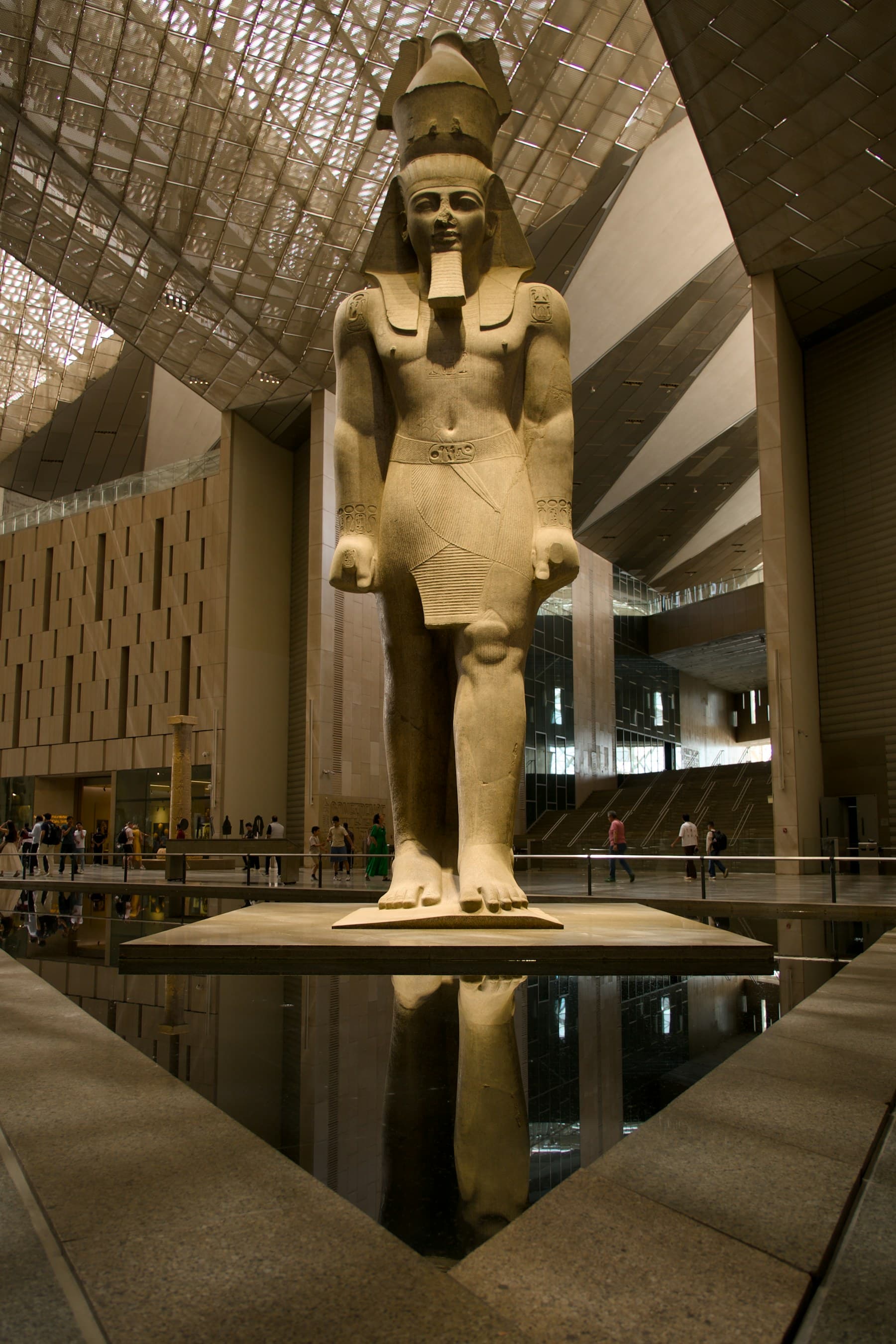
The Colossal Ramesses II at the Grand Egyptian Museum: From Memphis to Ramses Square to Giza
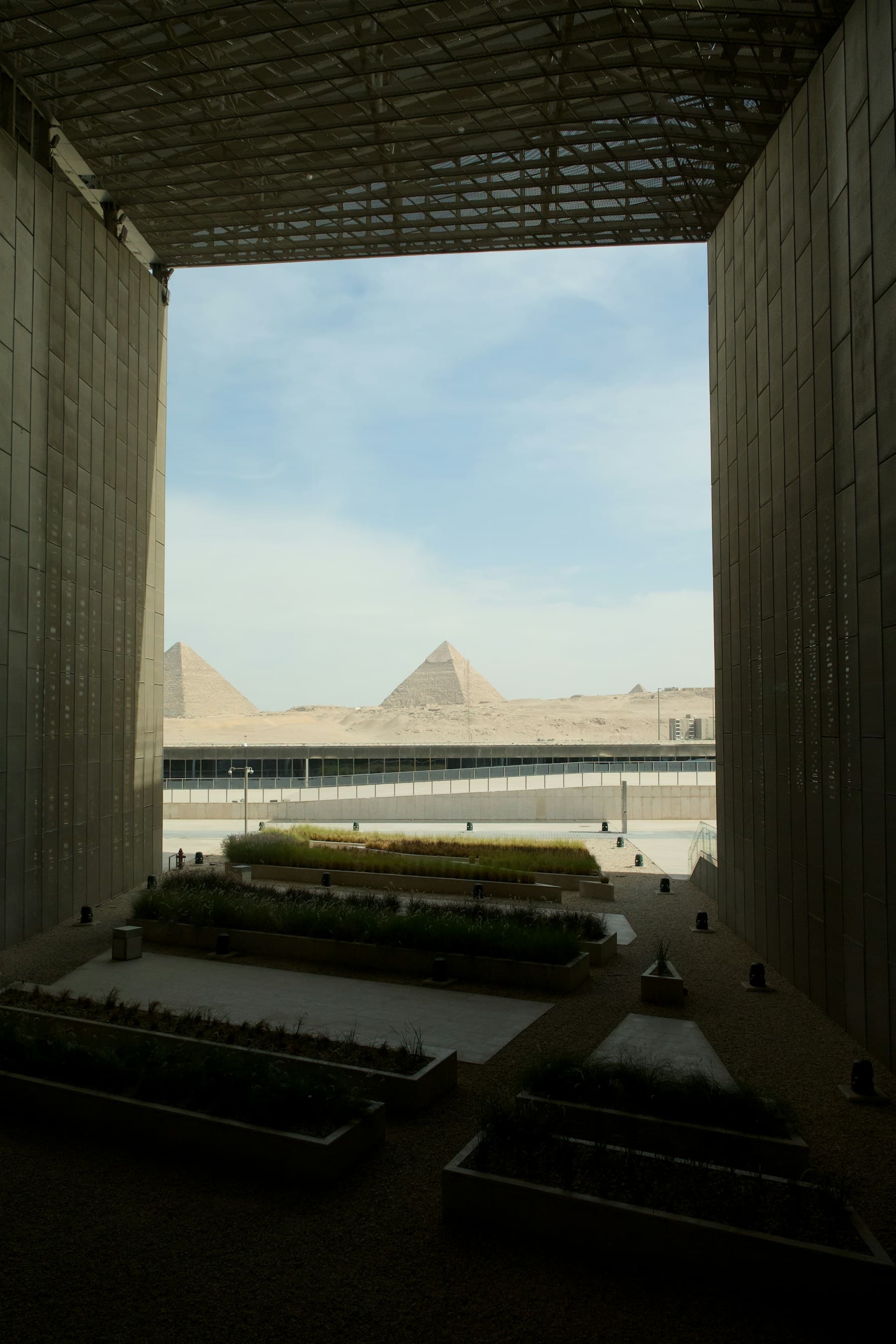
The Grand Staircase at the Grand Egyptian Museum: Six Storeys of Kings
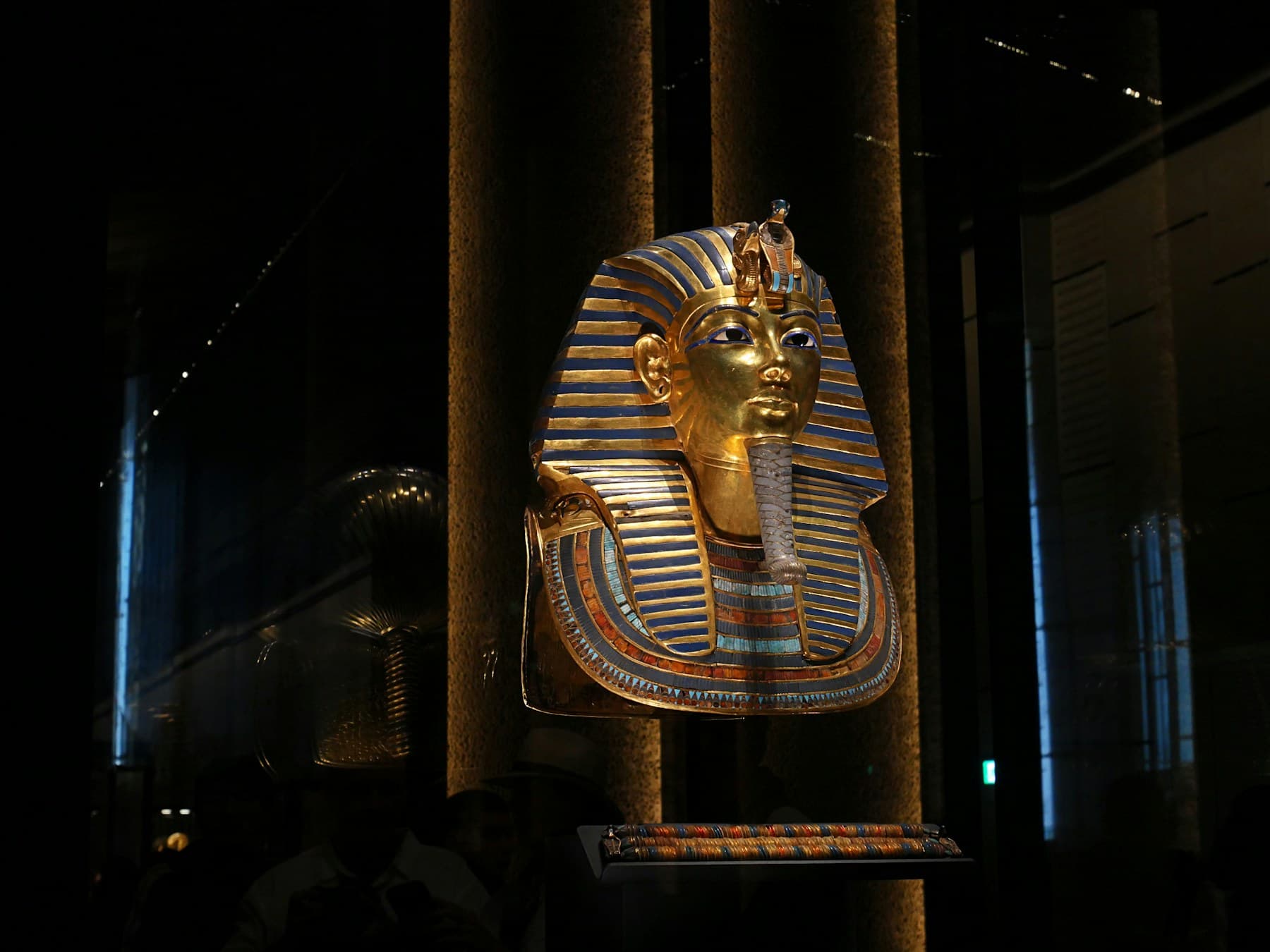
Tutankhamun's Gold Mask at the Grand Egyptian Museum: What to Look For
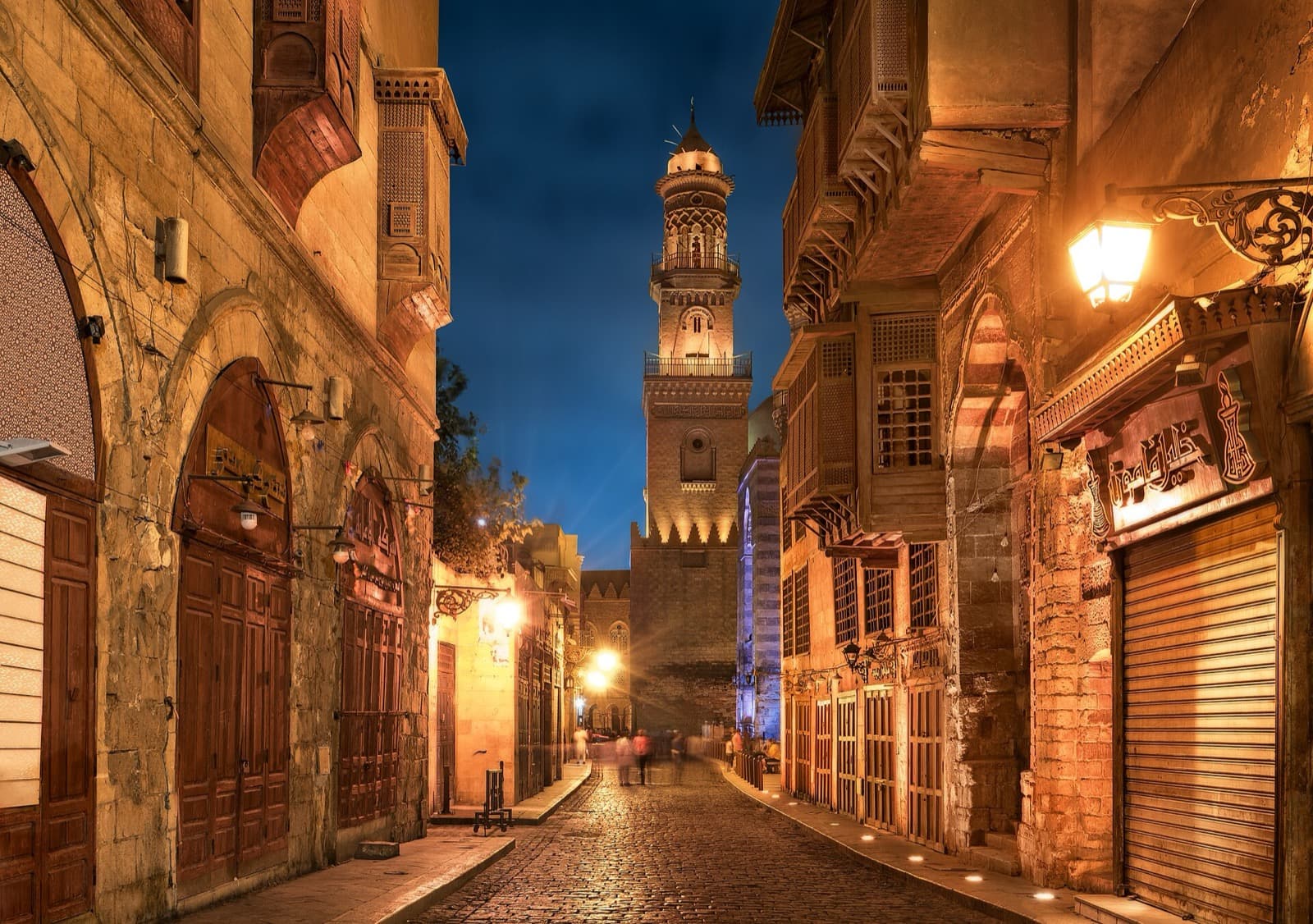
Al-Muizz Street: Reading a Thousand Years of Cairo on One Pavement