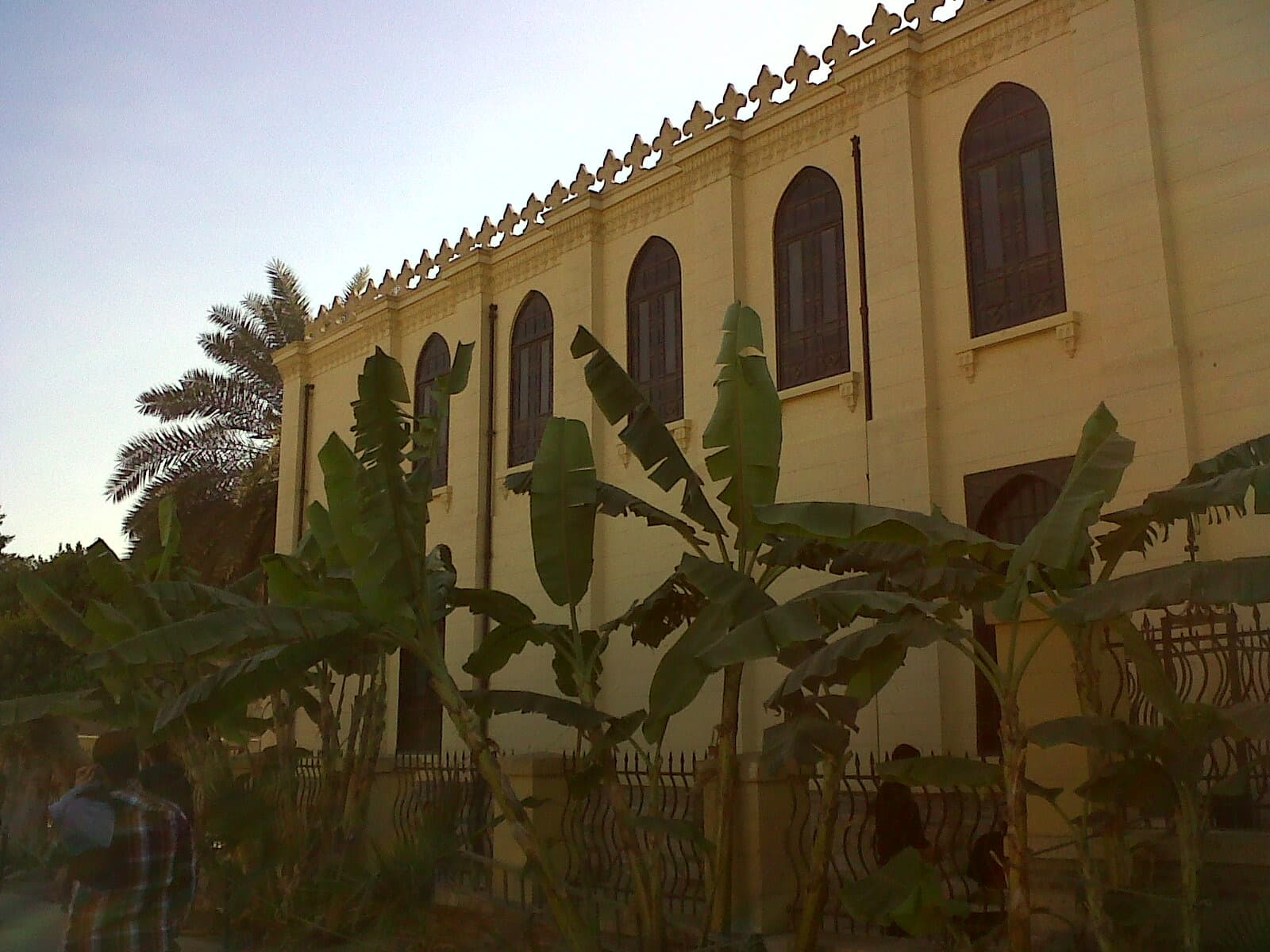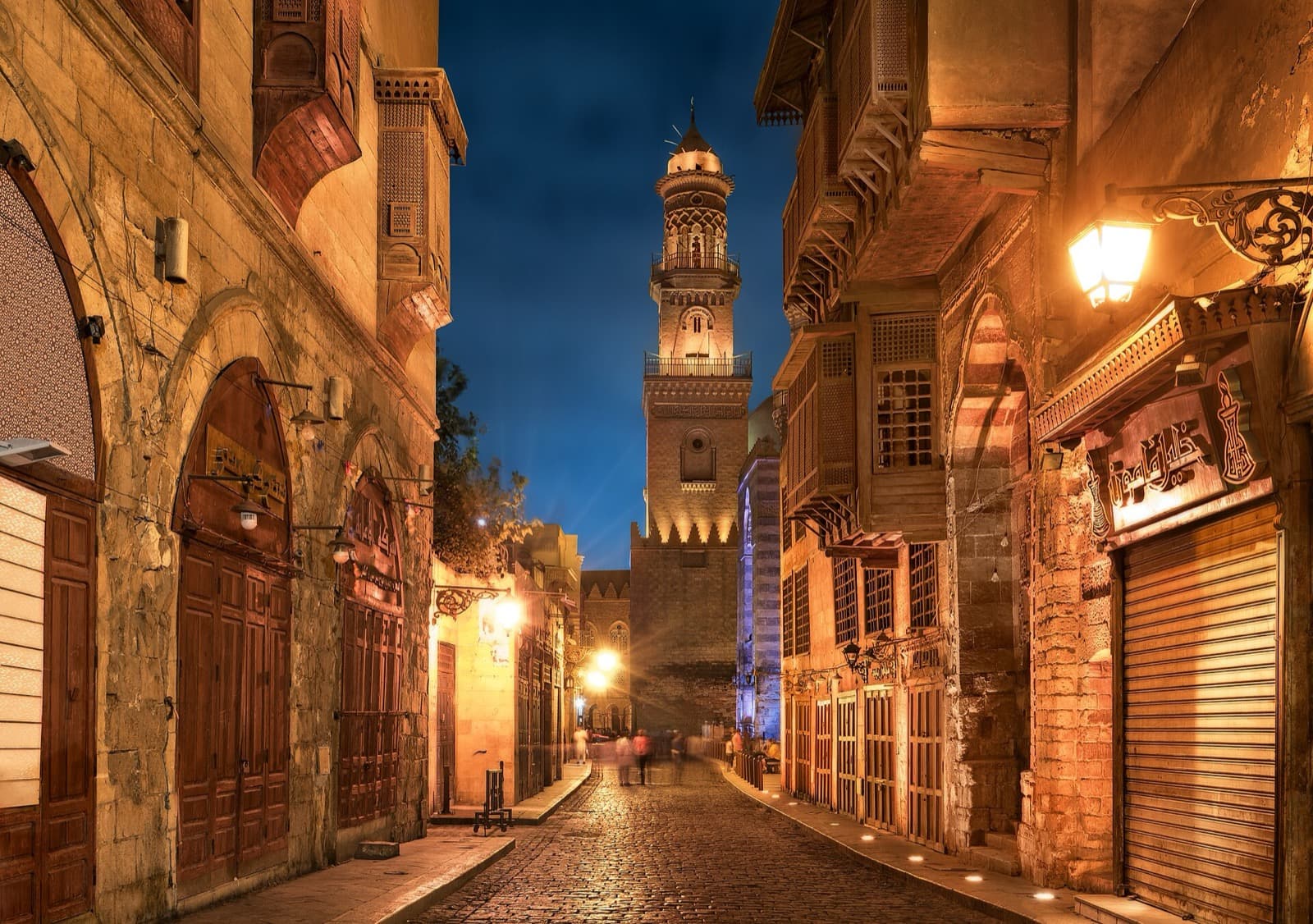
Al-Muizz Street runs about one kilometre through the walled city the Fatimids founded in the year 969, and along that single pavement four dynasties stand within metres of one another. Within a few strides you can pass a Fatimid gate, an Ayyubid wall, a Mamluk mausoleum, and an Ottoman fountain. This is the medieval spine of Islamic Cairo, and reading it end to end, from its northern gate to its southern one, is the most efficient way to understand how a thousand years of rulers built one city on top of itself without ever tearing the older parts down.
Why one street holds so much
The density is the point. Al-Muizz Street takes its name from al-Muizz li-Din Allah, the Fatimid caliph under whom the general Jawhar al-Siqilli founded Cairo in the year 969. For the next thousand years it was the ceremonial, commercial, and religious axis of the walled city, the road that ran from the northern gate straight to the southern one. Rulers who wanted to be seen building, and to be prayed for after death, built here, on the busiest street in the capital. Fatimids, then Ayyubids, then Mamluks, then Ottomans, each added mosques, religious schools, merchants' inns, and tombs, and because the street stayed in constant use, almost nothing was cleared to make room. The layers simply accumulated.
You will often hear al-Muizz Street called the greatest concentration of medieval Islamic architecture anywhere in the world. That claim is widely repeated and usually credited to a United Nations study, though the exact source is hard to pin down, so it is fairer to treat it as a proud local saying than a hard fact. What is documented is firmer and just as impressive: UNESCO inscribed the surrounding Historic Cairo on the World Heritage List in the year 1979, describing it as one of the world's oldest Islamic cities, a place founded in the tenth century that became a new centre of the Islamic world and reached its golden age in the fourteenth century.
The gates that bookend the walk
Hear a stop from this walk
Bab Zuweila: The Southern Gate
The street begins and ends at stone gates built by the same hand. At the north stands Bab al-Futuh, the Gate of Conquest, with two massive round towers. What you see was rebuilt in stone and finished in the year 1087 by the vizier Badr al-Jamali, serving the caliph al-Mustansir, replacing an earlier mud-brick gate from the city's founding a century before. A short way east is its sister, Bab al-Nasr, the Gate of Victory, and you can tell them apart at a glance: Bab al-Futuh has round towers, Bab al-Nasr has square ones.
At the far southern end, closing the medieval world you have just walked through, stands Bab Zuweila, rebuilt in stone at that spot in the year 1092 by the same Badr al-Jamali. The two ends of al-Muizz Street are quite literally bookends by one builder. The twin minarets crowning Bab Zuweila are not part of the gate at all: they belong to the adjoining Mosque of Sultan al-Muayyad and were added in the Mamluk period, between the years 1415 and 1422, more than three centuries later. You can climb them, and the panorama over the medieval roofs, minaret after minaret, is the finest reward on the route. This gate carried the pulse of the city. Public proclamations were read here, the annual pilgrim caravan to Mecca set out from this spot, and it was also a place of public execution at the southern edge of the walled city. That last fact is sober history, worth holding quietly.
The Fatimid foundation and the Mamluk ambition
Just inside the northern gate, a vast courtyard opens: the Mosque of al-Hakim, one of the oldest and largest Fatimid mosques in the city. Construction began in the year 990 under the caliph al-Aziz, and it was inaugurated in Ramadan of the year 1013 under al-Hakim bi-Amr Allah, whose name it carries. Its two minarets were wrapped around the year 1010 in enormous square stone bastions, a fortress-like base unlike almost anything else on the walk. The mosque measures roughly 120 metres by 113 metres, more than double the size of al-Azhar.
Further south the architecture changes register. The Qalawun complex, built in the years 1284 and 1285 by the sultan al-Mansur Qalawun, carries you out of the Fatimid dawn and into the Mamluk age, when Cairo's soldier-rulers built with staggering ambition. It did three jobs at once: a mausoleum holding Qalawun and his son al-Nasir Muhammad, a madrasa, and a hospital, the bimaristan, that functioned on this spot for well over five hundred years, until the year 1910. Reading the city honestly also means naming the cost: the sources record that construction relied on forced labour and on seized property, and it drew criticism even in its own day.
The living tissue between the monuments
None of this is a museum behind glass. Off al-Muizz Street the lanes break into Khan el-Khalili, the great bazaar, built in the years 1382 to 1389 by Jaharkas al-Khalili, Master of the Stables under the sultan Barquq, on the site of a former Fatimid mausoleum. It began as a caravanserai, a merchants' inn, and grew into a major centre of foreign trade by the late fifteenth century. Coppersmiths still beat trays by hand, the goldsmiths' souk still serves ordinary Cairenes, and the El Fishawy coffee house, traditionally dated to about the year 1773, still pours mint tea beneath its mirrors.
The climax is the Mosque of al-Azhar, founded just after the city itself. Construction began on the fourth of April in the year 970 under Jawhar al-Siqilli, and the first Friday prayers were held on the twenty-second of June in the year 972. From that mosque grew al-Azhar, one of the oldest continuously operating universities in the world and the foremost centre of Sunni Islamic learning. Its five minarets were added by different dynasties across the centuries, so no two towers quite match. Near the walk's end, the al-Ghuri complex, built in the years 1503 to 1505 by Sultan Qansuh al-Ghuri, marks the twilight of the Mamluks: he built himself a fine tomb here but never lay in it, dying in the year 1516 fighting the Ottomans, his body never recovered.
Walking it on your own clock
The quiet luxury of doing this on foot, alone, is real. Egypt's tourism is famously crowded with guides and touts pressing a schedule on you. On this walk there is no group, no meter running, no one to tip for lingering. You can sit in the Qalawun courtyard for twenty minutes, watch a coppersmith, or skip a stop entirely. Come in the morning between nine and eleven, or in the golden hour when the stone glows, dress modestly for the active mosques, and read the street as layered time. The self-guided Islamic Cairo audio tour covers all eight stops from gate to gate, and you can compare it with other Cairo walking tours before you set out.
Sources
- UNESCO World Heritage Centre, Historic Cairo (List no. 89): inscription in 1979 as one of the world's oldest Islamic cities, golden age in the fourteenth century.
- Wikipedia, Al-Muizz Street: origin of the name, the 1997 conservation program, and the open-air-museum restoration of more than thirty monuments.
- Wikipedia, Qalawun complex: construction dates 1284 to 1285, the mausoleum, madrasa, and bimaristan that operated until 1910.
- Wikipedia, Al-Azhar Mosque and Al-Azhar University: foundation dates in 970 and 972 and status as a continuously operating centre of Sunni learning.
- Wikipedia, Bab Zuwayla and Bab al-Futuh: Badr al-Jamali's stone gates of the 1080s and 1090s and the later al-Muayyad minarets of 1415 to 1422.
Ready to experience it?
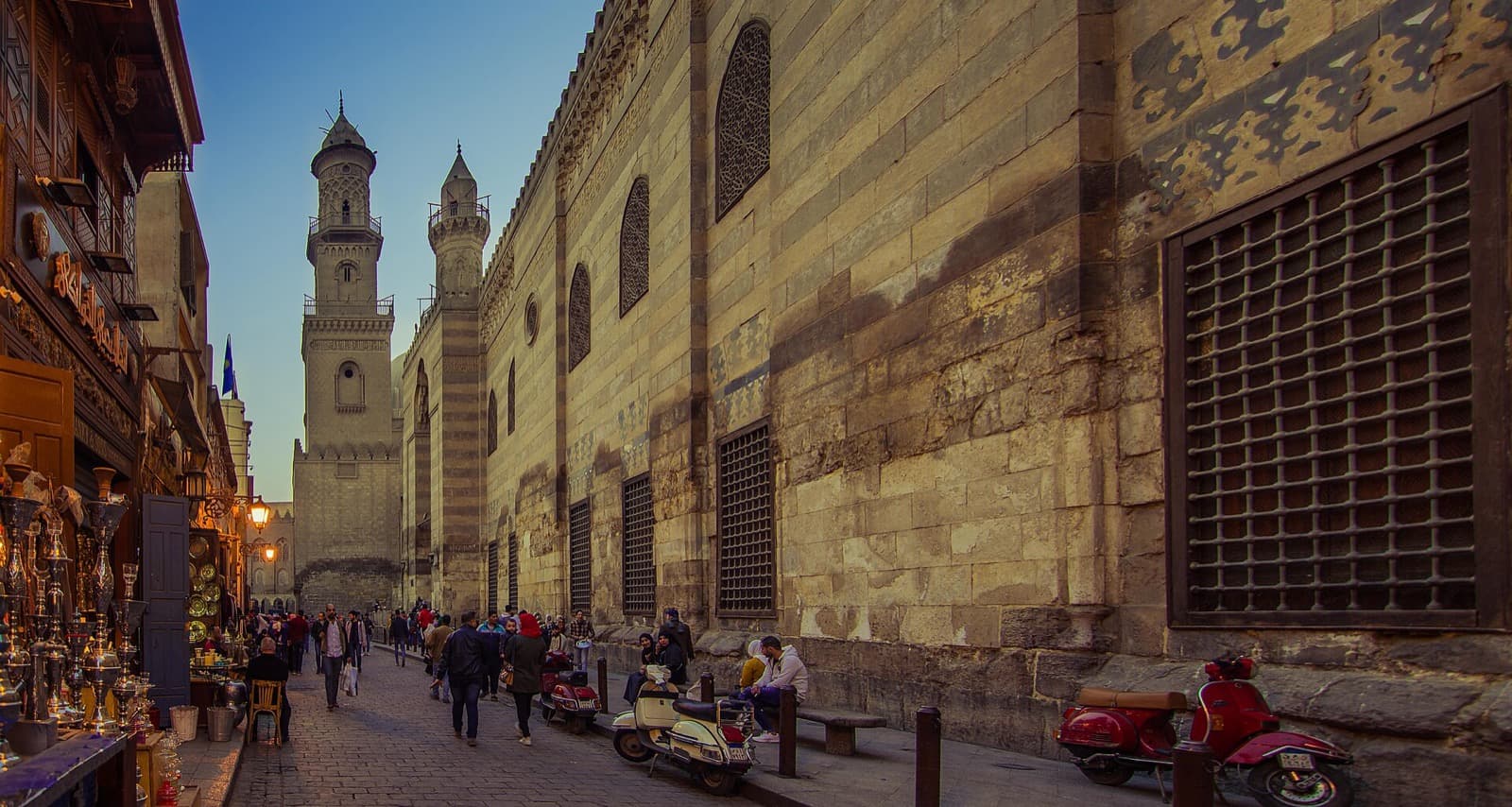
Islamic Cairo: The Medieval City Along al-Muizz Street
150 min · 2.5 km · easy
More from Cairo
Explore more at your own pace.
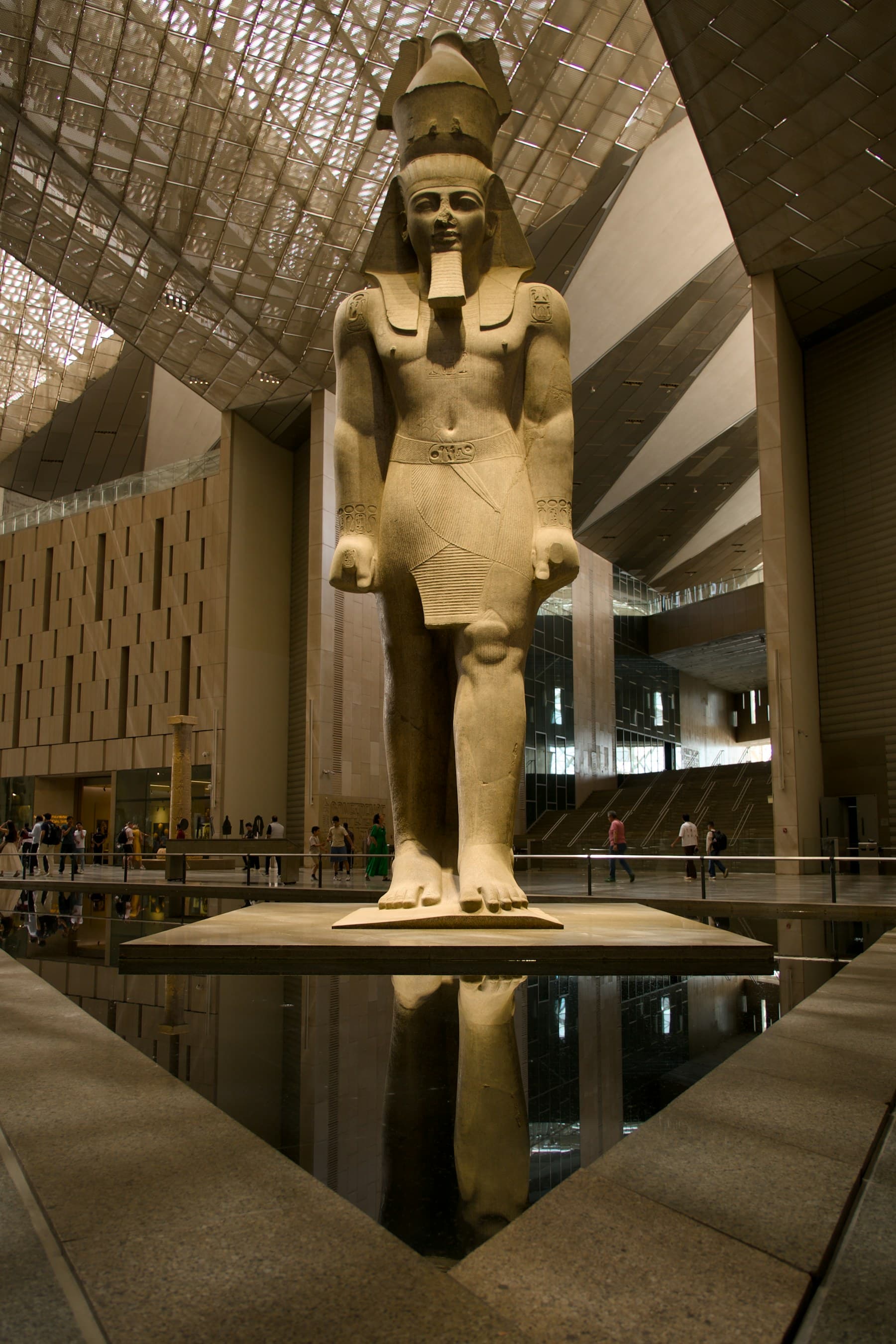
Grand Egyptian Museum: What to See, From the Grand Hall to Tutankhamun
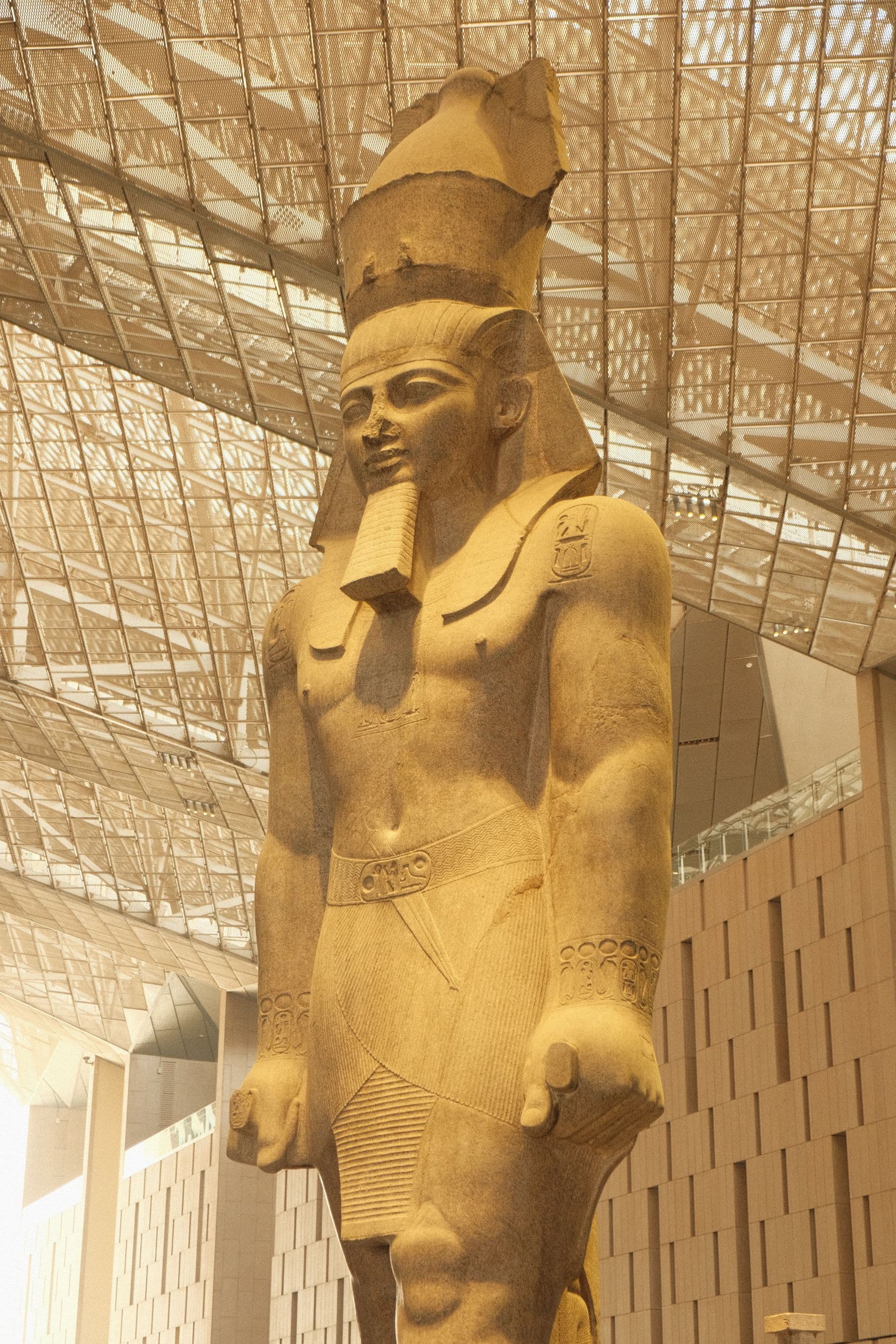
The Colossal Ramesses II at the Grand Egyptian Museum: From Memphis to Ramses Square to Giza
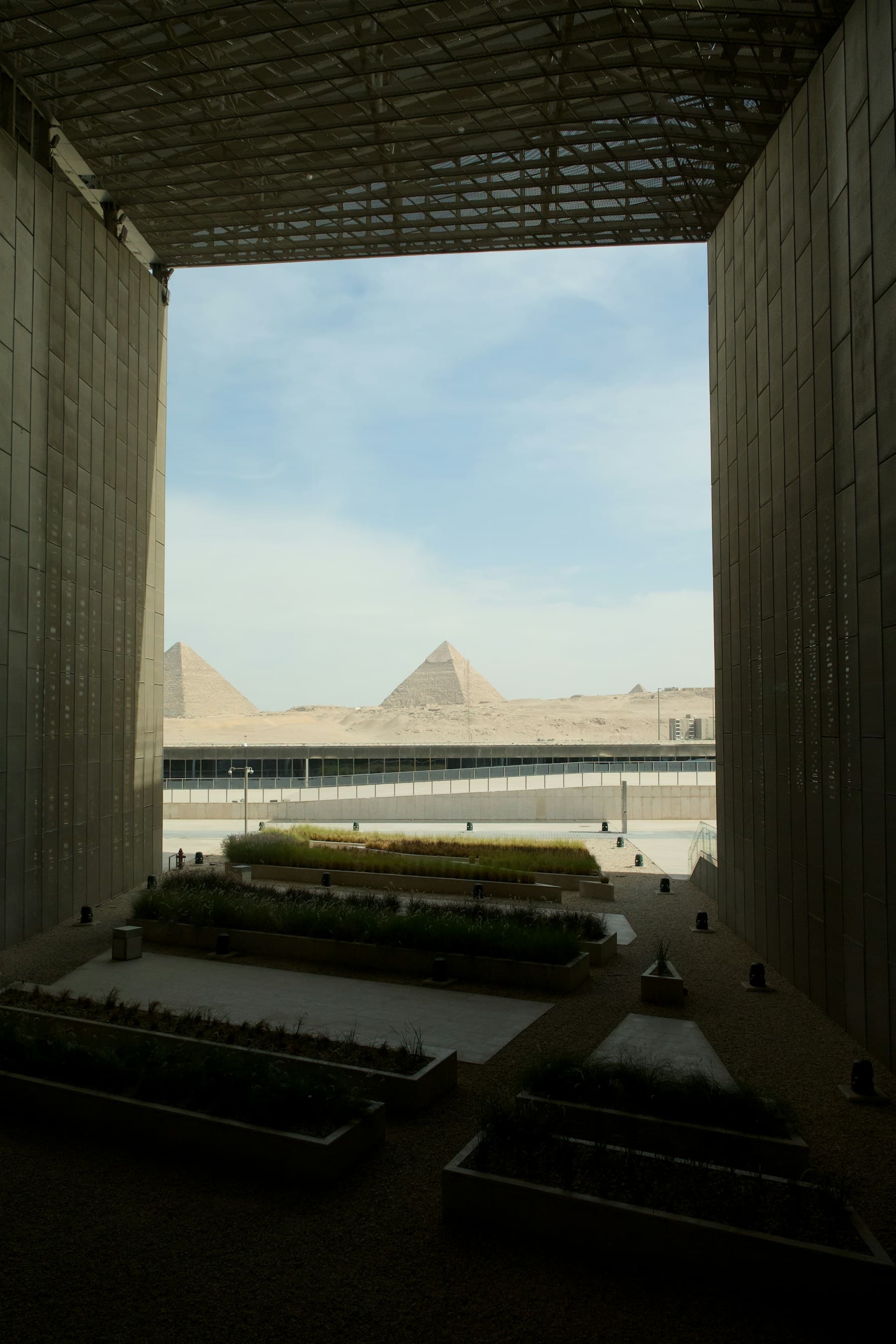
The Grand Staircase at the Grand Egyptian Museum: Six Storeys of Kings
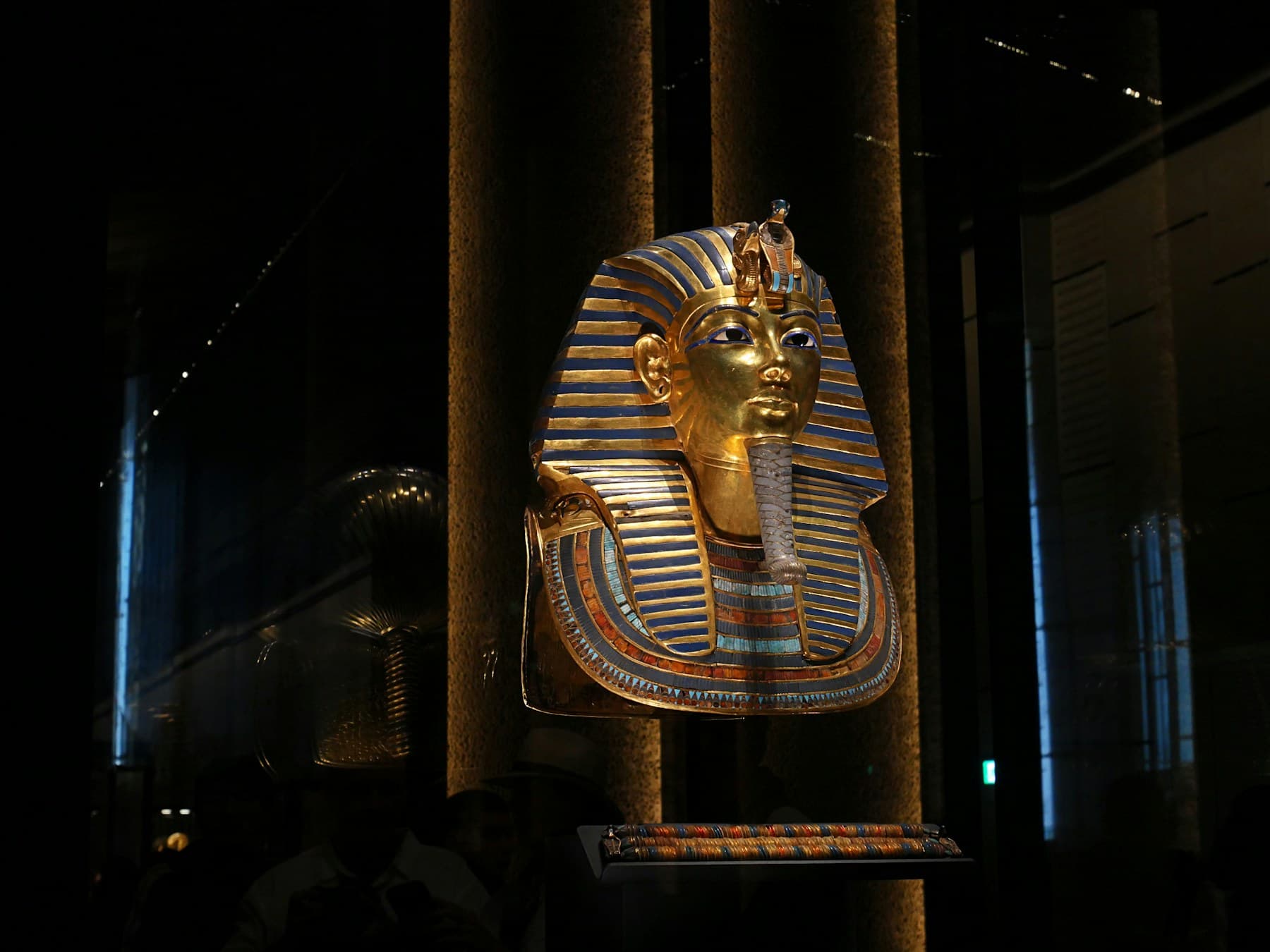
Tutankhamun's Gold Mask at the Grand Egyptian Museum: What to Look For
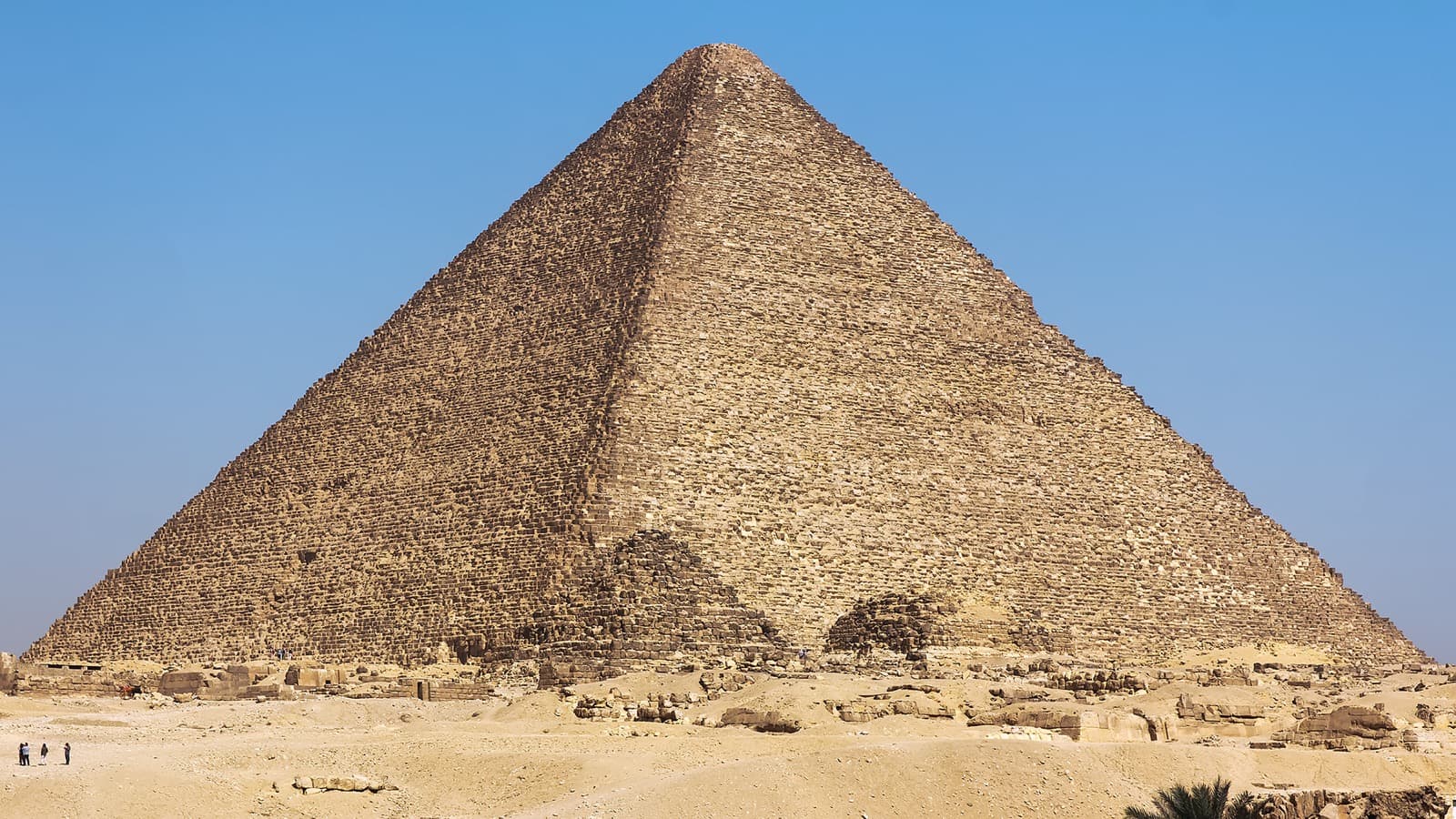
The Great Pyramid of Khufu: How to Read the Whole Giza Plateau