Olinda: The Hill They Burned and Rebuilt
90 min · 2.4 km · moderate
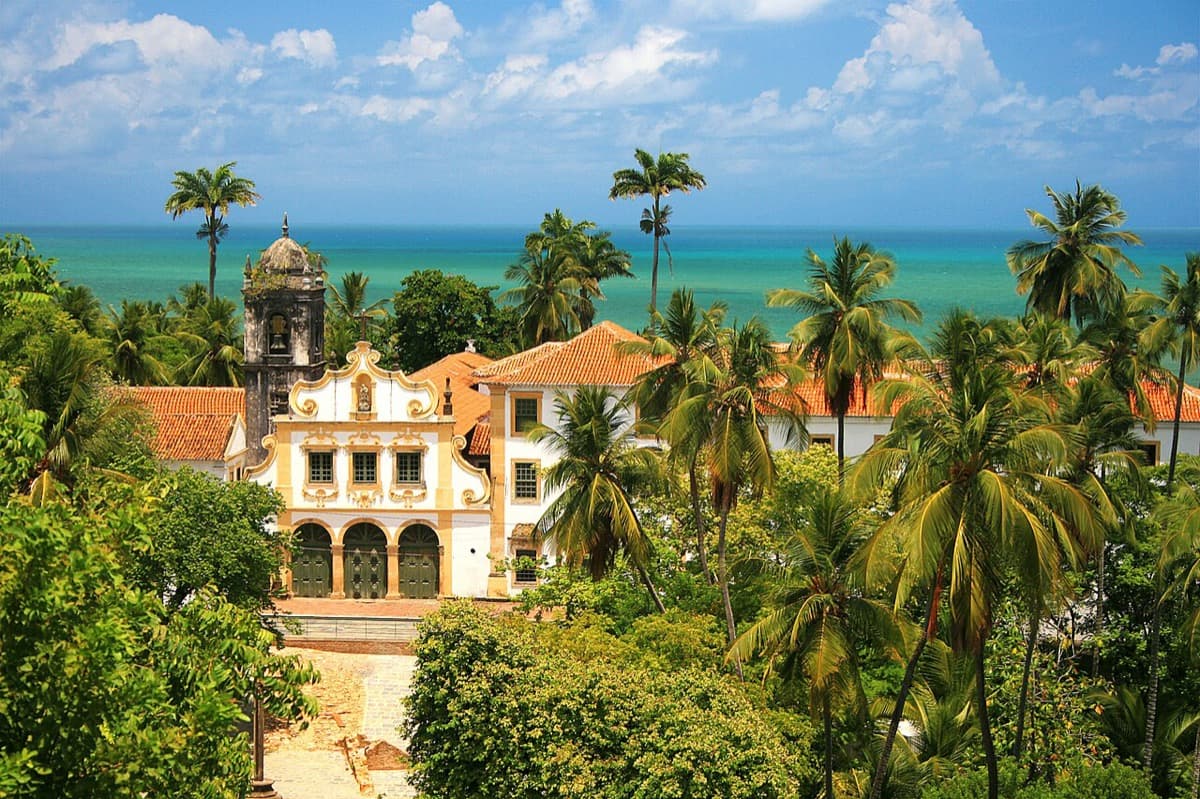
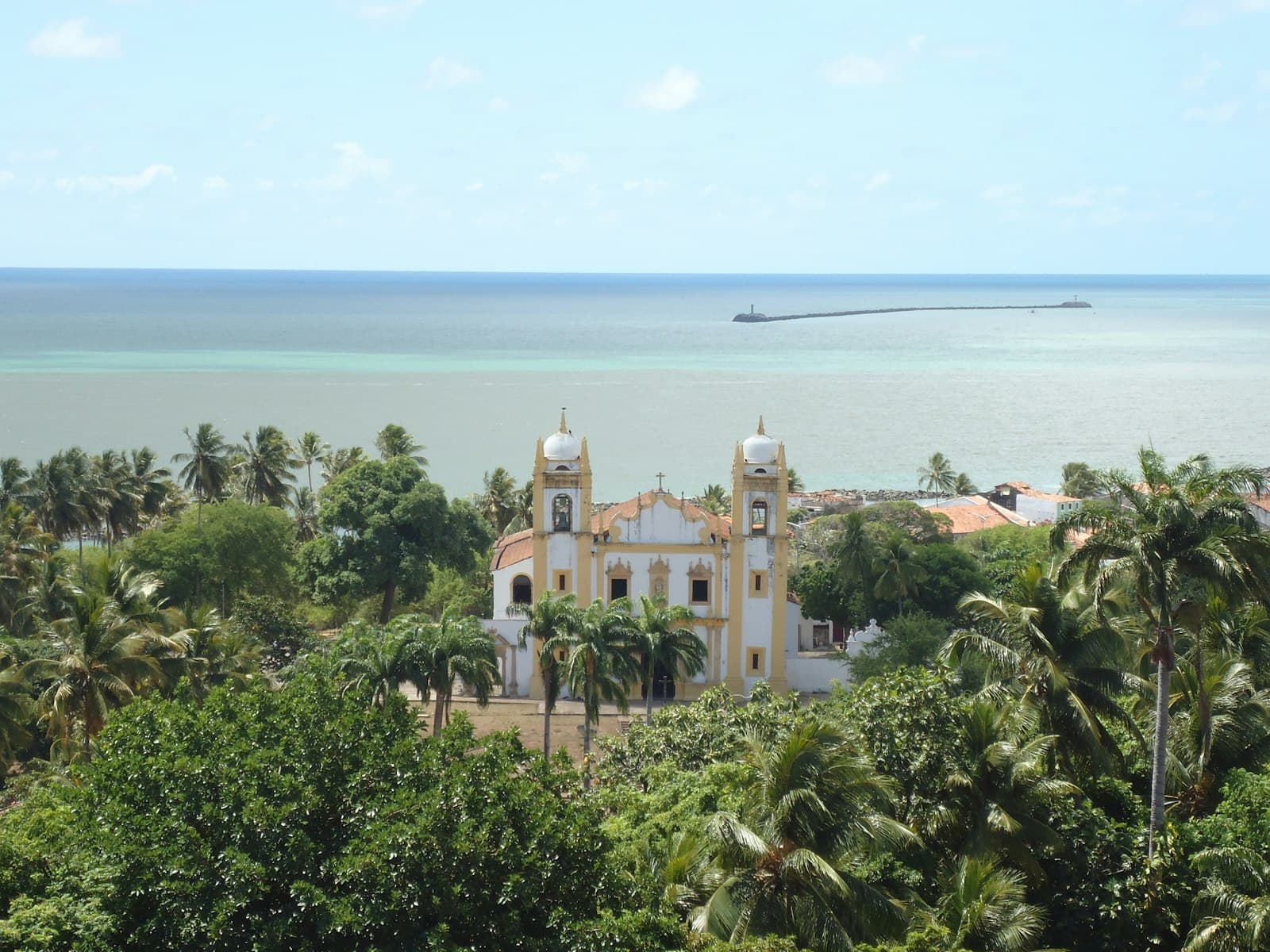
Olinda looks like a town that time forgot, a hill of baroque churches and pastel houses so complete it feels untouched. It is the opposite. Almost nothing you walk in Olinda predates the year 1631, because in that year the Dutch looted the town and burned it to the ground. What survives is not an original sixteenth-century town at all. It is an eighteenth-century reconstruction, rebuilt stone by stone on the old plan after the Portuguese came back. Understand that, and Olinda stops being a fairy tale and becomes something more moving: a town that was destroyed and chose to build itself again exactly where it stood.
Founded in 1535, on a hill above the sea
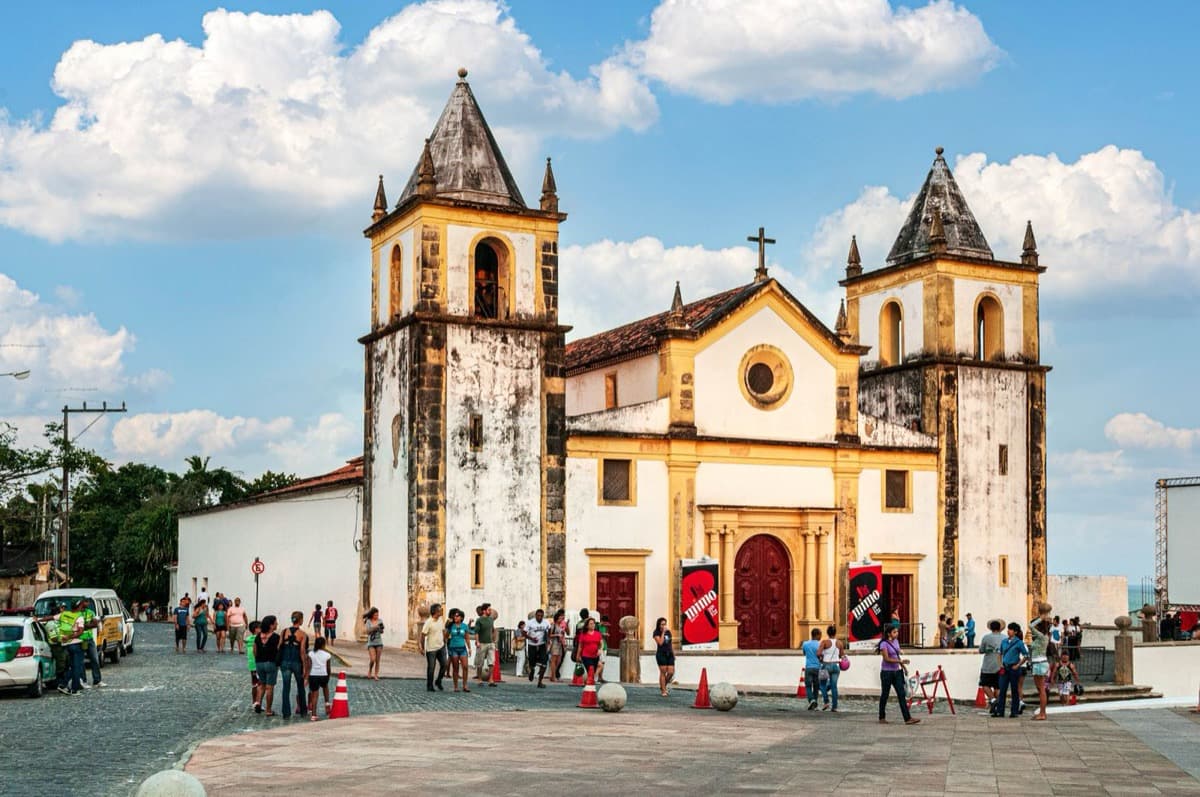
Olinda was founded in 1535, among the earliest Portuguese towns in Brazil, on hillsides overlooking the Atlantic in the northeast, near the isthmus that would become the port of Recife. Its wealth came from sugar, the crop that drove the whole colonial northeast, and by the early seventeenth century it was a prosperous seat of churches and convents on its commanding hill. The oldest institutions of the town, the cathedral on the summit and the great monasteries, were founded in this first era. The Igreja da Se, for instance, began in 1540 as a humble chapel of mud.
Then came the war for the sugar coast.
The year the town burned
Hear a stop from this walk
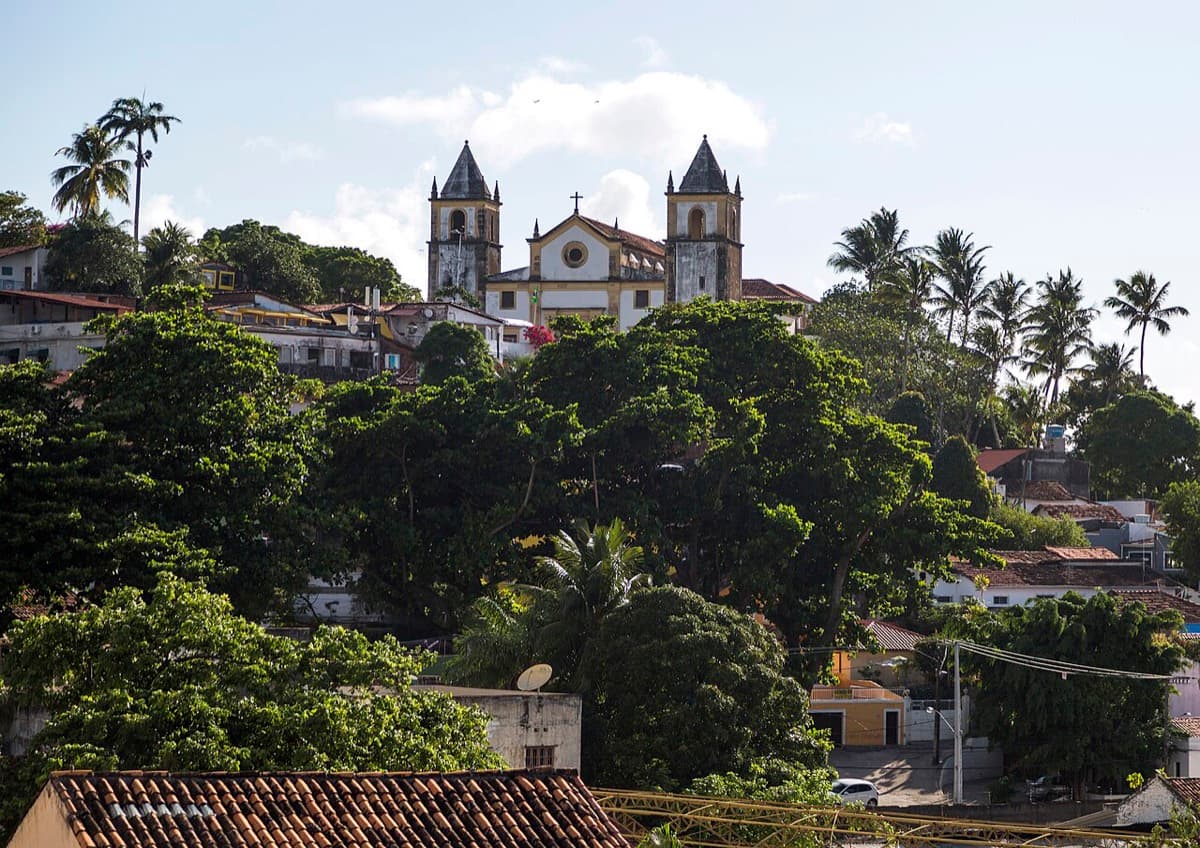
Caixa d'Agua do Alto da Se: The View That Holds the Whole Story
In 1631, during the Dutch bid to seize Portugal's sugar colonies, Dutch forces invaded, looted, and burned Olinda. The destruction was near total. The Dutch preferred the flat port ground of neighboring Recife as their capital and had little use for the Portuguese hill town, so Olinda's prosperity ended in fire. The cathedral on the summit, which had grown from a mud chapel into a masonry church by 1567, was used as a stable and then burned in the sack. For a generation the great town on the hill was a ruin.
The rebuild that is what we see
After the Portuguese expelled the Dutch in the mid-seventeenth century, they did something that defines Olinda: they rebuilt the town, and they rebuilt it in place. Reconstruction continued into the eighteenth century, and the historic fabric that survives today dates largely from that century. The churches were raised again, the convents restored, the street plan honored. The cathedral was rebuilt and elevated to its status as a cathedral in 1676. So the baroque splendor a visitor admires, the gilded altars, the tiled facades, the ridge of church towers, is the work of a town rebuilding its own destroyed self across the seventeen hundreds.
This is why Olinda's churches carry such a consistent baroque and rococo character: they were substantially built or rebuilt in the same century. Roamer's three walks each read a face of that rebuilt town. Olinda: The Hill They Burned and Rebuilt climbs from the harbor gateway to the summit and its view. Convents of the Coast reads the monasteries, including the Sao Bento altar that crossed an ocean. And Carnival Town reads the living, festive town that grew back on the rebuilt bones, home of the Midnight Man giant.
Why the destruction matters to the visit
Knowing the fire changes how you climb the hill. The completeness of Olinda is not the completeness of a town that survived, but of a town that was rebuilt with deliberate care after being erased. Its beauty is a choice, made by a community that could have relocated to the flat port below and instead reconstructed the harder, higher place they had lost. The recognition of that came in 1982, when UNESCO inscribed the historic center as a World Heritage Site, honoring one of the most complete colonial townscapes in Brazil, a townscape that is, at heart, a resurrection.
How to see it
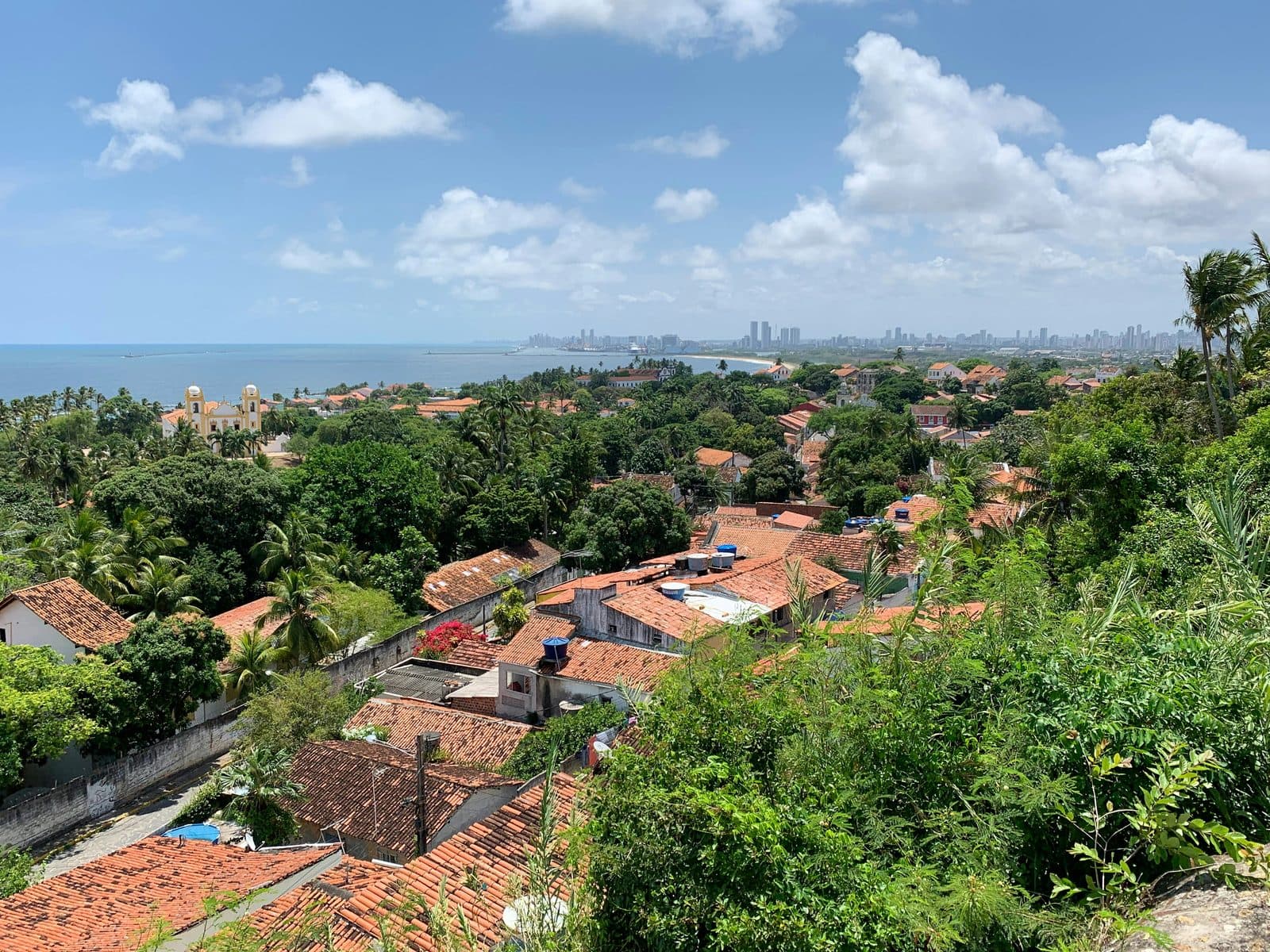
Walk Olinda uphill, the way the town rebuilt itself, from the harbor gateway to the summit cathedral, and read the churches knowing they are eighteenth-century reconstructions on a sixteenth-century plan. Save the Alto da Se for last, both for the view over the whole rebuilt town and for the sense of standing on the spot that was destroyed and remade. For the full set of routes, browse Olinda walking tours, and to plan the climb, see one day in Olinda.
Sources
- UNESCO World Heritage Centre and Wikipedia, Olinda: the founding in 1535, the sugar-based prosperity, the Dutch invasion, looting, and burning of the town in 1631, the reconstruction by the Portuguese continuing into the eighteenth century, the historic fabric dating largely from the eighteenth century, and the UNESCO World Heritage inscription in 1982.
- Wikipedia, Igreja da Se (Olinda): the cathedral begun as a mud chapel in 1540, replaced in masonry by 1567, burned by the Dutch in 1631, rebuilt, and elevated to cathedral status in 1676.
- Roamer tour transcripts, Olinda: The Hill They Burned and Rebuilt (olinda-colonial-hilltop), Convents of the Coast (olinda-historic-center-convents), and Carnival Town (olinda-carnival-frevo-artists), fact-audited: the rebuilt colonial hill town and its churches.
Frequently asked questions
- Why is Olinda a UNESCO World Heritage Site?
- Olinda was inscribed as a UNESCO World Heritage Site in 1982 for its exceptionally well-preserved colonial townscape: a hilltop of baroque churches, convents, and pastel houses laid out on a sixteenth-century plan. Most of the surviving fabric dates from the eighteenth-century reconstruction after the Dutch burned the town in 1631, which makes Olinda one of the most complete colonial ensembles in Brazil.
- How old is Olinda, Brazil?
- Olinda was founded in 1535, making it one of the oldest towns in Brazil. However, almost none of the original sixteenth-century buildings survive, because Dutch forces looted and burned the town in 1631. The Olinda you see today is largely an eighteenth-century rebuild, faithfully reconstructed on the original street plan after the Portuguese expelled the Dutch.
- What is the difference between Olinda and Recife?
- Olinda is the old colonial hill town, founded in 1535, full of churches, convents, and steep cobbled lanes with sweeping views. Recife is the larger modern city and port just beside it, which the Dutch developed as their capital in the seventeenth century. They sit side by side, and many visitors base themselves in Recife and spend a day walking historic Olinda on the hill above.
Brazil eSIM· 10% off with ROAMER10
Ready to experience it?
Olinda: The Hill They Burned and Rebuilt
90 min · 2.4 km · moderate
More from Olinda
Explore more at your own pace.
Olinda Travel Guide: How Many Days, Getting Around, When to Go (2026)
One Day in Olinda: A Walkable Hilltop Itinerary (2026)
Olinda vs Recife: Which to Stay In, and How to See Both

What to Eat in Olinda: A Pernambuco Food Guide (2026)
Alto da Se: The Summit Cathedral That Crowns Olinda's Founding Hill