Convents of the Coast
A south-to-north climb up Olinda's serene garden hill of gilded convents, where every calm baroque church is a survivor of fire, a rebuild in gold over ashes, and where a school of the Church became a seedbed of revolt.
4.52|90 minutes|2.25 km|6 Stops
Start
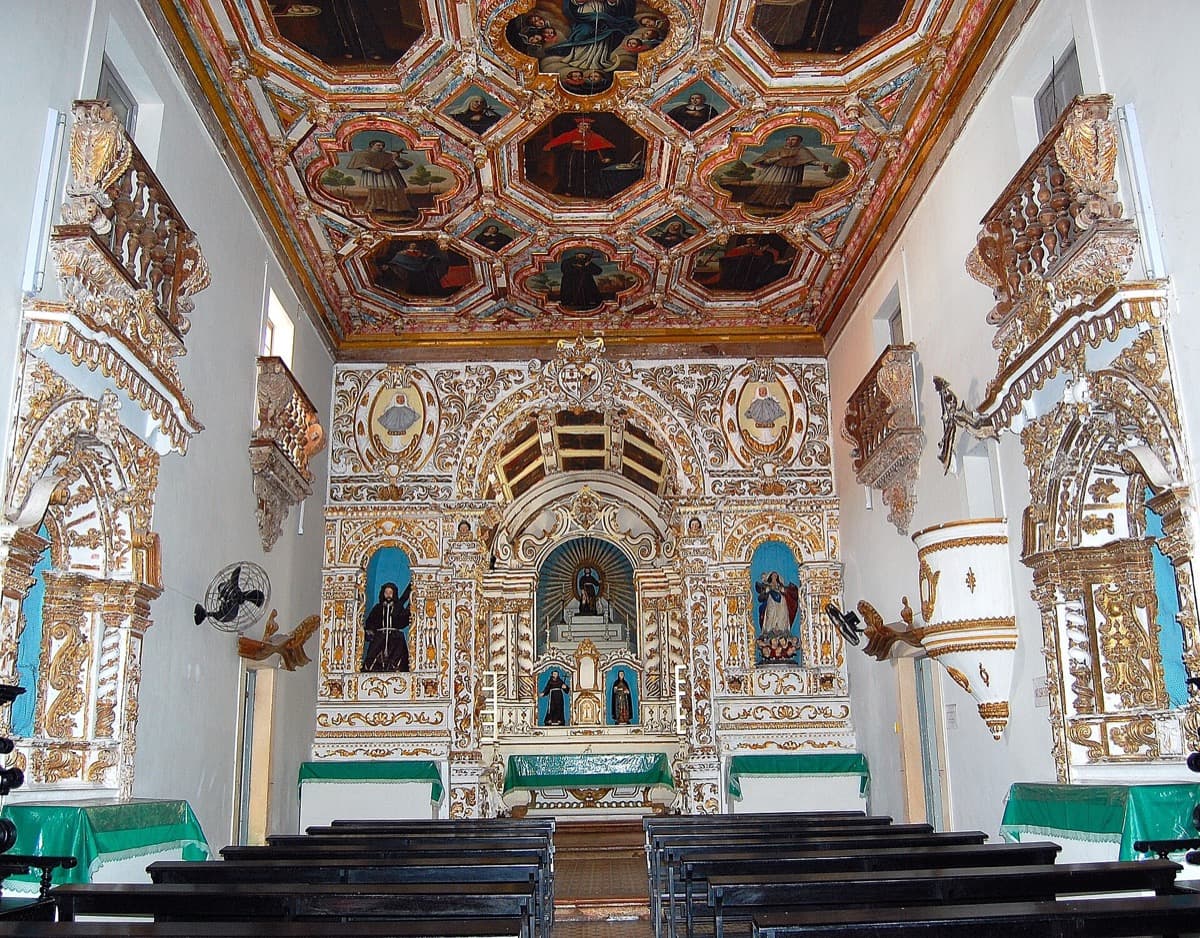
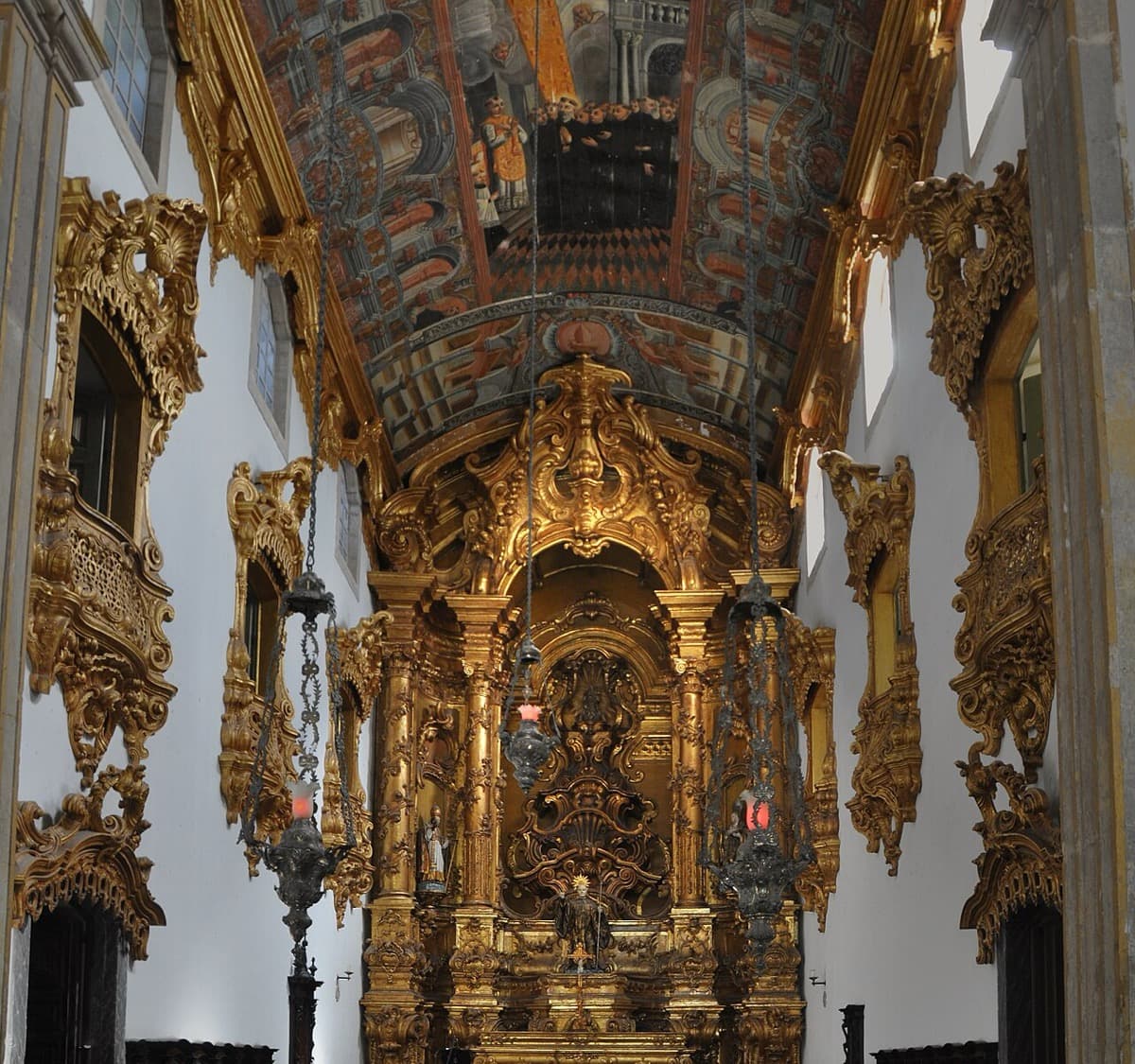
Mosteiro de Sao Bento: The Gilded Altar of the Sugar Coast
1
Mosteiro de Sao Bento: The Gilded Altar of the Sugar Coast
The lowest, oldest starting point of the ascent, a Benedictine monastery whose gilded high altar turned sugar wealth into one of colonial Brazil's most celebrated carvings.
2
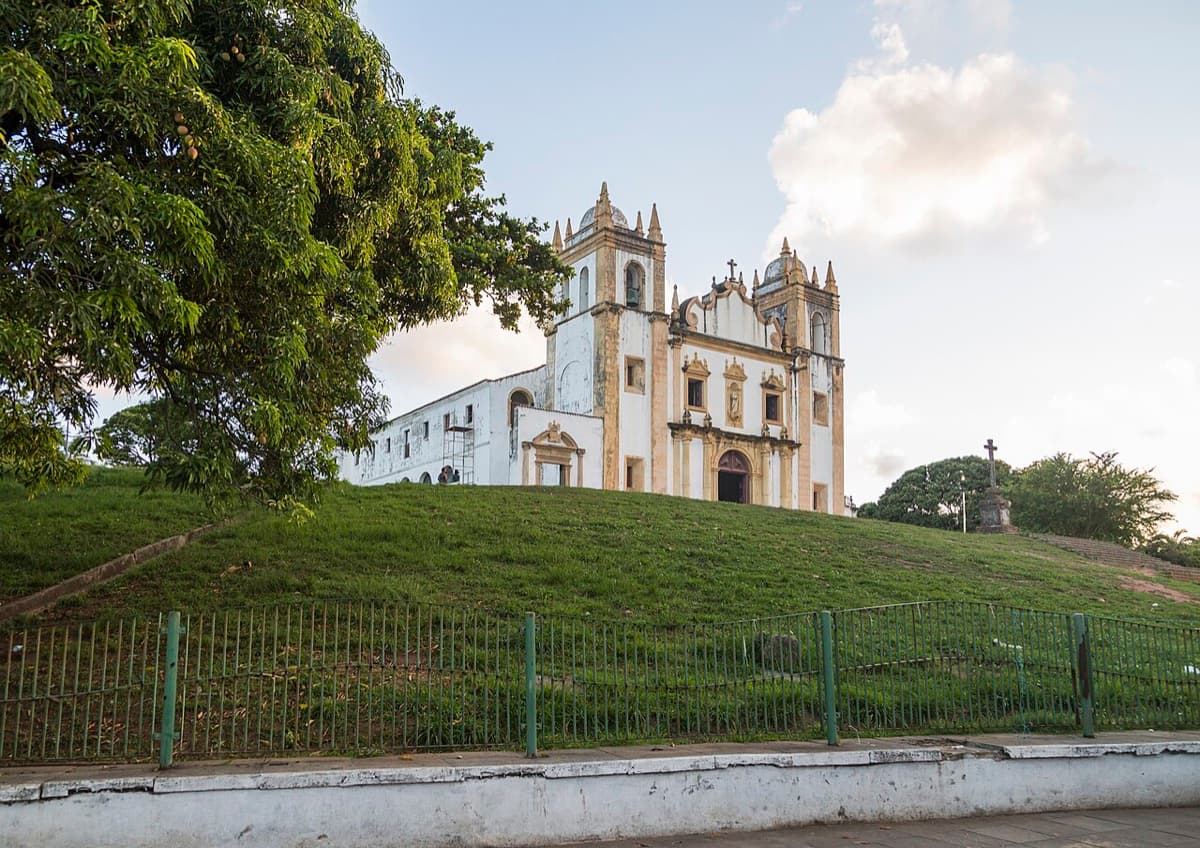
Igreja do Carmo: The Gateway of the Carmelites
The lower gateway church of the historic center, widely cited as the oldest Carmelite temple in the Americas, and the classic arrival point from the Recife road.
3
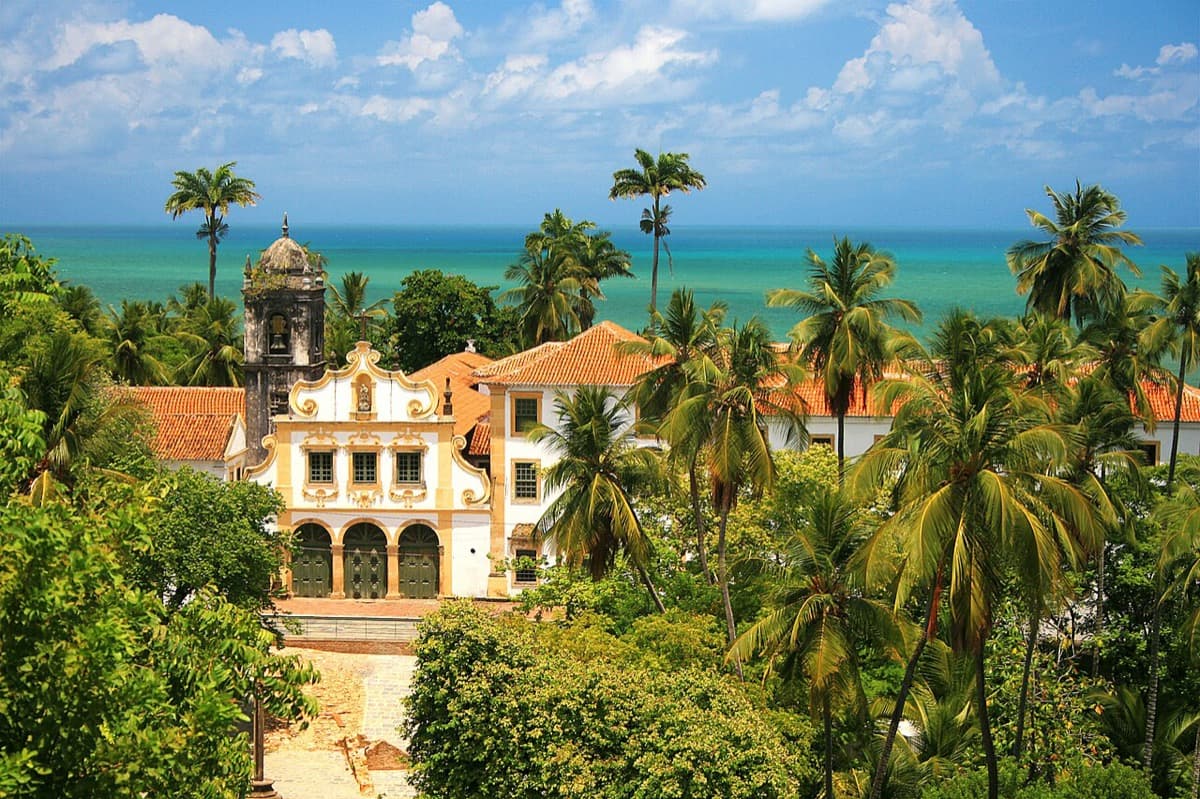
Convento de Sao Francisco: The First Franciscan Convent in Brazil
The oldest Franciscan convent in the country and the thesis at the heart of the hill, famed for its Portuguese blue-and-white azulejo cycles and gilded carving.
4
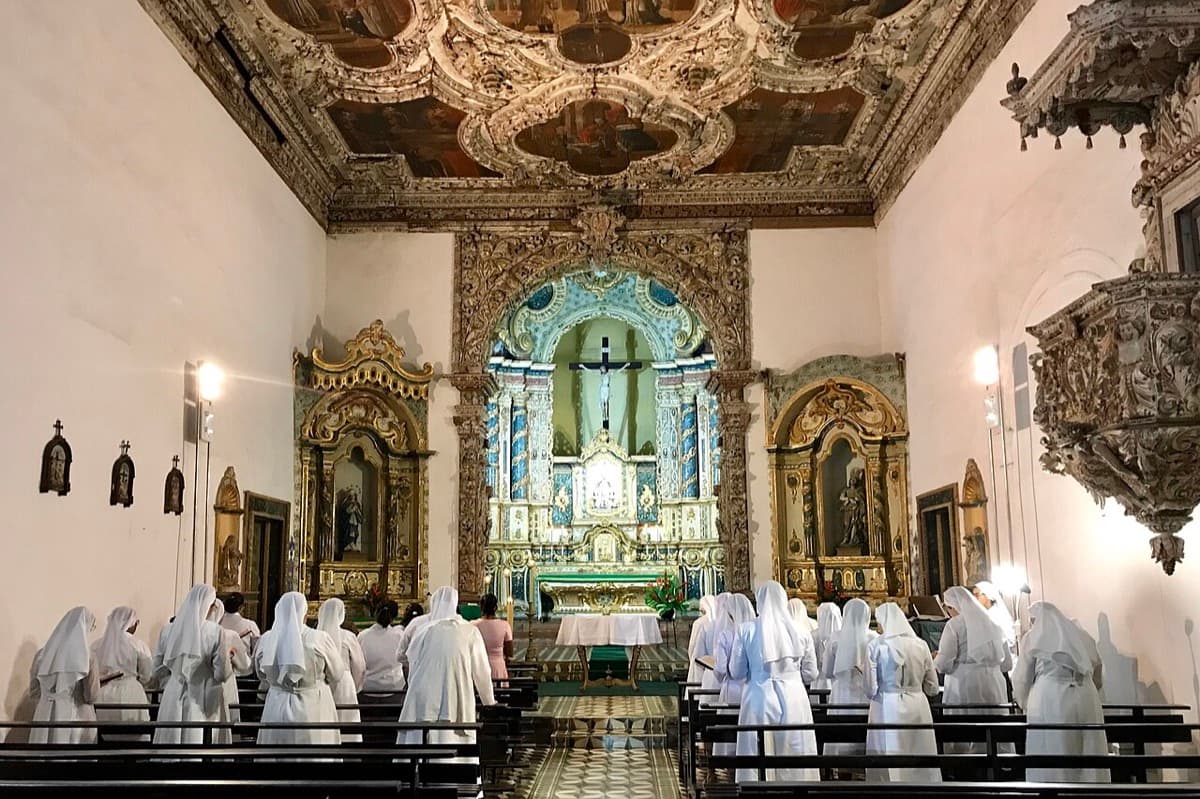
Igreja da Misericordia: Charity at the Top of the Ridge
A small, richly gilded church at the highest point of the ridge, built by order of the Crown to serve a charity hospital, its pulpit bearing the insignia of the House of Austria.
5
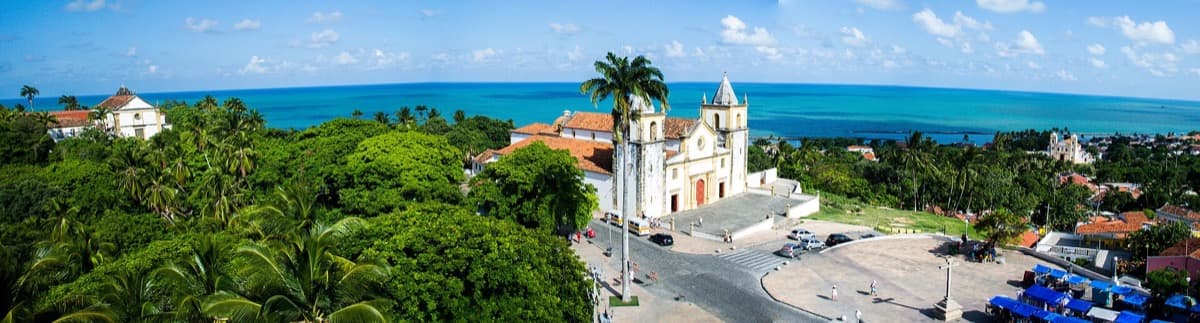
Catedral da Se: The Cathedral Crowning the Sea View
The cathedral at the Alto da Se, begun as a rammed-earth chapel in the fifteen hundreds, gutted by the Dutch, and now crowning the classic panoramic view over Olinda and Recife.
6
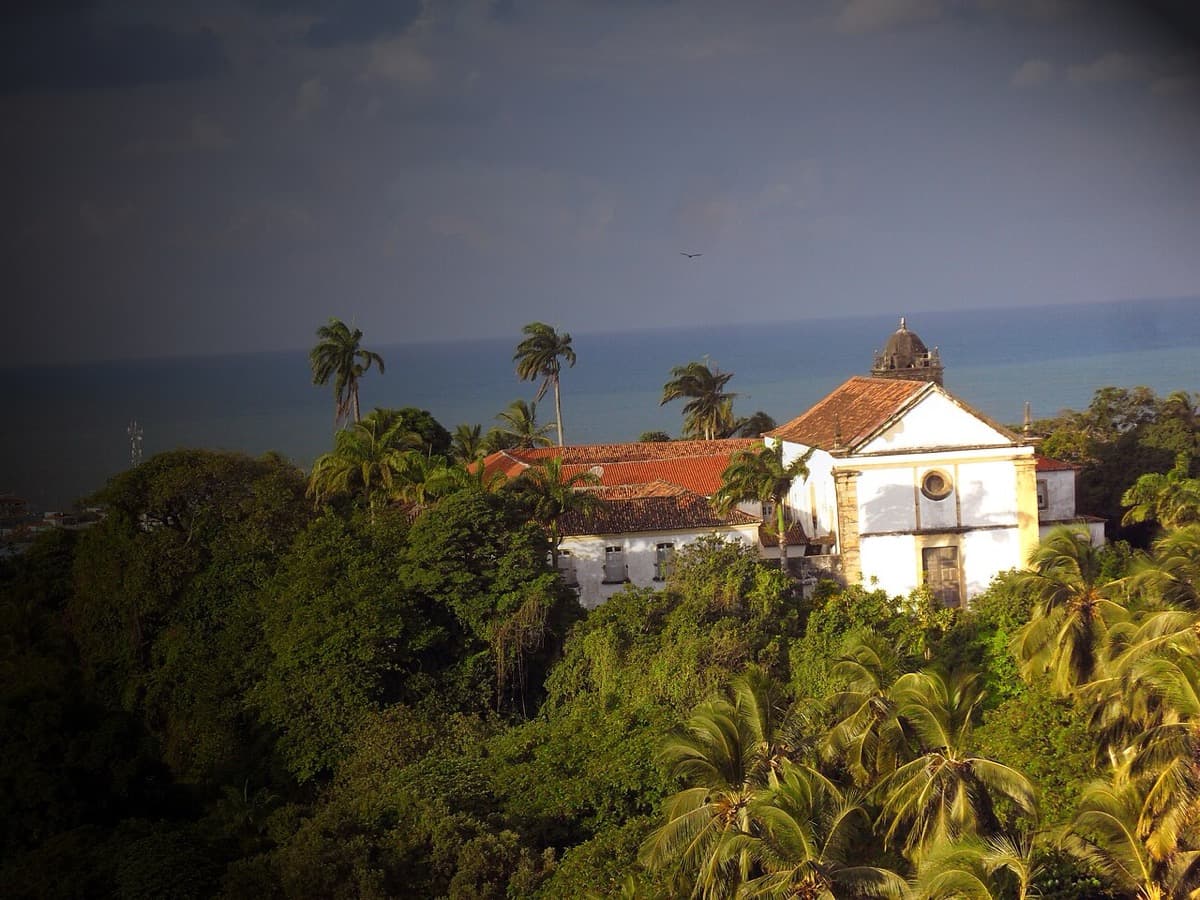
Seminario de Olinda e Igreja de Nossa Senhora da Graca: Reason and Rebellion
The Enlightenment coda at the summit, a Jesuit church turned Episcopal seminary whose curriculum of natural sciences is historically tied to the republican revolution of eighteen seventeen.
Best Time to Visit
Come in the early morning, ideally between eight and ten, when the churches that keep short hours are most likely to be open, the cobbled climb is still cool, and the light on the Alto da Se is soft over the coast. Sunday morning adds the Gregorian chant Mass at the Mosteiro de Sao Bento. Late afternoon rewards the cathedral terrace with golden light over Olinda and Recife, though several churches close by then.
Pro Tips
- •Walk it low to high, from the Mosteiro de Sao Bento up to the Seminario, so the route reads as a timeline and every climb earns a wider view.
- •Church hours are short and irregular here. Several sites, especially the Igreja da Misericordia, often open only in the mornings or for Mass, so start early and treat any open door as a gift.
- •Carry small change or a few notes. The Convento de Sao Francisco typically asks a modest entry fee or donation for the church, cloister, and sacristy.
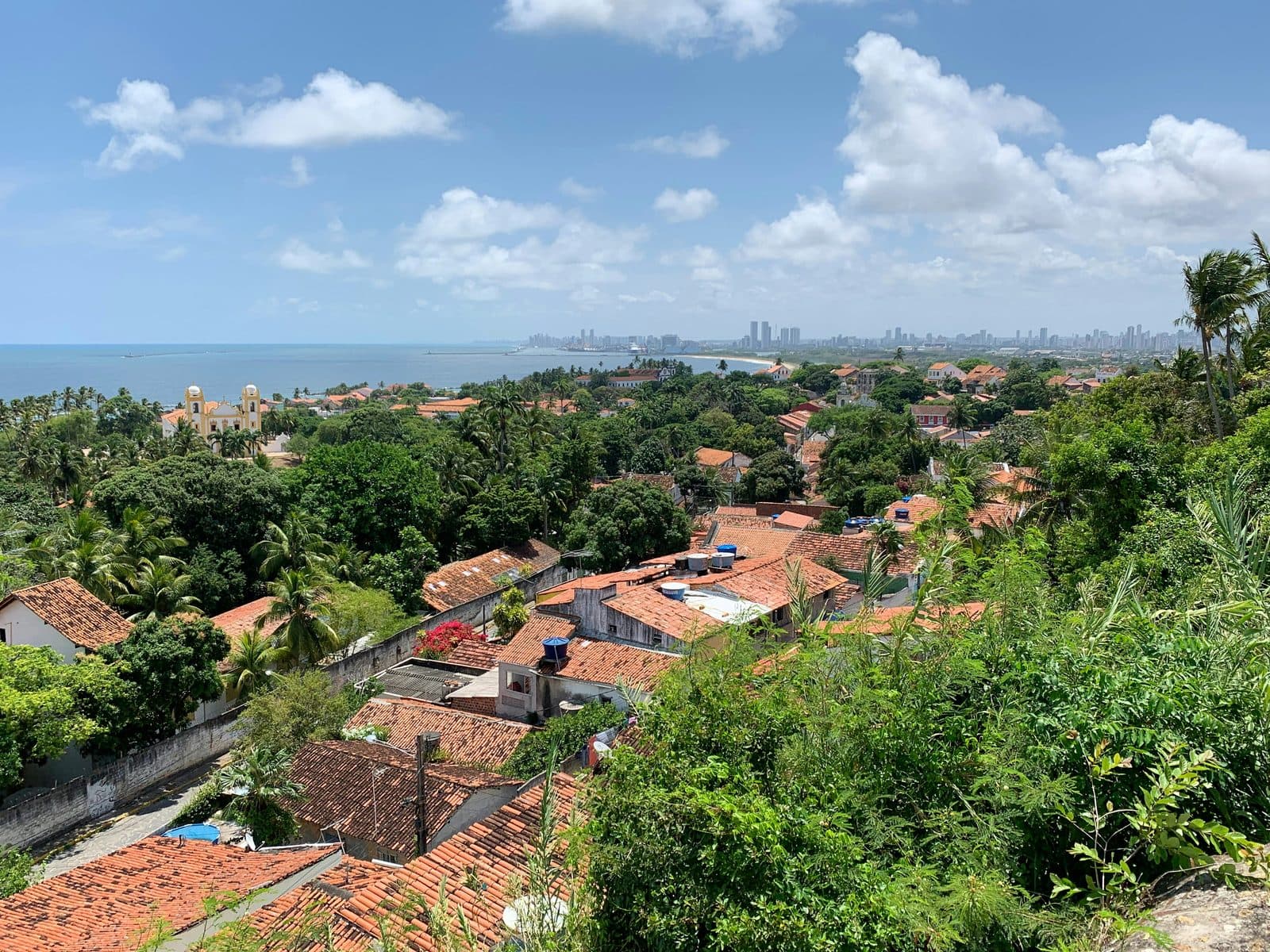
- •Save real time for the cathedral terrace at the Alto da Se. The panoramic view over Olinda's roofs to Recife and the sea is the payoff of the whole climb.
- •Pause inside for the details, not just the buildings: the gilded talha dourada altars, the blue-and-white azulejo cycles, and the painted ceilings reward slow looking.
- •Pair the walk with a rest stop at the top. The ridge around the cathedral and seminary is a natural place to sit, take in the view, and let the paradox of the hill settle before you head back down.
Safety & Precautions
- Olinda is hot and the northeastern sun is strong. Bring water, a hat, and sun protection, and take the cobbled climb at your own unhurried pace to avoid overheating.
- Sudden tropical rain can make the steep, uneven cobblestones and church steps slippery. Wear comfortable shoes with real grip and step carefully on the ladeiras when wet.
- These are active places of worship and living heritage. Dress modestly inside the churches, keep your voice low during Mass, and always ask before photographing people or any sacred ceremony, including Afro-Brazilian religious practice.
- Stay street-smart in the historic centre as you would in any tourist area. Keep valuables out of sight, be extra aware on quieter lanes and during large festivals, and stick to well-populated routes after dark.
Gallery
Related Reading
Go deeper on what you'll see, hear, and walk through.
Overview
Best Self-Guided Walking Tours in Olinda (2026)
3 min
Overview
Olinda Travel Guide: How Many Days, Getting Around, When to Go (2026)
5 min
Overview
One Day in Olinda: A Walkable Hilltop Itinerary (2026)
6 min
Deep dive
The Convento de São Francisco: Brazil's Oldest Franciscan Convent, in Blue and Gold
6 min