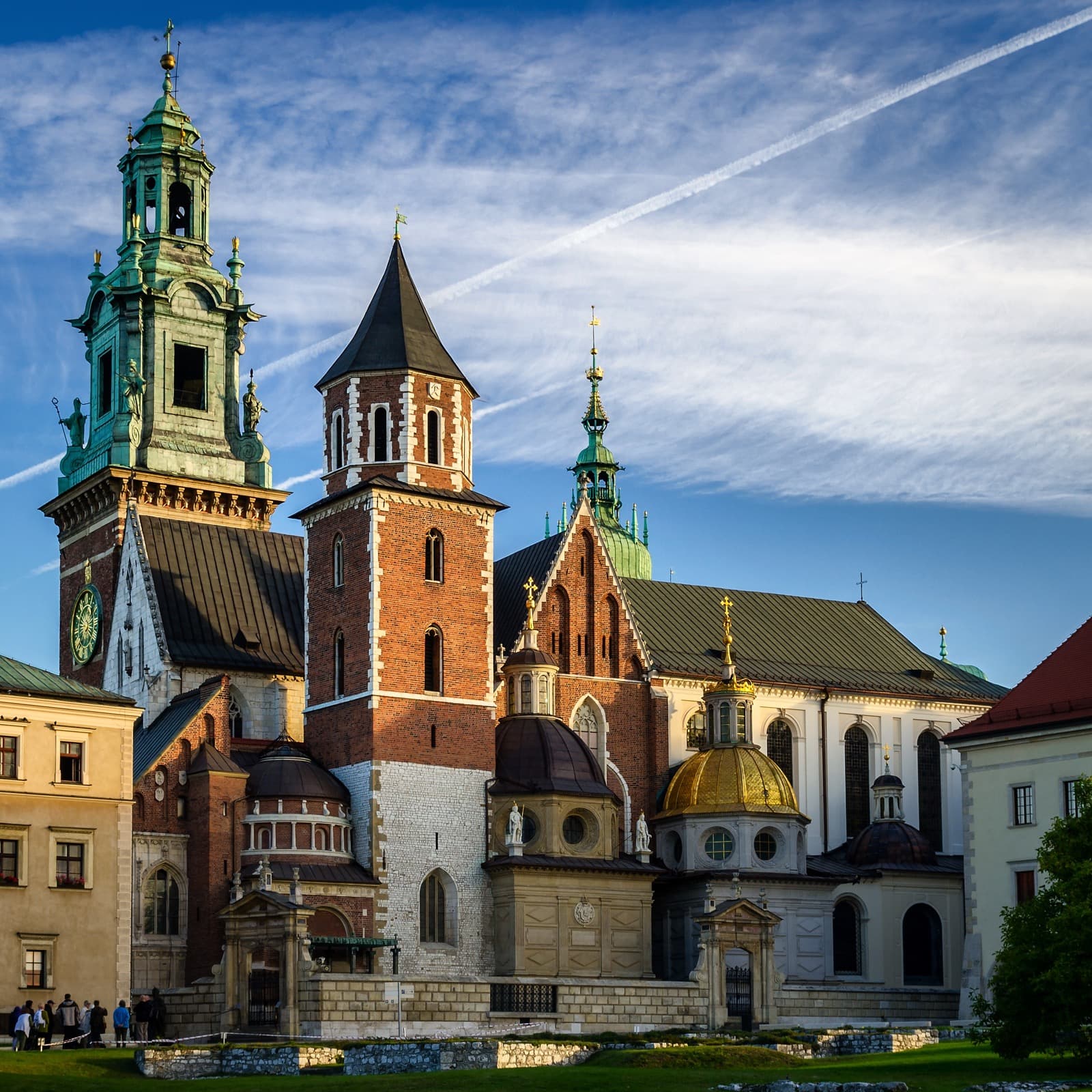
Wawel Cathedral is the one building in Poland that both crowned the country's kings and buried them. From 1320 until the last coronation in 1764, monarchs took the crown here. Since the fourteenth century the same church received their bodies. To understand why a low limestone bluff above the Vistula in Krakow carried an entire kingdom, you read the hill through this church: the place that raised the crown and then took back the man who wore it.
The cathedral's full name is the Archcathedral Basilica of Saint Stanislaus and Saint Wenceslaus, and its double role is the argument the whole Wawel walk expands. Look at the building and you can read centuries in the fabric: Romanesque, Gothic, Renaissance, and Baroque, ringed by chapels that families added over generations, each one a claim on eternity. In the crypts and the nave lie kings including Wladyslaw the Short and Casimir the Third, called Casimir the Great, and later John the Third Sobieski. That is the founding fact of the place. A kingdom kept its dead in the same walls where it made its living rulers.
A necropolis that outgrew its kings
What makes Wawel Cathedral more than a royal vault is who joined the kings later. When Poland vanished from the map after the partitions began in 1772, and Krakow spent much of the nineteenth century under Austrian rule, the hill became a keeper of national memory rather than a working seat of power. So the burials widened. The national heroes Tadeusz Kosciuszko and Jozef Pilsudski were laid here, and so were the great Romantic poets Adam Mickiewicz and Juliusz Slowacki. To be buried on Wawel was to be woven into the nation itself, whether you had ever worn a crown or not. A church built for monarchy became a church for the idea of Poland.
There is a quieter, more recent thread in the stone. Karol Wojtyla served as Archbishop of Krakow from 1964 to 1978, before he was elected Pope John Paul the Second. Years before that, on the second of November 1946, the young priest had celebrated his first Mass in a crypt of this very cathedral. Stand in the cool interior and the register drops. This is a working church and a royal tomb at the same time, so keep your voice low and give it the time a place like this asks for.
The hill read from the top down
Hear a stop from this walk
Wawel Cathedral: Where Kings Were Crowned and Laid to Rest
The cathedral is the keystone, and every other stop on the walk is a variation on its theme: kingship made permanent in stone, then handed to the nation. That is why the route reads the hill from the top down rather than wandering it.
Directly above the cathedral hangs the Sigismund Bell, the largest of five bells in the tower, cast in 1520 by Hans Beham of Nuremberg and named for King Sigismund the First, called the Old, who commissioned it. Its bronze body weighs nine thousand six hundred and fifty kilograms and measures two hundred forty-two centimetres across the lip, and it takes twelve bell-ringers, six on each side, to swing it. It is not a bell for ordinary days. It rings on the highest feasts, on national holidays, and at the moments that mark the country's history. The same instinct that buried poets beside kings kept this one voice for the whole nation to hear at once.
Step around to the cathedral's south side and look up at the golden dome of the Sigismund Chapel. Built between 1519 and 1533 by the Italian architect Bartolomeo Berrecci and financed by that same Sigismund the Old, it is a mausoleum for the last Jagiellonian kings, and historians describe it as the finest example of the Tuscan Renaissance north of the Alps. A Polish king reached south to Italy for his artists and set their best work inside his royal church, so that the dynasty's tombs would rest inside a jewel. The style did not just visit Krakow. It took root, and it shaped what the palace beside the cathedral became.
That palace is the Renaissance Courtyard, rebuilt after a fire in 1499 with the main work running from 1507 to 1536. Its tiered arcades hide one deliberate Polish accent: the uppermost tier is taller than those below, a proportion unknown in Italy. The courtyard is free to stand in and built to be paused in, which is where the freedom of walking this hill yourself really pays. Group tours pass through on a schedule. You do not have to.
The one crown jewel that came home
Inside the Crown Treasury sits Szczerbiec, the notched coronation sword used to crown most Polish monarchs from 1320 until 1764, the same span the cathedral held the ceremony. It is the only surviving piece of the medieval Polish crown jewels. Everything else was lost. This one blade endured Prussian looting in 1795, then Russian custody, then wartime evacuation across the sea to Canada, before returning to Poland in 1959. Set that beside the cathedral and the meaning lands: the church kept the kings' bodies, and this single object kept the ceremony that made them.
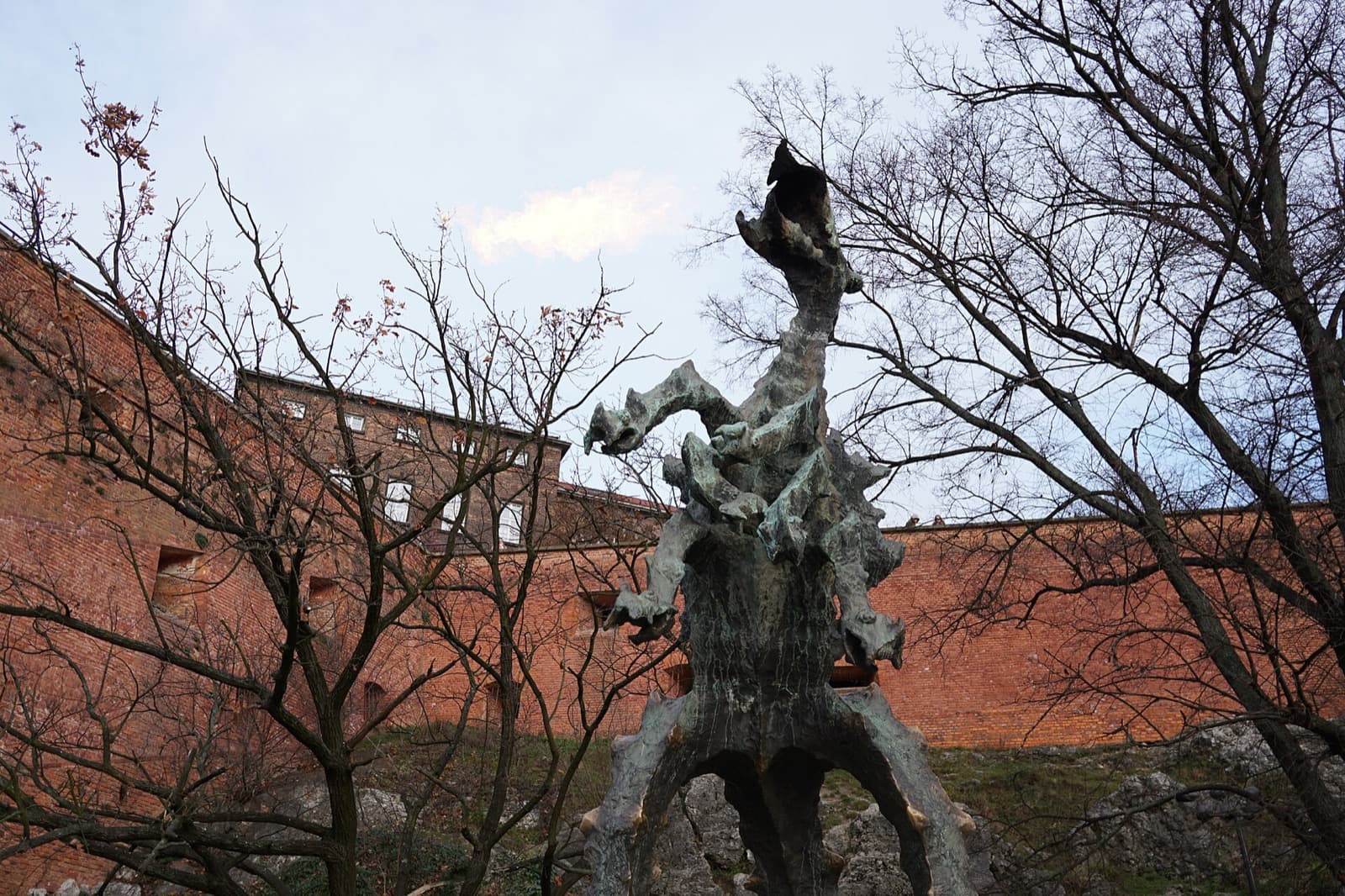
Then the walk deliberately changes tone and comes down to the river, to Smocza Jama, the Dragon's Den, a real limestone cave in the flank of the hill. The dragon is legend, first recorded by Bishop Wincenty Kadlubek in the thirteenth century, and it is told plainly as a story. At the cave mouth a bronze dragon by the sculptor Bronislaw Chromy, installed in 1972, breathes real fire every few minutes. A kingdom's most solemn ground above, and a fire-breathing dragon at its foot: that contrast is the point of the whole route.
Wawel Cathedral gives you the thesis. The bell, the chapel, the courtyard, the sword, and the dragon give you the proof. Walking it at your own pace, lingering where the cathedral and courtyard reward you, is the only way to feel why this modest hill carried a nation. See more Krakow walking tours or start planning your visit to Krakow.
Sources
- Wawel Cathedral, Wikipedia. Coronation and burial history, dedication to Saint Stanislaus and Saint Wenceslaus, and list of interred kings and national figures.
- The Cathedral of John Paul the Second, Wawel Royal Cathedral official site. Karol Wojtyla's tenure as Archbishop and his first Mass in the cathedral crypt.
- The Sigismund Bell, Wikipedia. Casting date, founder Hans Beham, dimensions, weight, and ceremonial ringing.
- Szczerbiec, Wikipedia. Coronation use, its status as the sole surviving medieval Polish crown jewel, and its wartime evacuation and 1959 return.
- Historic Centre of Krakow, UNESCO World Heritage Centre. The 1978 inscription of Krakow's historic centre including Wawel Hill.
Ready to experience it?
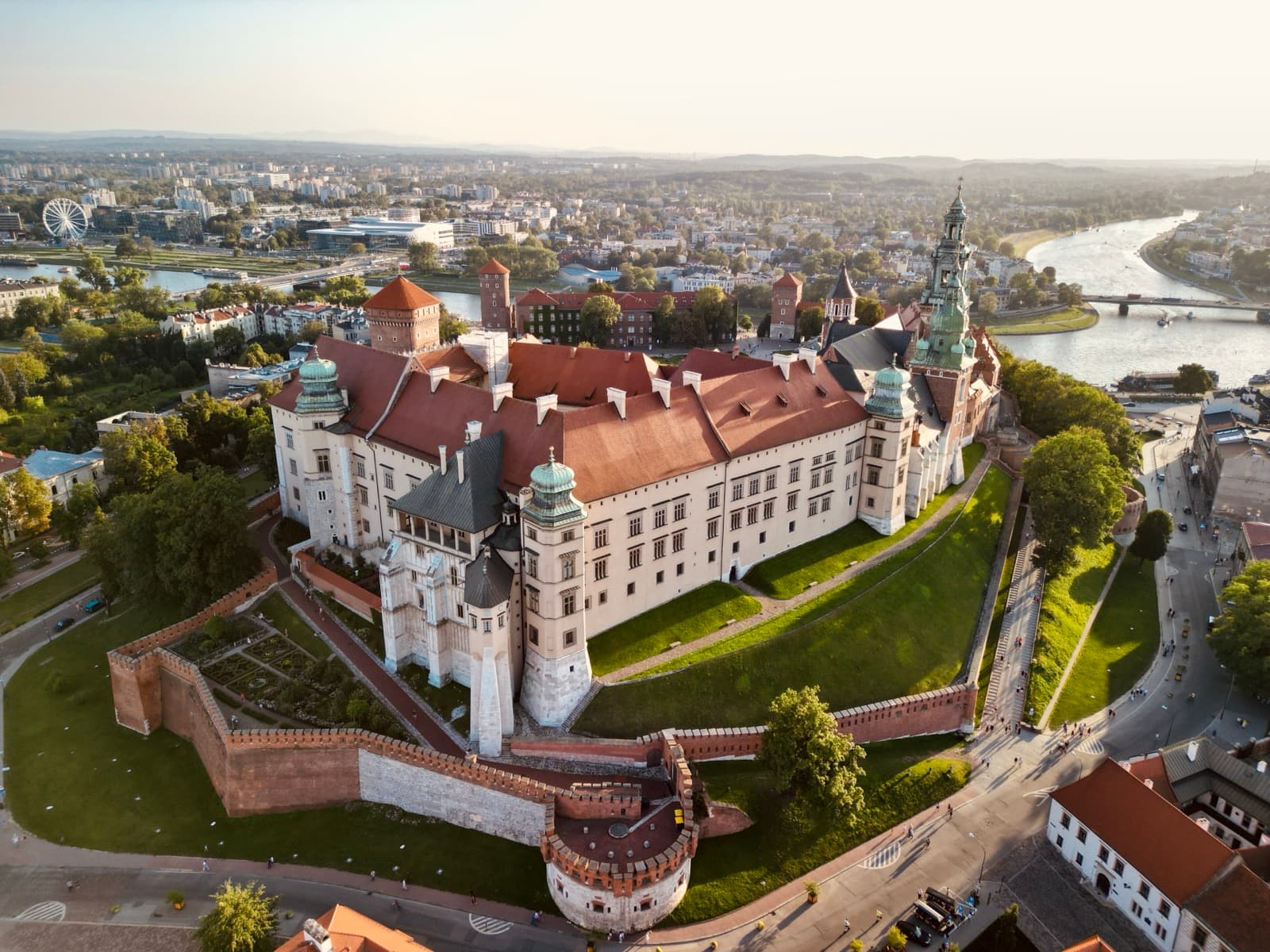
Wawel: The Hill Where Poland Was Crowned
90 min · 1.5 km · moderate
More from Krakow
Explore more at your own pace.
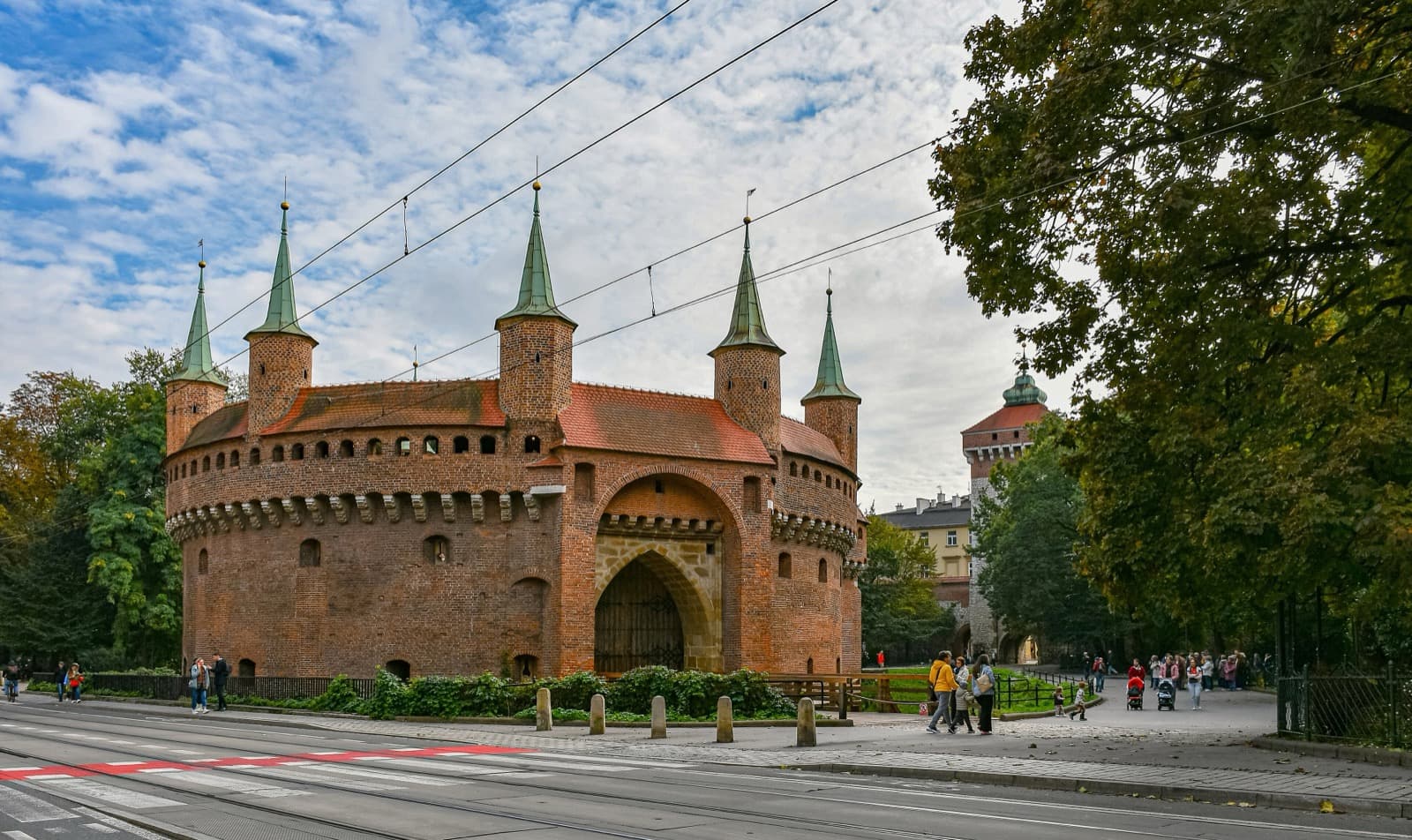
Krakow: The Great Square, the Coronation Hill, and the Quarter That Survived
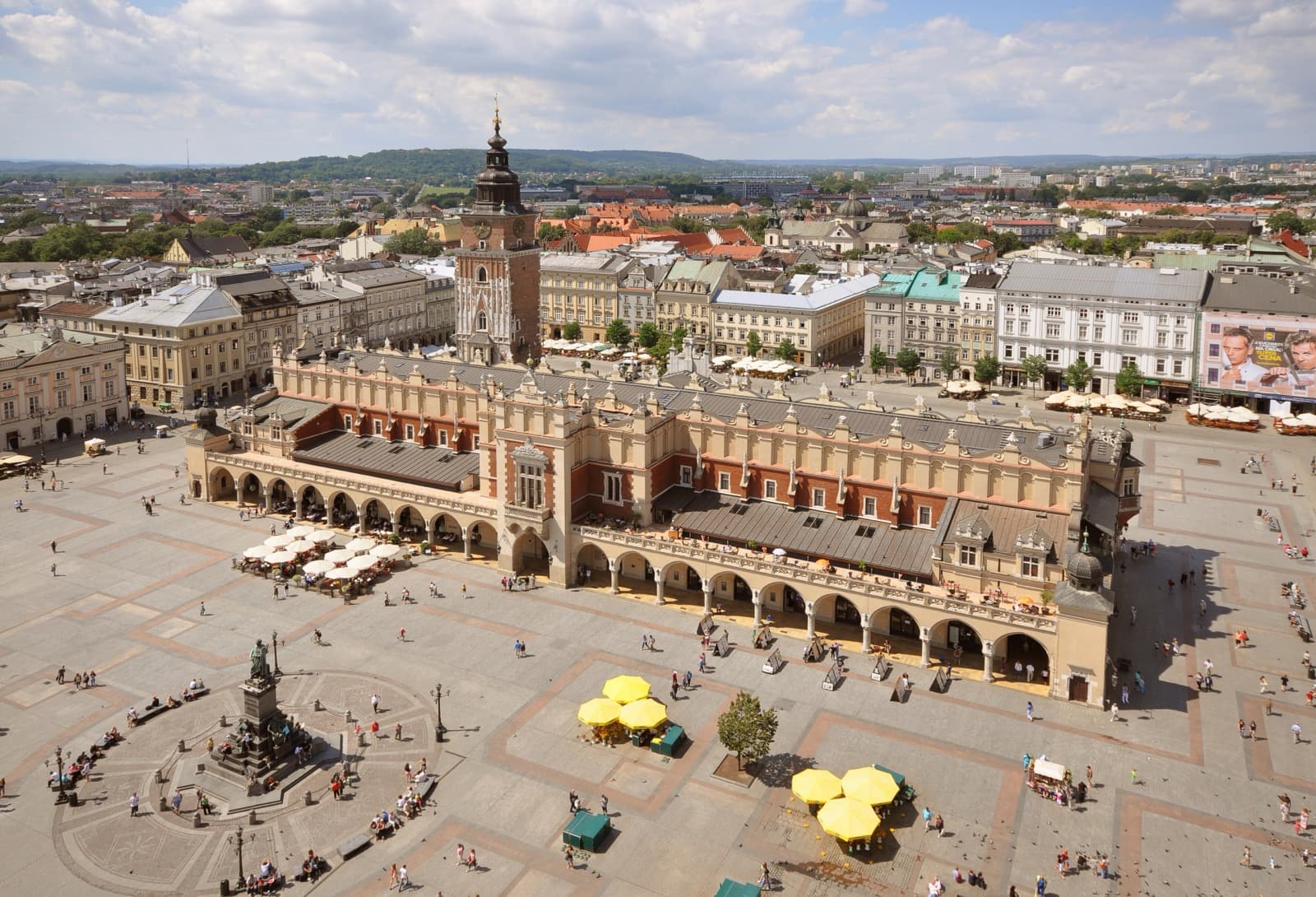
Rynek Glowny: Why Krakow's Main Market Square Is the Whole Tour
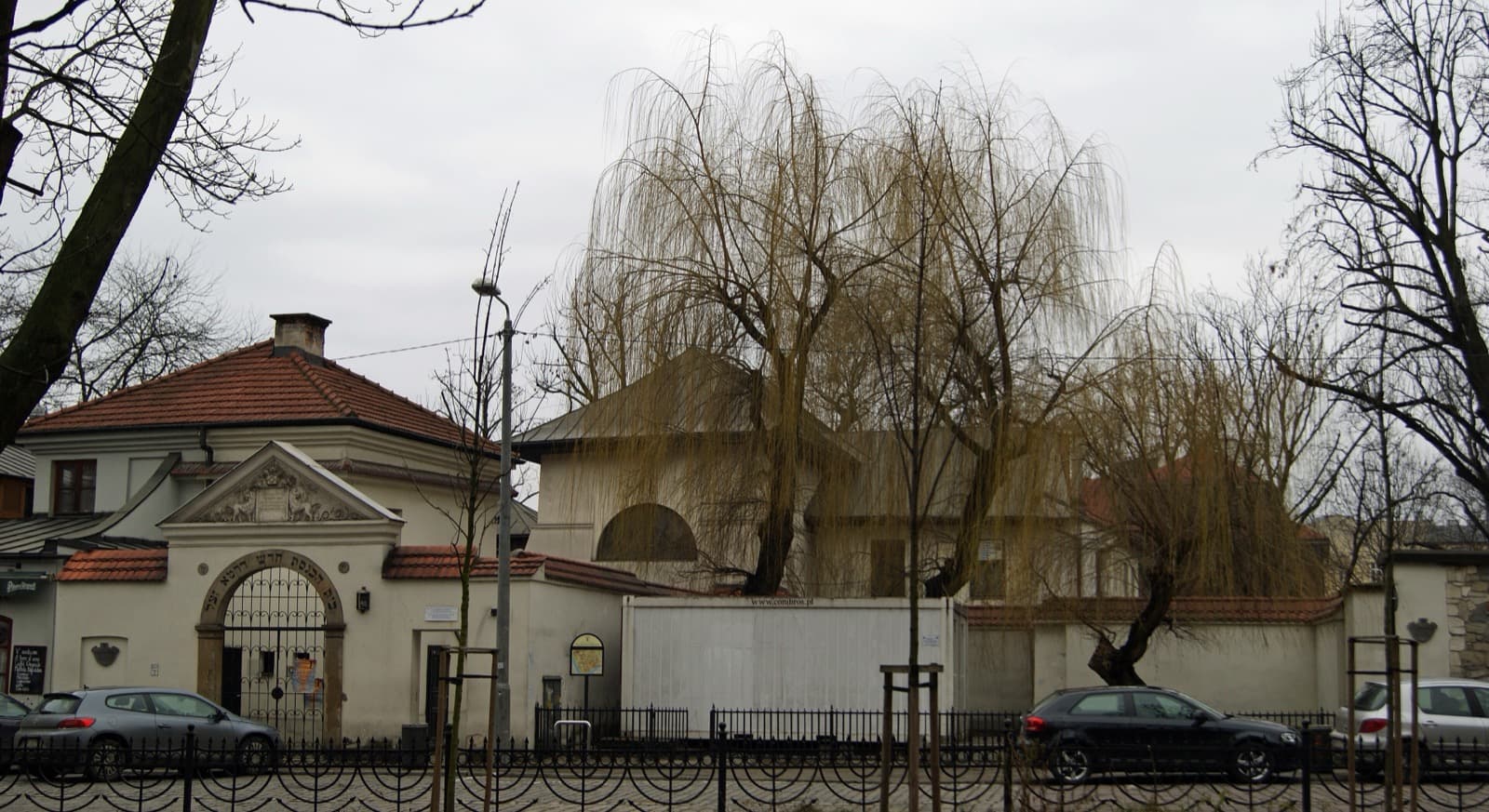
The Remuh Synagogue and Cemetery: Kazimierz's Wall of Broken Headstones
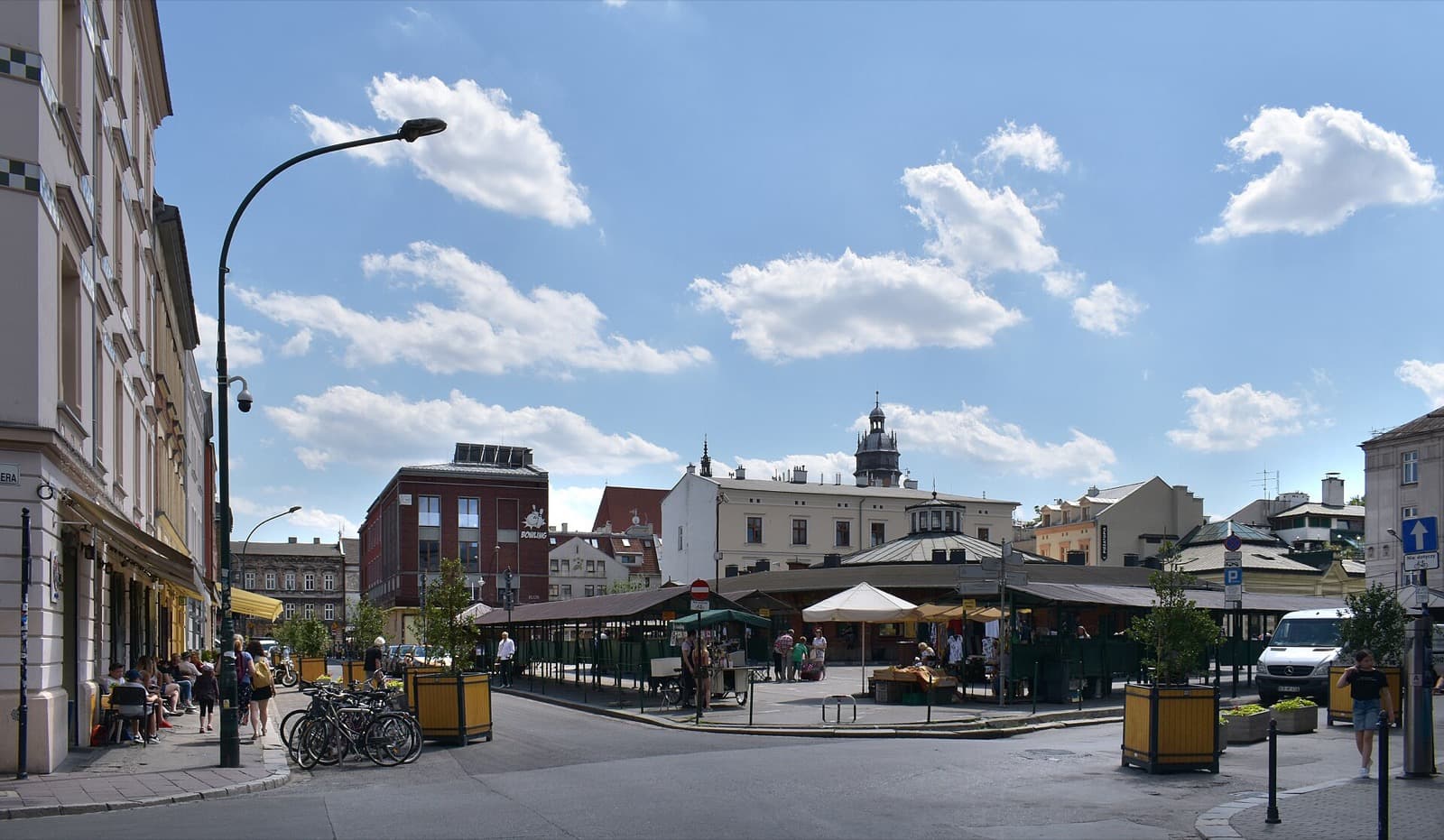
Plac Nowy and the Okrąglak: The Round Hall Where Kazimierz Still Gathers
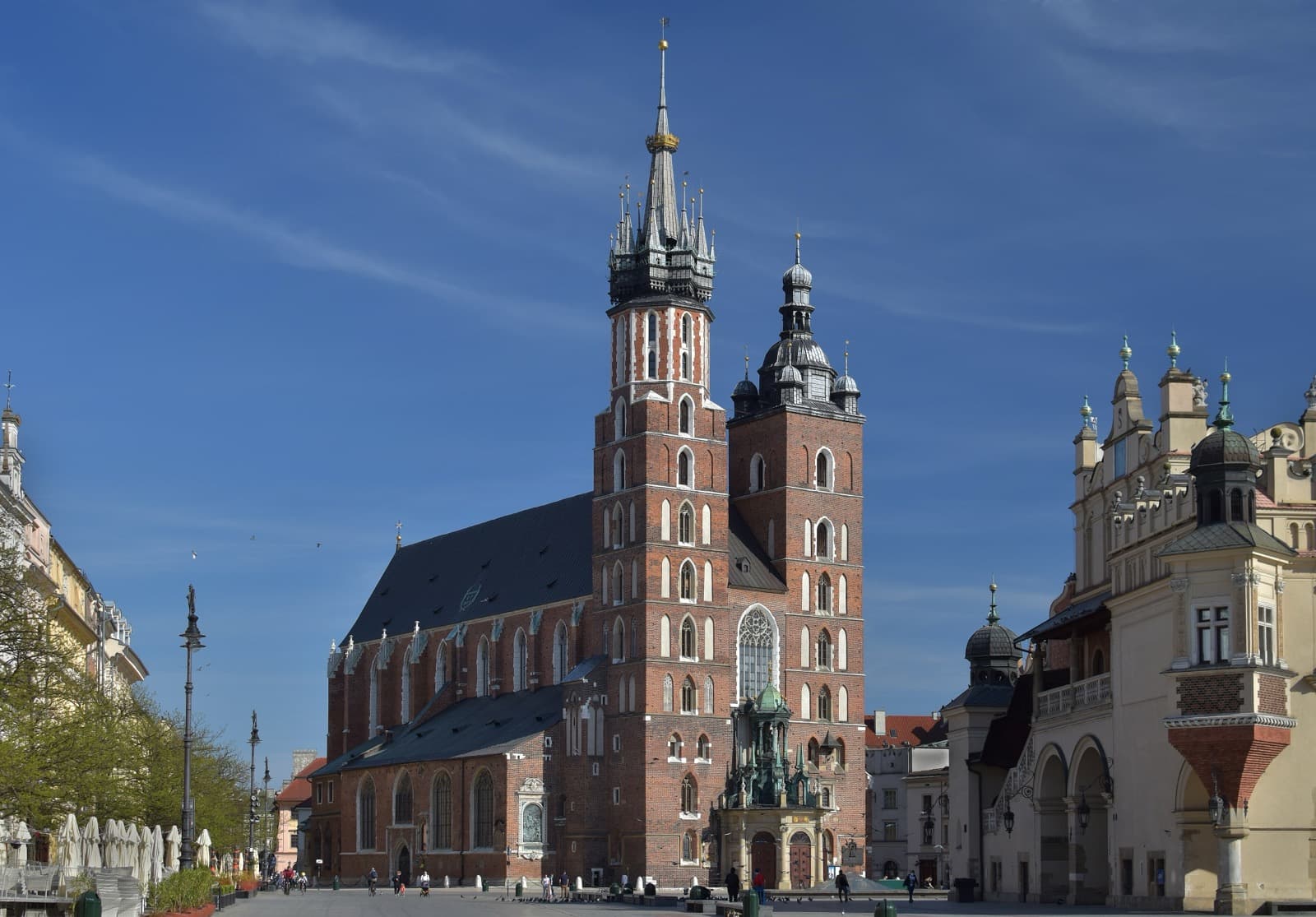
St Mary's Basilica in Krakow: The Trumpet That Stops Mid-Note