Old Town: Europe's Great Medieval Square
100 min · 1.5 km · moderate
Krakow rewards a single day on foot because its medieval core, its castle hill, and its old Jewish quarter sit within a compact, walkable ring, and you can move between all three in about fifteen minutes each. This one-day itinerary walks you from the Barbican through the Main Market Square in the morning, up Wawel Hill at midday, and into Kazimierz by late afternoon, timed around the opening hours and ticket rules that actually govern each site. Krakow was never bombed flat the way Warsaw was, so the streets you walk are the real medieval plan, which is exactly why a walking day works so well here.
If you want the audio versions that narrate each stop as you stand in front of it, the three tours below map directly onto this route. Browse the full set of Krakow walking tours or start from the city page at /poland/krakow.
The short answer: how to structure one day
Walk it in three blocks, in this order:
- Morning (about 2 hours): Old Town and the Main Market Square. Start at the Barbican, walk down Florianska Street, and arrive at Rynek Glowny.
- Midday (about 90 minutes plus lunch): Wawel Hill. A ten to twelve minute walk south of the square brings you to the castle and cathedral.
- Afternoon into evening (about 2 hours plus dinner): Kazimierz. A fifteen minute walk from the square (or from Wawel) reaches the old Jewish quarter, which is also where the city eats and drinks after dark.
Total walking is modest, roughly four to five kilometers across the day, on flat cobbled streets with one gentle climb up Wawel Hill. You can do the whole thing without a car, a taxi, or a tram.
Morning: the Old Town, from the Barbican to Rynek Glowny
Hear a stop from this walk
The Cloth Hall: Seven Centuries of Market
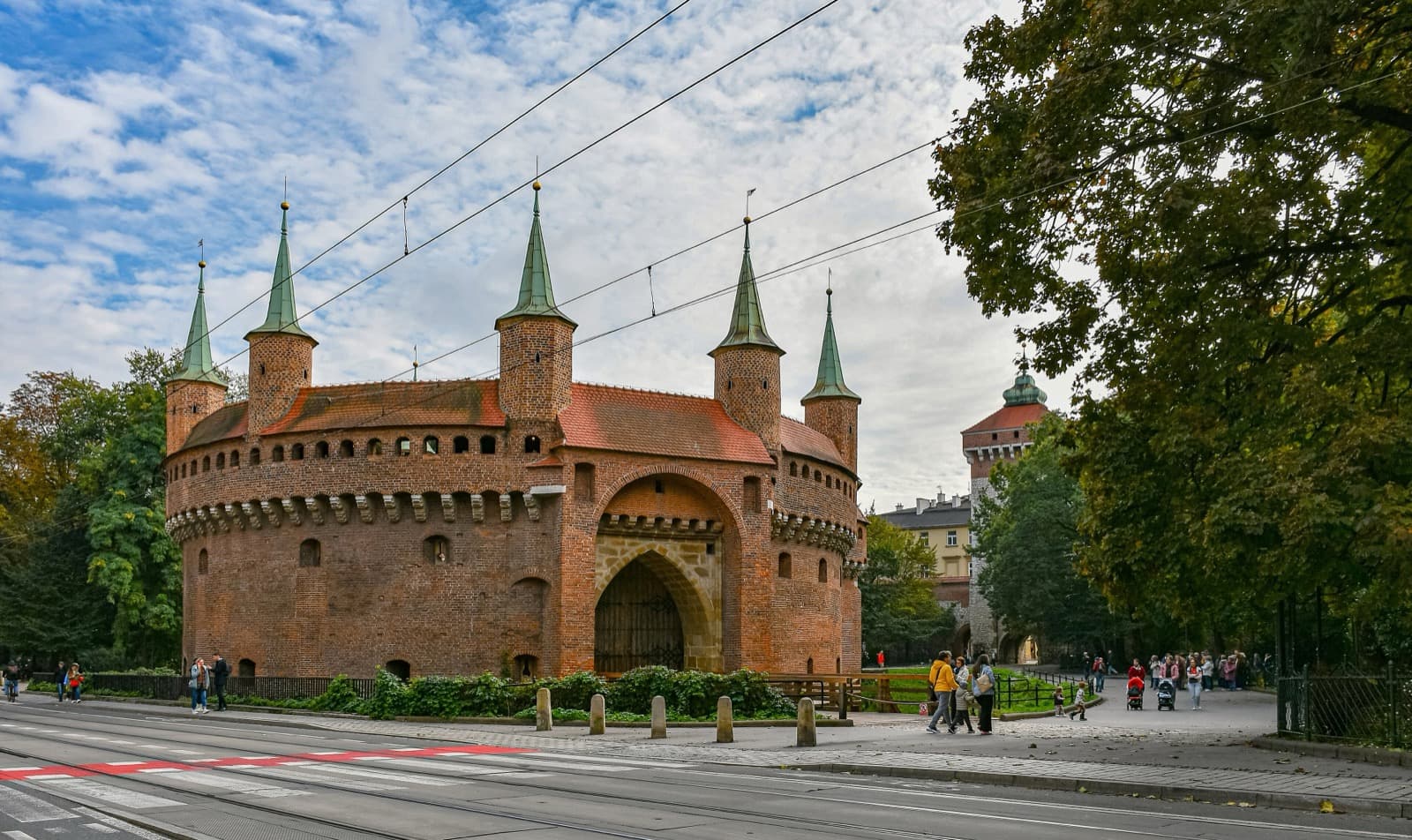
Begin at the round brick Barbican and St Florian's Gate, the last surviving city gate, at the northern edge of the Old Town. From here you follow the old Royal Route, the ceremonial way by which Polish kings once entered the city, straight down Florianska Street toward the square. This is the spine of our Krakow Old Town and Main Square tour, which covers seven stops across about one and a half kilometers.
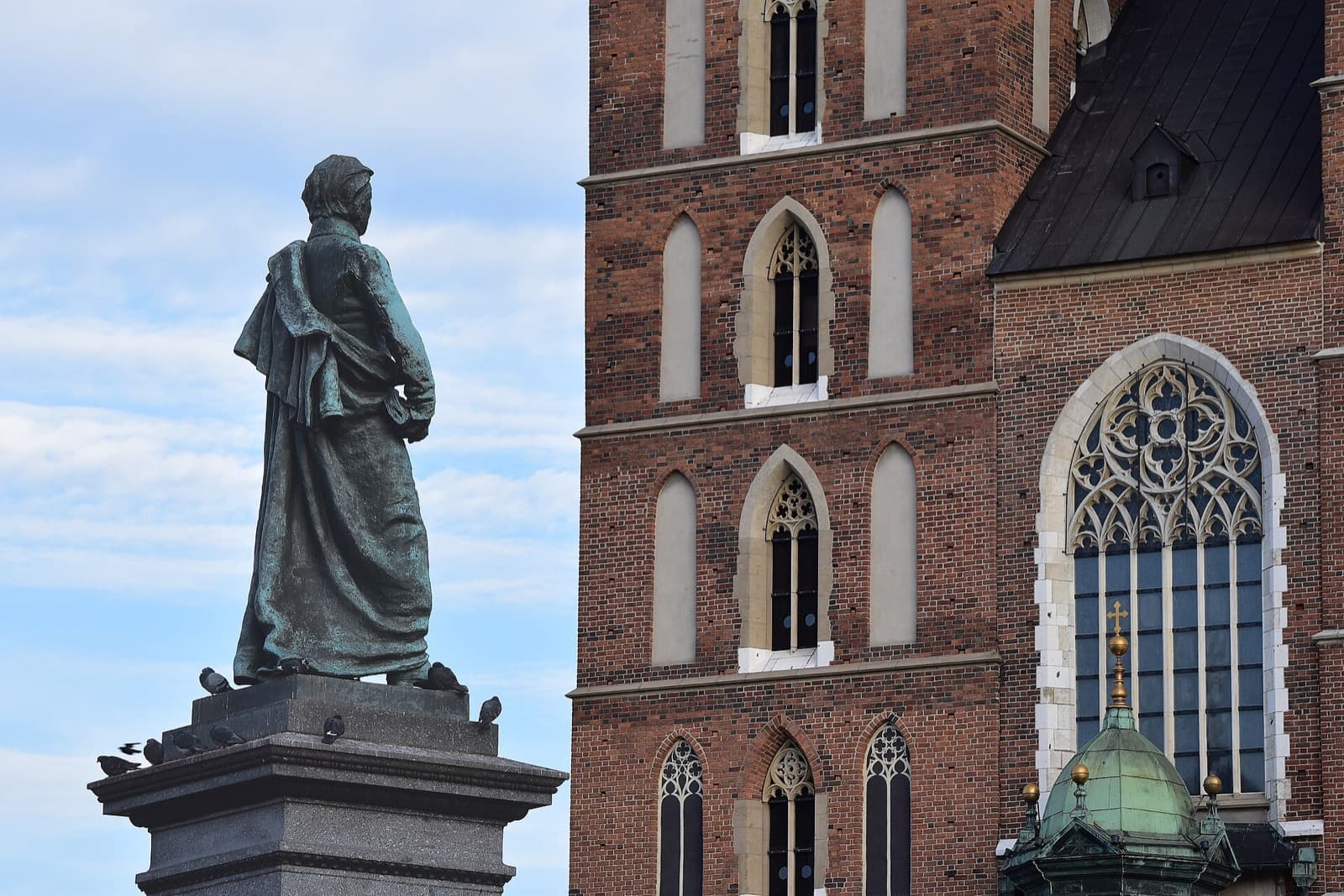
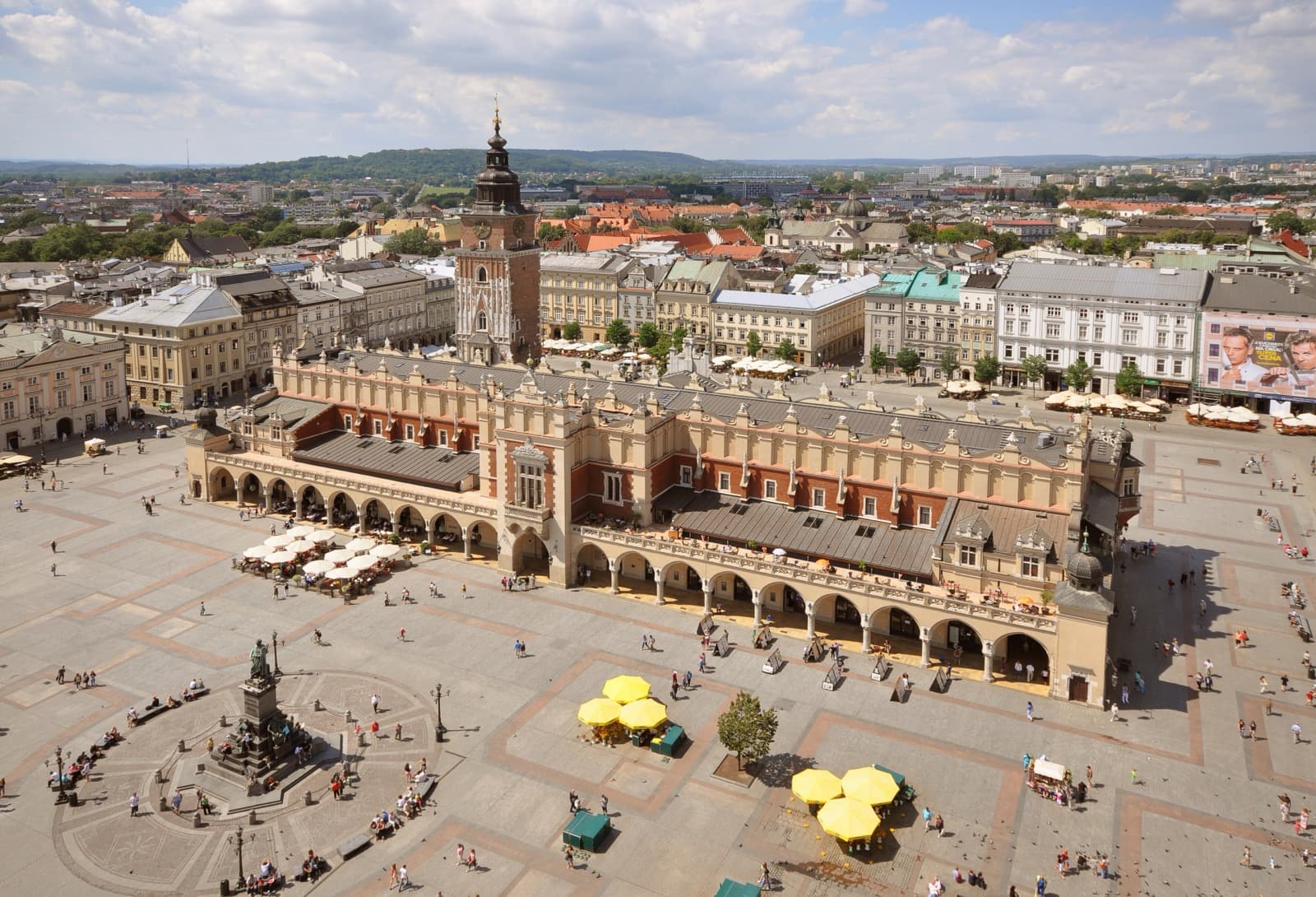
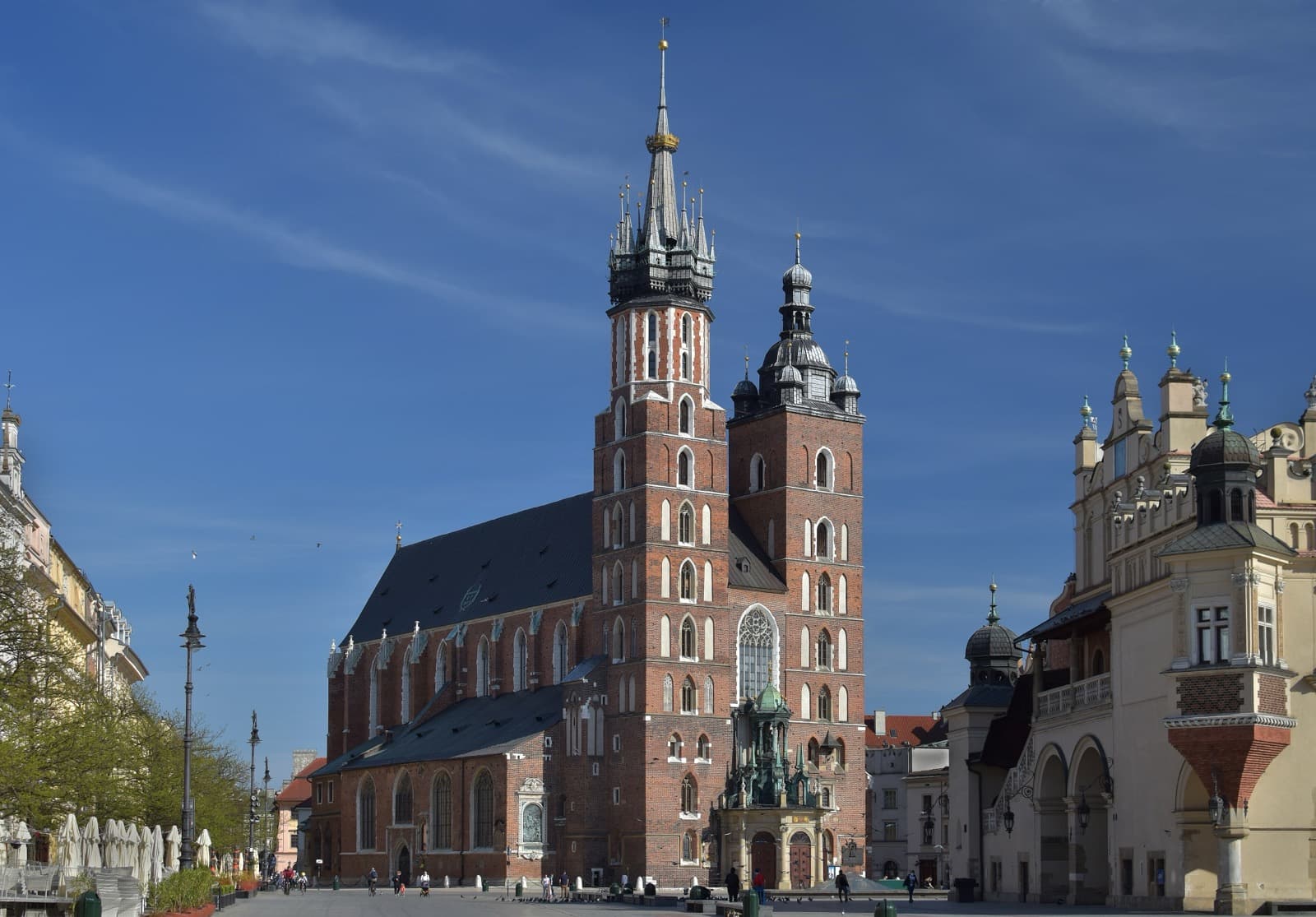
The street opens into Rynek Glowny, the Main Market Square, which UNESCO and multiple sources describe as the largest medieval square in Europe, running more than two hundred meters on each side. Two things anchor it. The Cloth Hall (Sukiennice) runs down the middle: its ground-floor arcade of souvenir stalls is free to walk, while the upstairs gallery of nineteenth-century Polish painting is ticketed. The St Mary's Basilica stands on the corner with its two mismatched towers.
Time your morning around one detail: on the hour, every hour, a live trumpeter plays the hejnal from the taller tower of St Mary's, sending the short melody to the four corners of the square before it breaks off mid-note. The abrupt ending commemorates, by tradition, a medieval trumpeter said to have been struck by an arrow while sounding the alarm. Stand in the square a few minutes before the hour and look up at the tower.
Practical notes for the morning:
- St Mary's Basilica has a free prayer area entered from the main front doors, and a separate ticketed tourist entrance (a small ticket, on the order of 15 to 30 zloty depending on category) that lets you walk the nave and see the great carved Gothic altarpiece up close. The tourist entrance keeps limited hours: on weekdays the tourist area opens late morning (the altarpiece opens around 11:50) and closes at 18:00, and on Sundays and holidays it opens in the early afternoon after Mass. Buy the timed ticket at the visitor office beside the church.
- The Rynek Underground museum sits beneath the square and shows the excavated medieval market level. Adult tickets run around 36 zloty, it closes on some Mondays (the second Monday of each month), and Tuesdays offer a limited number of free tickets in person only. It caps capacity, so it sells out in high season; book ahead if it matters to you.
- The Town Hall Tower and the Collegium Maius courtyard (the oldest Jagiellonian University building, where the young Copernicus studied in the 1490s) both sit within a few minutes' walk and each carry a small optional fee.
Midday: Wawel Hill, castle and cathedral
From the square, walk south about ten to twelve minutes to Wawel Hill, the low limestone rise above the Vistula where Poland crowned and buried its kings. This is our Wawel Castle and Cathedral tour, ninety minutes across seven stops.
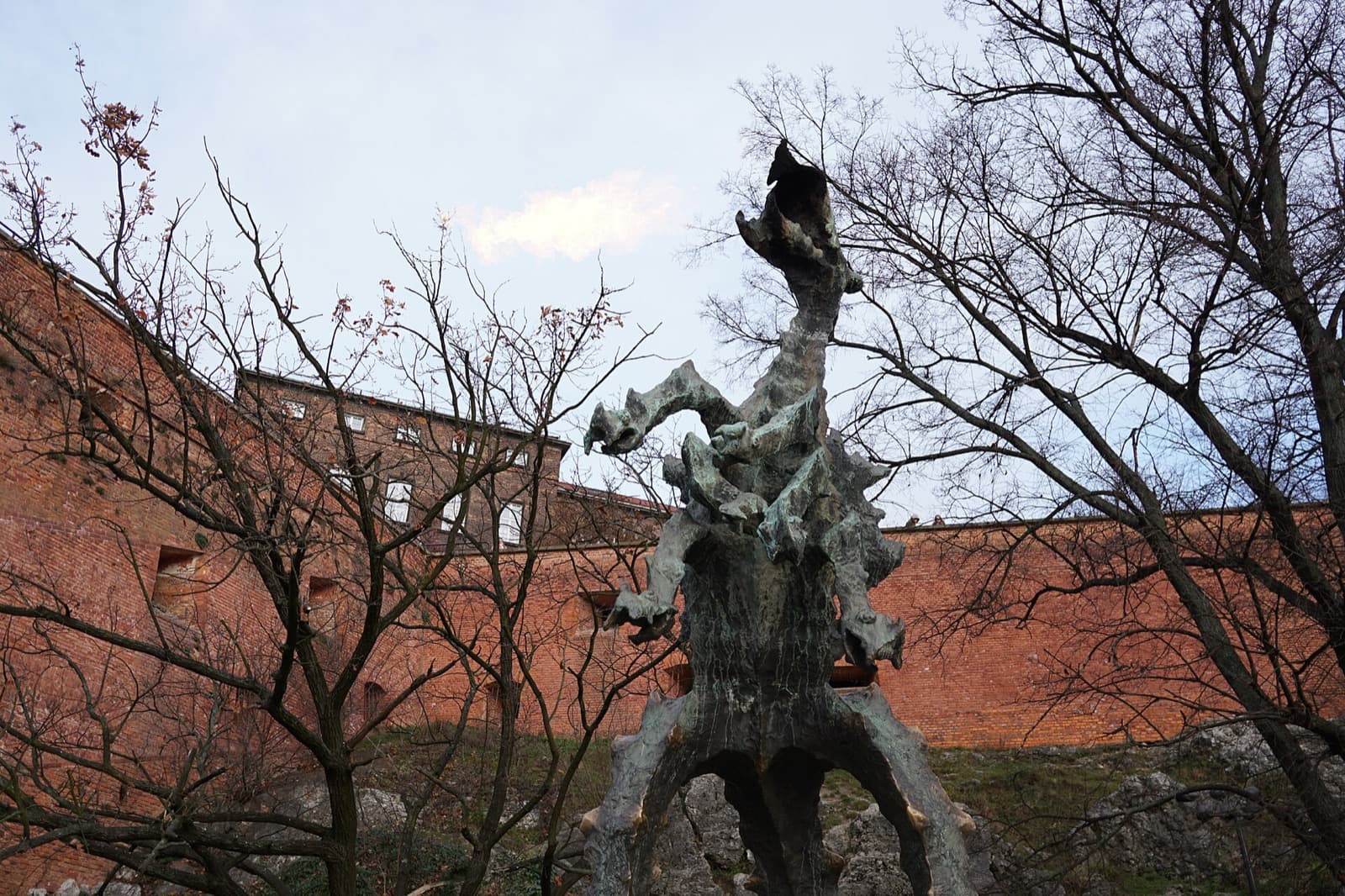
The single most useful fact about Wawel: walking up onto the hill and around the grounds is free. The outer courtyard, the ramp, the views over the river, and the bronze dragon statue by the water all cost nothing. What you pay for are the individual indoor exhibitions, and these are the part that needs planning.
- Wawel Cathedral is where Polish monarchs were crowned. The main nave is free to enter; the royal crypts, the bell tower with the great Sigismund Bell, and the museum are separately ticketed, usually a few zloty each, bought at the cathedral's own ticket office (not the castle's).
- The castle exhibitions (the State Rooms, the Royal Apartments, and the Crown Treasury and Armory, which holds the Szczerbiec coronation sword) run on separate timed tickets, typically in the range of about 30 to 89 zloty depending on how many you combine. The castle interiors are closed on Mondays to normal ticketing, though a few exhibitions release a limited number of free same-day tickets that day, collected in person. Hours shorten in winter (roughly 9:30 to 17:00 in the warmer months, closing earlier off-season). Timed tickets sell out, so reserve on the official Wawel site before you arrive.
- The Dragon's Den cave under the hill is seasonal and separately ticketed; the dragon statue at its foot, which breathes a small burst of fire, is free and open air.
If you only have appetite for one paid interior all day, the Crown Treasury is the strong pick. Otherwise, the free grounds plus the free cathedral nave give you a full and satisfying visit at no cost. Have lunch at the foot of the hill before moving on.
Afternoon and evening: Kazimierz
From Wawel (or from the Main Square) walk about fifteen minutes southeast to Kazimierz, the old Jewish quarter, once a separate town and now the district where Krakow spends its evenings. This is our Kazimierz Jewish Quarter tour, an easy ninety-minute walk of under a kilometer.
Kazimierz carries two stories at once. It is a place of profound loss: the Nazi German occupation destroyed the Jewish community that had lived here for centuries, and the ghetto and the deportations to nearby camps are part of what you are walking through. It is also a quarter where the physical fabric, the synagogues and the old cemetery, survived nearly intact, and where cultural life has genuinely returned. Walk it calmly and give the memorial sites their weight.
The one scheduling rule that will make or break this block: the synagogues and the Remuh Cemetery are closed on Saturdays for Shabbat and on Jewish holidays, and some close early on Fridays. If you are in Krakow on a Saturday, save the synagogue interiors for another day and walk the streets and squares instead.
- Szeroka Street is the broad old heart of the quarter, lined with the historic synagogues.
- The Old Synagogue (now a branch of the Museum of Krakow) is Poland's oldest surviving synagogue building; the interior is ticketed, the exterior free.
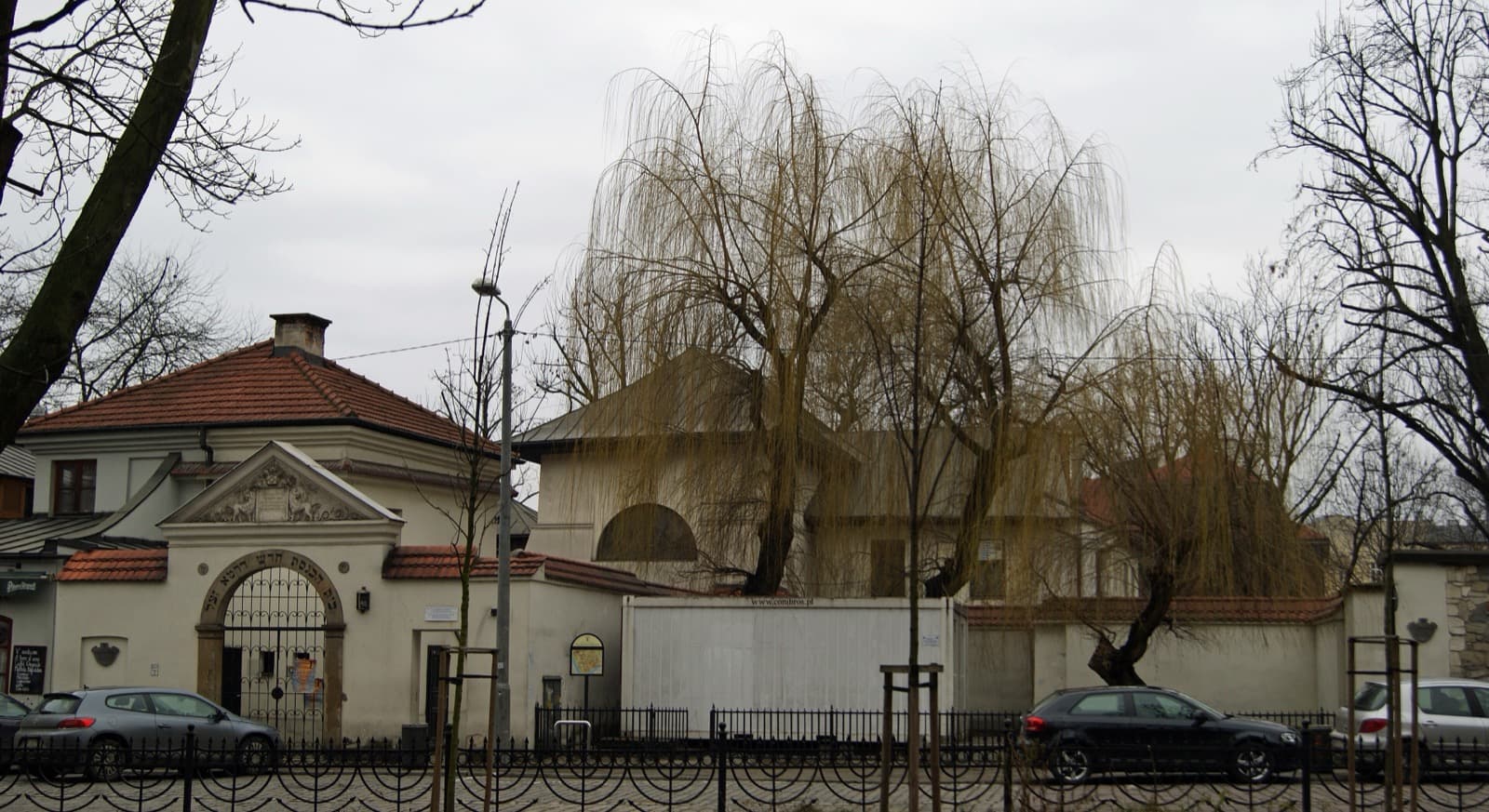
- The Remuh Synagogue and its cemetery are a small combined ticket and, outside of Shabbat, keep roughly daytime hours, opening mid-morning and closing in the late afternoon (with longer hours in summer). The Renaissance rabbi Moses Isserles is buried here.
- The Isaac Synagogue is another small ticketed interior nearby.
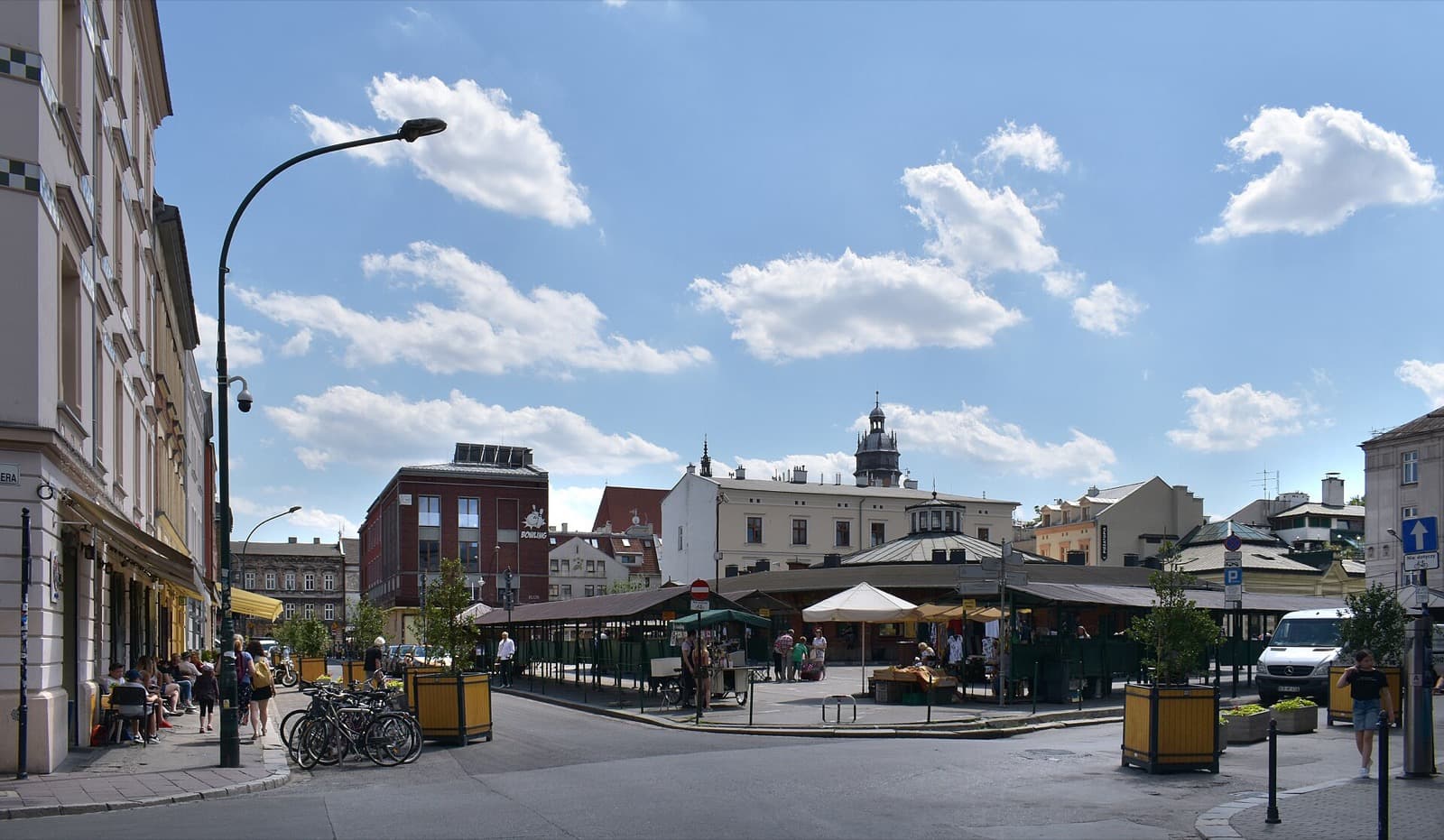
- Plac Nowy, with its round former poultry market (the Okraglak) at its center, is the food-and-nightlife hub. This is the practical place to end the day: dinner, a drink, and the district's zapiekanka stalls are all here.
Safety, and a few honest cautions
Krakow is widely rated one of the safest large cities in Central Europe, and violent crime against visitors is rare. The realistic risks are minor and ordinary:
- Pickpocketing in dense crowds, on Florianska Street, around the Main Square, in Planty Park, and on busy trams. A front pocket or zipped bag handles it.
- The flower or bracelet scam, where someone presses a "gift" into your hand near the square and then demands 20 to 50 zloty. Keep your hands to yourself and keep walking.
- Inflated menus at a few tourist-facing bars, and unregistered taxis charging heavily for short rides. Check prices before you order, and use a marked taxi or a ride app.
None of this should change your plans. It is the same short list you would carry into any busy European tourist center.
Sources
- Wawel Royal Castle, official website (tickets, hours, exhibitions)
- St. Mary's Basilica, official tourist information
- Rynek Underground, Museum of Krakow (hours, free admission, tickets)
- St. Mary's Trumpet Call, Wikipedia (the hejnal fact vs legend)
- Historic Centre of Krakow, UNESCO World Heritage Centre
Frequently asked questions
- Can you see Krakow in one day on foot?
- Yes. Krakow's Old Town, Wawel Hill, and Kazimierz all sit within a compact ring, each about a ten to fifteen minute walk apart. A full day covers the Main Market Square, the castle and cathedral, and the Jewish quarter without needing a car, tram, or taxi, across roughly four to five kilometers of mostly flat cobbled streets.
- Is Wawel Castle free to visit?
- Walking up onto Wawel Hill and around the outer grounds is free, as is the main nave of Wawel Cathedral and the dragon statue by the river. The indoor exhibitions, including the State Rooms, Royal Apartments, and the Crown Treasury and Armory, need separate timed tickets, typically in the range of about 30 to 89 zloty. The castle interiors are closed on Mondays, though a limited number of exhibitions offer free same-day tickets that Monday.
- What time does the trumpet play at St Mary's Basilica in Krakow?
- A live trumpeter plays the hejnal from the taller tower of St Mary's Basilica every hour, on the hour, all day. The short melody is sent to the four corners of the square and breaks off abruptly mid-note, a tradition tied to a medieval trumpeter said to have been struck by an arrow while sounding the alarm.
- Are the Kazimierz synagogues open on Saturday?
- No. The synagogues and the Remuh Cemetery in Kazimierz close on Saturdays for Shabbat and on Jewish holidays, and some close early on Fridays. If you visit on a Saturday, walk the streets and squares of the quarter instead and save the synagogue interiors for another day. On other days the Remuh sites keep roughly daytime hours, opening mid-morning and closing in the late afternoon, with longer hours in summer.
- Is Krakow safe for tourists?
- Krakow is widely rated one of the safest large cities in Central Europe, and violent crime against visitors is rare. The realistic risks are minor: pickpocketing in crowds and on busy trams, a flower or bracelet scam near the Main Square, inflated menus at a few tourist bars, and unregistered taxis. Watch your bag in crowds and check prices before ordering.
- How far is Kazimierz from Krakow's Main Square?
- Kazimierz is about 1.5 kilometers from the Main Market Square, a brisk fifteen minute walk. It is a similar distance from Wawel Hill, so you can easily walk from the castle straight into the Jewish quarter in the afternoon.
Ready to experience it?
Old Town: Europe's Great Medieval Square
100 min · 1.5 km · moderate
More from Krakow
Explore more at your own pace.
Krakow: The Great Square, the Coronation Hill, and the Quarter That Survived
Rynek Glowny: Why Krakow's Main Market Square Is the Whole Tour
The Remuh Synagogue and Cemetery: Kazimierz's Wall of Broken Headstones
Plac Nowy and the Okrąglak: The Round Hall Where Kazimierz Still Gathers
St Mary's Basilica in Krakow: The Trumpet That Stops Mid-Note