Old Town: Europe's Great Medieval Square
100 min · 1.5 km · moderate
Krakow needs three days to see well, moves best on foot through a compact medieval core, and rewards a shoulder-season visit in late spring or early autumn. The city center is small, largely pedestrian, and safe by Central European standards, so most of your planning comes down to timing, a single tram or train ride from the airport, and knowing which corners of nightlife to route around. This guide answers the practical questions before you walk, then hands you off to the self-guided Krakow walking tours that cover the ground stop by stop.
How many days do you need in Krakow?
Three days is the honest floor for a first visit. Two works if the Old Town and Kazimierz are your whole trip and you move at a steady pace. Four or five makes sense once you add day trips, since the two heavyweight excursions, the Wieliczka Salt Mine and Auschwitz-Birkenau, each eat most of a day on their own.
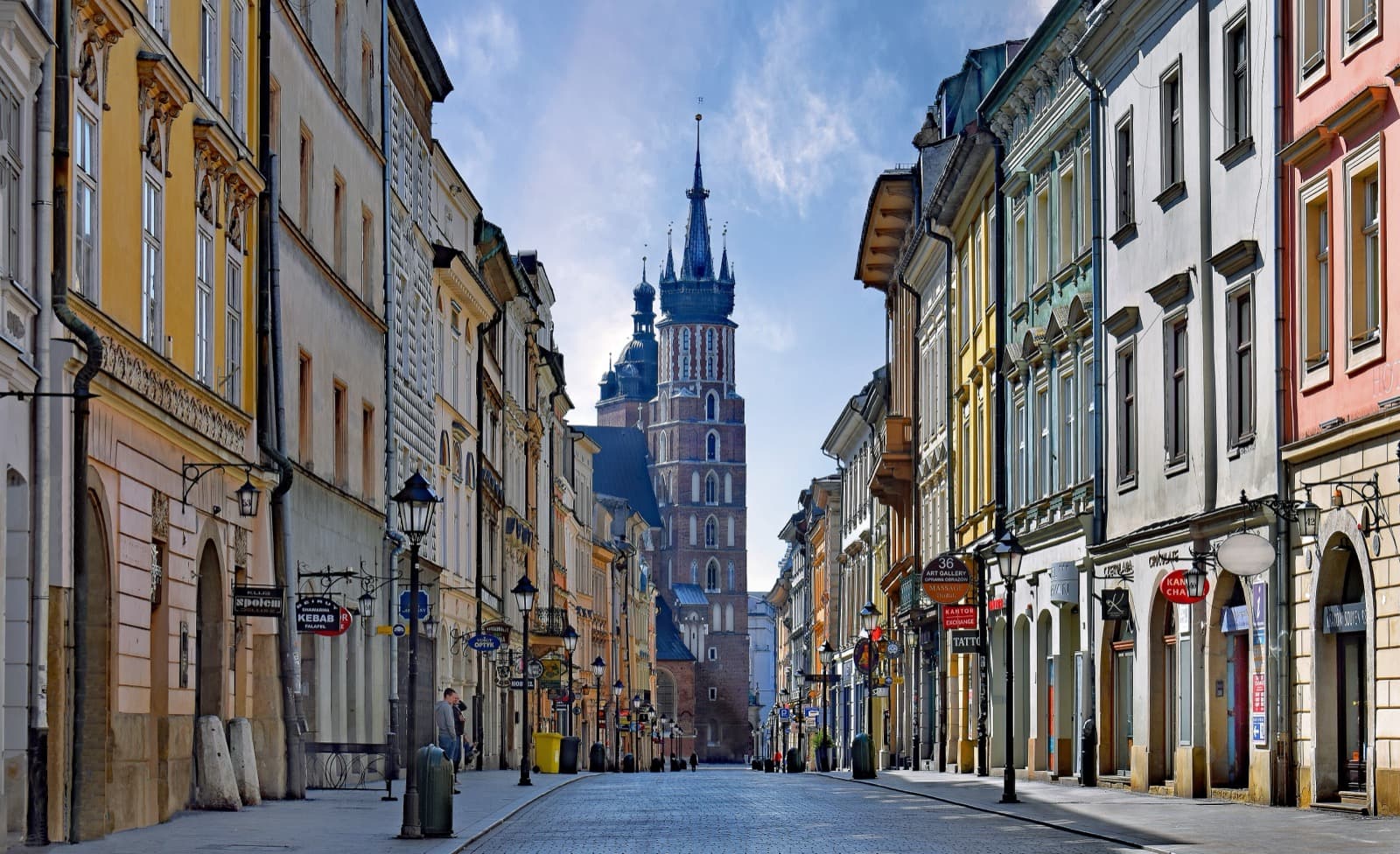
Here is a simple way to split three core days. Day one is the Old Town: the Royal Route from the Barbican down through the Main Market Square, St Mary's Basilica, and the Cloth Hall, which is the ground the Old Town main square tour walks in about two hours. Day two climbs Wawel Hill for the castle and cathedral, then drops into Kazimierz, the old Jewish quarter, in the afternoon. Day three is a day trip or a slower second pass through the districts you liked. The whole historic core is walkable, so you rarely lose time to transit inside the city.
How do you get around Krakow?
Hear a stop from this walk
The Cloth Hall: Seven Centuries of Market
You walk. The Old Town and Kazimierz sit close together and both are mostly pedestrian, so for the sights in this guide you will barely touch public transport. When you do need it, trams and buses share one ticketing system and reach the outer districts like Nowa Huta and the salt mine at Wieliczka.
From John Paul II International Airport, the simplest route into town is the SKA1 train to Krakow Glowny, the main station on the edge of the Old Town. The ride runs about 20 minutes and costs around 20 zloty, with departures roughly every half hour through the day. For city trams and buses, time-based tickets start at a few zloty for a short hop, a 60-minute or single-journey ticket runs roughly 6 to 8 zloty, and a 24-hour ticket is around 20 to 25 zloty (prices shifted in 2026, so check the machine before you tap). Machines on board and at stops take contactless cards, Apple Pay, Google Pay, and BLIK, so you rarely need cash. Two rules save money: validate or activate your ticket before you ride, because inspectors fine unvalidated tickets on the spot, and use a licensed app like Bolt or Uber rather than an unmarked taxi at the airport or station.
When is the best time to visit?
Late spring and early autumn are the sweet spots: roughly April and May, then September and October. Temperatures in May sit in a comfortable range around the mid-teens to low twenties Celsius, crowds are thinner than in summer, and the light stays long enough for unhurried walking.
July and August bring the warmest weather but also the heaviest crowds and higher room rates, with real waits at Wawel Castle and the Wieliczka Salt Mine. Winter is cold and quiet outside the December Christmas-market weeks, when the Main Market Square fills up again. If you want the squares to yourself, aim for a weekday in the shoulder months. Tuesday through Thursday are noticeably calmer than weekends across the busy sights.
What does it cost to see the sights?
Krakow's best hours are cheap or free. Walking the Royal Route, sitting in the Main Market Square, and climbing the ramp up Wawel Hill for the views cost nothing. Wawel Hill's grounds are generally free and open from early morning to late evening; the castle's ticketed exhibitions keep their own seasonal hours and are worth checking on the official Wawel site before you go, since displays rotate and some days differ.
Individual interiors carry small entry fees, usually a handful of zloty each. Expect roughly 20 zloty to step inside the tourist area of St Mary's Basilica, with the prayer area free, and something in the low tens of zloty for the Rynek Underground museum beneath the square or the Sukiennice Gallery in the Cloth Hall. In Kazimierz, the synagogues and the Remuh cemetery each ask a small fee, while the streets, Plac Nowy, and Corpus Christi Basilica are free to wander. None of it is expensive, and the self-guided tours let you decide stop by stop which interiors are worth a ticket and which you would rather admire from outside.
Is Krakow safe?
Yes, with ordinary city sense. Poland sits at the lowest tier on the US State Department advisory scale, and Krakow is among the safer tourist cities in Central Europe. The realistic risks are petty, not violent: pickpocketing in crowded spots, a few predictable scams, and the late-night edge of the nightlife scene.
Keep your bag zipped and in front of you on busy trams and in the Main Market Square, which is where pickpockets work the densest. Skip street promoters offering a free drink at a club, a known trap that ends in a bill for far more than you agreed to, and exchange money at a bank or a clearly-rated kantor rather than a flashy storefront quoting a rate that hides its commission. Late at night, the Main Square and Kazimierz stay lively toward the early hours and draw stag-party crowds; the square has a visible police presence and cameras, and a Bolt or Uber is the calm way home. Handle those few things and the city feels relaxed to walk, solo included.
Walking Krakow on your own clock
The reason to go self-guided here is the same reason the city is a pleasure: the core survived. Krakow was never flattened the way Warsaw was, so the medieval street plan reads almost whole, and it is also one of the most group-packaged cities in the region, all matching lanyards and fixed loops. On foot with audio in your ear, you set the pace. You can linger under the Gothic altarpiece in St Mary's, catch the hourly trumpet call on your own schedule, and cross from the Old Town into Kazimierz whenever the mood turns. Three routes cover the ground: the Old Town and Main Square, Wawel Castle and Cathedral, and the Kazimierz Jewish quarter. Start with whichever district your first morning lands in.
Sources
Frequently asked questions
- How many days do you need in Krakow?
- Three days is a comfortable minimum for a first visit, covering the Old Town, Wawel Hill, and Kazimierz. Two days works if you stay in the historic core and move steadily. Add a fourth or fifth day if you want day trips like the Wieliczka Salt Mine or Auschwitz-Birkenau, since each takes most of a day.
- How do you get from Krakow airport to the city center?
- The SKA1 train from John Paul II International Airport to Krakow Glowny, the main station beside the Old Town, is the simplest route. It takes about 20 minutes, costs around 20 zloty, and runs roughly every half hour through the day. For taxis, use a licensed app like Bolt or Uber rather than an unmarked car at the airport.
- What is the best time of year to visit Krakow?
- Late spring (April and May) and early autumn (September and October) offer pleasant weather and thinner crowds than summer. July and August are warmest but busiest, with real waits at Wawel Castle and the salt mine. Weekdays from Tuesday to Thursday are calmer than weekends year round.
- Is Krakow safe for tourists?
- Yes. Poland sits at the lowest tier on the US State Department travel advisory scale, and Krakow is among the safer cities in Central Europe. The main risks are petty: pickpocketing in the crowded Main Market Square and on trams, club promoters who lure visitors into inflated bar bills, and dishonest currency-exchange storefronts. Keep bags zipped and use a licensed taxi app late at night.
- Do you need public transport in Krakow?
- Rarely for the main sights. The Old Town and Kazimierz sit close together and are mostly pedestrian, so you can walk between them. Trams and buses are useful for outer districts like Nowa Huta or the Wieliczka Salt Mine. A single 60-minute ticket costs roughly 6 to 8 zloty and a 24-hour ticket around 20 to 25 zloty, payable by contactless card on board.
- How much does it cost to see Krakow's main sights?
- The best experiences are free: walking the Royal Route, sitting in the Main Market Square, and climbing Wawel Hill for the views. Wawel's grounds are generally free, while the castle's exhibitions are ticketed with seasonal hours. Individual interiors like St Mary's Basilica or the Rynek Underground museum charge small fees, usually a handful to low tens of zloty each.
Ready to experience it?
Old Town: Europe's Great Medieval Square
100 min · 1.5 km · moderate
More from Krakow
Explore more at your own pace.
Krakow: The Great Square, the Coronation Hill, and the Quarter That Survived
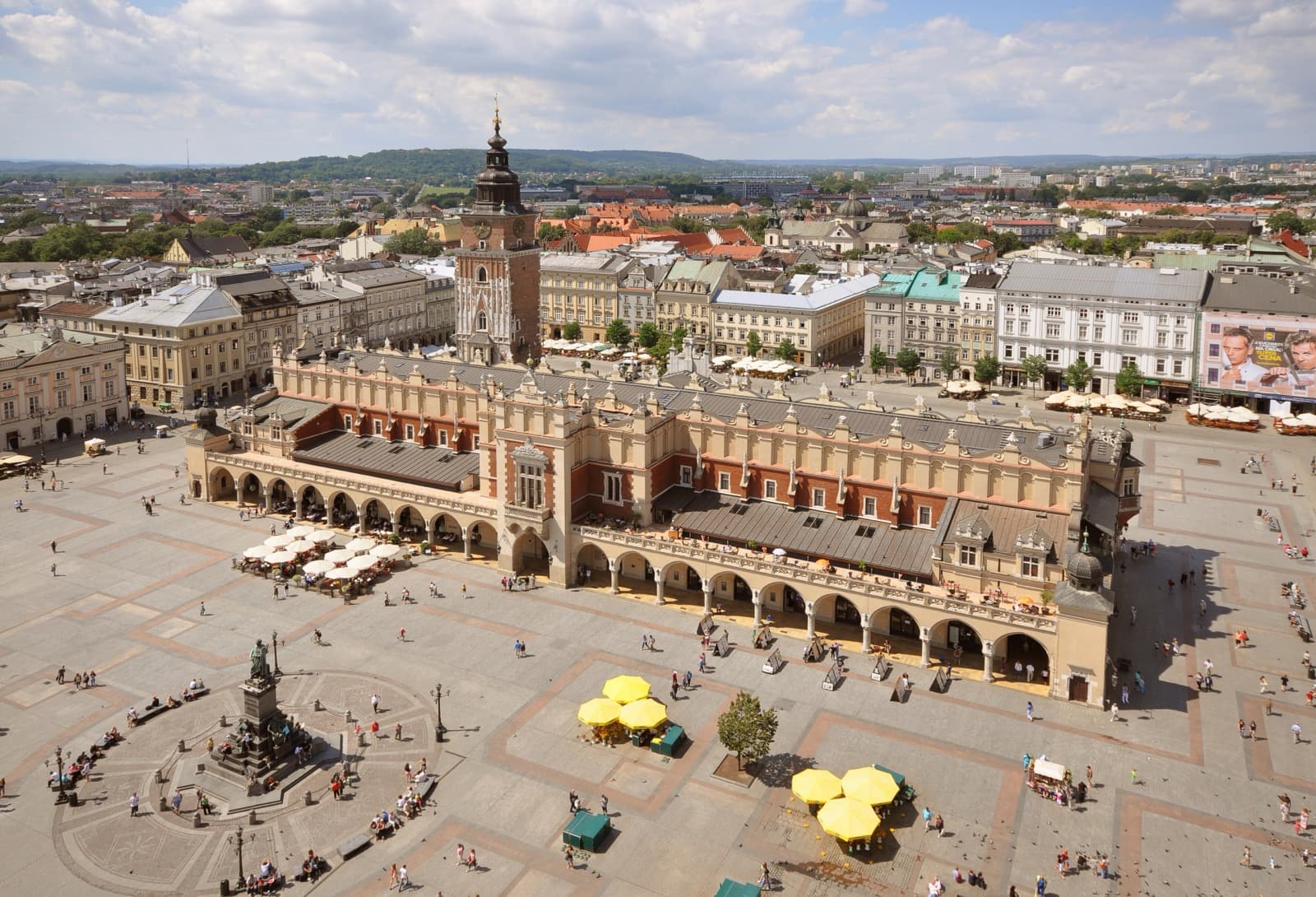
Rynek Glowny: Why Krakow's Main Market Square Is the Whole Tour
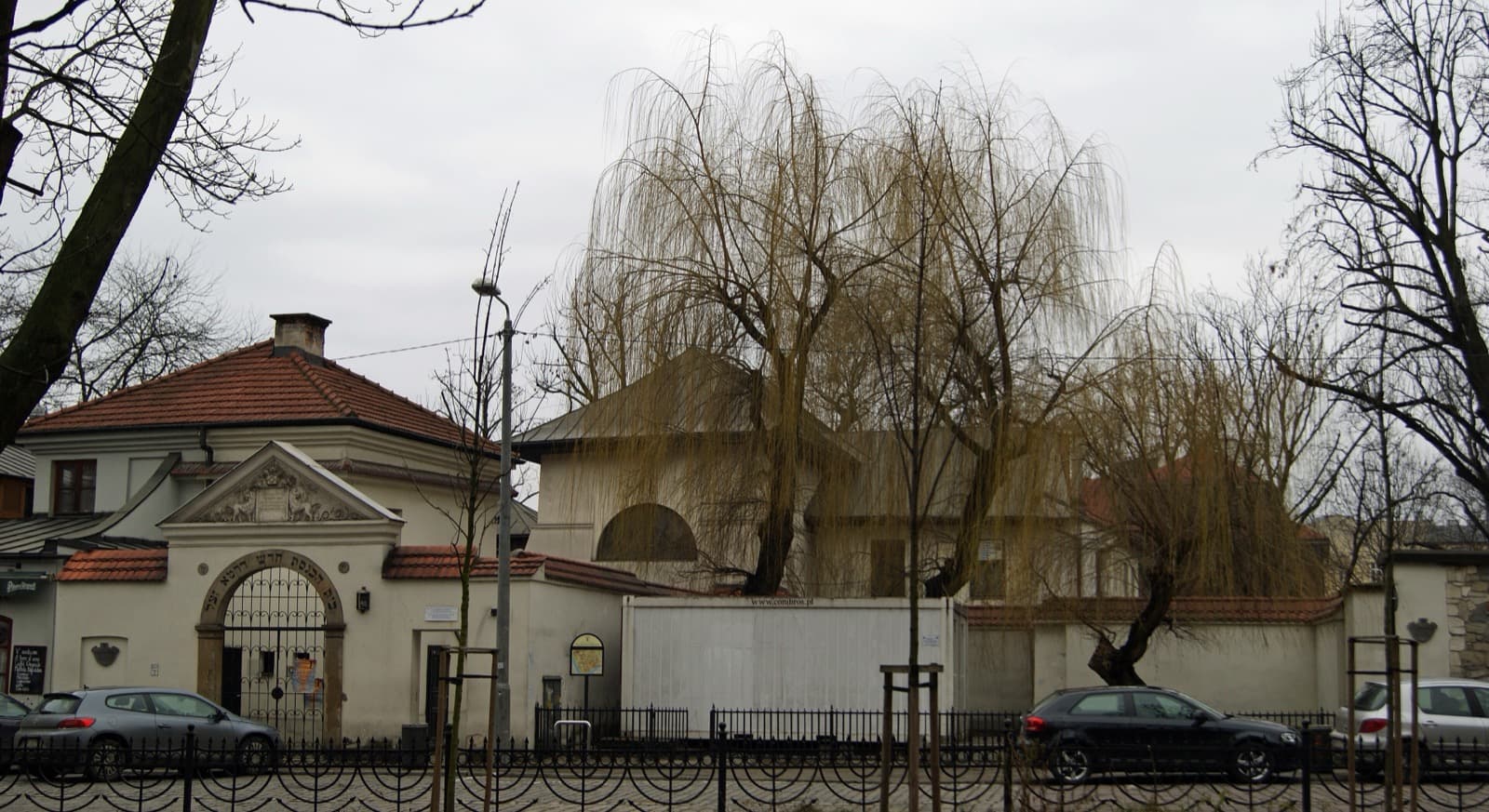
The Remuh Synagogue and Cemetery: Kazimierz's Wall of Broken Headstones
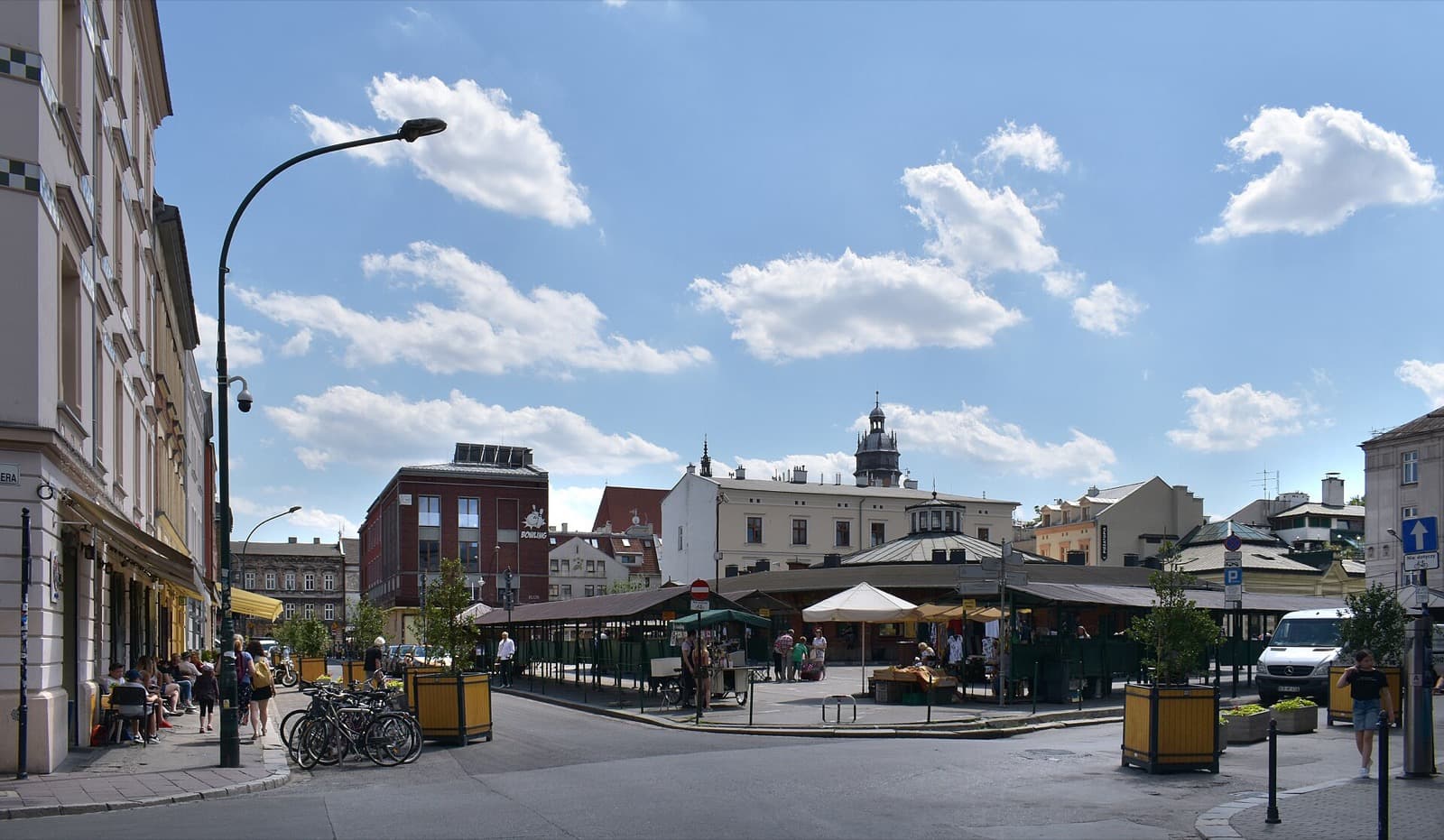
Plac Nowy and the Okrąglak: The Round Hall Where Kazimierz Still Gathers
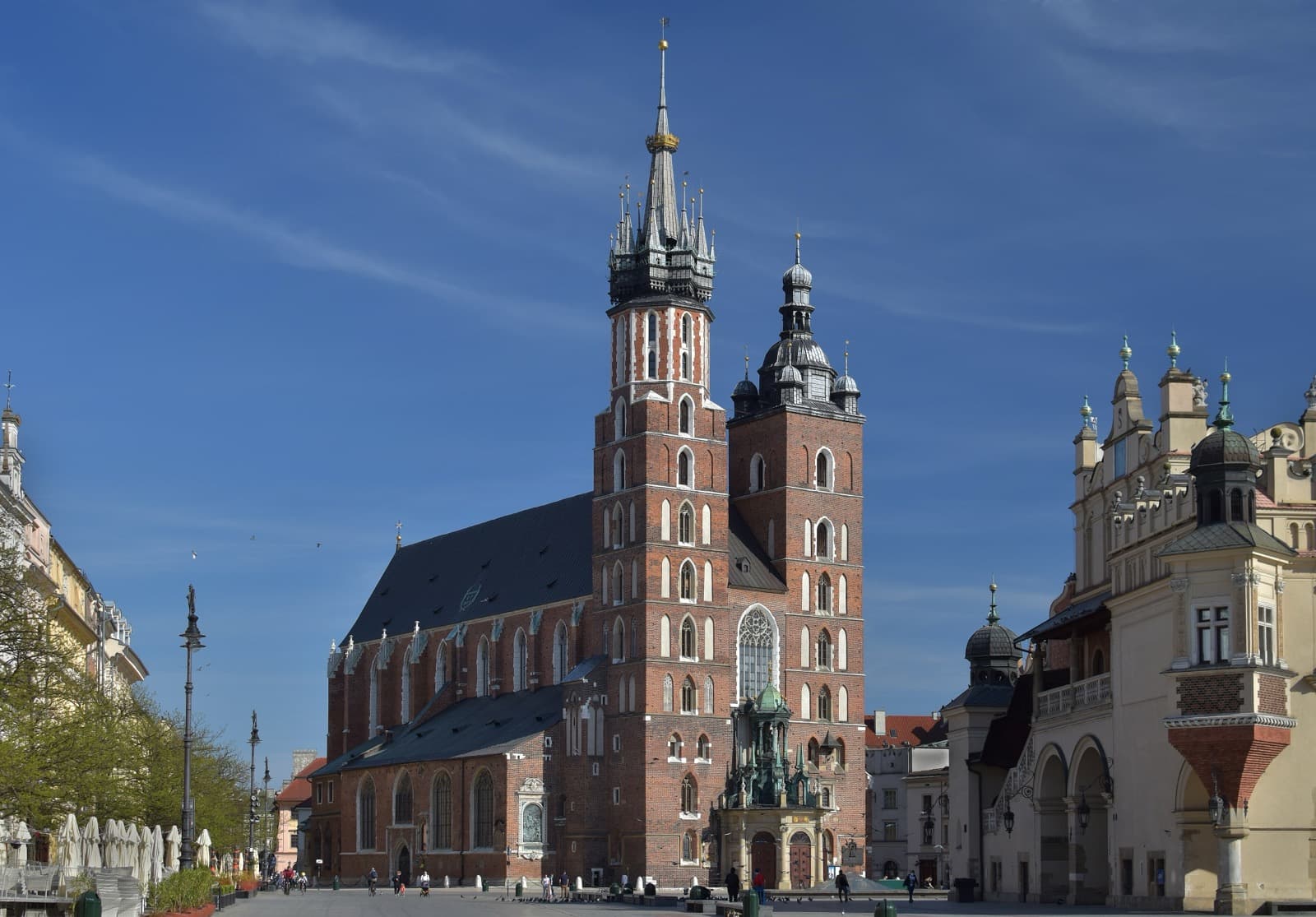
St Mary's Basilica in Krakow: The Trumpet That Stops Mid-Note