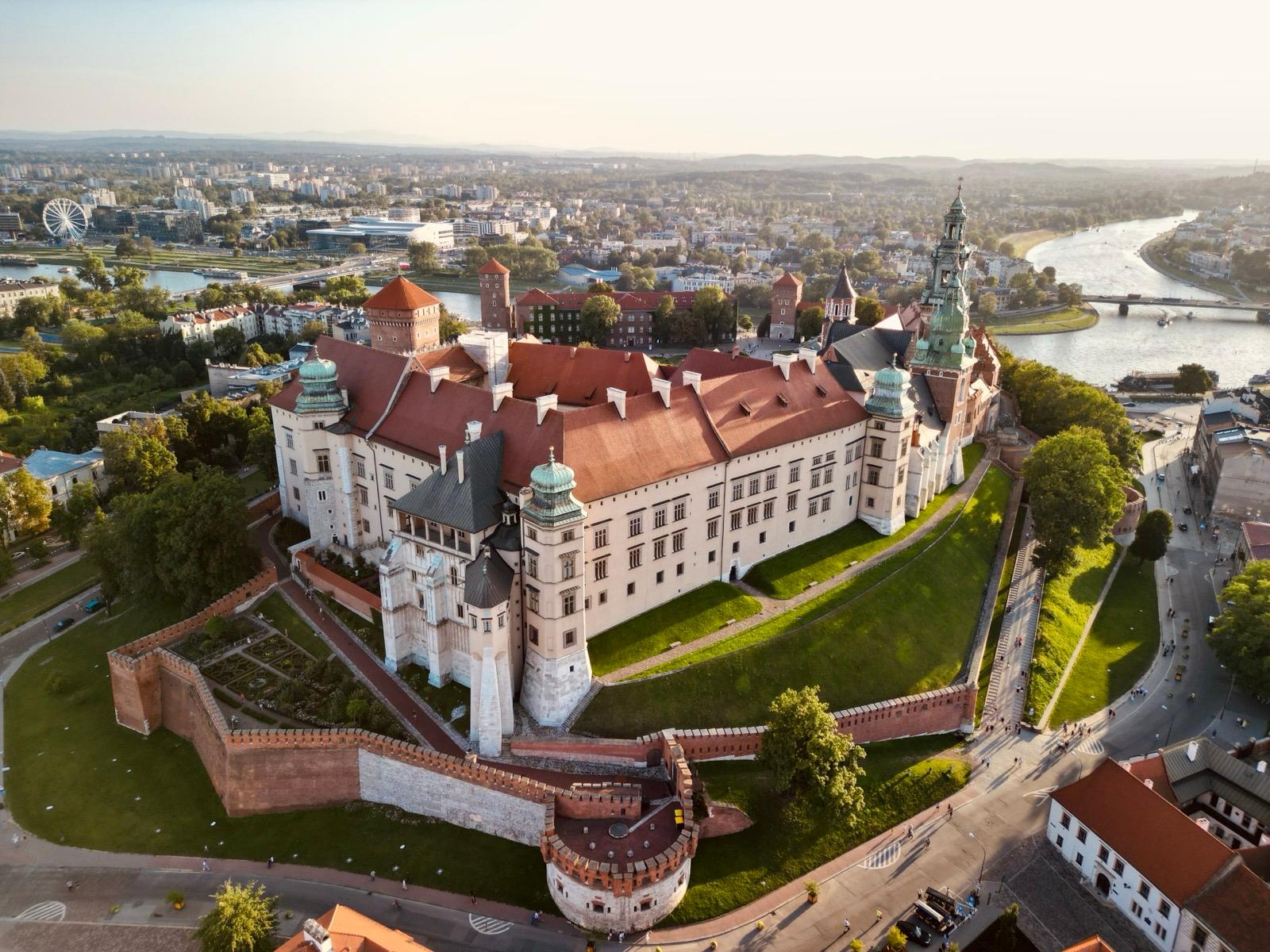
A slow walk up the low limestone hill above the Vistula where Poland crowned its kings, buried them, and built one of Europe's finest Renaissance palaces, ending at the dragon's cave by the river.
Start · Wawel Hill: The Approach to the Royal Seat
DirectionsStops
- 1
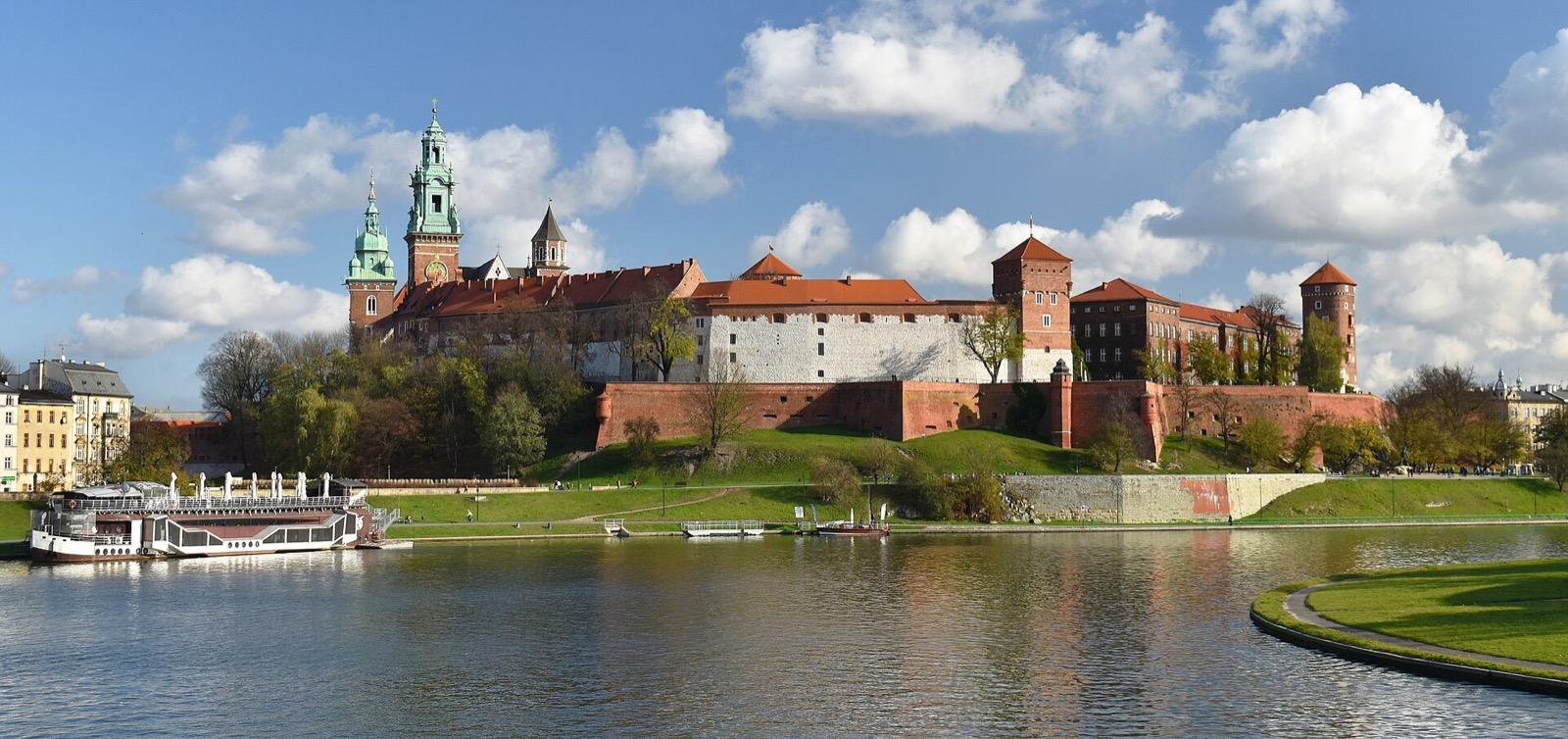
Wawel Hill: The Approach to the Royal Seat
The low Jurassic limestone bluff above the Vistula that held the seat of Polish kings and became part of the first UNESCO World Heritage list.
- 2
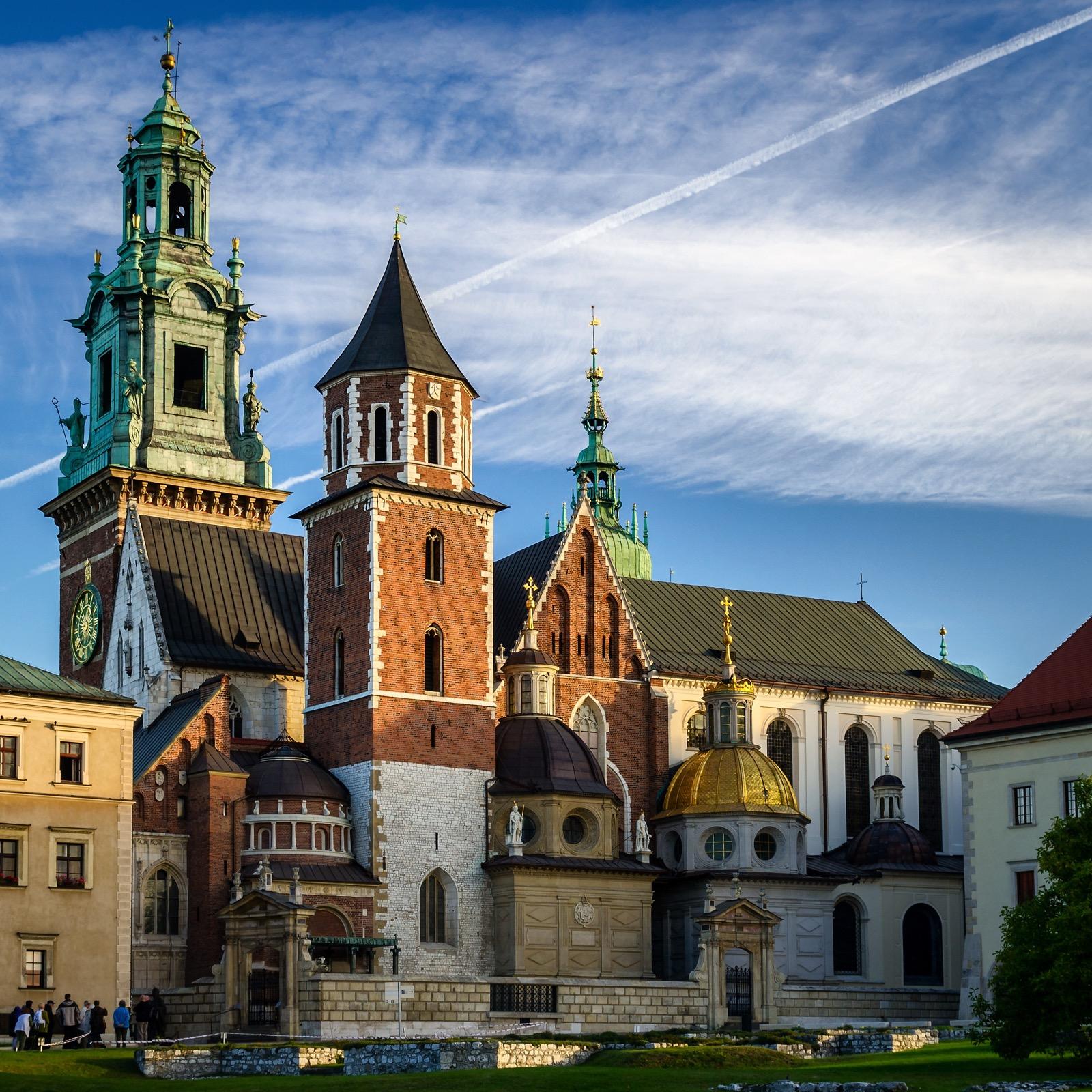
Wawel Cathedral: Where Kings Were Crowned and Laid to Rest
The coronation church and royal necropolis of Poland, holding kings, national heroes, and Romantic poets across nearly seven centuries.
- 3
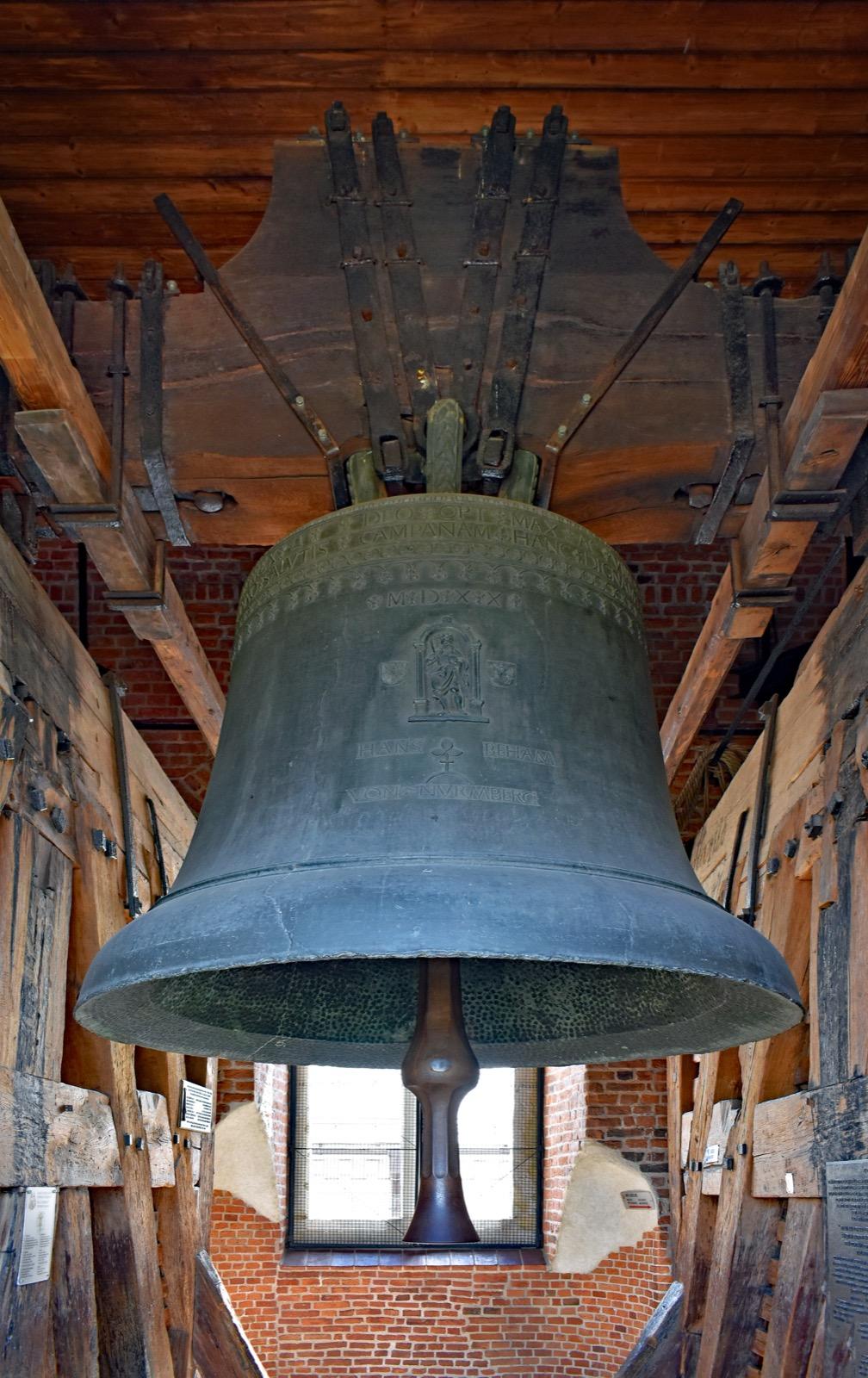
The Sigismund Bell: The Voice Kept for the Nation
The great sixteenth-century bronze bell in the cathedral tower, rung only on the highest religious and national occasions.
- 4
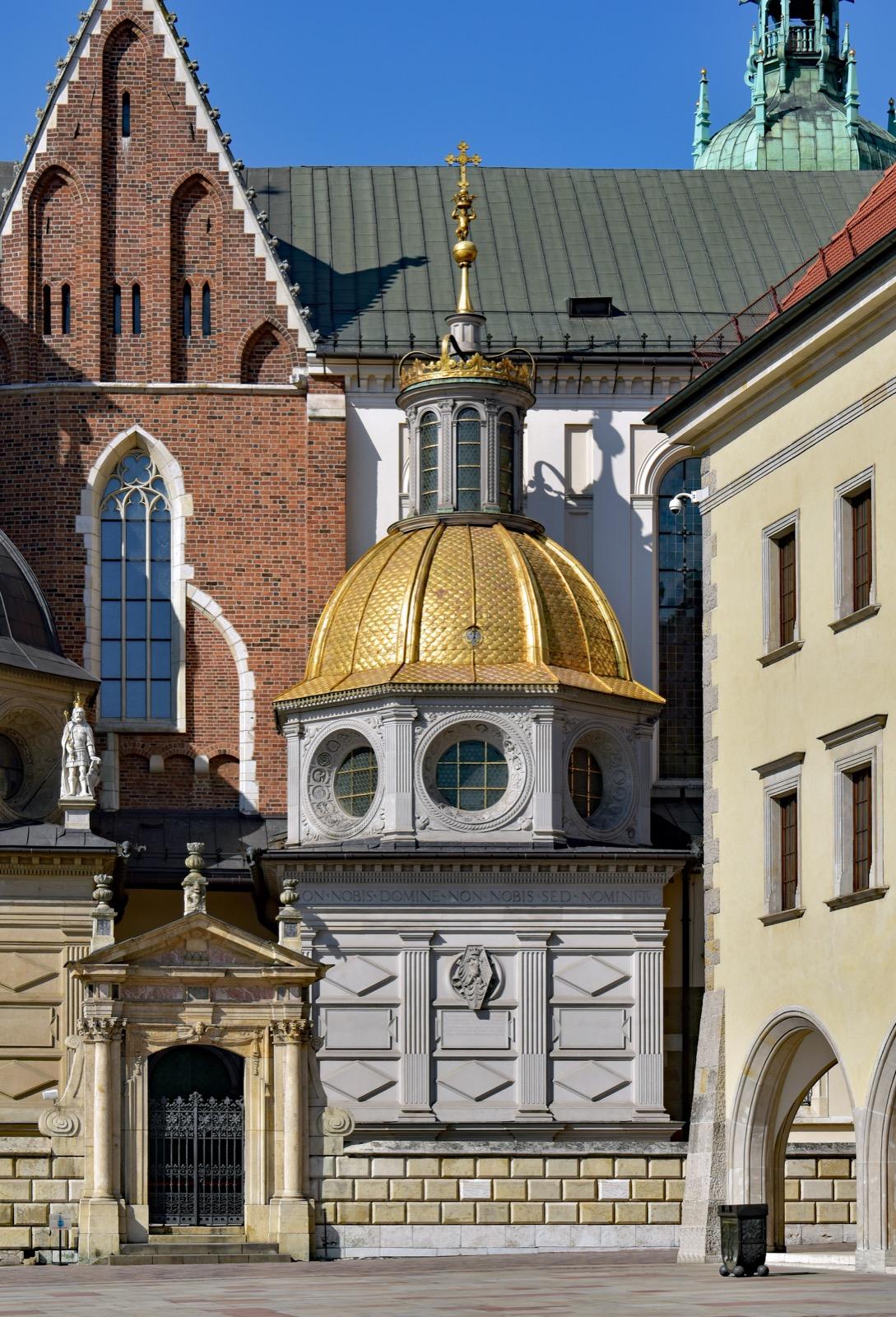
The Sigismund Chapel: The Golden Dome of the Renaissance
The gilded-domed Jagiellonian mausoleum on the cathedral's south side, called the finest Tuscan Renaissance north of the Alps.
- 5
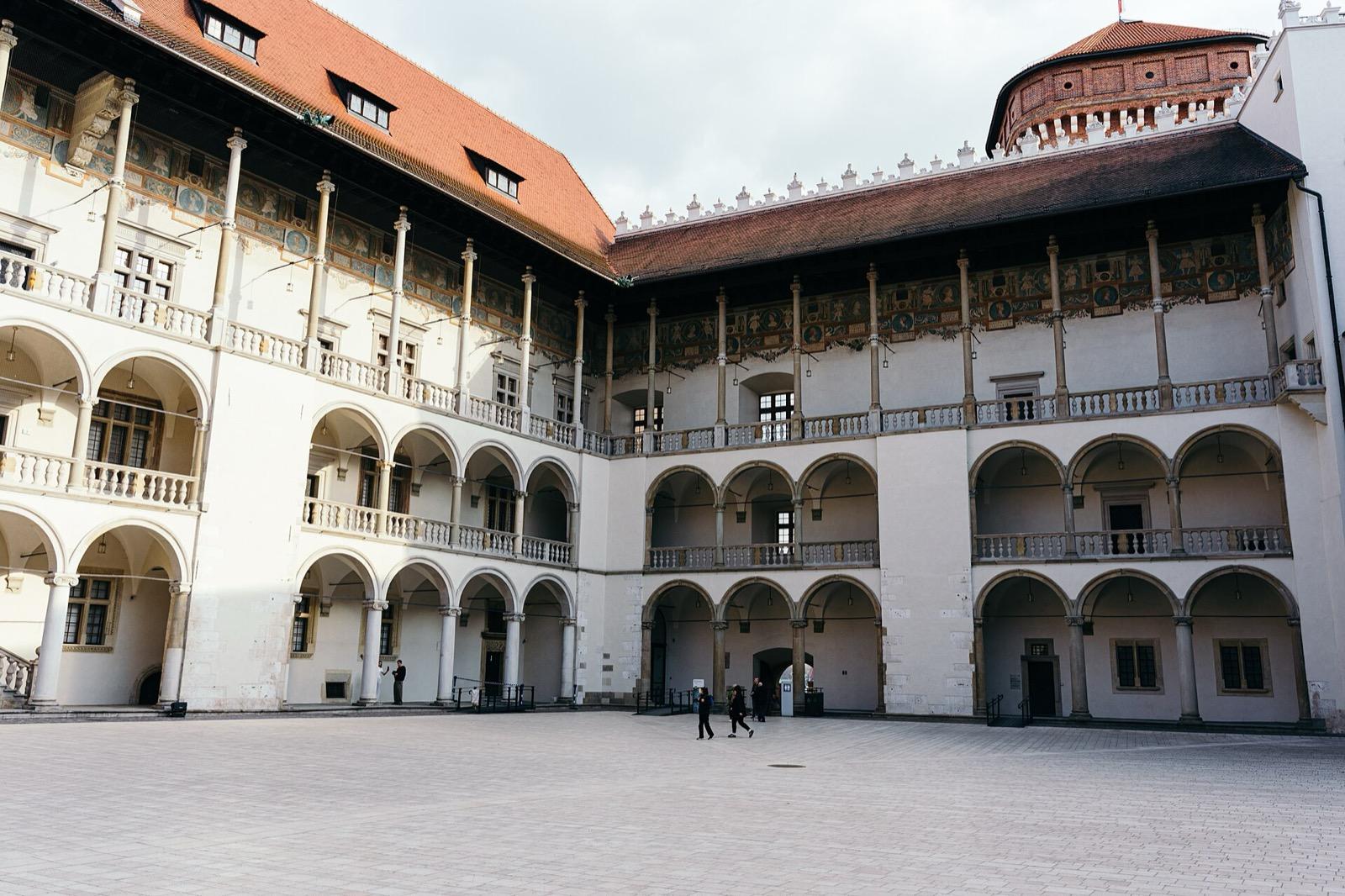
The Renaissance Courtyard: A Palace Built to Rival Florence
The tiered arcaded courtyard of the Wawel Royal Castle, rebuilt as a Renaissance palace after the fire of fourteen ninety-nine.
- 6
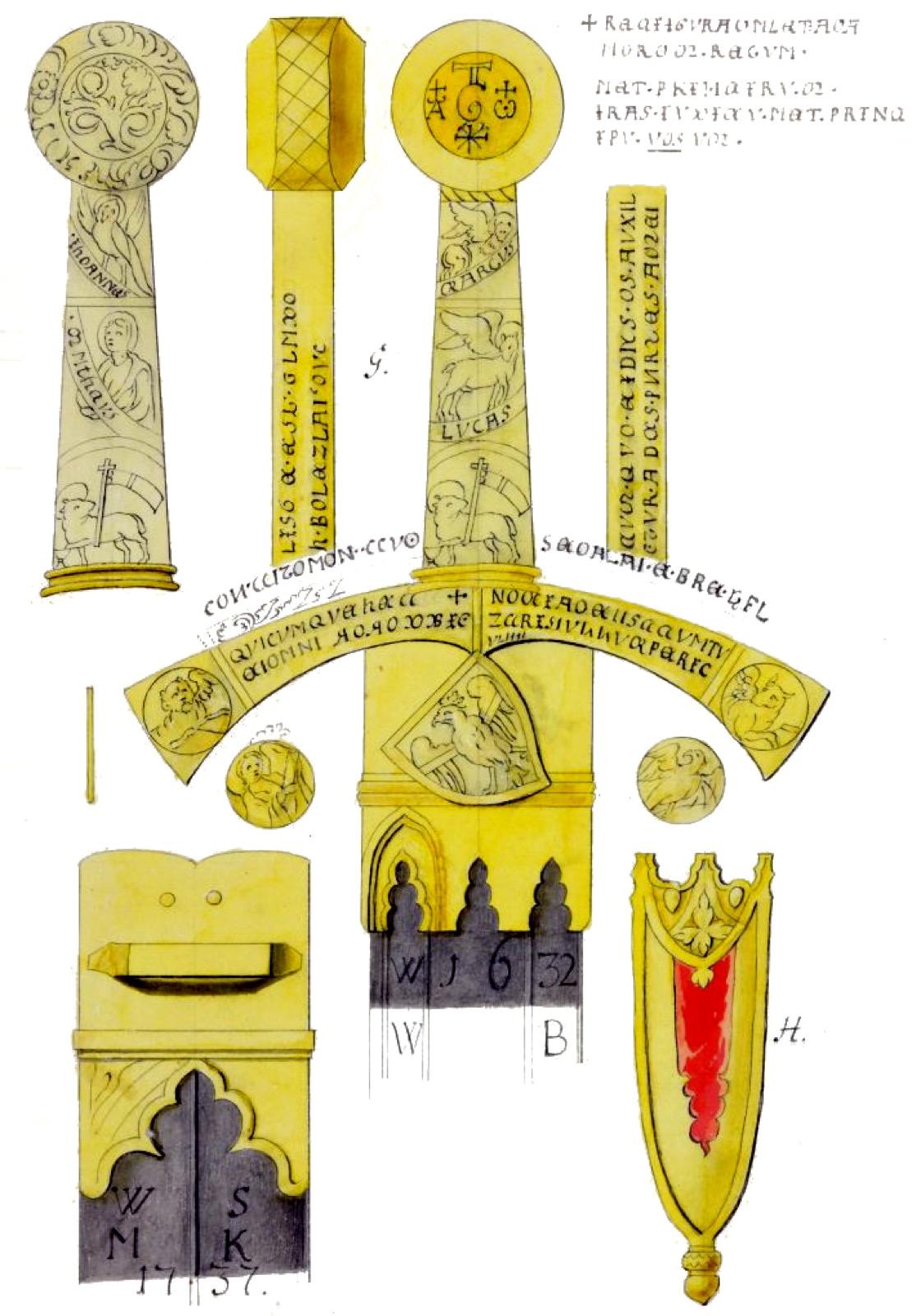
The Crown Treasury: Szczerbiec, the Notched Coronation Sword
The only surviving piece of the medieval Polish crown jewels, the ceremonial sword used to crown Polish kings for over four centuries.
- 7
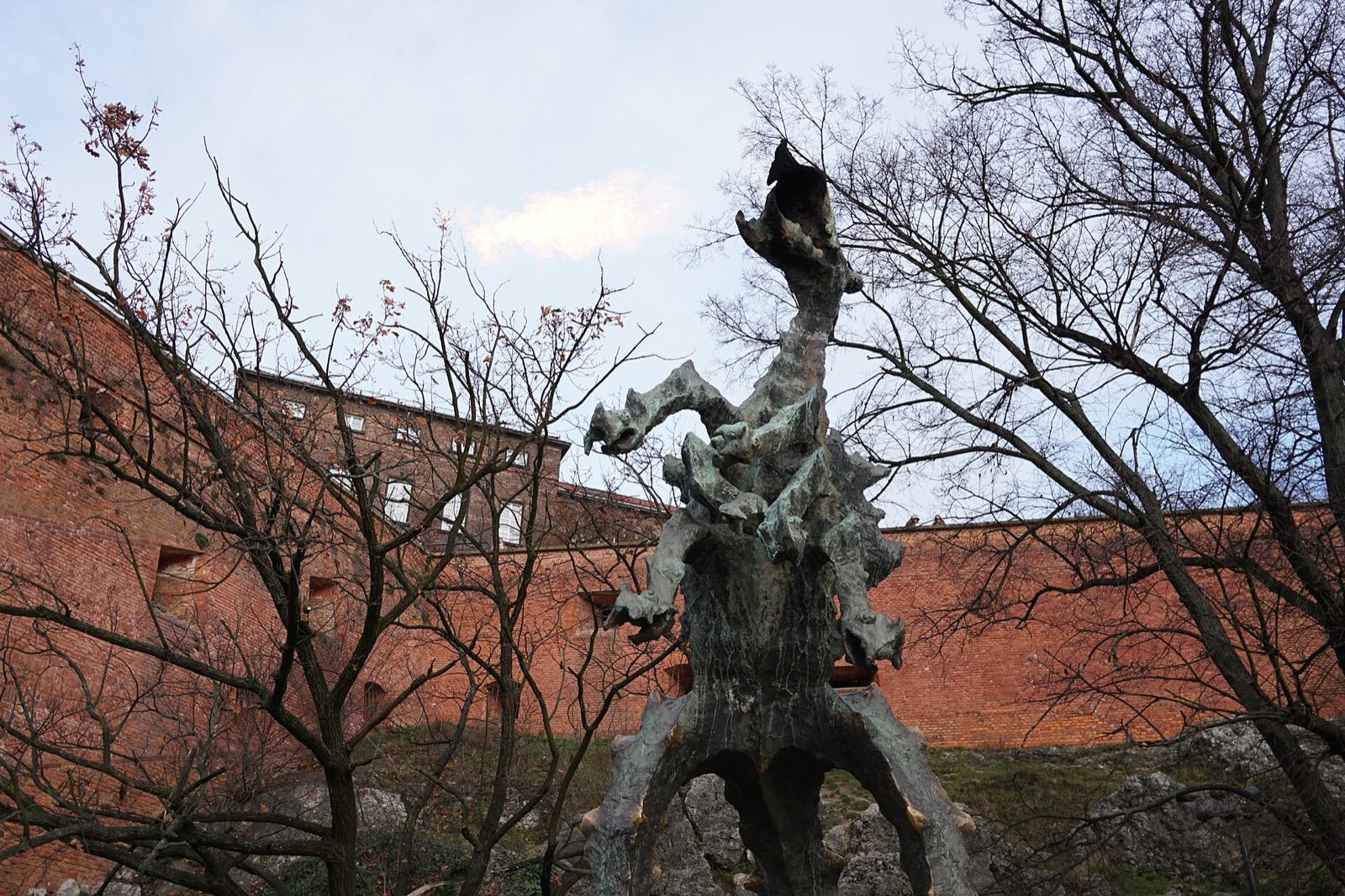
The Dragon's Den: The Cave, the Fire, and the River
The real limestone cave in the flank of Wawel Hill, home to Poland's most famous legend and a bronze dragon that breathes real fire by the Vistula.
Details
Best Time to Visit
Come early in the morning, soon after the hilltop grounds open, or in the last hours of the afternoon, when the guided parties thin out and the light on the golden Sigismund dome is at its warmest. Late spring and early autumn are gentlest for the climb and the courtyard. The hilltop grounds are free and open even when individual monuments are closed, so an early or evening walk of the cathedral exterior, the courtyard, and the river is rewarding on its own.
Pro Tips
- •The interiors are ticketed separately and often time-slotted (cathedral crypts and bell tower, the state rooms, the Crown Treasury, the Dragon's Den), so if you want to go inside, secure those entries before you climb rather than queuing on the hill.
- •The free parts of the hill are generous: the hilltop grounds, the cathedral nave, and the arcaded courtyard cost nothing, so you can absorb the essence of Wawel even on a tight budget.
- •The arcaded courtyard is the one place built to be paused in, so treat it as the heart of your walk and give it real time rather than passing straight through.
- •The two approaches differ: the Herbowa Gate ramp from the Old Town side is steep and cobbled, while the Bernardynska Street approach is gentler on the knees.
- •The Dragon's Den descent is seasonal and involves a spiral stair down through the rock, so check it is open before you plan to end there, and enjoy the bronze dragon by the river either way since the statue is free and outdoors.
- •Save the Dragon's Den for last as this walk intends, so you finish at the river with the palace and cathedral rising behind you.
Safety & Precautions
- •The climb up to the hilltop is short but real, over cobbles and a steep ramp on the Herbowa Gate side, so wear sturdy shoes and take the gentler Bernardynska approach if steps are difficult.
- •The cathedral is a working church and a royal burial place, so dress respectfully with shoulders covered, keep your voice low, and be mindful that services may be underway.
- •The hilltop and its narrow passages grow crowded in spring and summer, so keep bags and valuables discreet in the press of people and near the ticketing areas.
- •Carry water and be prepared for entry fees charged in zloty at the ticketed monuments, and note the Dragon's Den stair is enclosed and steep, which some visitors find tight.
Travel advisory: Exercise Normal Precautions (Level 1).
Gallery
Related Reading
Go deeper on what you'll see, hear, and walk through.
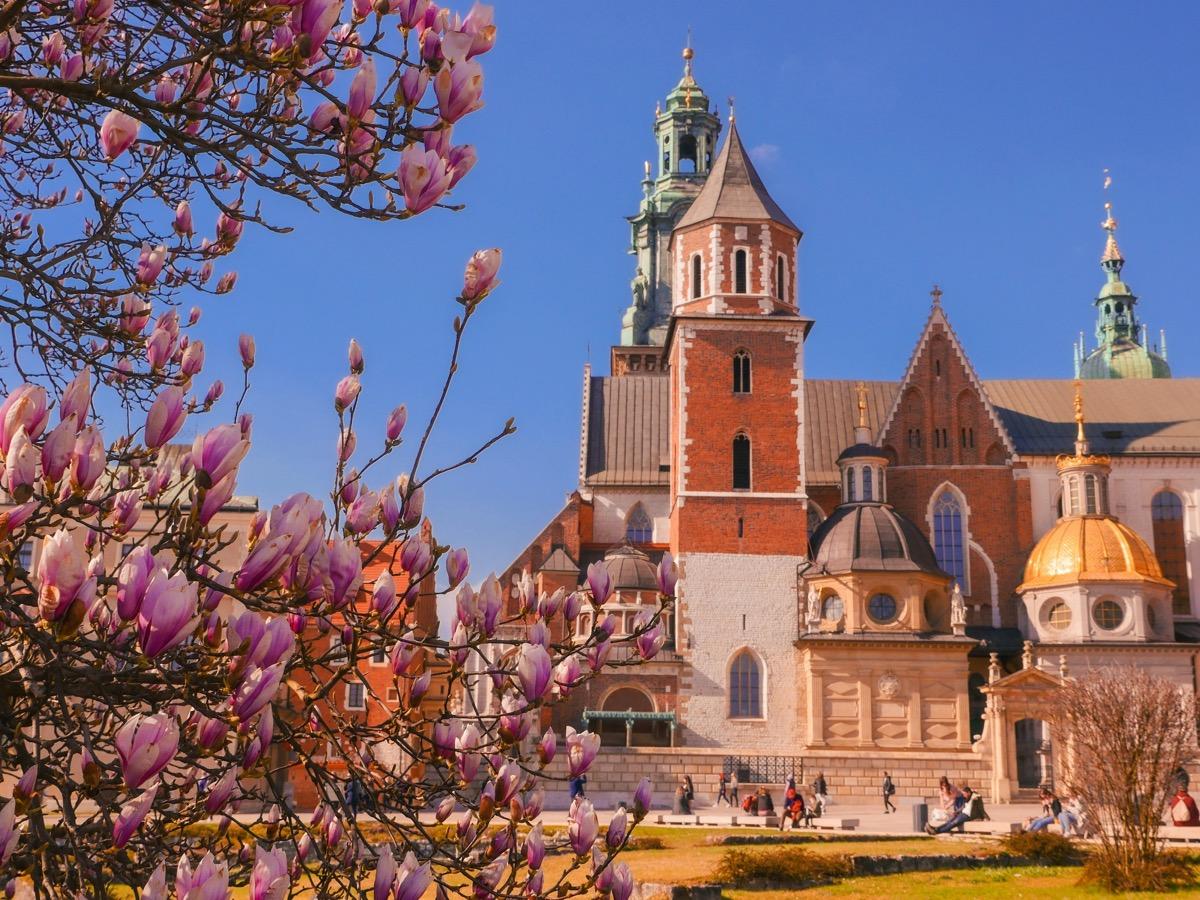
Overview
Best Self-Guided Walking Tours in Krakow (2026)
4 min
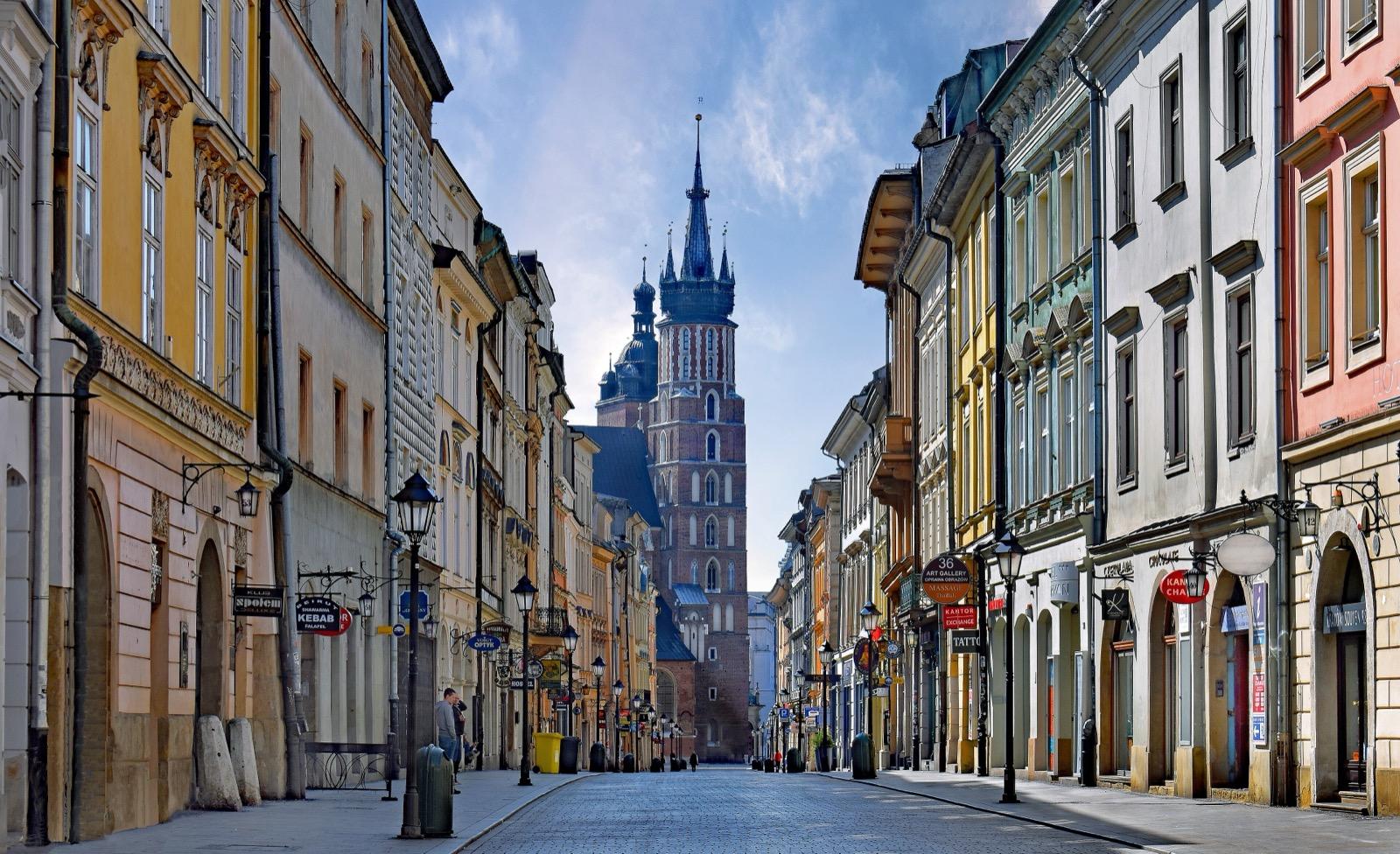
Overview
Krakow Travel Guide: Days, Transport, Timing, and Safety
6 min
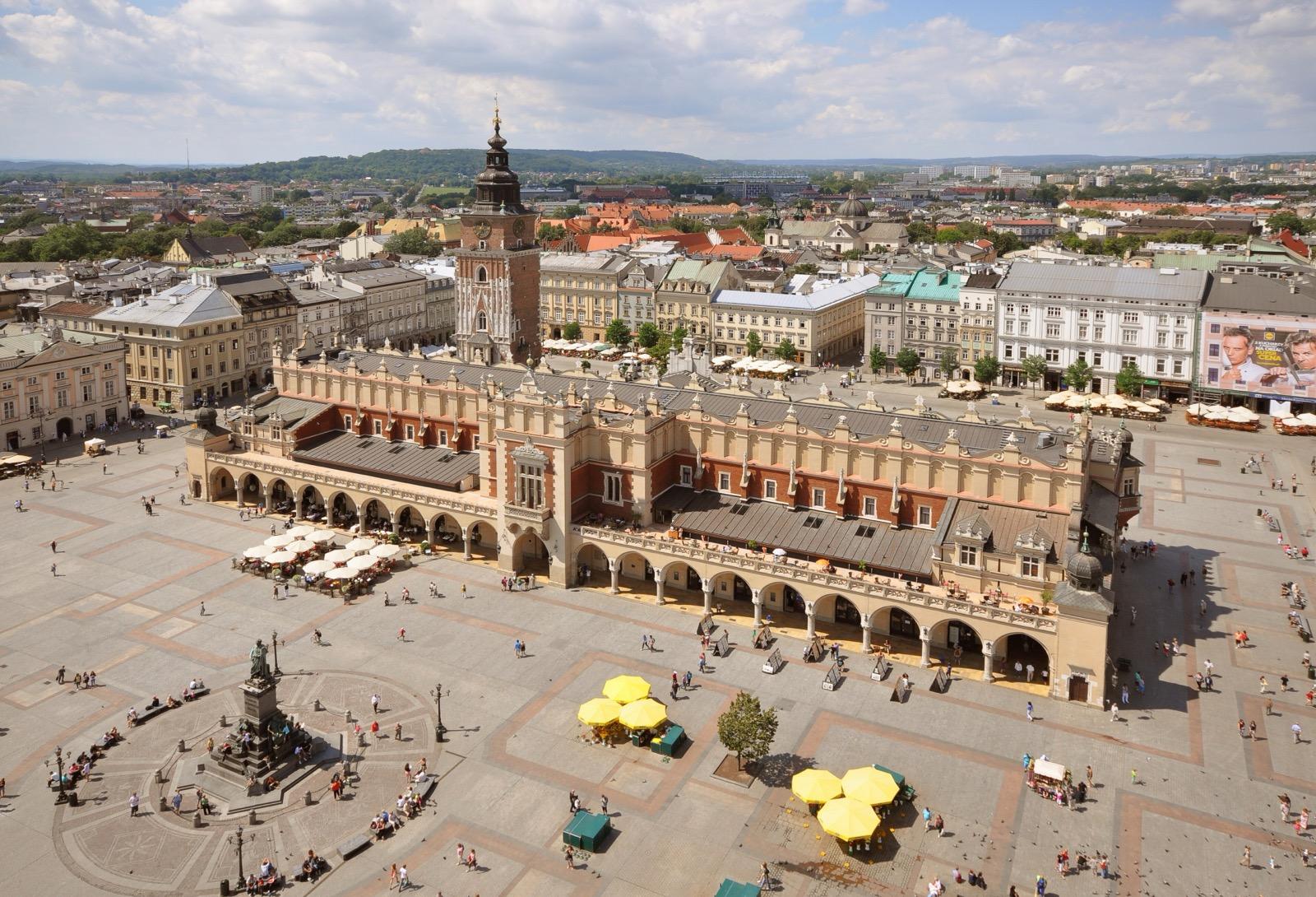
Overview
One Day in Krakow: A Walkable Morning-to-Evening Itinerary
9 min
Thematic
Best History Walking Tours in Krakow (2026)
2 min
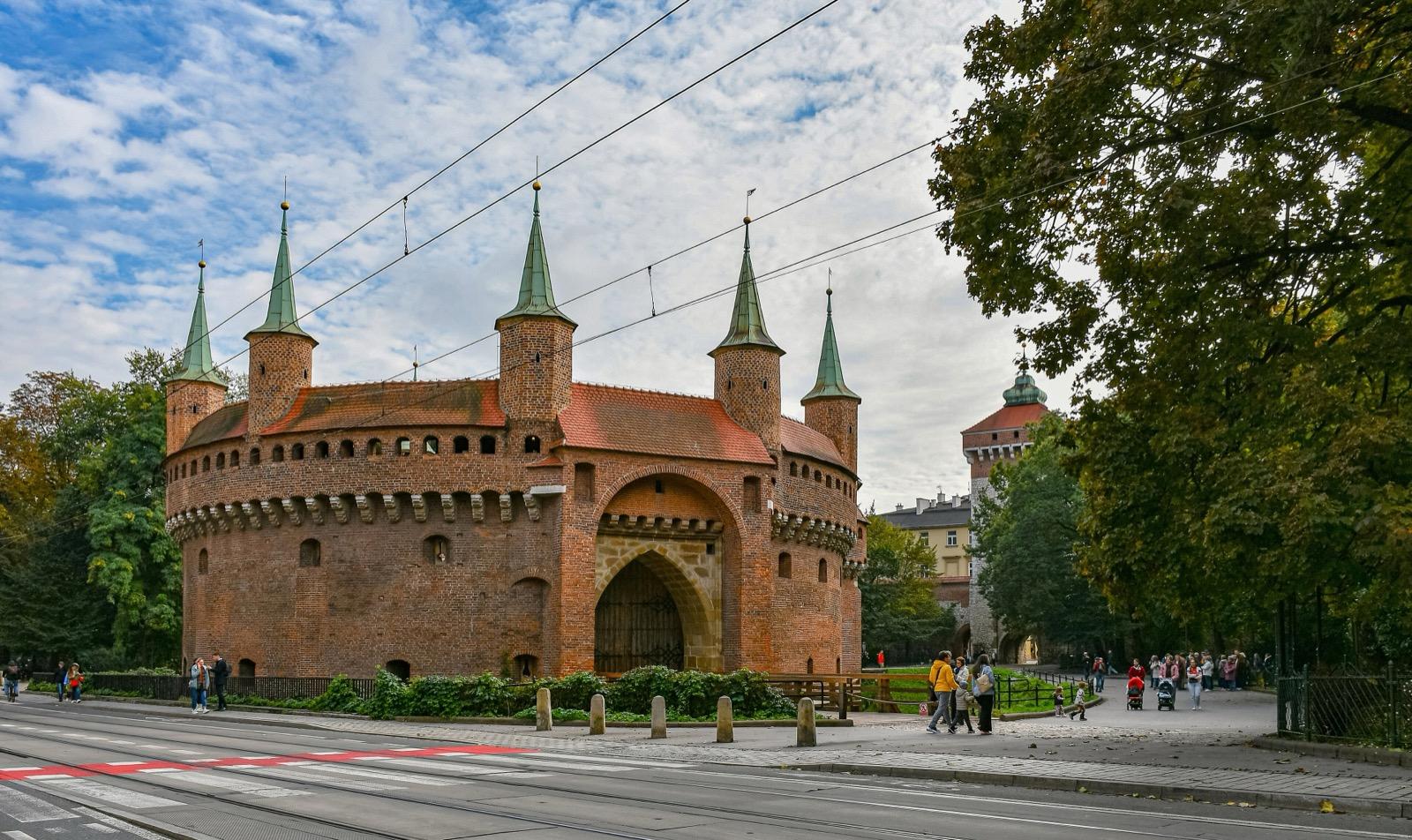
Thematic
Krakow: The Great Square, the Coronation Hill, and the Quarter That Survived
8 min
Companion
Wawel Cathedral: The Church That Both Crowned and Buried Poland's Kings
6 min
Deep dive
The Dragon's Den at Wawel: Krakow's Real Cave and Its Oldest Story
6 min
Read
What to Eat in Krakow
7 min
Read the walk
The full story of Wawel: The Hill Where Poland Was Crowned, in words. Prefer to listen? Play it narrated, from home or on location.
Introduction
Wawel Hill rises only a little way above the Vistula in Krakow, Poland, yet this low limestone bluff carried an entire kingdom. On this one hill the Polish state crowned its monarchs, buried them, and raised a Renaissance palace to rival the courts of Italy. This walk takes about ninety minutes across roughly one and a half kilometres, over seven stops, all on foot and entirely at your own pace. There is no group here, no fixed entry slot, no schedule tugging at your sleeve. The hilltop is famously time-slotted and busy with guided parties, but its meaning arrives slowly, and it belongs to the walker who lingers. You will read the hill from the top down: first the cathedral where kings were crowned and laid to rest, then the great bell kept for the nation, then the golden dome of the Sigismund Chapel, then the arcaded courtyard of the royal palace, then the notched coronation sword in the treasury, and finally the descent to the river, to a real cave and a bronze dragon that breathes fire. The kings and the Church you will meet as documented history, sober and dignified. The dragon at the bottom you will meet as legend, clearly marked as the old story it is. Take the stops you want and skip the rest. The courtyard rewards as much time as you care to give it. When you arrive at the foot of the Herbowa Gate ramp below the hill, begin with stop one.
1. Wawel Hill: The Approach to the Royal Seat
The hill under your feet is old beyond easy imagining. Wawel is a Jurassic limestone outcrop, its rock formed something like one hundred and sixty million years ago, rising about two hundred twenty-eight metres above sea level on the left bank of the Vistula. It is not a mountain. It is a modest bluff, and that is part of its power: a small hill that held a whole kingdom. Archaeologists have found traces of people living here from at least the fourth century, and by the tenth century the hill was part of the emerging Polish state. In time it became the seat of Poland's kings, carrying both the Royal Castle and the cathedral on one crown of rock. That density is why, in nineteen seventy-eight, the historic centre of Krakow, Wawel included, was inscribed as part of the very first list of UNESCO World Heritage Sites. Take a moment before you climb. There are two ways up: the steep cobbled ramp through the Herbowa Gate, the Heraldic Gate, from the Old Town side, and a gentler approach from Bernardynska Street. The symbolism deepened during the long century when Poland vanished from the map. After the partitions began in seventeen seventy-two, Krakow spent much of the nineteenth century under Austrian rule, and this hill became a keeper of national memory. You are not being rushed up here by a guide with a clock. Choose your ramp, catch your breath at the top, and let the river open below you. When you are ready, the cathedral is your first stop.
2. Wawel Cathedral: Where Kings Were Crowned and Laid to Rest
This is the heart of the hill. Its full name is the Archcathedral Basilica of Saint Stanislaus and Saint Wenceslaus, and it did two enormous things at once. From thirteen twenty until the final coronation in seventeen sixty-four, Polish monarchs were crowned here. And since the fourteenth century it has been their principal burial place, so the church that raised the crown also received the body. Look at the building and you can read that long history in stone: Romanesque, Gothic, Renaissance, Baroque, ringed by chapels added across the centuries, each one a family's claim on eternity. In the crypts and the nave lie kings including Wladyslaw the Short and Casimir the Third, called Casimir the Great, and later John the Third Sobieski. But the cathedral is not only for kings. Poland brought its national heroes here too, among them Tadeusz Kosciuszko and Jozef Pilsudski, and its great Romantic poets Adam Mickiewicz and Juliusz Slowacki. To be buried on Wawel is to be woven into the nation itself. There is a quieter, more recent thread. Karol Wojtyla served as Archbishop of Krakow from nineteen sixty-four to nineteen seventy-eight, before he was elected Pope John Paul the Second. Years earlier, on the second of November nineteen forty-six, he had celebrated his first Mass as a priest in a crypt of this very cathedral. Stand in the cool of the interior and let the register drop. This is a working church and a royal tomb at once. Keep your voice low, and give yourself the time a place like this asks for, without a group moving you along.
3. The Sigismund Bell: The Voice Kept for the Nation
High in the Sigismund Tower hangs a voice the nation keeps for its greatest days. The Sigismund Bell, the largest of the tower's five bells, was cast in fifteen twenty by Hans Beham of Nuremberg, a foundryman who set up his casting pit near Krakow's Florian Gate for the work. It was named for King Sigismund the First, called the Old, who commissioned it. The numbers are worth pausing on. The bronze body weighs nine thousand six hundred and fifty kilograms, and the whole bell comes to nearly thirteen tonnes. It measures two hundred forty-two centimetres across the lip. Its clapper, with its leather belt, weighs three hundred sixty-five kilograms on its own. To swing a bell this size takes twelve bell-ringers, six on each side, hauling together. This is not a bell for ordinary days. It tolls on the highest Catholic feasts, on Poland's national holidays, and at moments that mark the country's history. It rang at the German invasion in nineteen thirty-nine, and again when Poland joined the European Union. Through the long years of the partitions and later of communist rule, its deep voice carried the sense of a nation that endured. If you climb the tower, you may hear a gentle tradition: many visitors reach up to touch the clapper for good luck, or for love. Treat that lightly, as the folk custom it is, a small human wish beside a very large bell. Then stand a moment in the presence of something meant to be heard by a whole country at once.
4. The Sigismund Chapel: The Golden Dome of the Renaissance
Step around to the south side of the cathedral and look up at the dome that shines gold above the hill. This is the Sigismund Chapel, and it is a piece of Italy transplanted whole into Poland. It was built between fifteen nineteen and fifteen thirty-three by the Italian…
Full narration for this stop unlocks with the tour.
5. The Renaissance Courtyard: A Palace Built to Rival Florence
Now the walk opens into one of the finest Renaissance courtyards in Central Europe. After a fire in fourteen ninety-nine, King Sigismund the First the Old rebuilt his residence as a great Renaissance palace, the work running from fifteen oh seven to fifteen thirty-six. Once…
Full narration for this stop unlocks with the tour.
6. The Crown Treasury: Szczerbiec, the Notched Coronation Sword
Inside the Crown Treasury and Armoury sits a single object that carries the whole idea of Polish kingship. It is called Szczerbiec, the notched sword, and it was the ceremonial sword used in the coronations of most Polish monarchs from thirteen twenty, when Wladyslaw the Short…
Full narration for this stop unlocks with the tour.
7. The Dragon's Den: The Cave, the Fire, and the River
Come down off the royal hill to the river, and the tone changes on purpose. Here, at the foot of Wawel, is Smocza Jama, the Dragon's Den, a real limestone cave running some two hundred seventy-six metres through the rock, of which about eighty-one metres are open to visitors on…
Full narration for this stop unlocks with the tour.