City Centre: Where the Cape Colony Began
120 min · 2.3 km · moderate
Cape Town began as a vegetable garden. In sixteen fifty-two the Dutch East India Company, the VOC, planted a kitchen garden under Table Mountain to feed its ships on the long haul to the East Indies, and the whole old town grew downhill from that plot and the earth fort beside it. Read the founding garden, the painted hill above it, and the working harbour below, and you read the entire arc of the Mother City: a refreshment station built on bondage, a Muslim community that survived enslavement and held its ground, and an order that was finally dismantled from a balcony three and a half centuries after the first fort dug in. Cape Town is cupped between the sea and the sheer wall of Table Mountain, and its three oldest layers still read that story in plain sight. You can walk each one at your own unhurried pace.
The garden the whole city grew out of
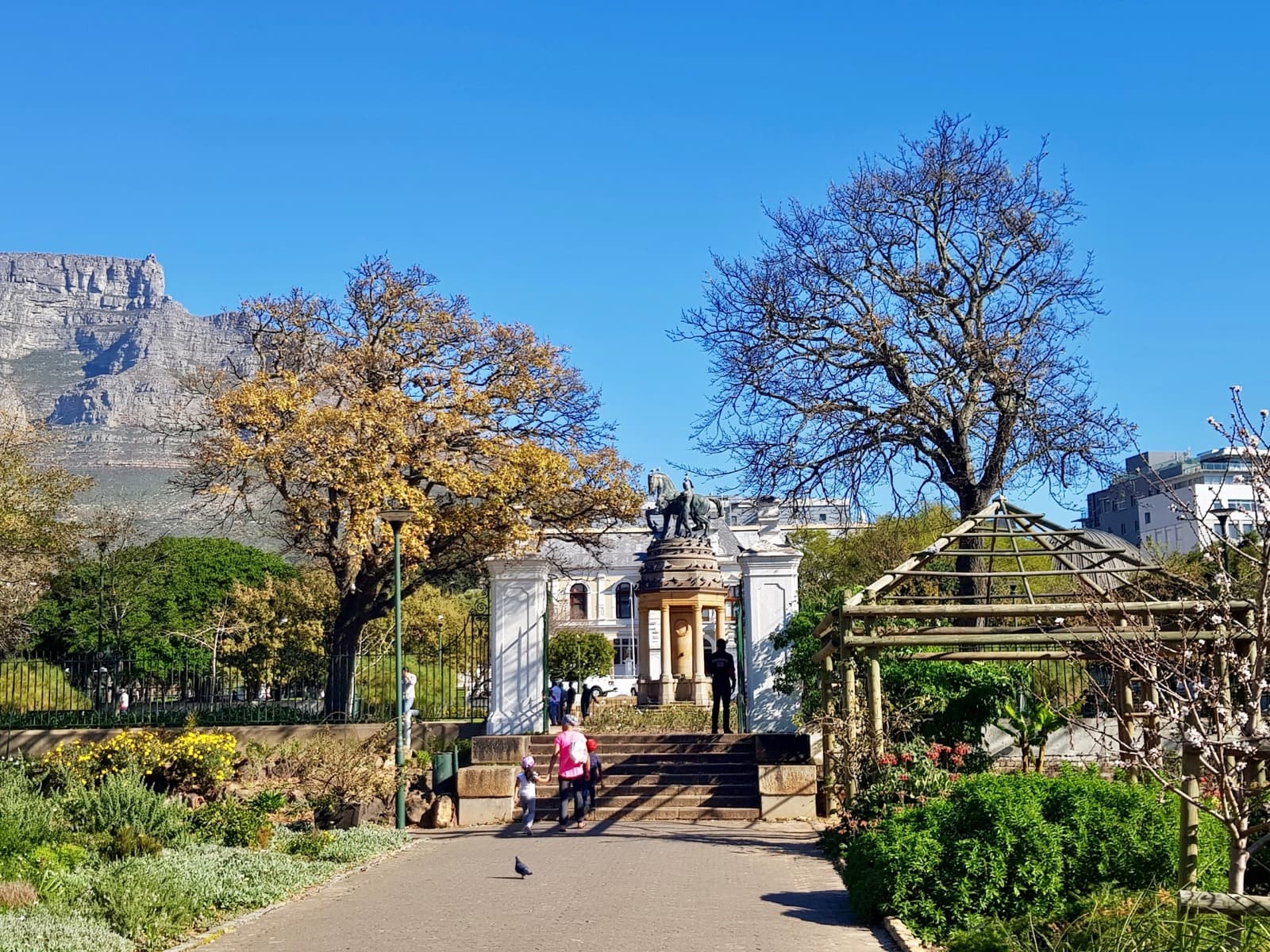
The most beautiful thing about Cape Town's old core is also the most painful, and it is the same thing. On the twenty-ninth of April, sixteen fifty-two, the master gardener Hendrik Boom prepared the first ground of the Company's Garden for sowing, close to a founding day as this country has. The earliest crops were plain and useful: peas, beans, radish, spinach, cabbage, wheat. Within a year the little settlement had food the whole year round and the ships that had been dying at sea could be revived. That garden is the oldest in South Africa, still a green public park of about three point two hectares, and everything downhill from it, the trade, the wealth, the eventual liberation, runs from that modest plot toward the water.
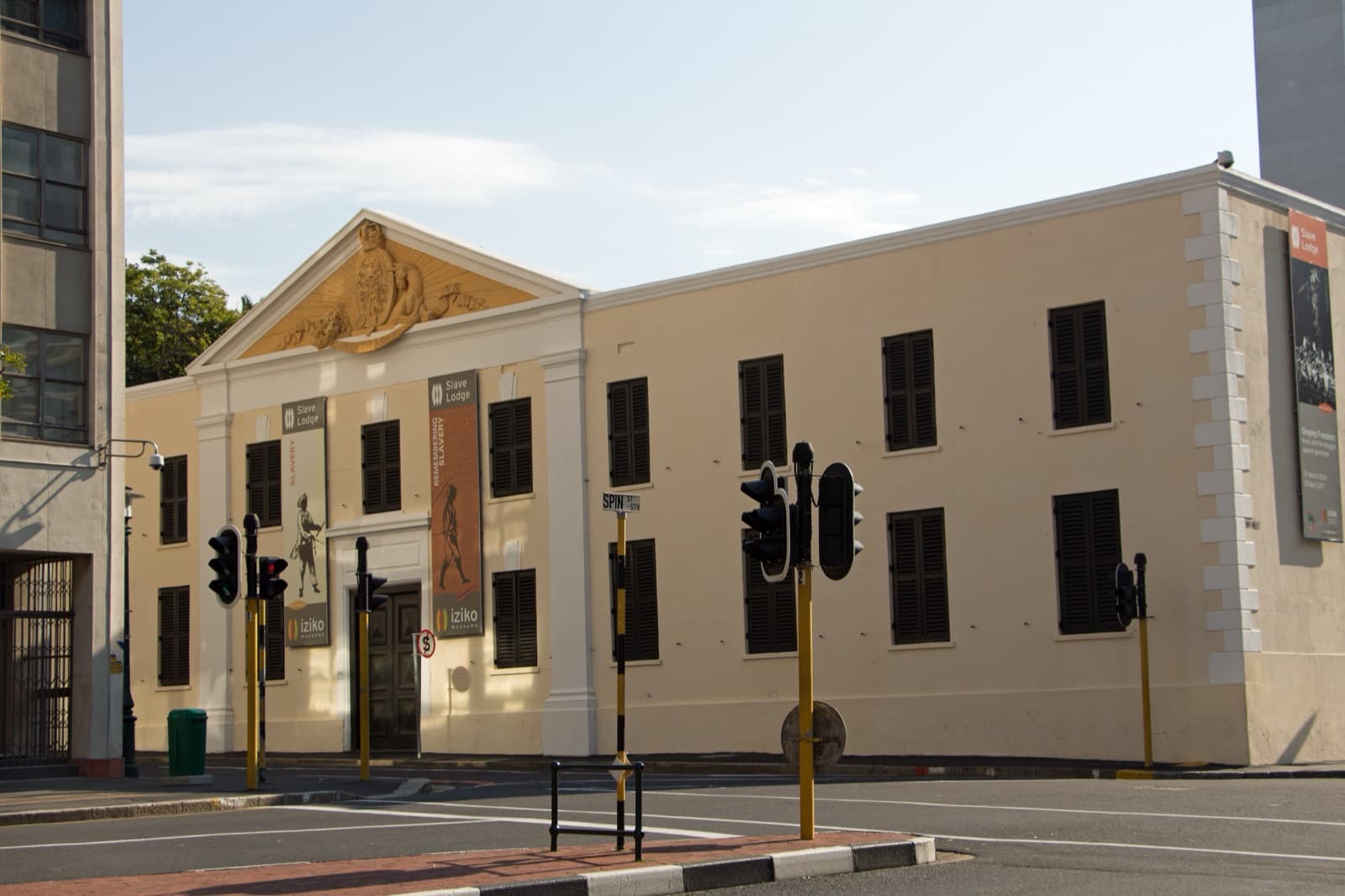
The refreshment station did not run on free labour. The City Centre walk drops from the garden to the Iziko Slave Lodge, built by the VOC in sixteen seventy-nine to house enslaved people brought to the Cape from East Africa, Madagascar, India and Southeast Asia. Their hands built much of the town you walk through. After slavery at the Cape was abolished in the eighteen thirties, the lodge became government offices, then the Old Supreme Court, and since nineteen ninety-eight the Slave Lodge Museum. The same old town those colonizers laid out became, centuries later, the stage where their order was undone. St George's Cathedral, designed by Sir Herbert Baker with its foundation stone laid in nineteen oh one, is built of Table Mountain sandstone and known as the People's Cathedral. Desmond Tutu, the first black Archbishop of Cape Town, led marches against apartheid from its front steps, and his ashes are interred before the high altar.
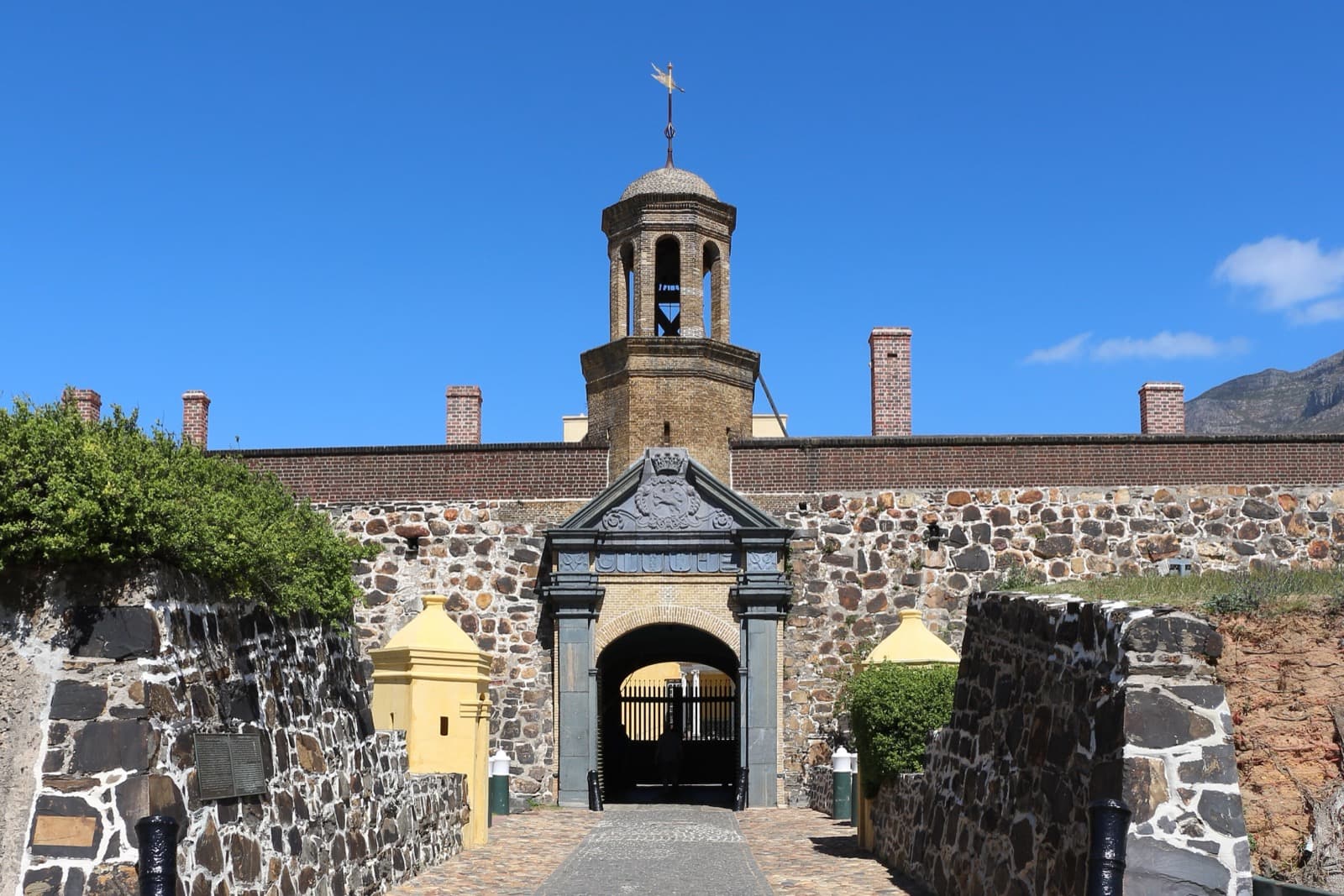
The walk ends where the story bends back on itself. The Grand Parade sits over the buried remains of Jan van Riebeeck's earth-and-timber Fort de Goede Hoop, thrown up within days of the sixteen fifty-two landing. Facing it stands the Cape Town City Hall of nineteen oh five, built of limestone shipped from Bath, in England. On the eleventh of February, nineteen ninety, the day he walked free after twenty-seven years in prison, Nelson Mandela gave his first public speech from that balcony. To the crowd he said their march to freedom was irreversible. A few hundred metres on stands the Castle of Good Hope, the five-pointed star fort the VOC built between sixteen sixty-six and sixteen seventy-nine, the oldest surviving colonial building in South Africa. The colony first dug in on this ground, and on this ground a free man told a free people there was no going back.
The painted hill that refused to move
Hear a stop from this walk
The Castle of Good Hope: The Star Fort Where the Colony First Dug In
Above the old town, on the lower slopes of Signal Hill, the Bo-Kaap shouts every colour at once. The name means above the Cape, and its people, the Cape Malay community, descend in large part from enslaved and exiled people the VOC brought from Southeast Asia, India and East Africa. The colour is the reason so many cameras come, though the beloved story that freed people painted their homes to celebrate emancipation is a treasured tradition rather than settled fact; the bright-colour custom appears to have taken hold in the late twentieth century. The deeper story is quieter and climbs the hill with you.
On Dorp Street stands the Auwal Mosque, completed around seventeen ninety-four, the first mosque established in South Africa and the place where Islam was first prayed out loud at the Cape. Its first imam, Tuan Guru, was an exiled prince from Tidore imprisoned for years, part of that time on Robben Island. While held, he wrote out the entire Quran from memory, and that handwritten copy is kept at the mosque. Near the top of the quarter lies the Tana Baru, one of the oldest and most hallowed Muslim burial grounds in Cape Town, on land granted around eighteen oh four and eighteen oh five. Tuan Guru was buried here after his death in eighteen oh seven. In January eighteen eighty-six the authorities closed the cemetery on sanitary grounds; two days later Abdol Burns led about three thousand Muslims up the hill to bury a child in open defiance, and he and twelve others were arrested. The Cape Malay community held onto its identity through the apartheid years in a way few Cape Town neighbourhoods managed. Where other communities were scattered by forced removals, this quarter, its mosque, its cooking and its craft stayed rooted to the hill. Higher still, at the Lion Battery, the Noon Gun has fired at midday since eighteen oh six as a time signal for ships in Table Bay, described as among the oldest guns in daily use anywhere in the world.
The harbour that still works
Down at the shore, the V&A Waterfront is South Africa's most-visited destination, drawing around twenty-four million people a year. Most come for the shops and miss the thing underneath: a real, still-operating Victorian harbour, built around two basins named for Queen Victoria and her second son, Prince Alfred. The little red Clock Tower, built in eighteen eighty-two as the Port Captain's Office and declared a National Monument in nineteen seventy-eight, was the eye of the port, with a tidal gauge below and a mirror room above so the captain could watch every ship at once.
The harbour was born of disaster: winter storms in eighteen fifty-eight wrecked over thirty ships in Table Bay, so many that Lloyd's of London refused to insure vessels calling here, and Cape Town finally built a proper port. The Robinson Dry Dock, opened in eighteen eighty-two, is described as the oldest dry dock of its kind still in operation in the world, and Cape fur seals often haul out on the quays among the tugs. A few steps from the Clock Tower, the tone changes at the Nelson Mandela Gateway to Robben Island, opened by Mandela himself on the first of December, two thousand and one. Robben Island, where Mandela was imprisoned for eighteen of his twenty-seven years, was inscribed as a UNESCO World Heritage Site in nineteen ninety-nine. Nobel Square gathers South Africa's four Nobel Peace Prize laureates in bronze: Albert Luthuli, Desmond Tutu, and Frederik Willem de Klerk with Nelson Mandela, who shared the nineteen ninety-three prize. Nearby, a grain silo built between nineteen twenty-one and nineteen twenty-four, once the tallest building in South Africa, was carved open by Thomas Heatherwick's studio and reopened in two thousand and seventeen as Zeitz MOCAA, a museum of contemporary African art. The instinct is the same as the working port beside it: keep the old bones, give them new work.
One city, three layers, your own clock
The garden, the hill, and the harbour are one story told three times. The station that fed a sea empire built its wealth on enslaved labour; the community it enslaved carried a faith across an ocean and made a painted hill its own; and the town those colonizers laid out became the ground where apartheid was dismantled in full public view. Each of these walks is short, unhurried, and free to shape as you like: no group, no schedule, no tip pressure. For the full set, start at the Cape Town walking tours hub and choose your layer.
Sources
- South African History Online, entries on the Company's Garden, the Slave Lodge, and Nelson Mandela's release speech at the Cape Town City Hall, eleven February nineteen ninety.
- Iziko Museums of South Africa, Slave Lodge Museum and Bo-Kaap Museum histories.
- UNESCO World Heritage Centre, Robben Island inscription, nineteen ninety-nine.
- Zeitz Museum of Contemporary Art Africa (Zeitz MOCAA), museum history and opening, two thousand and seventeen.
- Anglican Church of Southern Africa, St George's Cathedral history and Archbishop Desmond Tutu.
Frequently asked questions
- Why was Cape Town founded, and when?
- Cape Town began in sixteen fifty-two when the Dutch East India Company (VOC) planted a vegetable garden under Table Mountain to feed its ships on the long route to the East Indies, since sailors were dying of scurvy for want of fresh food. The master gardener Hendrik Boom prepared the first ground for sowing on the twenty-ninth of April, sixteen fifty-two. The Company's Garden survives today as the oldest garden in South Africa, a public park of about three point two hectares.
- What is the oldest building in Cape Town and South Africa?
- The Castle of Good Hope is the oldest surviving colonial building in South Africa. The VOC built this five-pointed star fort between sixteen sixty-six and sixteen seventy-nine to replace Jan van Riebeeck's earlier earth-and-timber fort, whose remains now lie buried beneath the Grand Parade. It later held military and art museums and became a provincial heritage site in the year two thousand.
- Why are the houses in the Bo-Kaap painted bright colours?
- The most popular story says freed people painted their leased-white houses in bright colours to celebrate emancipation once they could finally buy them, but this is a treasured tradition rather than settled fact. The record suggests the bright-colour custom actually took hold much later, in the late twentieth century. The Bo-Kaap's deeper history is its Cape Malay community, descended largely from people the VOC enslaved and exiled across the Indian Ocean world.
- Where did Nelson Mandela give his first speech after prison?
- Nelson Mandela gave his first public speech after release from the balcony of the Cape Town City Hall, facing the Grand Parade, on the eleventh of February, nineteen ninety, the day he walked free after twenty-seven years in prison. He told the crowd that their march to freedom was irreversible. The Grand Parade sits directly over the buried remains of the colony's first fort of sixteen fifty-two.
- Is the V&A Waterfront a real working harbour?
- Yes. Beneath the shopping and dining precinct, the V&A Waterfront is a still-operating Victorian harbour built around two basins named for Queen Victoria and her second son, Prince Alfred. Fishing boats, tugs, and the Robinson Dry Dock of eighteen eighty-two all still work here, and Cape fur seals often haul out on the quays. The harbour was built after storms in eighteen fifty-eight wrecked over thirty ships in Table Bay.
Ready to experience it?
City Centre: Where the Cape Colony Began
120 min · 2.3 km · moderate
More from Cape Town
Explore more at your own pace.
Cape Town Travel Guide: Days, Transport, Seasons, Safety, and Budget
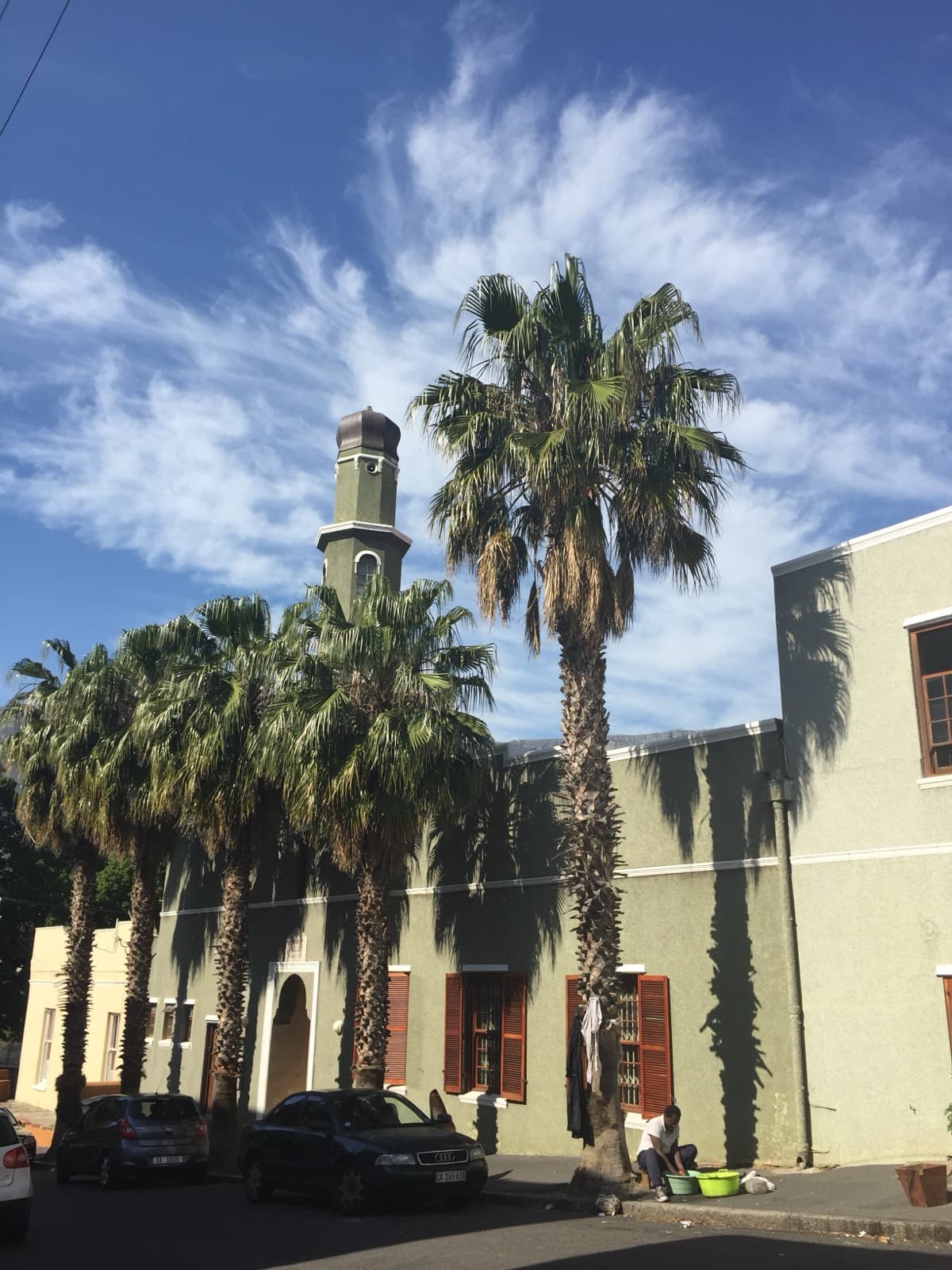
Auwal Mosque: The Door That Reframes Bo-Kaap's Painted Lanes
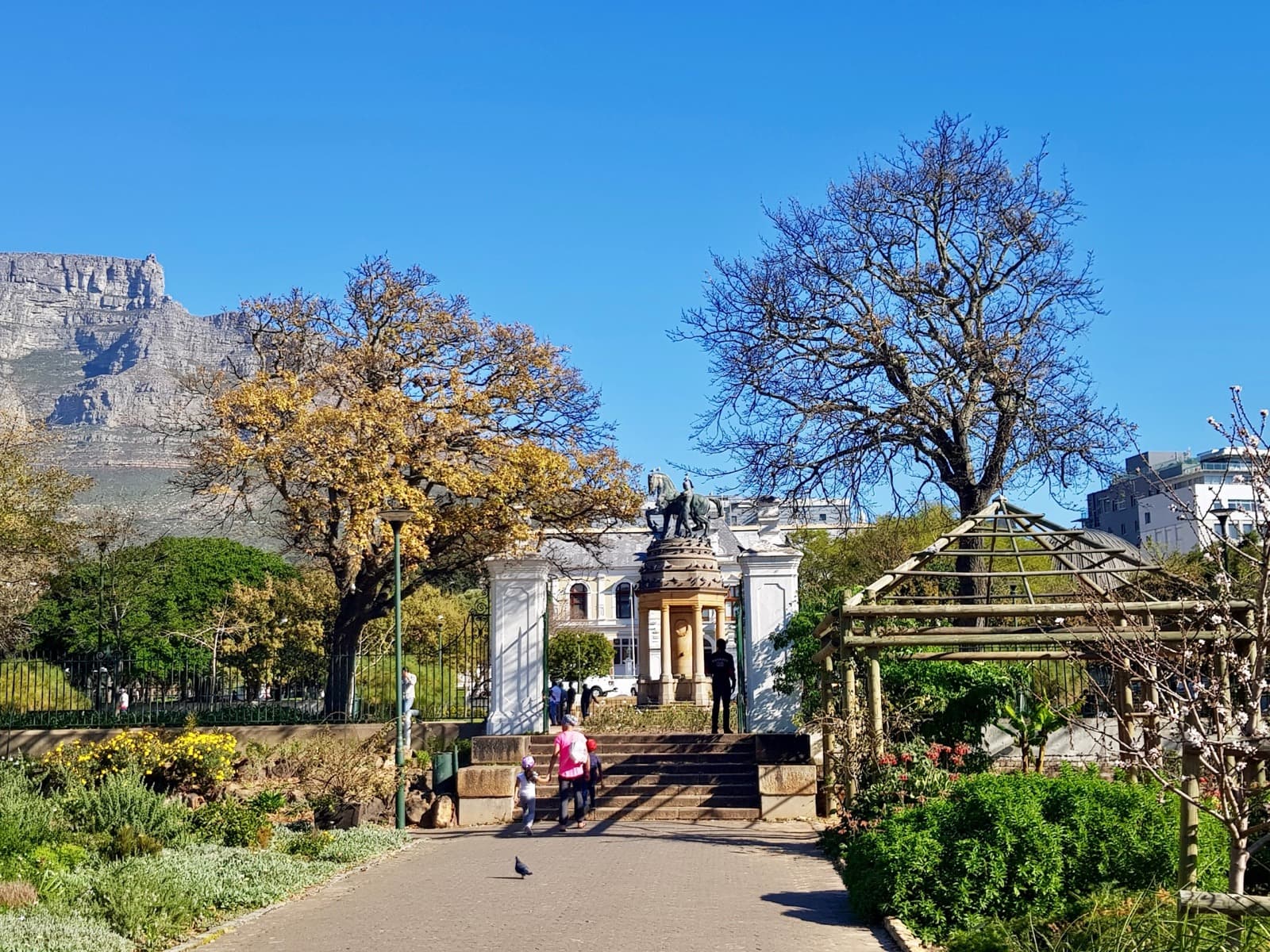
The Company's Garden: The Vegetable Patch Cape Town Grew Out Of
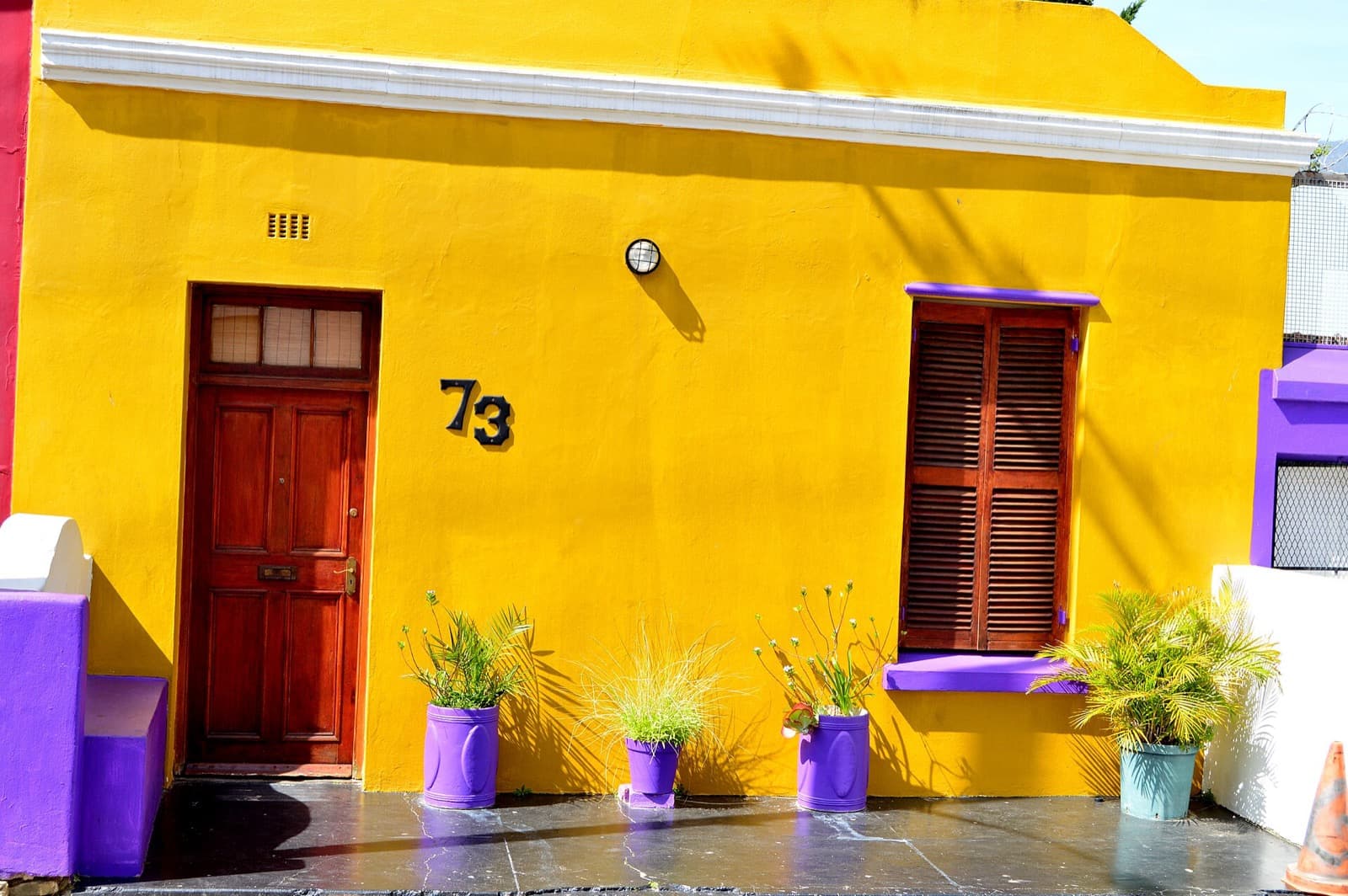
Chiappini and Rose Streets: The Steep, Coloured Heart of the Bo-Kaap
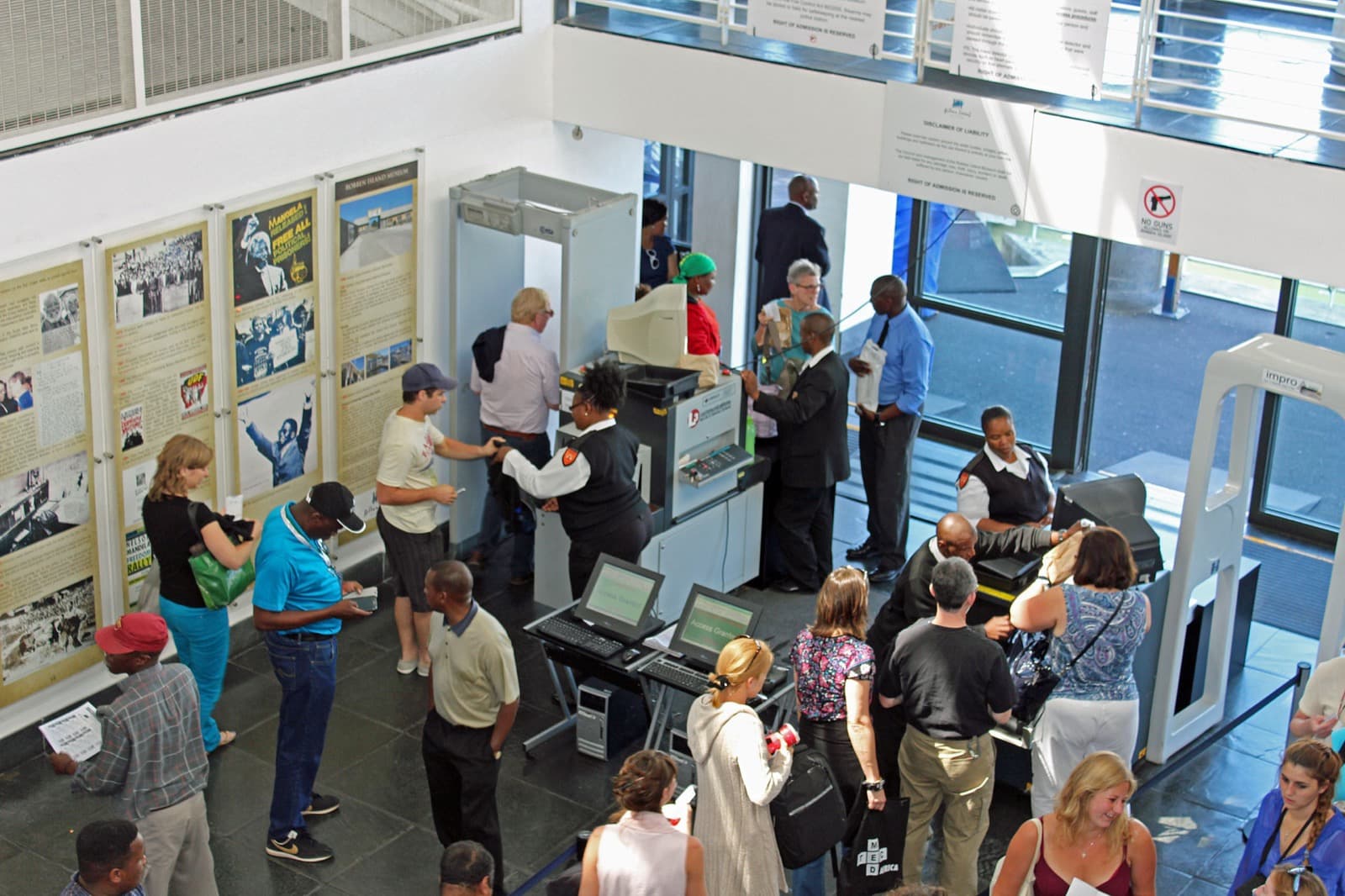
Nelson Mandela Gateway: The Cape Town Quay Where Boats Leave for the Prison Island