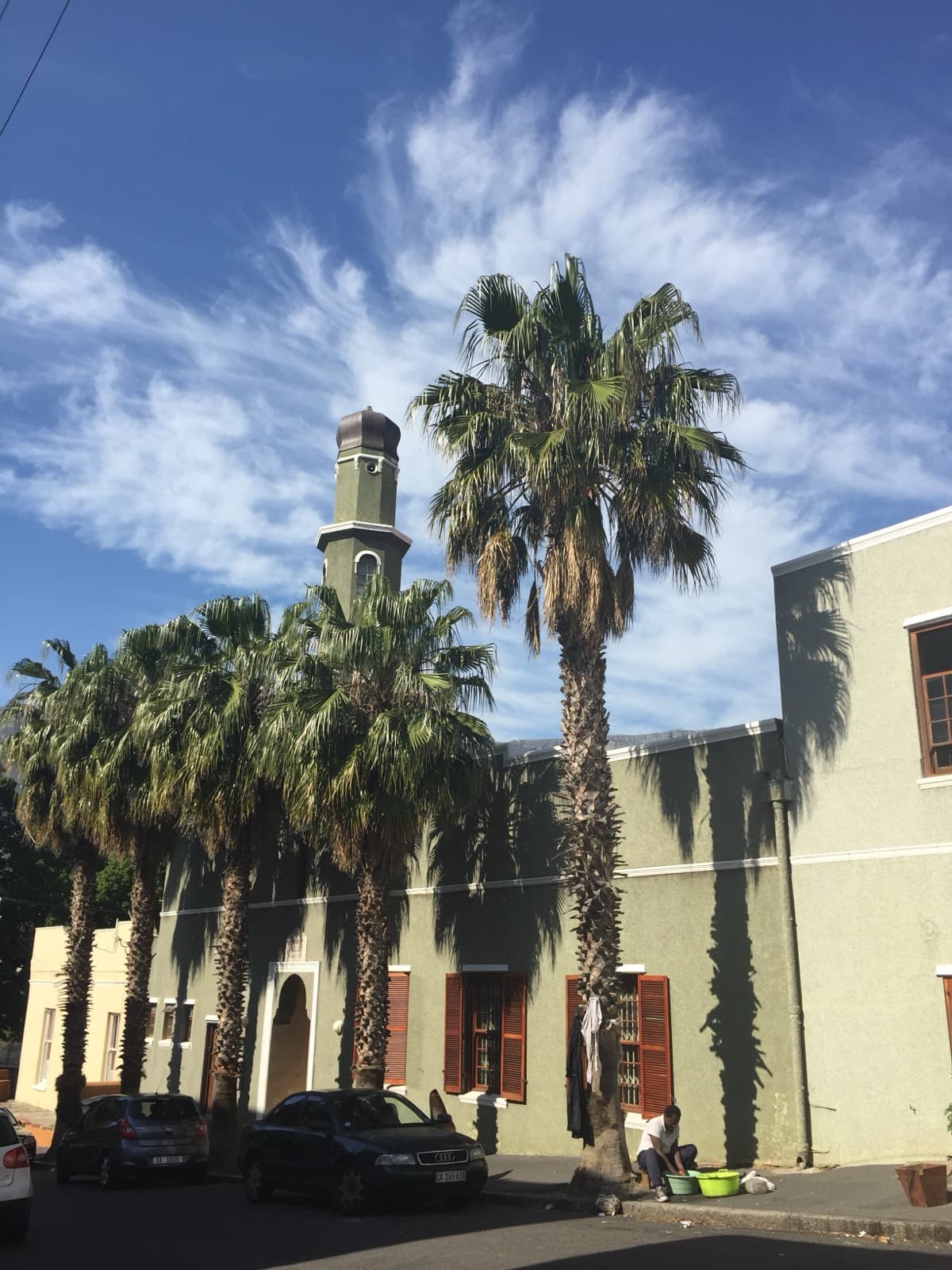
A small door on Dorp Street opens the whole argument of a Cape Town walking tour that most visitors reduce to a photo of painted houses. The Auwal Mosque, completed around 1794, is the first mosque established in South Africa, and it is remembered as the place where Islam was first prayed out loud at the Cape. Its founder, an exiled prince who wrote the Quran from memory in prison, is why the Bo-Kaap is not a colourful backdrop but a community that survived slavery and held its ground. Start at the mosque, and the rest of the quarter, the museum house, the steep spice-scented lanes, the hilltop graves, and the daily gun above the city, stops being decoration and becomes a single story about endurance.
The mosque that reframes the postcard
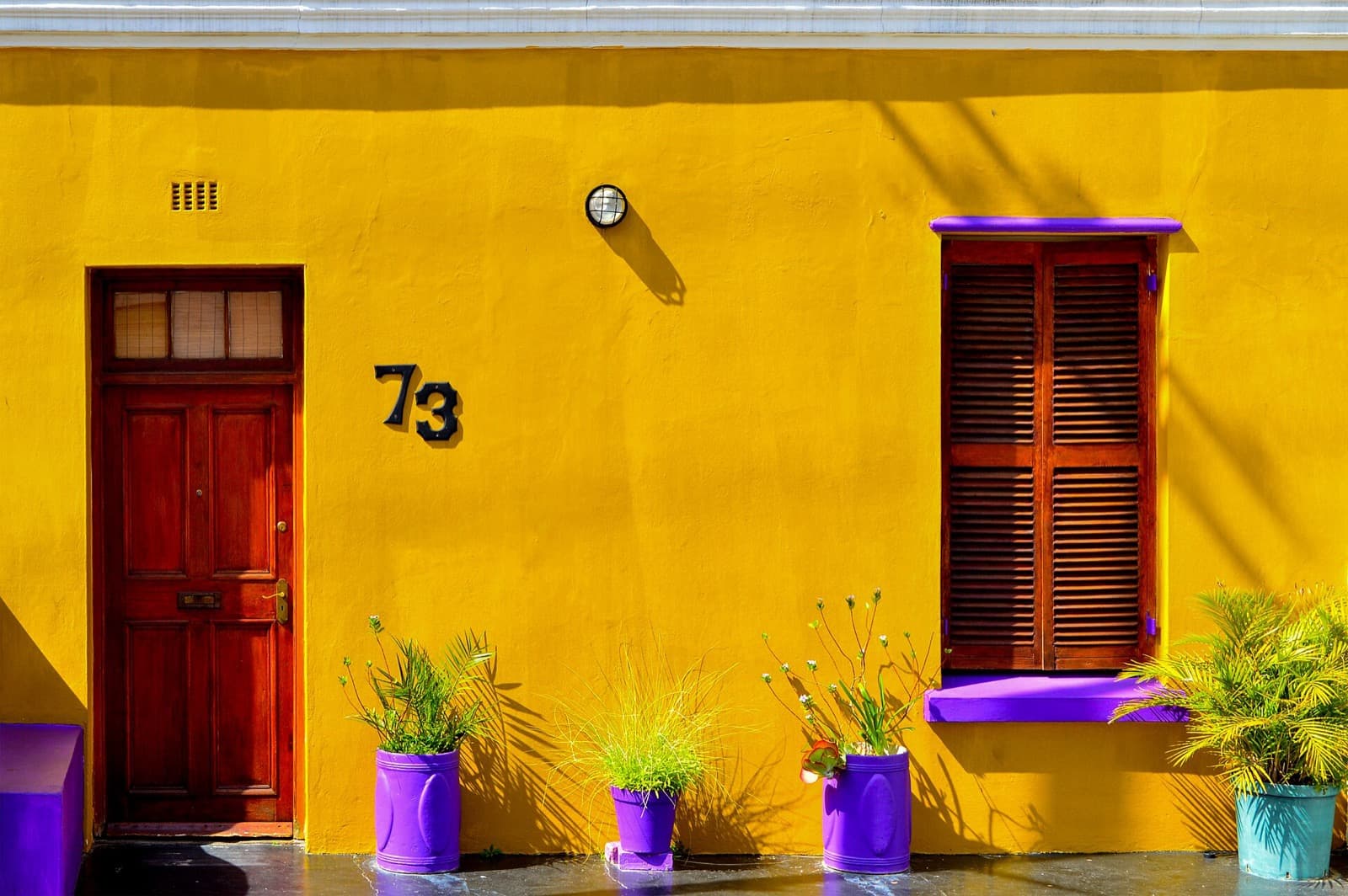
The Bo-Kaap sits above the old town, on the lower slopes of Signal Hill, in rows of flat-roofed houses painted cobalt, pink, lime, and ochre. The colour is the reason cameras come, and the story you hear most often is a warm one: that freed people painted their homes to celebrate freedom. It is a tradition the community treasures, and it is worth telling. But the record suggests the bright-colour custom actually took hold much later, in the late twentieth century, not at emancipation. So the colour is real and beloved, and it is not the deepest thing here.
The deepest thing is the modest building on Dorp Street. Auwal was completed around 1794 and stands on land tied to a freed man named Coridon, who bought two Dorp Street properties late that same year. Its first imam was Abdullah Kadi Abdus Salaam, known and loved as Tuan Guru, which means mister teacher. He was a prince from Tidore, in what is now Indonesia, banished to the Cape and imprisoned for years, part of that time on Robben Island. While he was held, he wrote out the entire Quran from memory. That handwritten copy is kept at the mosque. Beyond a place of prayer, Auwal became a madrasa where Cape Muslim tradition and the early Arabic-Afrikaans script were taught.
Read that against the colour and the neighbourhood inverts. A faith was carried across an ocean in one imprisoned man's memory, then practised openly in defiance of everything meant to silence it. The painted lanes are the surface. The mosque is the foundation. That is the argument the tour makes, and Auwal is where it becomes plain.
Because this is a living, working mosque, the stop is designed for a respectful distance. You take it in chiefly from the street. If you want to look closer, dress modestly with shoulders and knees covered, and mind the five daily prayer times, when the community gathers and quiet is owed.
How the anchor sets up every other stop
Hear a stop from this walk
The Noon Gun and the City Below
Once you have stood at Auwal, the six-stop route reads as one continuous thread rather than a list of sights. You can find the full walk among the Cape Town walking tours, and its shape is deliberate.
Stop one, the lower painted lanes around Wale and Rose streets, gives you the colour and the origins. The foundational rental houses, the little huurhuisjes, were built by a man named Jan de Waal from the 1760s onward, their facades blending Cape Dutch and Cape Georgian styles. Several of these streets were declared a National Monument in 1966, protecting the painted fronts under heritage law. The community that shaped the quarter came largely from people enslaved and exiled by the Dutch East India Company across the Indian Ocean world, from Southeast Asia, India, Ceylon, and East Africa. Slavery at the Cape was abolished in the 1830s.
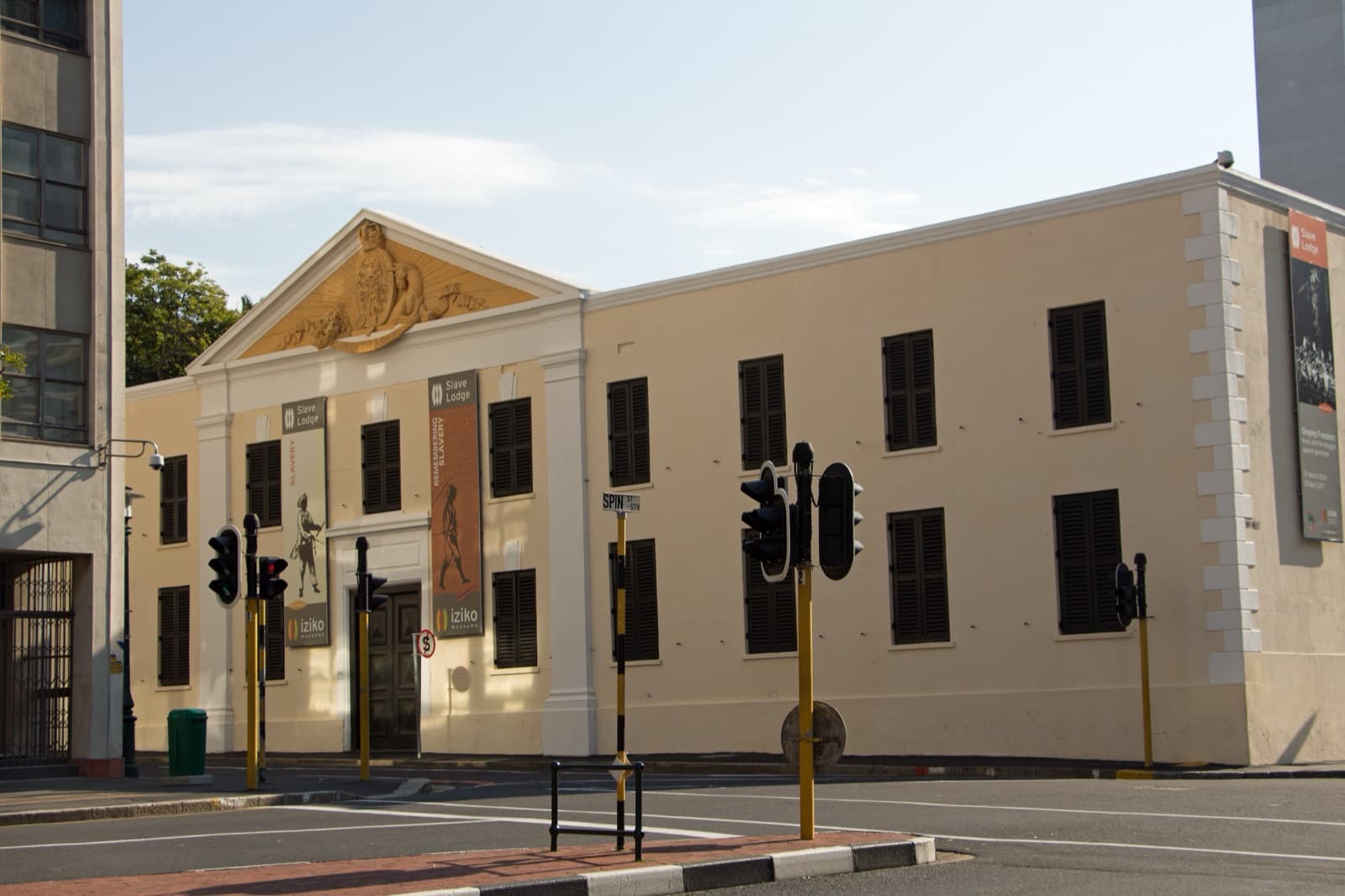
Stop three, the Bo-Kaap Museum at 71 Wale Street, is that same Jan de Waal's work, a house dating to about the 1760s and often called the oldest building in the quarter to keep its original form. Now part of the Iziko Museums of South Africa, it is furnished to show the life of a nineteenth-century Cape Muslim family. After the grand words at the mosque, this stop is domestic on purpose: a family, a hearth, a home held onto through generations that were rarely allowed to hold onto anything. That, too, is survival.
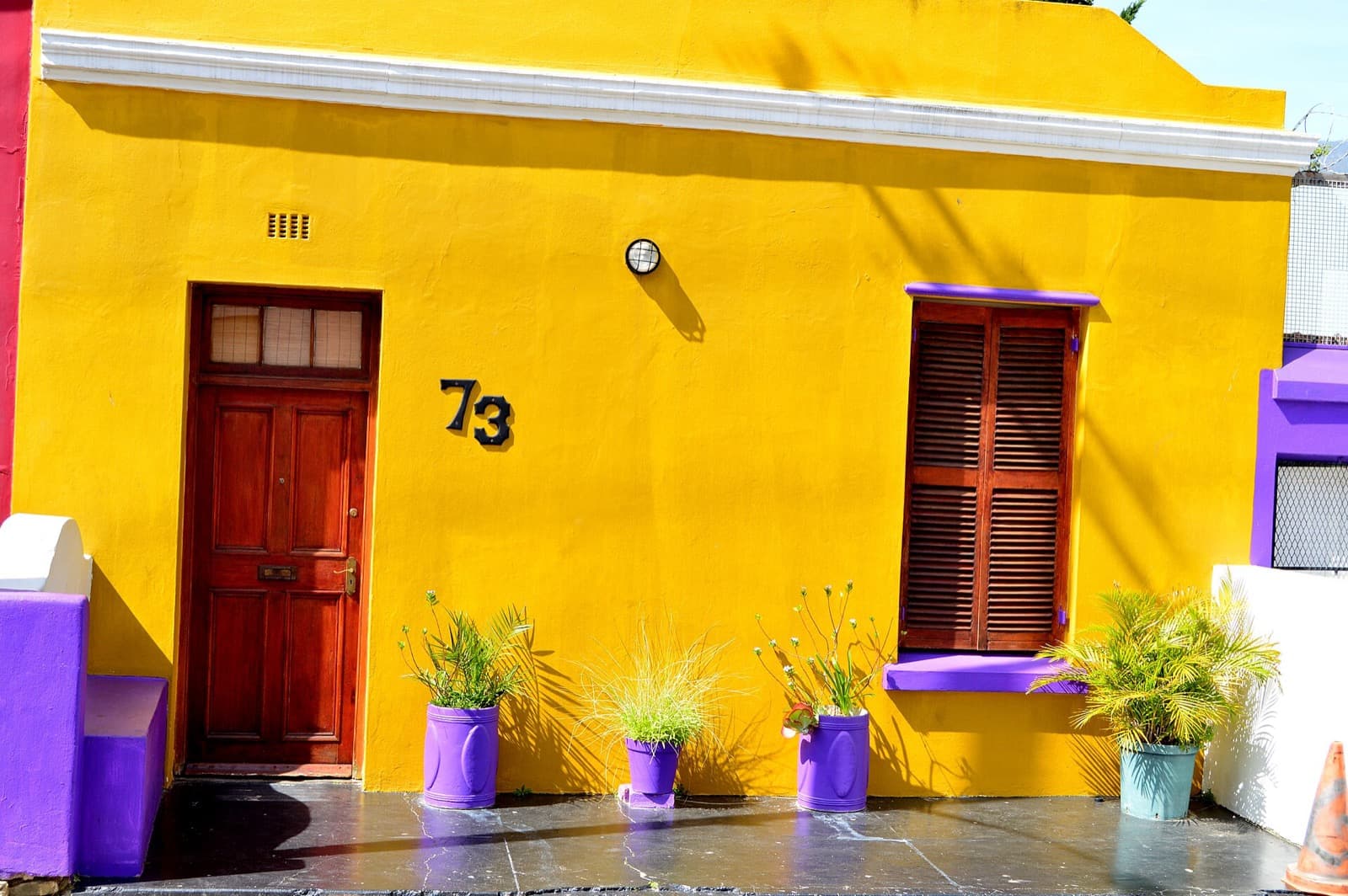
Stop four is the steep heart, the lanes around Chiappini and Rose, where the climb is hardest and the Cape Malay kitchen lives. This is the home of koesister, a spiced fried dumpling rolled in coconut, quite different from the plain syrup-soaked koeksister found elsewhere in South Africa, alongside slow-cooked bredie and bobotie under its soft baked topping. The tour points you at no single door, because the tradition belongs to the whole quarter. What matters is the resilience underneath: where forced removals scattered other Cape Town communities, this one, its mosque, its cooking, its craft, its language, stayed rooted to this hill.
The climb toward grief and the gun
The route saves its two most serious stops for the top, and the anchor at Auwal is what gives them weight. Stop five is the Tana Baru, a name that means new ground, one of the oldest and most hallowed Muslim burial grounds in Cape Town. The land was granted to the community by the Batavian government around 1804 and 1805, after religious freedom was recognised. Tuan Guru, the same imam who wrote the Quran from memory, was buried here after his death in 1807, honoured by shrines the community calls kramats. The cemetery also holds a hard chapter. In January 1886 the authorities officially closed it on sanitary grounds, despite sustained protest, and just two days later a man named Abdol Burns led about three thousand Muslims up the hill to bury a child in open defiance. Burns and twelve others were arrested for it.
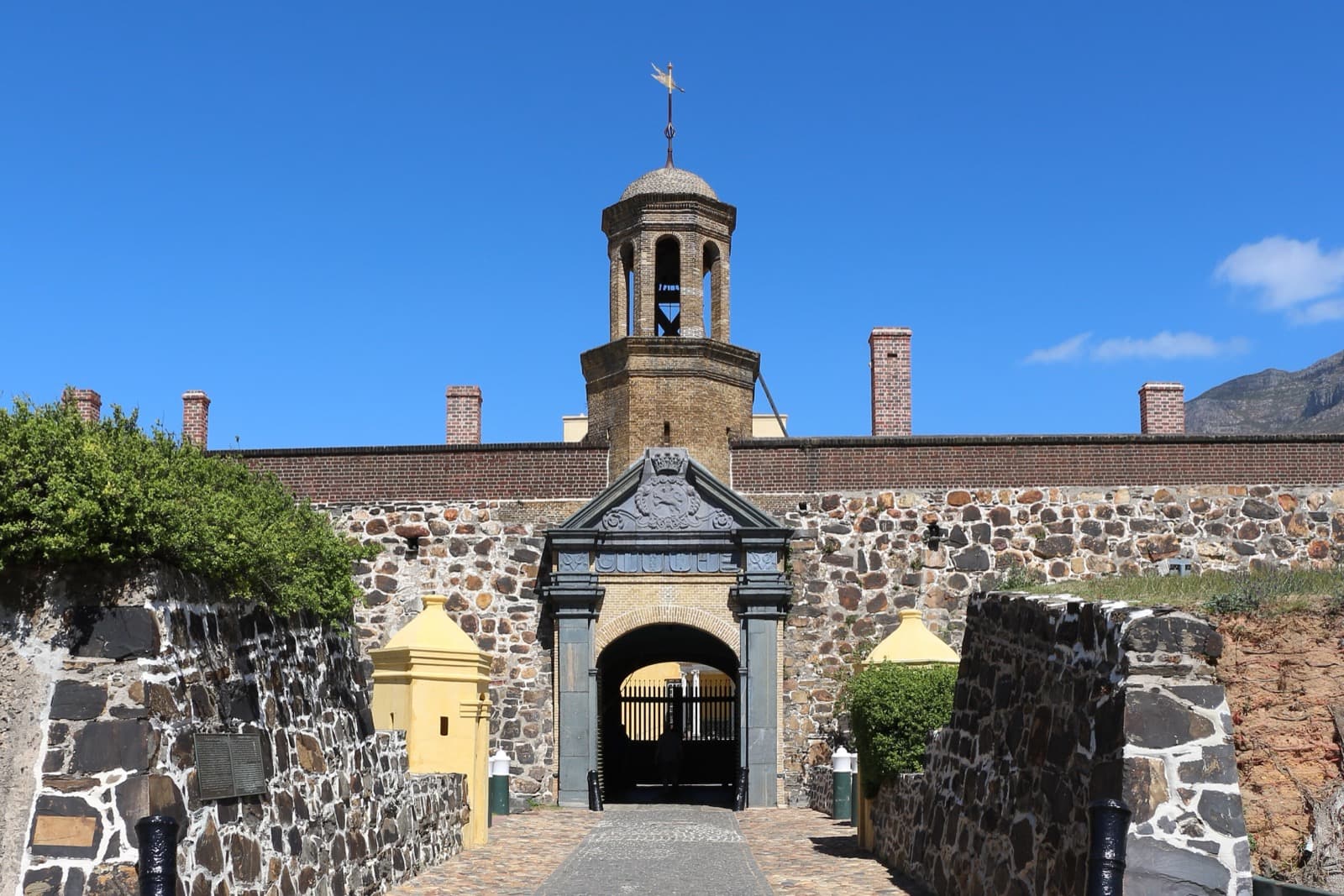
The walk finishes higher still, at the Noon Gun on Signal Hill. It is a pair of eighteen-pounder muzzle-loading cannon, fired alternately so one is always ready, and it has sounded at midday since 1806, except on Sundays and public holidays, as a time signal for ships in Table Bay. It first fired from a battery near the Castle, moved up here, and first fired from this spot in 1902. The pair are described as the oldest guns in daily use in the world, maintained today by the South African Navy. Turn from the gun and the whole walk falls away below you: the lanes, the mosque, the graves, the old town, and the wide blue sweep of Table Bay.
That final view is why the anchor matters. Without Auwal, the Noon Gun is a novelty and the colour is a filter. With it, both become the frame around a community that arrived in chains and never let go of this hill. Walk it slowly, in your own time, and start at the mosque. The full route waits in Cape Town.
Sources
- Auwal Mosque, Wikipedia: dating, founding imam Tuan Guru, and status as the first mosque in South Africa.
- Auwal Masjid, South African History Online: Coridon's Dorp Street purchase and the mosque's role as madrasa.
- Tana Baru Cemetery, Wikipedia and South African History Online: the land grant, Tuan Guru's burial, the 1886 closure, and Abdol Burns leading the burial in defiance.
- Bo-Kaap, Cape Town, Wikipedia: huurhuisjes, Jan de Waal, National Monument status, the museum, and the colour tradition.
- Noon Gun, Wikipedia: the eighteen-pounder pair, the 1806 daily firing, and the 1902 move to Signal Hill.
Ready to experience it?
Bo-Kaap: The Colour of the Cape Malay Quarter
90 min · 2.3 km · moderate
More from Cape Town
Explore more at your own pace.
Cape Town Travel Guide: Days, Transport, Seasons, Safety, and Budget
Cape Town in Three Layers: The Garden, the Painted Hill, and the Harbour That Still Works
The Company's Garden: The Vegetable Patch Cape Town Grew Out Of
Chiappini and Rose Streets: The Steep, Coloured Heart of the Bo-Kaap
Nelson Mandela Gateway: The Cape Town Quay Where Boats Leave for the Prison Island