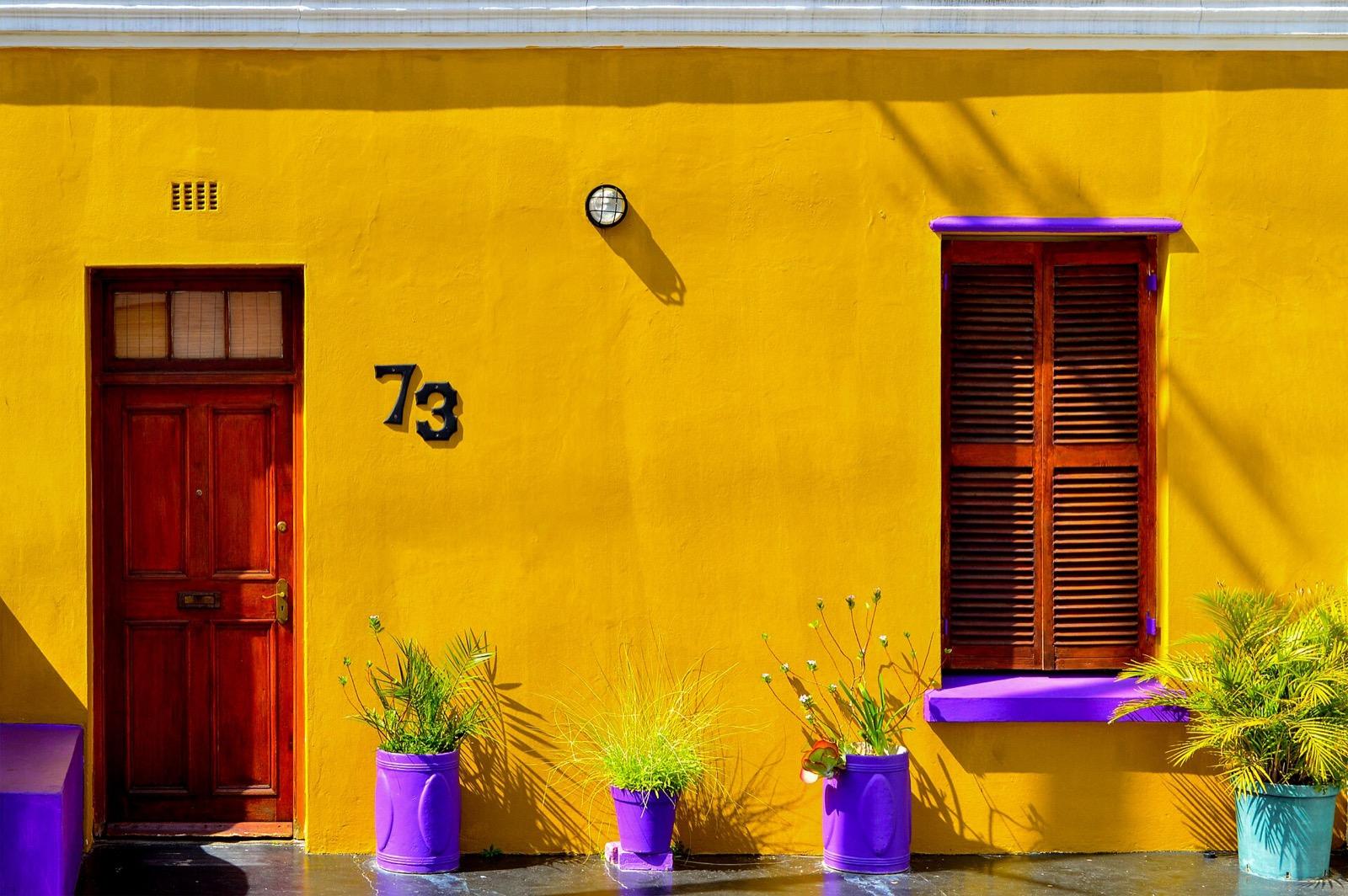
Climb the painted lanes of Cape Town's historic Cape Malay quarter, past the mosque where Islam first prayed out loud at the Cape, to the founders' graves and the daily gun above the city.
Start · Wale Street: The Painted Lanes
DirectionsStops
- 1
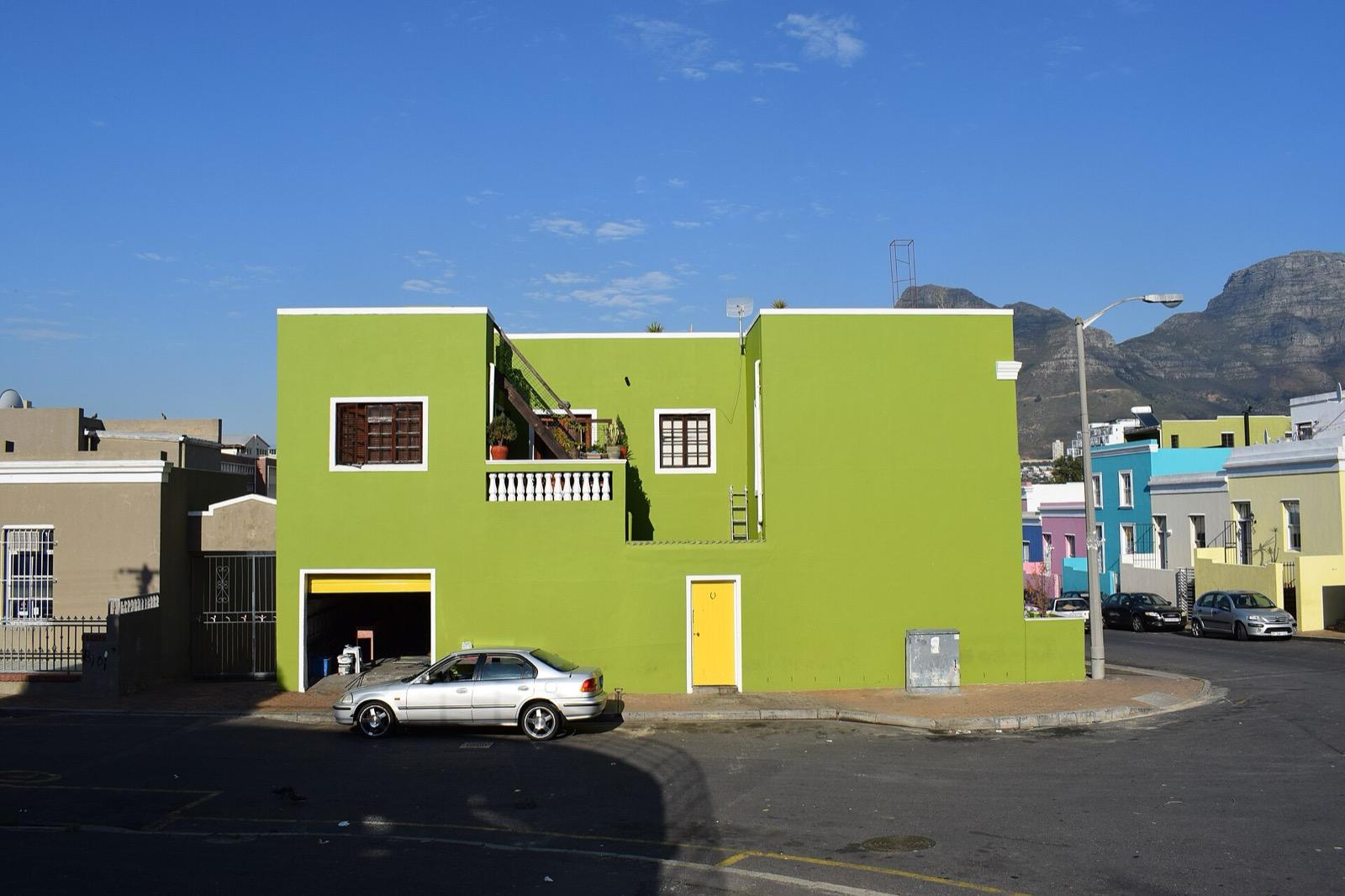
Wale Street: The Painted Lanes
Rows of flat-roofed houses in every bright colour line the lower Bo-Kaap. They open the quarter's story of colour, community and origins.
- 2
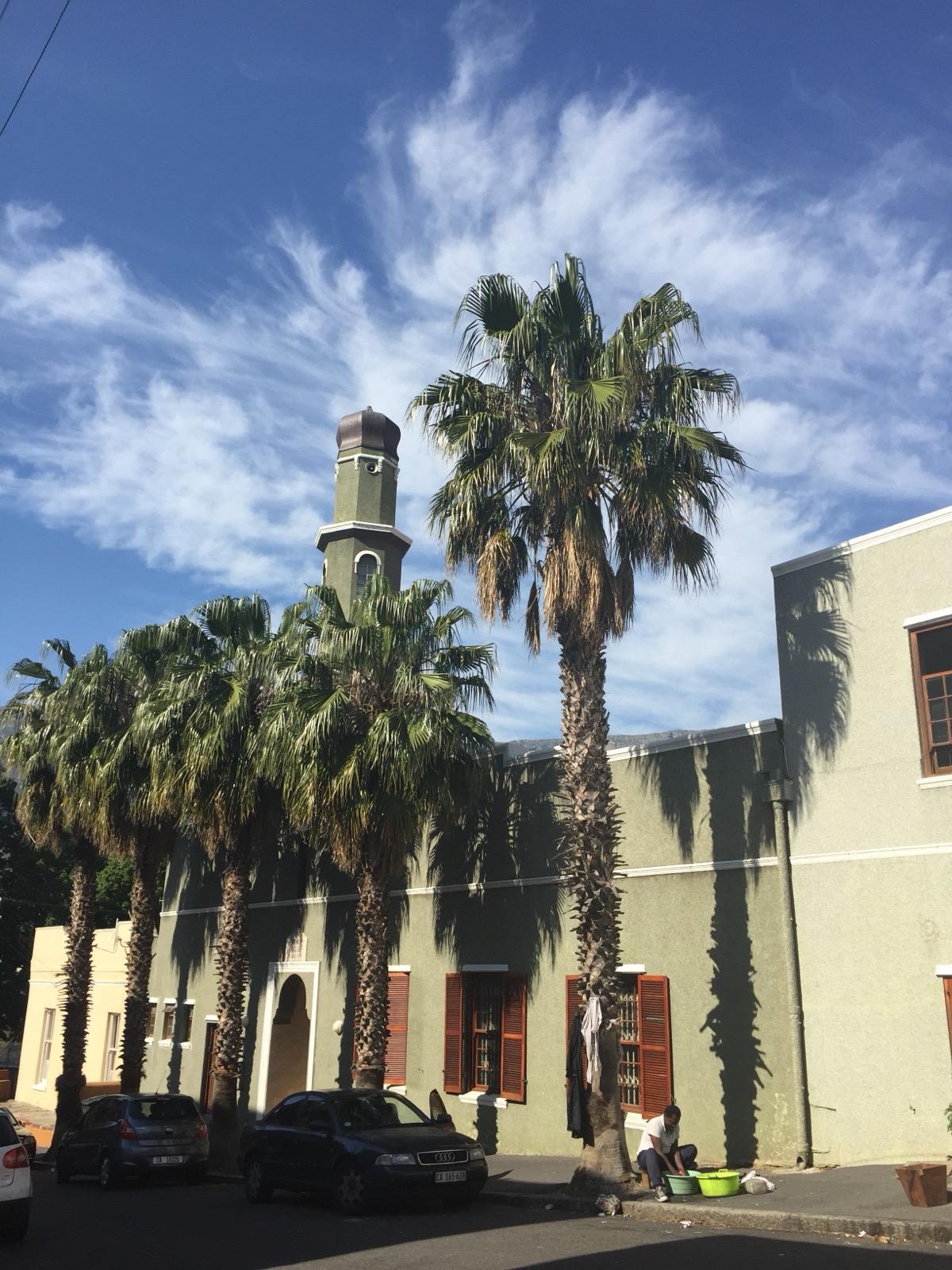
The Auwal Mosque: Where a Faith First Prayed Out Loud
On Dorp Street stands the Auwal Mosque, completed in the seventeen nineties, the first mosque in South Africa and the birthplace of public Islam at the Cape.
- 3
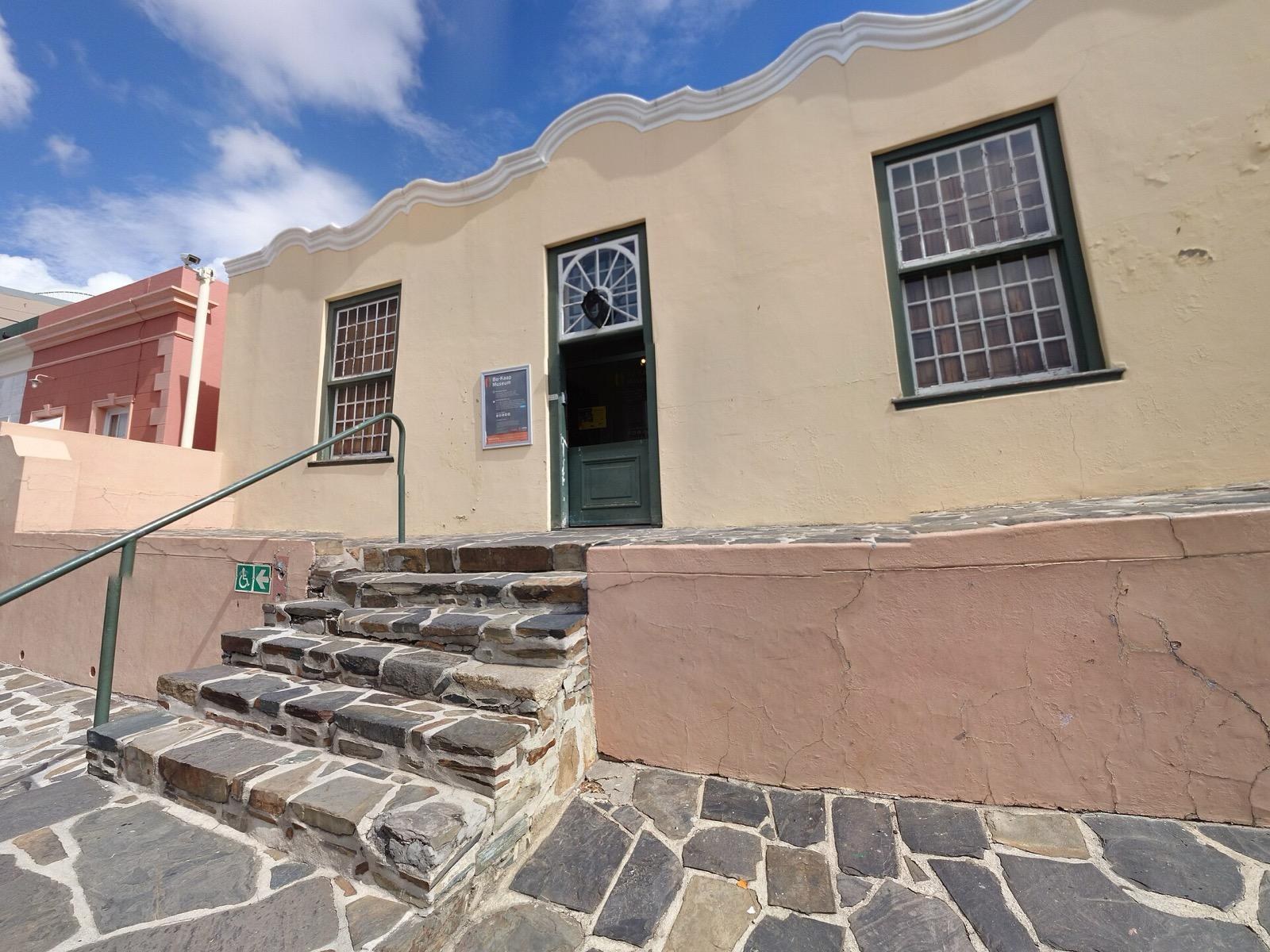
The Bo-Kaap Museum: The House That Keeps the Memory
One of the quarter's earliest houses is now an Iziko museum. It stands at seventy-one Wale Street, furnished to show the life of a nineteenth-century Cape Muslim family.
- 4
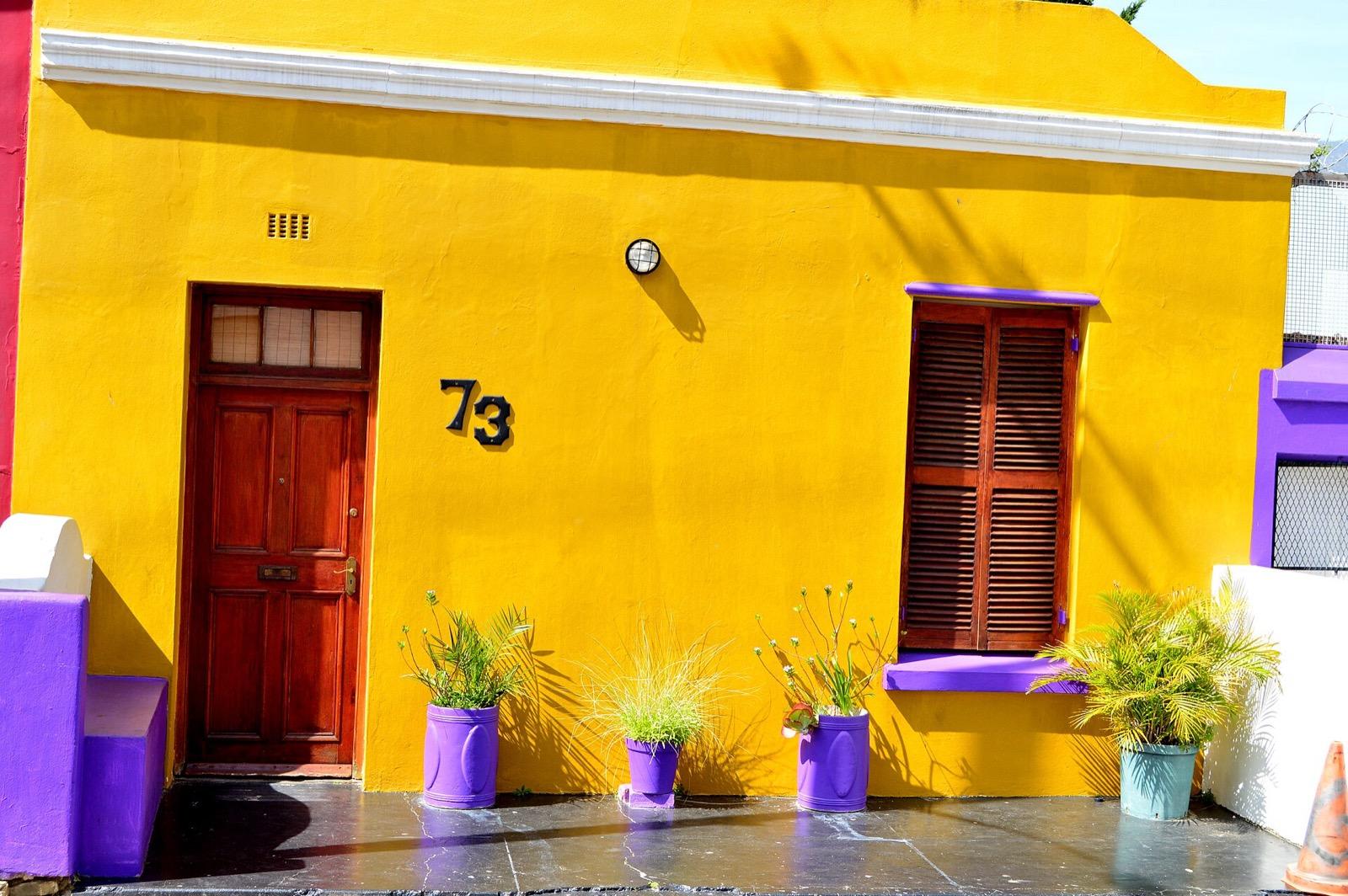
The Colour and the Craft of the Quarter
The most colourful lanes lie around Chiappini and Rose streets. These steep lanes are the living heart of the Cape Malay culinary and craft tradition.
- 5
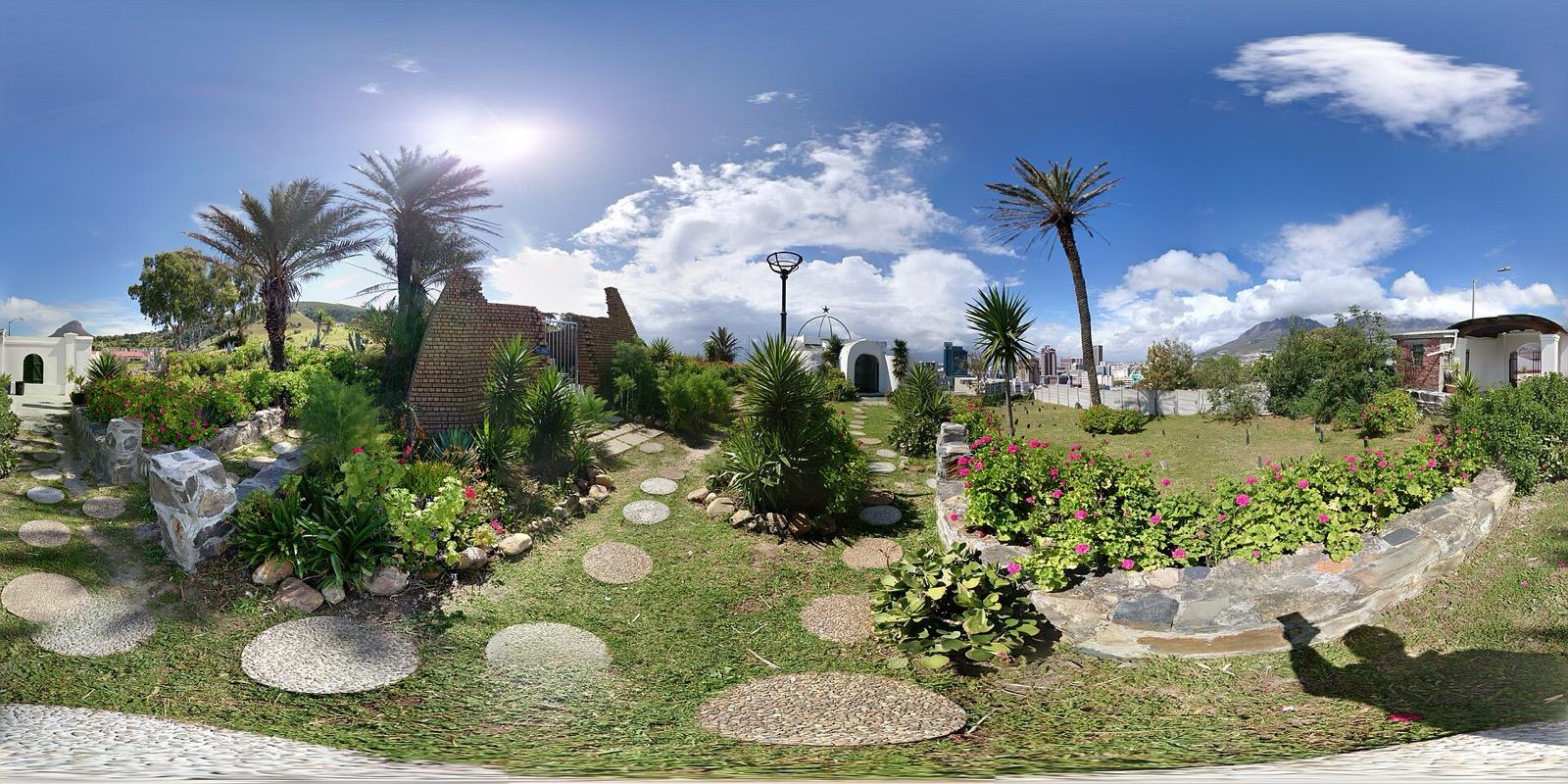
The Tana Baru: The Hilltop Graves of Cape Islam
Near the top of the quarter lies the Tana Baru, one of the oldest and most hallowed Muslim burial grounds in Cape Town, where Tuan Guru is buried.
- 6
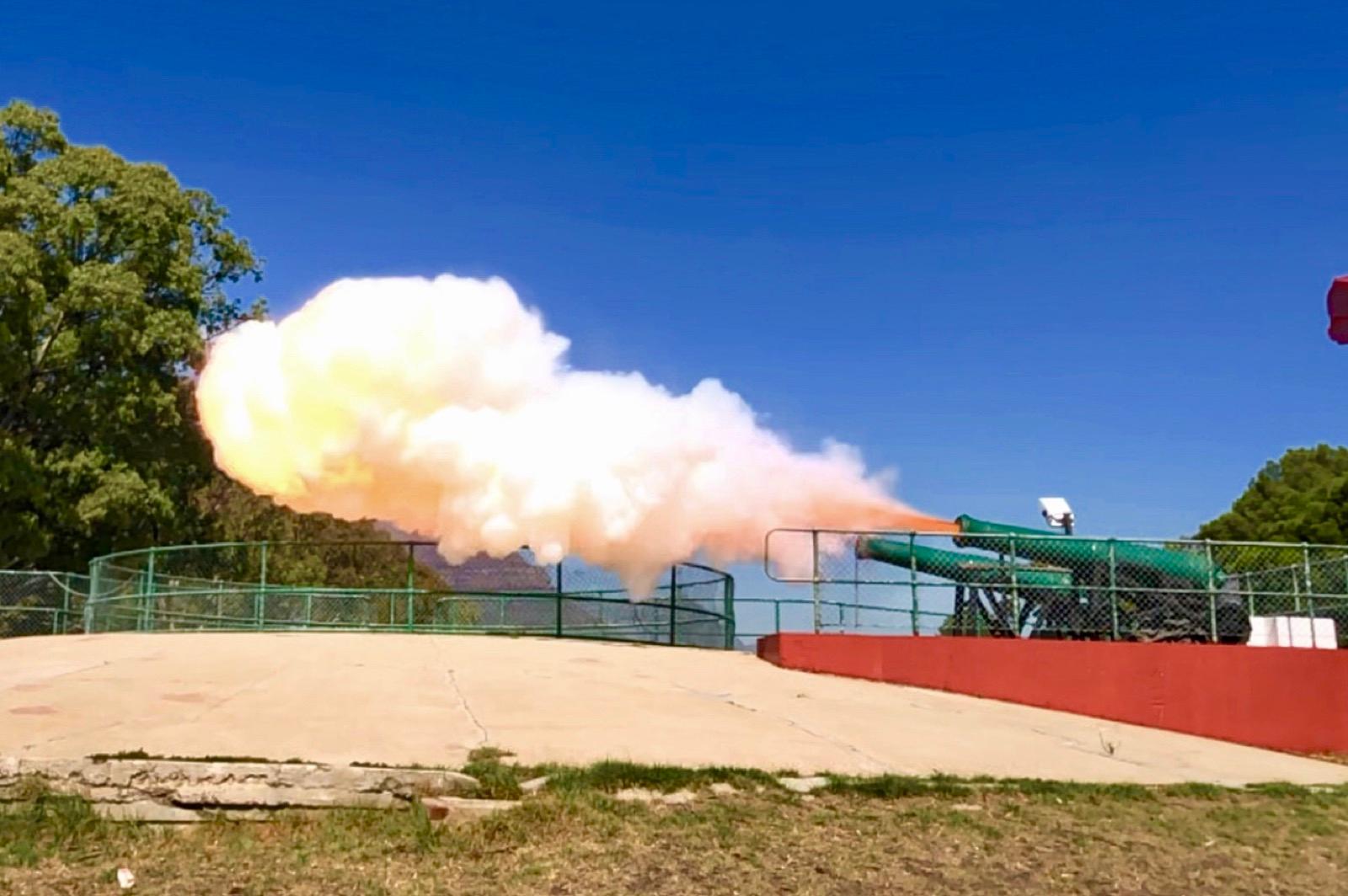
The Noon Gun and the City Below
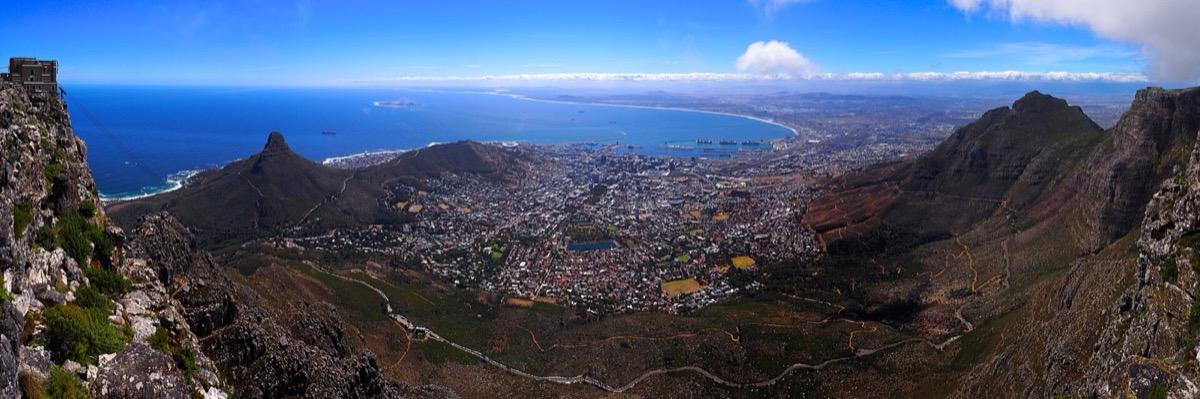
Higher up Signal Hill's slopes, the Noon Gun has fired daily since the early eighteen hundreds, above a sweeping view over the quarter, the city and Table Bay.
Details
Best Time to Visit
Late morning is ideal, arriving at the lower painted lanes when the light is bright on the east-facing facades, and timing your climb so that you reach the Noon Gun on Signal Hill shortly before midday to hear it fire. The gun sounds Monday to Saturday and is silent on Sundays and public holidays. Avoid the harshest midday heat in high summer, from December to February, when the sun is fierce and the wind off the mountain can be strong. Be quiet and unobtrusive at the Auwal Mosque around the five daily prayer times, and treat the Tana Baru cemetery with hush at any hour.
Pro Tips
- •Wear proper shoes with grip. The upper lanes around Chiappini and Rose streets are genuinely steep, and the walk climbs most of its way from the lower town to the Noon Gun.
- •Time your arrival at the Noon Gun for just before midday, Monday to Saturday, to hear it fire. It is silent on Sundays and public holidays.
- •At the Auwal Mosque, keep a respectful distance and view it from the street. If you wish to look closer, dress modestly with shoulders and knees covered, and avoid prayer times.
- •The Bo-Kaap Museum charges a small entry fee in rand and is a short, worthwhile stop if you want to step inside one of the quarter's oldest houses.
- •Ask before photographing people or the insides of their homes. This is a living neighbourhood, not a film set, and residents deserve the courtesy.
- •Carry water and go at your own pace. There is no group and no schedule, so linger at the mosque or the cemetery as long as you like and rest on the climb when you need to.
Safety & Precautions
- •The Cape sun is strong and the wind off Signal Hill can be sharp, so bring sunscreen, a hat and a light layer even on a warm day.
- •The Bo-Kaap climb is steep and uneven in the upper lanes. Take it slowly, watch your footing on the slopes, and skip stops if the ascent is too much.
- •Treat the Auwal Mosque and the Tana Baru cemetery as the sacred, living places they are. Keep your voice low, dress and behave respectfully, and never treat them as spectacle.
- •Use ordinary city-centre street-awareness as you would anywhere. Keep valuables discreet and out of sight, and stay attentive to your surroundings, especially where the quarter meets the busier streets of the old town.
Travel advisory: Exercise Increased Caution (Level 2).
Gallery
Related Reading
Go deeper on what you'll see, hear, and walk through.
Overview
Best Self-Guided Walking Tours in Cape Town (2026)
4 min
Overview
Cape Town Travel Guide: Days, Transport, Seasons, Safety, and Budget
7 min
Overview
One Day in Cape Town: A Walkable Morning-to-Evening Itinerary
7 min
Thematic
Best Culture Walking Tours in Cape Town (2026)
2 min
Thematic
Cape Town in Three Layers: The Garden, the Painted Hill, and the Harbour That Still Works
8 min
Companion
Auwal Mosque: The Door That Reframes Bo-Kaap's Painted Lanes
7 min
Deep dive
Chiappini and Rose Streets: The Steep, Coloured Heart of the Bo-Kaap
6 min
Read
What to Eat in Cape Town: Cape Malay Food and Where to Find It
8 min
Read the walk
The full story of Bo-Kaap: The Colour of the Cape Malay Quarter, in words. Prefer to listen? Play it narrated, from home or on location.
Introduction
Above the old town of Cape Town, South Africa, on the lower slopes of Signal Hill, a quarter of flat-roofed houses shouts every colour at once. This is the Bo-Kaap, a name that means above the Cape, the quarter above the old town. Its people are the Cape Malay, or Cape Muslim, community, and they descend in large part from enslaved and exiled people brought to the Cape by the Dutch East India Company from Southeast Asia, India and East Africa. The painted houses are the reason so many cameras come here, and the story most often told is a beautiful one about freedom. This tour honours that living tradition while reading past the colour into a much older and harder history: the first open practice of Islam at the Cape, and a community that survived being enslaved and held its ground.
This is a walk of six stops, roughly ninety minutes at an unhurried pace, covering a little under two kilometres on foot, uphill much of the way. It is yours to shape. Linger at the mosque as long as you like, sit quietly at the hilltop cemetery, or move straight on to the view. There is no group, no schedule, no one steering you, and no tip expected, only your own map and your own clock. The route rises through the lower painted lanes, past a working mosque and an old museum house, up the steep colourful streets, to the sacred burial ground near the top, and finishes higher still at the daily gun that has told this city the time for more than two centuries. When you arrive at the corner of Wale Street and Rose Street in the lower Bo-Kaap, begin with stop one.
1. Wale Street: The Painted Lanes
You are standing where the houses shout every colour at once. Cobalt, pink, lime, ochre, turquoise, row after row of single-storey, flat-roofed homes climbing the slope. This is the lower Bo-Kaap, around Wale Street and Rose Street, and it is one of the most photographed neighbourhoods in Africa. The oldest of these houses have deep roots. The foundational rental houses, the little huurhuisjes, were built by a man named Jan de Waal from the seventeen sixties onward, and the facades you see mix Cape Dutch and Cape Georgian styles, built roughly between seventeen ninety and eighteen twenty-five.
The people who made this quarter were the Cape Malay community. Many descend from enslaved and exiled people brought to the Cape by the Dutch East India Company, the VOC, from what are now Malaysia and Indonesia, from India and Ceylon, and from parts of East Africa. A later wave arrived as political exiles. They were skilled labourers, craftspeople and holy men, and they built a culture here that endured.
Now, the colour. The story you will hear most often is that freed people painted their houses in bright colours to celebrate their freedom, because while the houses were leased they all had to be white, and when residents could finally buy them, they chose colour. It is a beloved story, and it is worth telling. But it is a tradition and a popular story, not settled fact. What the record suggests is that the bright-colour custom really took hold much later, in the late twentieth century. So enjoy the colour for what it plainly is: a living tradition the community treasures. The deeper story is quieter, and it climbs the hill with you.
2. The Auwal Mosque: Where a Faith First Prayed Out Loud
This modest building on Dorp Street is the Auwal Mosque, and it carries an extraordinary weight of history. Completed around seventeen ninety-four, it is the first and oldest mosque established in South Africa, and it is remembered as the place where Islam was first prayed out loud at the Cape, the first mosque to observe public prayers. It stands on land tied to a freed man named Coridon, who bought two Dorp Street properties late in seventeen ninety-four, and permission to build came under the British soon after.
Its first imam was Imam Abdullah Kadi Abdus Salaam, known and loved as Tuan Guru, which means mister teacher. He was a prince from Tidore, in what is now Indonesia, banished to the Cape and imprisoned for years, part of that time on Robben Island. While he was held, he wrote out the entire Quran from memory. That handwritten Quran is kept at this mosque. Beyond a place of prayer, the mosque became a school, a madrasa, where Cape Muslim traditions and the early Arabic-Afrikaans writing were taught.
This is a living, working mosque, so please keep a respectful distance and take it in chiefly from the street. If you wish to look closer, dress modestly, cover your shoulders and knees, and be mindful of prayer times, when the community gathers and quiet is owed. Stand here a moment and consider what this small door represents: a faith carried across an ocean in the memory of an imprisoned man, and practised openly at last, in defiance of everything that had been done to silence it.
3. The Bo-Kaap Museum: The House That Keeps the Memory
The house in front of you, at number seventy-one Wale Street, is the Bo-Kaap Museum, and it is a landmark less for what is inside than for what it is: one of the earliest homes in the whole quarter, a house that dates back to about the seventeen sixties. It was built by that…
Full narration for this stop unlocks with the tour.
4. The Colour and the Craft of the Quarter
This is the steep heart of the Bo-Kaap, the streets around Chiappini and Rose, where the lanes are at their most colourful and the climb is at its hardest. Take it slowly. Catch your breath and let the quarter be a living place rather than a photograph. Historically these…
Full narration for this stop unlocks with the tour.
5. The Tana Baru: The Hilltop Graves of Cape Islam
Near the top of the Bo-Kaap, on the slopes of Signal Hill, is the Tana Baru, a name that means new ground. This is one of the oldest and most hallowed Muslim burial grounds in Cape Town, and it is sacred ground, so please move gently here and speak softly. The land was granted…
Full narration for this stop unlocks with the tour.
6. The Noon Gun and the City Below
You have climbed to the highest point of this walk, on the upper slopes of Signal Hill above the Bo-Kaap, and this is where it resolves. Here at the Lion Battery stands the Noon Gun. It is not one gun but a pair of eighteen-pounder muzzle-loading cannon, fired alternately so one…
Full narration for this stop unlocks with the tour.