City Centre: Where the Cape Colony Began
120 min · 2.3 km · moderate
Eat Cape Malay in Cape Town: this is the cooking that defines the city, a fusion of Southeast Asian, Indian and Dutch flavours carried here over three centuries by an enslaved and exiled community, and it lives on the streets of the Bo-Kaap. The dishes to order are bobotie, bredie, denningvleis and breyani for the main plates, koesister and gatsby for the street food, and snoek and pickled fish for the coastal side of the table. Start with the names below, then walk the neighbourhood that keeps the tradition alive on our Cape Town walking tours.
The short answer: what to order first
If you have one meal, make it Cape Malay. The core plates are savoury, spiced without being fiery, and slow-cooked. Bobotie is spiced minced meat baked under a soft egg custard topping, usually served with yellow rice and a spoon of chutney. Bredie is a long-simmered stew, most often lamb, cooked down with vegetables until everything softens together (tomato bredie and waterblommetjie bredie are the classic versions). Denningvleis is lamb braised in tamarind and spice, sweet and sour and dark. Breyani (the local spelling of biryani) layers marinated meat with basmati rice, lentils, fried onions and boiled eggs.
For something to eat on your feet, ask for a koesister and a gatsby. Both are explained below. And if you want the flavour of the Cape coast, order snoek, the local mackerel-like fish that Capetonians braai whole over open flame.
Cape Malay food, and where the tradition comes from
Hear a stop from this walk
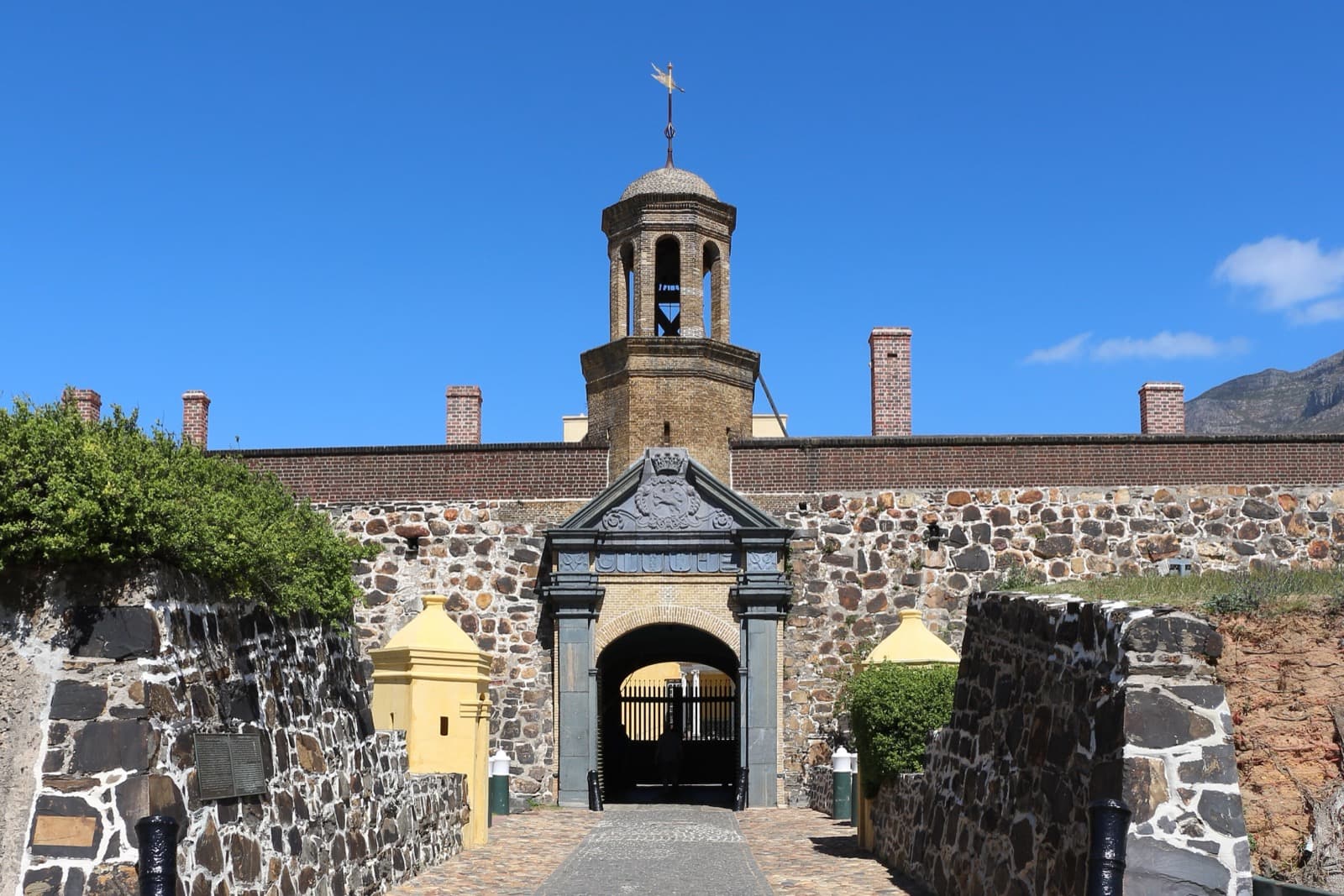
The Castle of Good Hope: The Star Fort Where the Colony First Dug In
The people who built this kitchen were the Cape Malay community, many of them descended from enslaved and exiled people brought to the Cape by the Dutch East India Company (the VOC) from what are now Malaysia and Indonesia, from India and Ceylon, and from parts of East Africa. They were in demand as cooks in early Dutch households, and their use of spice on top of the existing Dutch and local food produced what is now called Cape Malay cuisine. The result is a style roughly three centuries old, built on curries, bredies and pickled fish.
You can trace individual dishes back a long way. The name bobotie is thought to come from the Malay word "bobotok," and a recipe for a dish of this shape appeared in a Dutch cookbook as early as 1609. The word bredie is of Malaysian origin, and the slow-stewing technique came with the enslaved cooks. These are not restaurant inventions. They are home food that became national food.
The living centre of this cooking is the Bo-Kaap, the painted quarter on the slopes of Signal Hill. Walk the steep lanes around Chiappini and Rose streets and you will often catch the spice on the air, warm and layered. Our Bo-Kaap: The Colour of the Cape Malay Quarter tour walks you through the streets where tailors, cobblers and cooks built a culture that held together through the apartheid years, past the Auwal Mosque and up toward the Tana Baru burial ground. The tour deliberately does not point you at one door, because the tradition belongs to the whole quarter, and half a dozen home kitchens and small cafes cook it well.
Koesister versus koeksister: get the sweet thing right
This is the confusion worth clearing up before you order. The Cape Malay koesister and the Afrikaans koeksister are two different things that sound almost identical.
The koesister (the Cape Malay one, sometimes written koe'sister) is a soft, cake-like spiced dumpling, fried, dipped in syrup, then rolled in desiccated coconut. The dough is scented with cinnamon, cardamom, aniseed and sometimes naartjie (citrus) peel. In Bo-Kaap it is a Sunday-morning ritual, made at home and sold from front rooms.
The koeksister (the Afrikaans one) is a golden twisted plait, deep-fried crisp then plunged into ice-cold syrup so the outside stays crunchy while the syrup soaks the middle. No coconut, no spice, just sugar and crunch. Both are excellent. Just know that if you are in the Bo-Kaap and someone offers you a koesister, you are getting the coconut-rolled, spiced one.
The gatsby: Cape Town's shareable sandwich
The gatsby is a long bread roll packed with hot chips ("slap chips," soft and vinegary), a filling of your choice, salad and sauce, then cut into portions to share. It is cheap, huge and beloved.
Its origin is well documented and local. Rashaad Pandy, who ran Super Fisheries in Athlone, is credited with inventing it in 1976 when he needed a fast, filling meal for workers helping renovate his shop. He filled a large loaf with chips, polony (a South African bologna) and achar, and one of the workers reportedly called it a "Gatsby smash" after The Great Gatsby, which was showing at a nearby cinema. Order it by the filling: masala steak and polony are the classics, and it is meant to be split between people.
Snoek, pickled fish and the coastal table
Cape Town is a fishing city, and snoek is its signature catch, a firm fish plentiful in the cold waters off the peninsula. The most Capetonian way to eat it is braaied: kept whole, cooked over an open fire, often basted with an apricot-and-butter glaze. Leftover or smoked snoek becomes smoorsnoek, flaked and braised slowly with onion and tomato, eaten with rice, pap or bread.
Pickled fish (ingelegde vis) is the other one to know. The fish is fried, then steeped in a sweet-and-sour turmeric-and-onion curry sauce and left to sit. It is a Cape Malay tradition strongly associated with Easter, when it is made in batches and eaten cold with bread or hot cross buns.
To drink, rooibos is the local tea, an indigenous plant that grows only in the Cederberg mountains north of Cape Town, gathered for centuries by the Khoisan before it became a commercial crop. It is naturally caffeine-free and served everywhere, plain or as a red cappuccino.
Where to eat it: markets, the Bo-Kaap, and the Waterfront
For a spread in one place, the weekend food markets are the easy answer. The Oranjezicht City Farm Market sits inside the V&A Waterfront at Granger Bay and is the largest farmers market of its kind in Cape Town, with dozens of local farmers and food traders under one roof. It runs Saturday and Sunday mornings, entry is free, and you pay per stall. Confirm current market days and hours on the official OZCF site before you go, since the midweek night market pauses in the colder months.
Also on the Waterfront is the Time Out Market Cape Town, an indoor food hall gathering local chefs and kitchens with communal seating. Entry is free, and it is cashless, so bring a card. Both markets are a short, easy stroll from the harbour, and our V&A Waterfront tour walks the same precinct, tying the working harbour to where you eat.
For the food at its source, walk the Bo-Kaap. It is a five-minute walk from the city centre and lively with visitors and walking tours during the day. Stay on the main streets (Wale, Chiappini, Rose), keep your valuables tucked away as you would in any city, and treat the residential lanes and the Tana Baru cemetery as the lived-in, sacred places they are. Locals advise not wandering the quarter alone after dark, which is sensible rather than alarming: come for a morning or midday visit and you will be in good company.
How to order like a local
A few small things will make you sound at home. "Slap chips" (say "slup") are the soft vinegar chips, not crisps. A "braai" is a barbecue and a point of pride. A "red cappuccino" is a rooibos-based one, no coffee. Achar (or atchar) is a spiced pickle you can add to almost anything. And if you want your food less spicy, ask for it that way plainly, since Cape Malay cooking is aromatic rather than searing by default, but heat varies from kitchen to kitchen. Walk the Bo-Kaap first, learn what the spice on the air belongs to, then sit down hungry. See all our Cape Town walking tours to plan the route.
Sources
Frequently asked questions
- What food is Cape Town famous for?
- Cape Town is famous for Cape Malay cuisine, a roughly three-century-old style built by an enslaved and exiled community brought to the Cape from Southeast Asia, India, Ceylon and East Africa. The signature dishes are bobotie (spiced mince under a baked egg topping), bredie (slow-cooked stew), denningvleis (lamb in tamarind), breyani and pickled fish. The city is also known for the gatsby sandwich and for snoek, a local fish.
- What is the difference between a koesister and a koeksister?
- They are two different things that sound alike. The Cape Malay koesister is a soft, spiced, cake-like dumpling that is fried, dipped in syrup and rolled in coconut, flavoured with cinnamon, cardamom and aniseed. The Afrikaans koeksister is a crisp twisted plait, deep-fried then plunged into ice-cold syrup, with no coconut or spice.
- What is a gatsby and where did it come from?
- A gatsby is a long bread roll filled with hot chips, a filling such as masala steak or polony, salad and sauce, then cut into portions to share. It is credited to Rashaad Pandy of Super Fisheries in Athlone, who created it in 1976 to feed workers renovating his shop. The name reportedly came from a worker who called it a Gatsby smash after the film showing nearby.
- Is it safe to walk around the Bo-Kaap to find food?
- The Bo-Kaap is generally safe and lively during the day, filled with visitors and walking tours, and it is about a five-minute walk from the city centre. Stay on the main streets such as Wale, Chiappini and Rose, keep valuables out of sight, and treat the cemetery and residential lanes respectfully. Locals advise against wandering the quarter alone after dark, so plan a morning or midday visit.
- Where can I try lots of Cape Town food in one place?
- The weekend food markets are the easiest option. The Oranjezicht City Farm Market at the V&A Waterfront (Granger Bay) is the largest farmers market of its kind in the city, runs Saturday and Sunday mornings, and is free to enter, with dozens of local food traders. The Time Out Market Cape Town, also on the Waterfront, is a free-entry, cashless indoor food hall gathering local chefs.
- What should I drink in Cape Town?
- Rooibos is the local tea, an indigenous plant that grows only in the Cederberg mountains north of Cape Town and was gathered for centuries by the Khoisan. It is naturally caffeine-free and served everywhere. Ask for a red cappuccino if you want a rooibos-based version with no coffee.
Ready to experience it?
City Centre: Where the Cape Colony Began
120 min · 2.3 km · moderate
More from Cape Town
Explore more at your own pace.
Cape Town in Three Layers: The Garden, the Painted Hill, and the Harbour That Still Works
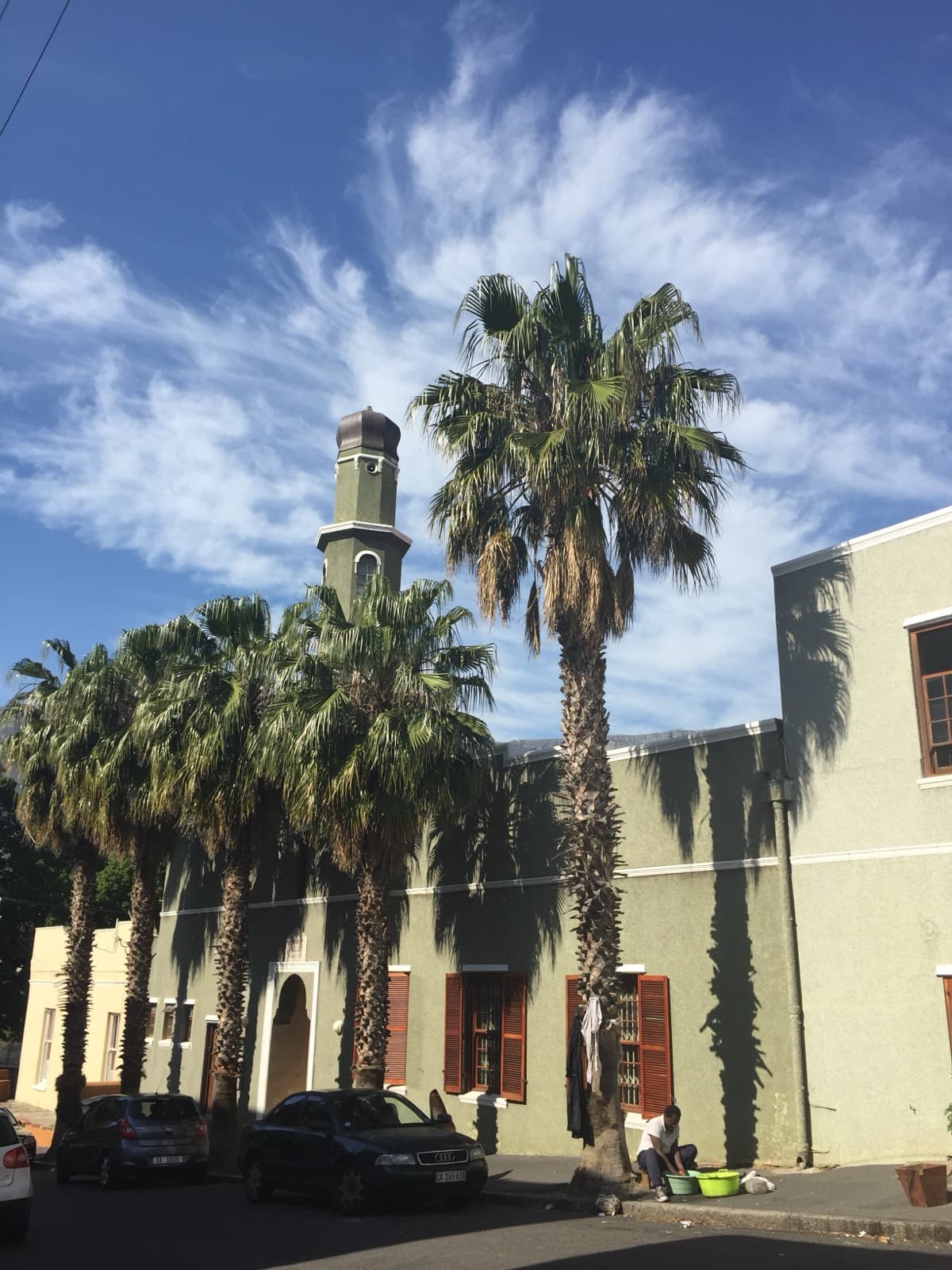
Auwal Mosque: The Door That Reframes Bo-Kaap's Painted Lanes
The Company's Garden: The Vegetable Patch Cape Town Grew Out Of
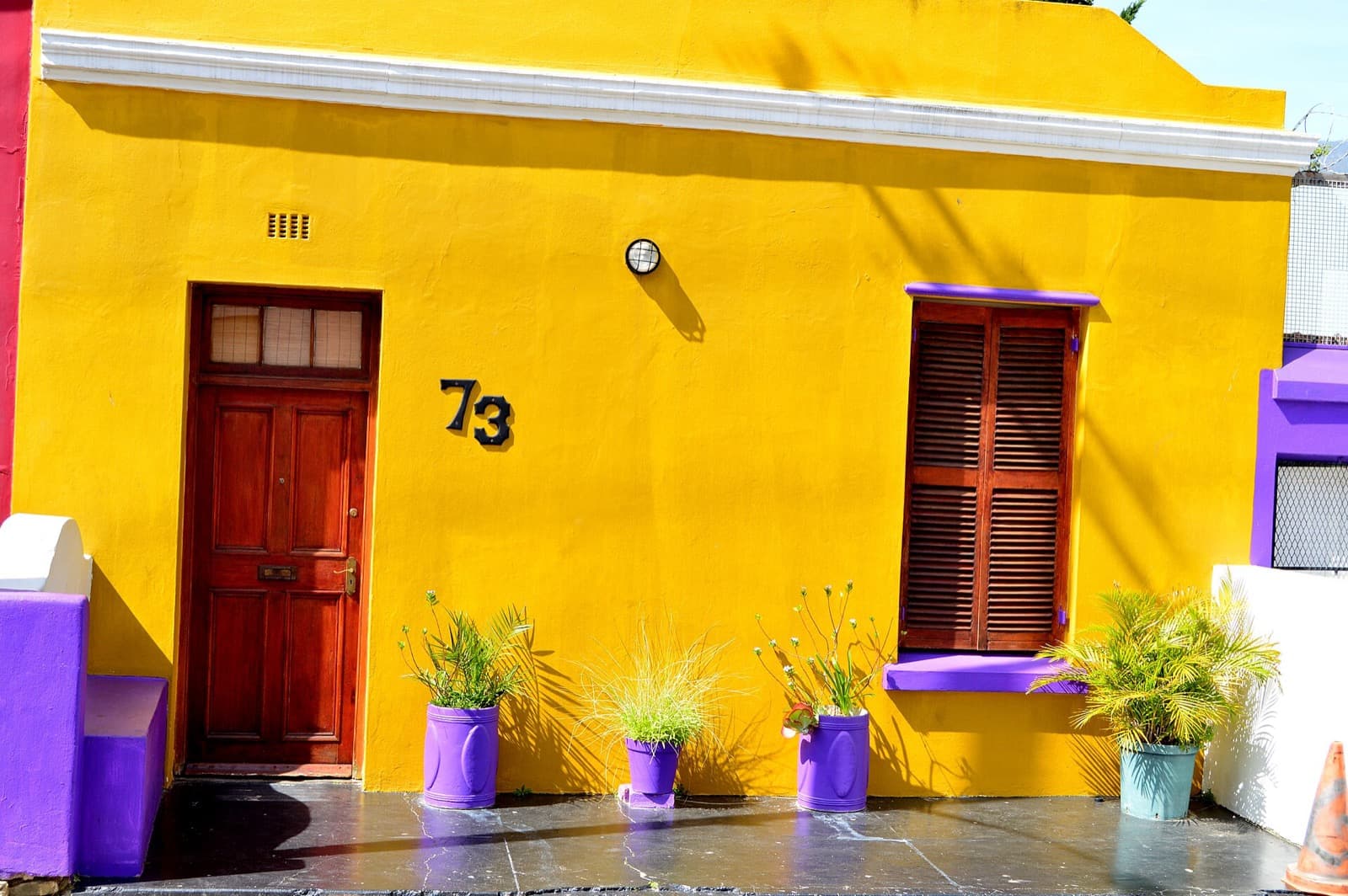
Chiappini and Rose Streets: The Steep, Coloured Heart of the Bo-Kaap
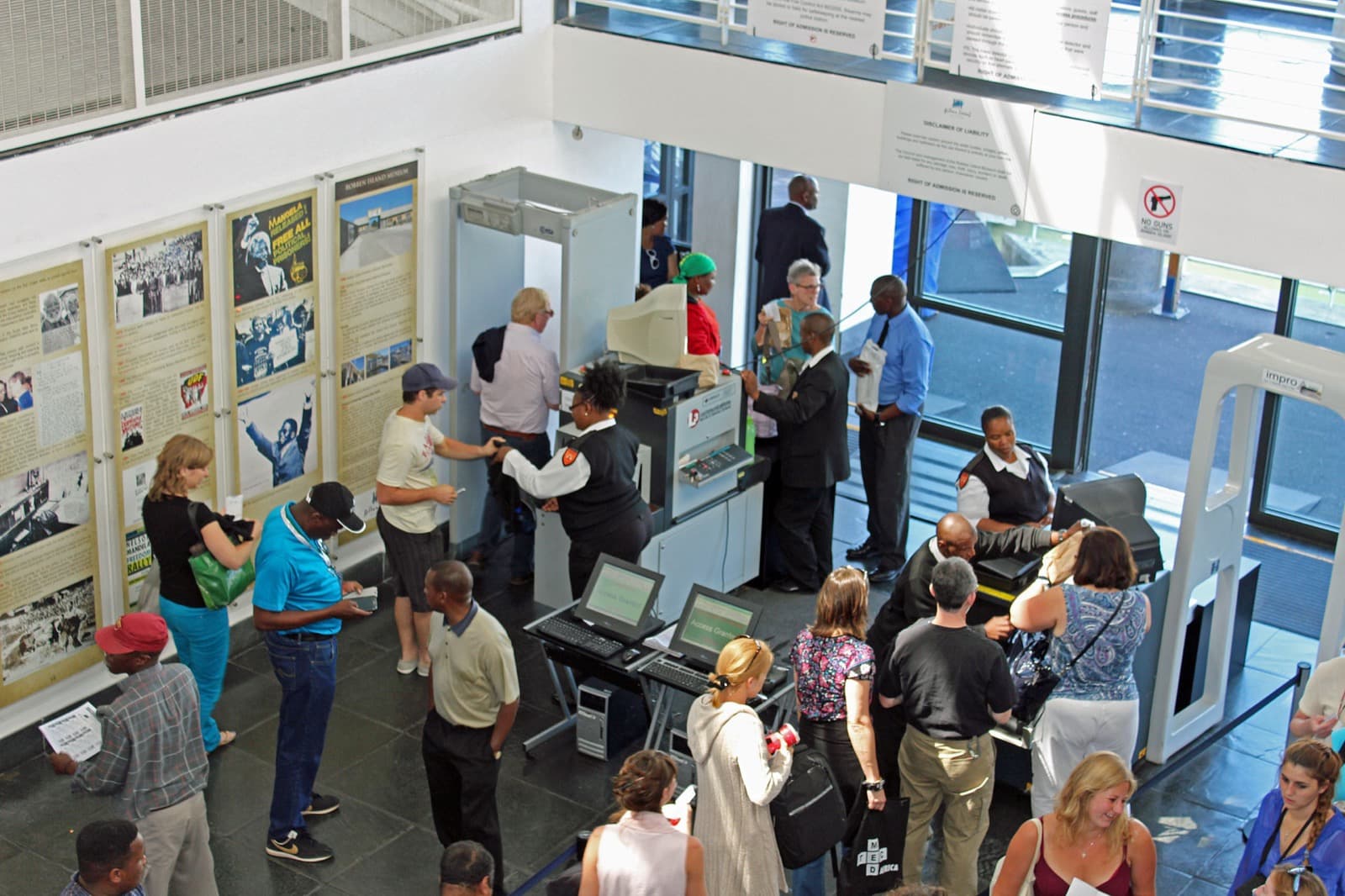
Nelson Mandela Gateway: The Cape Town Quay Where Boats Leave for the Prison Island