City Centre: Where the Cape Colony Began
120 min · 2.3 km · moderate
Cape Town rewards three to four full days: enough to walk the City Bowl on foot, ride the cableway up Table Mountain, take the ferry to Robben Island, and still have a day for the Cape Peninsula or the winelands. The historic center is compact and walkable by daylight, the mountain and the harbour anchor everything, and getting around comes down to a simple rule: walk the tourist core in the day, take an Uber after dark. Here is how to plan the visit, with prices, seasons, and an honest word on safety.
How many days do you need in Cape Town?
Give the city itself two days minimum, three or four if you want to breathe. The old town, where the colony began, is small enough to cross on foot: the City Centre walk runs about 2.3 kilometres downhill from the Company's Garden to the Castle of Good Hope in roughly two hours, and the Bo-Kaap and V&A Waterfront routes each take about 90 minutes. That is a full, unhurried day of walking on its own.
The two big set-piece attractions eat the rest. Table Mountain by cableway wants two to three hours including time on the summit plateau. Robben Island, reached only by ferry from the V&A Waterfront, runs about three and a half hours door to door. Add a day for Cape Point and the peninsula drive, or for the winelands around Stellenbosch, and four days is comfortable. Two days is doable if you accept you are choosing.
A sensible shape: day one on foot through the historic City Bowl and Bo-Kaap, day two the Waterfront plus the Robben Island ferry, day three Table Mountain in the morning and the peninsula in the afternoon.
How do you get around Cape Town?
Hear a stop from this walk
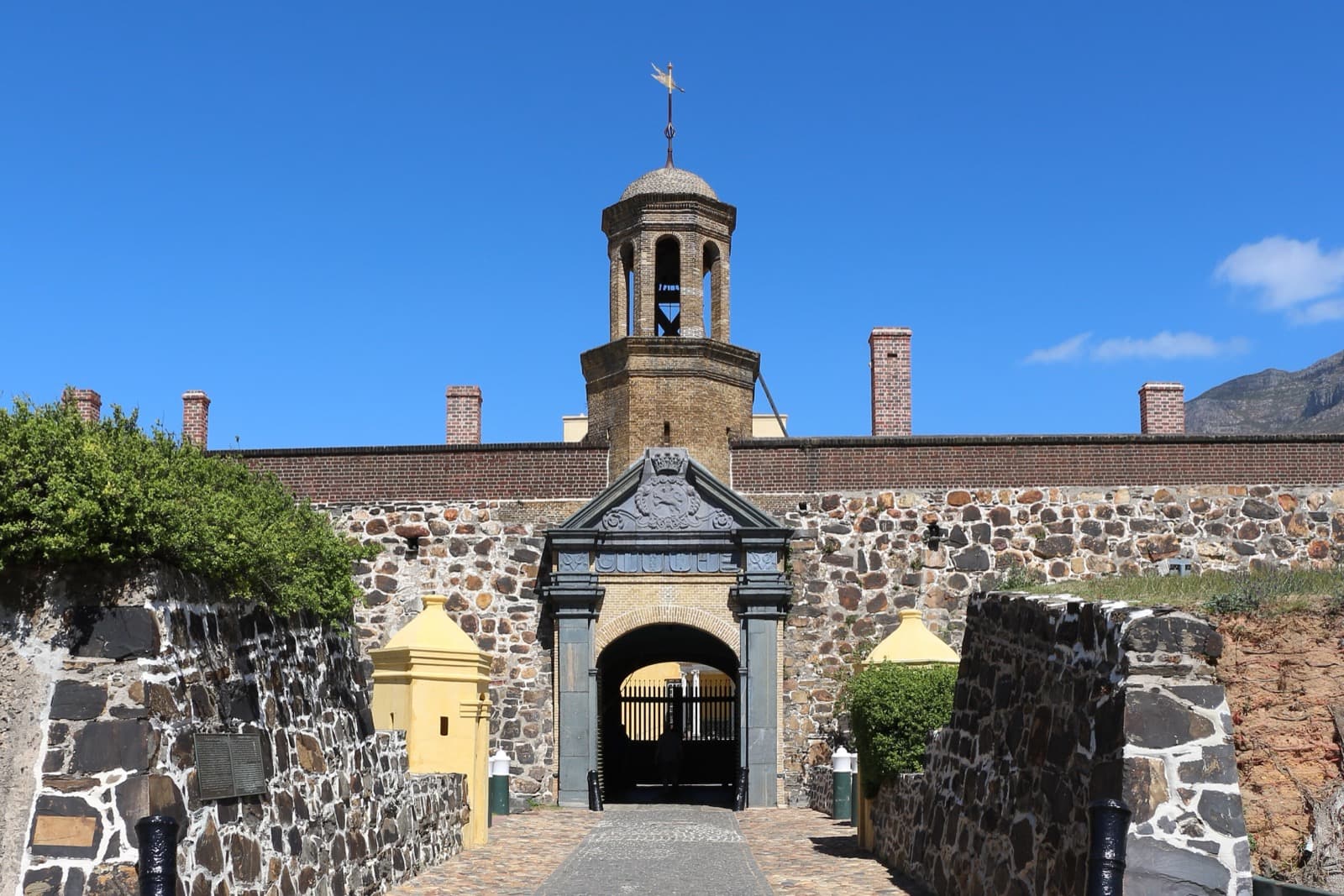
The Castle of Good Hope: The Star Fort Where the Colony First Dug In
Walk the center by day, use ride-hailing everywhere else. The City Bowl is flat-ish, compact, and best seen on foot, which is exactly why self-guided walking works here. Beyond that core, distances stretch and public transport thins out, so most visitors lean on Uber and Bolt. Both operate across the city and the tourist zones, and fares within town are modest.
For the airport, you have three clean options. The MyCiTi bus (the airport route into the city Civic Centre) costs around 120 rand per person as of 2026 and runs every 20 to 30 minutes, but you first need a MyConnect card, issued at the airport desk for about 35 rand. Uber or Bolt from the airport typically runs in the 150 to 250 rand range and drops you at the door. Metered taxis sit higher, roughly 250 to 400 rand. The bus is cheapest, ride-hailing is simplest.
Around town, the MyCiTi bus network is the reliable public option and reaches many of the coastal and central areas, but for point-to-point trips to a trailhead, a restaurant, or your hotel at night, e-hailing is faster and safer. You do not need a rental car to enjoy Cape Town itself; you want one only if you plan to self-drive the peninsula or the wine country.
When is the best time to visit Cape Town?
Aim for autumn (March to May) or spring (September to November). Both shoulder seasons bring warm, settled days, calmer wind, and thinner crowds than the summer peak. Autumn in particular tends to deliver golden light and gentle temperatures in the high teens to low twenties Celsius, which is close to ideal for walking.
Summer (November to March) is beach season and the most popular window, with warm mornings climbing into the high twenties or low thirties by midday. The trade-off is real: December and February bring the biggest crowds and the highest prices, plus the famous southeaster wind. Winter (June to August) is cooler and wetter, roughly 8 to 18 Celsius, and the city quiets down. Winter has one strong draw, whale watching along the coast, and one important caveat for planners: the Table Mountain cableway closes for roughly two weeks of annual maintenance in the winter low season, running from late July into early August (in 2026, the twenty-seventh of July to the ninth of August, weather dependent), so check its status before you build a day around it.
Whatever the season, the walking works best in the morning. Start the City Bowl route between nine and eleven, when the Company's Garden is cool and green and the squares are quiet.
Is Cape Town safe for visitors?
Cape Town is safe to enjoy with ordinary city sense, and the honest version is worth stating plainly. By day, the tourist areas, the City Bowl, Bo-Kaap, Long Street, and the V&A Waterfront, are fine to walk, and thousands of visitors do so every day without incident. The self-guided walks in this guide all run in daylight through those areas.
After dark, the picture changes, and the standard local advice is simple: take an Uber or Bolt rather than walking the central streets at night. Keep phones, cameras, jewellery, and valuables out of sight while you walk, carry only what you need, and stay aware around the busier squares and streets. These are the same habits any large city rewards, applied a little more consistently. This is calm, normal caution, not a reason to stay away. Cape Town is one of the most visited cities in Africa precisely because most people have a wonderful, uneventful time.
What does a Cape Town trip cost?
Prices are in South African rand (ZAR), and the core sights are affordable by international standards. The best of the historic center costs nothing to see: the Company's Garden, Greenmarket Square, Long Street, the exterior of St George's Cathedral, and the Grand Parade where Nelson Mandela gave his first speech as a free man are all free to walk. That is the backbone of the self-guided City Centre tour, and it is essentially a free day out.
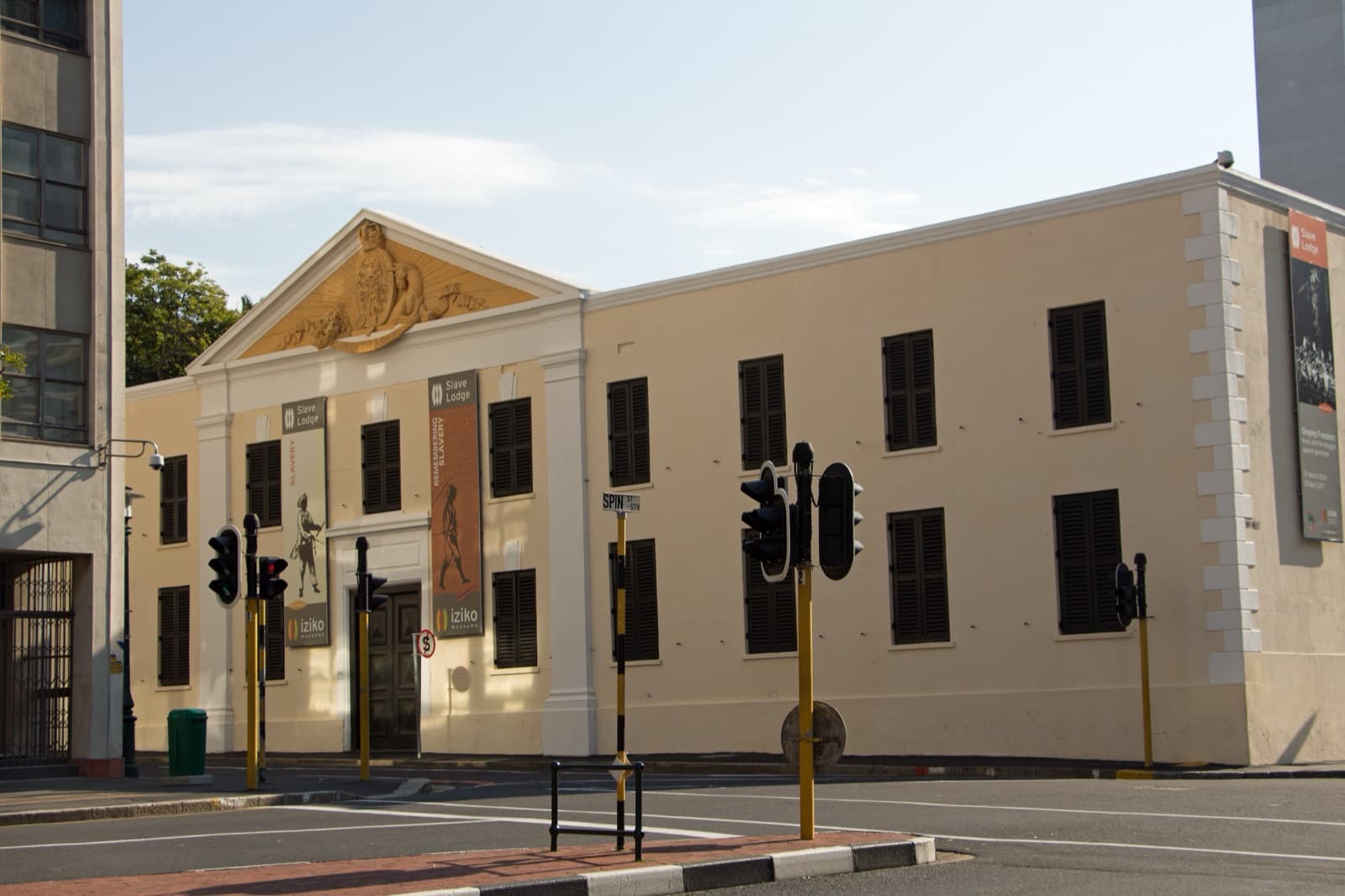
The paid attractions are where the budget goes. The Table Mountain Aerial Cableway is about 475 rand for an adult return ticket booked online (a little more at the ticket office), under the rates that took effect in July 2026. The Robben Island Museum tour, departing from the Nelson Mandela Gateway at the Waterfront, runs about 1,400 rand for a non-South African adult and must be booked ahead, as sailings are weather dependent and sell out in peak months. Museum entries in the old town, such as the Iziko Slave Lodge and the Castle of Good Hope, charge modest admission in rand, so carry a card or a little cash if you want to step inside.
Two booking habits save money and stress: buy the cableway ticket online rather than at the gate, and reserve Robben Island days in advance, arriving early since the first cableway slot of the day and the morning ferries have the shortest queues.
Where the self-guided walks fit
Cape Town's historic core is made for walking at your own pace, which is why the city's story reads best on foot. The three Cape Town walking tours cover the origin, the culture, and the harbour of the city. The City Centre route traces where the Cape Colony began, from the founding kitchen garden of 1652 down to the star-shaped Castle. The Bo-Kaap route climbs the painted lanes of the Cape Malay quarter to the mosque where Islam first prayed openly at the Cape. The V&A Waterfront route reads the working Victorian harbour beneath the shops, and points you at the boats for Robben Island. Start any of them from the Cape Town city page, press play, and set your own pace under Table Mountain.
Sources
Frequently asked questions
- How many days do you need in Cape Town?
- Plan for three to four full days to see the city comfortably. Two days covers the walkable historic City Bowl and the V&A Waterfront, a third day handles Table Mountain by cableway (two to three hours) and Robben Island by ferry (about three and a half hours), and a fourth day leaves room for the Cape Peninsula or the winelands. Two days is possible if you accept choosing between the big sights.
- What is the best way to get around Cape Town?
- Walk the compact City Bowl by day and use Uber or Bolt for everything else, especially after dark. The MyCiTi bus is the reliable public transport option and serves the airport for around 120 rand plus a roughly 35 rand MyConnect card. Ride-hailing from the airport typically runs 150 to 250 rand. You only need a rental car if you plan to self-drive the peninsula or wine country.
- When is the best time to visit Cape Town?
- Autumn (March to May) and spring (September to November) are the sweet spots, with warm, settled weather and fewer crowds than the summer peak. Summer (November to March) is beach season but brings the biggest crowds and highest prices in December and February. Winter (June to August) is cooler and wetter but good for whale watching; note the Table Mountain cableway closes for roughly two weeks of maintenance in the winter low season, running late July into early August.
- Is Cape Town safe for tourists?
- Yes, with ordinary city sense. The tourist areas including the City Bowl, Bo-Kaap, Long Street, and the V&A Waterfront are safe to walk by day, which is when the self-guided tours run. After dark, the standard local advice is to take an Uber or Bolt rather than walk the central streets. Keep valuables discreet and stay aware around busy squares. This is calm caution, not a reason to stay away.
- How much does Table Mountain and Robben Island cost?
- The Table Mountain Aerial Cableway is about 475 rand for an adult return ticket booked online, a little more at the ticket office, under the rates that took effect in July 2026. The Robben Island Museum tour costs around 1,400 rand for a non-South African adult and departs from the Nelson Mandela Gateway at the V&A Waterfront. Book both ahead, as the cableway queues fill and Robben Island ferries are weather dependent and sell out in peak season.
- Are Cape Town's main sights free to visit?
- Many of the best historic-center sights are free to walk past. The Company's Garden, Greenmarket Square, Long Street, the exterior of St George's Cathedral, and the Grand Parade where Nelson Mandela gave his first speech as a free man cost nothing. Paid entries include the Table Mountain cableway, the Robben Island ferry tour, and modest rand admissions to museums like the Iziko Slave Lodge and the Castle of Good Hope.
Ready to experience it?
City Centre: Where the Cape Colony Began
120 min · 2.3 km · moderate
More from Cape Town
Explore more at your own pace.
Cape Town in Three Layers: The Garden, the Painted Hill, and the Harbour That Still Works
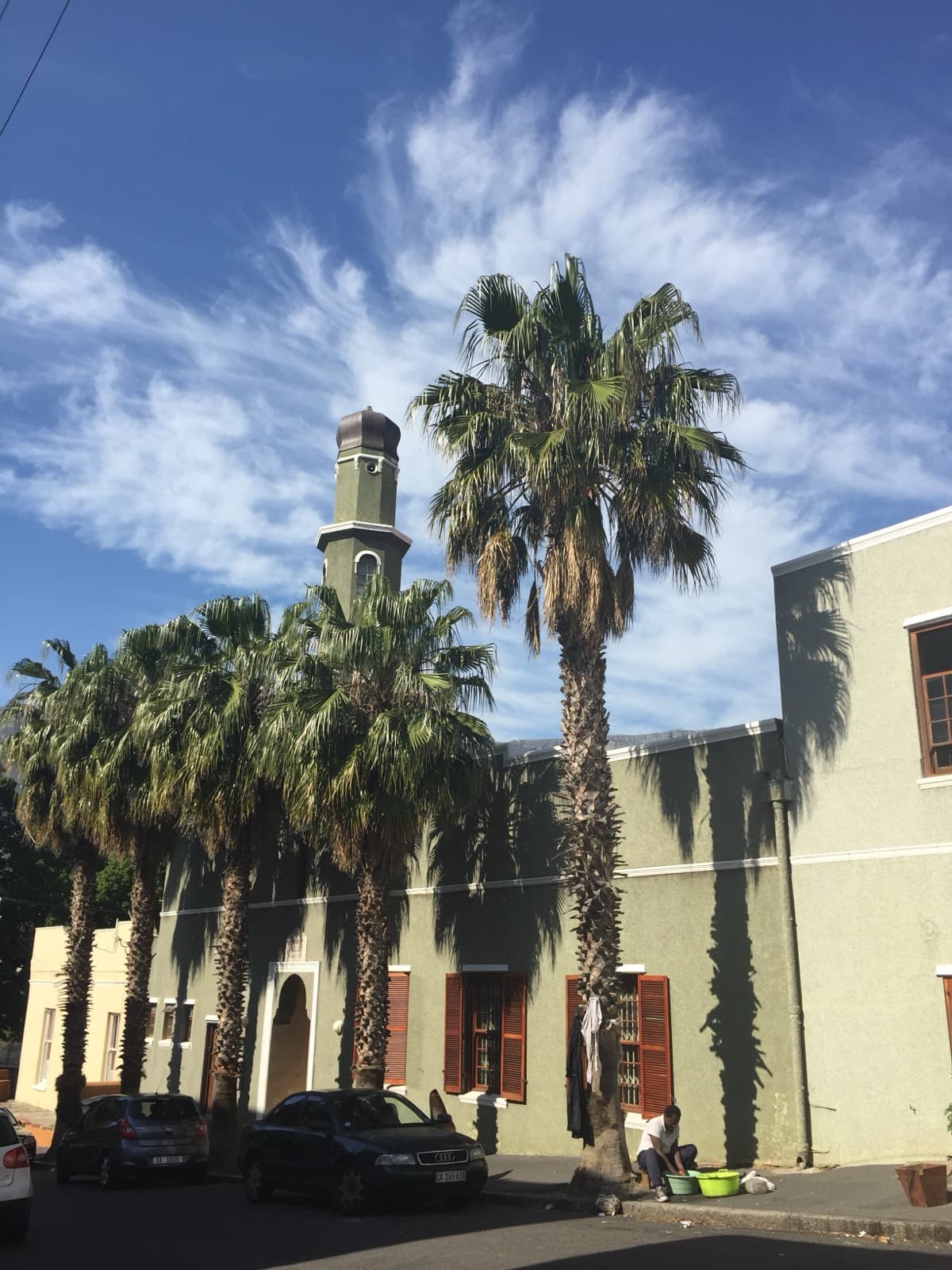
Auwal Mosque: The Door That Reframes Bo-Kaap's Painted Lanes
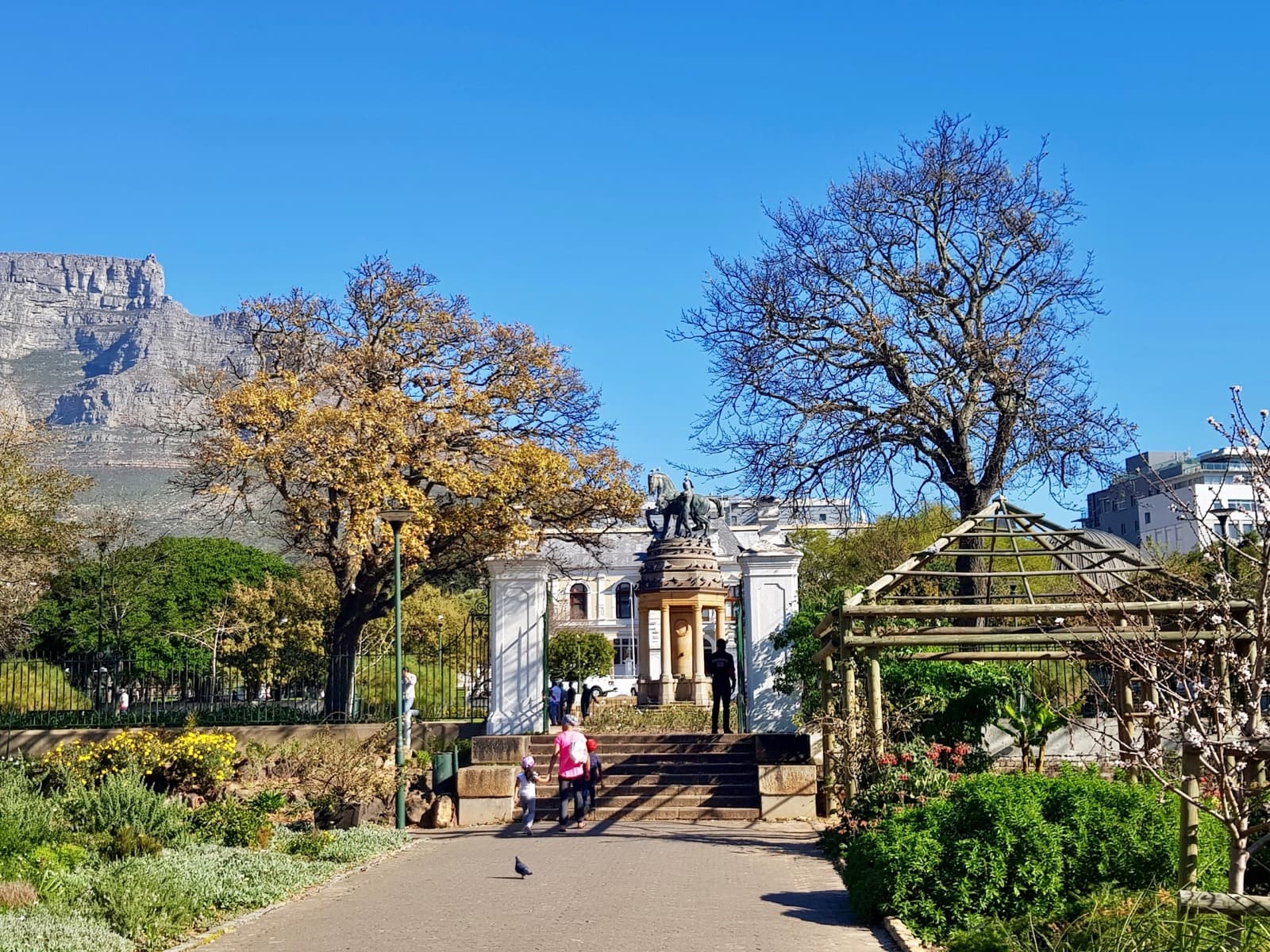
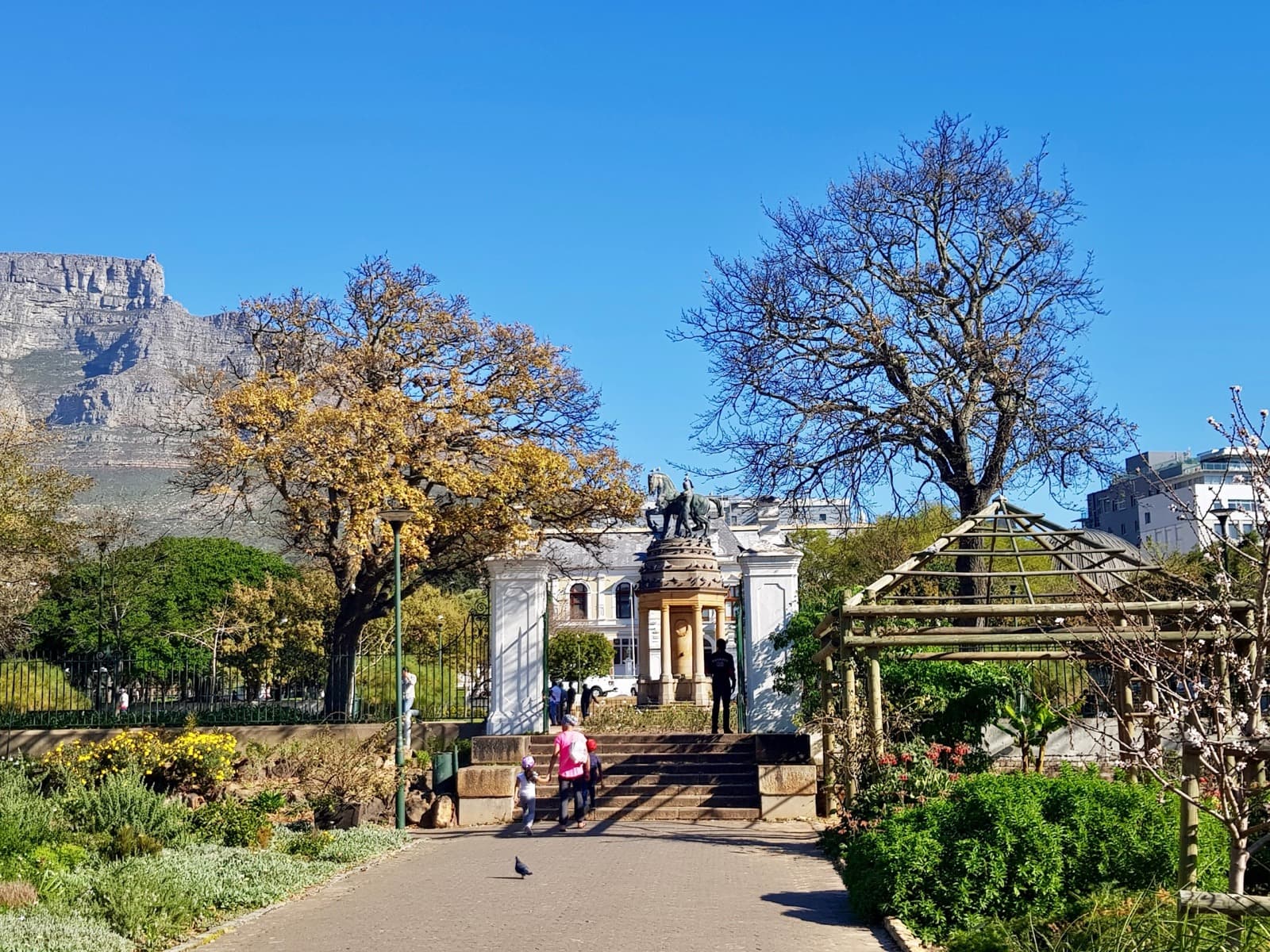
The Company's Garden: The Vegetable Patch Cape Town Grew Out Of
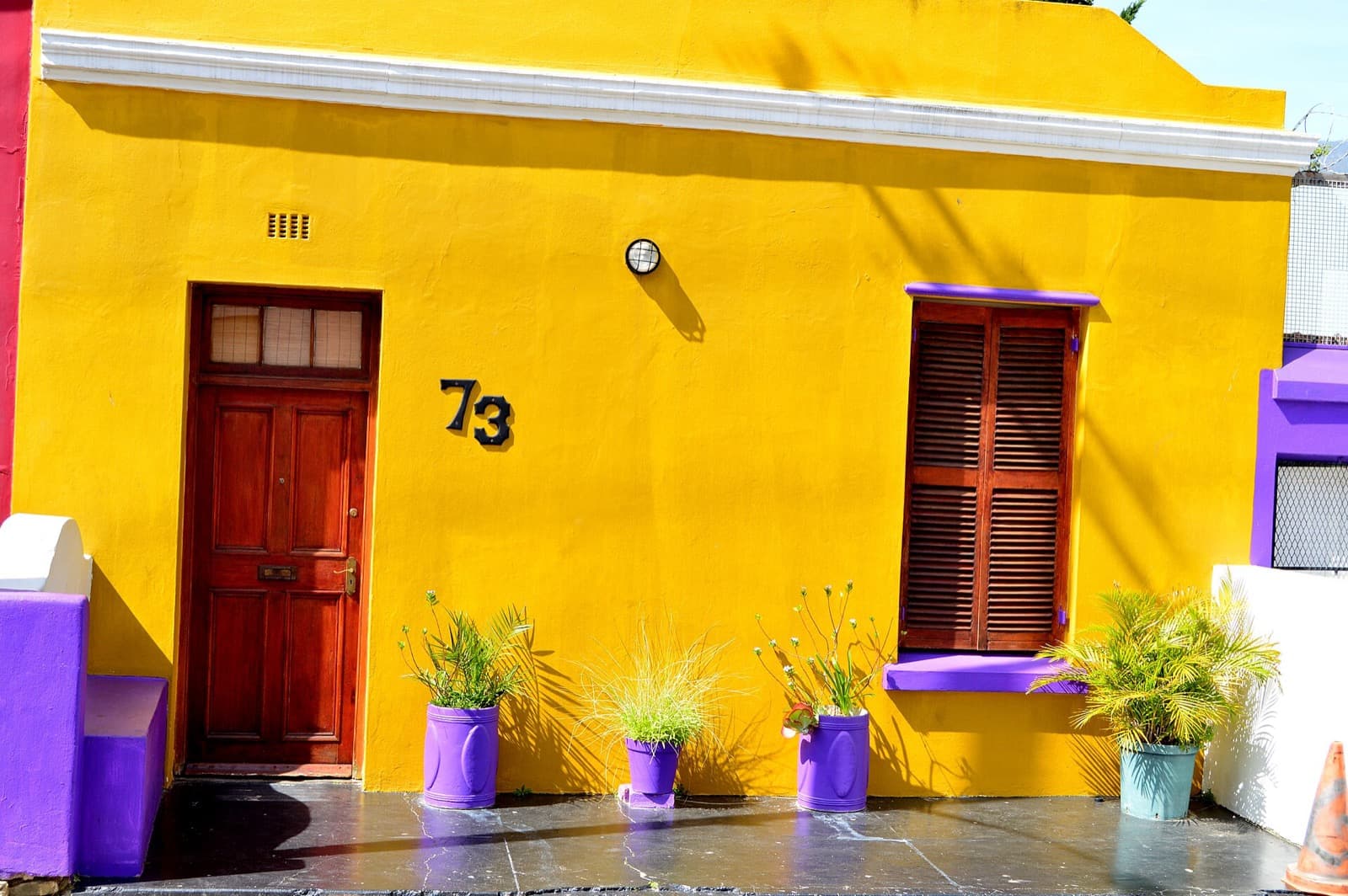
Chiappini and Rose Streets: The Steep, Coloured Heart of the Bo-Kaap
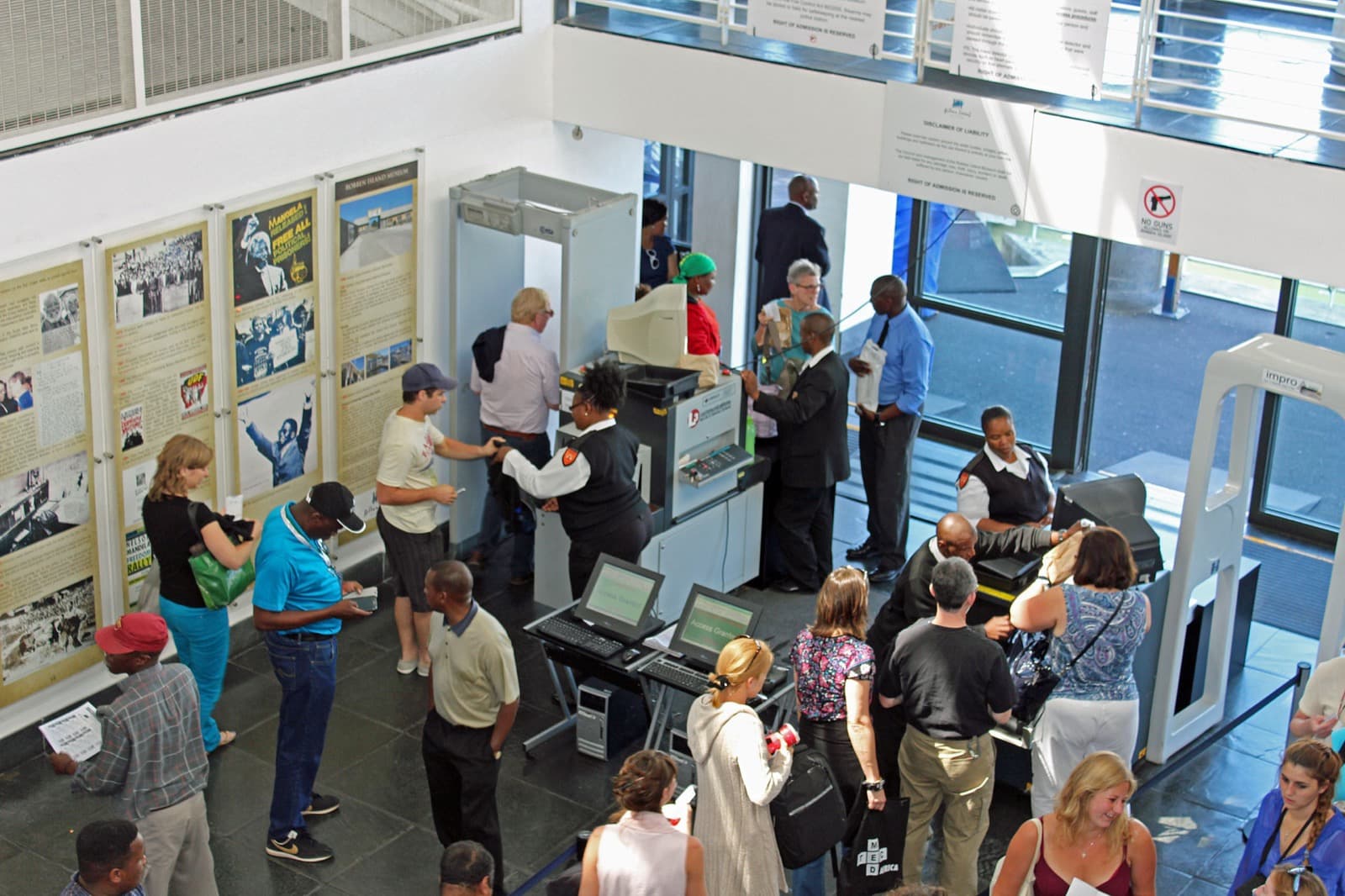
Nelson Mandela Gateway: The Cape Town Quay Where Boats Leave for the Prison Island