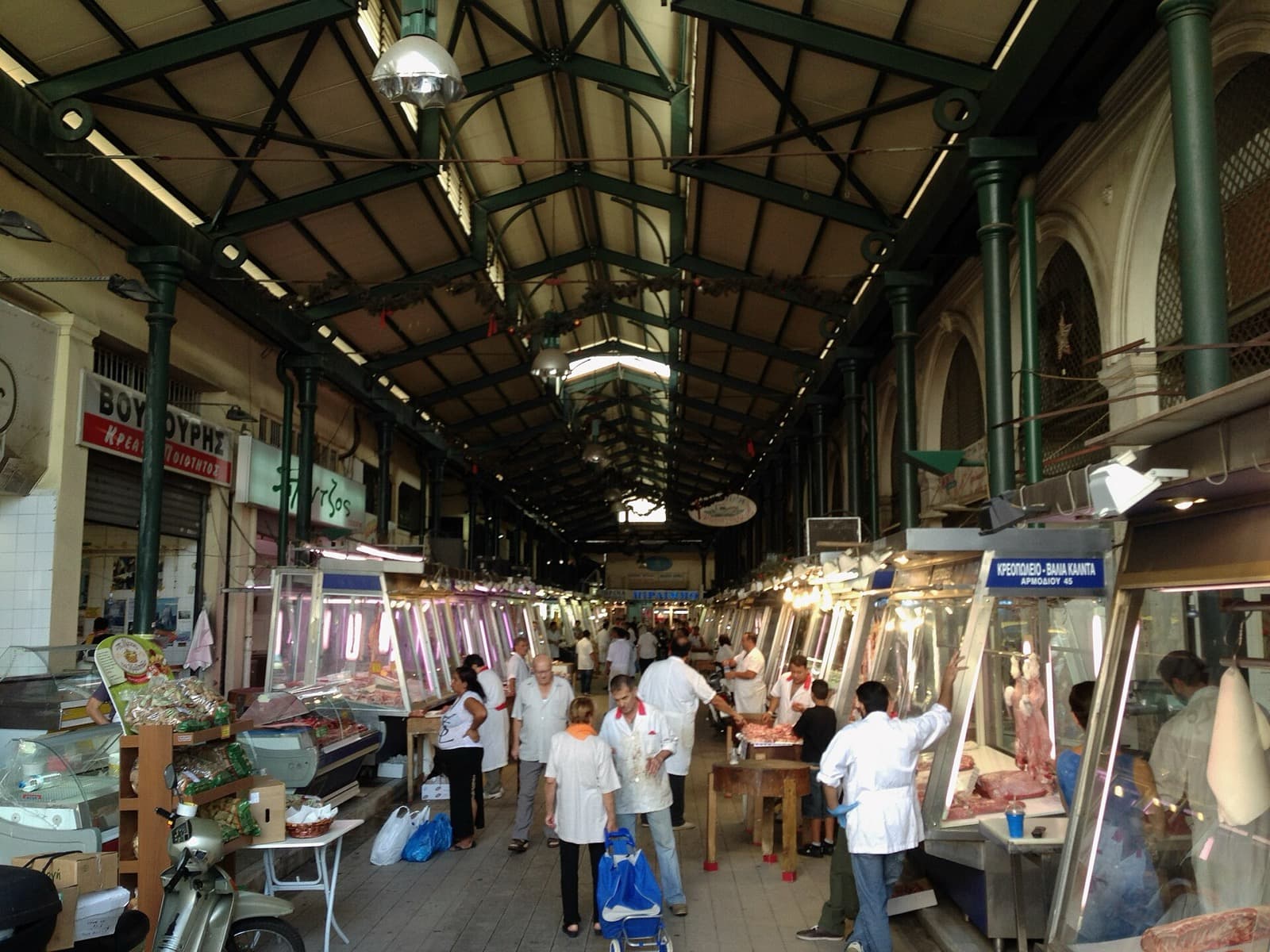
Walk into the Varvakios Agora, the central covered meat and fish market of Athens, and every sense gets hit at once: the clang and echo under a wrought-iron and glass roof, brine and blood and sawdust, butchers and fishmongers shouting prices, whole fish glinting on beds of ice, sides of meat swinging on hooks. This is the belly of Athens, the loudest room in the market quarter that stretches from Monastiraki up to Omonia. It is also the best place to understand the entire walk that surrounds it, because the market explains the district. The Monastiraki and Psyrri quarter is a pile-up of ancient ruins, an Ottoman mosque, old blacksmith lanes, antique tables, and street art, and the mess is the point. Read the Varvakios and you have the key to the whole thing.
Why the market is the point, not just a stop
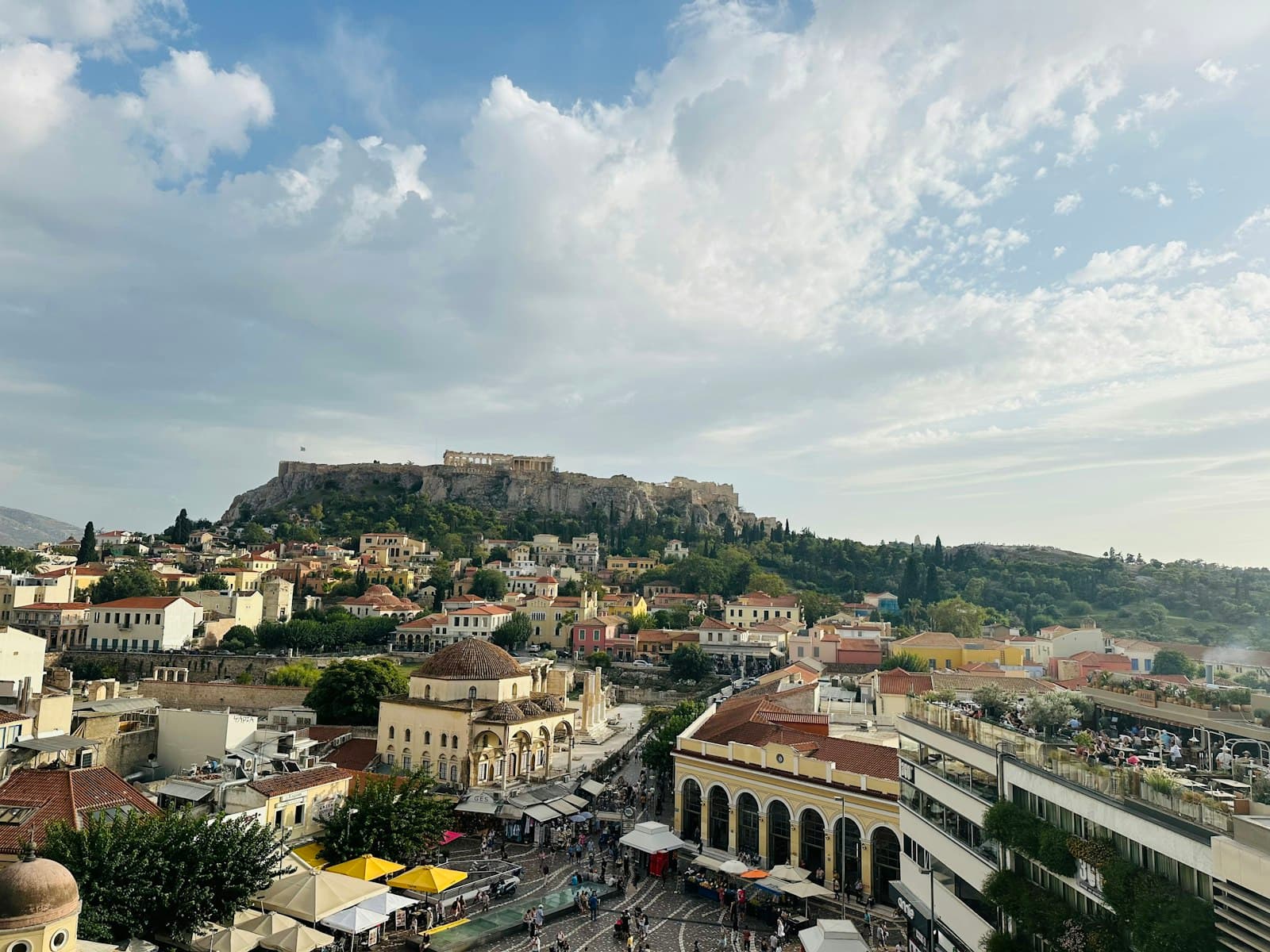
Most guides treat a food market as a detour, a place to grab a snack between monuments. Here it is the opposite. The Varvakios is the climax of a sensory quarter where no single building is the star. The appeal of Monastiraki and Psyrri is that four ages of the city sit on top of one another and refuse to sort themselves out. On Monastiraki Square alone you can see the tenth-century Church of the Pantanassa (whose name, the little monastery, gave the whole neighbourhood its name), the Tzistarakis Mosque built in seventeen fifty-nine under the Ottoman governor Mustapha Agha Tzistarakis, a modern metro station under your feet, and the Acropolis rising over the rooftops if you turn your head.
The market is that same logic turned up to full volume. Everything human happens here at once, and nobody apologizes for it. If you want to feel Athens rather than photograph it, the covered hall is where you go.
A nineteenth-century hall that never stopped trading
Hear a stop from this walk
Agia Irini Square: the old flower market
The Varvakios is not old the way the Acropolis is old, but it is old the way a working thing is old: it has never stopped. Planning began in the eighteen seventies, the hall was inaugurated in eighteen eighty-four, and the glass roof and basements were finished in eighteen eighty-six. It has traded continuously ever since. It sits on the block bounded by Athinas, Sofokleous, Euripidou, and Aiolou streets, with the fish entrance opening onto Athinas Street, the broad central market street that carries you here from Monastiraki.
The building belongs to a great nineteenth-century European tradition of iron-and-glass market halls, the same architectural family as the old Les Halles in Paris. The name comes from the benefactor Ioannis Varvakis, whose donation funded it, which is why Athenians call it the Varvakios Agora, the market of Varvakis. Knowing that a single donor's money raised this iron cathedral of meat and fish changes how you stand inside it. It was built to last, and it has.
How to actually walk it
Come hungry and come at the right hour. Late morning to early afternoon is the sensory peak, when the Varvakios and the Athinas Street trades are in full swing. The covered food market winds down by mid-afternoon and closes on Sundays, so time it. Across the street from the covered hall, the open-air fruit and vegetable market piles up in colour, flanked by shops heavy with spice, olives, and cheese. Follow Athinas Street toward the market and the air thickens with cumin, cured olives, and coffee before you even reach the door.
Practical notes matter here more than at most stops. The market lanes get densely crowded, and pickpockets work busy crushes, so carry your bag in front and keep your phone secured. Wear closed shoes with grip, not open sandals: the floors are slick with ice-melt and produce runoff. And stay only as long as it feels good. If the noise and the swinging carcasses tip from thrilling into too much, step back out into the street to breathe, then rejoin the walk. Every stop on this route is self-contained, so you never have to power through.
What the market opens onto
The reason the Varvakios sits at the center of a good walk is that the quarter around it is built from the same raw material: work, trade, and layers. Before you reach the market you pass Hadrian's Library, the surviving west facade of a Roman cultural complex the emperor Hadrian raised around one hundred and thirty-two A.D., its Corinthian columns cut from Karystos marble. You pass Ifestou Street, the metalworkers' lane named for Hephaestus, the god of the forge, where the city once did its real blacksmithing and still sells leather and sandals. You pass Avissynias Square, the dusty antique heart of the flea market, busiest on Sundays, where the old nickname Yussuroum comes from Elias Yussuroum, an antique dealer from Smyrna who opened the first Monastiraki antique shop at the end of the nineteenth century.
After the market, the walk turns into Psyrri, one of the oldest quarters of Athens and its rawest. In the eighteen seventies it was run by the koutsavakides, street toughs known for pointed shoes, handlebar moustaches, and a jacket worn with only one sleeve on so it could be thrown off in a fight. Their grip broke in eighteen ninety-three, when the Athens police chief Dimitrios Bairaktaris arrested the gang in about a month. Today Psyrri is spray paint, rebetiko music, meze grills, and coppersmiths who never left the lanes around Miaouli street. The walk finally lets out its breath at Agia Irini Square, once the flower market of Athens, now a calm cafe-ringed edge built around a church whose name, Saint Irene, means peace.
Seven stops, about two kilometers, roughly two hours if you linger. The Varvakios is the middle of it and the meaning of it: a market that has fed the city for well over a century, sitting inside a quarter that has never sorted its layers and never needed to. If this is the version of Athens you want, loud and layered and alive, this is the walk. Browse more Athens walking tours or start planning your route through Athens.
Sources
- Roamer tour transcript, "Bazaar of the Coppersmiths" (Athens Psyrri and Monastiraki): fact-audited primary source for stop details, dates, and route.
- "Athens Central Food Market," This Is Athens (Athens tourism board): overview of the Varvakios covered market, its 1876 planning, 1884 inauguration, street block, and Sunday closure.
- "Varvakeios Market: the story behind the stomach of Athens," Exploring Greece: history of the market's construction and its benefactor Ioannis Varvakis.
- "Psyri," Wikipedia: background on the Psyrri quarter, the koutsavakides, and police chief Dimitrios Bairaktaris.
- "Hadrian's Library," Wikipedia: dating and architecture of the Roman library complex on Monastiraki Square, including its Karystos marble and Corinthian order.
Ready to experience it?
Bazaar of the Coppersmiths
80 min · 2.1 km · easy
More from Athens
Explore more at your own pace.
Athens: The Ground Floor of the Western City
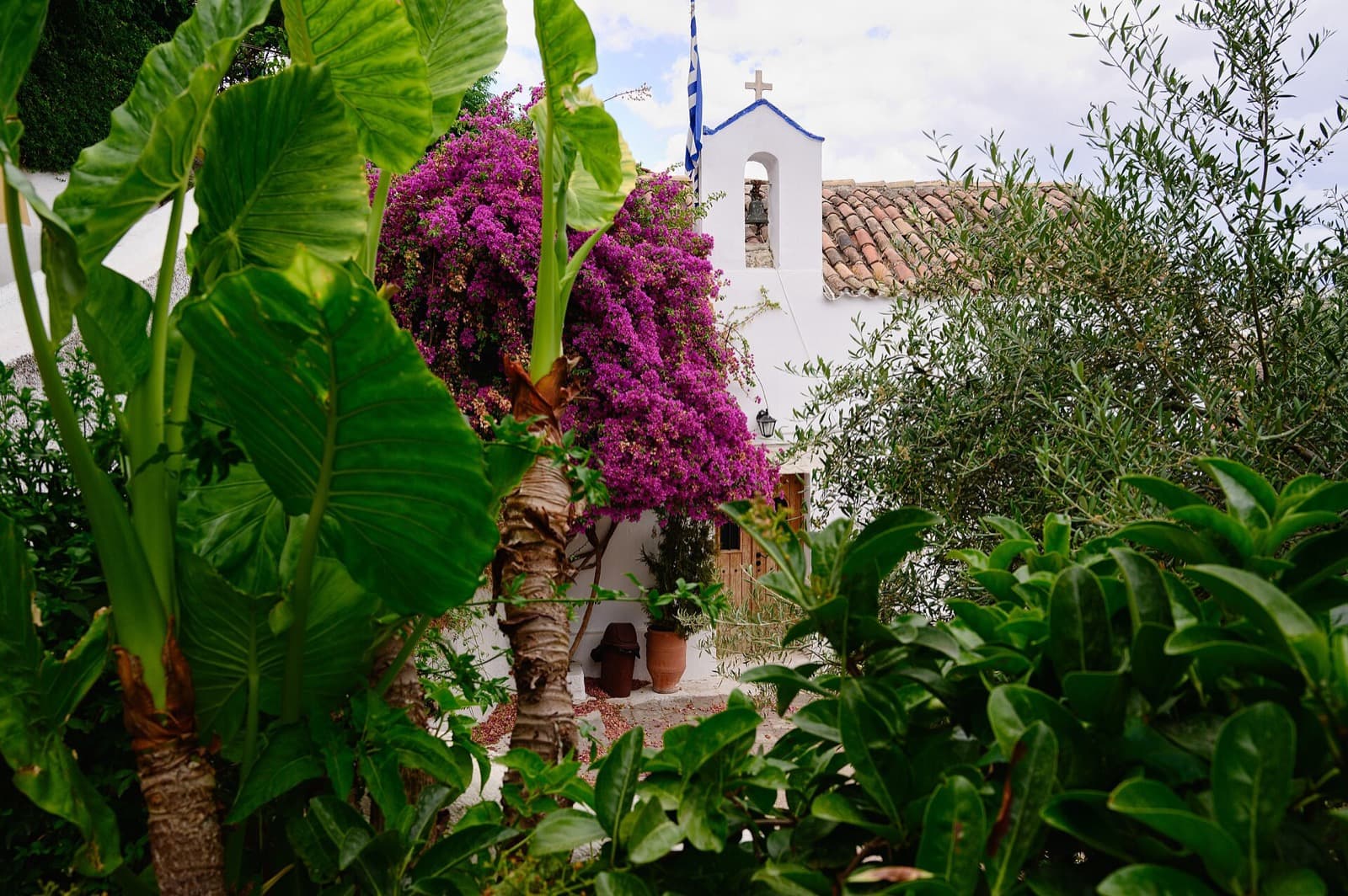
Anafiotika: The Cycladic Island Village Hiding on the Acropolis Slope
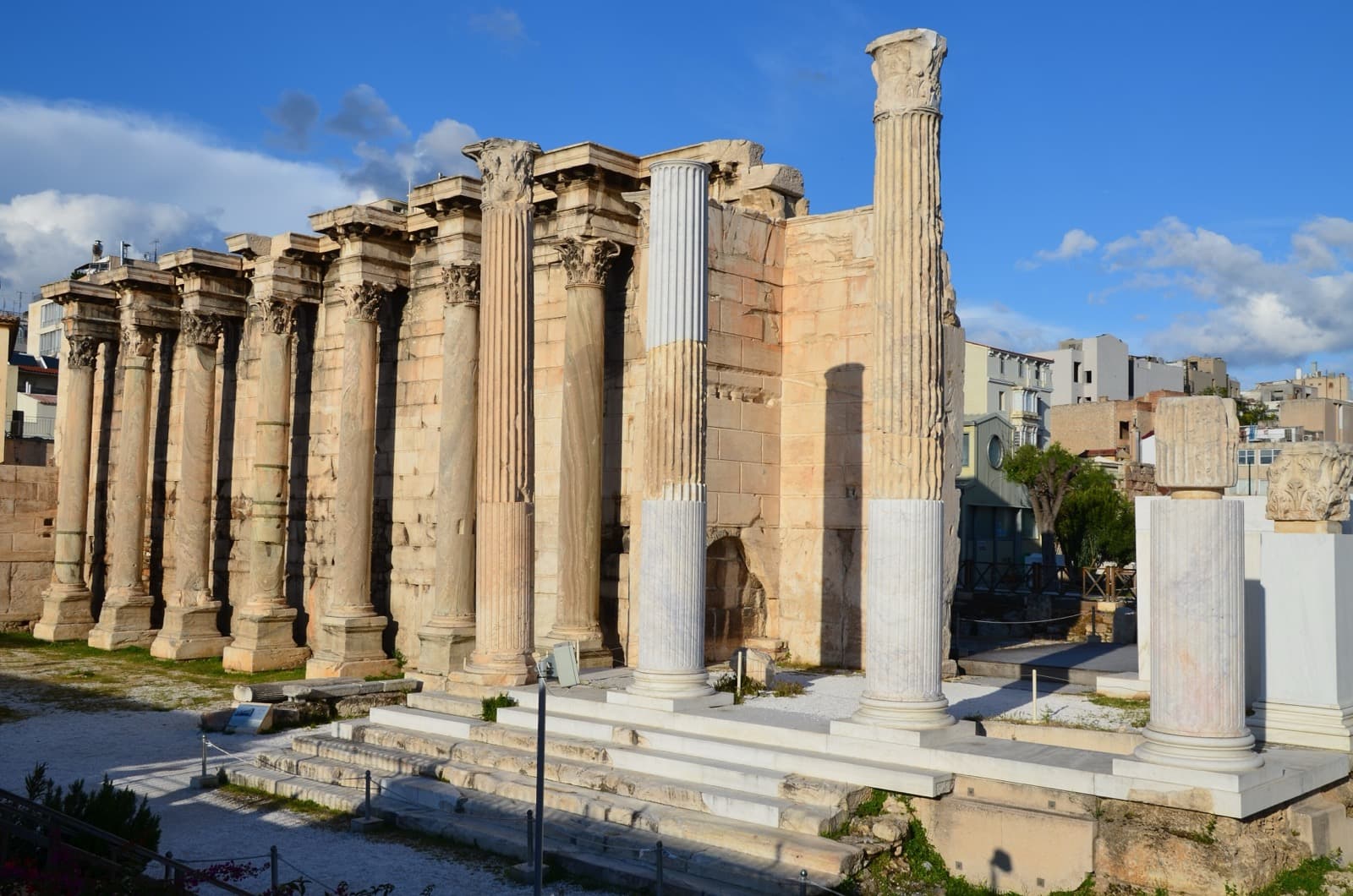
Hadrian's Library: The Roman Wall That Anchors Monastiraki
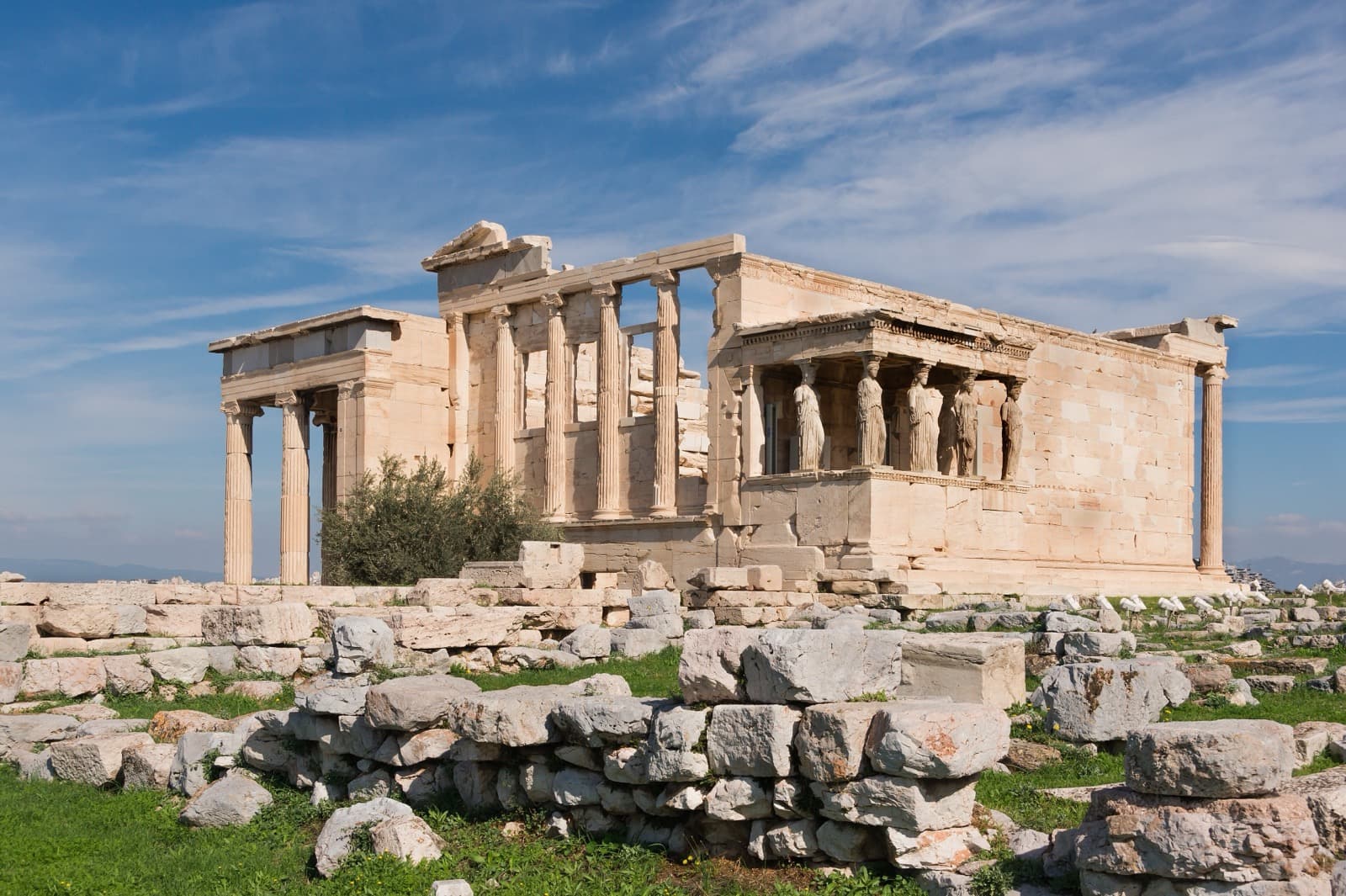
The Caryatids: The Maidens of the Erechtheion
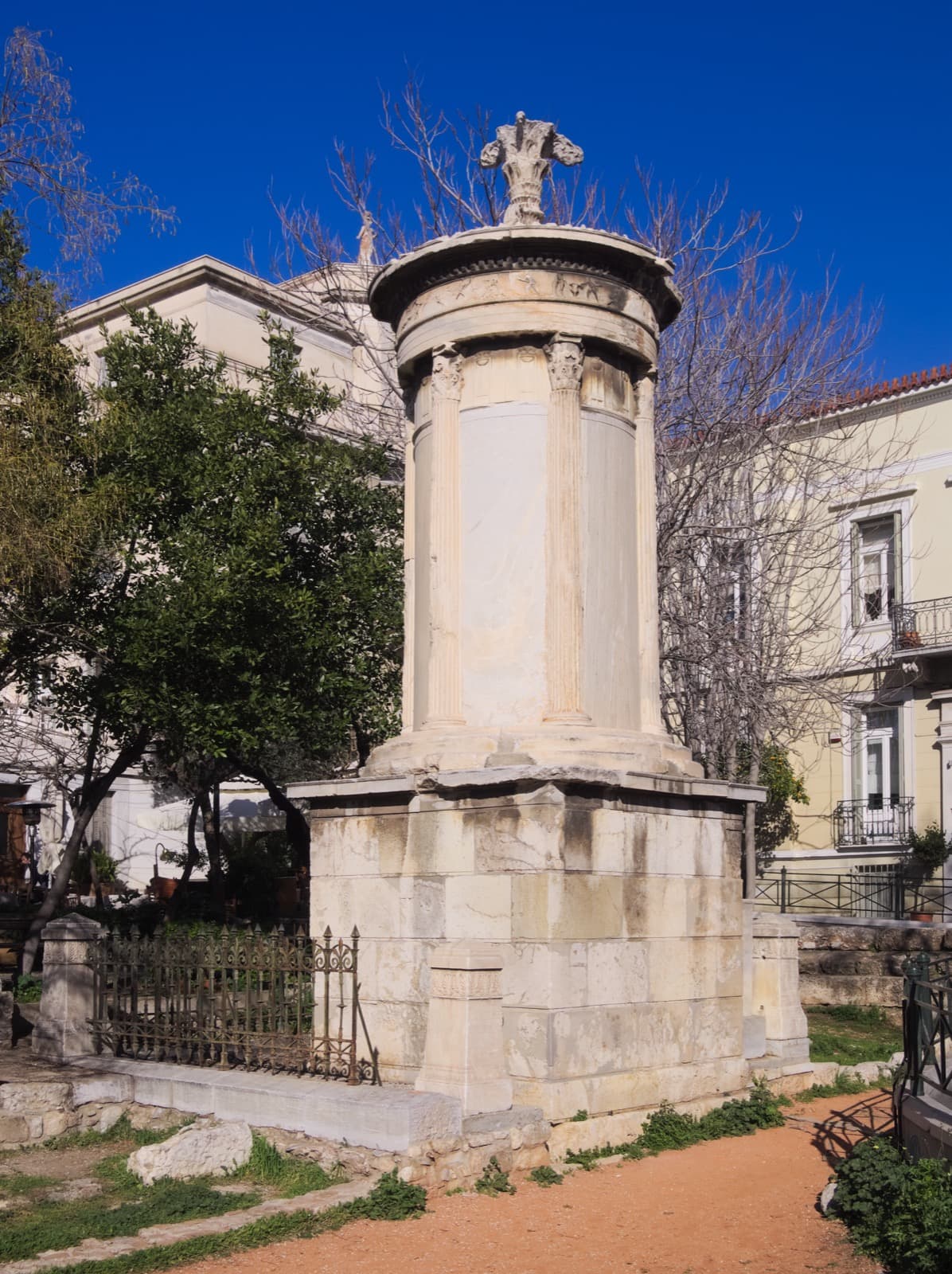
The Choragic Monument of Lysicrates: A Trophy Case That Changed Architecture