From the Arch of Constantine round the Colosseum, along the Imperial Forums to Trajan's Column, up to Michelangelo's Capitoline square and its Forum overlook, ending below the Tarpeian Rock.
Start · Arch of Constantine and Via Sacra: Built From Older Monuments
DirectionsStops
- 1
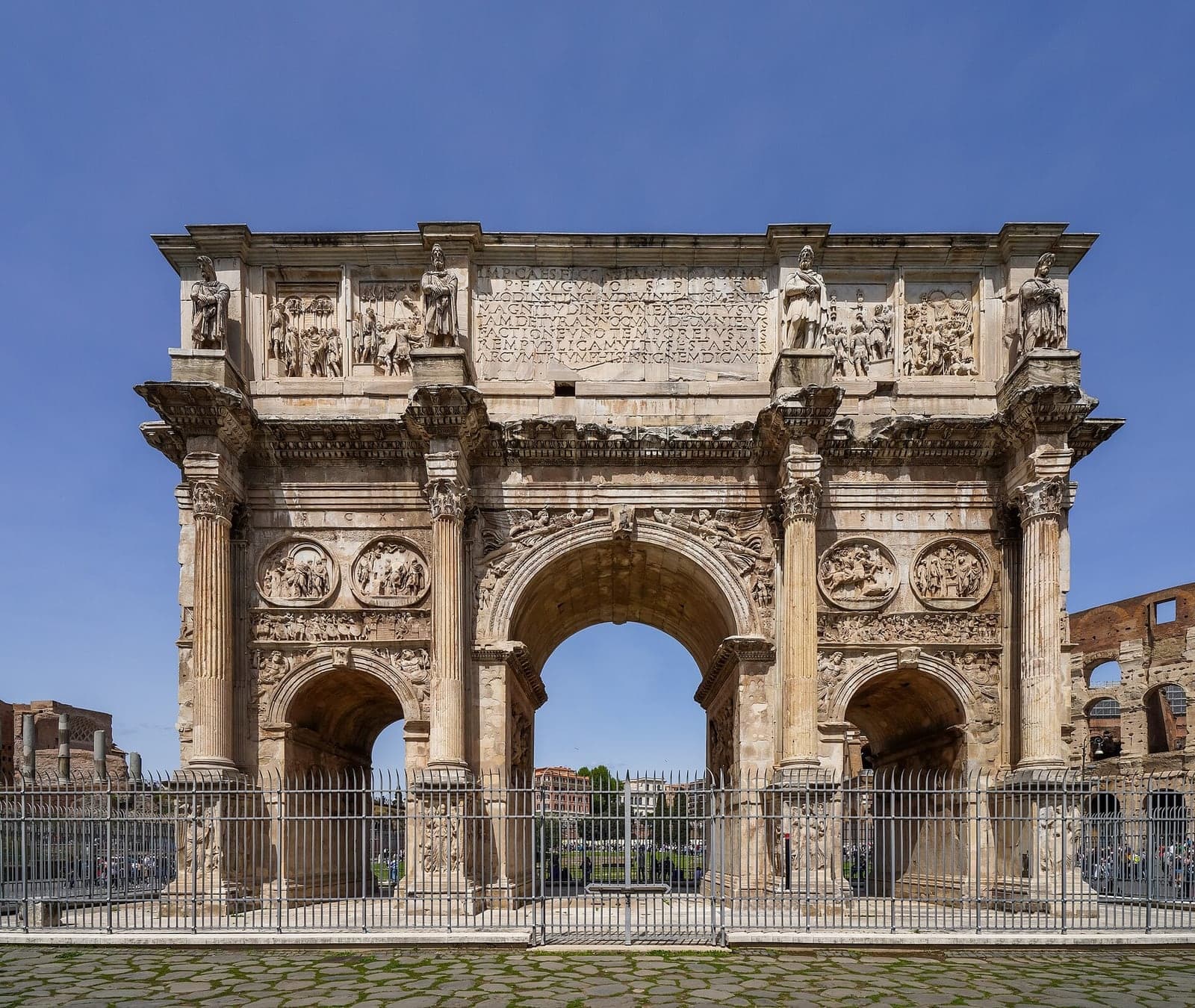
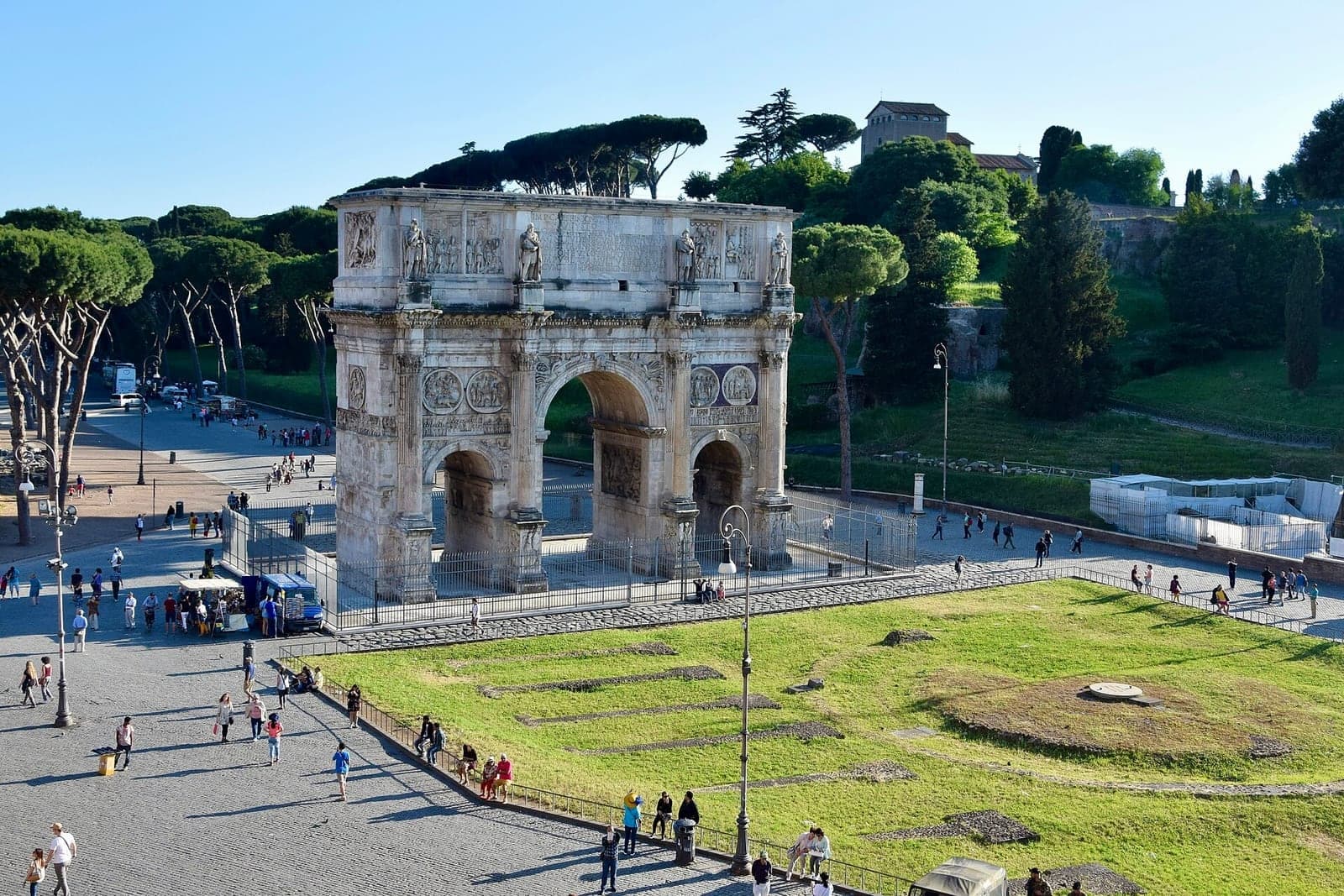
Arch of Constantine and Via Sacra: Built From Older Monuments
A triumphal arch built from older monuments, at the foot of the Via Sacra that climbs to the Arch of Titus.
- 2
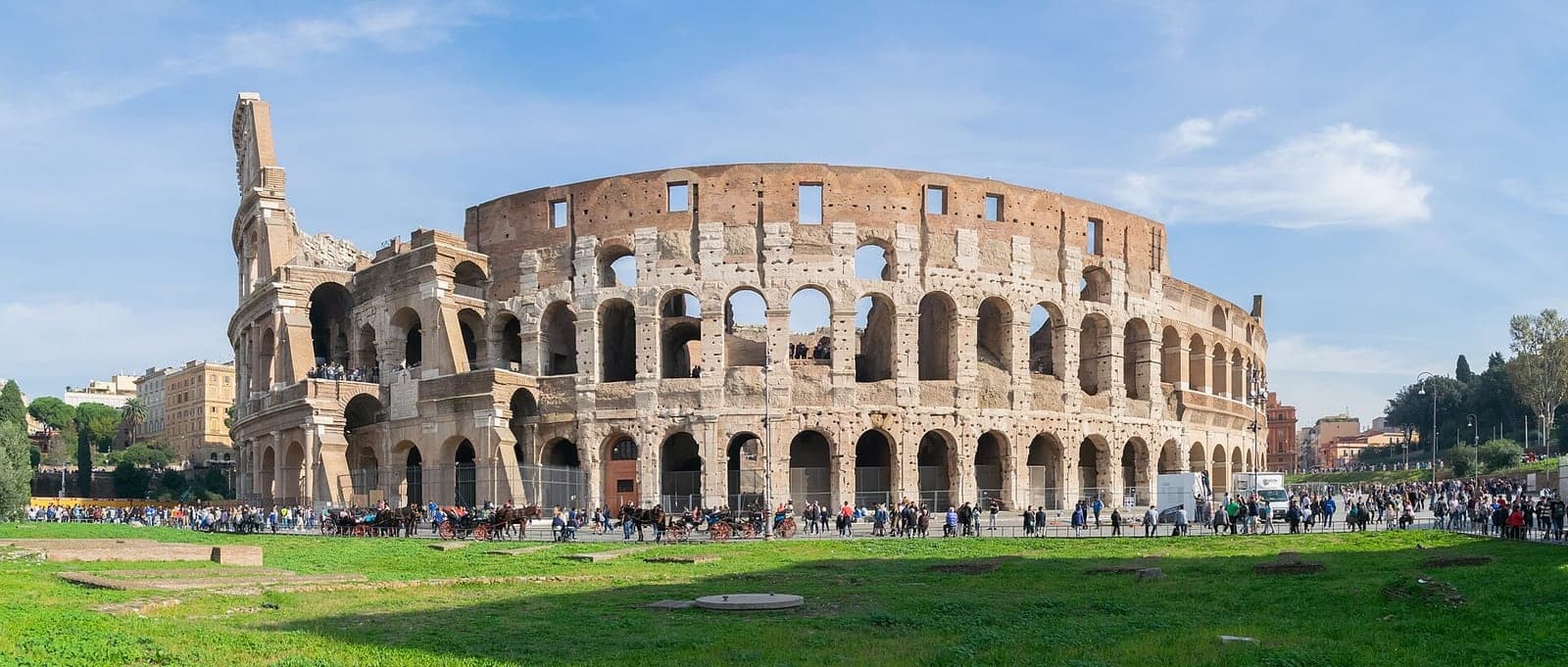
Colosseum South Side: Where the Arches Fell
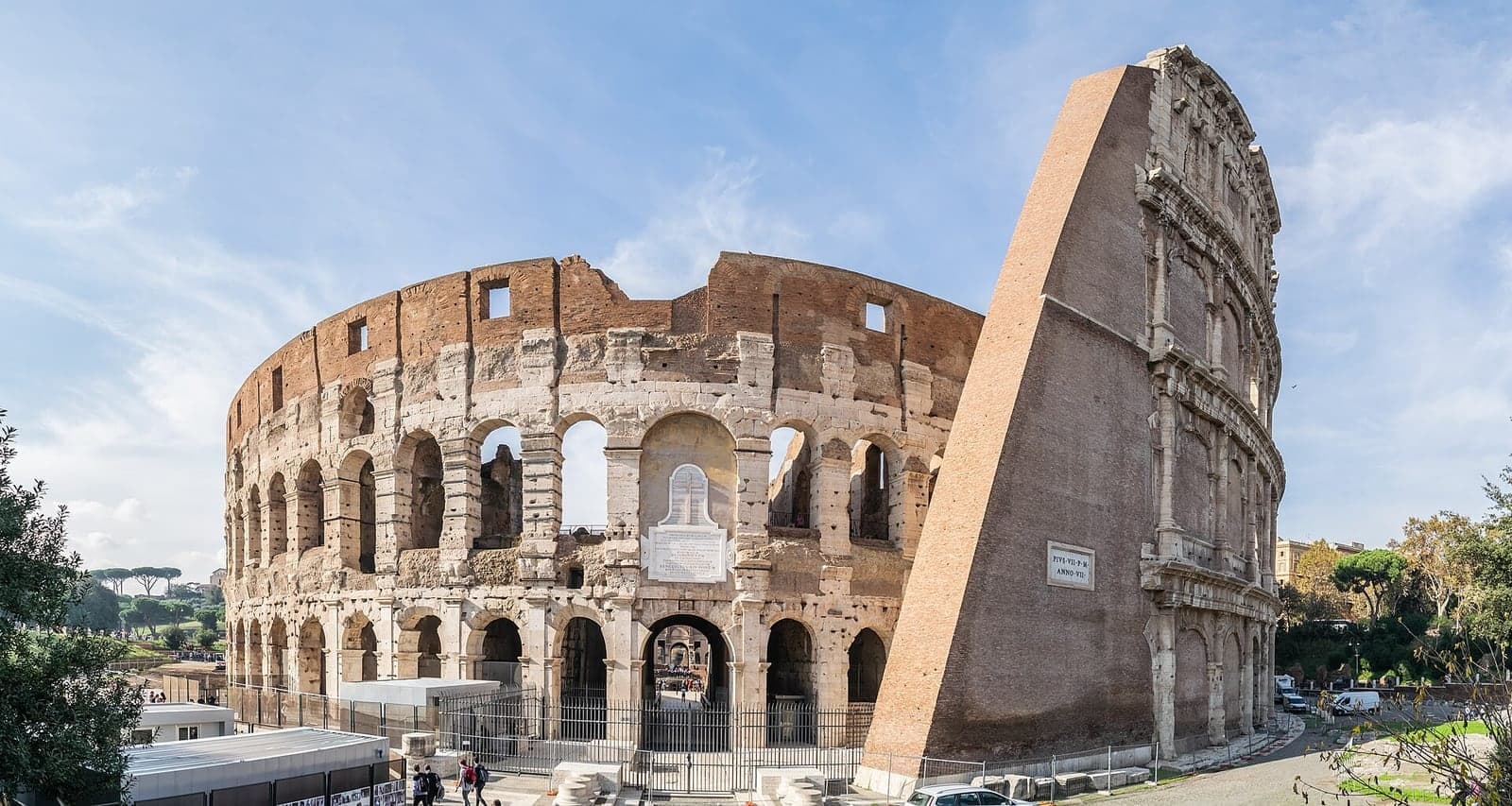
The south side lost arches in 1703, and its stone to centuries of builders.
- 3
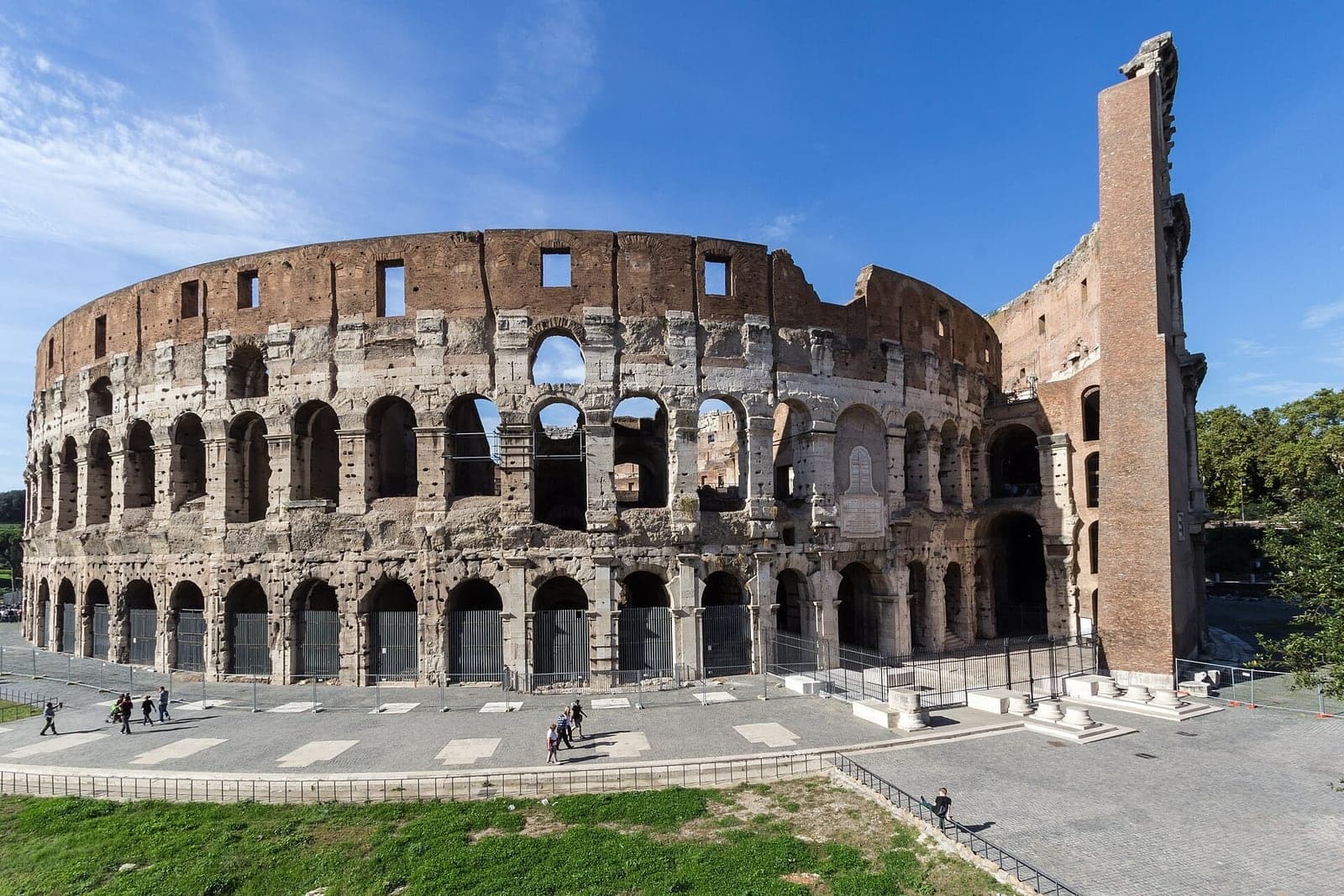
Colosseum East End: The Gladiators' Corner
The east end over the gladiators' training ground, below the park on the hill of Nero's Golden House.
- 4
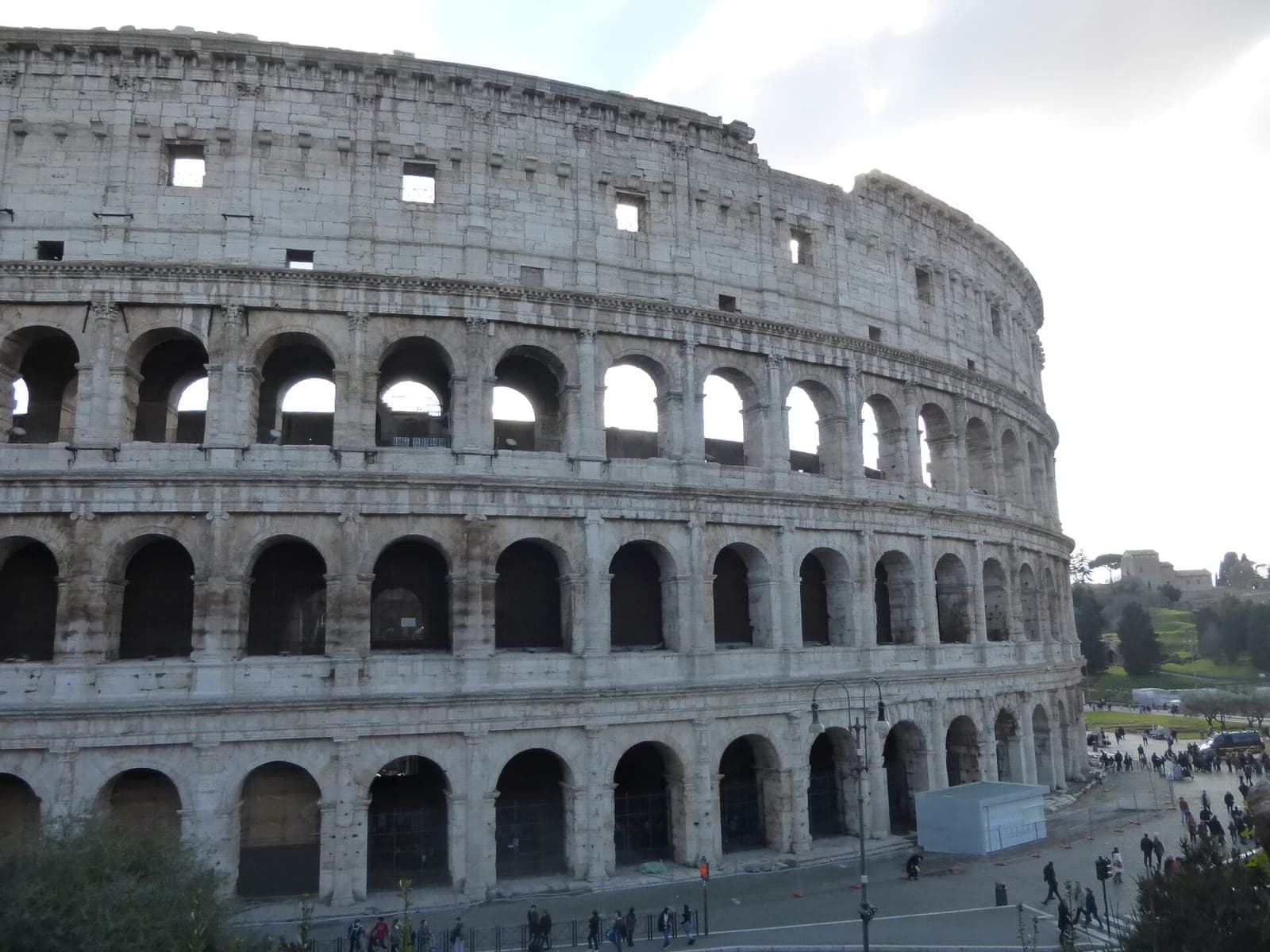
Colosseum North Face: The End of the Road
The north face ends the 1932 avenue, cut through a hill so that it would end here.
- 5
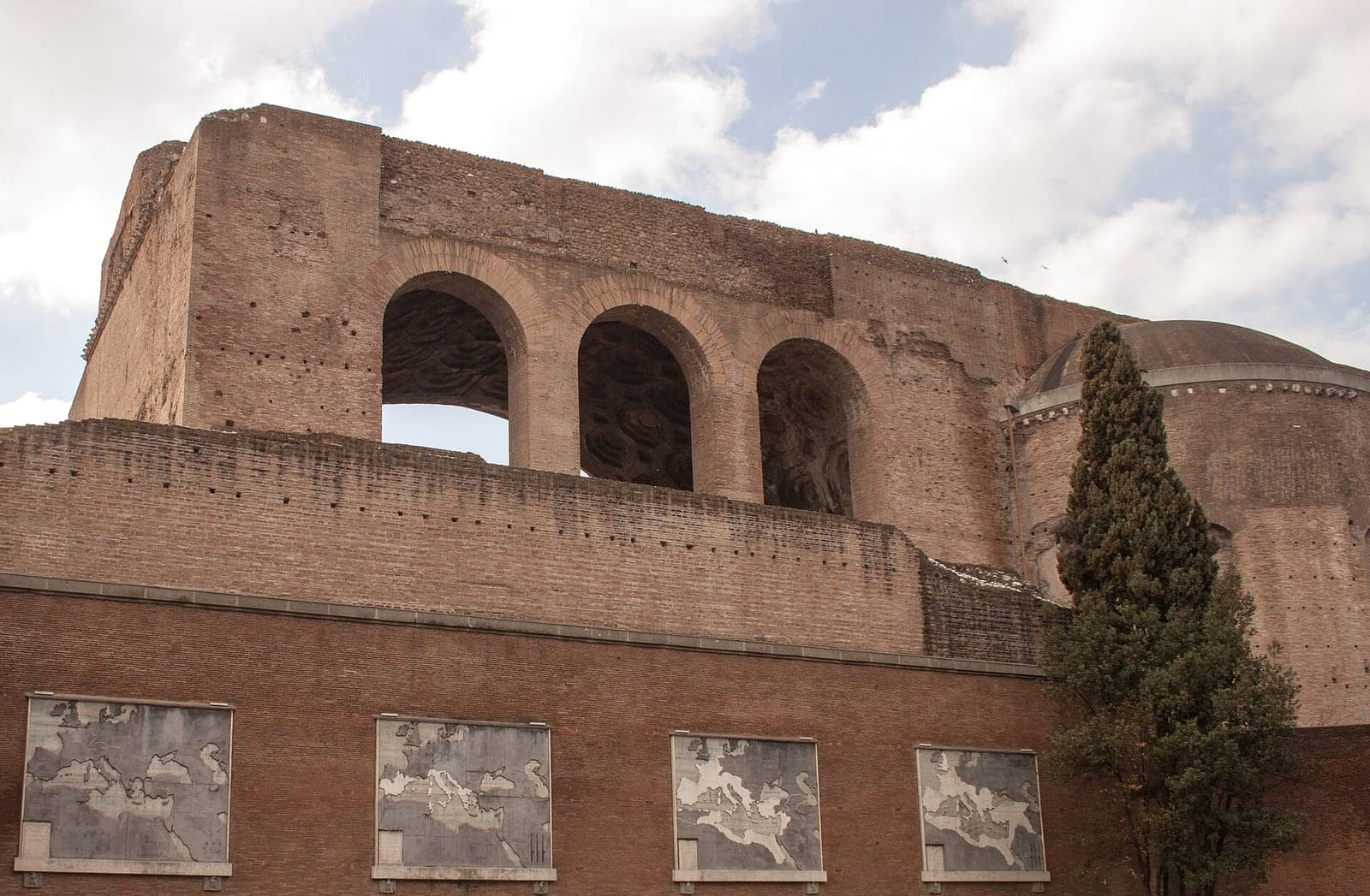
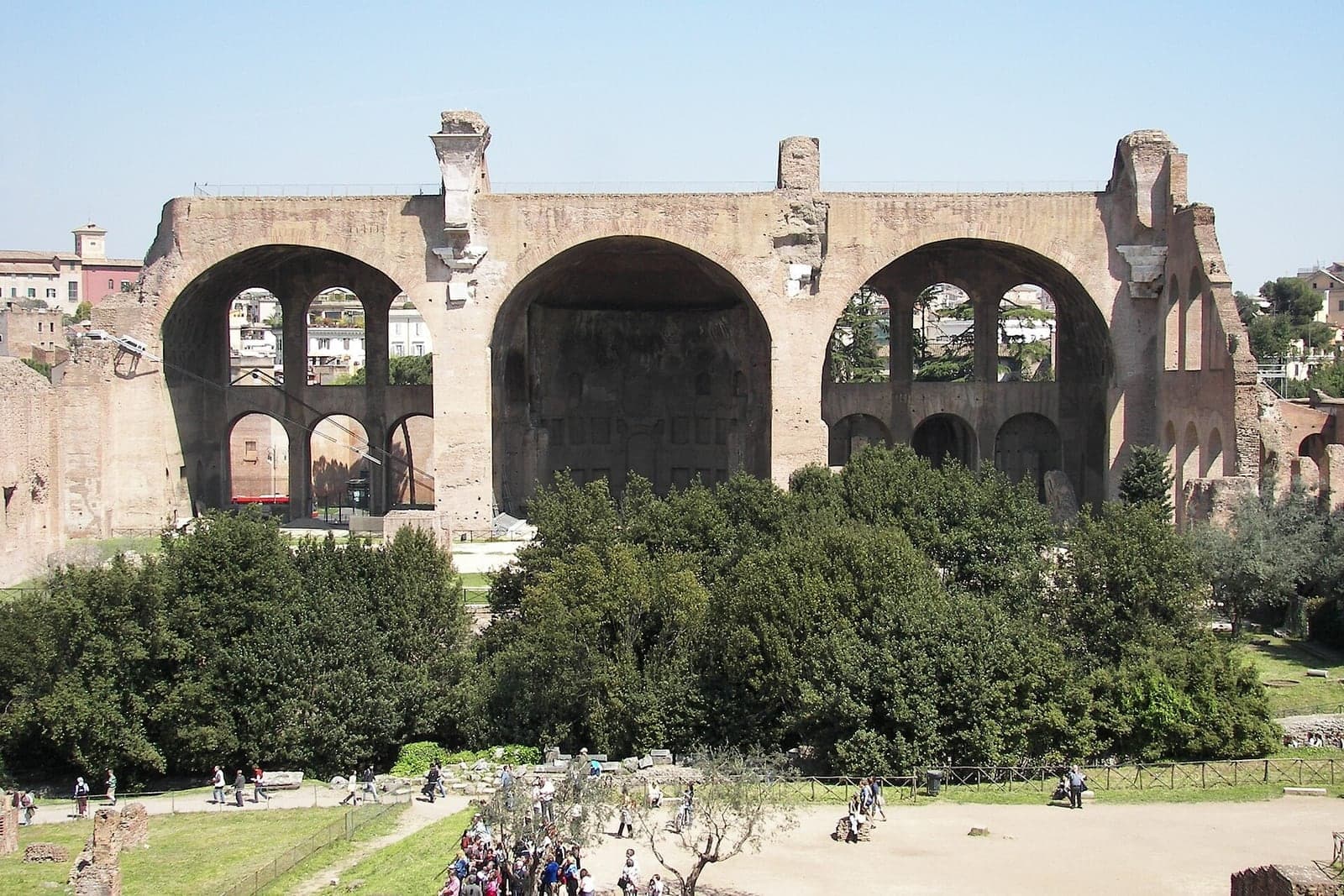
Basilica of Maxentius: Three Vaults on a Lost Hill
Three giant vaults from an emperors' hall, on what is left of a hill cut away in 1932.
- 6
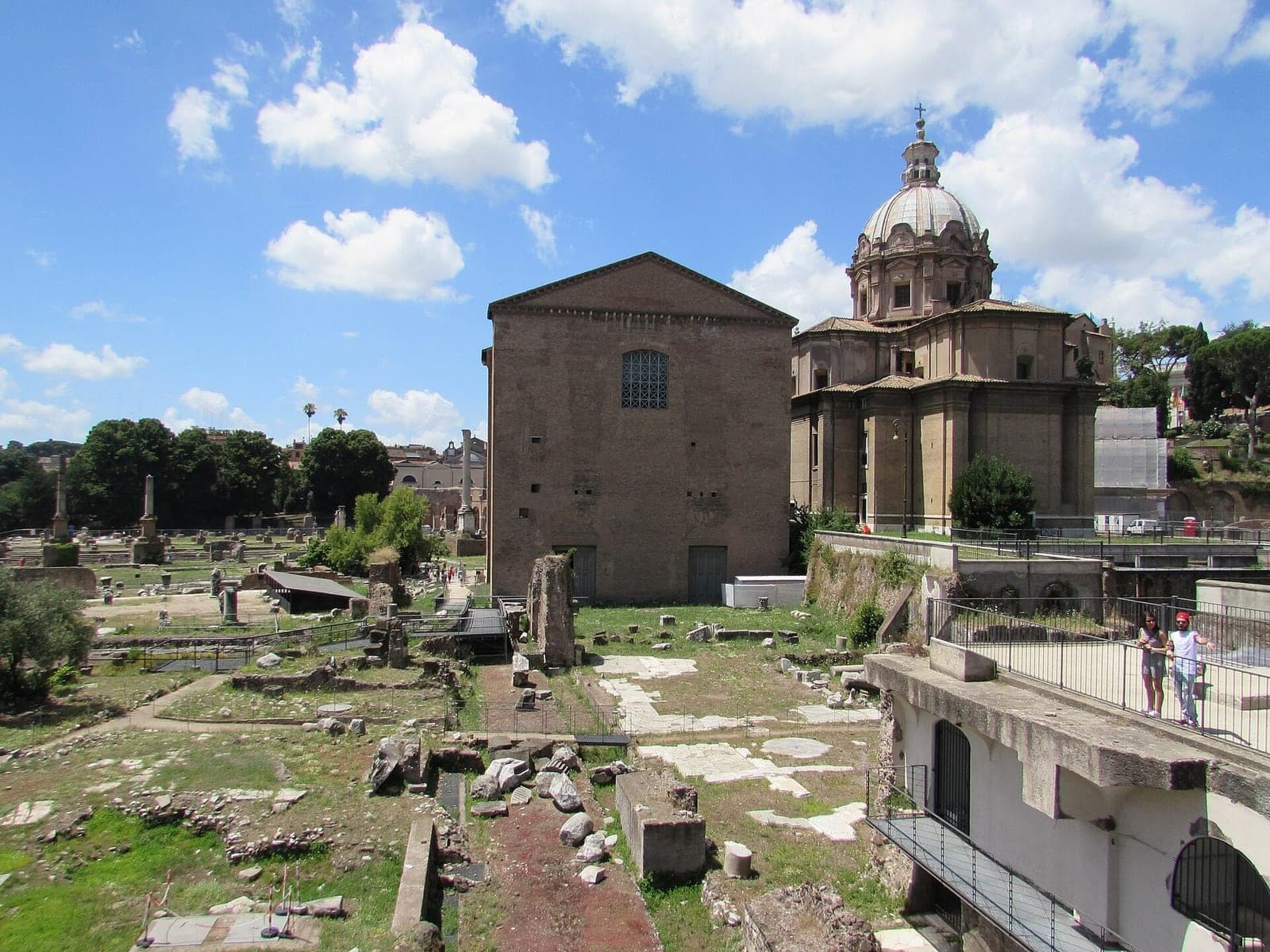
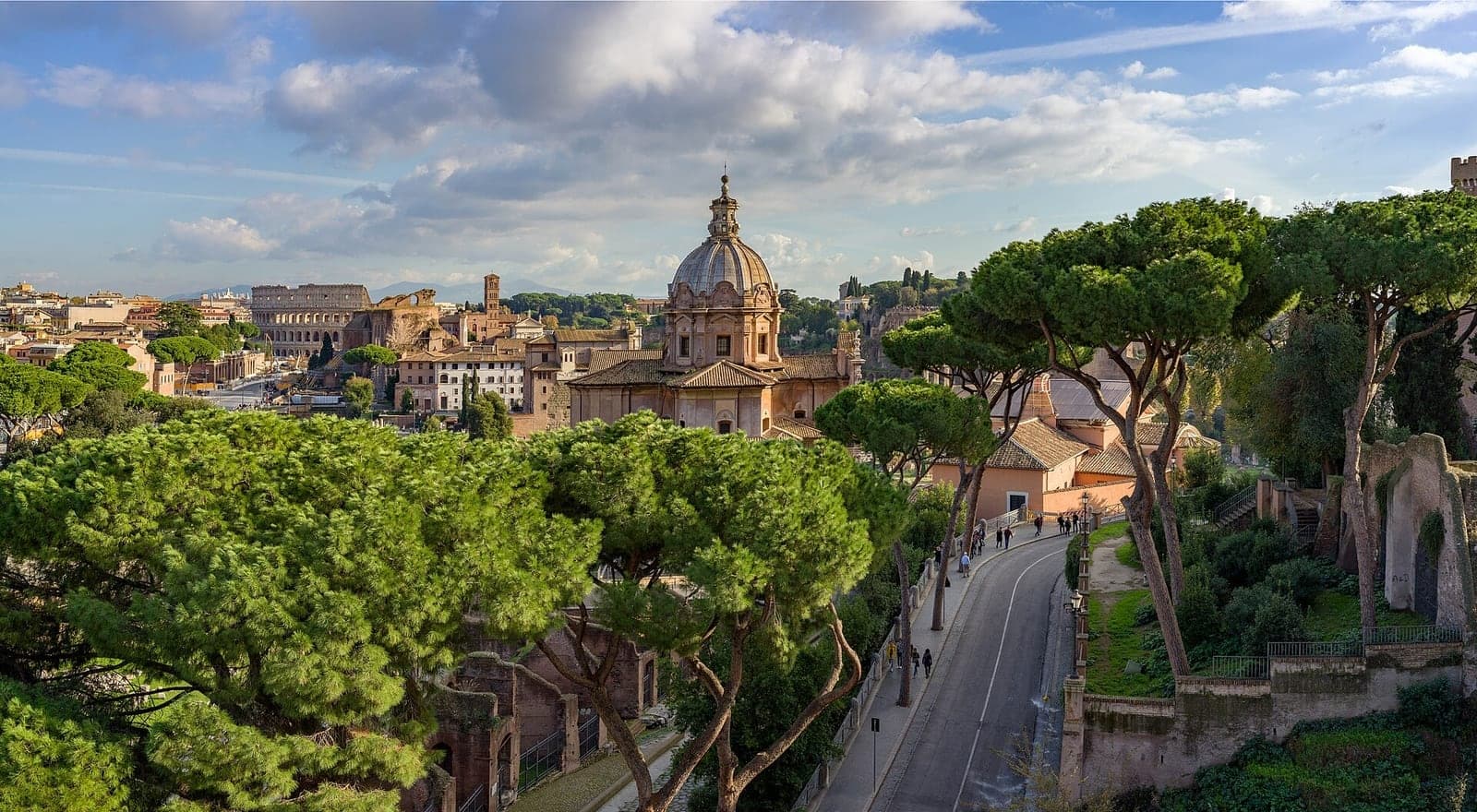
Roman Forum Edge: The Senate's Hall Below
The Forum opens below the street, around the Senate house, which spent thirteen centuries as a church.
- 7
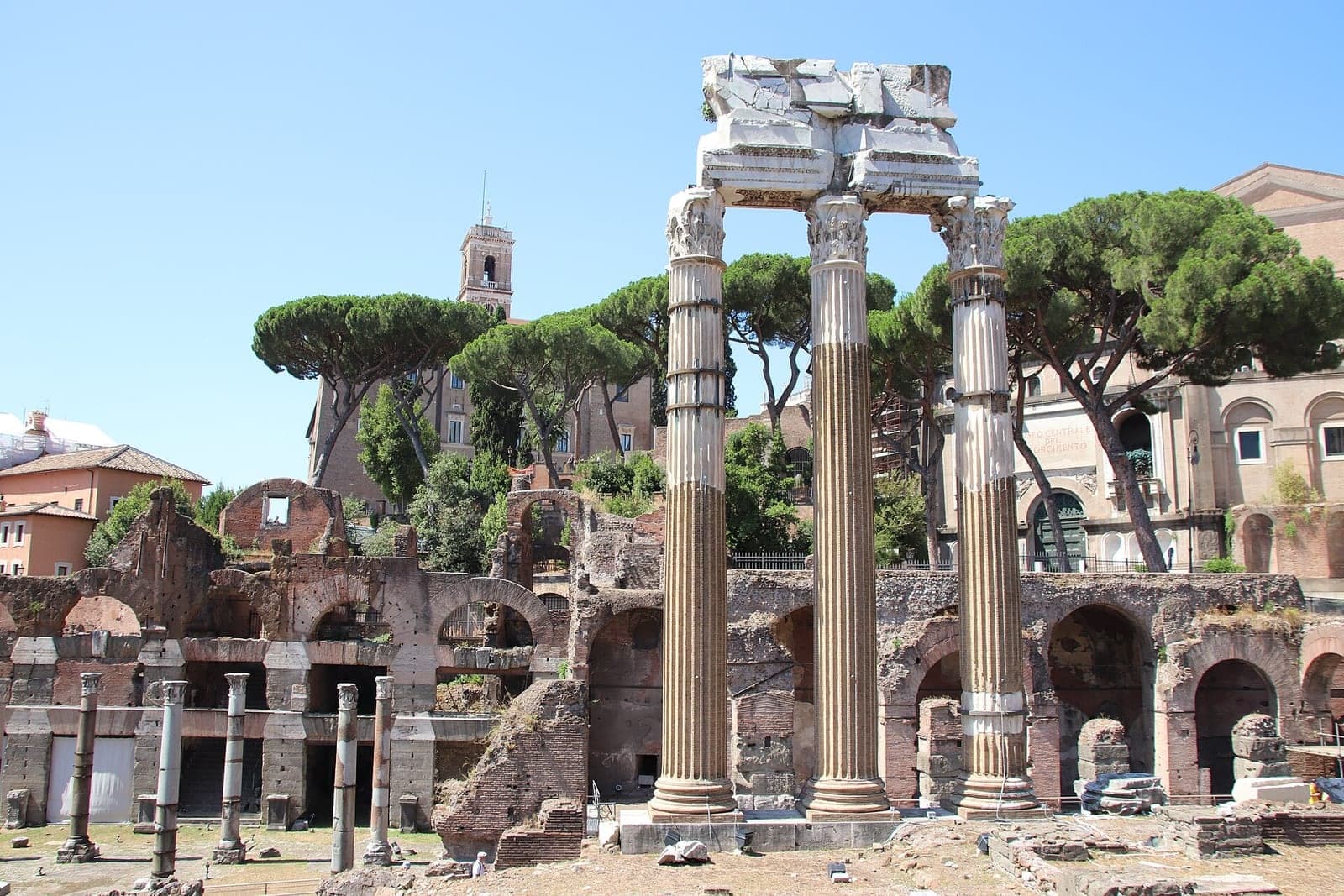
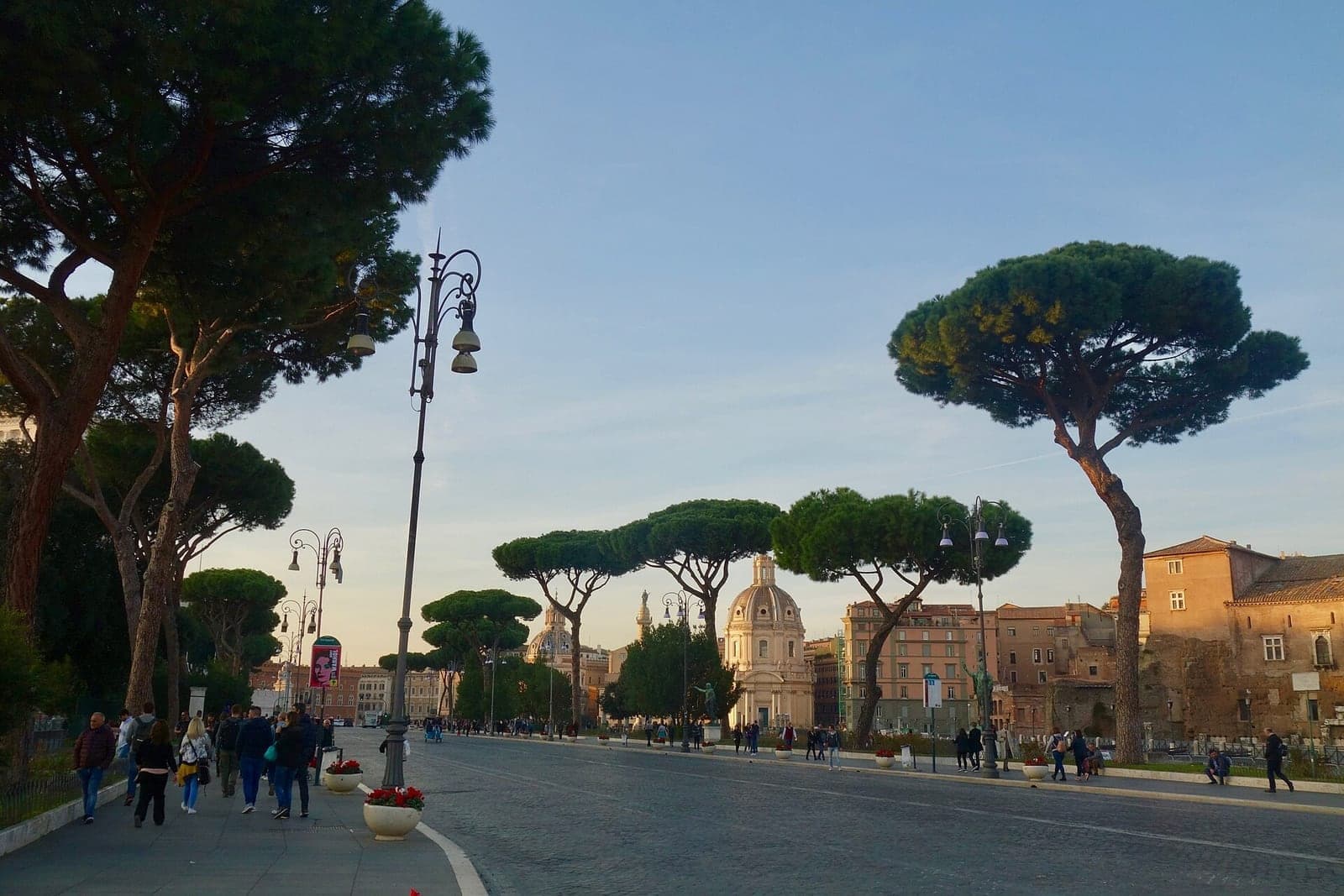
Forum of Caesar: A Parade Road Over the Fora
A 1932 parade avenue over the fora, and the city is now remaking it.
- 8
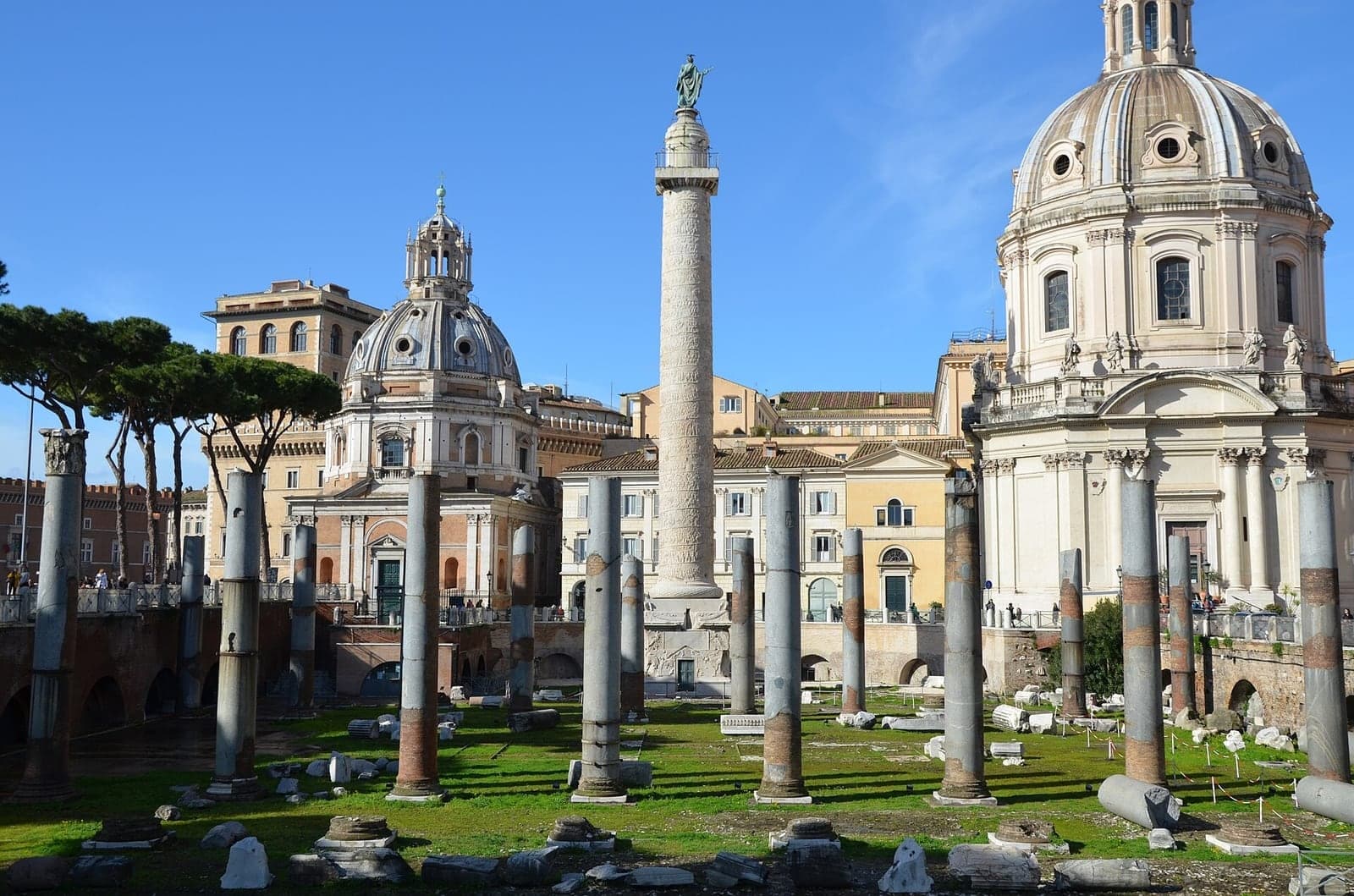
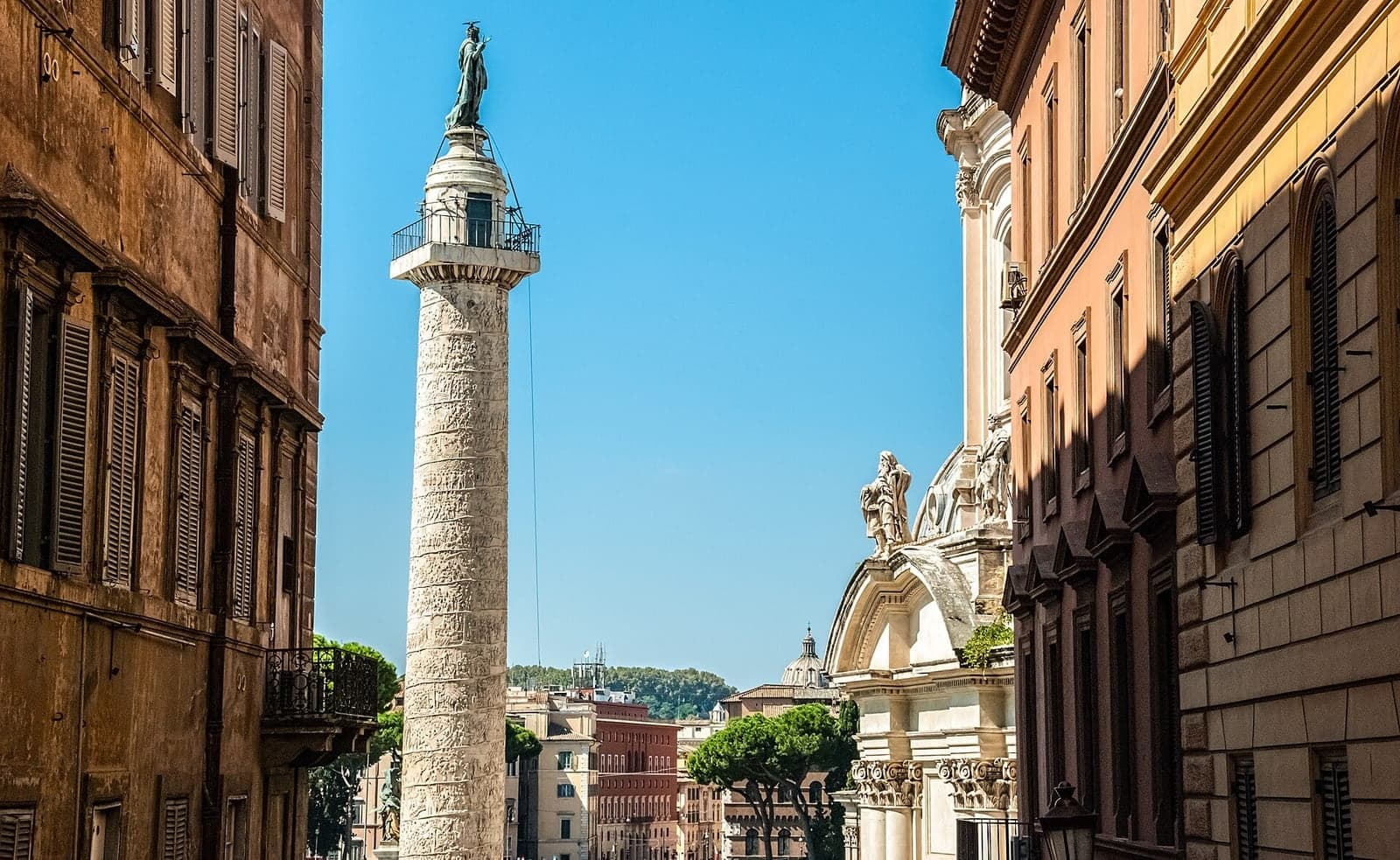
Trajan's Column: A Carved Ribbon
A carved ribbon of Trajan's wars, and the forum the Dacians on the arch came from.
- 9
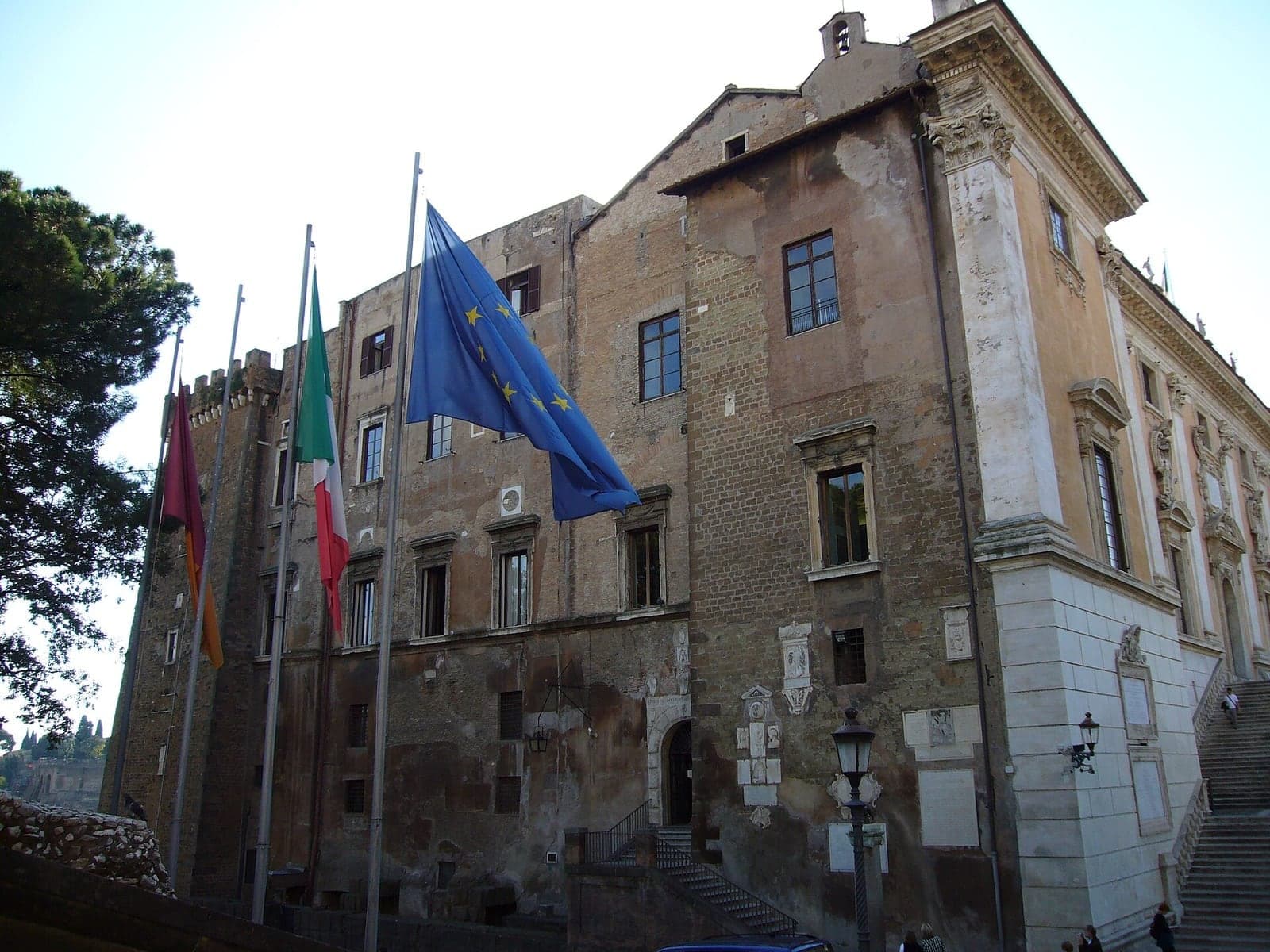
Capitoline Back Stair: Up From the Forum
A back stair up the Capitoline, toward the city's government on the hilltop.
- 10
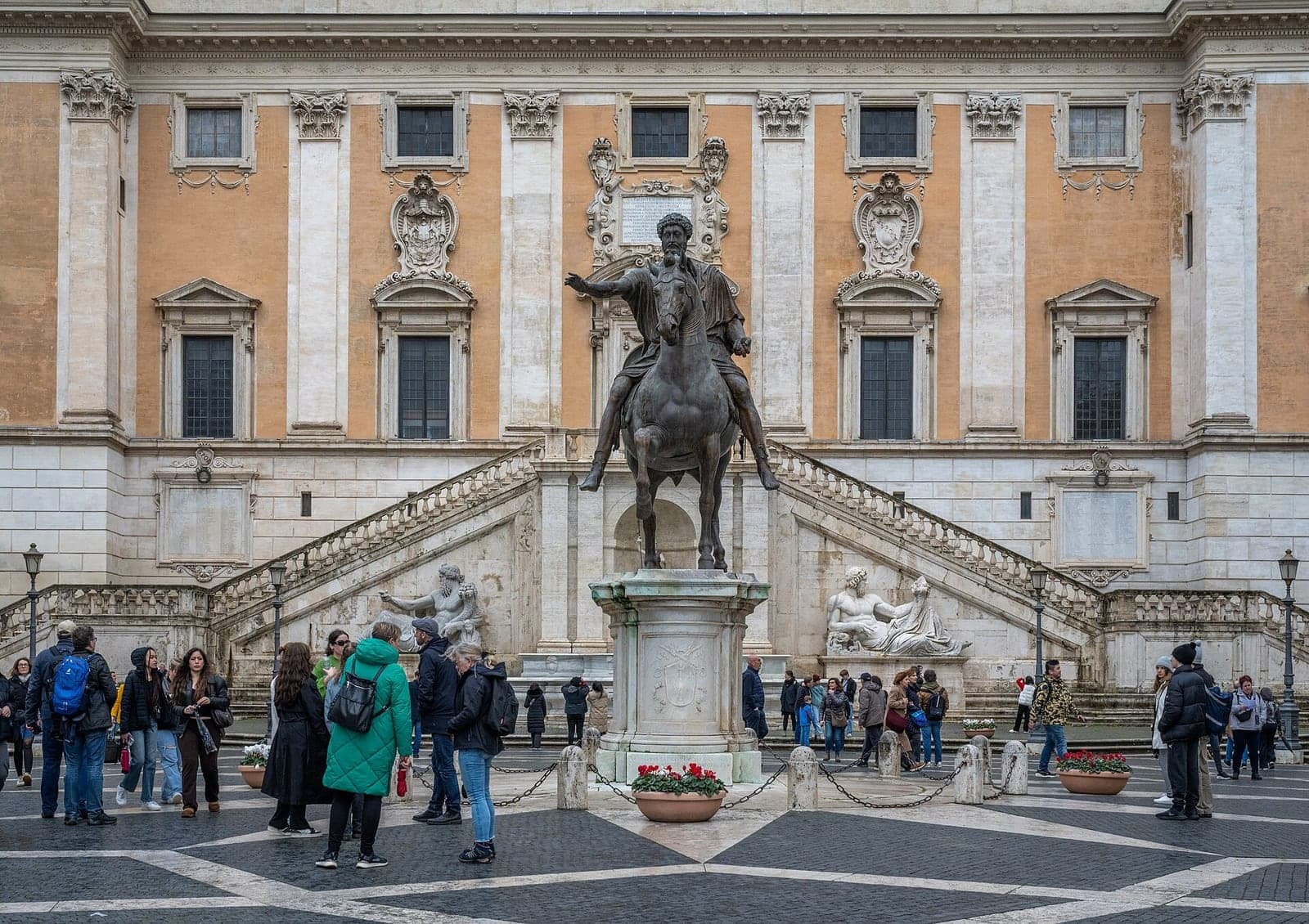
Piazza del Campidoglio: A Square Turned Around
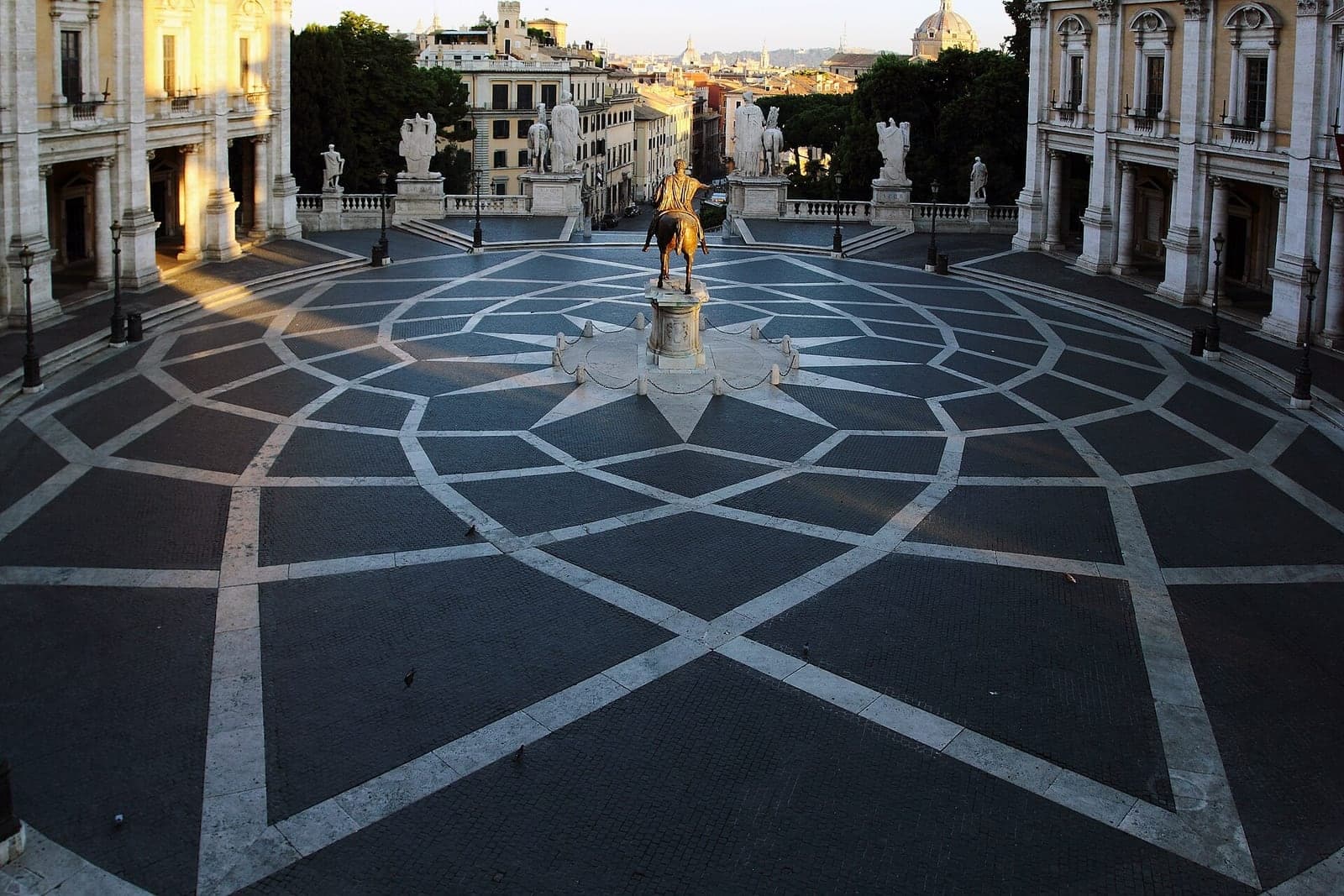
Michelangelo's square turned away from the Forum, toward the modern city, around an ancient bronze horseman.
- 11
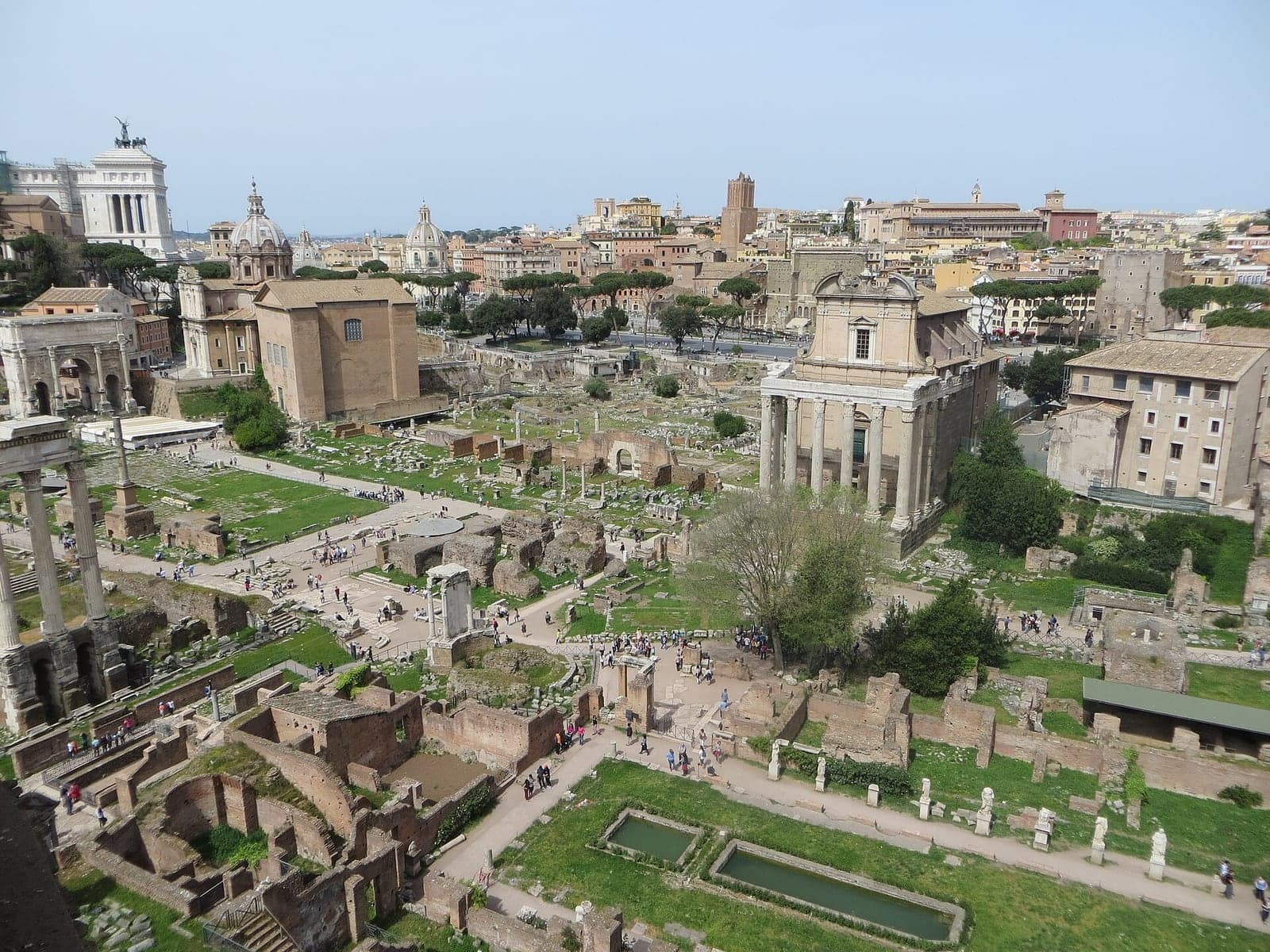
Forum Overlook: The Palatine Beyond
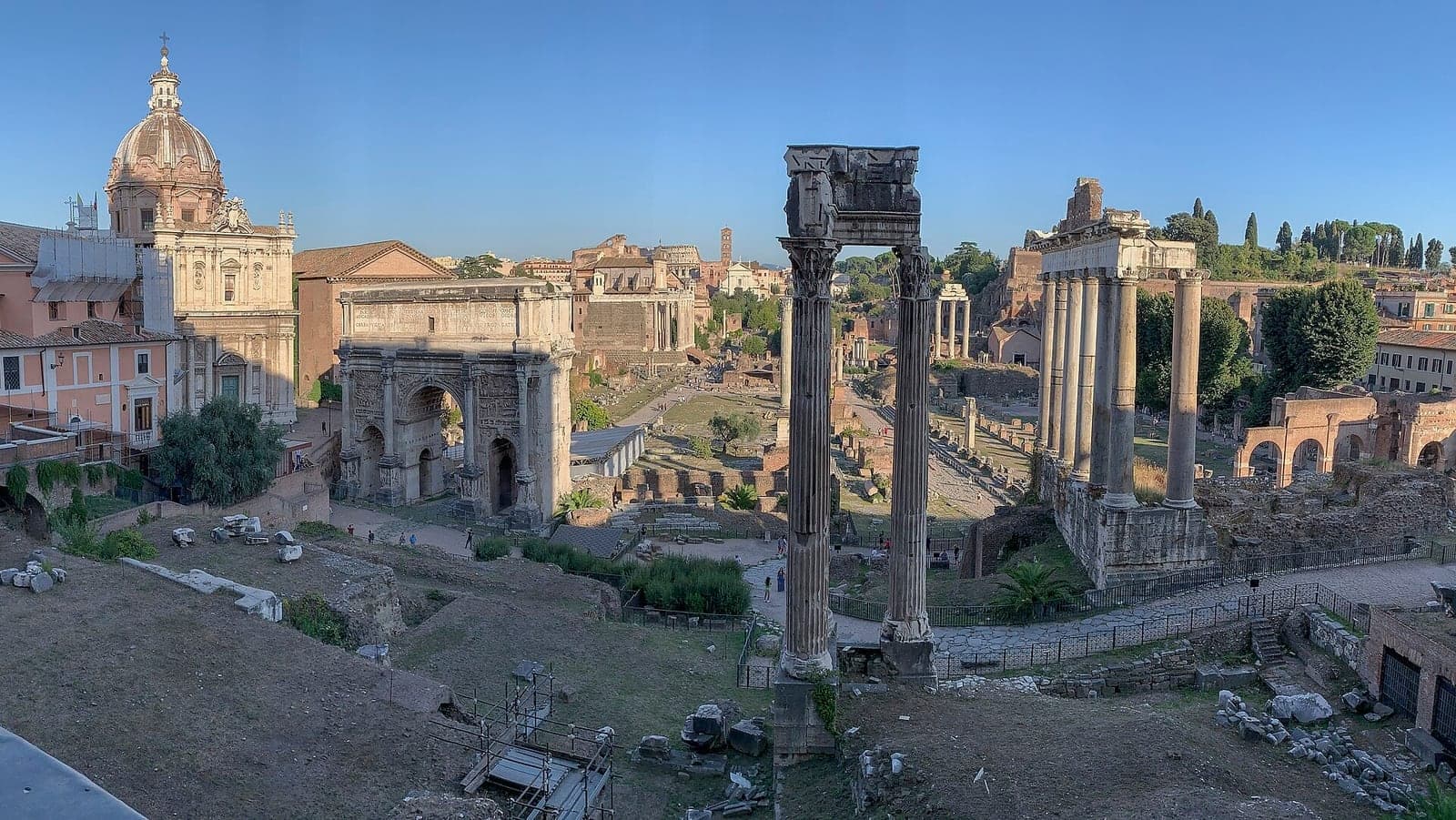
A railing over the Roman Forum, to the Palatine Hill beyond.
- 12
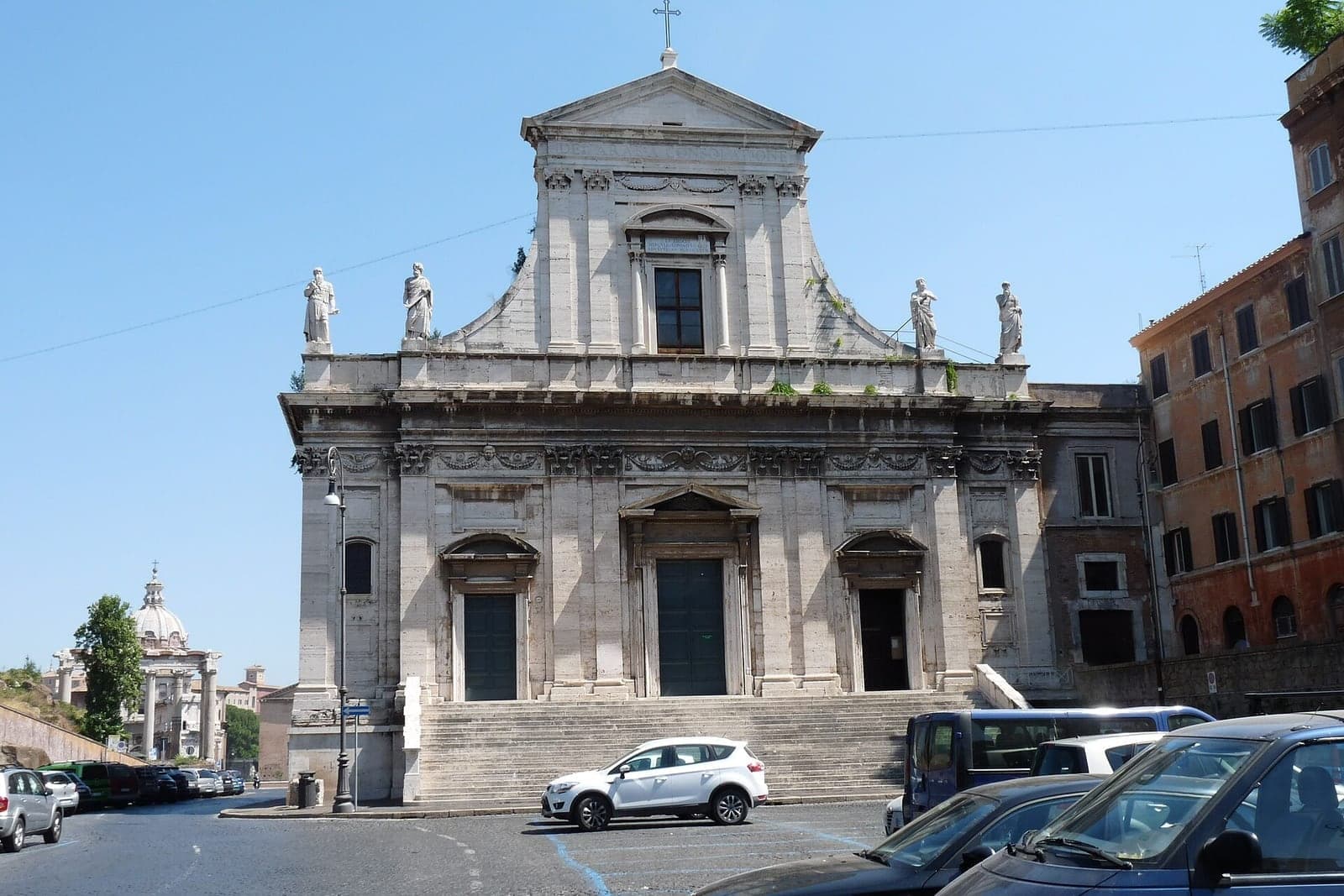
Tarpeian Rock: The Cliff and the Church
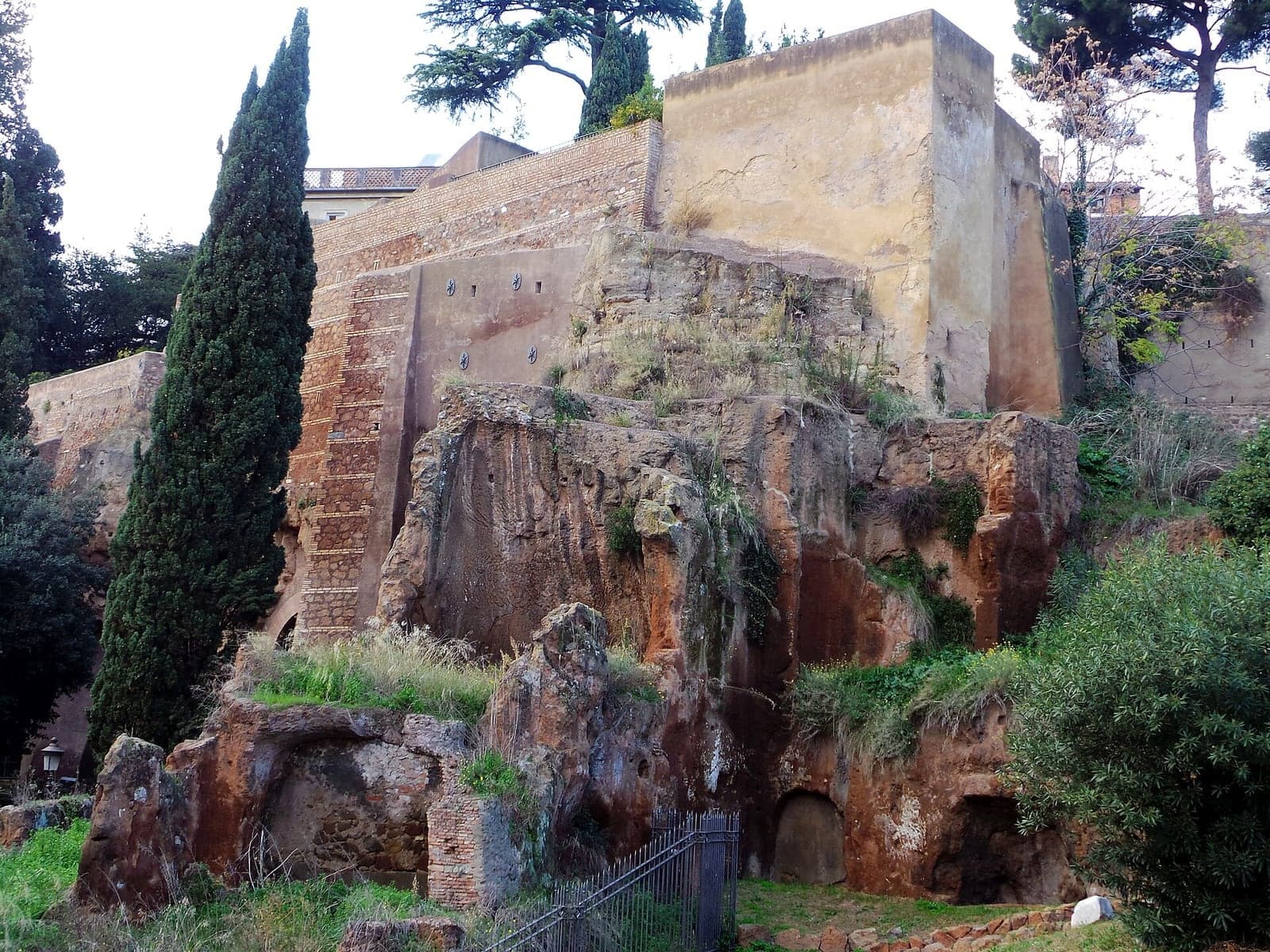
Where tradition says traitors fell, a church named for consoling the condemned.
Details
Best Time to Visit
A weekday morning, starting by about 9am, or the late afternoon. The avenue between the Colosseum and Trajan's Column has almost no shade, so avoid the middle of a summer day. The Colosseum piazza is at its most crowded late morning and on the park's free first Sundays (1 November and 6 December 2026). Finish the Capitoline lanes in daylight.
Pro Tips
- •Getting to the start: take Metro line B to Colosseo; the Arch of Constantine and the Colosseum are in front of you as you come out. Metro line C's Colosseo-Fori Imperiali station, opened 16 December 2025, is on the avenue at the Colosseum and connects underground with line B; line A does not reach the Colosseum. Several city buses stop at the Colosseum. Tram 3 has been replaced by buses on part of its route in autumn 2026, so check ATAC before relying on it. Checked 8 October 2026.
- •Colosseum, Forum and Palatine tickets: buy only on the official site, ticketing.colosseo.it, up to 30 days ahead, with a time slot for the Colosseum. Tickets carry your name and you must show an identity document. The park's free app, MyColosseum, has audio guides in Italian and English. Checked 8 October 2026.
- •Colle Oppio (from stop 3): the park on the hill above the Colosseum's east end has the classic view down on the Colosseum. Turismo Roma gives its hours as 7am to sunset; city ordinances sometimes close the parks in bad weather. Checked 8 October 2026.
- •San Clemente, the subject of our former underground walk, is a basilica about 400 metres east of the Colosseum: from stop 3 walk east along Via Labicana. Below the present church you can go down through older levels, a fourth-century church and first-century buildings, by online booking only (basilicasanclemente.com): Monday to Saturday 9am to 12.30pm and 2pm to 6pm, Sundays and holidays noon to 6pm; adults 10 EUR, students under 26 5 EUR. Checked 8 October 2026.
- •Domus Aurea, Nero's Golden House under the Colle Oppio: visits on Friday, Saturday and Sunday entries every 15 minutes from 9am, last admission 3.30pm, entrance from Via della Domus Aurea, closed on the first Sunday of the month; tickets from the Colosseum park. Checked 8 October 2026.
- •Step-free: stops 1 to 9 can be reached without steps (the short flight on the lane before stop 9 has a ramp beside it). From stop 9, instead of the long flight of steps, go back down the cobbled lane, Via di San Pietro in Carcere, and follow it round and up into Piazza del Campidoglio: about 250 metres, steep, on cobbles and shared with the odd permitted car. The Capitoline lanes and square are cobbled throughout, and the last leg, from stop 11 to stop 12, ends down a few steps.
- •Water: Rome's public drinking fountains, the nasoni, are mapped near stops 1, 2, 9 and 11, but there is none along the avenue between stops 5 and 8. Fill a bottle at the start.
- •Shade at the top: the iron-arched wisteria pergola beside the Cordonata, below Piazza del Campidoglio, reopened in April 2026 after about fifteen years.
- •The Mamertine prison (under a church on the Forum side of the Capitoline, below stop 9; it is not visible from the walk) is visited with a ticket; reported hours and prices vary, so check before you go. Checked 8 October 2026.
- •Monte Caprino gardens: Turismo Roma's undated notice says they have been closed for safety since March 2018, and only the small Giardini Sisto IV beside Piazza del Campidoglio are open. Checked 8 October 2026.
Safety & Precautions
- •The Colosseum piazza, the Arch of Constantine and the Metro exits (stops 1 to 4) are the walk's pickpocket and tout zone: keep bags closed and in front of you, and buy tickets only from the official site, never from people in the street.
- •Via dei Fori Imperiali (stops 4 to 8) is a worksite: the city announced in October 2026 that its sidewalks would be removed from November 2026 to March 2027 and the avenue turned into a shared surface with two bus and taxi lanes. Follow the barriers and diversions, and keep out of the marked bus lanes.
- •Crossings without lights: one bus lane between stops 3 and 4; two zebra crossings with a central island at the Colosseum end of the avenue between stops 4 and 5 (a signal crossing is by the Metro stairs); two side-street mouths between stops 5 and 6, the second the Forum's coach and taxi entrance; and a zebra at the foot of the lane after stop 8, followed by a short stretch on a lane used by permitted cars (lights a short way along the avenue).
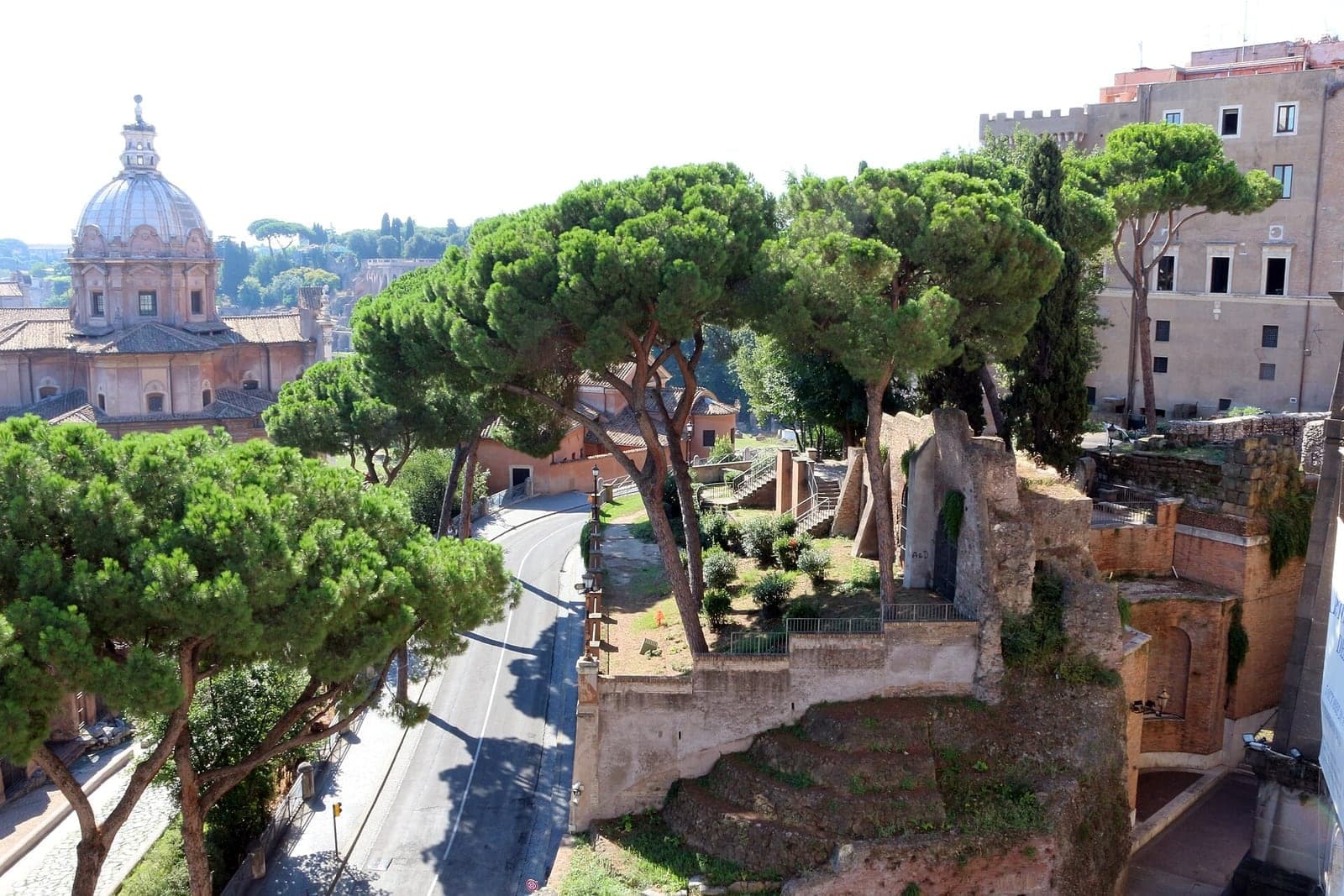
- •Between stops 8 and 10 the walk climbs about 20 metres: a steep cobbled lane, then a long flight of steps with a handrail. The step-free way round is in the tips.
- •Between stops 10 and 12 the lanes are cobbled, with no separate pavement, and pass through a short covered passage and a short tunnel where GPS may jump. Permitted cars use them; walk in single file. The walk ends down a few steps into Piazza della Consolazione, which is mapped as a pay car park, so watch for cars. We could not confirm the lighting: finish this part in daylight.
- •Stops 2 to 7 have little shade. In summer carry water and a hat.
- •The railing viewpoint at stop 11 is on a public lane, but we could not confirm it is open at all hours; if the lane is closed, the Forum can be seen from the edge of Piazza del Campidoglio's lanes on the Forum side.
- •At stop 8 the Metro C works at Piazza Venezia may fence or divert the crossing at the foot of the lane; follow the diversion signs.
Travel advisory: Exercise Increased Caution (Level 2).
Gallery
Related Reading
Go deeper on what you'll see, hear, and walk through.
Overview
Best Self-Guided Walking Tours in Rome (2026)
4 min
Overview
One Day in Rome on Foot: A Walkable Morning-to-Evening Itinerary
7 min
Overview
Rome Travel Guide 2026: How Many Days, Getting Around, Costs, and Safety
7 min
Thematic
Best History Walking Tours in Rome (2026)
2 min
Thematic
Rome Keeps Nothing New: The City Built by Reusing Itself
6 min
Thematic
The City Underneath: How San Clemente Holds Three Romes at Once
4 min
Deep dive
Palatine Hill: Where Rome Says It Was Born
5 min
Deep dive
The Colosseum Is the Top Floor: Rome's Flavian Amphitheatre on Nero's Lake
6 min
Deep dive
The Roman Forum: The Square That Ran an Empire
5 min
Read
What to Eat in Rome: A Local's Guide to the City's Signature Dishes
7 min
Read the walk
The full story of Colosseum and Roman Forum: Rome Built From Rome, in words. Prefer to listen? Play it narrated, from home or on location.
Introduction
Rome, the capital of Italy, has always built itself out of itself. Emperors took the carvings of earlier emperors for their own monuments, the Colosseum became a quarry, and in the nineteen thirties a hill and a whole neighborhood were cut away for a parade avenue. You can read that habit in stone, from the Colosseum valley to the Capitoline Hill.
The Colosseum, the Roman Forum and the Palatine Hill are one ticketed archaeological park, fenced, with tickets in your own name and a time slot for the Colosseum. This walk works entirely from outside it, on free streets and squares, looking in over the railings. To go in as well, the details are on the Colosseum and Forum stop cards.
Three people come back along the way. Constantine, the emperor whose arch is the first stop. Trajan, whose column stands near the end of the avenue. And Michelangelo, who redesigned the square on top of the Capitoline Hill.
The walk is twelve stops over just under two kilometres, a little over a mile, and takes about an hour and a quarter. It is level until the last part, where a steep cobbled lane and a long flight of steps climb about twenty metres onto the Capitoline Hill; there is a way round without the steps. It begins at the Arch of Constantine and ends below the Capitoline's cliff, at the church of Santa Maria della Consolazione.
1. Arch of Constantine and Via Sacra: Built From Older Monuments
Welcome to the Arch of Constantine. Walk on to the open paving just north of the arch, by the iron railings where a fenced road leads away from the Colosseum, and stop there.
That road is the Via Sacra, the Sacred Way, the old street that runs up into the Forum. Beyond the railings, inside the ticketed park, it climbs beyond the trees to the Arch of Titus, built in his memory by his brother after Titus died. Its carvings of the spoils of Jerusalem, a seven-branched candlestick among them, are on its inner walls, for ticket holders only.
Now turn round to the big triple arch. It is the largest of the three triumphal arches that survive in Rome, built in the year three fifteen for Constantine's victory over his rival Maxentius at the Milvian Bridge. Look at its top level. The eight standing figures there are Dacians, the people Trajan made war on, and they came from Trajan's Forum, which this walk reaches later. The big rectangular panels beside them, and the round medallions lower down, come from monuments of earlier emperors too. Rome's tourism office calls the arch probably the first example of a habit that lasted all through the Middle Ages: building with the pieces of older monuments. The faces of the older emperors in those reliefs were reworked, and missing parts were added in seventeen thirty-three, so what you see is part ancient, part restoration.
In front of the arch, Rome's tourism office says, the remains of an ancient fountain are still visible: the Meta Sudans, the sweating post, an eighteen-metre cone of the late first century, down which water ran like sweat. It was demolished in the nineteen thirties for a parade road. Those years will come back on this walk.
This is the walk's busiest corner: keep bags closed.
Follow the route past the arch to the south side of the Colosseum.
2. Colosseum South Side: Where the Arches Fell
Walk on along the footway and stop where the Colosseum's curved wall rises above you. The Colosseum is ticketed and well worth it, with a timed ticket in your own name, booked ahead; the details are on this stop's card. This walk stays outside and goes round it.
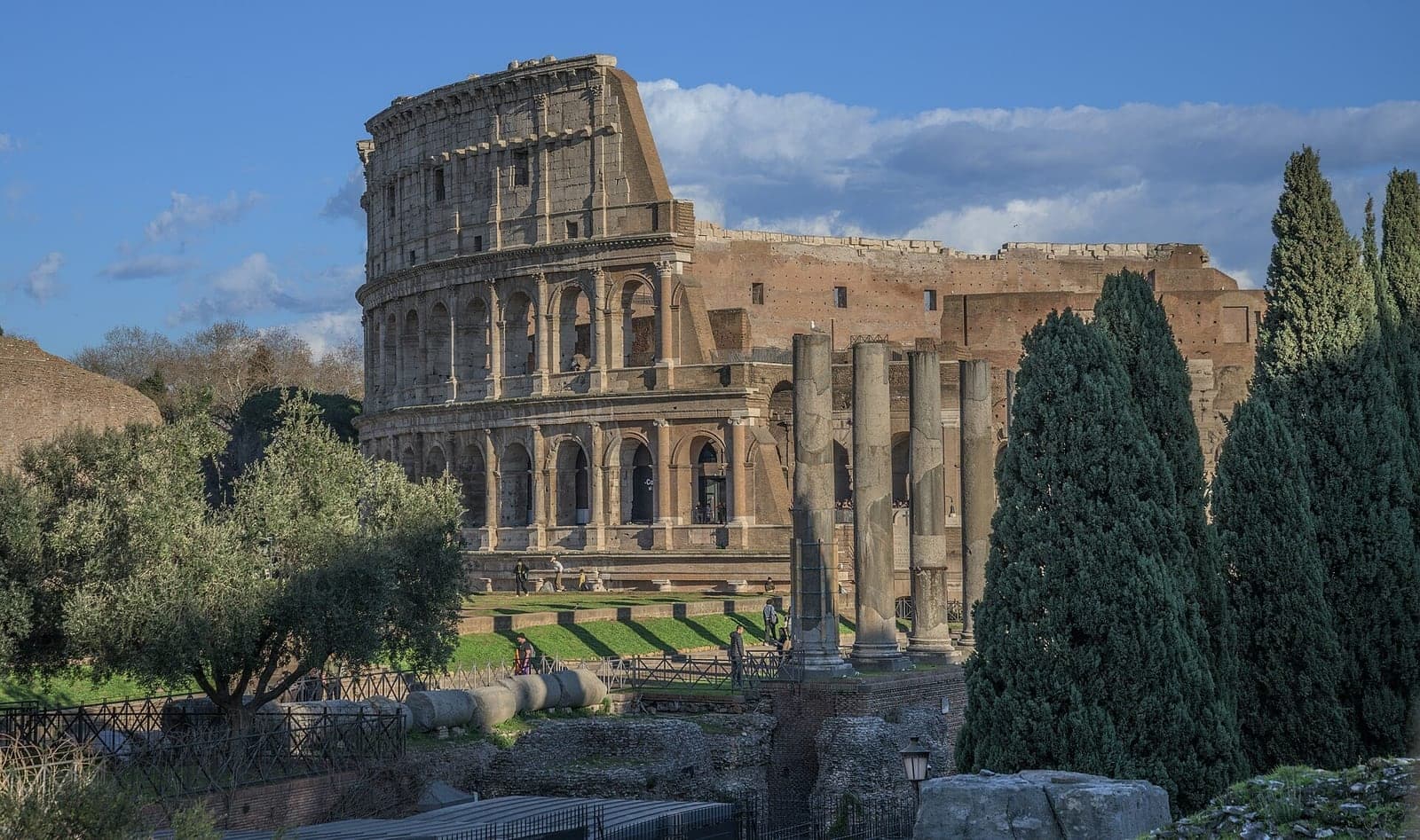
It was begun under Titus's father, the emperor before him, and opened by Titus himself, the same Titus as the arch up the Via Sacra, in the year eighty. It stands where Nero's palace had an artificial lake. The building is one hundred and eighty-nine metres long, one hundred and fifty-six wide and more than forty-eight high, and its name most likely comes from a giant statue of Nero that stood close by. Inside were gladiator fights and animal hunts; an ancient Roman historian says nine thousand animals died in the games that opened it.
Now look at the wall in front of you, and remember its height. This is the side where arches came down. Earthquakes shook the Colosseum many times; one in thirteen forty-nine did serious damage, and in seventeen oh three two or three arches of the second ring fell, here on the south side.
And people took the rest. In the Middle Ages and the Renaissance the Colosseum was used as a quarry, Rome's tourism office says, and some of its stone went into Saint Peter's Basilica. It was also a shelter for animals, and a home for workshops and houses.
Wherever the big stone blocks show, look for holes in them. Iron clamps once held the blocks together; the holes are where the clamps were pulled out. The arch you just left was made from older monuments; the Colosseum became the older monument that everyone else took from.
Follow the route on round the Colosseum's curve, to its east end.
3. Colosseum East End: The Gladiators' Corner
Walk on along the sidewalk round the end of the Colosseum, and stop before you reach the bus lanes and their crossings. Look up steeply: from here the wall towers over you.
The gladiators trained in the Ludus Magnus, just east of here, which Rome's tourism office calls the largest gladiator school in the city. The shows were gladiator fights, hunts of wild animals and, the same office says, even staged sea battles. In the year four thirty-eight, an emperor abolished the gladiator games.
The rising ground beyond the road, with its lawns and trees, is the Oppian Hill, the Colle Oppio. Under it lie the remains of Nero's Golden House, the Domus Aurea, the palace whose lake the Colosseum was built on. The palace can be visited with a timed ticket on some days of the week. Above it is a public park, laid out between nineteen twenty-eight and nineteen thirty-two, with views over the Colosseum. The way up, and its opening hours, are in the tips for this walk.
Notice what the Colosseum's builders did with Nero's ground. A palace lake became an arena. It is the same move you met at the arch: take what the last ruler built, and make it your own.
Follow the route on round to the north side of the Colosseum. On the way you cross the bus lane once, at the marked crossing: buses and taxis use it, so look both ways.
4. Colosseum North Face: The End of the Road
Walk on across the open paving to the low wall by the Metro stairs, and stop. Turn back to face the Colosseum.
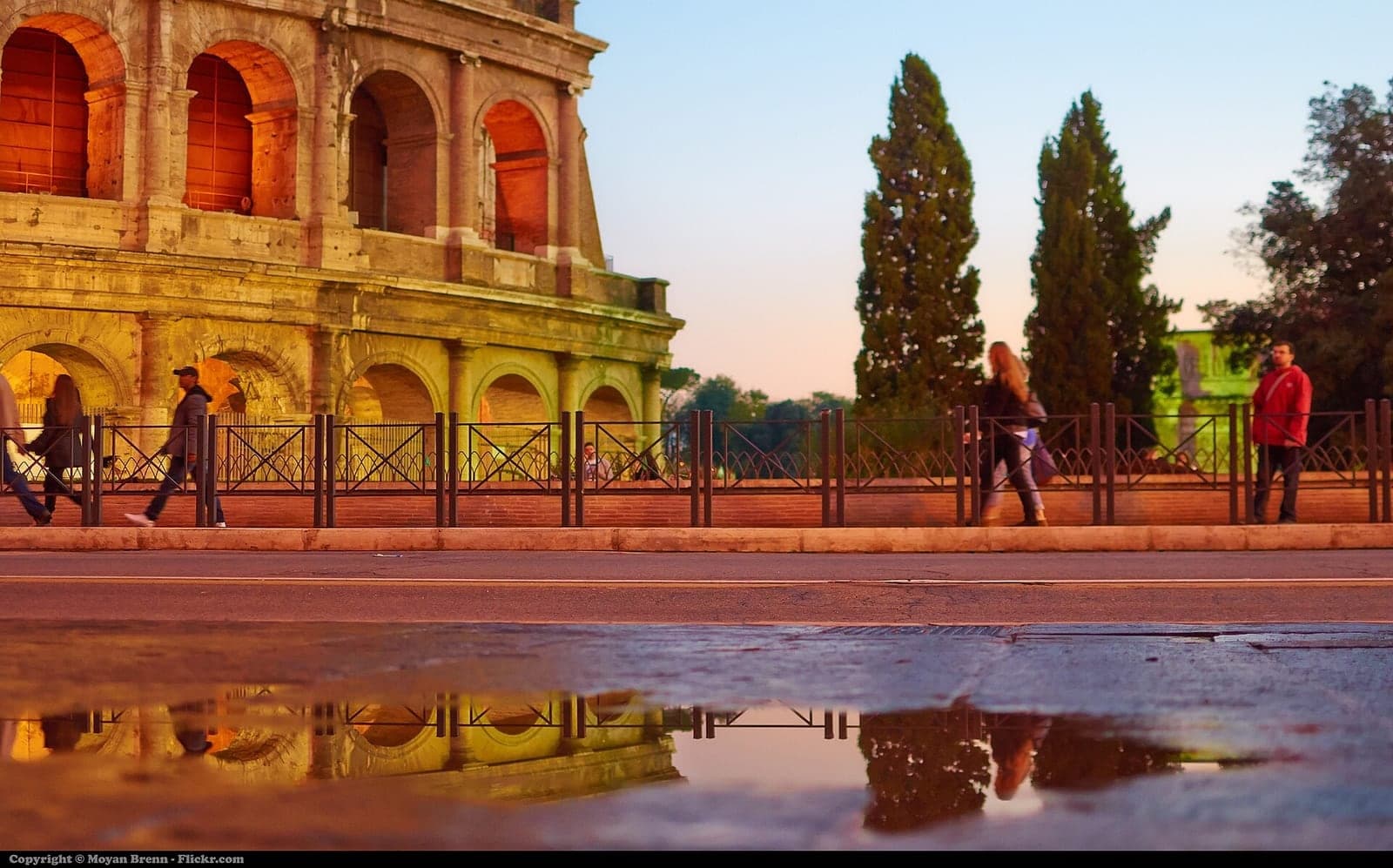
Compare this side with the south side, where the walk began its circuit. Where the outer wall stands to its full height you can count its levels: three rows of arches, each arch framed by half-columns, and on top a solid band with small windows. That top band held the supports for the velarium, a huge awning that shaded the crowd.
Now turn to the wide avenue running away from the Colosseum toward a white monument in the distance. This is the Via dei Fori Imperiali, the Avenue of the Imperial Forums, and it was built to end here, at the Colosseum. The Fascist government opened it on the twenty-eighth of October, nineteen thirty-two, ten years after its March on Rome. To make the Colosseum the visual finish line of the road, Rome's tourism office says, a hill was cut down. Its name was the Velia, and the next stretch of this walk runs through the cut.
Beyond the fence, on the side of the avenue toward the Forum, the great raised platform is the Temple of Venus and Rome, inside the park.
Under this end of the avenue is new Rome: Metro line C's Colosseo-Fori Imperiali station, opened in December twenty twenty-five, four levels deep and run as a museum station by the park and Rome's Sapienza University. Its own glass-walled stairs are a little way along the avenue, on the next stretch of this walk.
Follow the route across the end of the avenue on two zebra crossings, with an island between them. They have no lights, so if the traffic is moving, use the signal crossing by the Metro stairs. Then keep to the Forum side of the avenue.
5. Basilica of Maxentius: Three Vaults on a Lost Hill
Walk on along the avenue and stop where a huge brick ruin rises above the wall, on the Forum side, its high walls pierced by tall arched windows. Look up through the upper windows: inside you can make out the vaults, their ceilings cut into sunken panels. This is the Basilica…
Full narration for this stop unlocks with the tour.
6. Roman Forum Edge: The Senate's Hall Below
Walk on and stop at the edge above the Forum's entrance. The Roman Forum is entered here. It is ticketed, on the same tickets as the Colosseum, and well worth it; the details are on this stop's card. Look down over the wall. Below, well beneath today's street, lies the Forum,…
Full narration for this stop unlocks with the tour.
7. Forum of Caesar: A Parade Road Over the Fora
Walk on along the avenue and stop where a path leads down toward the ruins below the street. Down there, on the side away from the traffic, lies the Forum of Caesar, one of the Imperial Forums, the great public squares that Julius Caesar and the emperors after him added beside…
Full narration for this stop unlocks with the tour.
8. Trajan's Column: A Carved Ribbon
Walk on to the end of the avenue and stop before the crossing. Find the tall carved column rising beyond the ruins ahead. This is Trajan's Column, raised in one hundred and thirteen to celebrate the emperor's wars in Dacia. Rome's tourism office calls it the first column of its…
Full narration for this stop unlocks with the tour.
9. Capitoline Back Stair: Up From the Forum
Walk on up the lane and stop at the foot of the long flight of steps. Catch your breath. This is the Capitoline Hill, the hill that lent its name to capitol buildings, Washington's among them. In ancient times it faced the Forum, the way you have just come. This back stair…
Full narration for this stop unlocks with the tour.
10. Piazza del Campidoglio: A Square Turned Around
Walk on into the square and stop at the edge of the oval paving, near the bronze horseman in the middle. Face the tall palace with the bell tower and the double staircase: the Palazzo Senatorio, the Senators' Palace, Rome's city hall. In fifteen thirty-six a pope asked…
Full narration for this stop unlocks with the tour.
11. Forum Overlook: The Palatine Beyond
Walk on down the lane and stop at the railing above the Forum. This is the view the square turned its back on. Behind you is the rear of the Senators' Palace, the side that faces the Forum. Below you lies the Roman Forum, ticketed ground, seen free from this rail. Nearest to…
Full narration for this stop unlocks with the tour.
12. Tarpeian Rock: The Cliff and the Church
Walk on down the lane and down a few steps into the small square at the foot of the hill, which doubles as a car park, and stop there. Turn round: a church front rises ahead of you. Above you, behind the walls, is the Capitoline's southern cliff. Tradition places the Tarpeian…
Full narration for this stop unlocks with the tour.
- Arch of Constantine (Rome) - South side, from Via triumphalis — NikonZ7II (Paris Orlando), CC BY-SA 4.0 · source
- Arch of Constantine, Rome, Italy — Ank Kumar, CC BY-SA 4.0 · source
- Colosseum in Rome, Lazio, Italy — Tournasol7, CC BY-SA 4.0 · source
- Colosseum, Rome, Italy — Dietmar Rabich, CC BY-SA 4.0 · source
- Colosseum in Rome, Lazio, Italy — Tournasol7, CC BY-SA 4.0 · source
- Roma, Colosseo appena sbiancato, da via Nicola Salvi — Lalupa, CC BY-SA 4.0 · source
- afternoon view from north side of Coliseum NOTE FOR EDITORIAL/COMMERCIAL USE: In case of editorial/commercial use of this picture, in additi — Moyan Brenn from Italy, CC BY 2.0 · source
- Imperial Forums (Rome) — Cezar Suceveanu, CC BY-SA 4.0 · source
- View of the Roman Forum from the Vittoriano in Rome. — This Photo was taken by Wolfgang Moroder., CC BY-SA 3.0 · source
- Rome, Italy — Sonse, CC BY 2.0 · source
- Trajan's Column, Rome — Carole Raddato from FRANKFURT, Germany, CC BY-SA 2.0 · source
- Colonna Traiana, Rome - this photo featured here www.travelogger.ru/italy/rome/kolonna-trayana — Gary Ullah from UK, CC BY 2.0 · source
- Roma, Campidoglio. Palazzo Senatorio, lato su via di S. Pietro in Carcere. A sinistra la torre di Niccolò V, a destra ingresso di Sisto IV e — Lalupa, CC BY-SA 4.0 · source
- Forum Romanium — Michael aus Halle, CC BY-SA 3.0 · source
- Italy, Rome — Bruno from Roma, Italia, CC BY-SA 2.0 · source
- Monuments at the west end of the Roman Forum (L to R): Santi Luca e Martino, Arch of Septimius Severus, Colosseum, columns of Temple of Vesp — Nicholas Hartmann, CC BY-SA 4.0 · source
- Tarpejischer Fels 2015 — Rabax63, CC BY-SA 4.0 · source
Images may be cropped or resized. Other photos via Unsplash and Pexels.