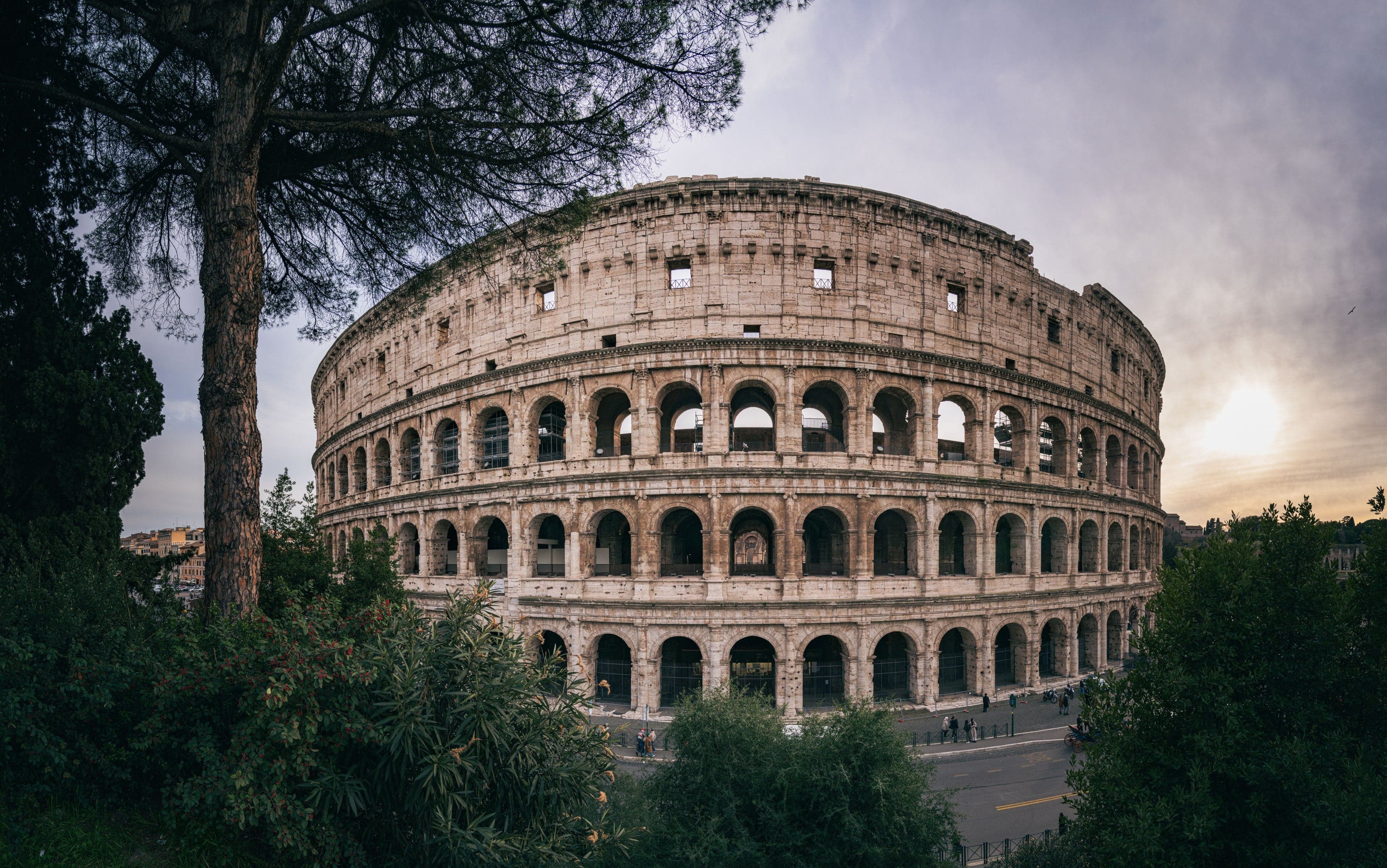
Most people walk into the Roman Forum expecting a museum and find what looks like a quarry: broken columns, cracked paving, a scatter of arches and stumps with no obvious plan. The trick to reading it is to stop seeing ruins and start seeing a square. For centuries this low ground between the hills was the working center of Roman public life, the place where the business of a republic and then an empire was done in the open air, out loud, in front of the crowd.
A working square, not a monument
Elections, trials, triumphs, speeches and the daily buying and selling of a huge city all crowded into this space. When you stand over it, you are looking at less a set of temples than a floor: a public room where Rome talked to itself.
The Senate's hall and its afterlife
Hear a stop from this walk
Tarpeian Rock: The Cliff and the Church
The brick building you can see is the Curia, the Senate house. Rome's tourism office says that by tradition it was founded by the third king of Rome, Tullus Hostilius, that Caesar moved it to the spot where it stands, that Augustus inaugurated it, and that it was rebuilt for the last time by Diocletian in the last quarter of the third century AD. In 630 Pope Honorius I made it a church, which kept its role as a hall for senatorial assemblies until 1143, when the Senate moved to the Palazzo Senatorio on the Capitoline Hill. The church survived until the 1930s, when it was stripped back to Diocletian's building.
That move uphill is the thread to follow. The Senate left the Forum for the hill above it, and the back of the Senators' palace now looks down at the old square. From the free overlook behind the palace you look down on the old square from above, with the Temple of Saturn and the Arch of Septimius Severus below and the Palatine beyond; the trees and the palace mass decide exactly how much shows.
What to actually look for
Two features turn the ruins back into a place.
The first is the row of tall standing columns of the Temple of Saturn. Tradition dates the first temple to 497 BC, a date that comes down to us from the historian Livy. The temple was rebuilt in 42 BC, and what you see is a fourth-century AD rebuilding after a fire, which an inscription on the beam records as a restoration by the Senate and People of Rome. Eight granite columns is the usual count, six across the front and two behind. Ancient sources connect the temple with the state treasury, which is very Roman: the most sober business of the state ran out of a temple.
The second is the story of Caesar. The Temple of the Deified Julius, not the Temple of Saturn, is the one tied to the ship-beaked speakers' platform, the Rostra. Julius Caesar was cremated here, and the temple dedicated to him was begun by the triumvirs in 42 BC and dedicated by Octavian in 29 BC on the spot of the cremation. The place where a murdered politician's body burned became a temple to a god. In the Forum, the distance between a street corner and a shrine could be a single generation.
How to read it from the street
The Forum floor, the Via Sacra and the Palatine stand inside the paid archaeological park, which sells time-slot tickets, so going down onto the ancient paving is for ticket-holders. You do not need to go down to understand it. From the pavement above and from the overlook behind the Senators' palace you can see how the square sat in its hollow, and the walk this article belongs to reads it that way.
Pick a spot with a clear view across the hollow and give the noise back to the place. Picture a contested election, the shouting and the crush. Picture the smoke of Caesar's pyre. The Forum is not impressive because it is old; it is impressive because it was the room where the Republic argued with itself. There is almost no shade on the open floor in the middle of the day, so carry water and wear shoes with grip.
This square sits in the middle of Colosseum and Roman Forum: Rome Built From Rome, a twelve-stop walk that runs from the Arch of Constantine past the Basilica of Maxentius and the Forum of Caesar to the Capitoline Hill. Read how the Colosseum sits on the ground of Nero's lake at the start of that walk, browse the complete set of Rome walking tours, or plan a visit to Rome around it. Come back to the Forum seeing a square instead of a quarry, and the stones start speaking.
Sources
- Roma Capitale, Turismo Roma: the Curia Iulia, the Roman Forum and Via dei Fori Imperiali. Founding tradition, Diocletian's rebuilding, the church of 630, the Senate's move in 1143.
- Musei Capitolini: the Capitoline Hill as the seat of the city's authorities from 1143.
- Livy, as quoted in secondary sources: the traditional 497 BC dedication of the Temple of Saturn; the Temple of the Deified Julius and the 42 to 29 BC dates are from standard modern accounts.
- Roamer tour dossier for "Colosseum and Roman Forum: Rome Built From Rome" (rome-colosseum-forum), fact-checked October 2026.
Ready to experience it?
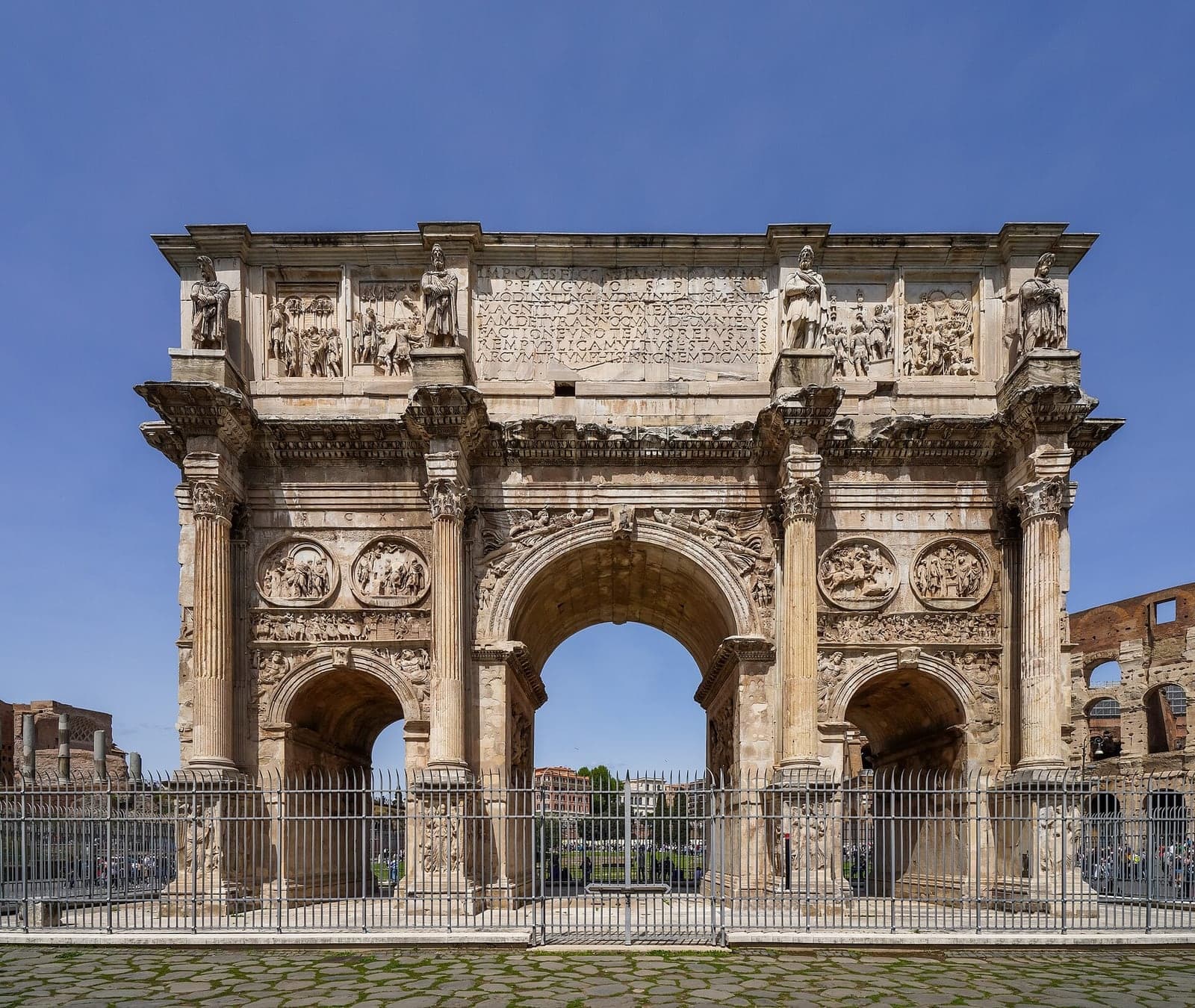
Colosseum and Roman Forum: Rome Built From Rome
75 min · 1.9 km · moderate
More from Rome
Explore more at your own pace.
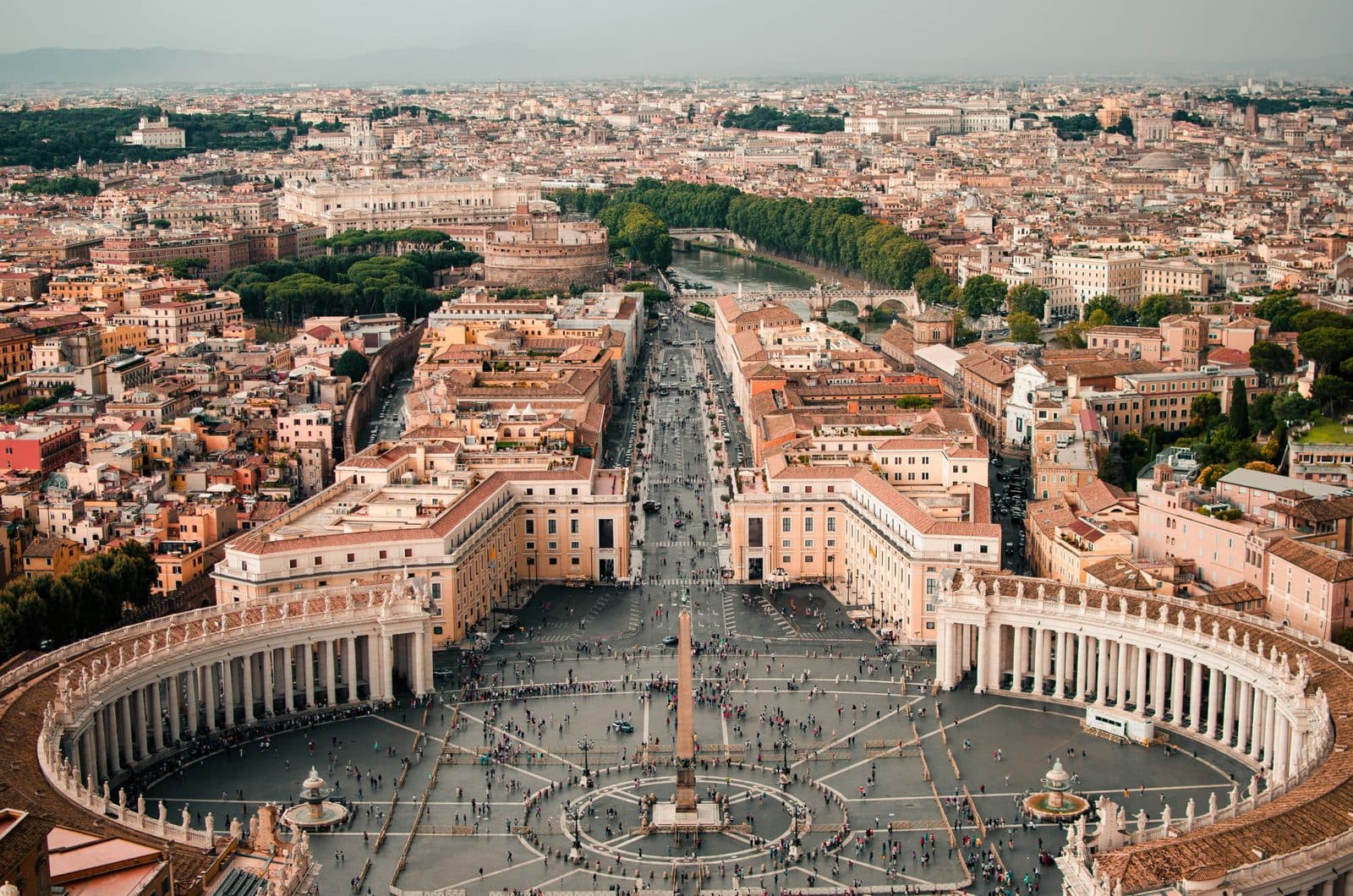
One Day in Rome on Foot: A Walkable Morning-to-Evening Itinerary
Best Architecture Walking Tours in Rome (2026)
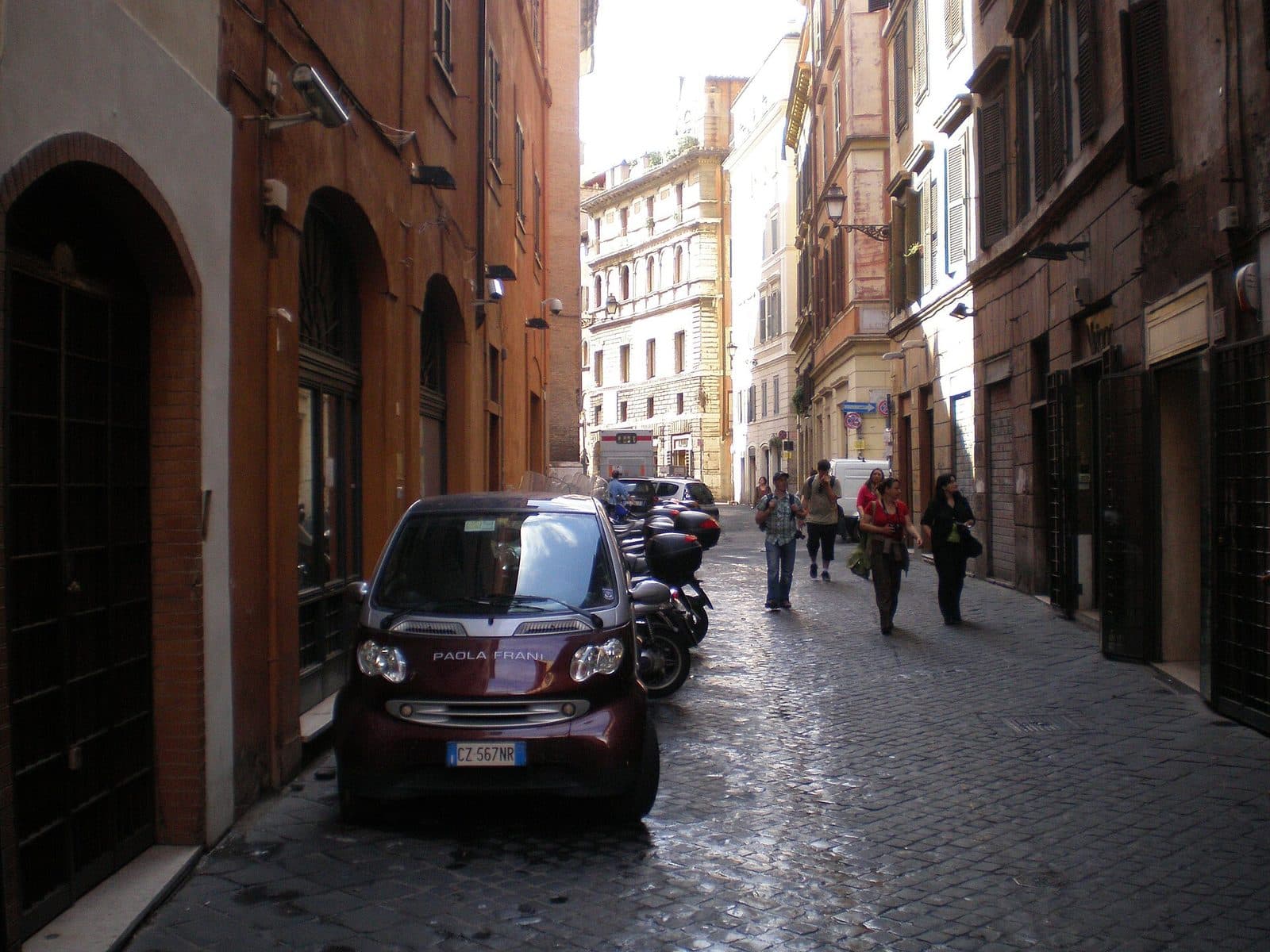
St. Peter's Square and the Surprise Rome Demolished: Borgo, the Spina and Via della Conciliazione
The Aventine's Orange Garden and Keyhole: A Fortress That Became a View
The Water Behind the Trevi Fountain: Following the Acqua Vergine to the Pincio