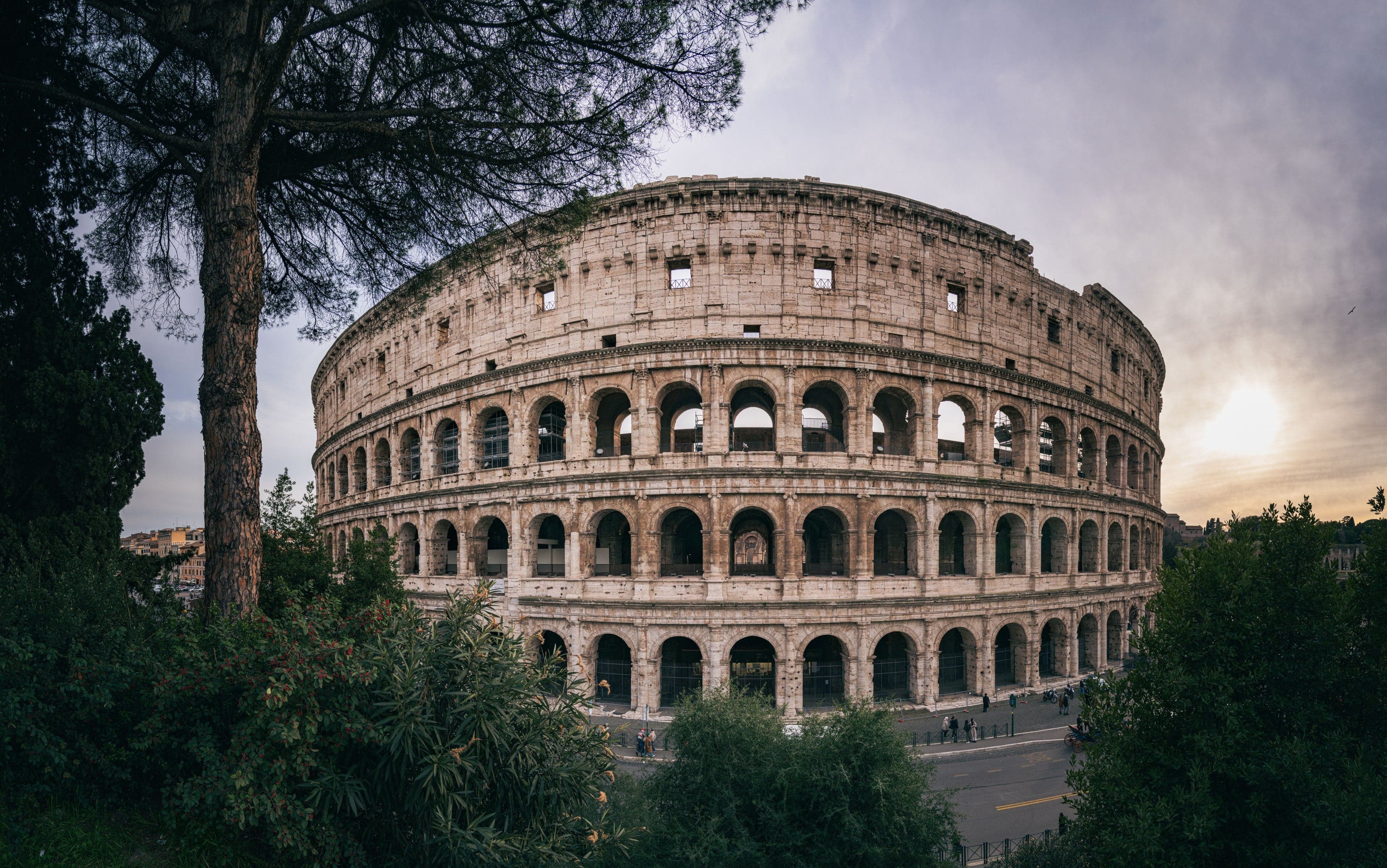
Colosseum and Roman Forum: Rome Built From Rome
75 min · 1.9 km · moderate
Rome rewards travelers who plan three to four days, walk most of it, and treat public transport as a supplement rather than the main event. The historic center is compact and dense: the distance between the Pantheon, Piazza Navona, and the Trevi Fountain is a matter of minutes on foot, and the two riverbanks of the Tiber stitch together in a single afternoon. Below is a practical, answer-first plan covering how long to stay, how to move, when to come, what things cost, and an honest word on safety, all checked against current 2026 sources.
How many days do you need in Rome?
Three full days is the honest minimum for a first visit, and four is more comfortable. One day covers the ancient core (Colosseum, Roman Forum, Palatine Hill) with time left for the Pantheon and Trevi Fountain. A second day handles Vatican City and St. Peter's Basilica, which deserve most of a morning on their own. A third day is for the parts of Rome that make people want to come back: Trastevere's medieval lanes across the river, the Baroque squares of the center at a slower pace, and the layered churches most visitors walk past.
If you only have two days, prioritize the ancient center and one riverside neighborhood, and accept that the Vatican will need a return trip. Rome is not a city you finish. It is a city you sample well.
How do you get around Rome?
Hear a stop from this walk
Tarpeian Rock: The Cliff and the Church
Walk first. The center is small, and the best of Rome happens between the monuments, not just at them. For longer hops (Vatican to Colosseum, or out to Trastevere late at night), the ATAC network of metro, bus, and tram fills the gaps.
The base fare is the BIT, a single integrated ticket that costs 1.50 euros and is valid for 100 minutes from validation. Inside that window you can take unlimited buses and trams plus one metro entry, which is generous for a short hop across the center. If you plan heavy transit use, ATAC sells timed passes: 24 hours for 8.50 euros, 48 hours for 15 euros, 72 hours for 22 euros, and a 7-day CIS card for 29 euros. You can tap a contactless card or phone directly on the red readers at metro turnstiles and on board buses and trams, and the correct fare is charged automatically.
The metro has three lines, but the two you will actually use are A and B, which cross at Termini and reach most of the tourist center between them. The newer Line C has recently been extended to Colosseo and San Giovanni, so it now touches the ancient core too, though it still will not take you everywhere. Buses and your own feet cover the rest. From Fiumicino Airport, the Leonardo Express runs non-stop to Roma Termini in about 32 minutes, every 15 minutes, for 14 euros, which is the simplest arrival for most visitors.
When is the best time to visit Rome?
April to May and September to October are the sweet spots: daytime temperatures around 18 to 25 degrees Celsius, lighter crowds than midsummer, and more reasonable hotel prices. May in particular tends to pair warm, mostly dry weather with crowds that thin after Easter departures.
Summer is hot and busy. June through August regularly pushes past 32 degrees and can hit the high thirties, with the largest crowds of the year at the major sites. Around Ferragosto (August 15), many independent shops and restaurants close for the holiday, though the main museums and monuments stay open. Winter (November to March) is mild by northern-European standards, quiet, and noticeably cheaper on accommodation, with the tradeoff of shorter days and a chance of rain. One recent-history note worth knowing: the 2025 Catholic Jubilee, which ran through early January 2026, drew record pilgrim numbers into Rome, so booking timed entries ahead became essential and remains the safe habit for any peak-season trip.
What does Rome cost?
Rome runs from budget to indulgent, and the anchor cost for most visitors is the ancient center. The Parco now sells several name-bound, time-slot tickets; the standard Colosseum ticket is reported at 18 euros and includes the Roman Forum and Palatine Hill on the same ticket. Upgraded "Full Experience" tickets that add the arena floor, the underground, or the attic run higher, roughly 22 to 24 euros, and those timed slots sell out fast. Buy from the official channel (the Colosseum's own ticketing and coopculture.it); tickets release about 30 days ahead.
If you plan to pack several paid sites into a few days, the Roma Pass (72-hour version, 52 euros in 2026) bundles free entry to your first paid sites with unlimited ATAC transport, and it only pays off if you actually visit multiple major attractions inside the window. For a single Colosseum visit, the standalone 18-euro ticket is cheaper. Many of Rome's best experiences cost nothing: most churches, the view of the Trevi Fountain from the lane (since 2 February 2026 the close-up inner perimeter costs 2 euros for non-residents), the Spanish Steps, and simply walking. The Pantheon interior now takes a ticket, 7 euros from 1 July 2026 according to press reports. Budget separately for food, where a neighborhood trattoria and a stand-up espresso cost a fraction of a sit-down meal near a monument.
Is Rome safe?
Yes, with ordinary caution. Violent crime against visitors is rare. The real, verified risk is pickpocketing, and it concentrates in predictable places: the crowds around the Colosseum, the Trevi Fountain, and the Spanish Steps; the area around Termini station, especially late at night; and specific transit routes, notably Metro Line A and the crowded 64 bus between Termini and the Vatican.
The defense is boring and effective. Keep your phone and wallet in a front pocket or a zipped crossbody bag, keep that bag in front of you in a packed metro car, and be politely skeptical of strangers who approach with a free bracelet, a petition, or an urgent story. Solo travelers and families move through Rome comfortably every day. Awareness in the obvious hotspots, not fear, is what the situation calls for.
A three-day walking route (and where our tours fit)
Here is a plan that stays mostly on foot, which is how Rome is meant to be taken.
Day one, the ancient center: start at the Colosseum with a pre-booked timed ticket if you want to go inside, then the Forum and Palatine on a Parco ticket. Our Colosseum and Roman Forum: Rome Built From Rome walk covers the same ground from free pavement: the Arch of Constantine, three sides of the Colosseum, the Basilica of Maxentius, the Forum's edge, Trajan's Column and the Capitoline Hill, in twelve stops. For the evening, Circus Maximus and Aventine: Racetrack to Orange Garden climbs from the old chariot track to the Orange Garden terrace and the keyhole on the Knights of Malta square.
Day two, the center on foot: Historic Center: The City That Reuses Everything runs from Largo di Torre Argentina through Campo de' Fiori, Piazza Navona and the Pantheon to Sant'Ignazio, and it reads these squares as propaganda you can move through, where an obelisk is a caption and a fountain is a sentence about who controls the water. Trevi Fountain and Spanish Steps: Upstream to the Pincio starts about five minutes from where that walk ends and follows the Acqua Vergine up to the Pincio terrace and Piazza del Popolo.
Day three, across the river: Trastevere and the Ghetto: The River Walled In begins at the Portico d'Ottavia, crosses the Tiber Island, takes in Santa Maria in Trastevere and ends on Ponte Sisto. Reserve the Vatican for a separate morning, since it does not combine gently with anything: Vatican and St. Peter's Square: The Lost Surprise walks from Ponte Sant'Angelo through the Borgo into the square.
Full routes, stop maps, and offline audio for all six walks are on the Rome walking tours hub, and the city page collects everything at /italy/rome.
Sources
Frequently asked questions
- How many days do you need in Rome?
- Three full days is a solid first-visit minimum, and four is more comfortable. One day covers the ancient core of Colosseum, Roman Forum, and Palatine Hill plus the Pantheon and Trevi Fountain, a second day covers Vatican City and St. Peter's Basilica, and a third handles Trastevere and the Baroque squares. With only two days, prioritize the ancient center and one riverside neighborhood and save the Vatican for another trip.
- How much is a Rome public transport ticket in 2026?
- The single BIT ticket costs 1.50 euros and is valid for 100 minutes, covering unlimited buses and trams plus one metro entry. ATAC also sells timed passes: 24 hours for 8.50 euros, 48 hours for 15 euros, 72 hours for 22 euros, and a 7-day CIS card for 29 euros. You can tap a contactless card or phone directly on the red readers to pay the fare automatically.
- How much does the Colosseum cost and how do you book it?
- The standard ticket is 18 euros and includes the Roman Forum and Palatine Hill on the same ticket. Upgraded Full Experience tickets that add the arena floor, underground, or attic cost roughly 22 to 24 euros. Buy from the official channels (the Colosseum's own ticketing site and coopculture.it), which release tickets about 30 days ahead, and the upgraded timed slots sell out quickly.
- When is the best time to visit Rome?
- April to May and September to October offer daytime temperatures around 18 to 25 degrees Celsius with lighter crowds and more reasonable hotel prices. Summer runs hot, regularly above 32 degrees, with the biggest crowds and higher prices, and around Ferragosto on August 15 many independent shops and restaurants close although major museums stay open. Winter is mild, quiet, and cheaper, with shorter days.
- Is Rome safe for tourists?
- Rome is generally safe, and violent crime against visitors is rare. The main risk is pickpocketing, concentrated around the Colosseum, Trevi Fountain, and Spanish Steps, near Termini station especially late at night, and on Metro Line A and the crowded 64 bus. Keep valuables in a front pocket or zipped crossbody bag, stay aware in crowds, and be skeptical of strangers offering free items.
- How do you get from Fiumicino Airport to central Rome?
- The Leonardo Express runs non-stop from Fiumicino Airport to Roma Termini in about 32 minutes, departing roughly every 15 minutes, for 14 euros. It is the simplest arrival option for most visitors. From Termini you can connect to the metro, buses, or continue on foot depending on where you are staying.
Ready to experience it?
Colosseum and Roman Forum: Rome Built From Rome
75 min · 1.9 km · moderate
More from Rome
Explore more at your own pace.
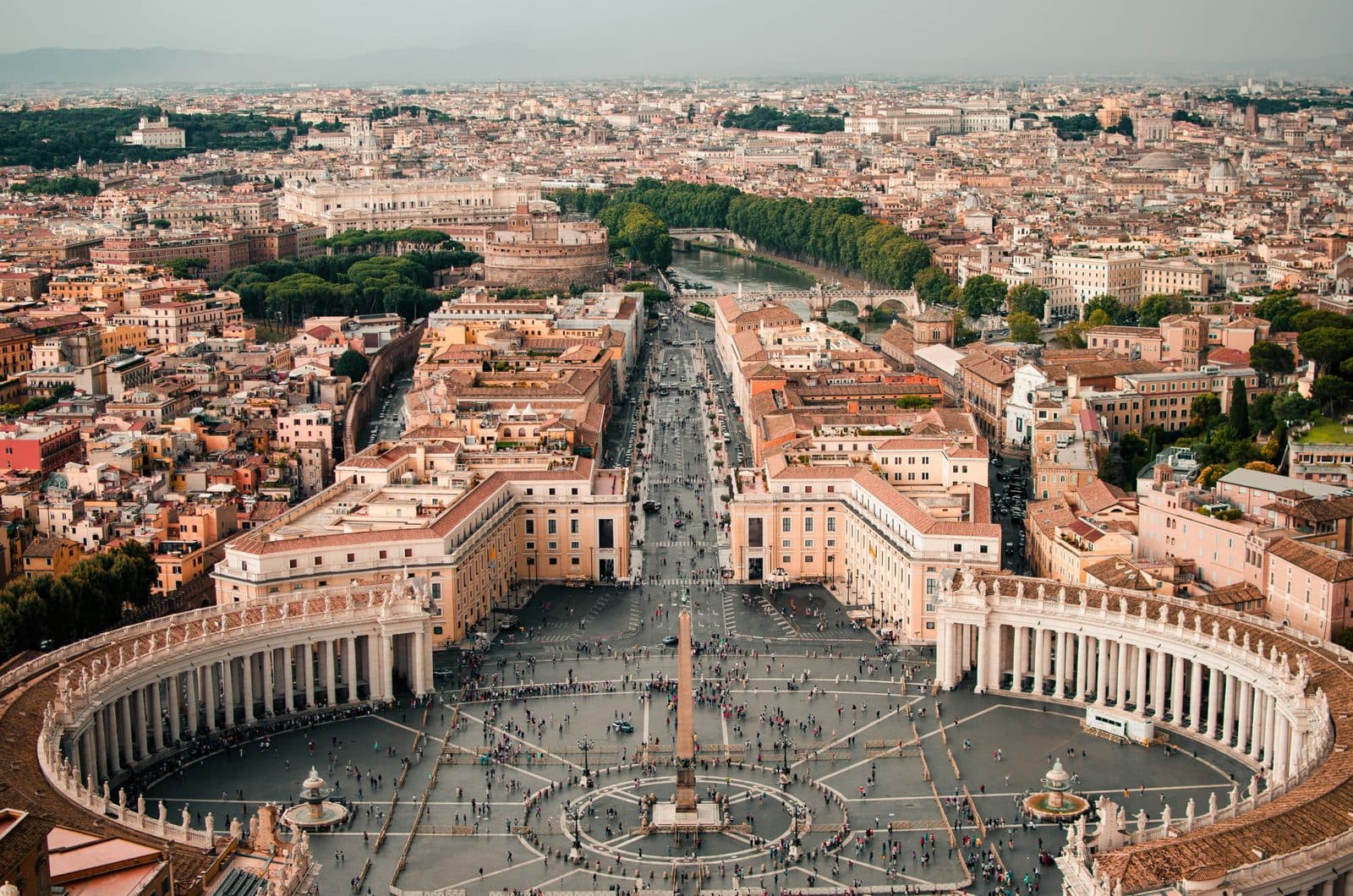
Best Architecture Walking Tours in Rome (2026)
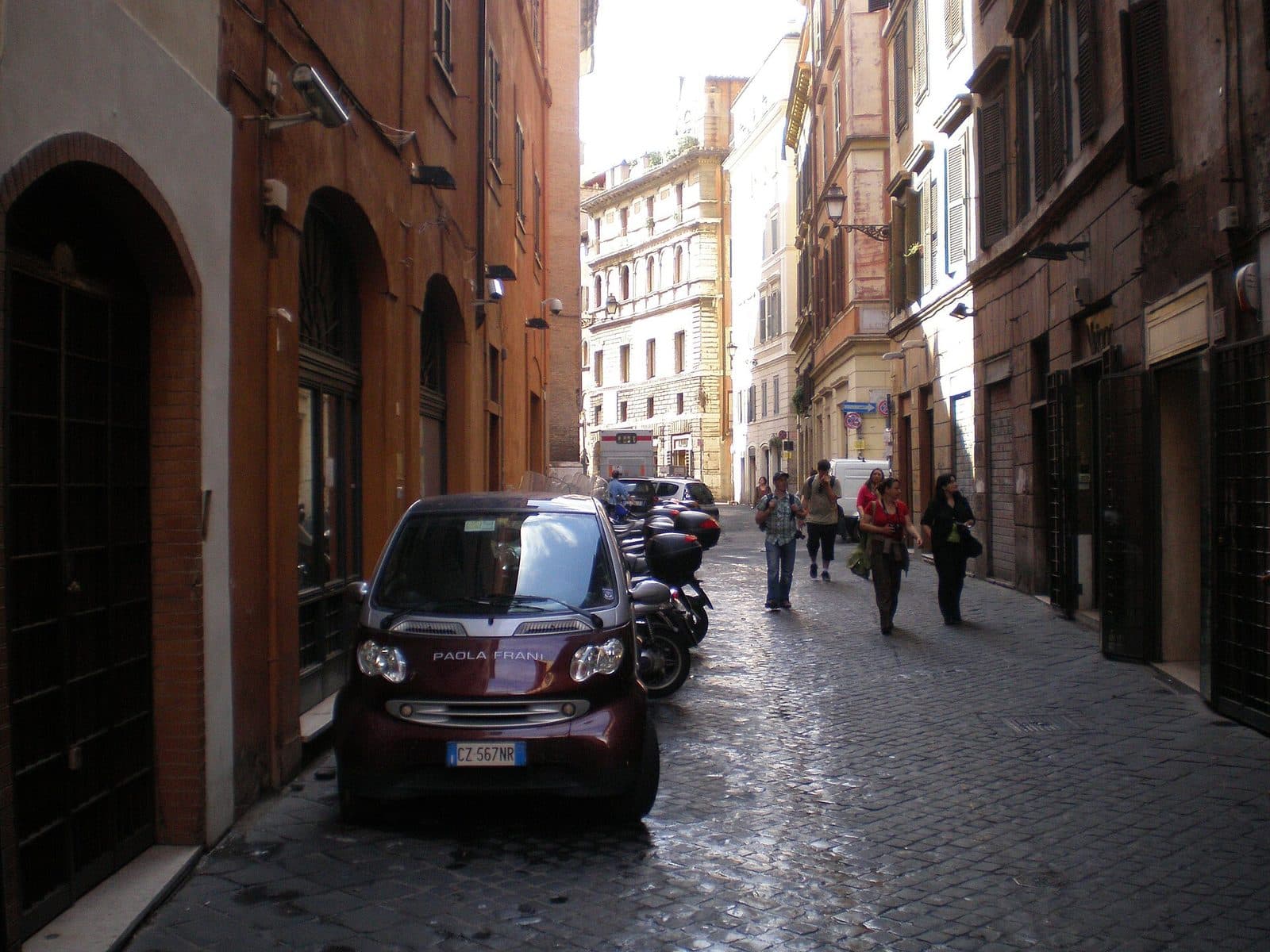
St. Peter's Square and the Surprise Rome Demolished: Borgo, the Spina and Via della Conciliazione
The Aventine's Orange Garden and Keyhole: A Fortress That Became a View
The Water Behind the Trevi Fountain: Following the Acqua Vergine to the Pincio
Palatine Hill: Where Rome Says It Was Born