Rome grew upward, on top of itself, and the Flavian Amphitheatre is the clearest lesson in that habit written at monumental scale. Stand at the eastern edge of the Roman Forum and look at the great stone oval most people call the Colosseum, and you are looking at the newest thing on a very old spot. Rome's tourism office says it rose on the ground between the Palatine, Esquiline and Celian hills that had been occupied by the artificial lake of Nero's Golden House. To read it properly you have to read it as the top floor of a much taller history.
The building the Flavians named after themselves
Its correct name is the Flavian Amphitheatre, after the ruling family that built it. Rome's tourism office says construction began under the emperor Vespasian in the year 70 and ended in 80, under his son Titus. Some sources put the start in 72, so treat the opening date, 80, as the firm one. "Colosseum" is usually traced to the colossal statue of Nero that stood nearby; the city's tourism site states that as fact, while other writers call it the leading theory.
The measurements are easier to trust than the crowd figures. The building is 189 metres long, 156 metres wide and over 48 metres high, in four orders: three tiers of arches framed by half-columns, and a top storey of flat panels and windows that held the supports for a huge awning, the velarium. The arena itself, a wooden floor over sand with hatches and winches beneath, measured 76 by 46 metres. On how many it held, the city's own pages disagree: one says about 50,000, another says the capacity was never precisely established and is generally thought to be about 73,000. Rome has always described itself in round, boastful numbers, and this is one of them.
What was here before
Hear a stop from this walk
Tarpeian Rock: The Cliff and the Church
The real story of this spot is the ground, not the seating. Before the amphitheatre, Nero's Golden House, the Domus Aurea, covered this part of the city, and an artificial lake lay at the centre of its grounds, a sheet of private water in the most public city in the world. The usual telling is that the Flavians answered Nero with architecture: they built a place of mass entertainment on the lake's site and gave the ground back to the people. It would overstate the case to say they erased the whole Golden House to do it. What the city's own text supports is narrower and still striking: a monument for everyone stands where one emperor's private water once lay.
The top floor, then the quarry
Rome did not leave the amphitheatre alone either. The emperor Valentinian III abolished the gladiator games in 438, according to Rome's tourism office, and the building's second life began. Earthquakes did the next damage: the national civil protection service records serious damage in 1349, and in 1703 the fall of two or three arches of the outer ring on the south side. Then the stone was taken. The city's tourism site says that in the Middle Ages and the Renaissance the Colosseum served as a quarry for building materials, as shelter for animals, and as a home for workshops and houses.
Look at the upper tiers and you can see the habit in the holes. Iron clamps once held these travertine blocks together; the holes are where they were pulled out. The broken south side, where the outer ring is missing, shows the layers of the building the way a cut shows a cake. Rome built the Colosseum out of an emperor's lake and then built other things out of the Colosseum.
Why this is the perfect place to learn to look at reuse
Most visitors approach the amphitheatre as a ticket to buy and a queue to join. The reading that matters here costs nothing. The piazza and the footway around the building are free at any hour, and the interior needs a separate name-bound, timed ticket.
Rome does this everywhere, and once your eye adjusts you cannot stop seeing it. The Arch of Constantine, a few steps away, was assembled from sculpture lifted off older monuments, with the faces reworked. A twelfth-century church sits on a fourth-century basilica sits on a first-century street, and you can read that stack at San Clemente, a few hundred metres east. Temples ended up under houses, houses under churches, and a private lake ended up under a stadium. The city almost never started from a blank site.
Standing in front of it
Walk the outside first. Give the south side a moment, where the missing outer ring turns the building into a cross-section, then follow the curve round to the east end and the north face. Early morning and late afternoon light is kinder to the stone and to the crowds. Keep bags zipped and in front of you, because the square around the amphitheatre and the arch is one of the densest tourist zones in the city and pickpockets work it.
That is also how the walk this stop belongs to begins. Colosseum and Roman Forum: Rome Built From Rome starts at the Arch of Constantine, circles the amphitheatre on free ground, then follows Via dei Fori Imperiali past the Basilica of Maxentius and the Forum to the Capitoline Hill. It is a self-guided route you can take at your own pace. Rome's tourism office notes that the avenue was cut in 1931 and 1932 so the Colosseum would be the visual finish line of the road, and the Metro C station that opened there in December 2025 sits between the amphitheatre and the basilica.
If you want to build a longer day around it, browse the full set of Rome walking tours, or read more about visiting Rome. Come back to the amphitheatre knowing what is under your feet, and it stops being a photograph and becomes an argument in stone.
Sources
- Roma Capitale, Turismo Roma: the Colosseum, the Arch of Constantine and Via dei Fori Imperiali. Construction dates, dimensions, the four orders, the arena, the site on Nero's lake, the quarry afterlife and the 438 abolition of the games.
- Dipartimento della Protezione Civile, list of historical earthquakes in Rome. The damage of 1349 and the fall of arches on the south side in 1703.
- Mercati di Traiano, Sovrintendenza Capitolina, "1932, l'elefante e il colle perduto". The cutting of the Velia and the opening of the avenue in 1932.
- Roamer tour dossier for "Colosseum and Roman Forum: Rome Built From Rome" (rome-colosseum-forum), fact-checked October 2026.
Ready to experience it?
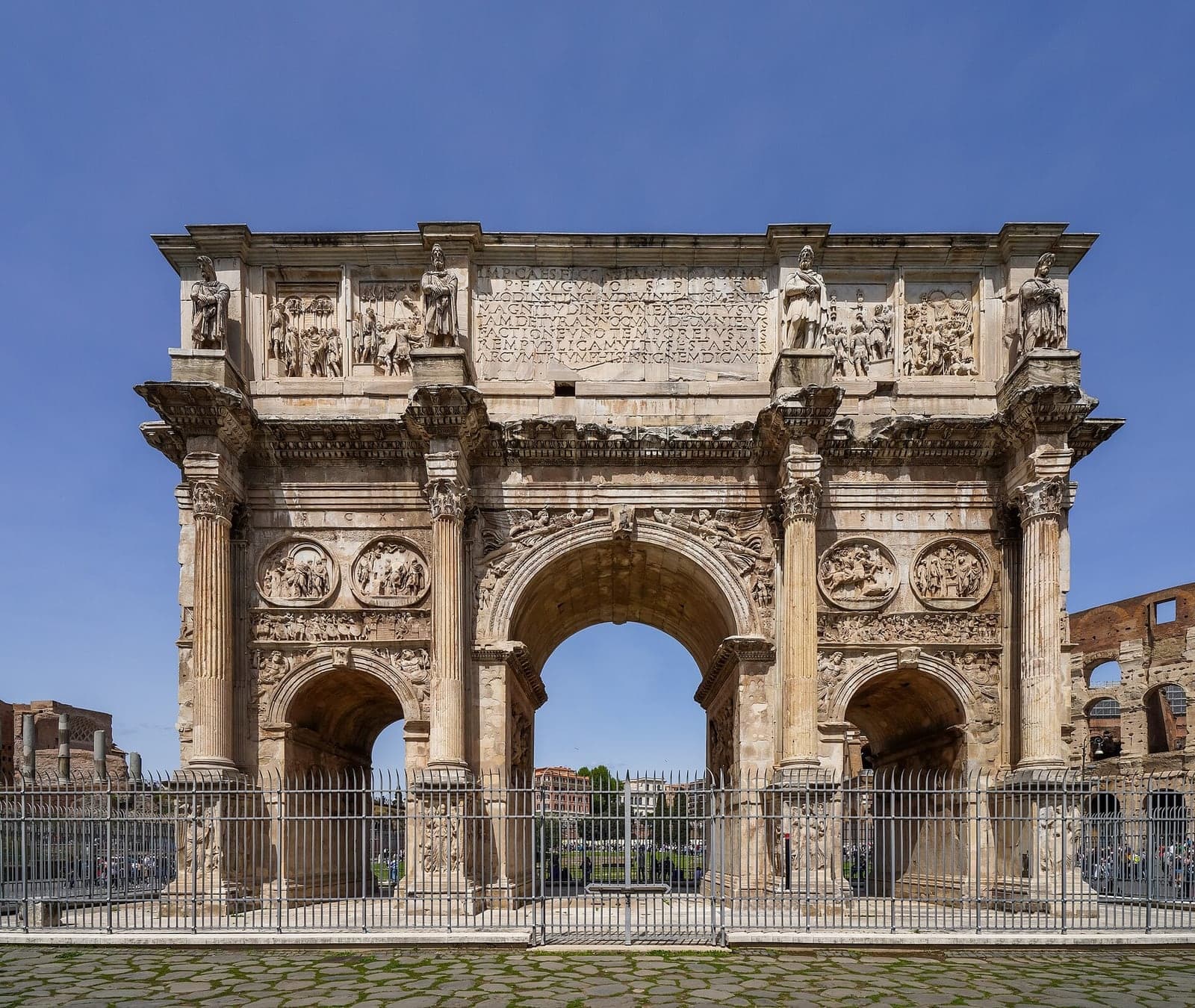
Colosseum and Roman Forum: Rome Built From Rome
75 min · 1.9 km · moderate
More from Rome
Explore more at your own pace.
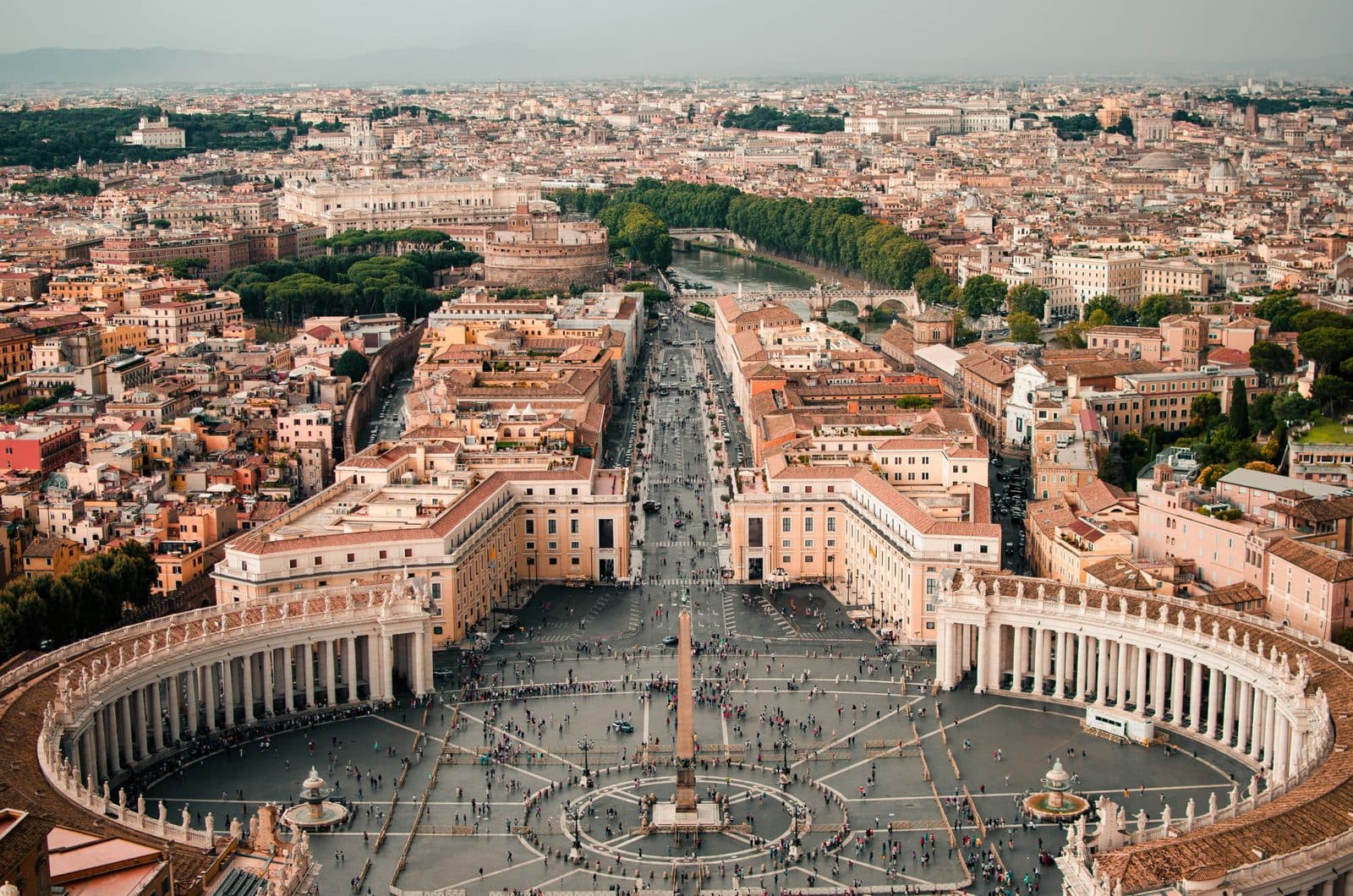
Best Architecture Walking Tours in Rome (2026)
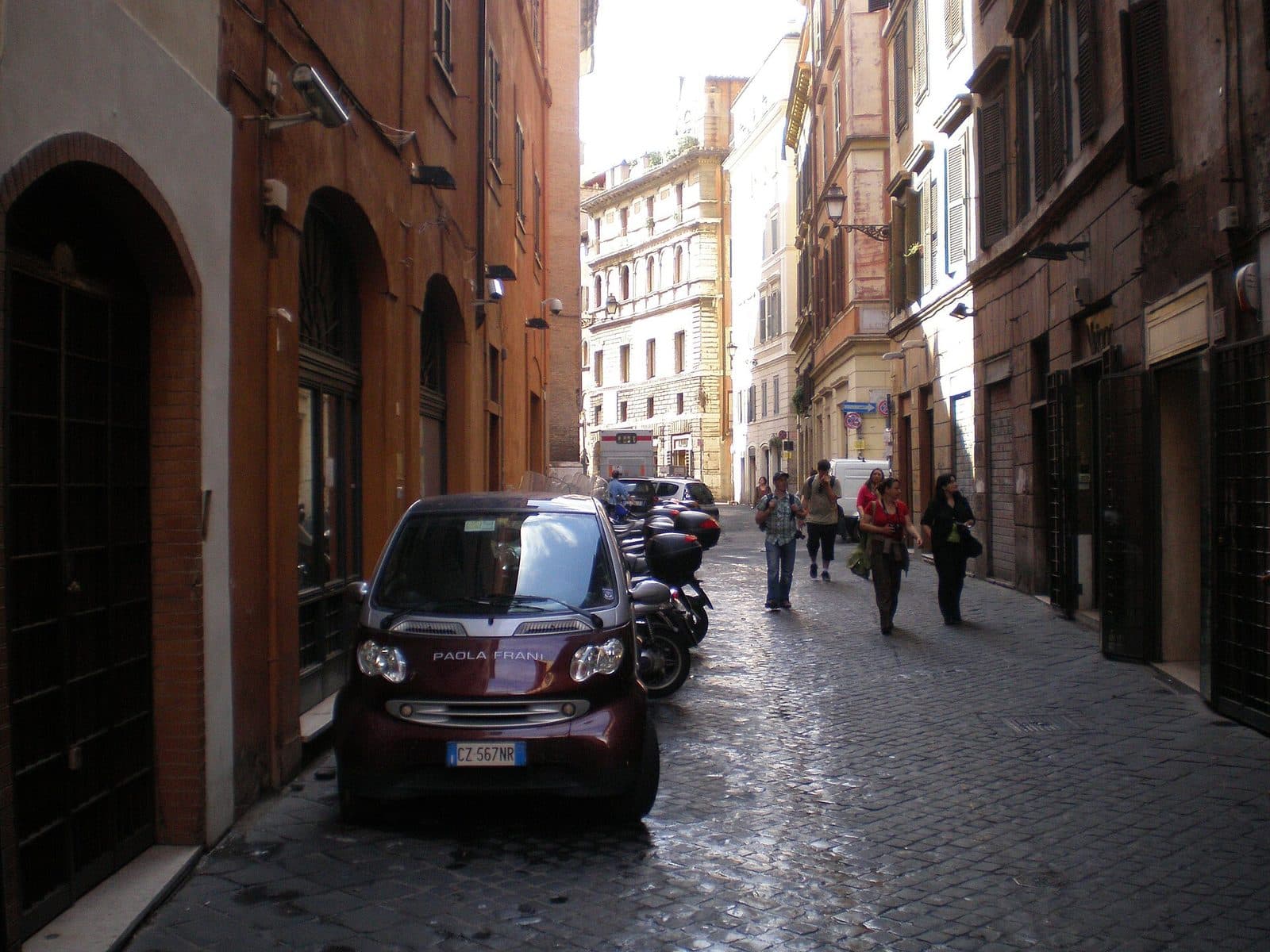
St. Peter's Square and the Surprise Rome Demolished: Borgo, the Spina and Via della Conciliazione
The Aventine's Orange Garden and Keyhole: A Fortress That Became a View
The Water Behind the Trevi Fountain: Following the Acqua Vergine to the Pincio
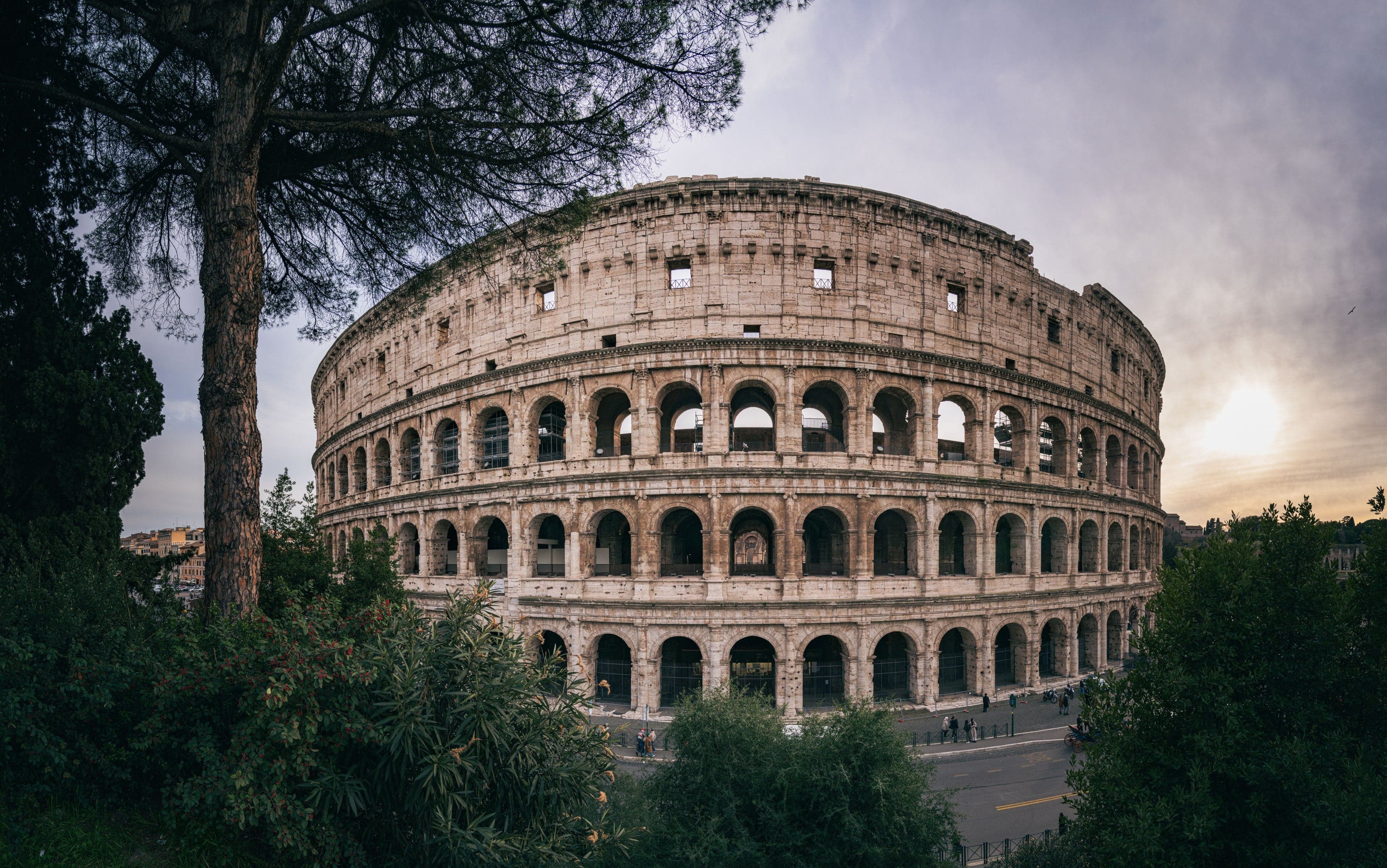
Palatine Hill: Where Rome Says It Was Born