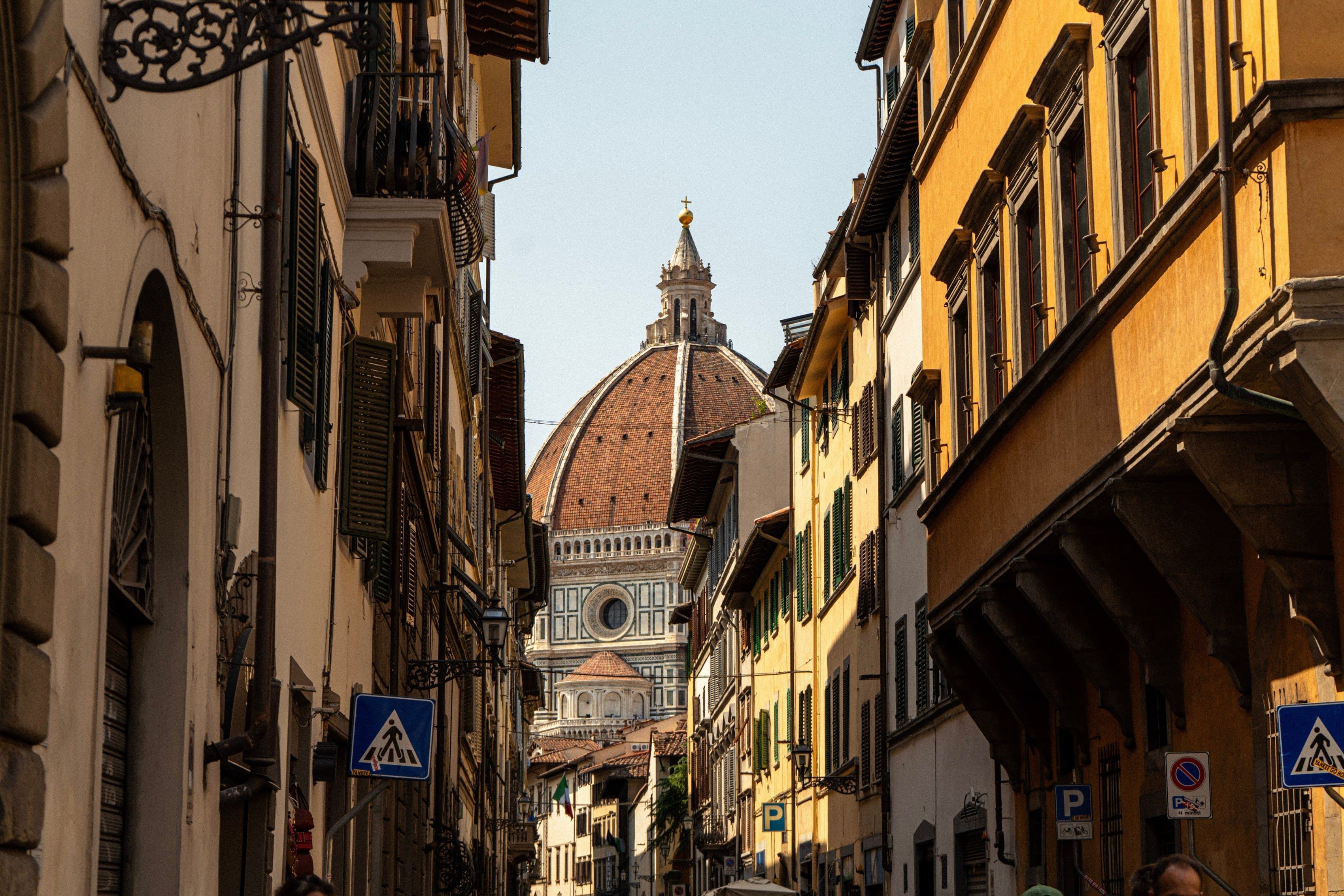
An easy walk across Florence's historic center, from San Lorenzo and the Medici palace past the Baptistery, the Duomo and Dante's quarter to Piazza della Signoria, the Uffizi and the Ponte Vecchio. The story of how the city built the Renaissance, then kept choosing what to show.
Start · San Lorenzo: The Front That Never Came
DirectionsStops
- 1
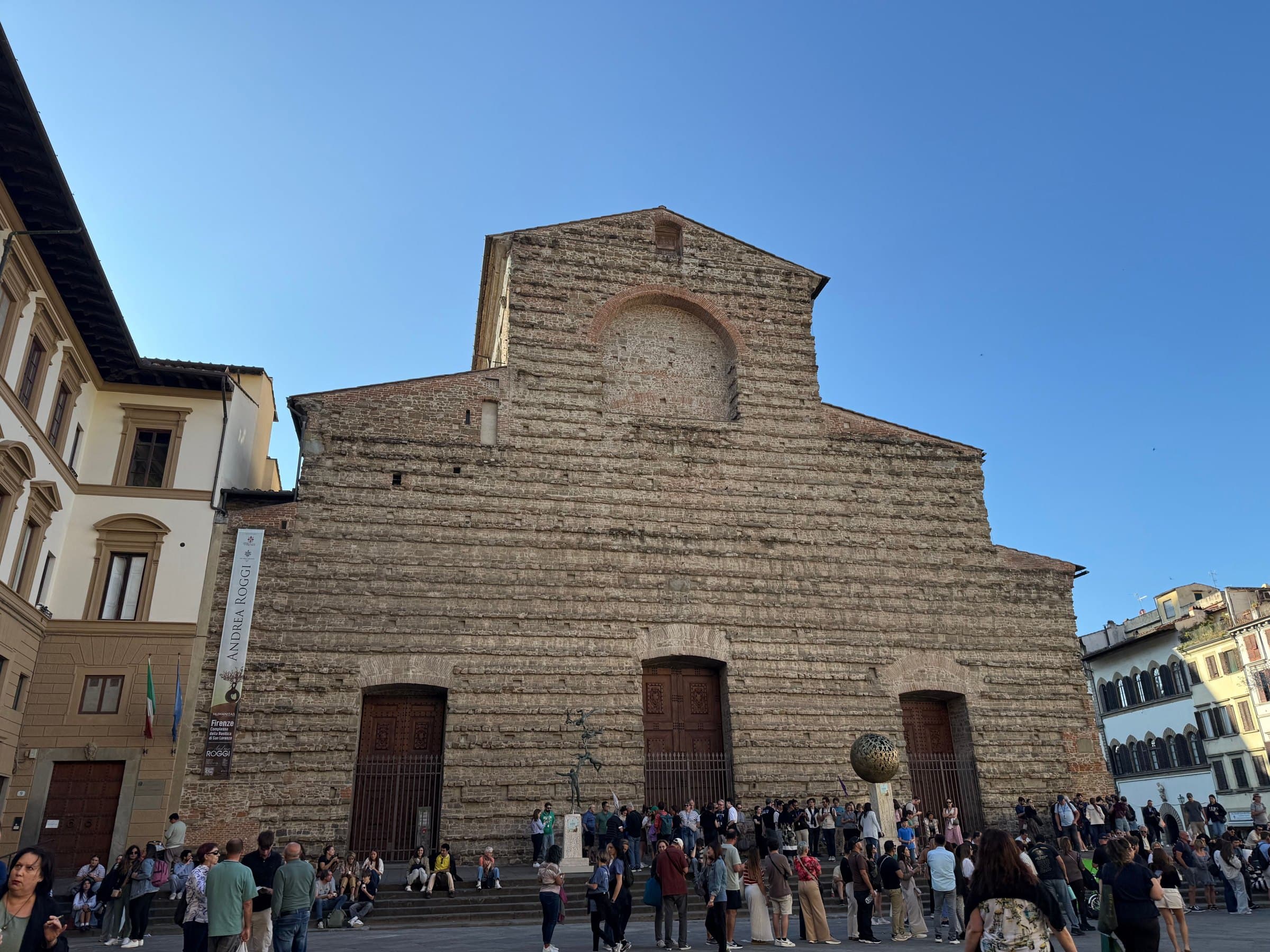
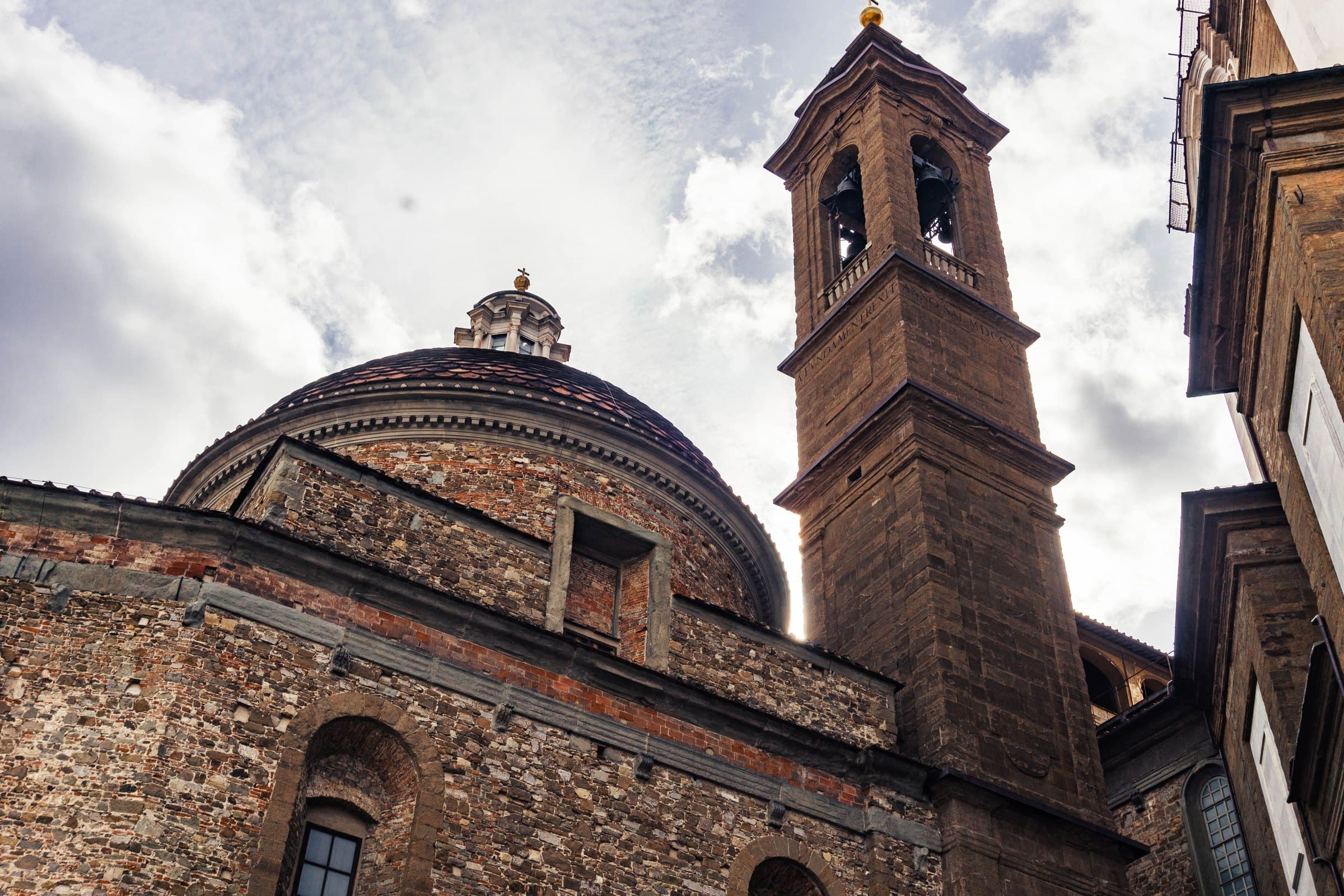
San Lorenzo: The Front That Never Came
The Medici church still has no front. Michelangelo was hired to make one in 1518, and the contract was cancelled two years later.
- 2
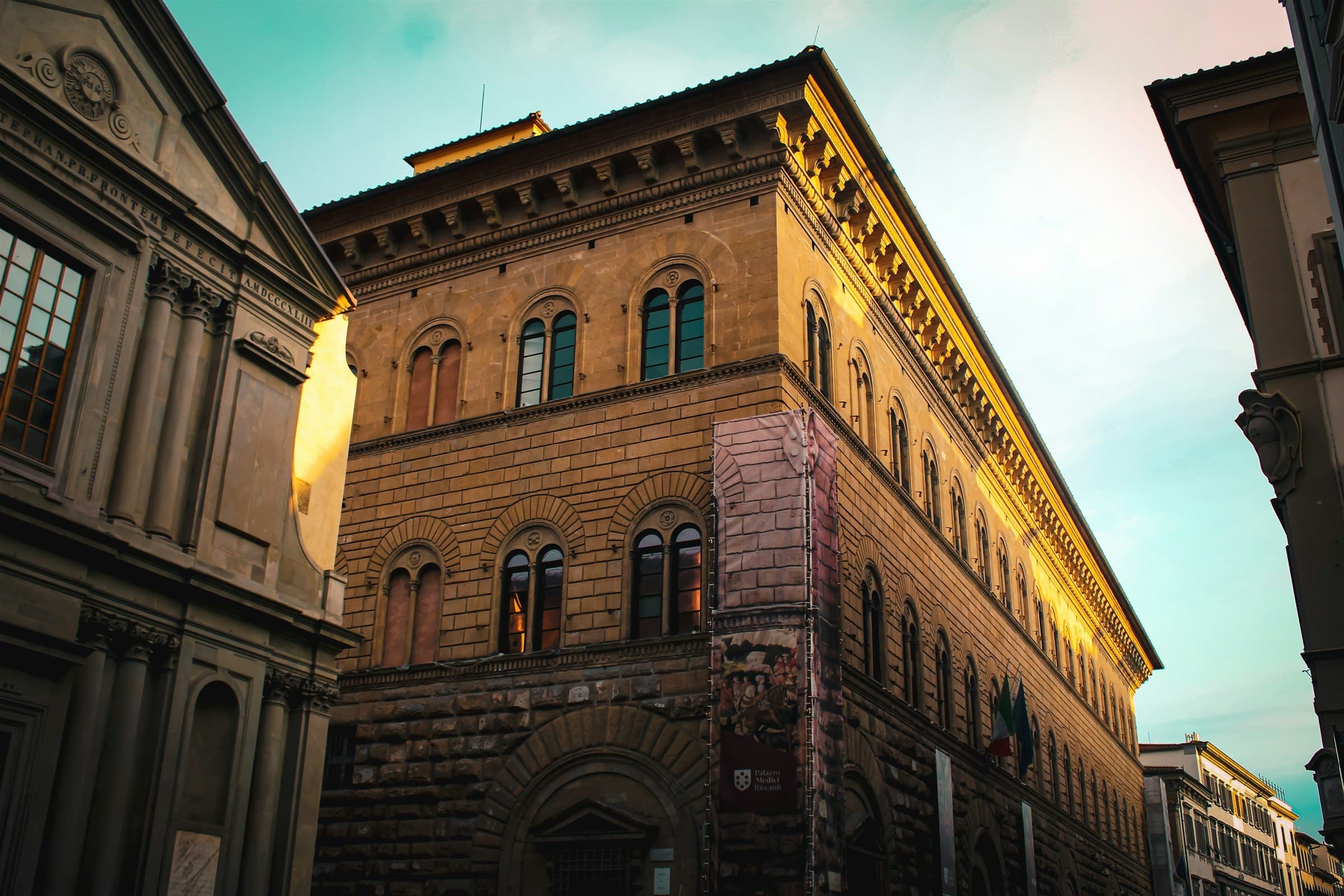
Palazzo Medici: The Corner They Walled Up
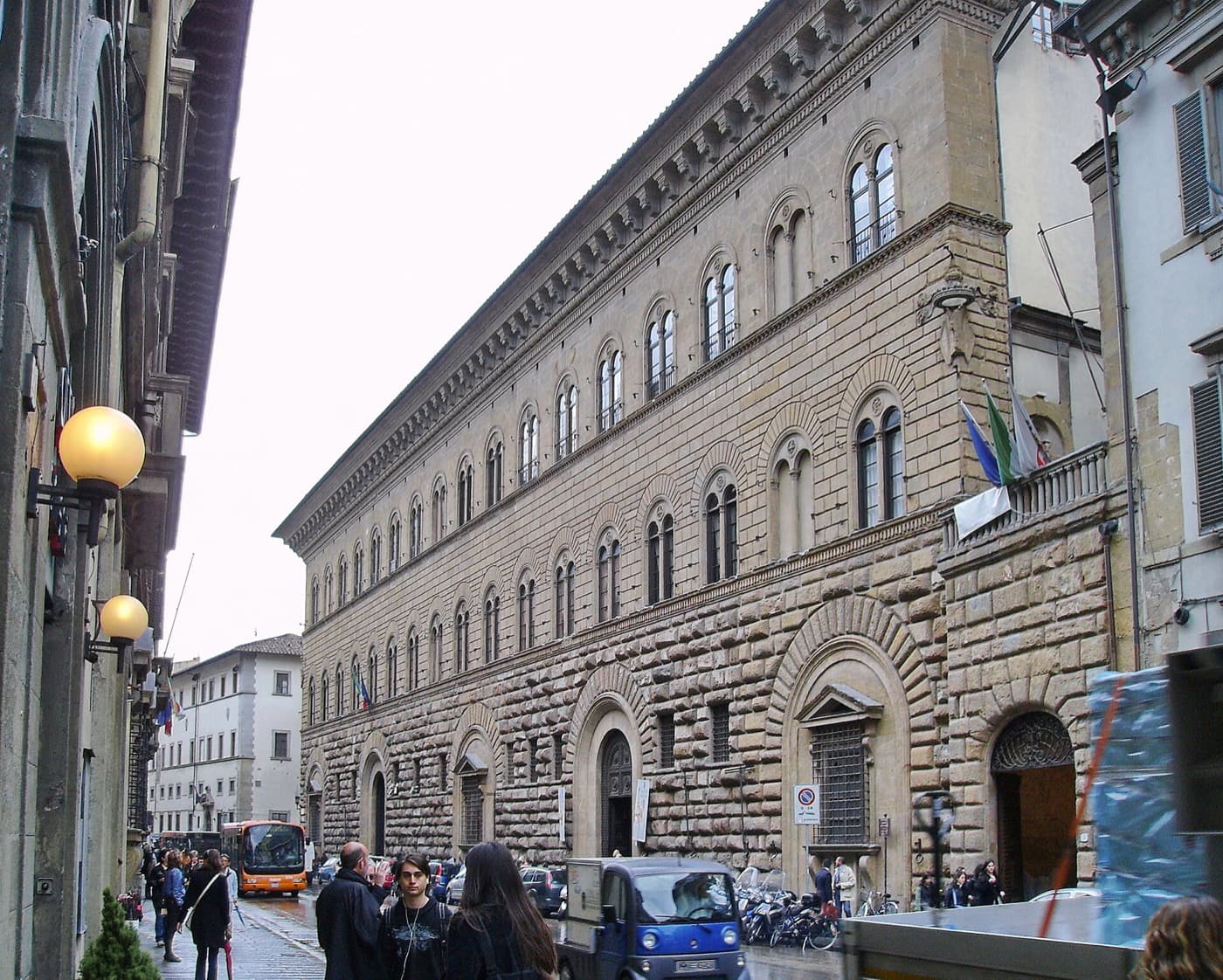
The Medici palace and its walled-up corner. Michelangelo's kneeling windows, and a front the Riccardi extended in the same style.
- 3
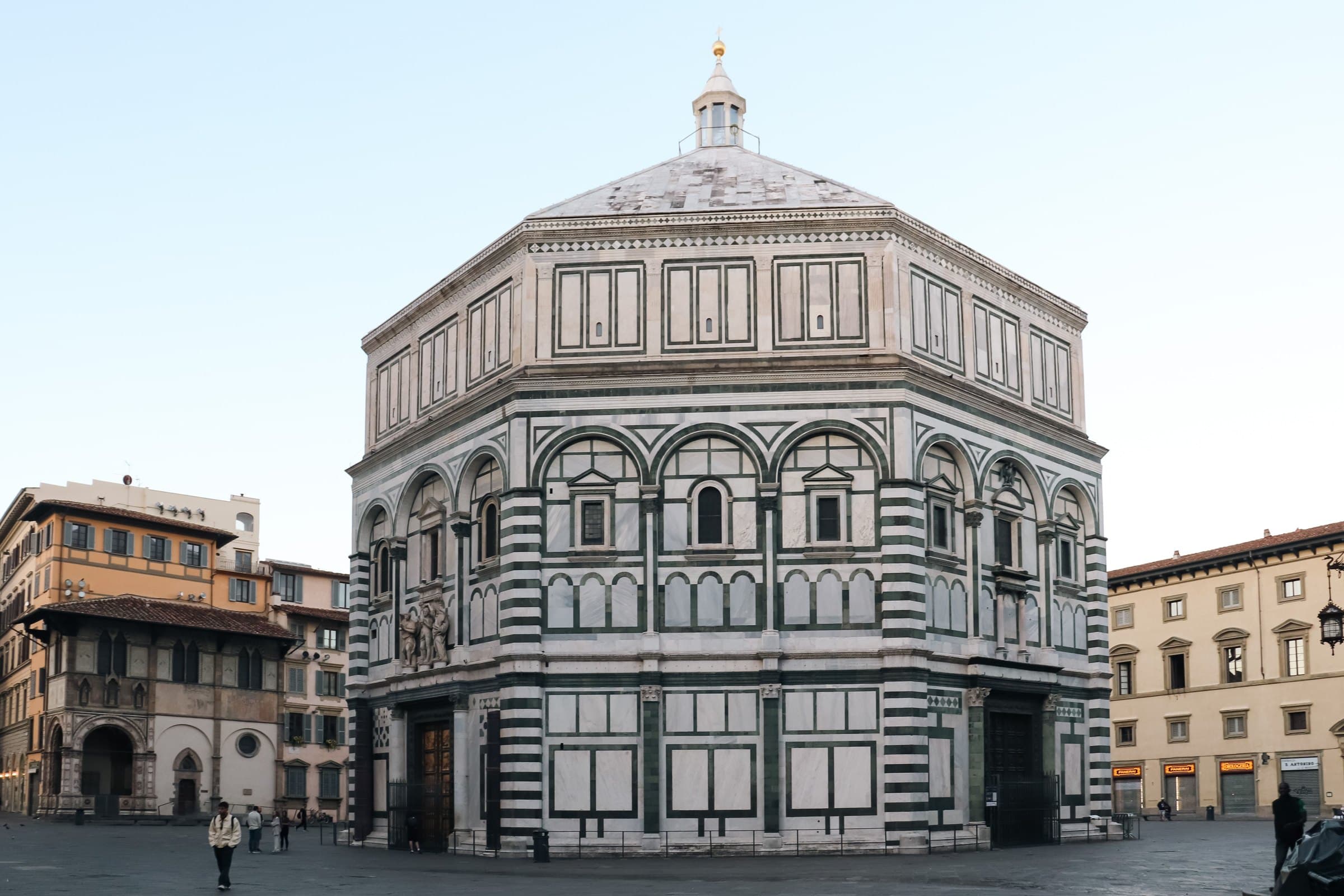
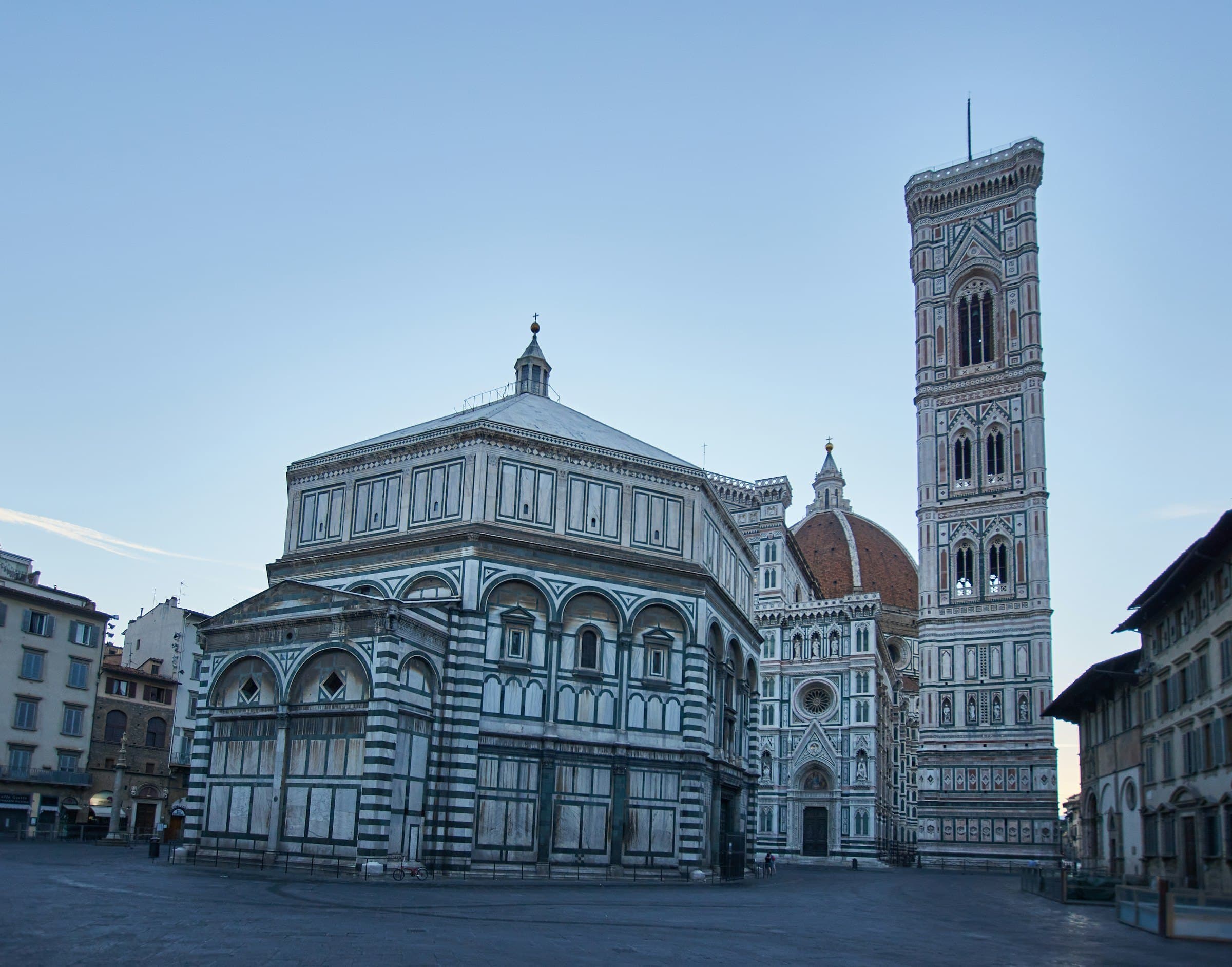
Baptistery: The Gates of Paradise
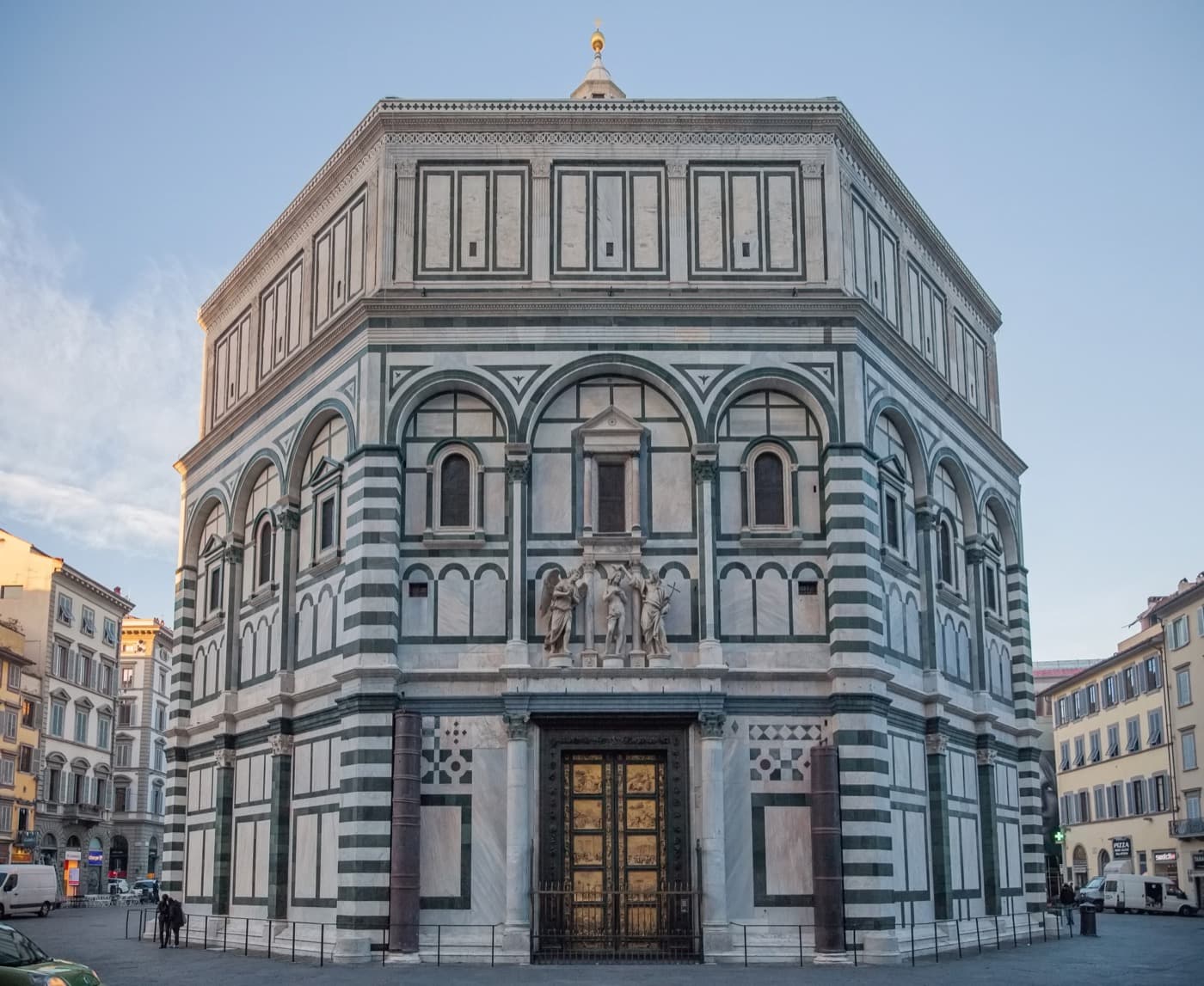
Ghiberti's gilded doors facing the cathedral. Placed here by the guild in 1452, and a copy since 1990.
- 4
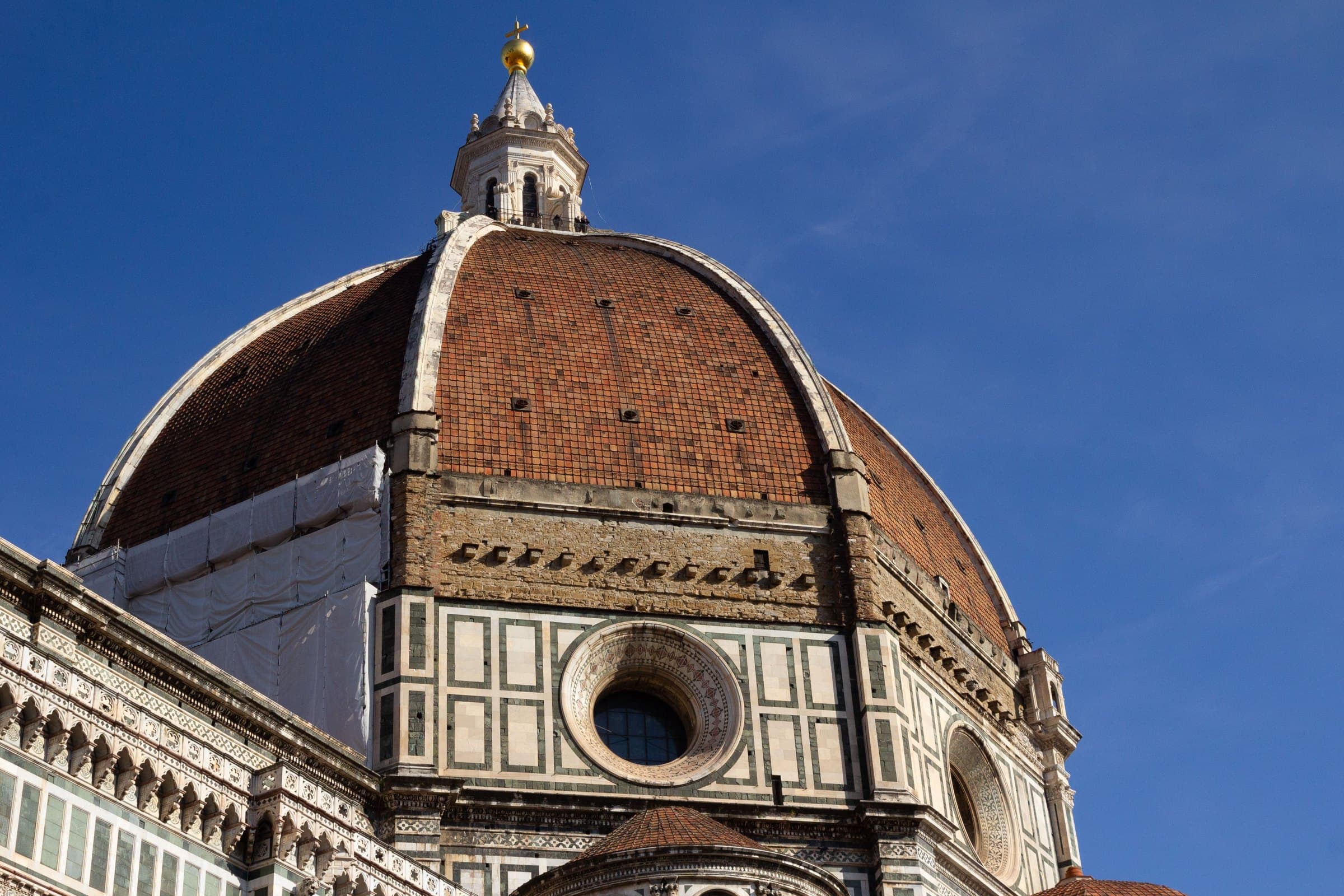
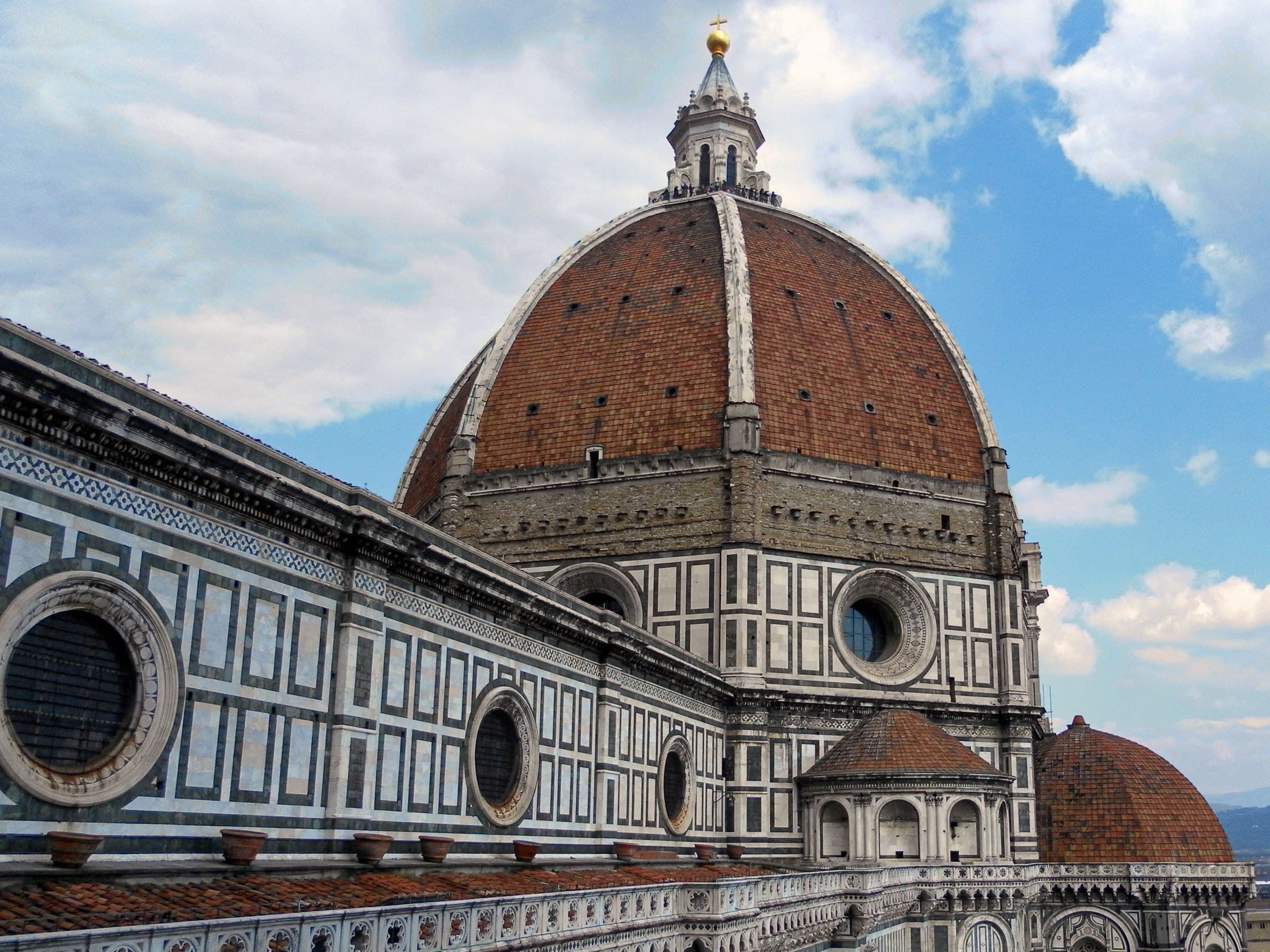
Brunelleschi's Dome: Two Rivals, One Vault
The great dome seen from the south side. Built from 1420 to 1436 without timber centering.
- 5
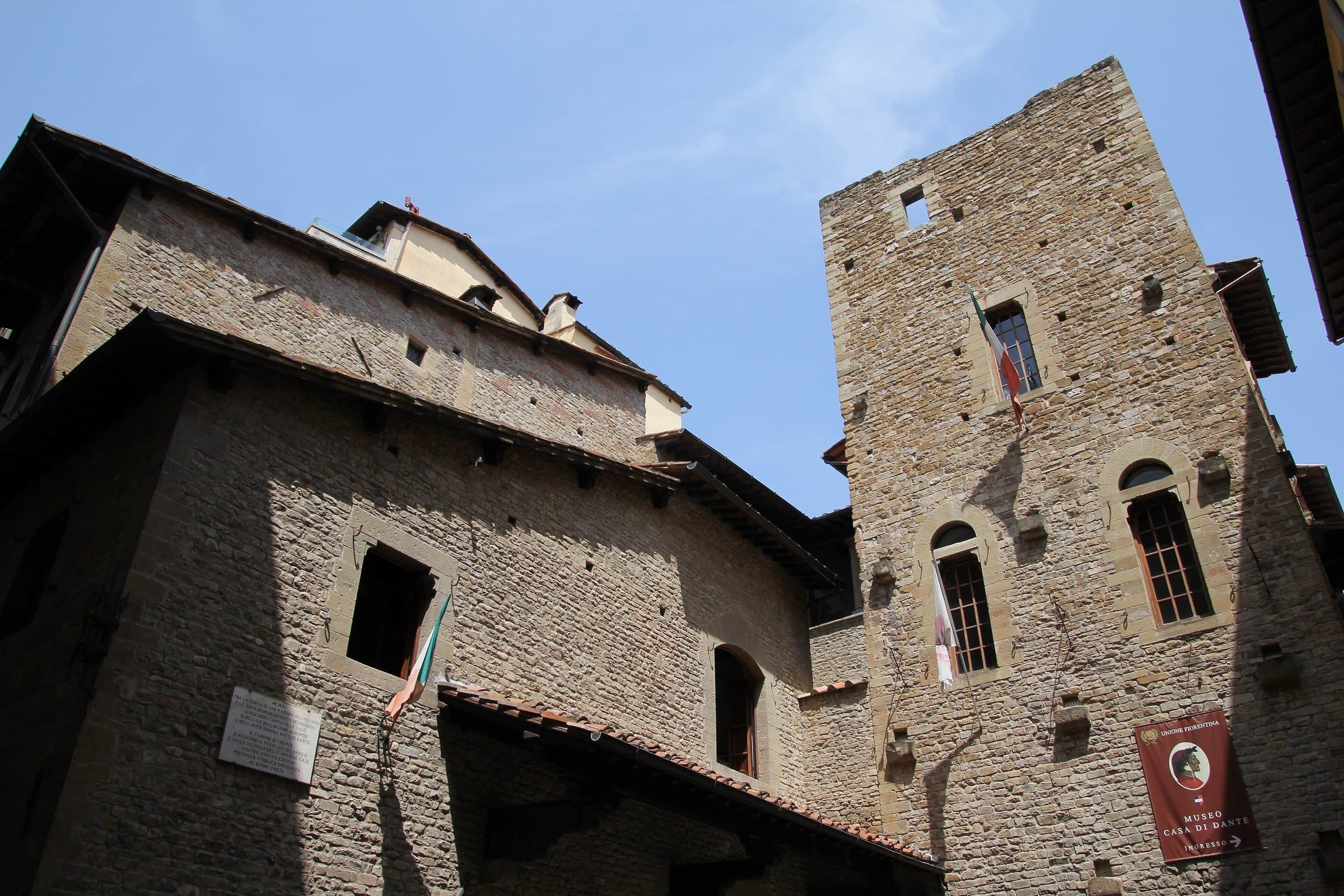
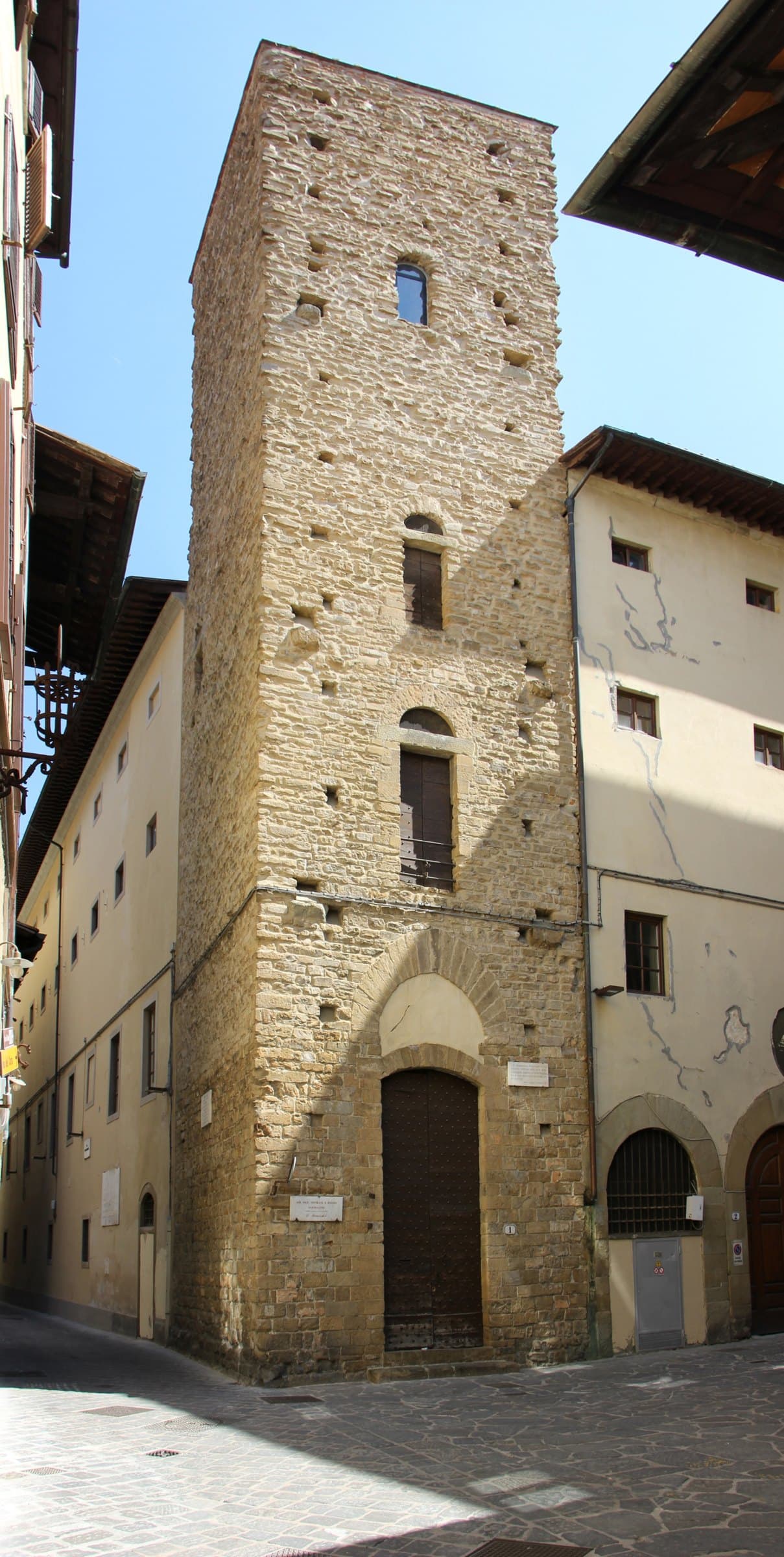
Casa di Dante: A House Built for Dante
Dante's parish and a house rebuilt in 1911. The priors' tower and a lawsuit over a fig tree.
- 6
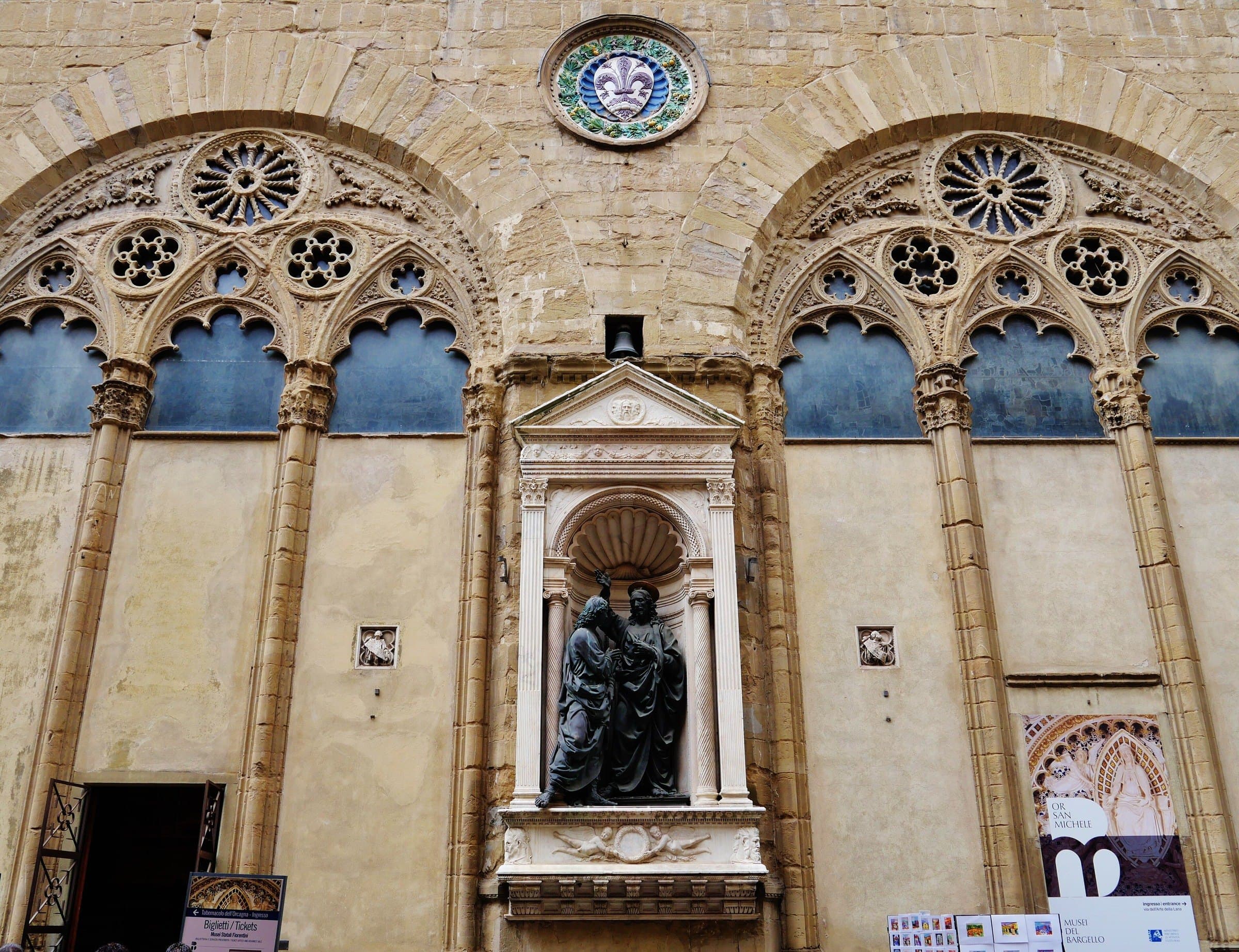
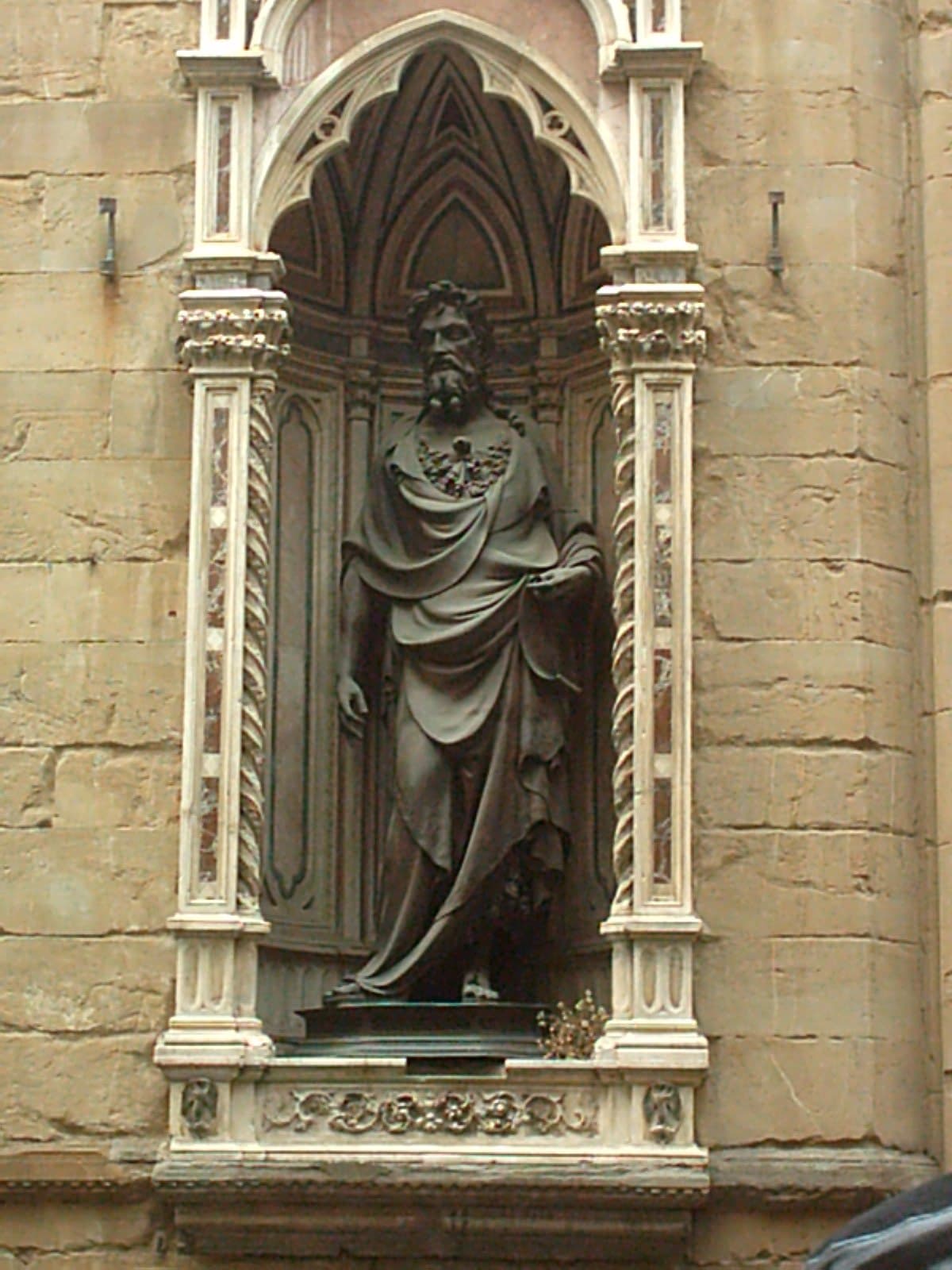
Orsanmichele: The Guilds' Saints
A grain market that became a church. Guild saints by Ghiberti, Verrocchio and Giambologna in its niches.
- 7
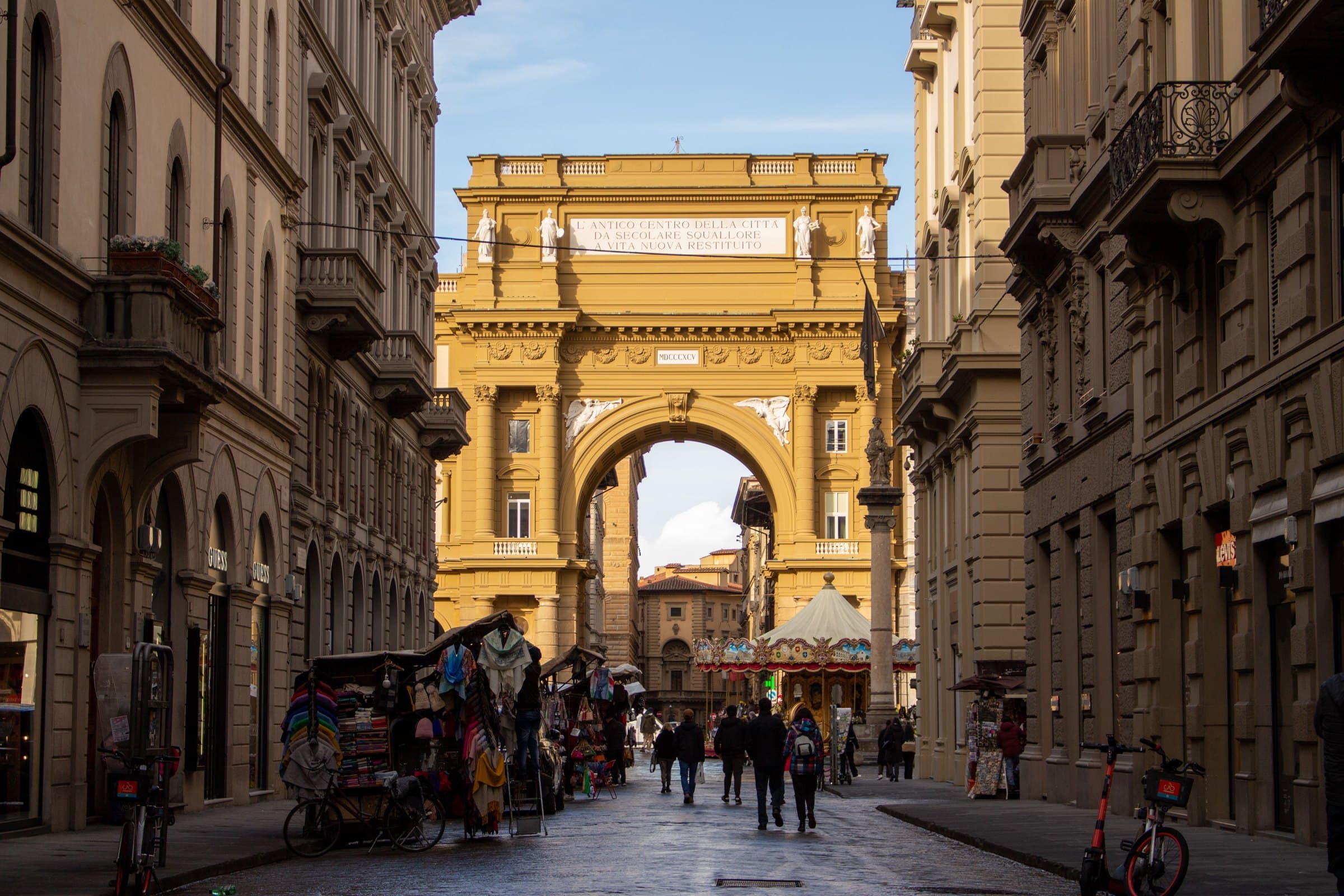
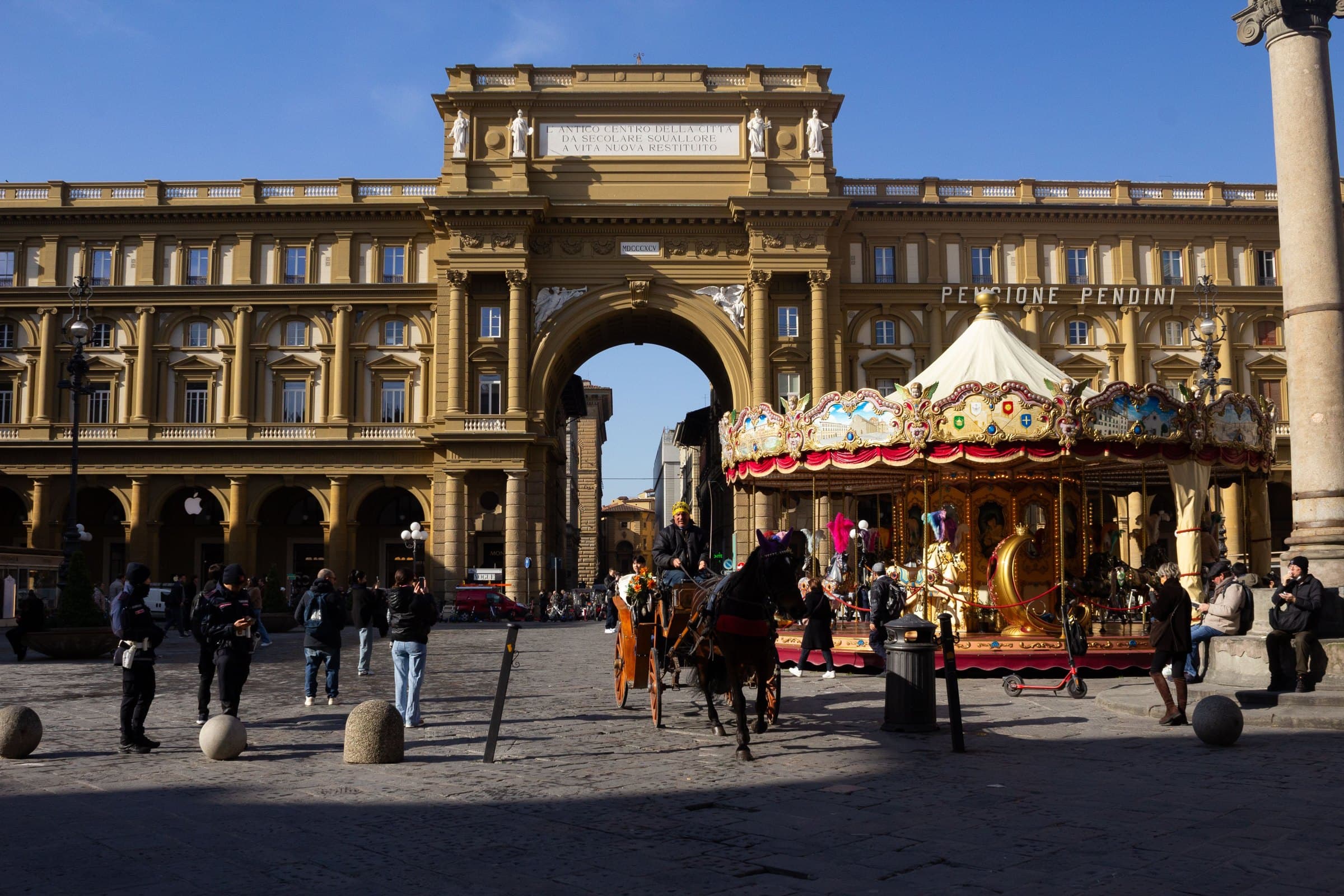
Piazza della Repubblica: The Old Market Cleared
The old market cleared around an arch. On the Roman forum site: the arch, the Column of Abundance and the lost Mercato Vecchio.
- 8
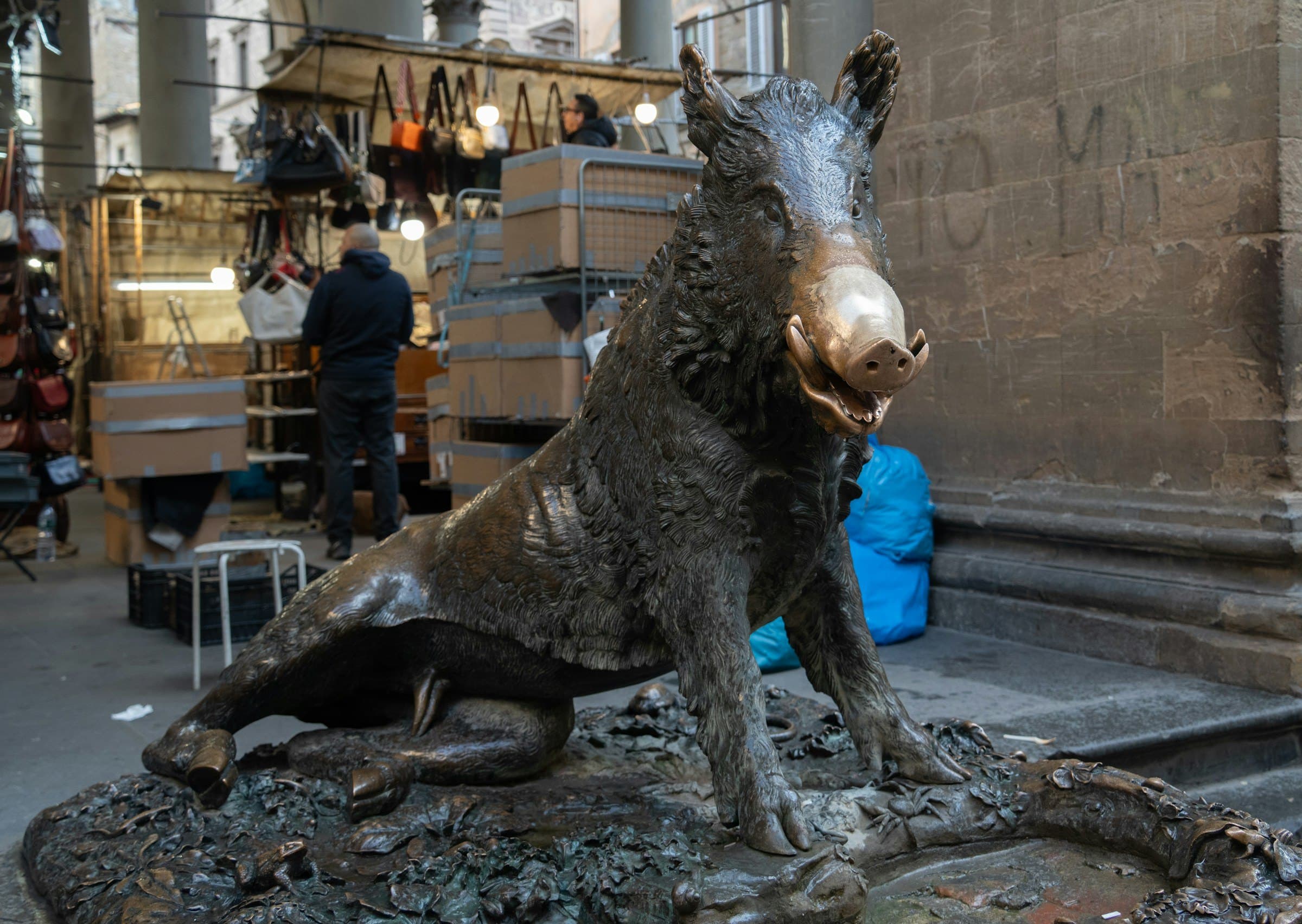
Mercato Nuovo: The Bronze Boar
Cosimo's market loggia and its bronze boar. The Porcellino fountain is a copy of a copy.
- 9
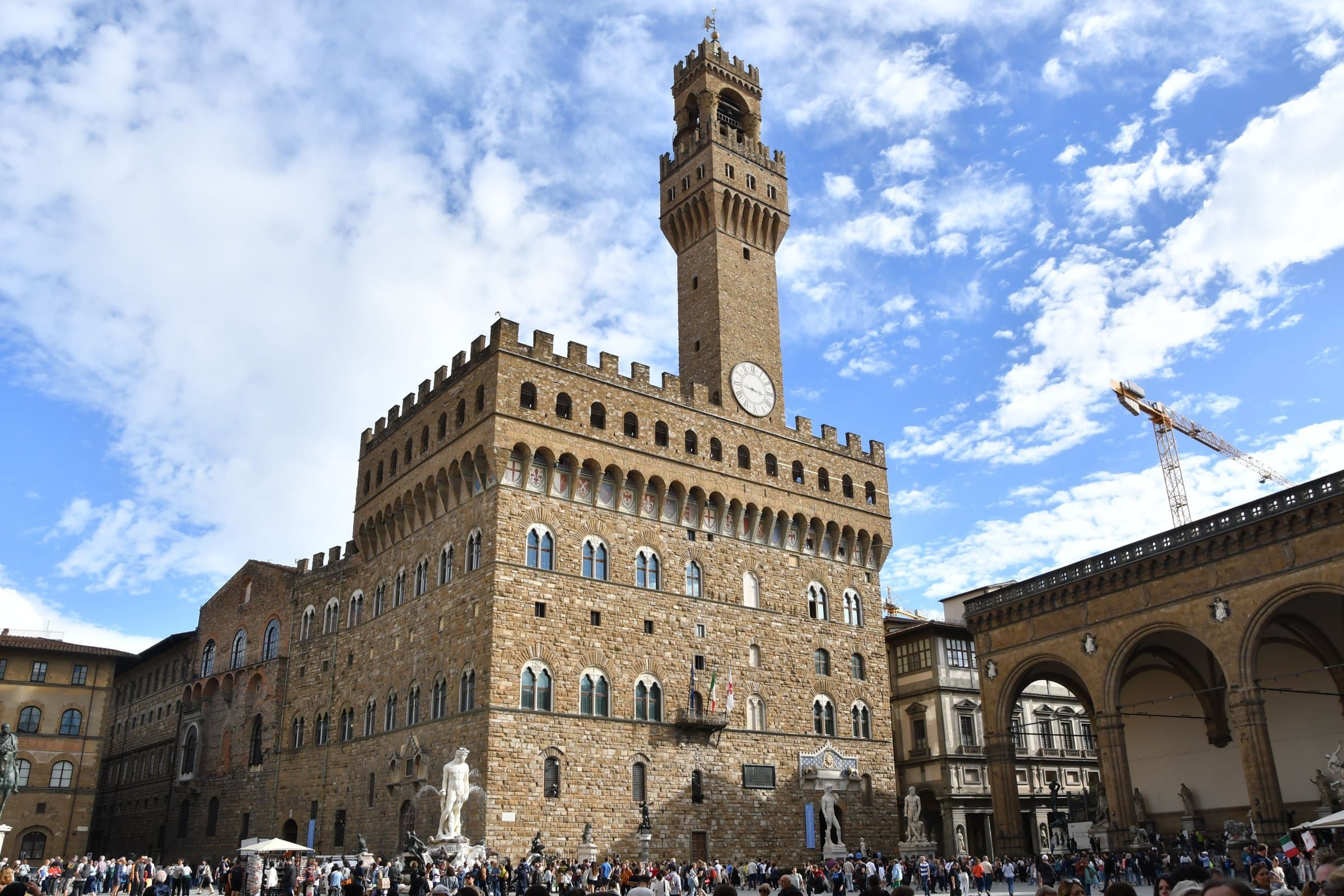
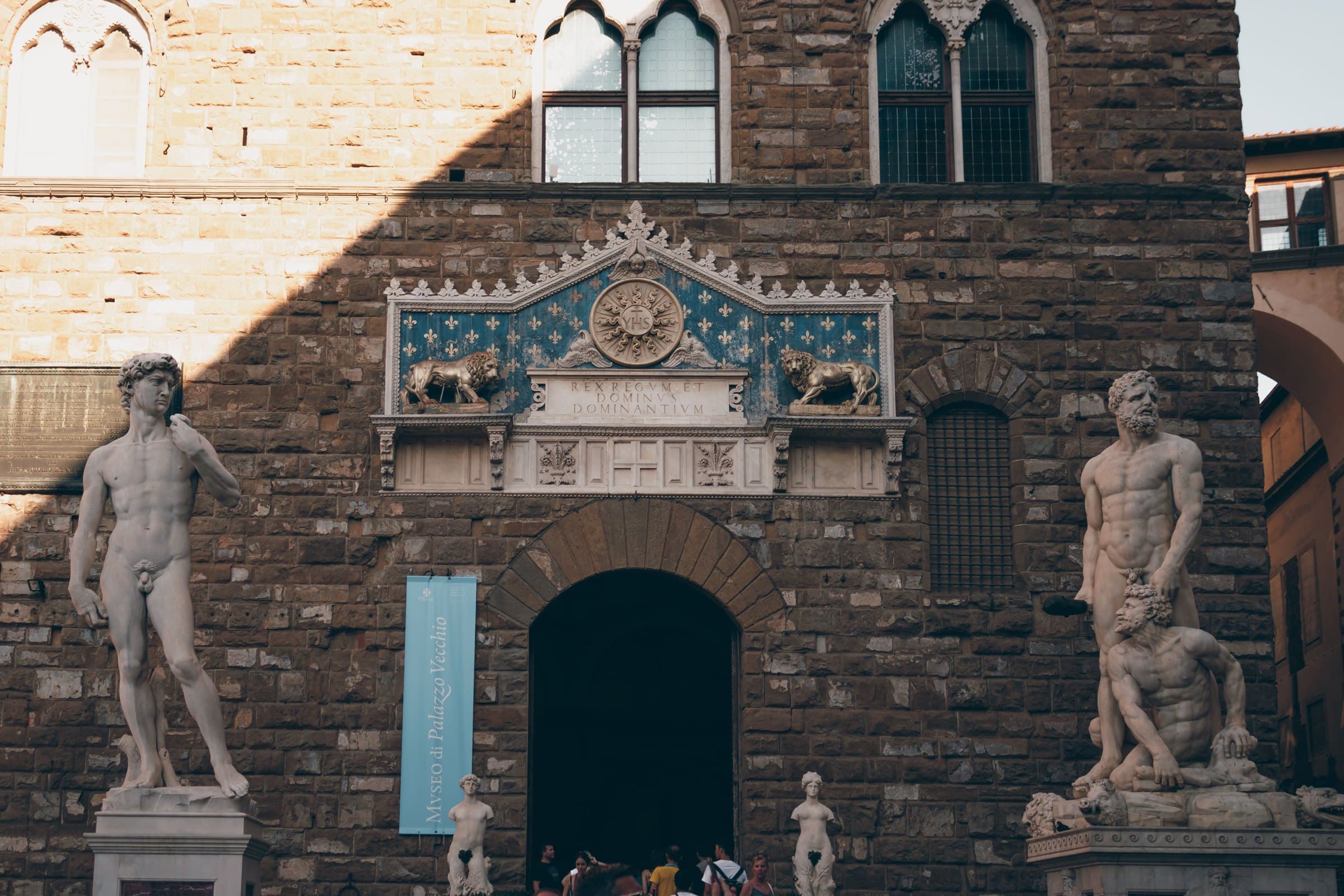
Piazza della Signoria: The Republic's Stage
The square in front of Palazzo Vecchio. Savonarola's pyre, Neptune, the David copy and the Loggia dei Lanzi.
- 10
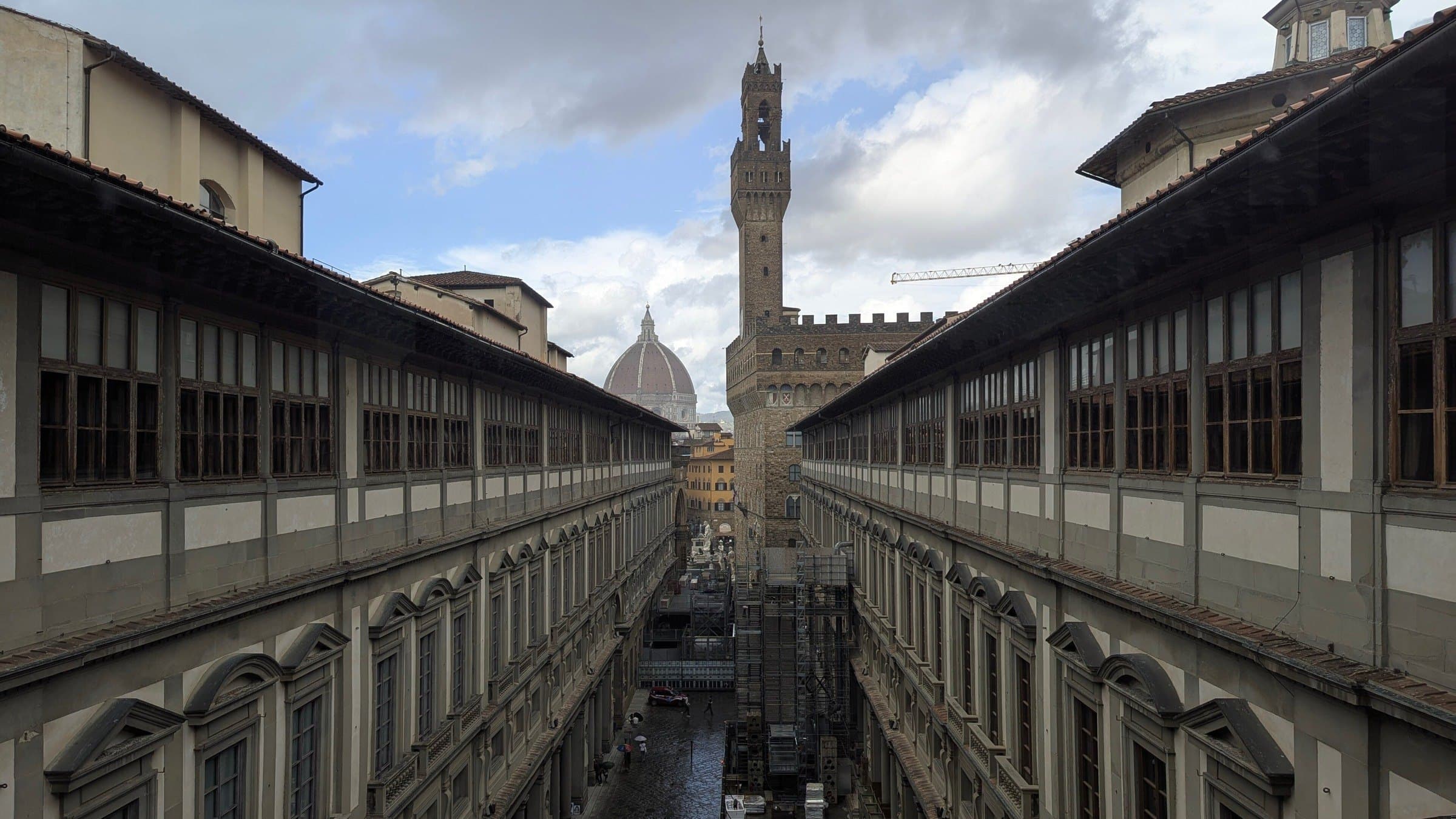
Uffizi: The Duke's Offices
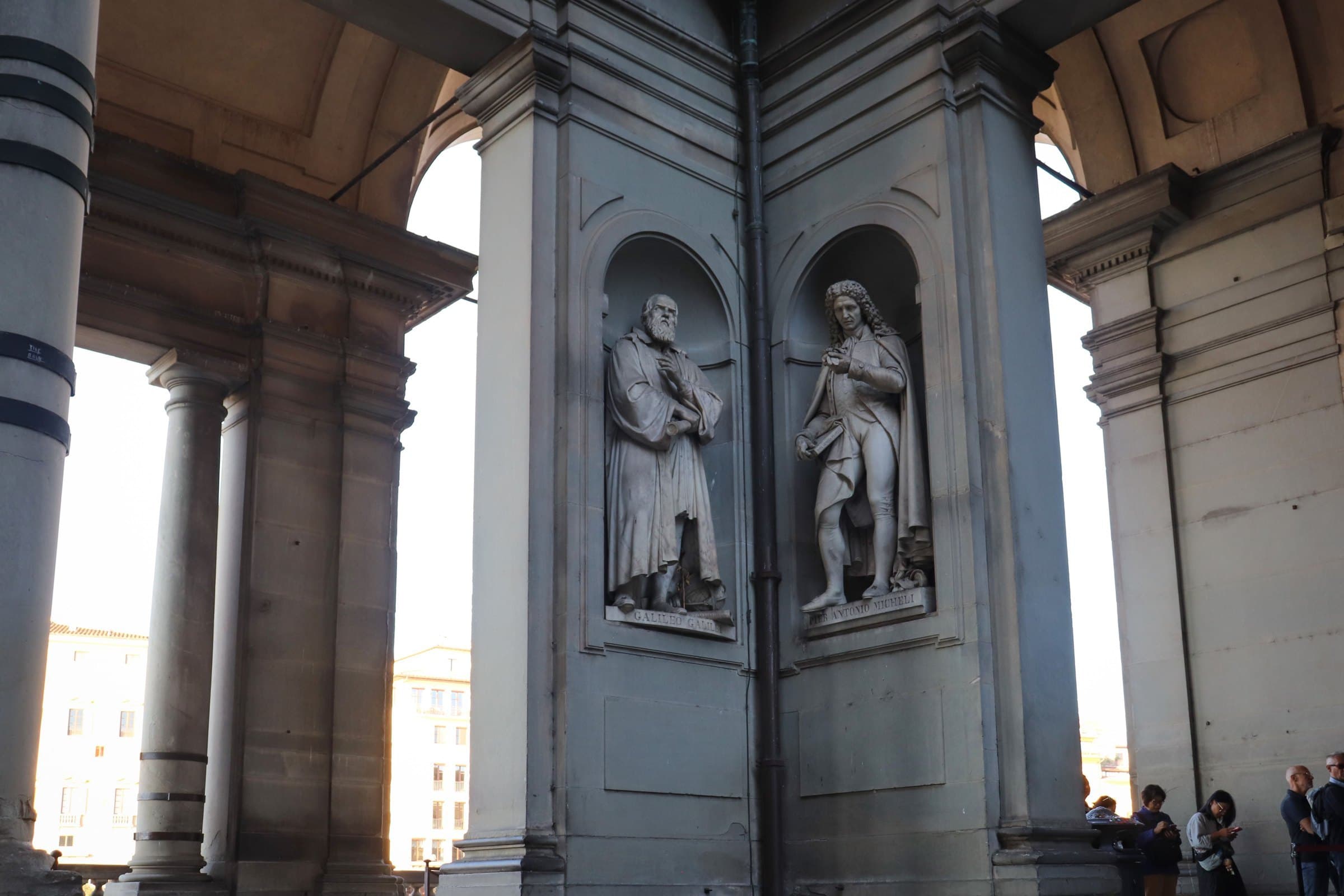
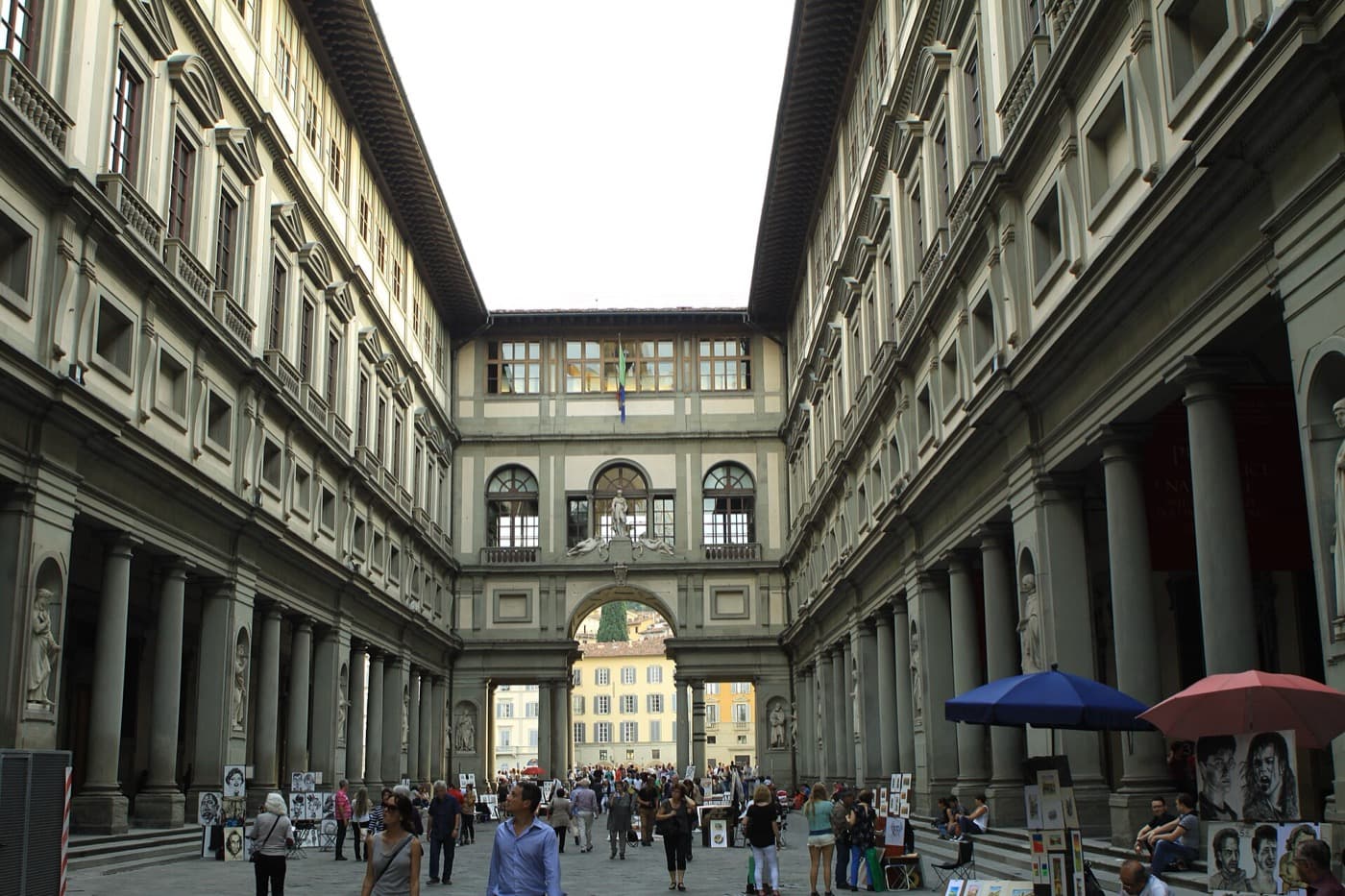
Vasari's office block for the magistrates. Its niches hold 28 nineteenth-century statues of famous Tuscans.
- 11
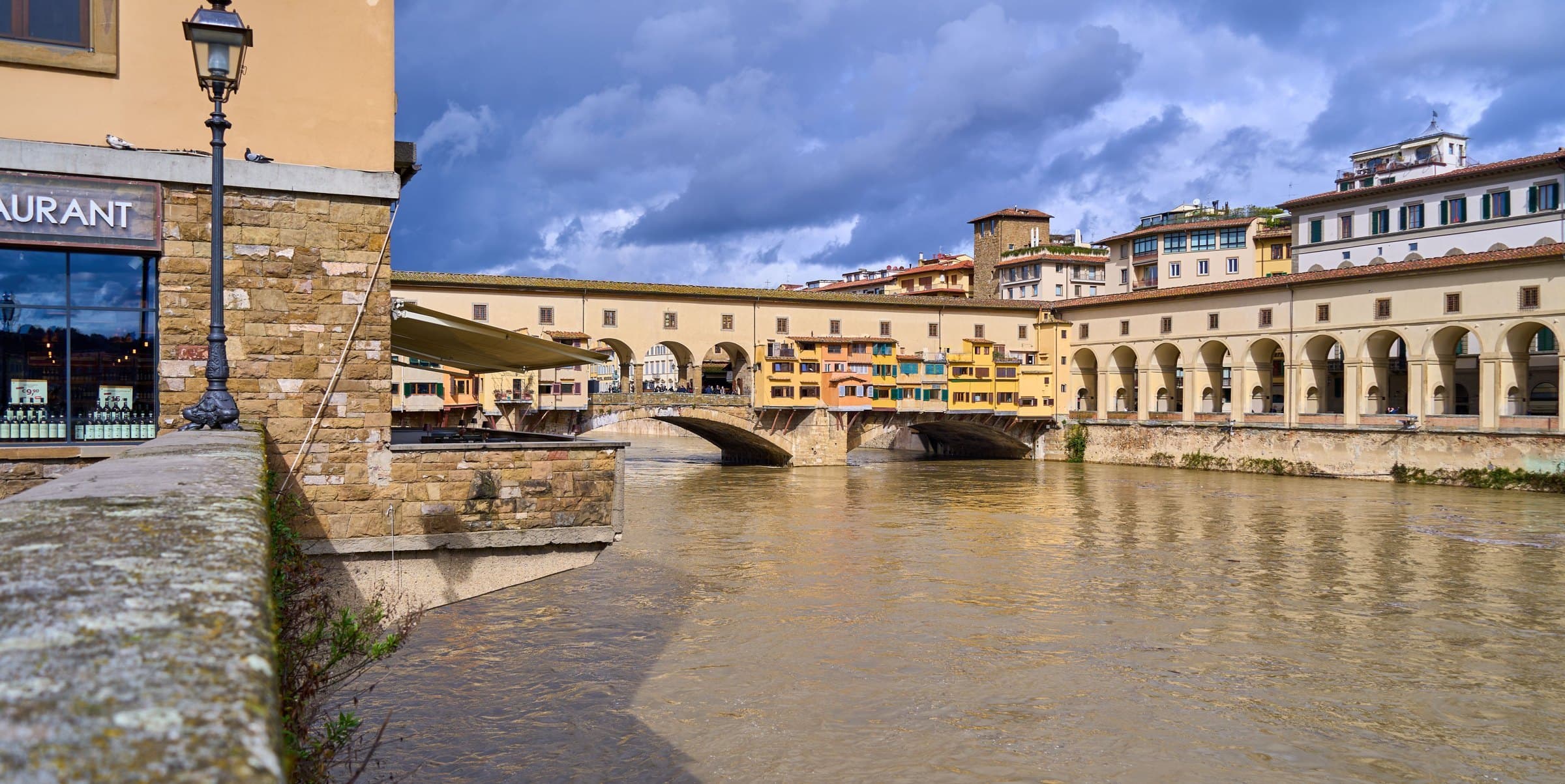
Vasari Corridor: The Duke's Private Passage
The duke's private passage along the Arno. Built in five months in 1565 for a Medici wedding.
- 12
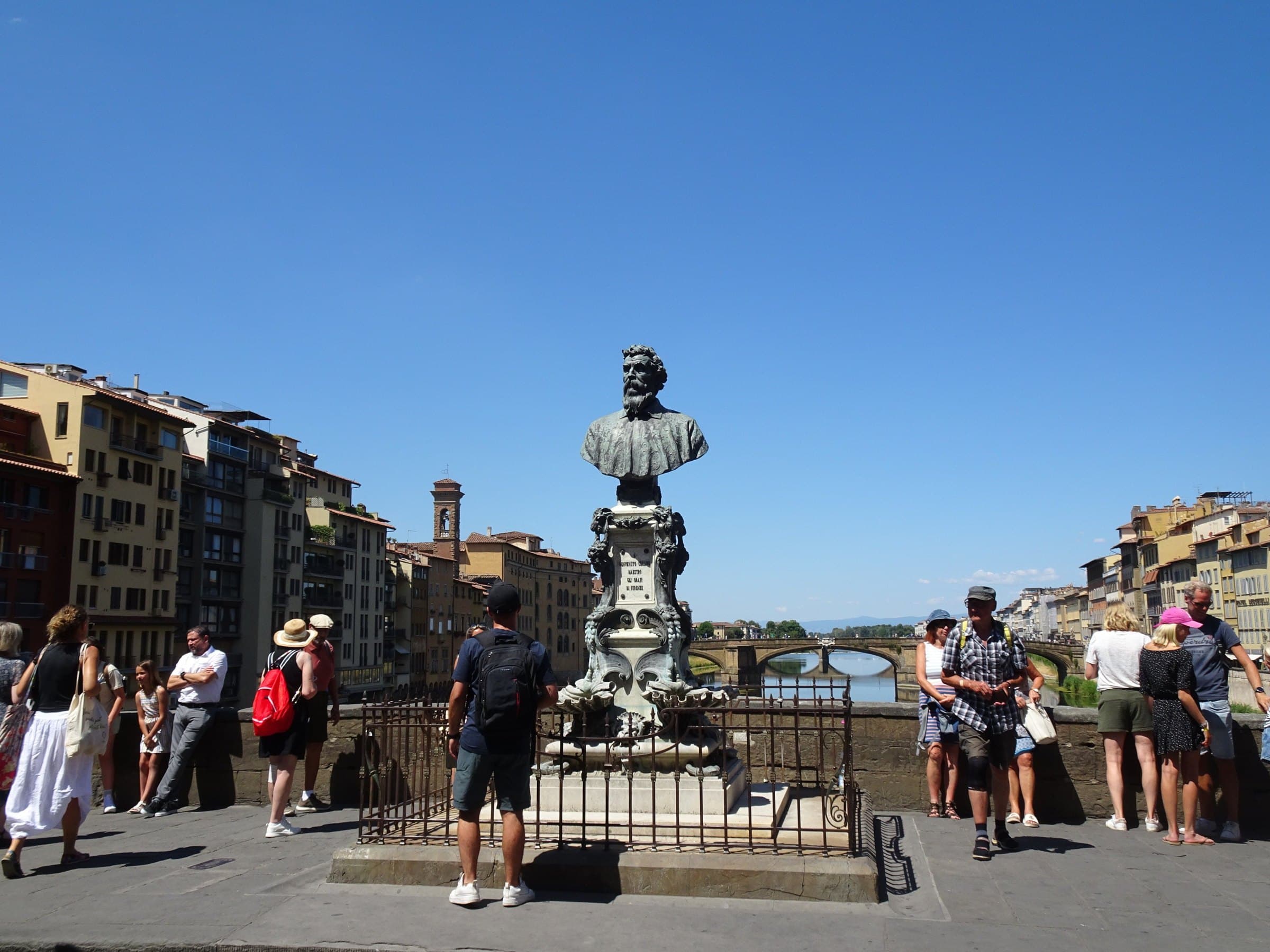
Ponte Vecchio: The Bridge That Was Spared
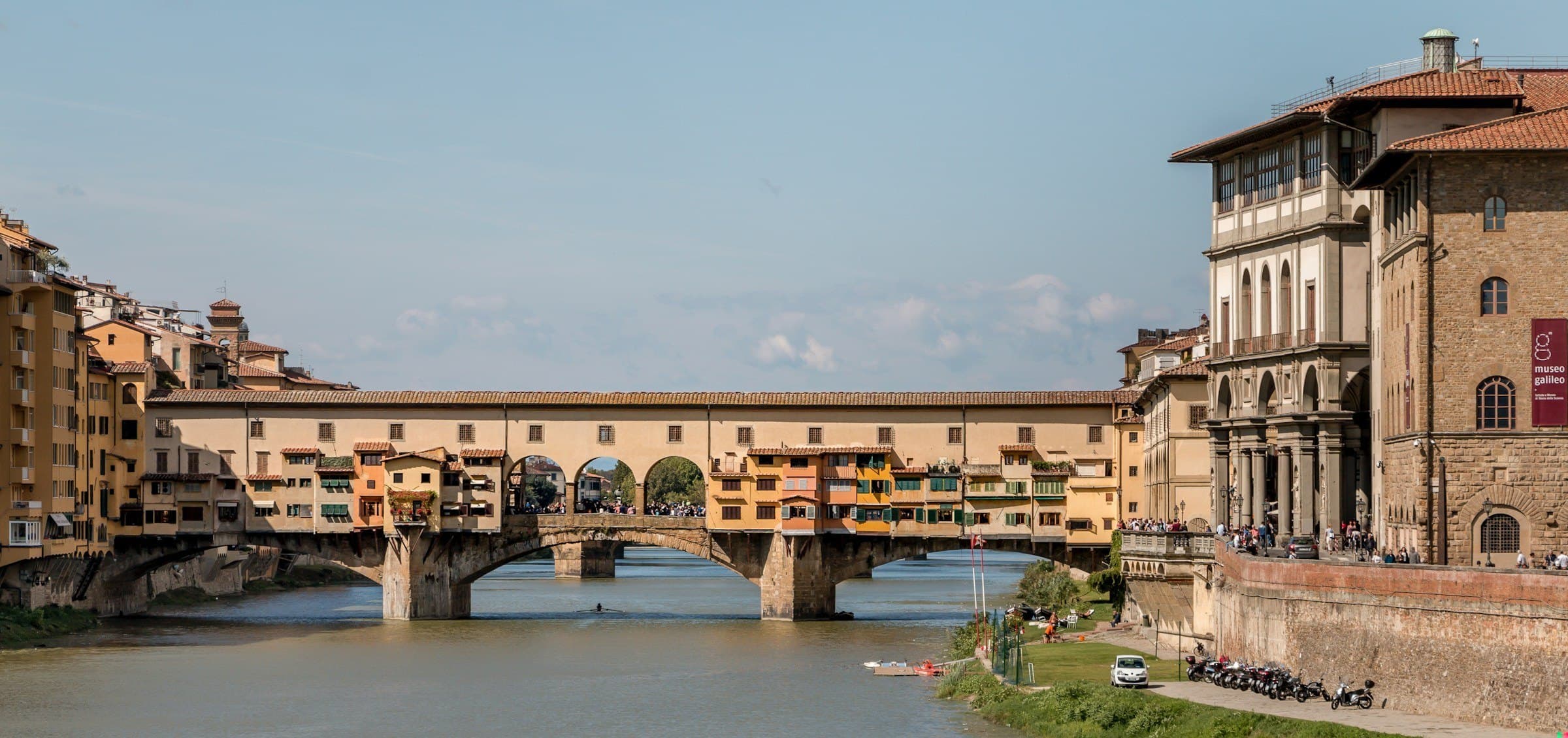
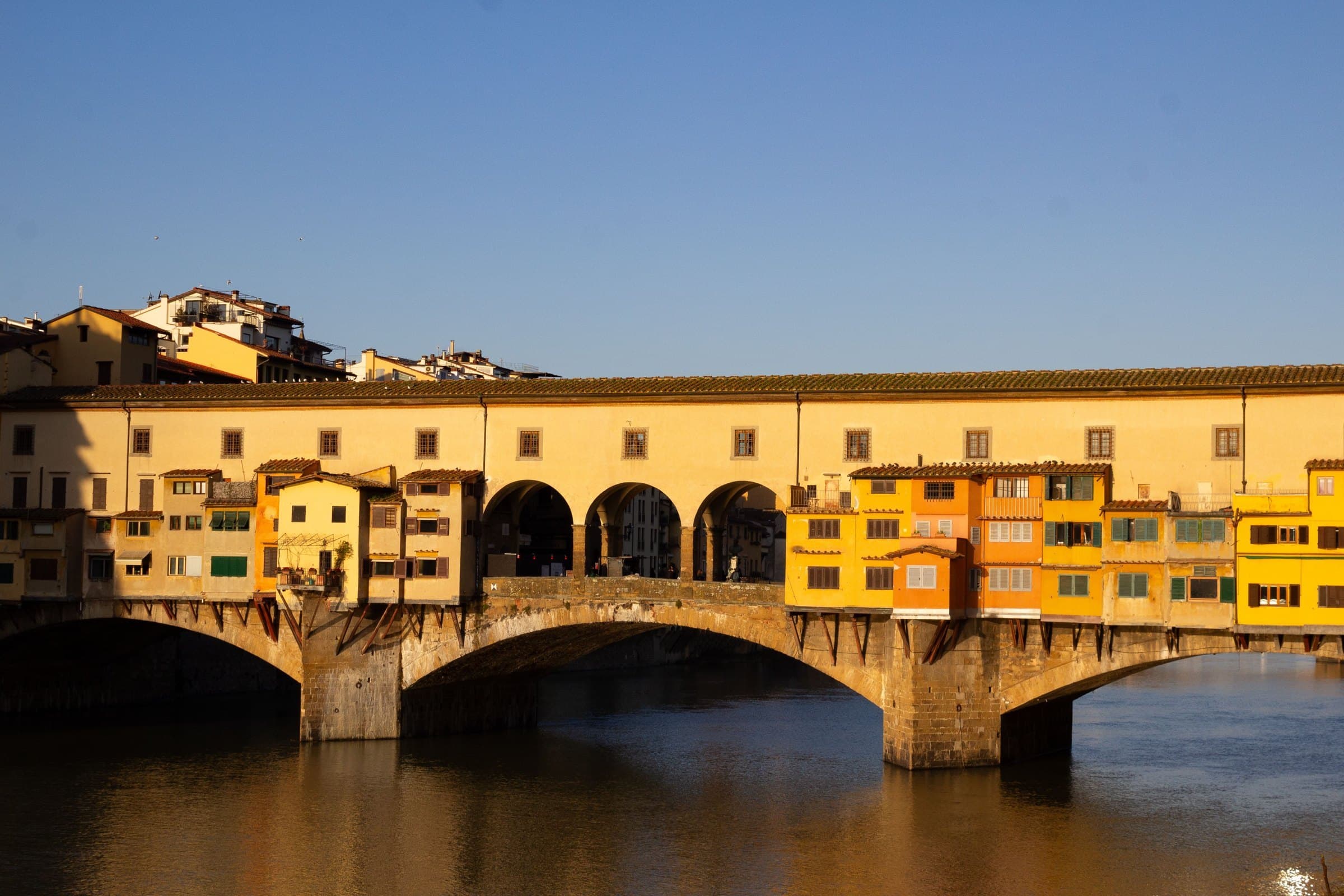
The only bridge spared in 1944. The goldsmiths' bridge, whose approach streets were blown up and rebuilt.
Details
Best Time to Visit
Early morning, before about nine, is the calmest time on this route: by late morning the cathedral square, Piazza della Signoria and the Ponte Vecchio are crowded, and they stay busy until evening. The last hour of daylight is lovely on the river. Every stop is outdoors and free, so the walk works at any hour of daylight; spring and autumn are gentler than midsummer, when the stone streets hold the heat.
Pro Tips
- •Checked 23 September 2026: entry to the cathedral itself is free; the dome climb, the Baptistery interior, the bell tower and the cathedral museum need a pass from the official Duomo site, and dome slots are timed and often sold out weeks ahead.
- •The original Gates of Paradise are in the Museo dell'Opera del Duomo, behind the cathedral, together with the original north doors and much of the cathedral's sculpture.
- •Checked 23 September 2026: the Palazzo Medici Riccardi museum (Chapel of the Magi) is entered from Via de' Ginori 2 since 27 August 2026 and is closed on Wednesdays.
- •Checked 23 September 2026: the Orsanmichele church and the museum of original statues upstairs cost 10 euros; opening days vary by source, so check the Bargello museums' site before you go.
- •Michelangelo's original David is in the Galleria dell'Accademia, about ten minutes' walk north of the cathedral. Tacca's original boar is in the Museo Stefano Bardini across the river.
- •Checked 23 September 2026: the Vasari Corridor can only be visited with an Uffizi ticket plus a timed supplement, booked in advance.
- •The walk ends at the Ponte Vecchio, where the Oltrarno tour begins across the river at Santo Spirito.
Safety & Precautions
- •The historic center is a limited-traffic zone, not a car-free one: taxis, delivery vans, bicycles and electric buses still use many of these streets, so keep to the side in the narrow lanes.
- •The cathedral square, Piazza della Signoria and the Ponte Vecchio are crowded most of the day. Keep your bag closed and your phone in hand.
- •Attaching padlocks to the Ponte Vecchio is forbidden and fined.
- •Checked 23 September 2026: the Ponte Vecchio is in a staged conservation programme begun in 2026; the bridge stays open, but expect works on the piers, the paving or the arches.
Travel advisory: Exercise Increased Caution (Level 2).
Gallery
Related Reading
Go deeper on what you'll see, hear, and walk through.
Overview
Best Self-Guided Walking Tours in Florence (2026)
3 min
Overview
Florence Travel Guide: How Many Days, Getting Around, and What to Book
6 min
Overview
One Day in Florence: A Walkable Morning-to-Evening Itinerary
7 min
Thematic
How Money and Competition Built the Renaissance in Florence
8 min
Companion
Palazzo Medici Riccardi: How to Read a Banker's Balance Sheet in Stone
8 min
Companion
The Baptistery Door Competition That Started the Renaissance
8 min
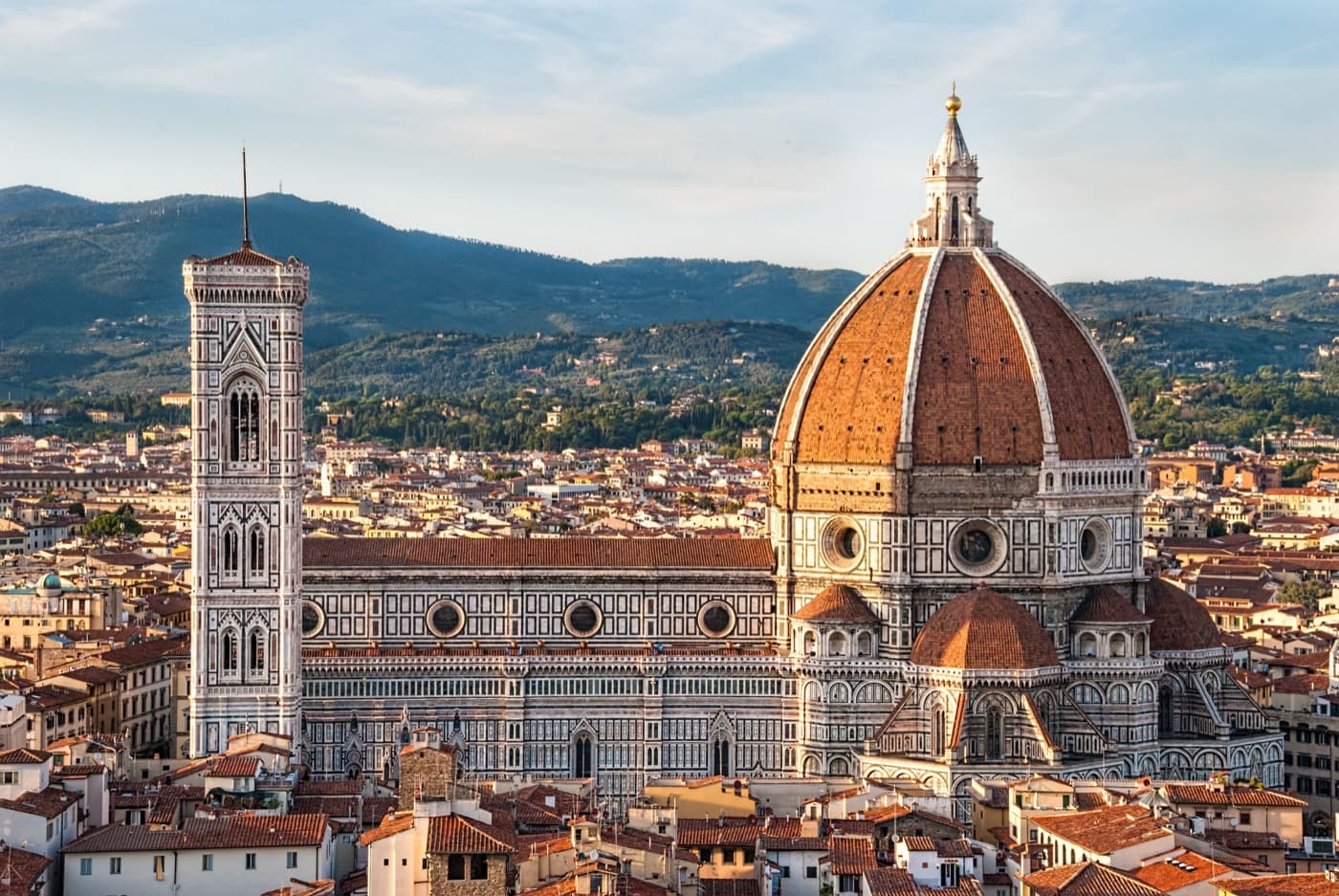
Deep dive
Brunelleschi's Dome: How a Goldsmith Built the Impossible in Florence
7 min
Deep dive
The Uffizi Was an Office Block: How the Medici Turned Paperwork Into a Palace
7 min
Read
What to Eat in Florence: Dishes, Origins, and How to Order Like a Local
6 min
Read the walk
The full story of Historic Center: Duomo to Ponte Vecchio, in words. Prefer to listen? Play it narrated, from home or on location.
Introduction
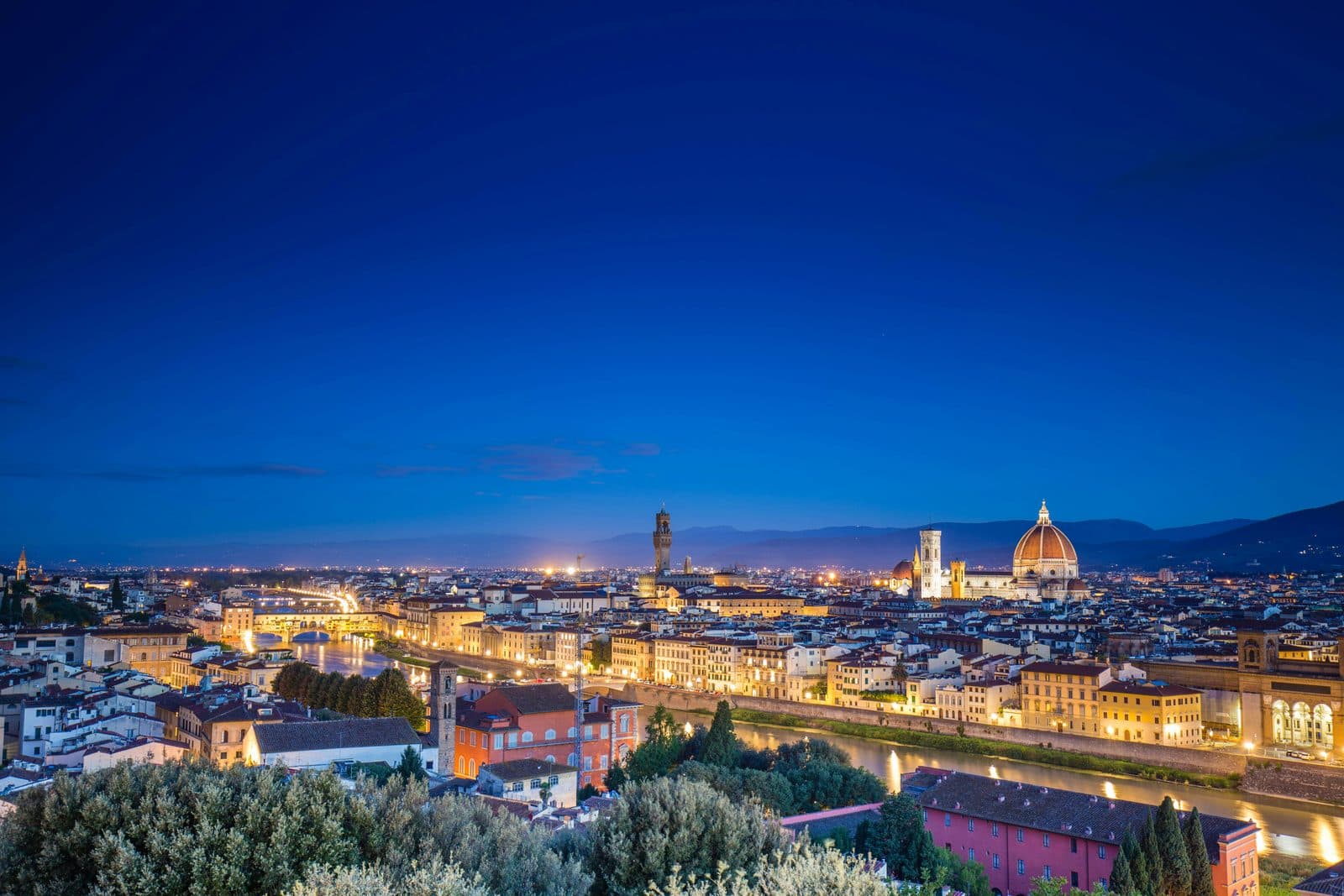
This is Florence, in the Tuscany region of Italy, and this walk crosses its historic centre from north to south: from the bare front of San Lorenzo, past the Medici palace, the Baptistery and the cathedral dome, through Dante's old neighbourhood, into Piazza della Signoria and the Uffizi, and out onto the Ponte Vecchio. Twelve stops, just under two kilometres, about an hour and a half, and every stop is free to see from the street. Florence built the Renaissance in these few streets, in the fourteen hundreds, and it was choosing what to show from the start: a new pair of bronze doors was given the place facing the cathedral, and a public corner was walled up. Then, for five centuries more, it kept deciding which parts of that past to finish, to rebuild and to show. A new Italy knocked down the old market and carved its verdict over an arch. Statues went indoors, and copies took their places. Along the way you will meet Brunelleschi and the rival he had to share the dome with, a Medici duke who closed his house to the street, Dante, who was sentenced to be burned, and the night in nineteen forty-four when the bridges over the Arno came down, all but one. No group, no fixed start: linger, or skip whatever you like. When you reach the square in front of San Lorenzo, begin with stop one.
1. San Lorenzo: The Front That Never Came
Welcome to San Lorenzo. Face the church across the square. That rough wall of brown stone and brick, with three plain doorways and nothing on it, is the front, and it was never finished. This was the Medici family's parish church. Brunelleschi began rebuilding it in fourteen twenty-one, the family paid for it and prayed in it, and many of them are buried in it. A Medici pope, Leo the Tenth, wanted it to have a front worthy of them. On the nineteenth of January fifteen eighteen he signed a contract with Michelangelo for one in marble, with dozens of statues. Michelangelo spent much of the next two years dealing with the marble quarries. On the tenth of March fifteen twenty he recorded, in his own hand, that the contract had been cancelled. The marble already cut went to pave the cathedral, which you will be standing beside in a few minutes. The front you are looking at is what was left. Florence has talked about finishing it more than once. In two thousand eleven the mayor proposed building Michelangelo's design at last, and putting it to a public vote. It never happened. Now find the seated figure on the tall carved base in the square. That is Giovanni delle Bande Nere, a soldier, and the father of Duke Cosimo the First. Cosimo ordered the monument from the sculptor Baccio Bandinelli in fifteen forty, for a tomb inside the church, which may be why a commander is sitting down. The statue and its base were never put together inside. They were only joined here, out in the square, in the eighteen fifties, some three hundred years later. Keep that in mind as you walk: this city keeps choosing what to finish, and what to show. From here, take Via de' Gori, the street that leaves the square just past the statue. Keep to its right-hand side, because small buses use it. The great stone palace is across the street on your left. Stop where Via de' Gori meets the wide Via Cavour.
2. Palazzo Medici: The Corner They Walled Up
The huge stone block across the street on your left, rough and heavy at street level and smoother as it rises, is the palace of the Medici. Walk on to the end of this street and stop on this side of the wide Via Cavour, where Via dei Martelli begins. Do not cross: buses turn here. Turn to look back across at the palace's corner. Cosimo de' Medici, known as Cosimo the Elder, the banker who dominated Florence's politics, began it in fourteen forty-four, with Michelozzo as his architect. Vasari says Cosimo turned down a grander design by Brunelleschi, for fear of envy. Now look at the corner itself, at street level. You can make out two big round arches, filled in, with a window set into each. That corner used to be open. It was a public loggia, a covered space that anyone could walk into from the street, to meet and talk and do business, right under the family's windows. When the Medici came back from exile in fifteen twelve, they put cannons in it. In fifteen seventeen the young duke of Urbino, Lorenzo de' Medici, had it walled up. Michelangelo, who was in Florence for San Lorenzo, designed the windows that went into the arches. Each sill rests on two brackets like legs bent at the knee, so they are called kneeling windows, and the palace museum says they are considered the first of their kind. You will see the type all over the city. Now look up Via Cavour. The front seems to run on in one piece, but it does not. In sixteen fifty-nine the Medici sold the palace to the Riccardi family, who lengthened this front between sixteen seventy-nine and sixteen eighty-nine, in Michelozzo's style, with stone from the same quarries he had used. The first ten bays from this corner are fifteenth century; the rest are seventeenth. The Riccardi signed their part with a key, in place of the Medici balls, on the carved medallions. From here, walk down Via dei Martelli, the street that runs straight toward the cathedral, to the eight-sided marble building at its end.
3. Baptistery: The Gates of Paradise
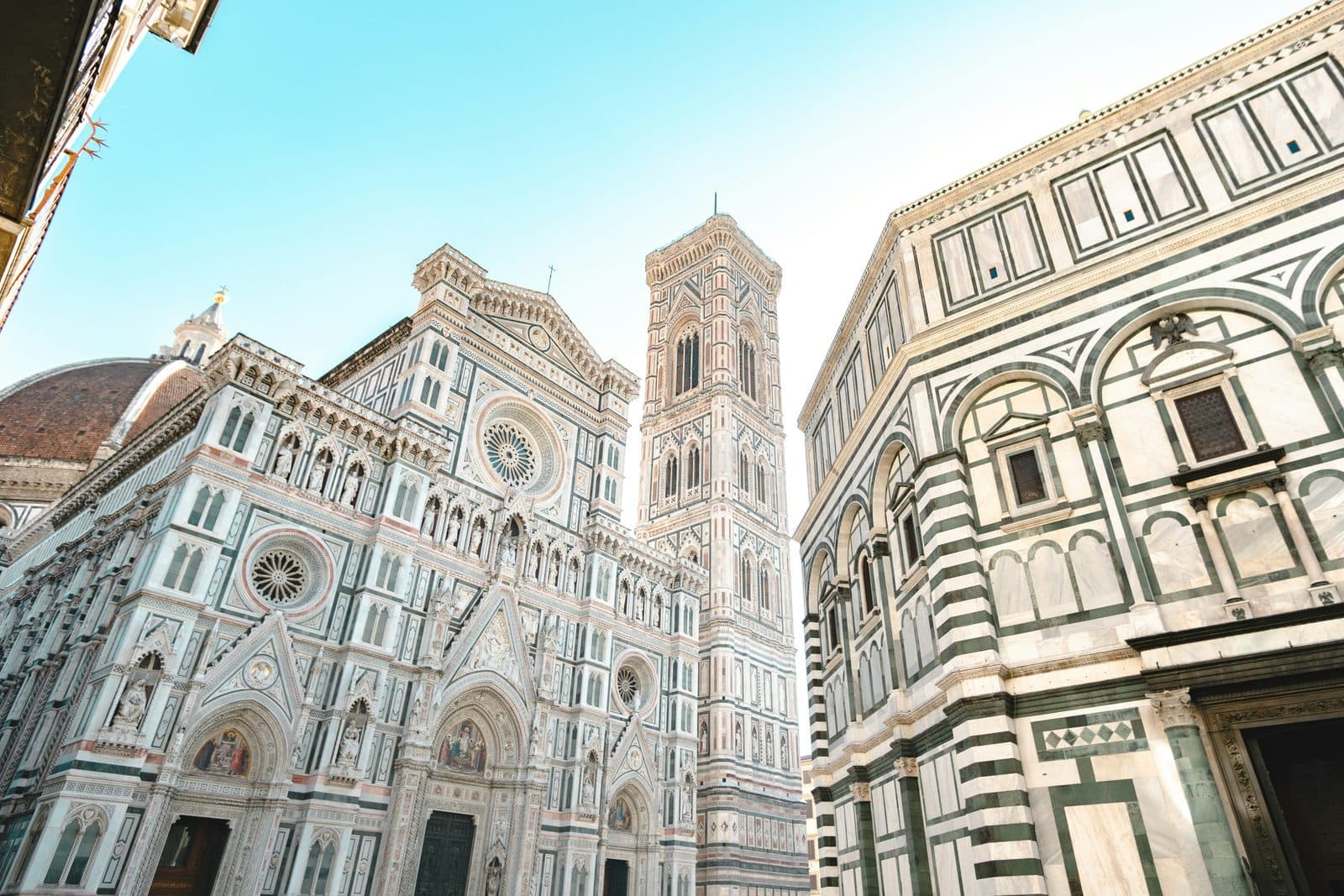
Walk round the eight-sided building to the side that faces the cathedral's front, and stop on the paving between the two, facing the gilded bronze doors. This is the Baptistery of Saint John, the oldest of the great buildings on this square, though nobody agrees quite how old. The cathedral's own history speaks of a consecration in the eleventh century, and some scholars think the building began centuries earlier. In fourteen oh one a competition was held for a new pair of bronze doors. Lorenzo Ghiberti won it, beating a goldsmith called Filippo Brunelleschi. Both of their trial panels survive, in the Bargello museum, a few streets from here. Ghiberti spent more than twenty years on those doors, and then he was asked for another pair. These are they, made between fourteen twenty-five and fourteen fifty-two with his son Vittore: ten gilded panels from the Old Testament, with buildings and landscapes that seem to go back into the distance. They were meant for the north side. On the thirteenth of July fourteen fifty-two the consuls of the cloth merchants' guild, which looked after this building, decided to hang them here instead, facing the cathedral, because of their beauty. Everyone calls these the Gates of Paradise. The story goes that Michelangelo said they were fit to be the gates of Paradise. Vasari tells it, and the cathedral's own museum says Vasari may have invented it. There is an older explanation: the ground between a baptistery and its church was called the paradise, and there was a burial ground here, between the two buildings. One more thing. The doors in front of you are a copy, cast from moulds and put up in nineteen ninety. The originals were restored over about twenty-seven years, and now stand in the cathedral museum, just behind the cathedral, in a room built as a full-size copy of this square. When you are ready, turn round to face the cathedral and go right, past the tall striped bell tower, then walk along the cathedral's long right-hand side. Stop about halfway along, across from two seated marble statues in the building facing the cathedral.
4. Brunelleschi's Dome: Two Rivals, One Vault
Stop across from the building with two seated marble men in niches beside its door, and look at them first. One looks straight across at the church. The other tilts his head right back and looks up at the dome. They are Arnolfo di Cambio, the first master builder of this cathedral, and Filippo Brunelleschi, who built the dome. Luigi Pampaloni sculpted them around eighteen thirty. Now do what Brunelleschi is doing, and look up. The first stone of the cathedral was laid on the eighth of September twelve ninety-six. By the early fourteen hundreds the cathedral's walls were up, and the great question was how to vault the eight-sided space over the crossing. In fourteen eighteen the cathedral works held a competition for models. Brunelleschi, the goldsmith who had lost the Baptistery doors, proposed to build the dome without the usual timber framework holding it up from below. In fourteen twenty the works chose his model, and appointed him master builder together with Lorenzo Ghiberti, the man who had beaten him in fourteen oh one. The dome went up between fourteen twenty and fourteen thirty-six. It is two shells, one inside the other, with bricks laid in a herringbone pattern so that each ring held itself up as it rose. The cathedral works call it the largest masonry vault in the world. Brunelleschi died in fourteen forty-six. The white marble lantern on top was built after his death, to his design, and a gilded ball was first raised to its tip in fourteen seventy-one. Now look at the band of stone the dome sits on. On just one of its eight faces, the south-east one, round to your right and hard to see from right here, runs a small arcaded gallery; the other faces are bare. It was added in the early fifteen hundreds. Vasari reports that Michelangelo called it a cricket cage, and work stopped after that one face. One more thing on this square is younger than it looks: the cathedral's marble front, which you passed on the way here, was only finished in eighteen eighty-seven, three hundred years after the medieval front was taken down. When you are ready, walk on a few steps along the cathedral's side and turn right into Via dello Studio, the narrow street heading south, away from the dome. Small electric buses use it, so keep to the side. At its end, go left for a few steps along Via del Corso, then right, into the narrow Via Santa Margherita.
5. Casa di Dante: A House Built for Dante
Walk on down this narrow lane to the corner where it meets a slightly wider street, Via Dante Alighieri, and stop there. This is Dante's neighbourhood. His family lived in the parish of San Martino, named for the little church on the square across the street. The best evidence…
Full narration for this stop unlocks with the tour.
6. Orsanmichele: The Guilds' Saints
At the end of this street, turn left onto the broad Via dei Calzaiuoli, walk a few steps, and turn to face the tall square stone building on your right. It does not look like a church, and it was not built as one. A small church of Saint Michael once stood in a garden here, and…
Full narration for this stop unlocks with the tour.
7. Piazza della Repubblica: The Old Market Cleared
Walk out into the square and stop by the tall granite column. This was the heart of the Roman town. Its forum was here, and the column stands close to where its two main streets crossed. Now look west, at the big arch. There is a line carved across it, in Italian. It says, more…
Full narration for this stop unlocks with the tour.
8. Mercato Nuovo: The Bronze Boar
Keep the loggia on your right, go round the corner just ahead, and stop in front of the fountain in the middle of this side: a bronze boar sitting on a marshy base. The loggia is the Mercato Nuovo, the new market, built for Duke Cosimo the First between fifteen forty-seven and…
Full narration for this stop unlocks with the tour.
9. Piazza della Signoria: The Republic's Stage
Come out into the square and stop, with the great stone palace and its tower ahead of you. That is the Palazzo Vecchio, the old palace, built at the end of the twelve hundreds as the seat of the republic's government. Vasari says Arnolfo di Cambio designed it, though no document…
Full narration for this stop unlocks with the tour.
10. Uffizi: The Duke's Offices
Walk down the courtyard and stop about halfway along, between the two long wings, and look around. This is an office block. Uffizi simply means offices. Duke Cosimo the First had it built to bring the city's magistrates under one roof, next to his own palace, and to make room he…
Full narration for this stop unlocks with the tour.
11. Vasari Corridor: The Duke's Private Passage
Walk out through the arches. Cross the little riverside lane at the zebra crossing, watching for the occasional car, and stop at the river wall with the Arno in front of you. Now turn to your right and look along the bank. The long upper storey running away along the river, on…
Full narration for this stop unlocks with the tour.
12. Ponte Vecchio: The Bridge That Was Spared
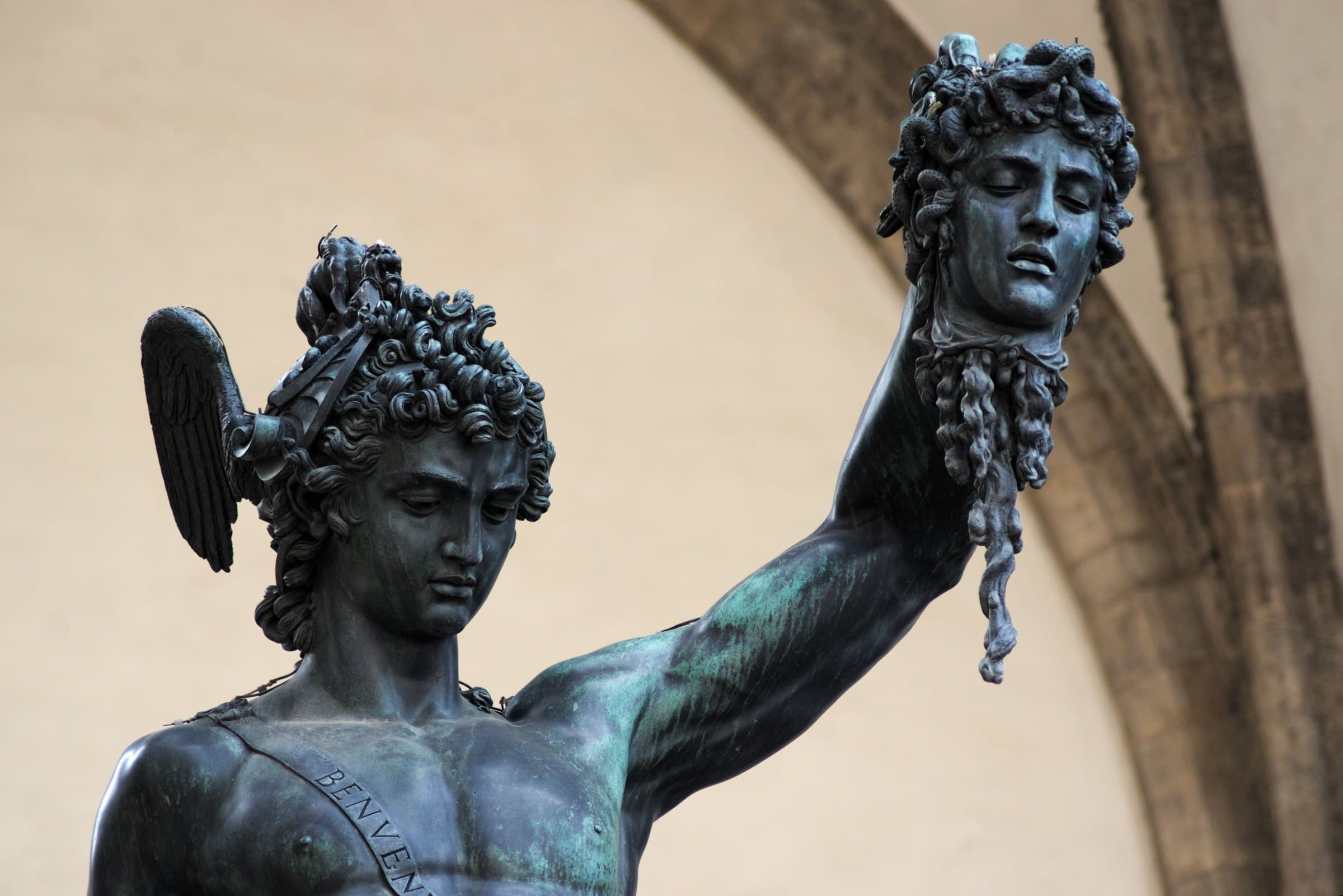
Walk out to the open space in the middle of the bridge, and stop by the bronze bust on its right-hand side, looking downstream. The bust is Benvenuto Cellini, the goldsmith who made the Perseus in the square, put up in nineteen oh one. This bridge was built in stone in the first…
Full narration for this stop unlocks with the tour.
- A picturesque street in Florence with a view of the iconic cathedral dome, capturing Italian charm. — WASSIM AHMED, Pexels License · source
- Crowd gathers at the historic San Lorenzo Basilica facade in Florence, under a clear blue sky. — SOO CHUL PARK, Pexels License · source
- Intricate architecture of San Lorenzo Church captured under a dramatic sky in Florence, Italy. — Raylarında Şehrin, Pexels License · source
- a building with a large archway a-building-with-a-large-archway-OXOJIiRP-Bk italy florence Florence, Italy — Oleksandr, Unsplash License · source
- The iconic Florence Baptistery with its famous architectural style in Tuscany, Italy. — Claudia Solano, Pexels License · source
- white and brown concrete building under blue sky during daytime white-and-brown-concrete-building-under-blue-sky-during-daytime-ly6tkwU2Xa4 grey florence cathedral cathedral of santa maria del fiore — Wolfgang Hasselmann, Unsplash License · source
- Close-up of Florence Cathedral's dome with clear blue sky, showcasing Renaissance architecture. — Fatih Altuntaş, Pexels License · source
- View of Brunelleschi's Dome on Florence Cathedral, a UNESCO World Heritage Site. — C1 Superstar, Pexels License · source
- Casa di Dante: the house and its corner tower (Torre dei Giuochi) on Via Santa Margherita, Florence — Gianni Careddu, CC BY-SA 4.0 · source
- Torre della Castagna at the corner of Via Dante Alighieri and Piazza San Martino, Florence — Francesco Bini, CC BY-SA 4.0 · source
- Orsanmichele east face on Via dei Calzaiuoli, with Verrocchio's Christ and St Thomas in its niche — Zairon, CC BY 4.0 · source
- Ghiberti's bronze St John the Baptist in its niche on the east face of Orsanmichele — Elenasan, CC BY-SA 3.0 · source
- Explore Florence's Republic Square and its Renaissance architecture, vibrant streets, shops, and local life. — Ahmet Eymen Aktaş, Pexels License · source
- A lively scene at Piazza della Repubblica with a colorful carousel and people enjoying a sunny day. — Fatih Altuntaş, Pexels License · source
- Bronze statue of a wild boar in a market bronze-statue-of-a-wild-boar-in-a-market-DR3po0sgUqA blue street photography travel destination teal tourist attraction art history local market market stall cultural tourism outdoor market shopping street historical site italian city public art european trav — mana5280, Unsplash License · source
- View of Palazzo Vecchio in Florence, Italy, under a clear blue sky with a crowd below. — Roland Käser, Pexels License · source
- Historic sculptures in Piazza della Signoria, Florence, featuring replicas of David and Hercules. — Ozan Tabakoğlu, Pexels License · source
- Close-up of the famous Perseus sculpture by Benvenuto Cellini in Florence, Italy. — Jose Manuel Espigares Garcia, Pexels License · source
- Piazzale degli Uffizi between the two wings, looking north to the Palazzo Vecchio tower — Verum3414, CC BY 4.0 · source
- Renaissance statues outside Uffizi Gallery, Florence, Italy, showcasing architectural elegance. — Claudia Solano, Pexels License · source
- Iconic Ponte Vecchio bridge over the Arno River in Florence, Italy, captured on a cloudy day. — Gotta Be Worth It, Pexels License · source
- The Ponte Vecchio Bridge in Florence, Italy brown concrete bridge over river during daytime brown-concrete-bridge-over-river-during-daytime-GHoX7zFRMMU — Ray Harrington, Unsplash License · source
- Tourists gather around the Benvenuto Cellini statue on Ponte Vecchio, Florence, Italy. — Lajos Kristóf Kántor, Pexels License · source
- Ponte Vecchio bridge with vibrant buildings over Arno River in Florence during day. — Fatih Altuntaş, Pexels License · source
Images may be cropped or resized. Other photos via Unsplash and Pexels.