Historic Center: Duomo to Ponte Vecchio
90 min · 1.8 km · easy
Florence rewards a walker: the historic center is compact enough that most travelers cover it on foot, and two full days handle the core, while three lets the city breathe. Plan your days around a small, dense cluster of sights between the cathedral and the Arno, book the two ticketed museums (the Uffizi and the Accademia) ahead, and treat spring and autumn as the sweet spot for weather and crowds. Below is the practical answer to what people actually search before a trip: how long to stay, how to move, when to come, what it costs, and how safe it is.
How many days do you need in Florence?
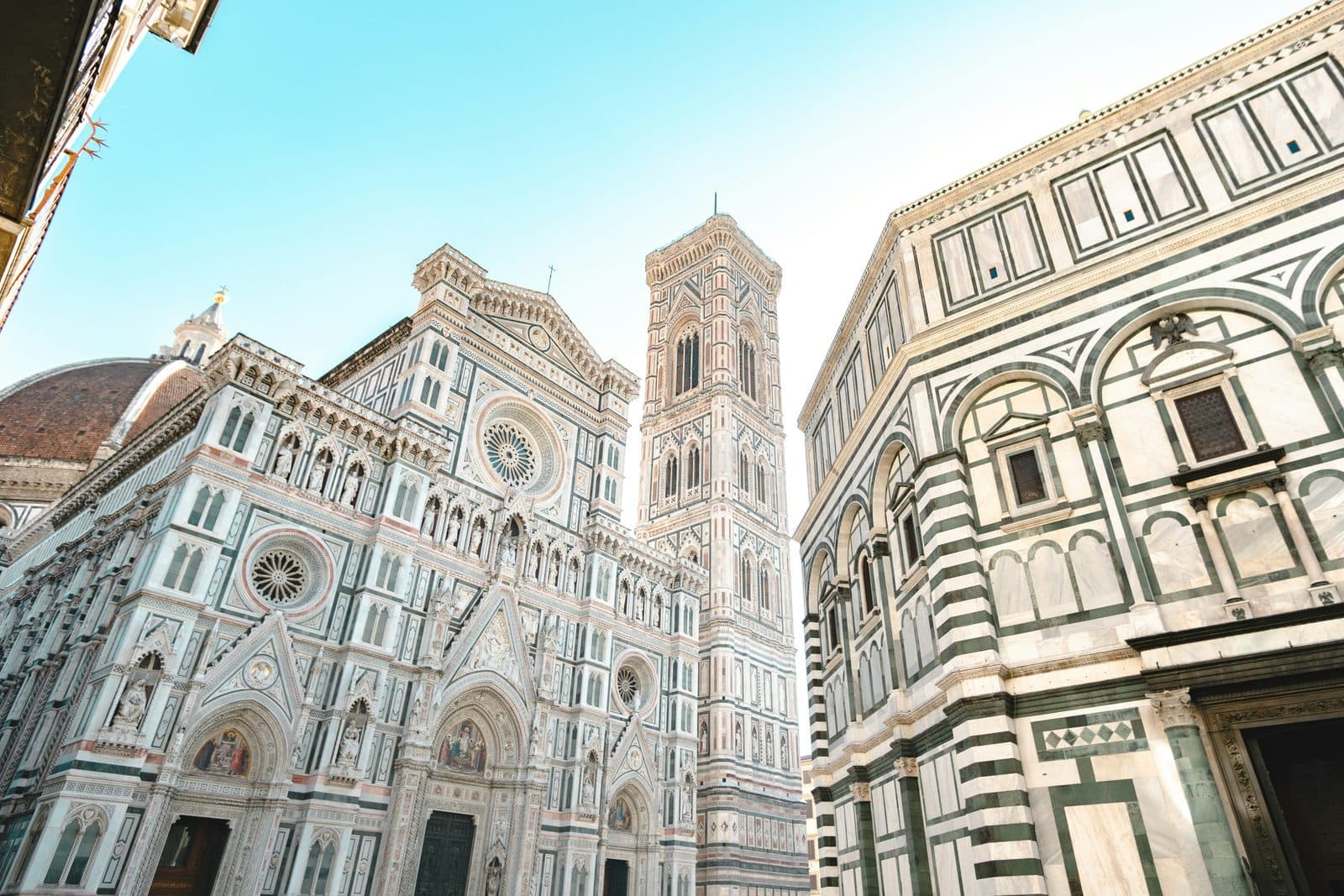
Two days is the sensible minimum for a first visit and covers the essentials: the cathedral complex, one or two major galleries, the civic squares, and sunset over the city. Three days or more lets you slow down, add the Oltrarno across the river, and use Florence as a base for Tuscany. The reason two days works is geography. The famous sights sit within a short walk of one another, so your time goes into the buildings and the art, not into transit.
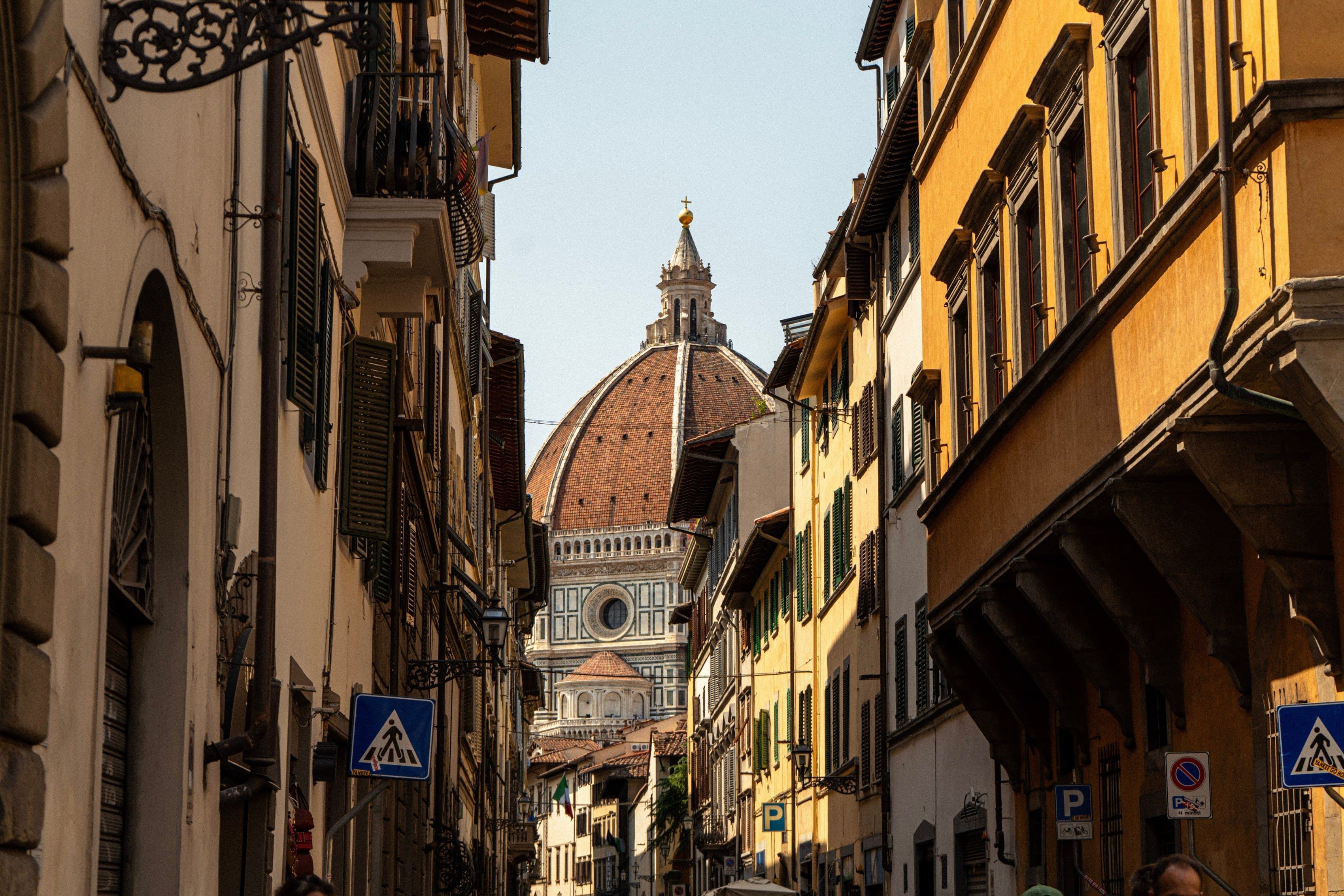
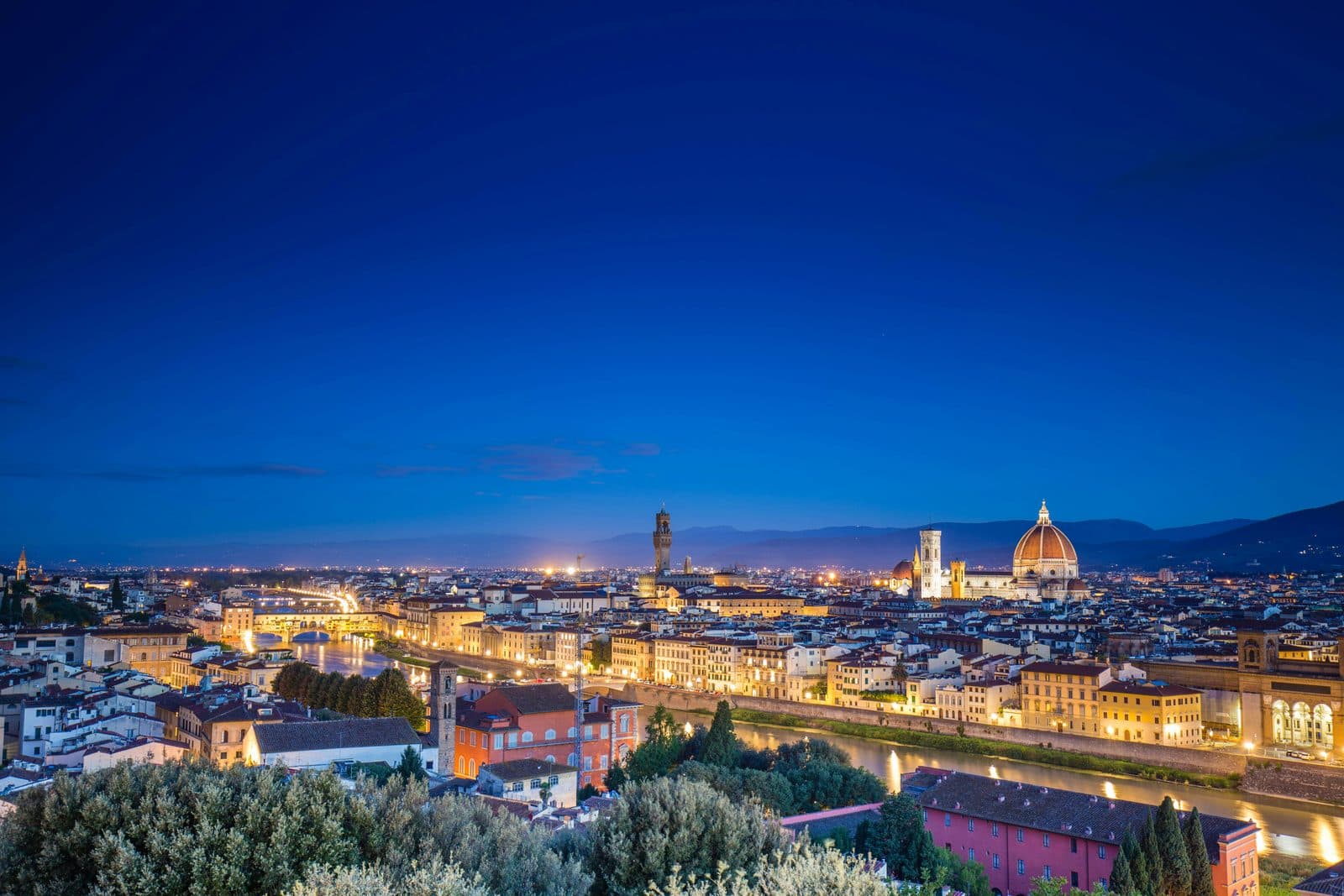
A workable rhythm: spend the first morning on a self-guided walk through the historic center, the afternoon inside the cathedral complex or a gallery, and the second day on a museum plus the far bank. Our Historic Center: Duomo to Ponte Vecchio walk threads the whole core, about 1.8 kilometers over twelve stops from San Lorenzo and the Medici palace past the Duomo and Piazza della Signoria to the Ponte Vecchio, in about ninety minutes at your own pace. For the working half of the city, the Oltrarno tour climbs from Santo Spirito up to Piazzale Michelangelo, where the whole skyline reassembles below you. You can browse the full set on the Florence walking tours hub.
How to get around Florence
Hear a stop from this walk
Brunelleschi's Dome: Two Rivals, One Vault
Walk. The historic center is small, pedestrian-friendly, and quicker on foot than by any vehicle through its medieval streets. Standard buses cannot fit the narrow alleys, so within the center the useful lines are the small electric buses C1, C2, C3, and C4, per Visit Florence.
For longer hops there is a modern tram (the Tramvia). A tram extension into the historic core opened on 25 January 2025, connecting the center to Piazza della Libertà and Piazza San Marco, and the airport connects to the center by tram in about 35 minutes. Trams run daily from early morning to after midnight, and at peak hours they come roughly every 5 minutes; since March 2024 you can tap a contactless card directly on board rather than buying a ticket in advance.
A single urban ticket, once validated, is good for 90 minutes of travel on both bus and tram. Buy tickets at a tabacchi (marked with a "T"), at station machines, or on the transit app. In practice, if you are staying in or near the center, you may not buy a ticket at all.
Best time to visit
Aim for April to June or September to October. These shoulder months bring comfortable temperatures and thinner crowds than the summer peak, and October in particular pairs mild weather with lower room rates than July and August, according to tickets-florence.it. Autumn also overlaps with the Tuscan harvest in the countryside around the city.
Summer is hot and busy. July and August push into the low-to-mid thirties Celsius (often around 31C midday) with heavier humidity, longer museum lines, and peak accommodation prices. Winter, from November to March, is the quietest and cheapest window, with far shorter museum queues and noticeably lower room rates, at the cost of cool, sometimes wet days.
What it costs and what to book ahead
Two things drive your Florence budget: museum tickets and a couple of paid climbs. Much of the walking is free. You can stand under Brunelleschi's dome from inside the cathedral nave without paying, and the Loggia dei Lanzi beside Palazzo Vecchio is an open-air sculpture gallery that costs nothing.
The parts that cost money are worth planning:
- Climbing the dome: access to the top is a timed, reserved ticket sold through the cathedral's Brunelleschi Pass, which bundles the dome climb with the bell tower, baptistery, and museum. The Opera del Duomo official site is the place to book, and slots sell out, so reserve ahead. The climb is 463 steps with no elevator.
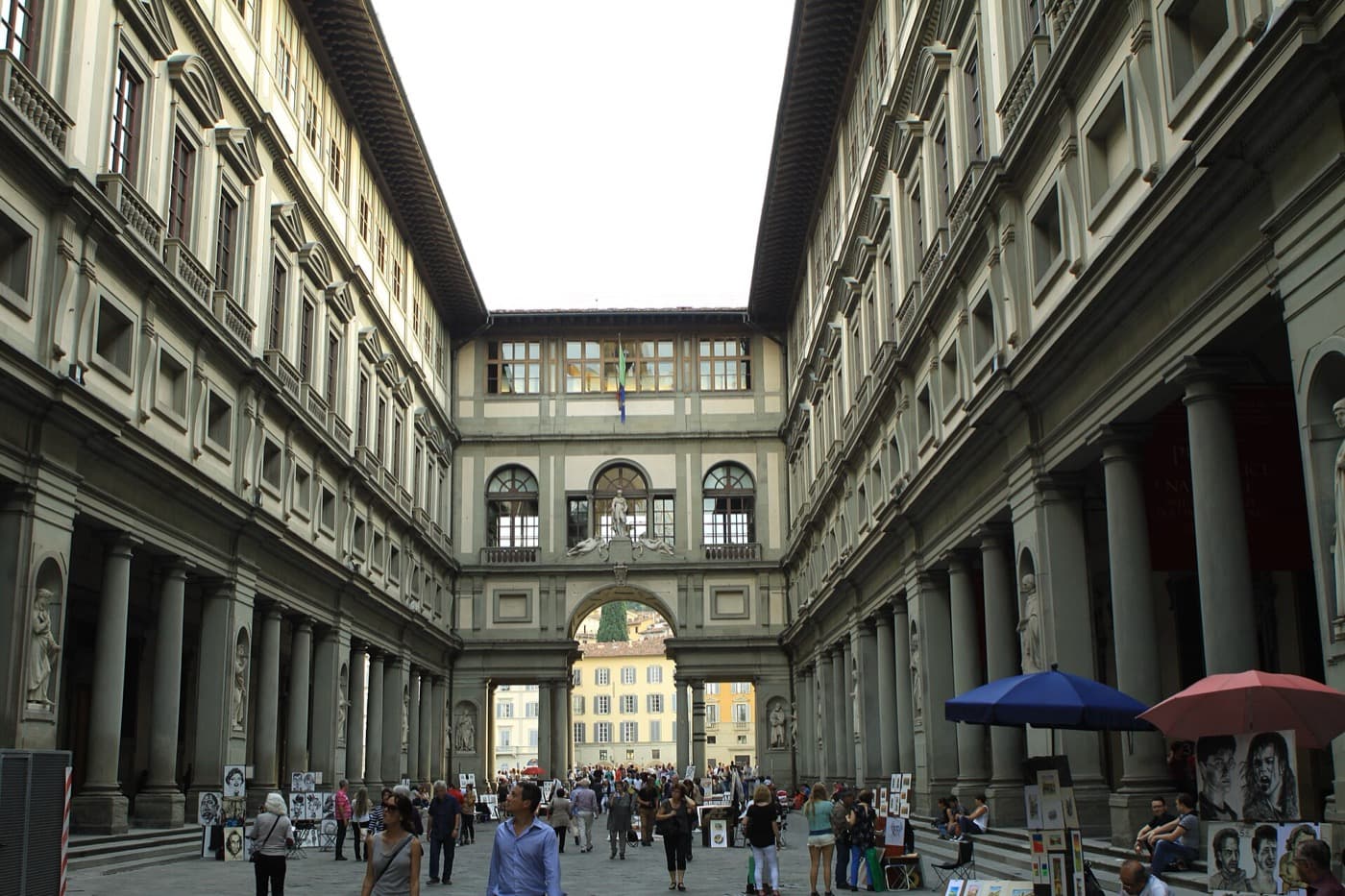
- The Uffizi and the Accademia: reservations are not strictly required but are strongly recommended, because in-person lines get long. Per Visit Tuscany, book the Accademia (home of Michelangelo's David) well in advance and the Uffizi at least a month ahead in high season; the official booking carries a small reservation fee. From April to September, book regardless of the day.
Everything else scales to your taste: a sit-down lunch versus a panino, an aperitivo versus a coffee standing at the bar (cheaper). The self-guided walking route itself is your lowest-cost way to read the city, since the streets, squares, and the Ponte Vecchio ask nothing to enjoy.
Is Florence safe?
Yes, Florence is generally a safe city for visitors, and violent crime is rare. The real thing to guard against is petty theft. Pickpocketing is the most common tourist-facing problem, concentrated where crowds gather: Piazza del Duomo, the Ponte Vecchio, the Uffizi lines, packed buses, and around the Santa Maria Novella train station, per Travellers Worldwide. The historic center is heavily walked and stays comfortable to stroll, including in the evening.
Practical habits handle most of the risk: carry a crossbody bag zipped and worn in front in tight spaces, keep phones and wallets out of back pockets, leave passports and spare cards in your accommodation, and stay aware in dense lines and on public transport. None of this should color the trip. The center is one of the more walkable places in Europe, and a self-guided audio tour lets you keep your eyes on the buildings and your hands on your bag rather than on a paper map.
A simple plan that works
Come in spring or autumn, book the dome climb and the two big galleries before you arrive, and let the rest of the day be on foot. Start at San Lorenzo, follow the historic center route past the cathedral and down to the river, then cross into the Oltrarno for the climb to the viewpoint. Two days covers it, three makes it relaxed. When you are ready to match streets to stories at your own pace, start with the Florence walking tours or open the Florence city page.
Sources
Frequently asked questions
- How many days do you need in Florence?
- Two days is the sensible minimum for a first visit and covers the cathedral complex, a major gallery or two, the civic squares, and sunset over the city. Three days or more lets you add the Oltrarno across the river and use Florence as a base for Tuscany. The historic center is compact, so most of your time goes into the sights rather than transit.
- What is the best way to get around Florence?
- Walking is the best way, since the historic center is small and pedestrian-friendly. Standard buses cannot fit the narrow streets, so within the center the useful lines are the small electric buses C1 to C4. A modern tram (the Tramvia) connects the airport to the center in about 35 minutes and now reaches into the historic core, and you can tap a contactless card directly on board.
- When is the best time to visit Florence?
- April to June and September to October are the best windows, with comfortable temperatures and thinner crowds than summer. October in particular pairs mild weather with lower room rates than the summer peak. July and August are hot, often around 31C at midday, and crowded, while November to March is the quietest and cheapest season.
- Do you need to book Florence museums in advance?
- Yes, for the big ones. Climbing the dome requires a timed, reserved ticket through the cathedral's Brunelleschi Pass, and slots sell out. The Uffizi and Accademia do not strictly require reservations but they are strongly recommended because in-person lines get long. Book the Accademia well ahead and the Uffizi at least a month ahead in high season.
- Is Florence safe for tourists?
- Florence is generally very safe, and violent crime is rare. The main concern is petty theft, especially pickpocketing in crowds at Piazza del Duomo, the Ponte Vecchio, the Uffizi lines, and around the Santa Maria Novella train station. Wear a crossbody bag zipped and in front, keep valuables out of back pockets, and stay aware on packed buses.
- How much does it cost to see Florence's main sights?
- A lot of Florence is free to walk: you can stand under Brunelleschi's dome from inside the cathedral nave at no cost, and the Loggia dei Lanzi is a free open-air sculpture gallery. The paid parts are the dome climb (via the Brunelleschi Pass) and gallery tickets for the Uffizi and Accademia, the latter carrying a small official reservation fee.
Ready to experience it?
Historic Center: Duomo to Ponte Vecchio
90 min · 1.8 km · easy
More from Florence
Explore more at your own pace.
How Money and Competition Built the Renaissance in Florence
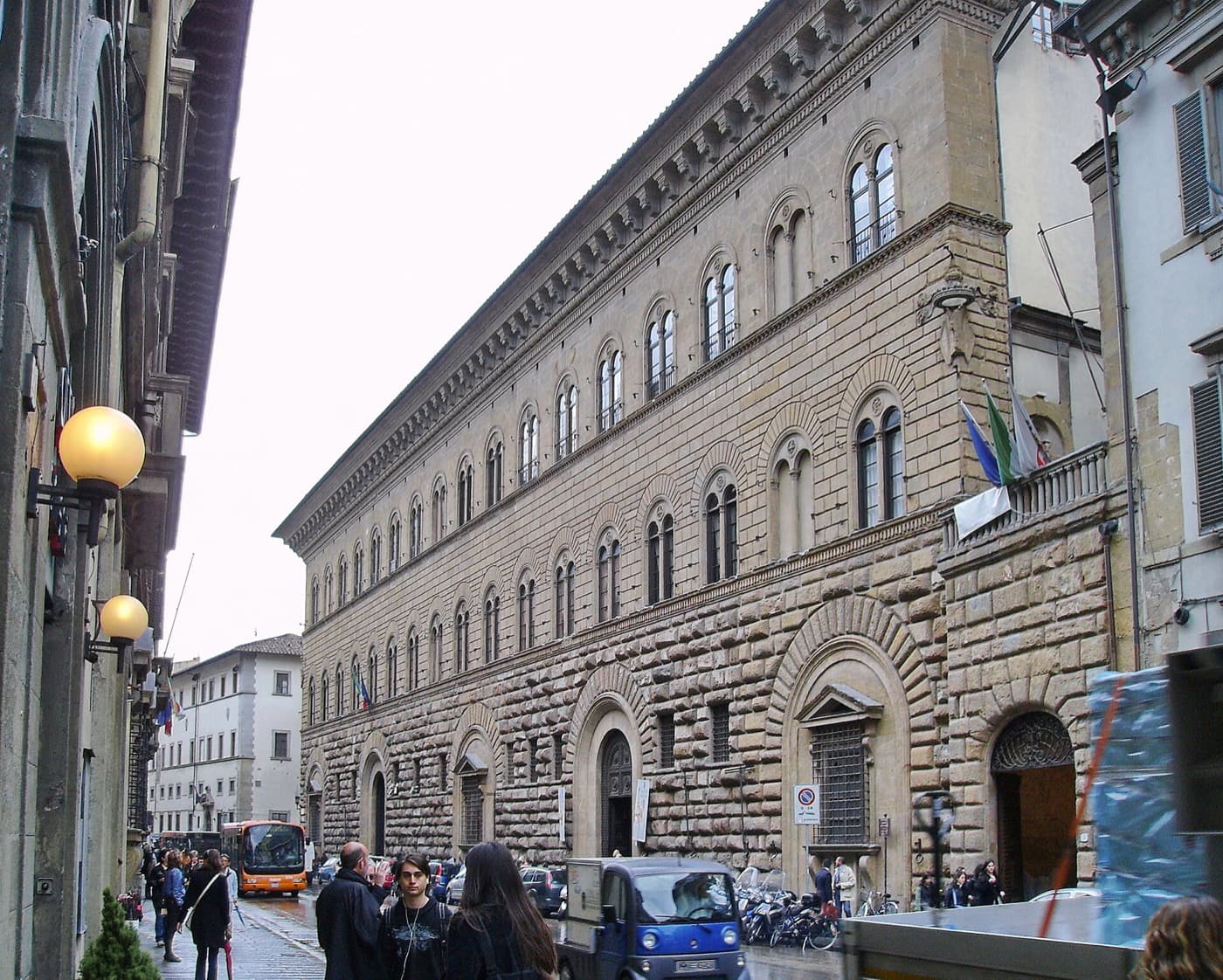
Palazzo Medici Riccardi: How to Read a Banker's Balance Sheet in Stone
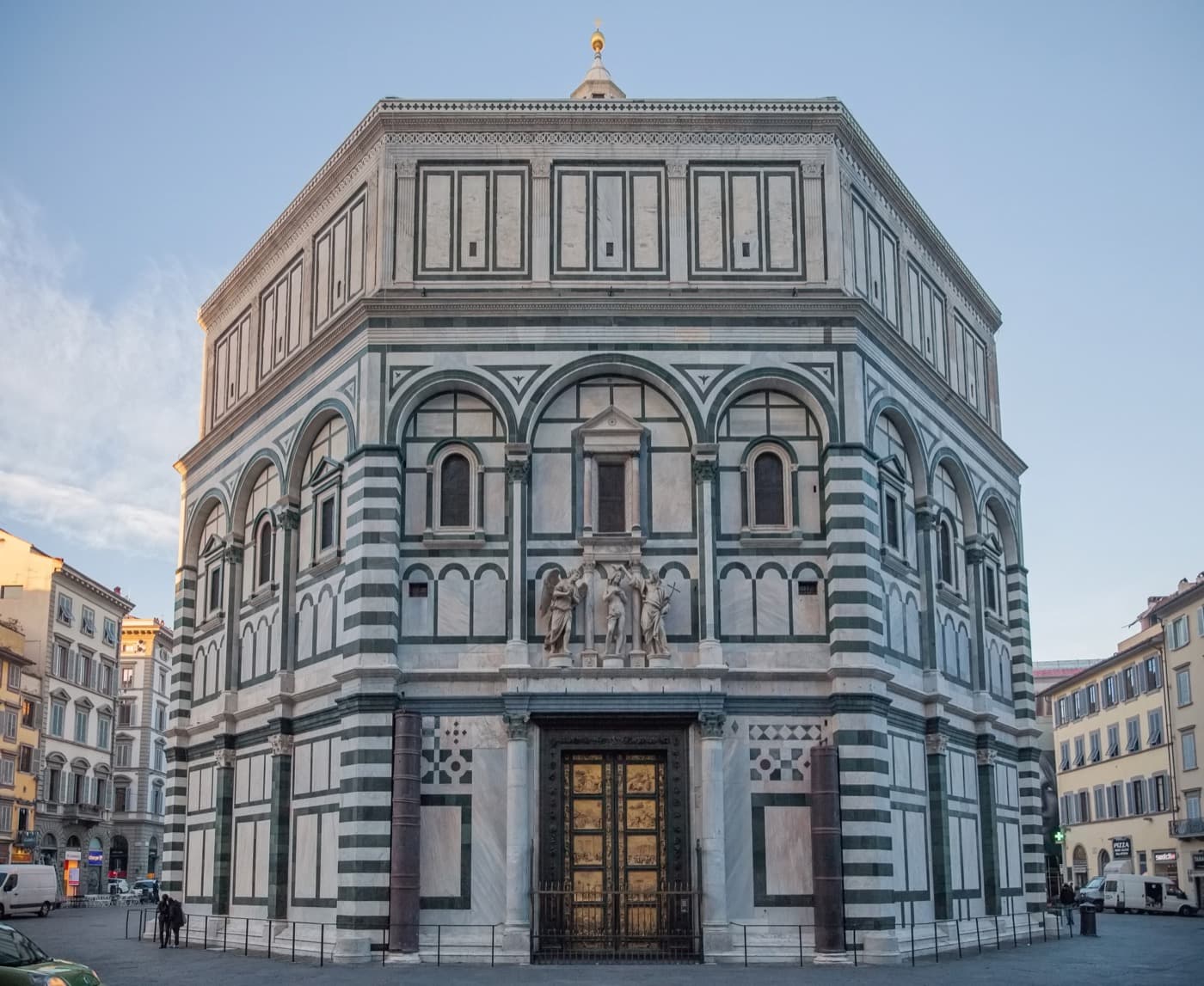
The Baptistery Door Competition That Started the Renaissance
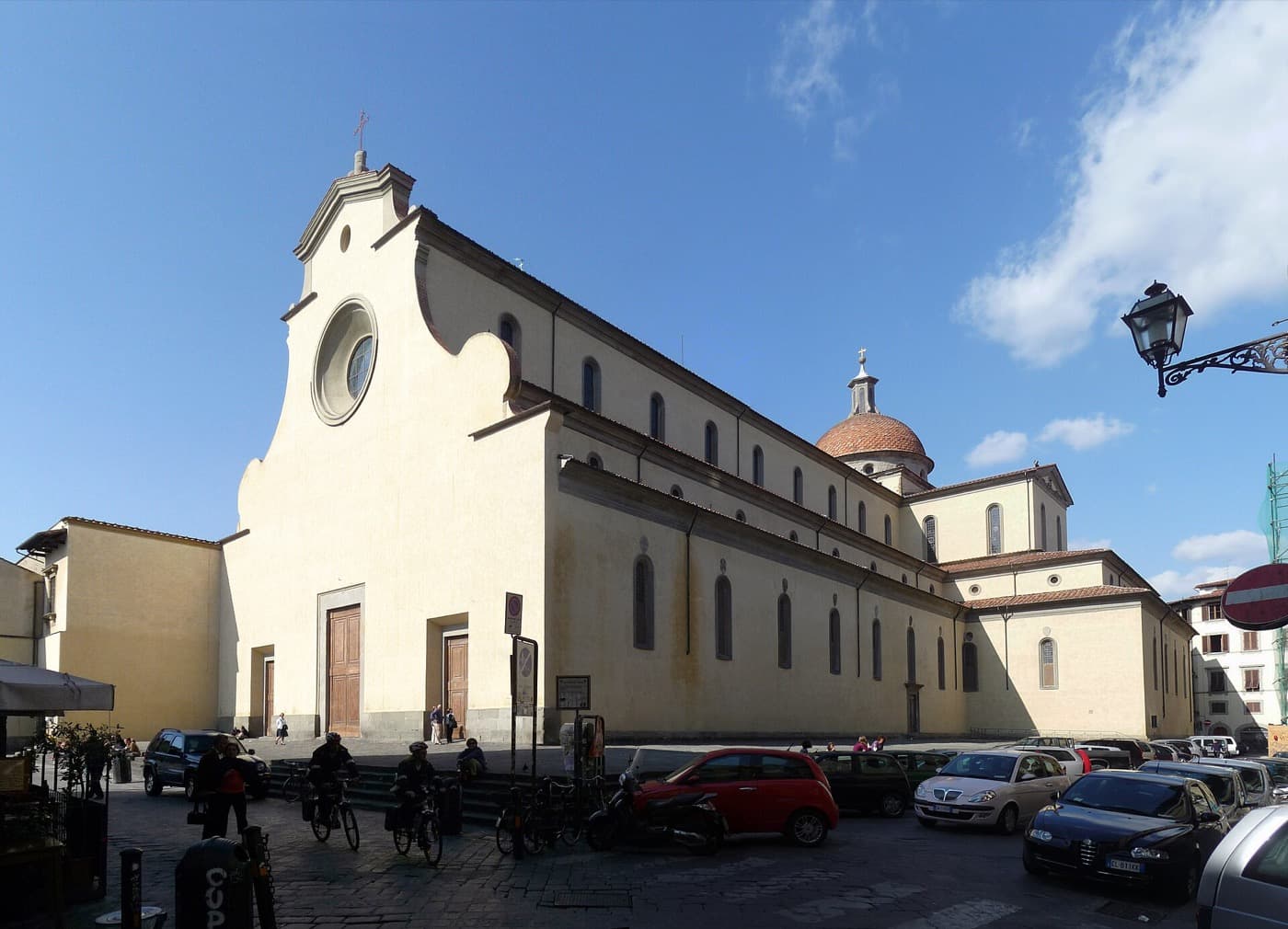
The Oltrarno: Reading Florence's Working Half From Santo Spirito Onward
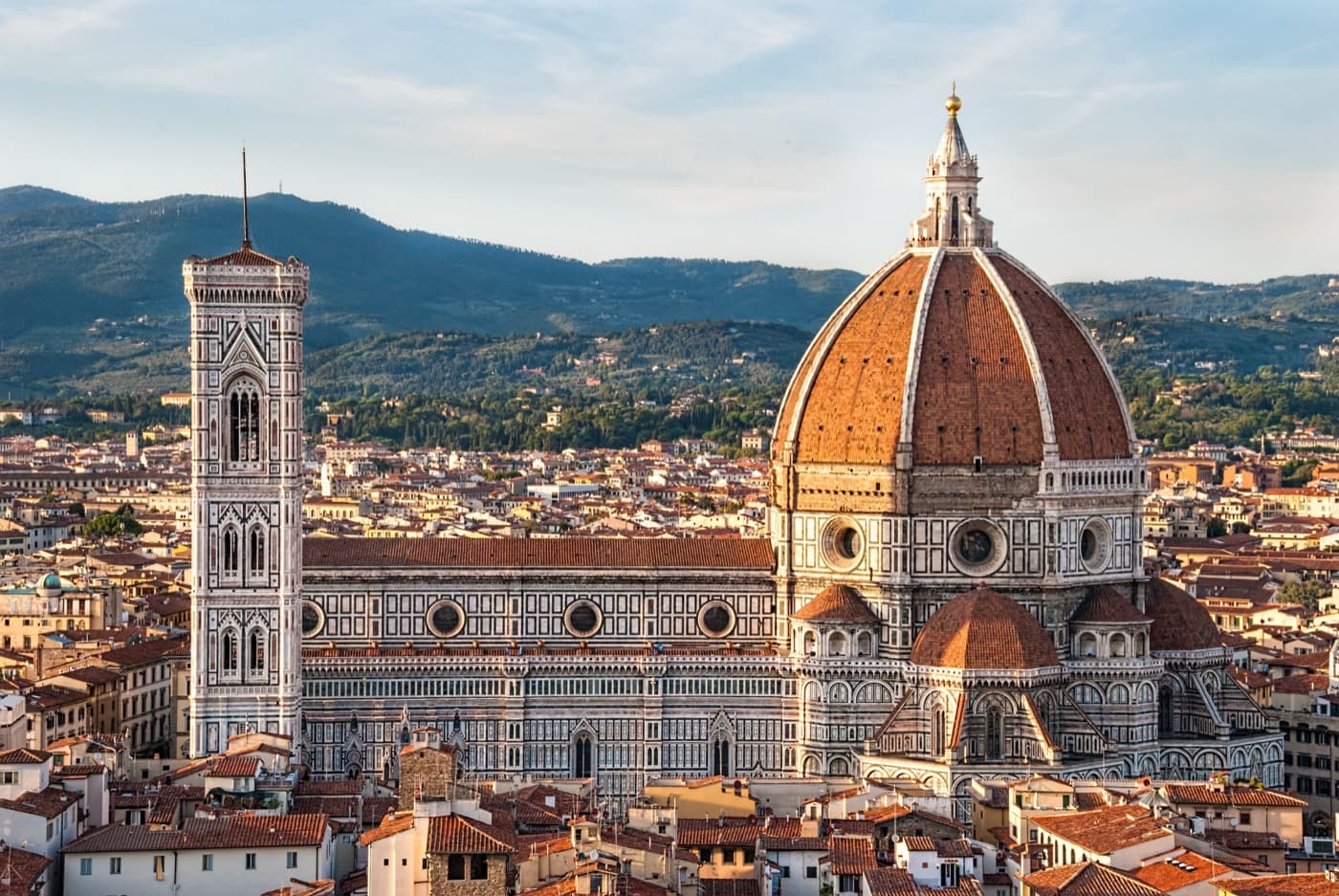
Brunelleschi's Dome: How a Goldsmith Built the Impossible in Florence