Historic Center: Duomo to Ponte Vecchio
90 min · 1.8 km · easy
If you have one day in Florence, walk it. The historic center is compact enough that the cathedral, the town hall, the great galleries, and the river bridge all sit within about a kilometer of each other, so a single unhurried day can cover the origin of the Renaissance and the money that paid for it in the morning, a gallery or the Medici interiors around midday, and the artisan half of the city across the Arno by evening. This itinerary moves morning to evening on foot, tells you what is free and what needs a ticket booked ahead, and hands each stretch off to a self-guided audio tour you can start on your phone. Nothing here runs on a schedule but yours.
The short answer: one walkable loop, three chapters
Florence rewards a day built around three ideas rather than a checklist. Walk the historic center from the Medici church of San Lorenzo past the Duomo to Piazza della Signoria and the Ponte Vecchio (where the money was made visible and the Renaissance was engineered), then spend the middle of the day inside a gallery or the Medici interiors, then cross the river into the Oltrarno for the working city and a sunset over the skyline. You can do this whole arc without entering a single paid museum, because Florence puts an extraordinary amount of its art outdoors and free. The paid interiors (the Uffizi, the Accademia's David, the dome climb) are the ones worth booking in advance if you want them, because timed slots sell out in peak months.
See both routes on the Florence walking tours hub, or browse the city on /italy/florence.
Morning: from the Medici quarter to the river
Hear a stop from this walk
Brunelleschi's Dome: Two Rivals, One Vault
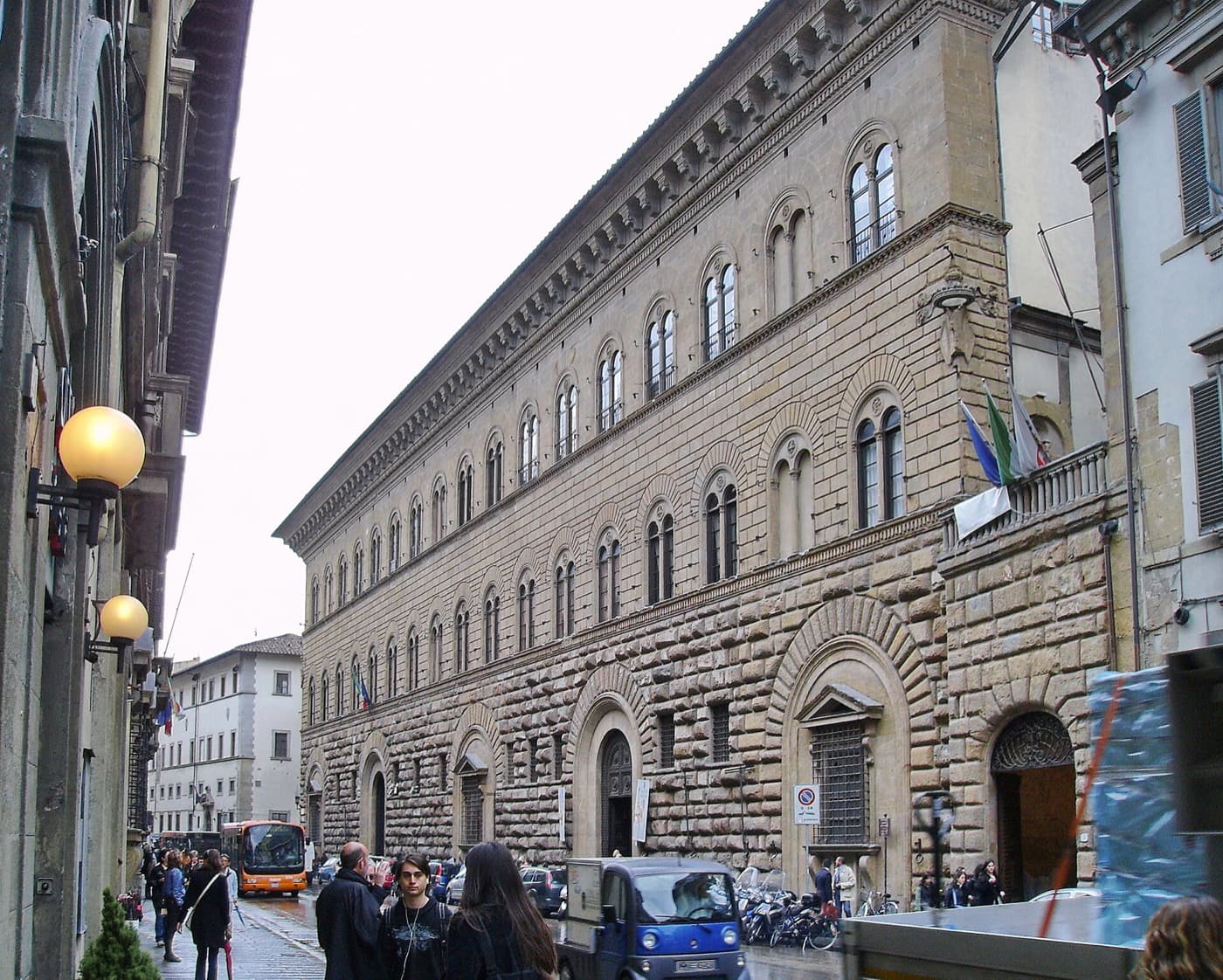
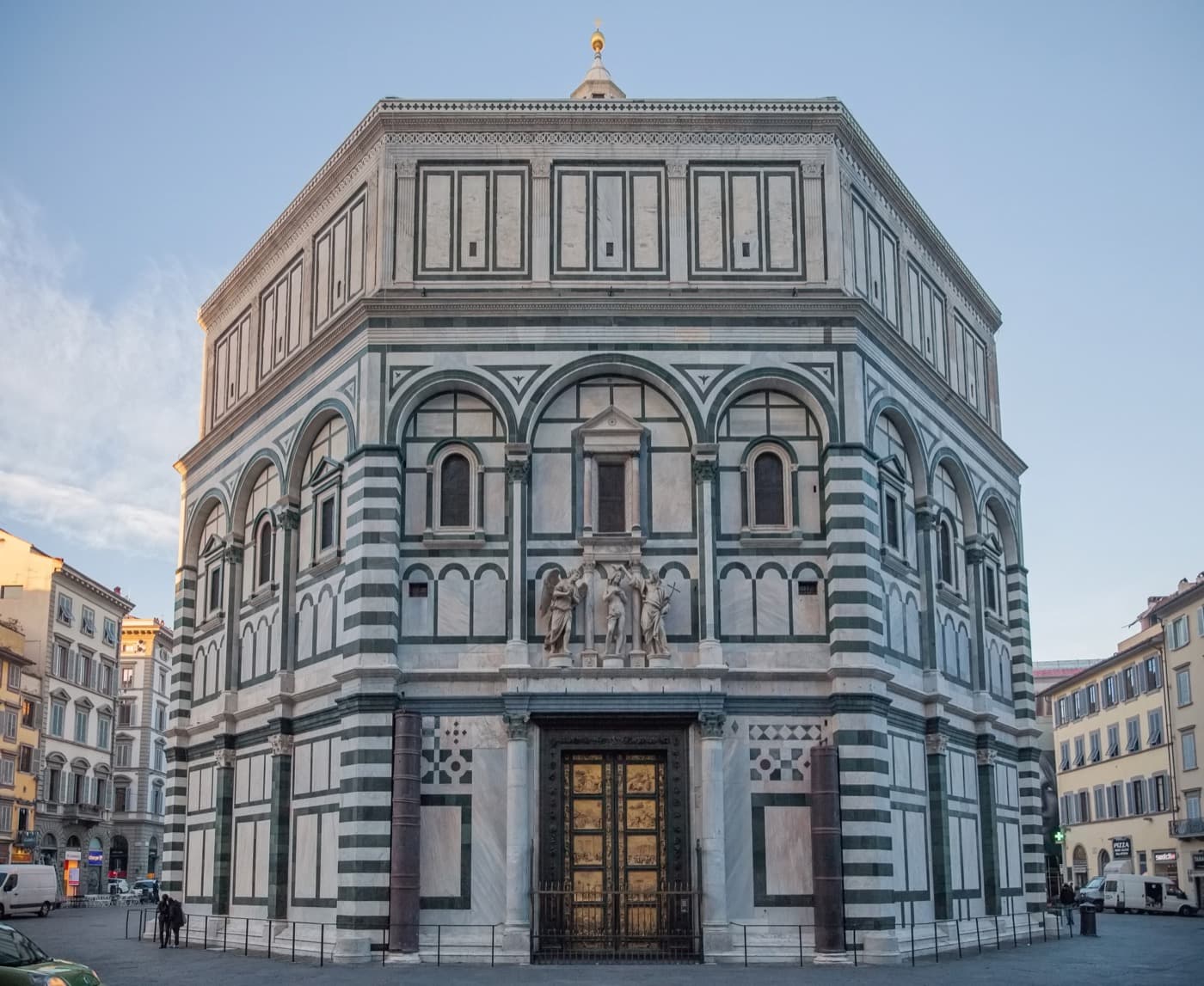
Begin early in Piazza di San Lorenzo, a few minutes north of the cathedral. This is where the self-guided audio walk Historic Center: Duomo to Ponte Vecchio starts (about 1.8 km, roughly 90 minutes at your own pace, twelve stops), and it reads the whole center as one connected story: the bare front of San Lorenzo, left unfinished when Michelangelo's facade contract was cancelled in 1520, and the corner of the Medici palace the family walled up in 1517; the Baptistery's Gates of Paradise and Brunelleschi's dome; Dante's quarter, the guild statues of Orsanmichele, Piazza della Repubblica and the bronze boar of the Mercato Nuovo; then Piazza della Signoria, the Uffizi courtyard, the Vasari Corridor and the Ponte Vecchio. Every stop is free and open-air, and the route is flat, pedestrian street, which makes it the ideal morning anchor.
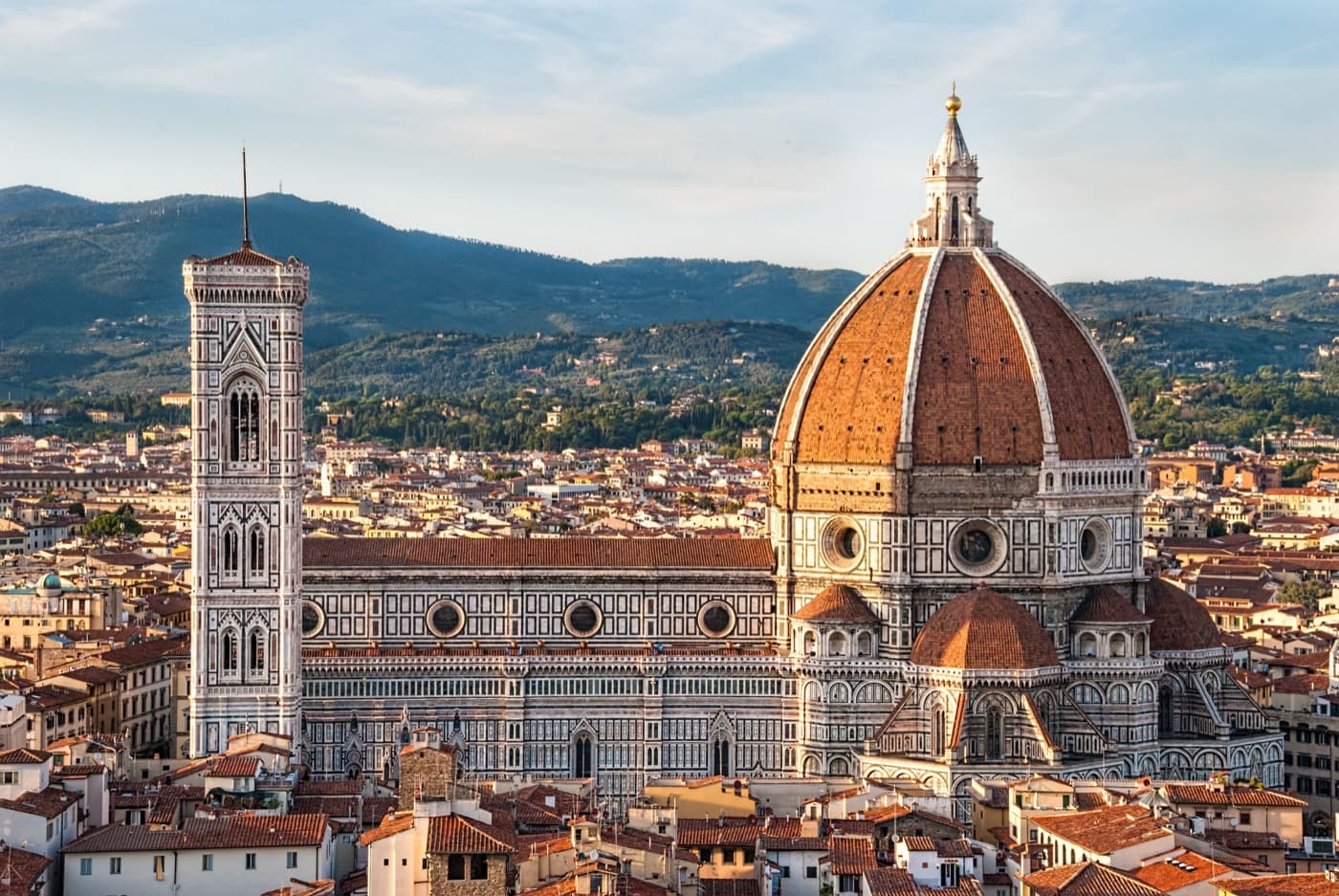
The cathedral nave is free to enter, so you can step inside as you pass and stand under Brunelleschi's brick dome, raised between 1420 and 1436 and described by the cathedral works as the largest masonry vault in the world. Only the climb to the top of the dome needs a paid, timed pass. If you want that climb, the Brunelleschi Pass runs about 30 euros in 2026, covers the dome, Giotto's bell tower, the Baptistery interior, the Opera del Duomo museum, and the crypt of Santa Reparata, and stays valid across three calendar days. The dome climb requires a reserved time slot and, since 1 March 2025, a photo ID, so book it before you arrive rather than lining up.
Midday: the Medici interiors and lunch in the San Lorenzo quarter
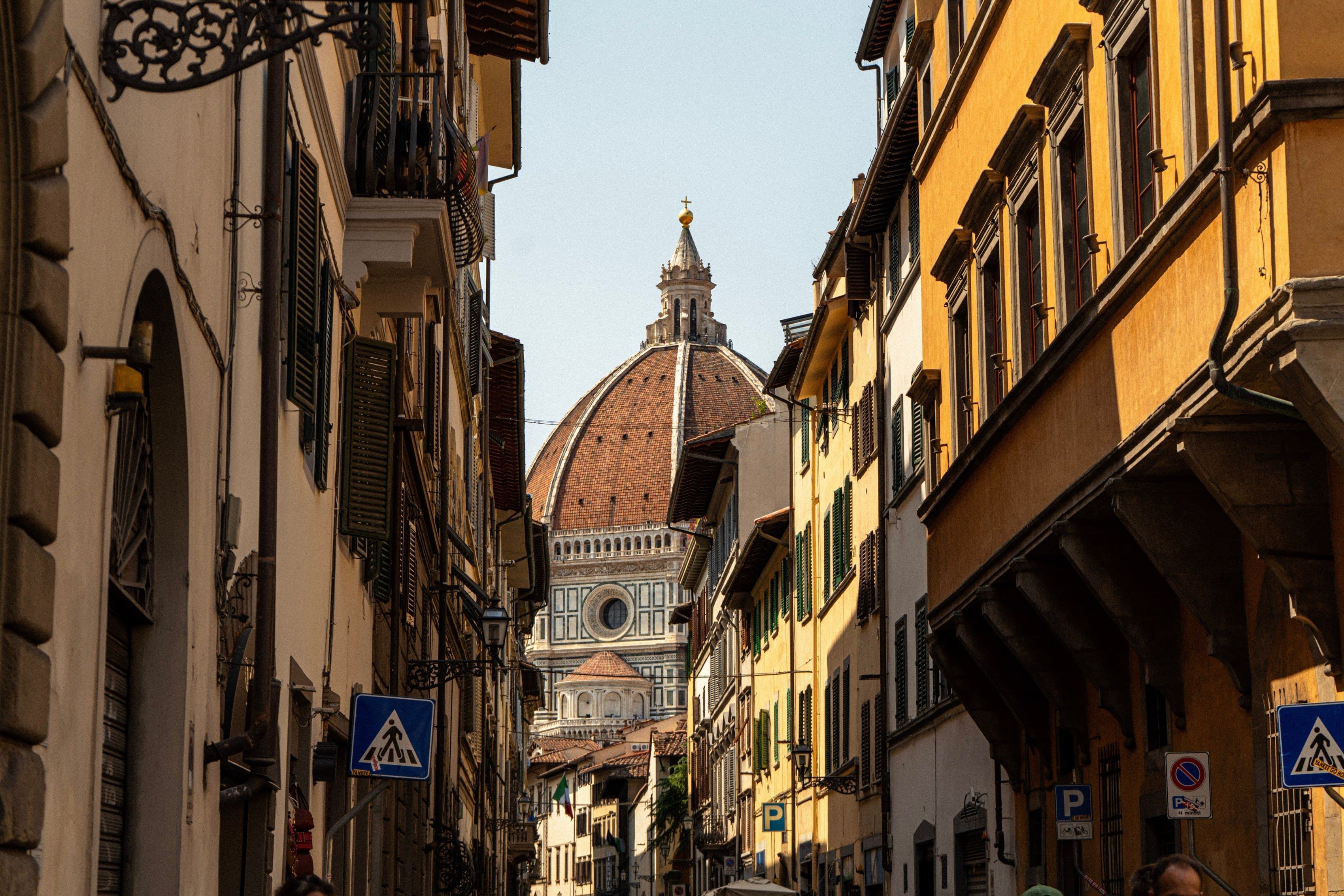
The walk's first two stops keep you on the pavement outside Palazzo Medici Riccardi and the Basilica di San Lorenzo, because the exteriors carry the argument: the palace's walled-up corner loggia and the bare, unfinished front of the Medici church. If you want the interiors, San Lorenzo, the Medici Chapels behind it, and the Magi Chapel inside the palace all charge an entry fee, and the Medici Chapels are a separate museum with their own ticket and often need advance booking in peak season. Visit them before you set off, or come back at midday: San Lorenzo is about fifteen minutes' walk north of the Ponte Vecchio.
The Mercato Centrale, two minutes from San Lorenzo, is a practical lunch stop. The ground-floor food hall is free to enter, and the upper floor is a modern food court open late, so you can eat here and keep the day moving without a sit-down restaurant reservation.
Afternoon: the Uffizi, or skip it and keep walking
The Galleria degli Uffizi holds one of the greatest concentrations of Renaissance painting anywhere, and it is the one interior most people build a Florence day around. In 2026 it is open Tuesday to Sunday, 8:15 to 18:30 (last entry 17:30) and closed every Monday. The standard adult ticket is 25 euros bought on-site or 29 euros booked online in advance, plus a booking fee. A new afternoon discount introduced on 1 January 2026 lowers entry to 16 euros on-site (20 online) for visits starting at 4pm or later, which is a genuine saving if you time it as your late-afternoon stop. Book ahead in April through October, when morning slots vanish weeks in advance.
The other interior to decide on is the Galleria dell'Accademia, home to Michelangelo's original David. It is open Tuesday to Sunday, 8:15 to 18:50, closed Mondays, with walk-up entry around 16 euros and advance online tickets around 20 euros. Entry is free for everyone on the first Sunday of each month, though that day draws long queues. Note the David in Piazza della Signoria is a replica placed in 1910; the original moved indoors to the Accademia in 1873.
If galleries are not your priority, you can skip both entirely and spend the afternoon walking. Florence gives you enough outdoors to fill a day without a single ticket.
Evening: cross the Arno to the Oltrarno and the sunset
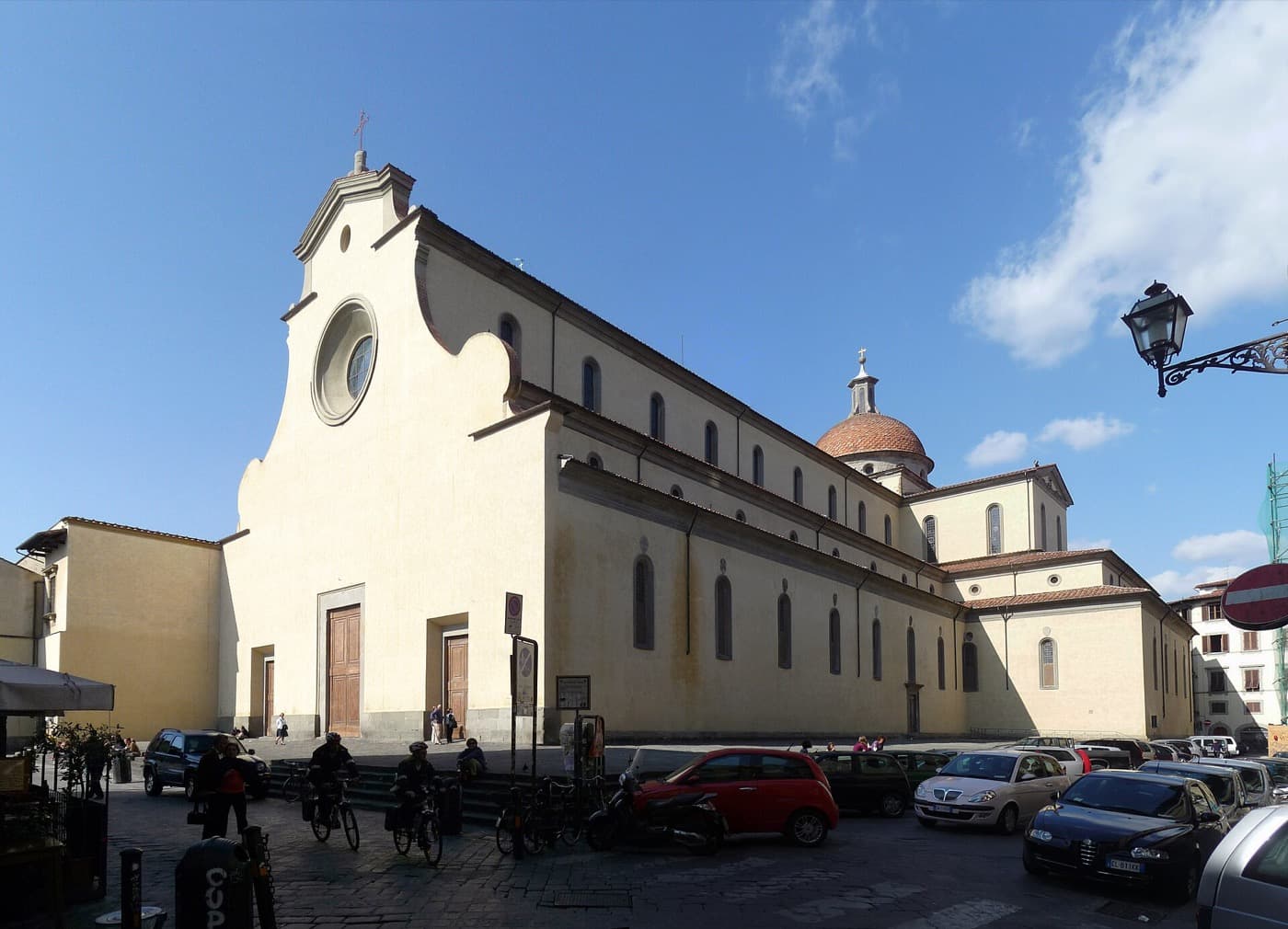
Late afternoon is the time to cross the river. The Oltrarno, the "other side of the Arno," was the working half of Renaissance Florence, full of artisan workshops that still operate behind plain doors. The self-guided The Other Side of the Arno walk (about 5 km, 110 minutes, rated hard for its final climb) starts in Piazza Santo Spirito, passes Santa Felicita and the Vasari Corridor, skirts Palazzo Pitti and the Boboli Gardens, then climbs to San Miniato al Monte and Piazzale Michelangelo. Santo Spirito, Santa Felicita, and San Miniato are all free to enter. The Boboli Gardens charge a seasonal entry fee (roughly in the low-to-high teens of euros depending on the ticket).
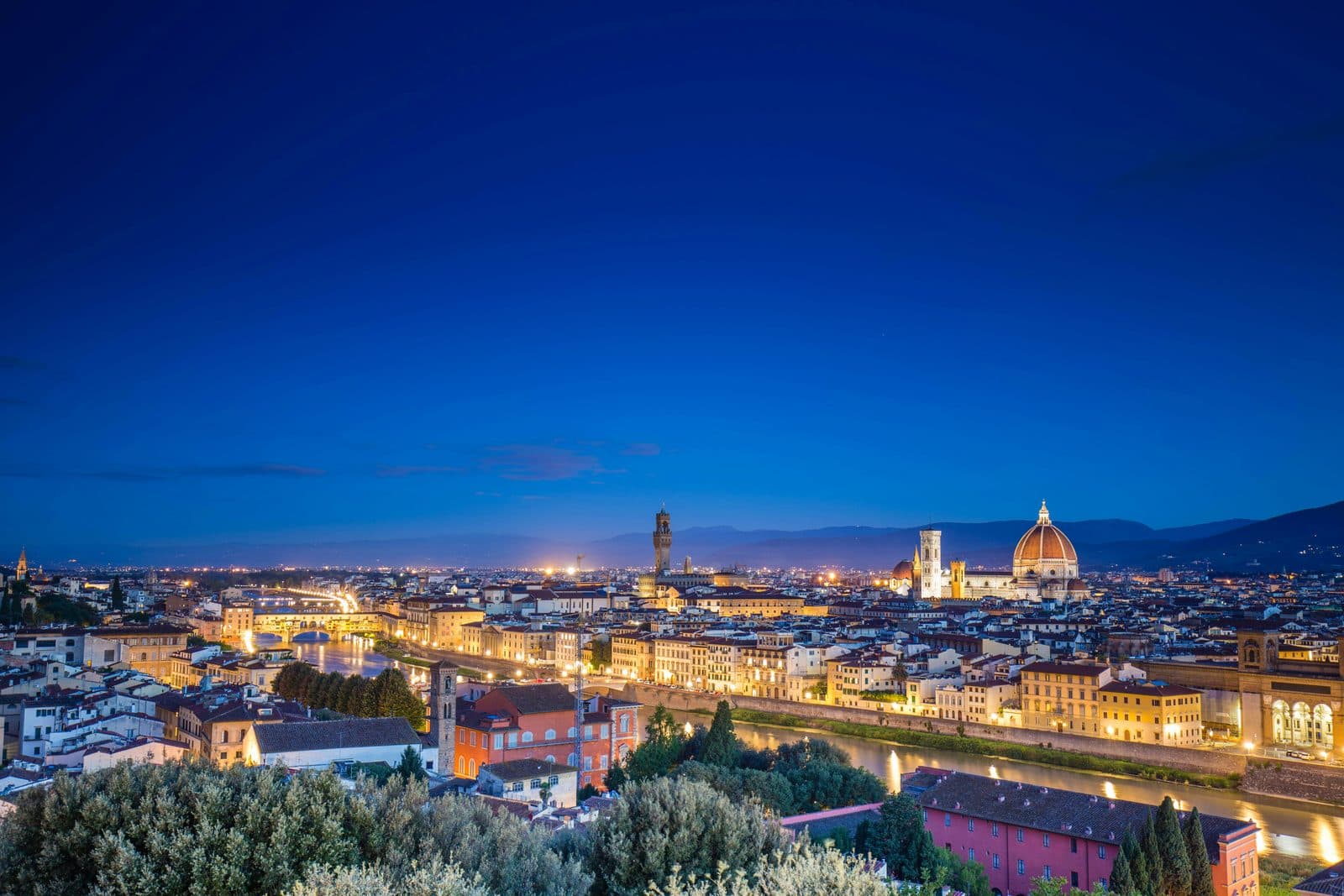
Time the climb so you reach Piazzale Michelangelo for sunset, when the low light rakes across the whole postcard skyline and the Duomo glows. The square is free and open at all hours. The final ascent is genuinely steep. If your legs are done after a full day, city buses 12 and 13 run up to the square in about 20 to 25 minutes, so you can ride up for the view and walk down in the cool of the evening.
Practical notes for the day
The whole historic core is walkable and largely pedestrian, so you will not need transport except the optional bus to Piazzale Michelangelo. Wear stable, closed shoes: the streets are uneven cobblestone and worn stone, and several sites have steps. Churches enforce a dress code covering shoulders and knees, so carry a light layer if you plan to step inside. In summer the open squares offer little shade and midday heat is strong, which is why the morning start and evening river crossing work so well. Florence is a safe city to walk, but the dense zone between the cathedral, the square, and the Ponte Vecchio is a known spot for pickpockets, so keep bags zipped and in front of you in the crowds. State museums close on Mondays, so if your one day is a Monday, lean into the free outdoor walks and save the galleries for another trip.
Sources
Frequently asked questions
- Can you see Florence in one day on foot?
- Yes. Florence's historic center is compact, with the Duomo, Piazza della Signoria, the Uffizi, and the Ponte Vecchio all within about a kilometer of each other. A single day on foot can cover the historic center from San Lorenzo to the Ponte Vecchio in the morning, a gallery or the Medici interiors at midday, and the Oltrarno with a sunset viewpoint in the evening. You only need transport if you want to ride a bus up to Piazzale Michelangelo instead of walking the steep climb.
- What is free to see in Florence in one day?
- A large share of Florence's best sights are free and outdoors. The nave of the Duomo, Piazza della Signoria, the open-air sculptures of the Loggia dei Lanzi, the Ponte Vecchio, and Piazzale Michelangelo all cost nothing. Several churches including Santo Spirito, Santa Felicita, and San Miniato al Monte also offer free entry. You can complete a full walking day without buying a single ticket.
- How much are Uffizi tickets in 2026?
- In 2026 the standard adult Uffizi ticket is 25 euros bought on-site or 29 euros booked online in advance, plus a booking fee. An afternoon discount introduced on 1 January 2026 lowers entry to 16 euros on-site (20 euros online) for visits beginning at 4pm or later. The gallery is open Tuesday to Sunday and closed every Monday, so book ahead in the busy April to October season.
- Do I need to book the Florence Duomo dome climb in advance?
- Yes. The climb to the top of Brunelleschi's dome requires a reserved time slot and, since 1 March 2025, a photo ID. It is sold through the Brunelleschi Pass, which costs about 30 euros in 2026 and also covers the bell tower, Baptistery, museum, and crypt across three calendar days. The cathedral nave itself is free to enter, so you can stand under the dome without paying if you skip the climb.
- How do you get to Piazzale Michelangelo for sunset?
- Piazzale Michelangelo sits on a hill about 2 km from the center. You can walk up in roughly 25 to 30 minutes from the Duomo, a steep but scenic climb, or take city bus 12 or 13, which reach the square in about 20 to 25 minutes. The square is free and open at all hours, and it gives one of the best panoramic views of the Florence skyline at sunset.
- Is one day enough time for Florence?
- One day is enough to experience Florence's outdoor highlights and the layout of the Renaissance city, especially with self-guided audio walks that string the sights together. It is tight if you also want to enter the major galleries, since the Uffizi and the Accademia each take a couple of hours and need advance booking. Many visitors pick one interior for the afternoon and spend the rest of the day walking the free outdoor route.
Ready to experience it?
Historic Center: Duomo to Ponte Vecchio
90 min · 1.8 km · easy
More from Florence
Explore more at your own pace.
Florence Travel Guide: How Many Days, Getting Around, and What to Book
How Money and Competition Built the Renaissance in Florence
Palazzo Medici Riccardi: How to Read a Banker's Balance Sheet in Stone
The Baptistery Door Competition That Started the Renaissance
The Oltrarno: Reading Florence's Working Half From Santo Spirito Onward