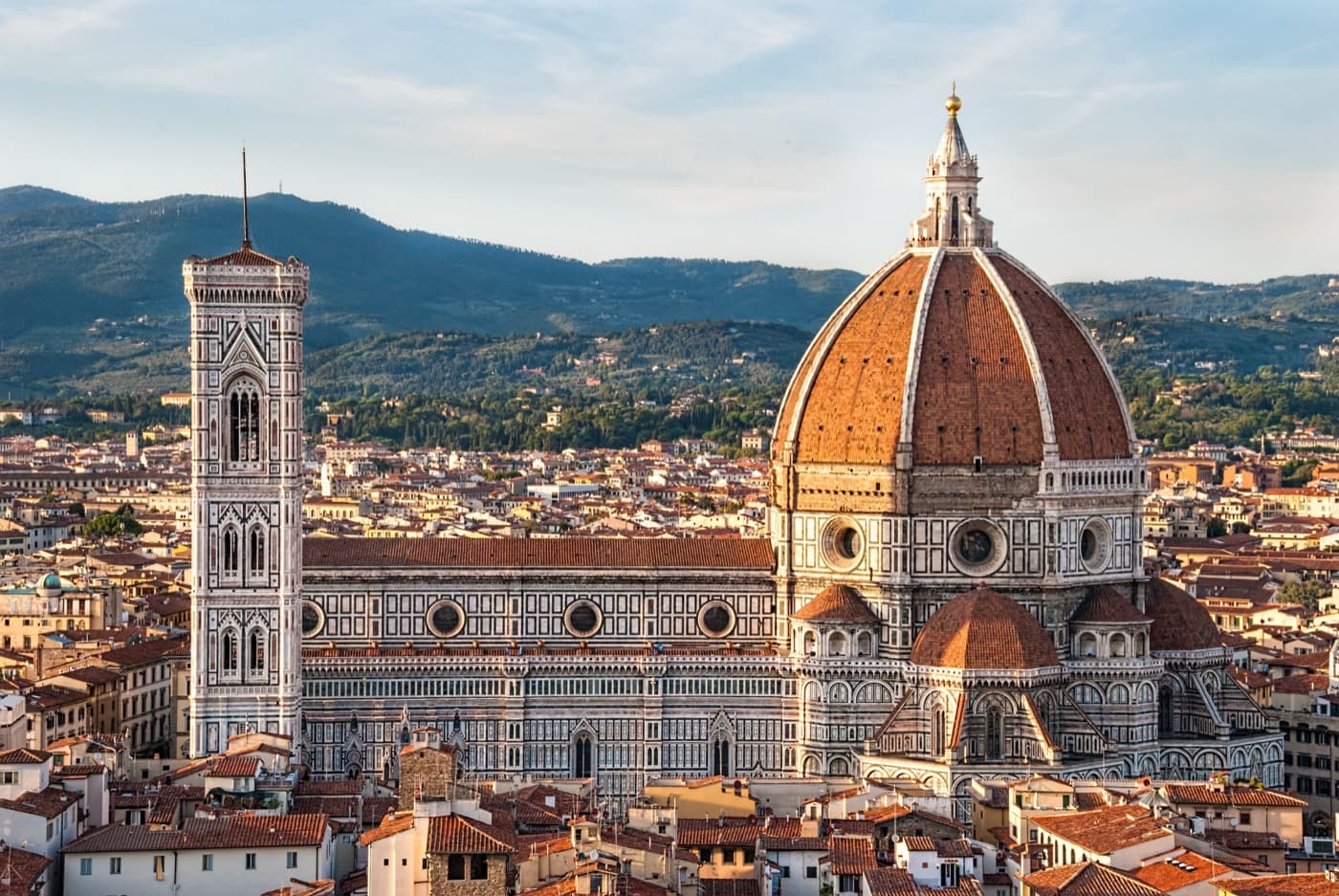
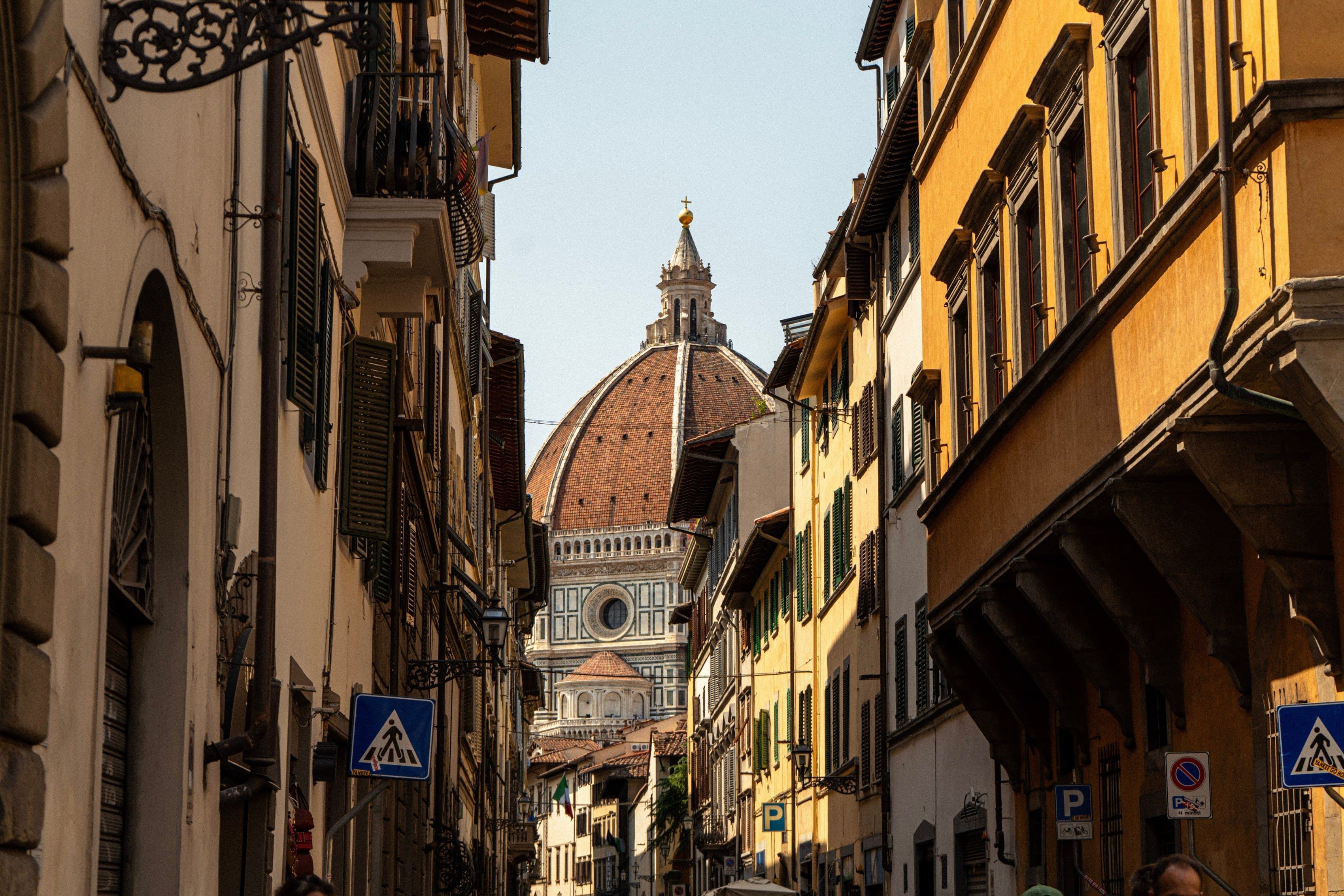
Historic Center: Duomo to Ponte Vecchio
90 min · 1.8 km · easy
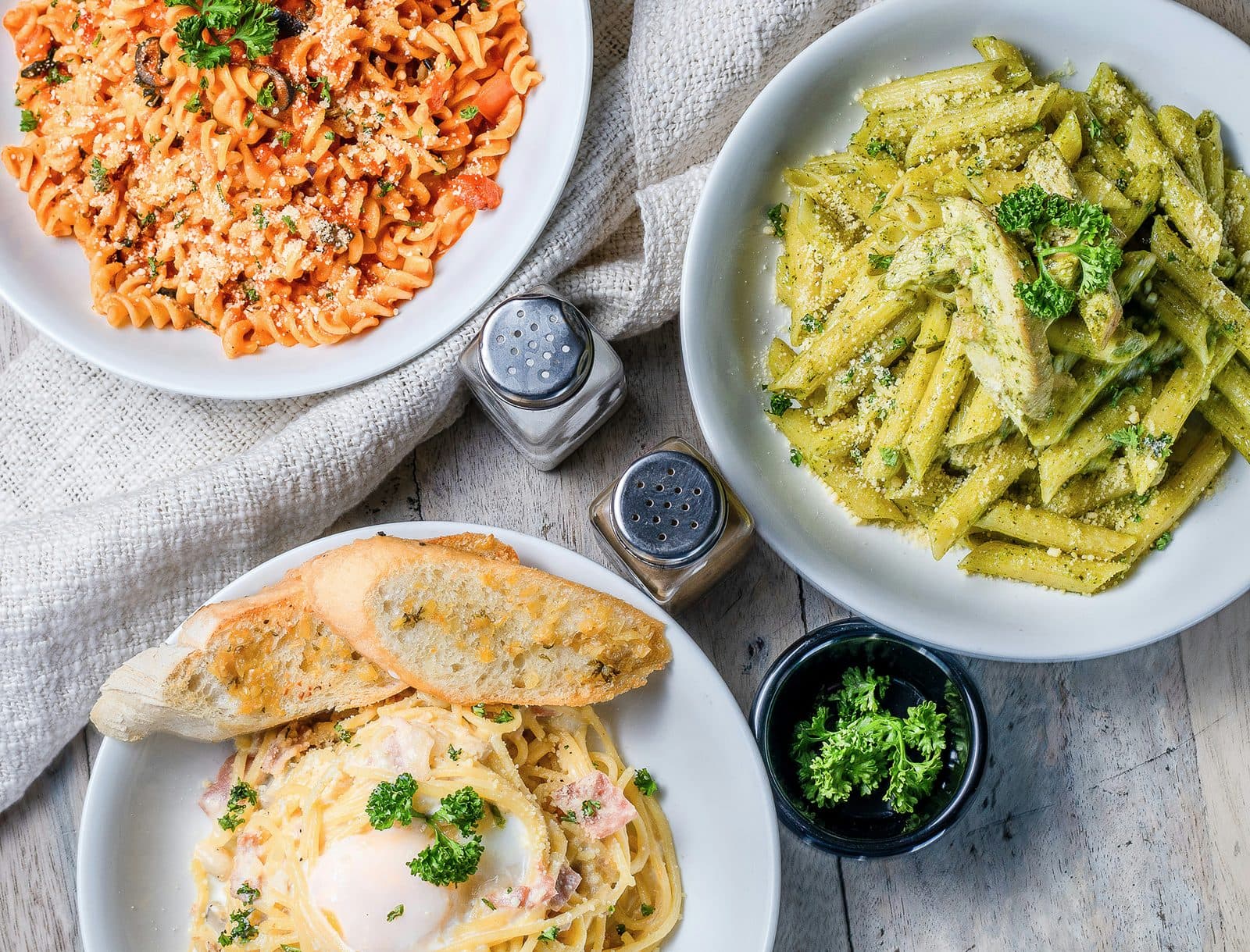
Eat like a Florentine and you eat cheaply, standing up, and by weight: the city's core dishes are Tuscan peasant cooking, built on bread, beans, offal, and Chianina beef, and the best versions come from market stalls and old trattorie rather than tablecloth restaurants. Order the sandwich at the counter, split the steak, and treat the market as your canteen. Here is what to eat in Florence, where each dish comes from, and how to ask for it without the tourist markup.
The dishes that define Florence
Lampredotto is the one to try first. It is the cow's fourth and final stomach (the abomasum), simmered for hours with tomato, onion, parsley, and celery until it turns tender, then chopped and piled into a bread roll whose top has been dipped in the cooking broth. You order it with salsa verde (a green sauce of parsley, garlic, capers, and anchovy) or piccante (chili oil), or both. It is the emblem of Florentine cucina povera, the fifth-quarter cooking that used every part of the animal. A sandwich runs roughly 3 to 5 euros and you eat it standing at the stall.
Bistecca alla fiorentina is the opposite pole: the celebration dish. It is a thick T-bone cut, traditionally from Chianina cattle raised in the Val di Chiana south of Florence, a breed whose ancient white Umbrian ancestors the Roman writer Columella described around 55 AD. The steak is grilled over embers and served rare, "al sangue" (literally "with blood"). It was added to Italy's national register of traditional food products (Prodotto Agroalimentare Tradizionale) in 2021. It is a shared dish, not a plate for one.
Ribollita is the bread soup that shows how Tuscans cooked with almost nothing. Cannellini beans, cavolo nero (lacinato kale), cabbage, and cheap vegetables are stewed with stale Tuscan bread, then the whole pot is reboiled the next day, which is what the name means: "reboiled." It was first documented in print in 1910, in Alberto Cougnet's L'arte cucinaria in Italia, though the practice is far older. Its warm-weather cousin is panzanella, a salad of soaked stale bread, tomatoes, onion, and basil.
Round it out with crostini di fegatini (also called crostini toscani), toasts spread with a coarse chicken-liver paté cut with capers, anchovy, and a splash of Vin Santo, the classic Tuscan antipasto. Finish with cantucci, twice-baked almond biscuits you dip into a small glass of Vin Santo dessert wine. In autumn, look for schiacciata all'uva, a flat sweet bread pressed with wine grapes at harvest time.
Where to eat it: the Mercato Centrale
Hear a stop from this walk
Brunelleschi's Dome: Two Rivals, One Vault
The single best introduction is the Mercato Centrale in the San Lorenzo quarter, two minutes from the first stop of the Historic Center self-guided tour. The cast-iron-and-glass hall was designed by Giuseppe Mengoni, the architect of Milan's Galleria Vittorio Emanuele II, built from 1870 and inaugurated on 1 May 1874, three years after the capital of newly unified Italy had moved on from Florence to Rome.
Inside, on the ground floor, is Nerbone, a counter that has been serving working Florentines since 1872, two years before the building itself opened. This is the place for the panino di bollito, a roll of sliced boiled beef dipped in broth, and for a bowl of lampredotto. Expect a short queue of locals and a paper ticket system at busy times.
Two floors, two clocks. The ground-floor food market (fruit, cheese, butchers, the historic counters like Nerbone) runs roughly 7:00 to 2:00 and is closed on Sundays, so it is a morning and lunch destination. The upstairs food hall, opened in 2014 with around two dozen artisan counters, stays open late (roughly late morning until midnight) every day, which makes it the reliable fallback for a Sunday or an evening. Hours can shift with the season, so treat these as the pattern rather than a promise, and check the official site before a late visit.
How to order like a local
For the sandwich stalls, the etiquette is simple: order at the counter, pay a few euros, say "con salsa verde" or "con piccante," and eat standing or walking. No table, no cover charge, no tip expected.
For bistecca alla fiorentina, three rules save you money and embarrassment. First, it is priced by weight, per etto (100 grams), usually around 5 to 7 euros per etto for Chianina, so a 1.2 kilogram steak lands somewhere in the range of 60 to 85 euros. Second, there is normally a minimum of about one kilogram, and the steak is meant to be shared: one bistecca for two, or even three, people. Ordering one each is the tourist tell. Third, it comes rare by default. You can ask for "media" (medium) and most places will oblige, but "ben cotto" (well done) is a genuine faux pas at a serious grill. When the waiter brings the raw cut to your table for approval, confirm the approximate weight before you nod.
At a sit-down trattoria you will see a "coperto," a small per-person cover charge for bread and service, usually a euro or two. That is normal and is not a scam. Tipping beyond rounding up is not expected in Florence.
Where the food meets the walk
Florence is compact, so eating and sightseeing fold together. The Historic Center tour starts at San Lorenzo, two minutes from the Mercato Centrale, so the market makes an easy breakfast before the walk or lunch after it, and the route covers the cathedral-to-river core where the crostini-and-Chianti trattorie cluster in the side streets. It also passes the Mercato Nuovo, the sixteenth-century market loggia where the bronze boar stands. Cross the Arno on the Oltrarno tour for the artisan quarter around Santo Spirito, whose square holds a good local market and casual osterie away from the busiest lunch crowds.
Compare both routes on the Florence walking tours hub, then open the city page at /italy/florence to start one. Each is a self-guided audio walk, so you set the pace and stop to eat whenever the smell of a grill pulls you off course.
Sources
- Bistecca alla Fiorentina: Tuscany's Favourite Steak - Great Italian Chefs
- Bistecca alla Fiorentina has become Doc - Firenze Made in Tuscany
- Trippa and Lampredotto: Florence's Street Food - VisitFlorence
- La ribollita toscana: un appellativo "recente" - WiP Radio
- Mercato Centrale, Repertorio delle Architetture Civili di Firenze (Palazzo Spinelli)
- Opening hours and directions - Mercato Centrale Florence (official)
- Bistecca alla Fiorentina: Where to Eat and How to Order It - Do Eat Better Experience
Frequently asked questions
- What is the most famous dish to eat in Florence?
- Two dishes compete. Lampredotto, a sandwich of slow-cooked cow's fourth stomach on a broth-dipped roll, is the everyday street-food icon and costs roughly 3 to 5 euros. Bistecca alla fiorentina, a thick rare-grilled T-bone traditionally from Chianina cattle, is the celebration dish and is shared between two or more people.
- What is lampredotto and how do you order it?
- Lampredotto is the abomasum, the cow's fourth and final stomach, simmered with tomato, onion, parsley, and celery until tender, then served in a bread roll dipped in the cooking broth. You order it at a stall and ask for salsa verde (green herb sauce) or piccante (chili oil), or both. You eat it standing, with no table or tip expected.
- How is bistecca alla fiorentina priced and served?
- It is sold by weight, per etto (100 grams), commonly around 5 to 7 euros per etto for Chianina beef, with a typical minimum of about one kilogram. It is served rare (al sangue) by default and is meant to be shared, so one steak feeds two or three people. Confirm the weight with the waiter before approving the cut.
- Where should I eat traditional food in Florence?
- The Mercato Centrale in the San Lorenzo quarter is the best starting point. Its ground-floor market, home to the historic Nerbone counter serving since 1872, runs roughly 7:00 to 2:00 and is closed Sundays. The upstairs food hall, opened in 2014, stays open late every day and is the reliable fallback for evenings and Sundays.
- What is ribollita?
- Ribollita is a Tuscan bread-and-vegetable soup made with cannellini beans, cavolo nero kale, cabbage, and stale Tuscan bread. The name means reboiled because the pot is cooked, rested overnight, then reheated the next day. It was first documented in print in 1910 in Alberto Cougnet's L'arte cucinaria in Italia.
- Is there a cover charge at Florence restaurants?
- Yes. Sit-down trattorie and osterie usually add a coperto, a small per-person cover charge of about one to two euros for bread and service. It is normal and not a scam. Tipping beyond rounding up the bill is not expected in Florence.
Ready to experience it?
Historic Center: Duomo to Ponte Vecchio
90 min · 1.8 km · easy
More from Florence
Explore more at your own pace.
Florence Travel Guide: How Many Days, Getting Around, and What to Book
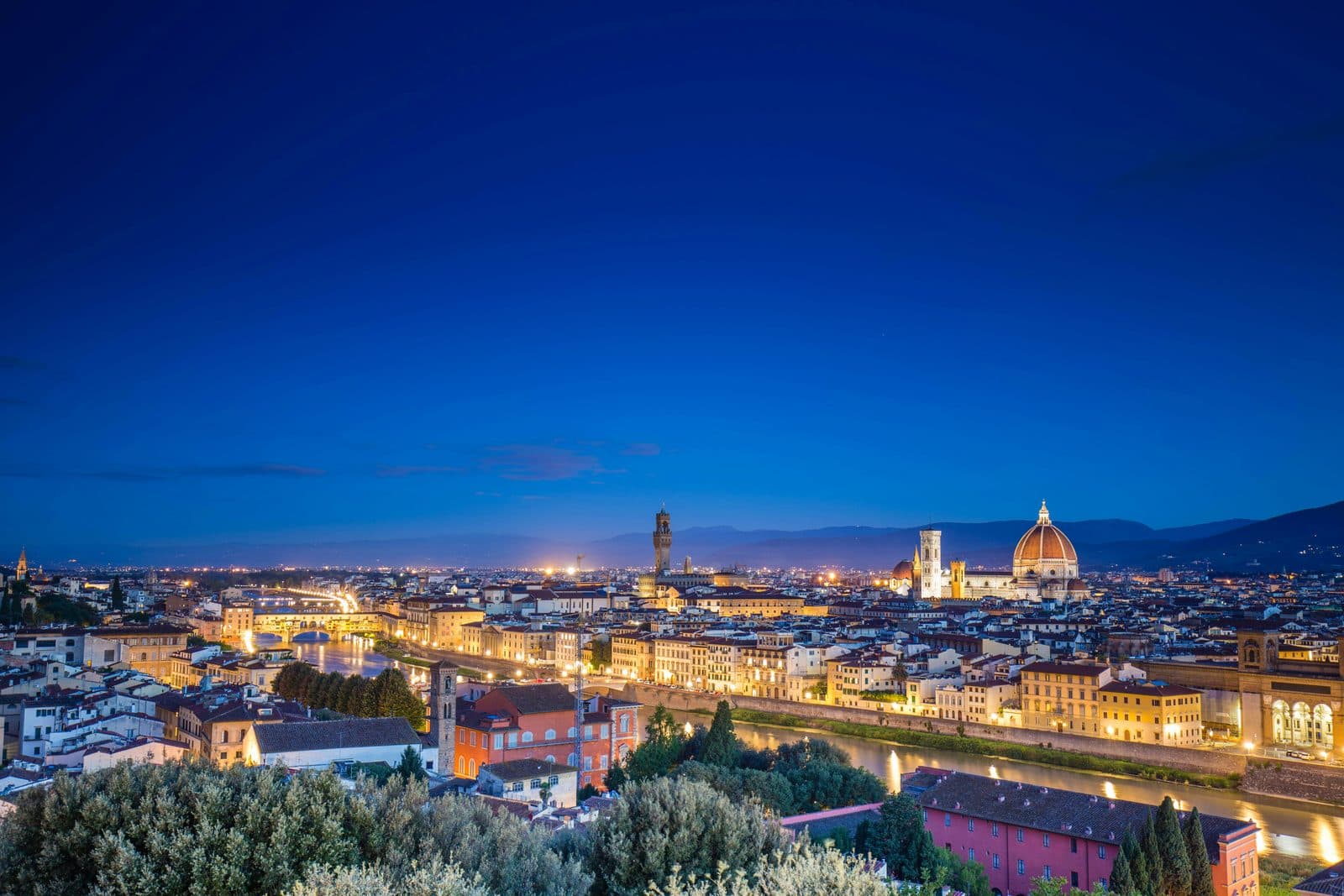
How Money and Competition Built the Renaissance in Florence
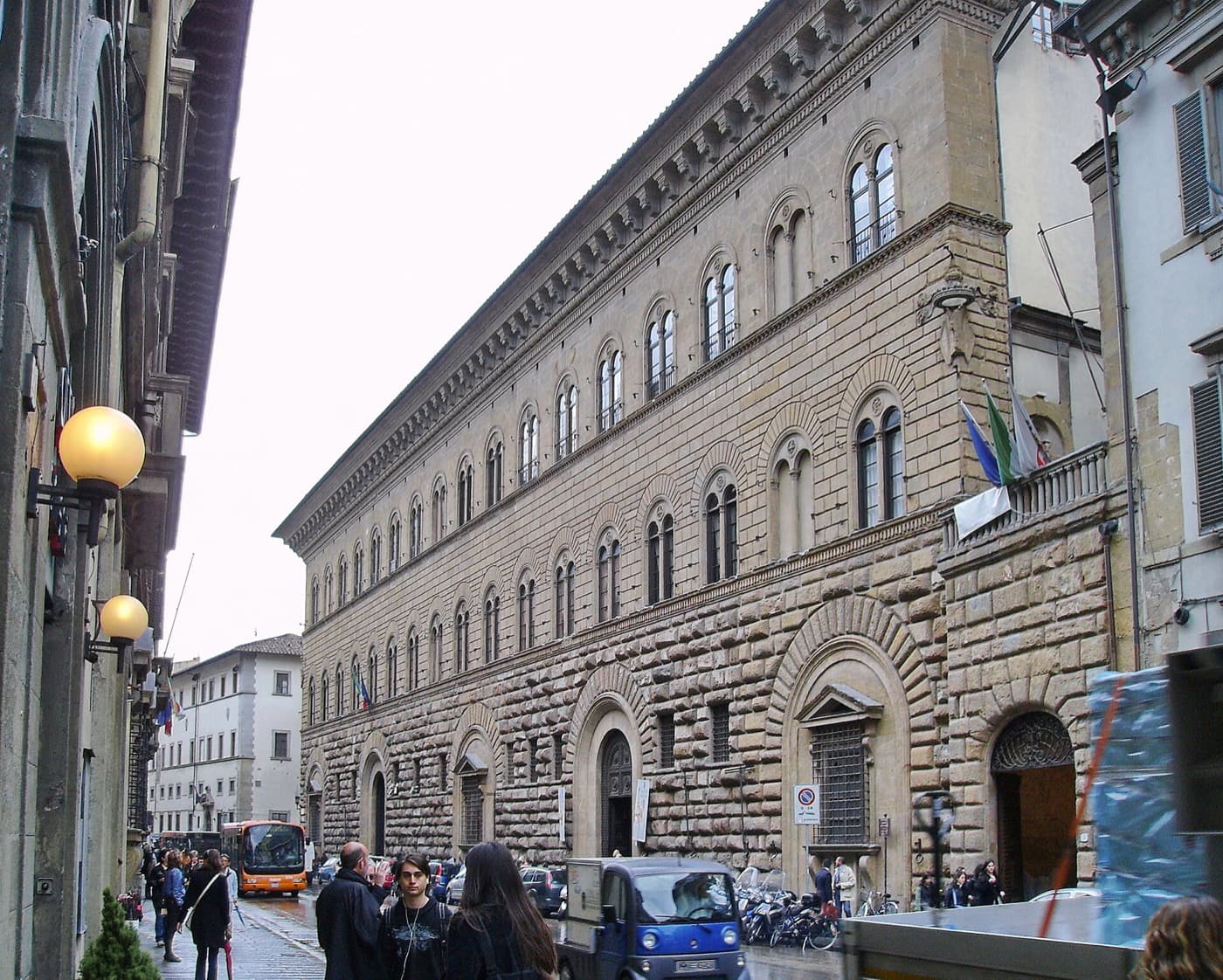
Palazzo Medici Riccardi: How to Read a Banker's Balance Sheet in Stone
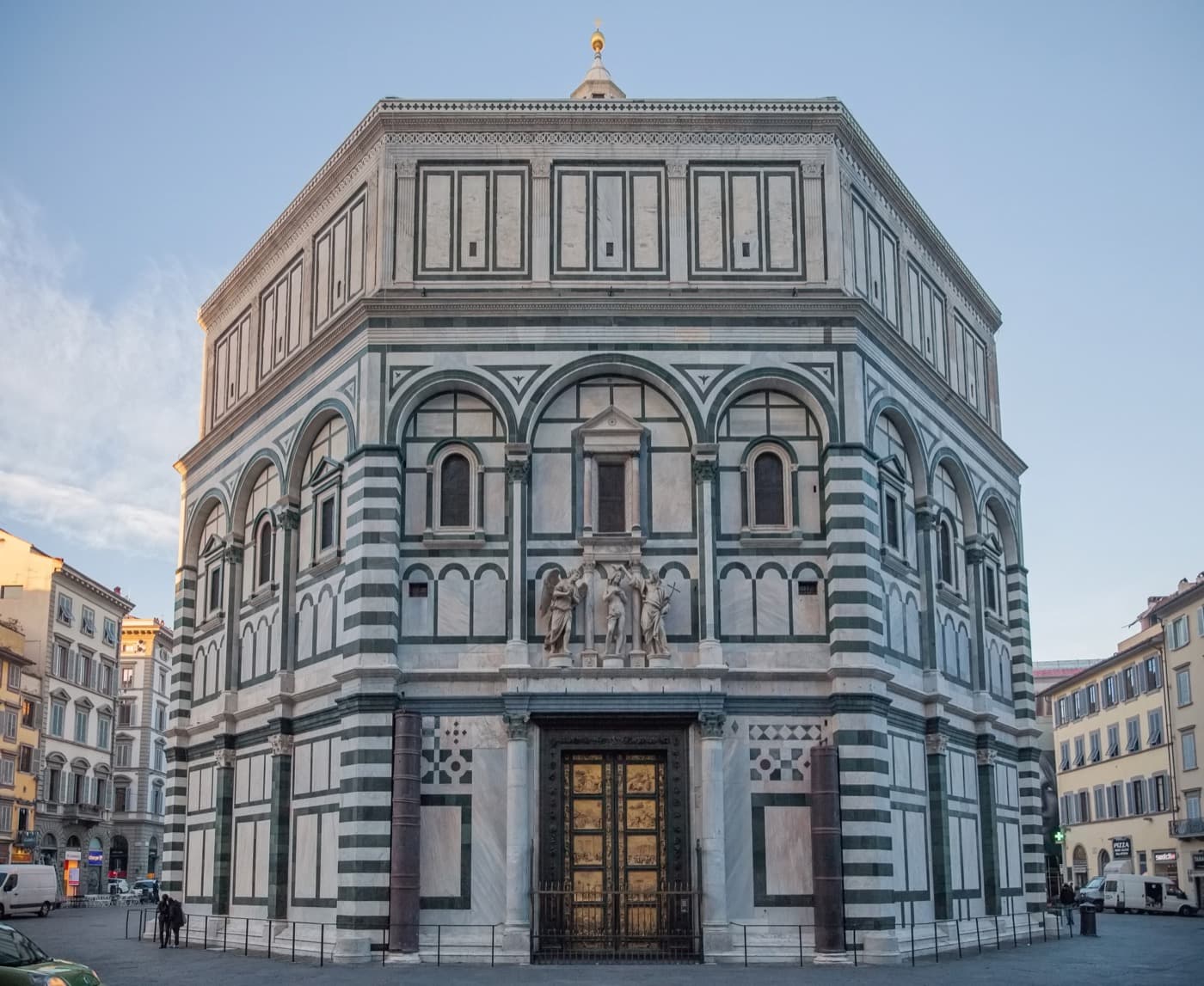
The Baptistery Door Competition That Started the Renaissance
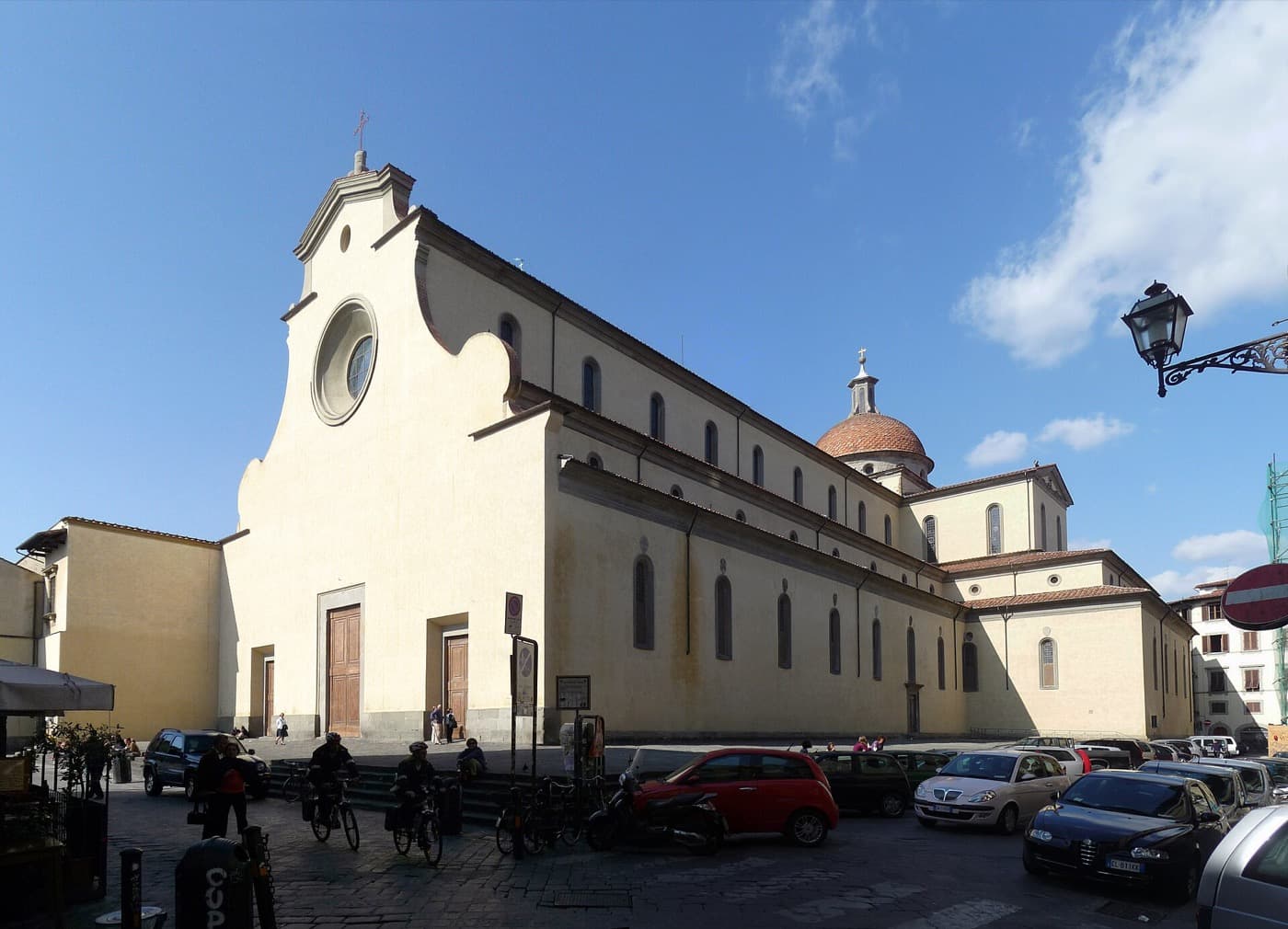
The Oltrarno: Reading Florence's Working Half From Santo Spirito Onward