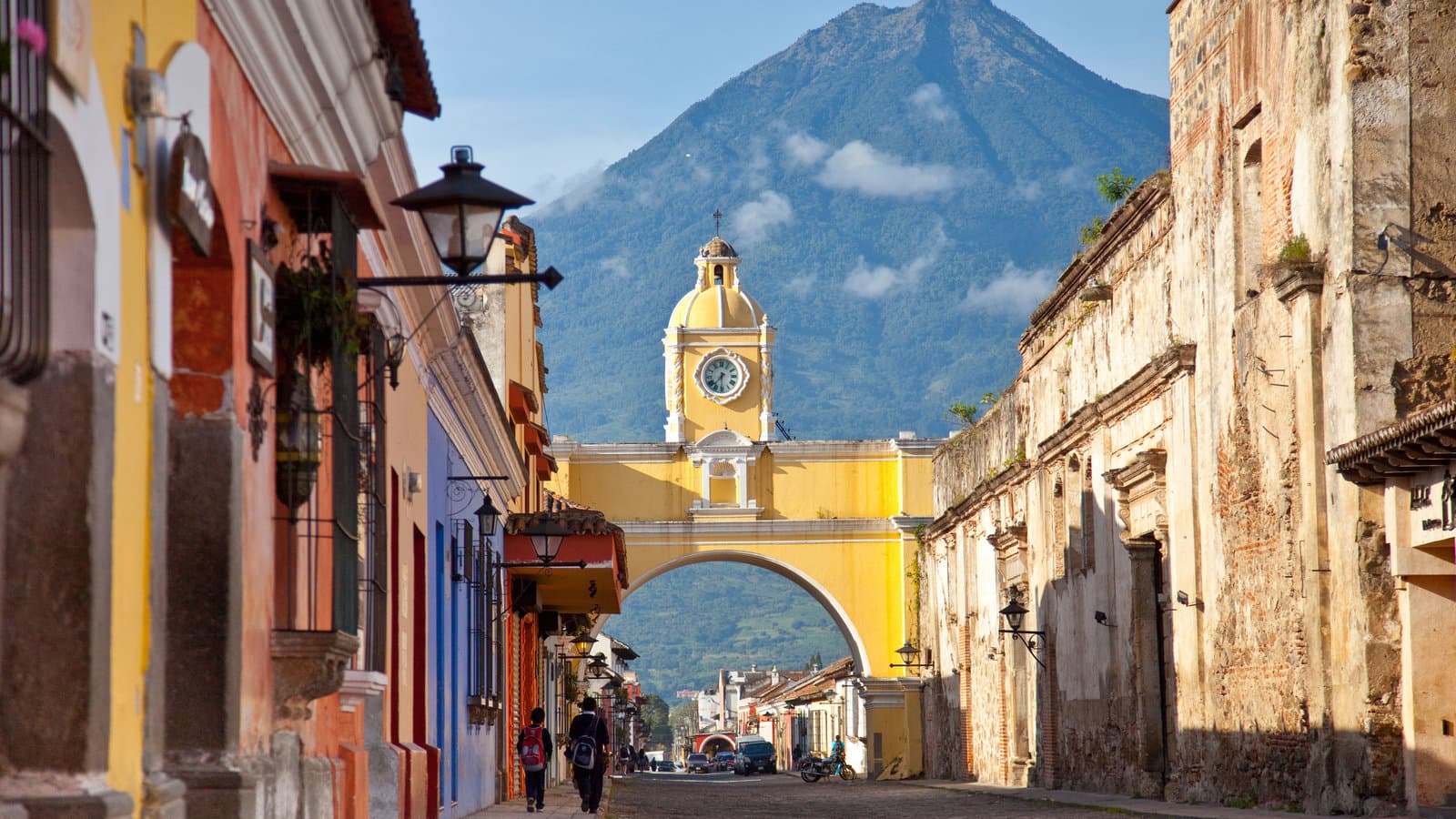
The Spanish abandoned this colonial capital in 1773. The people who couldn't afford to leave kept it alive, and their poverty is why you can still walk it.
Start · Parque Central: Where the Pattern Starts
DirectionsStops
- 1
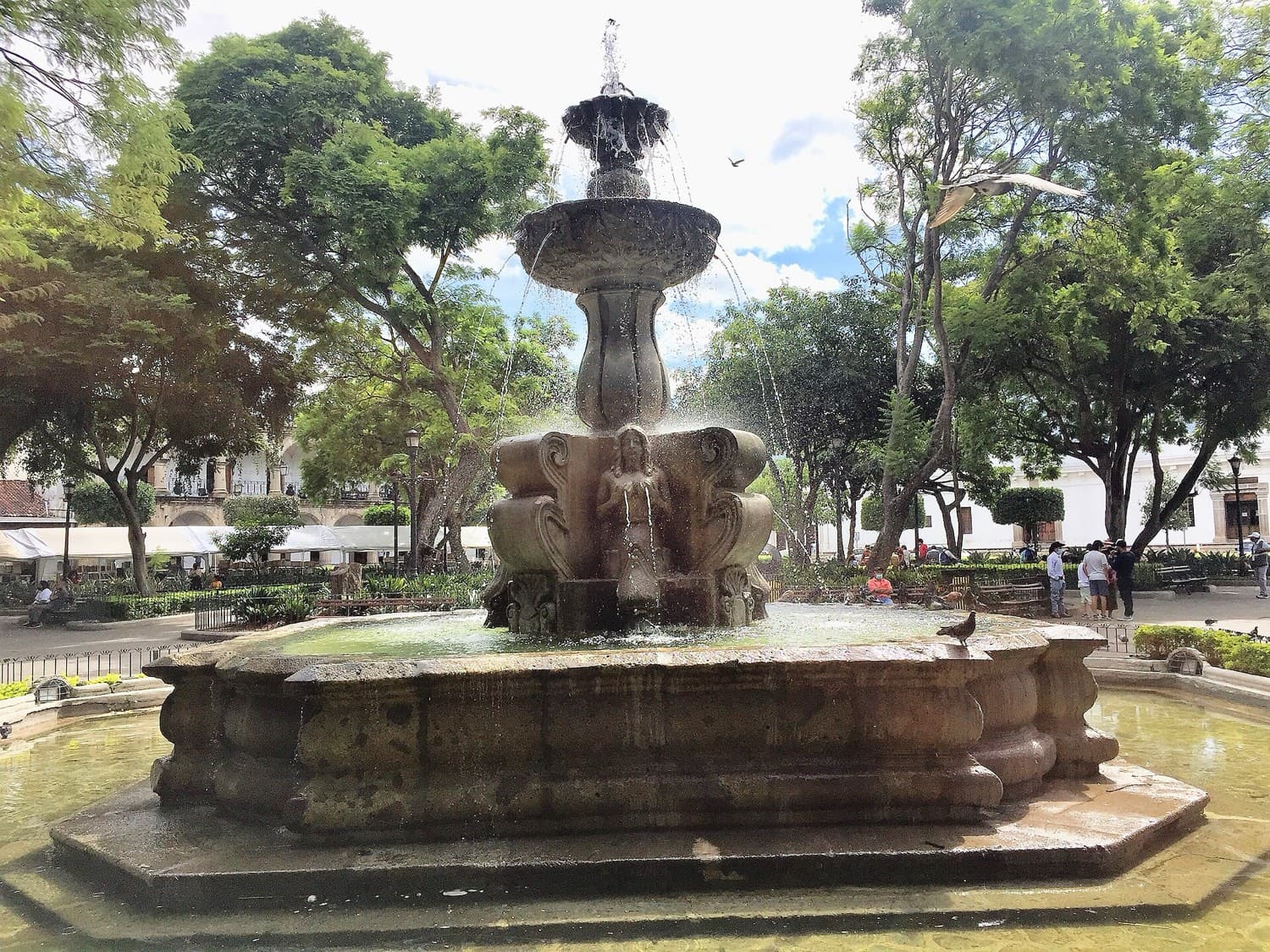
Parque Central: Where the Pattern Starts
The plaza laid out in 1543, still the heart of Antigua nearly five centuries later.
- 2
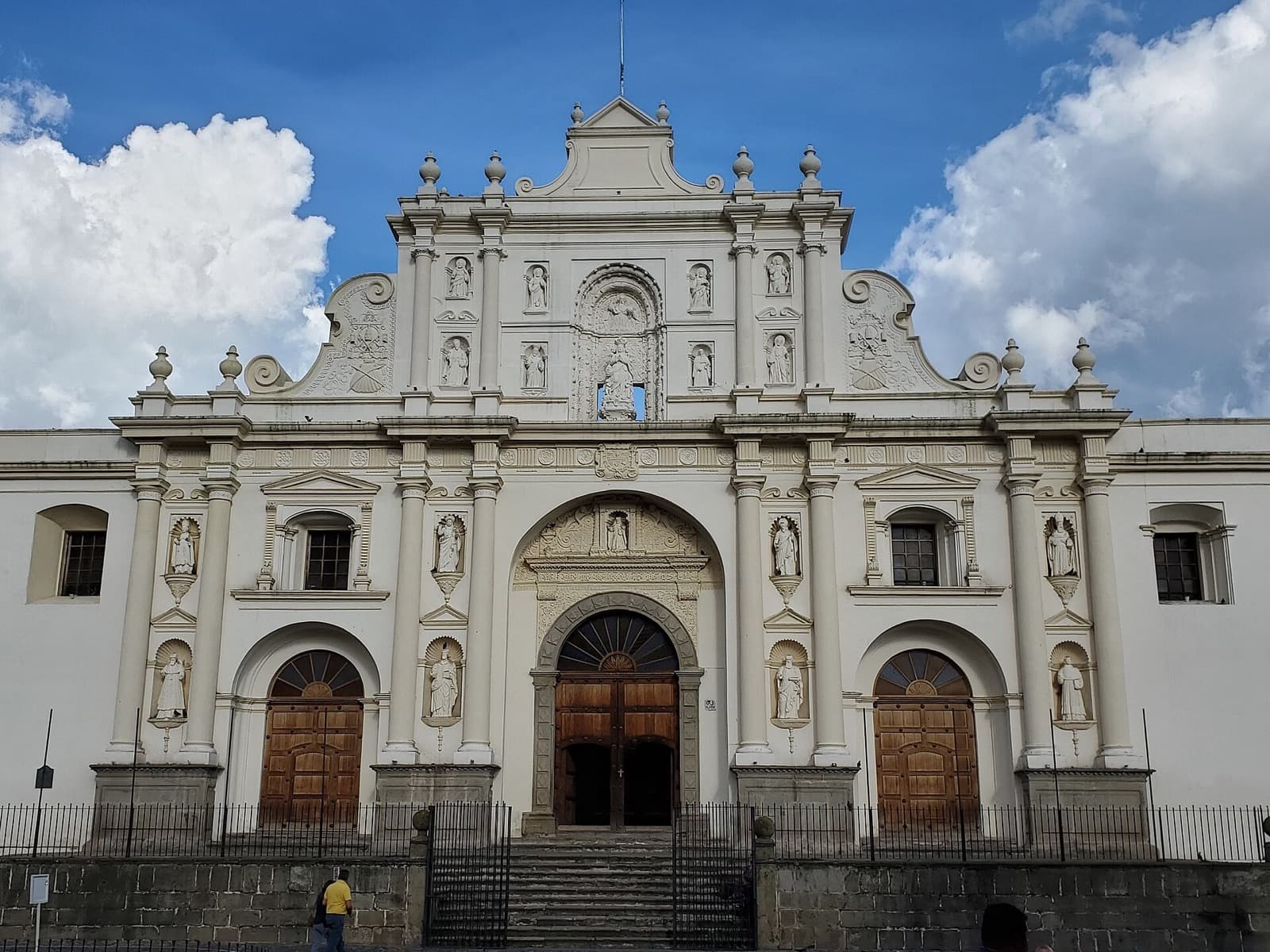
Cathedral and Ruins: One Building, Two Halves
An active parish church on the plaza, with the open-air ruins of the original cathedral behind.
- 3
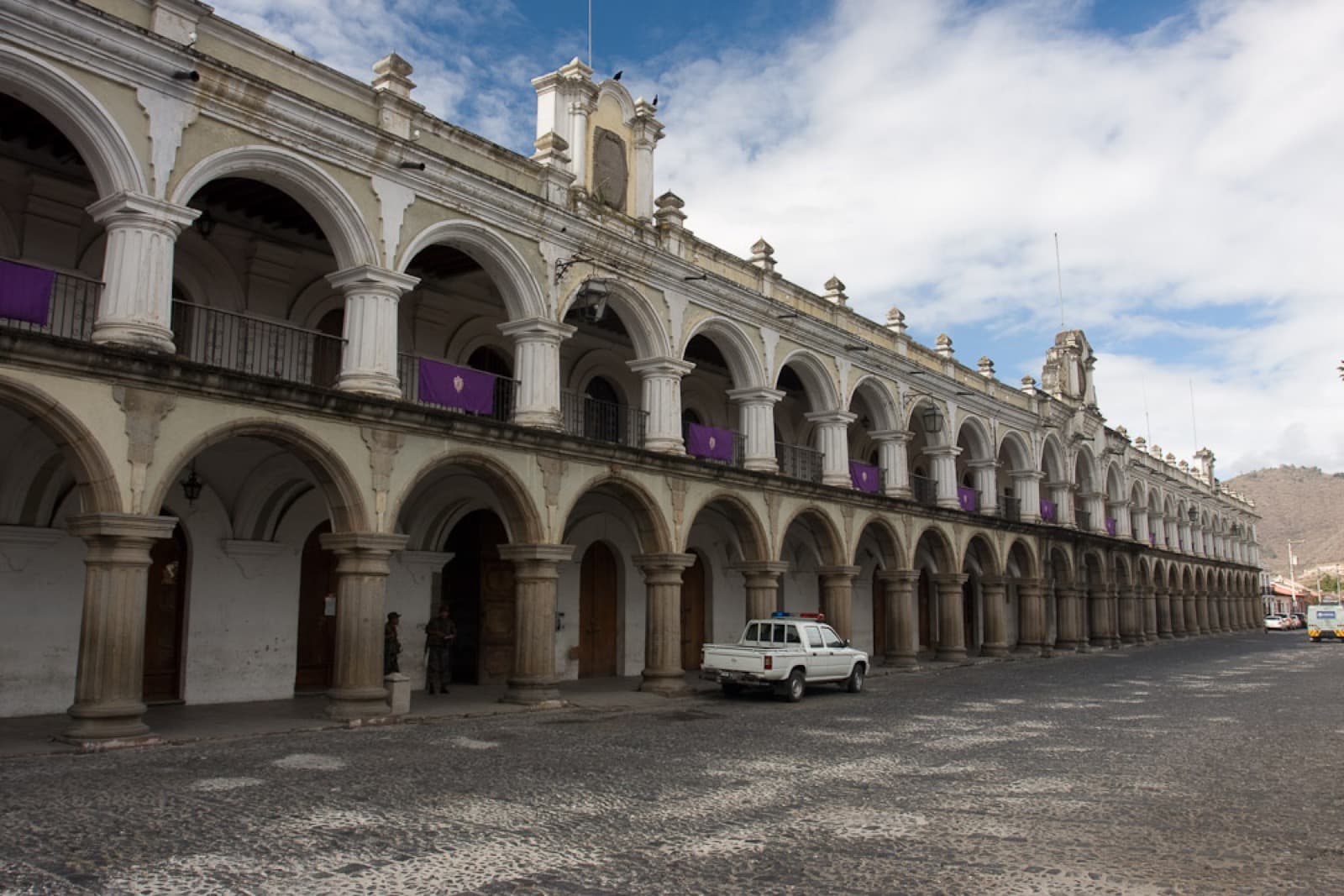
Palacio de los Capitanes: Where Power Left
The seat of Spanish colonial government for Central America, abandoned after 1773.
- 4
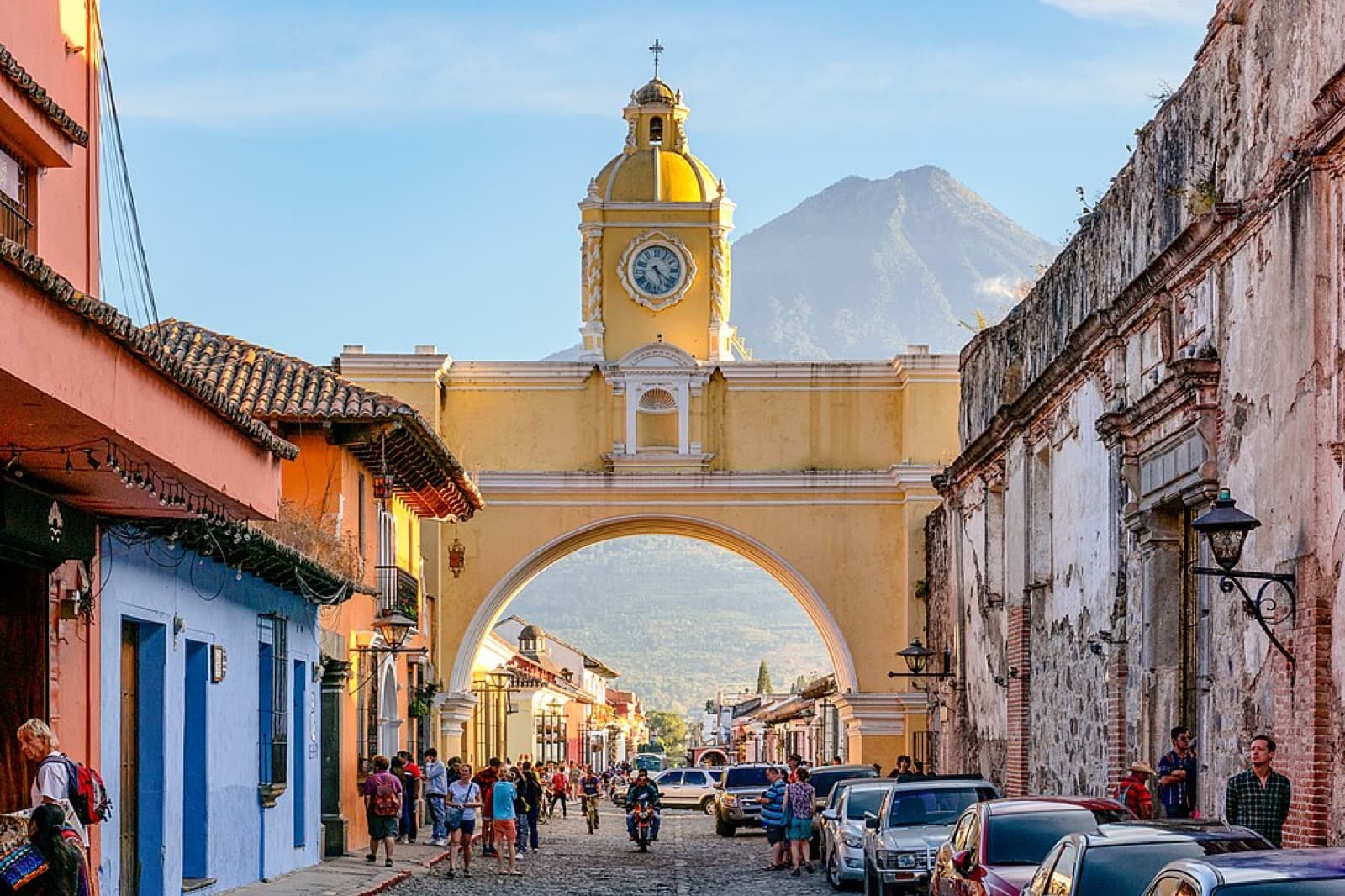
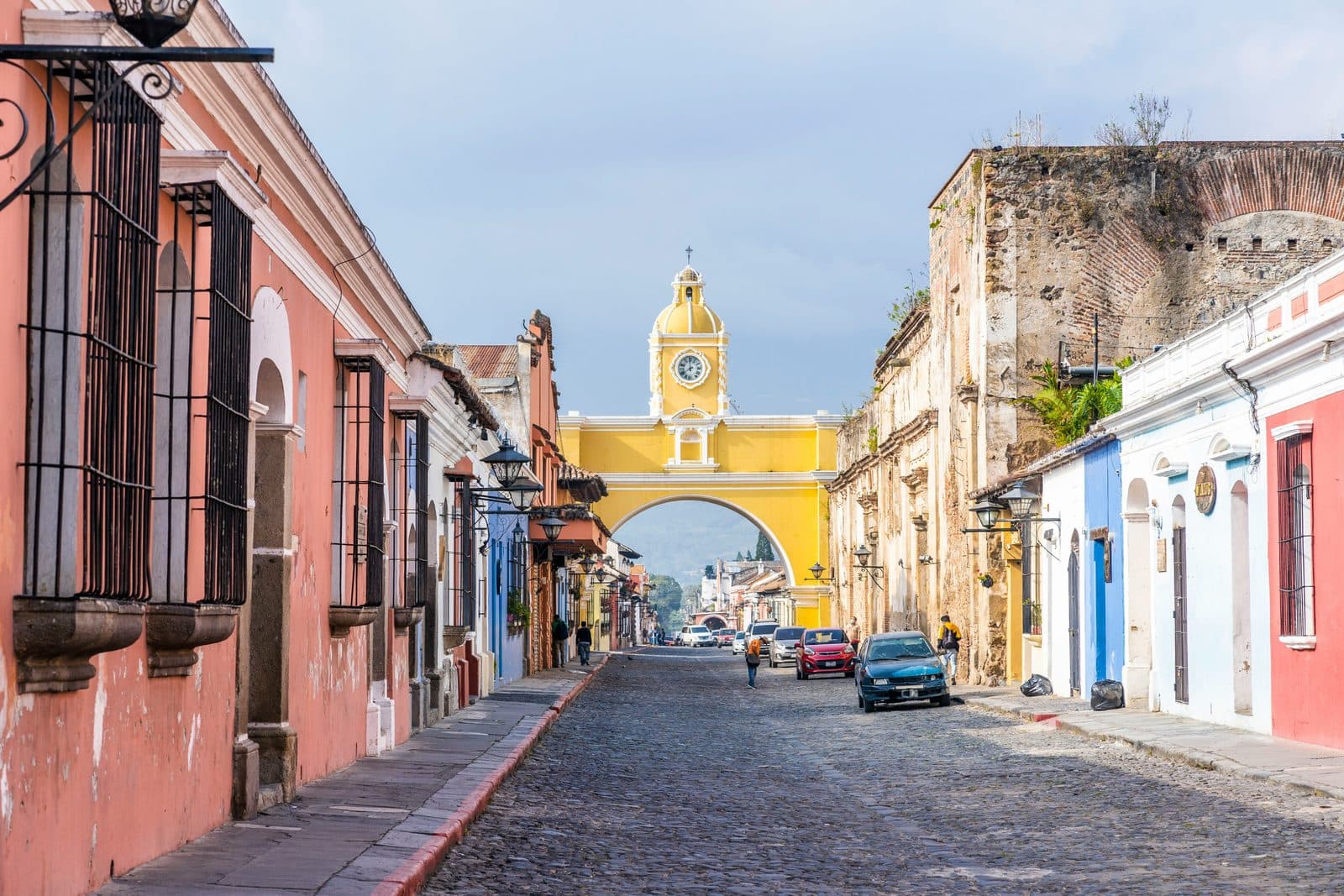
Arco de Santa Catalina: Built to Hide, Impossible to Miss
The yellow skybridge built in 1694 for cloistered nuns, now Antigua's signature view.
- 5
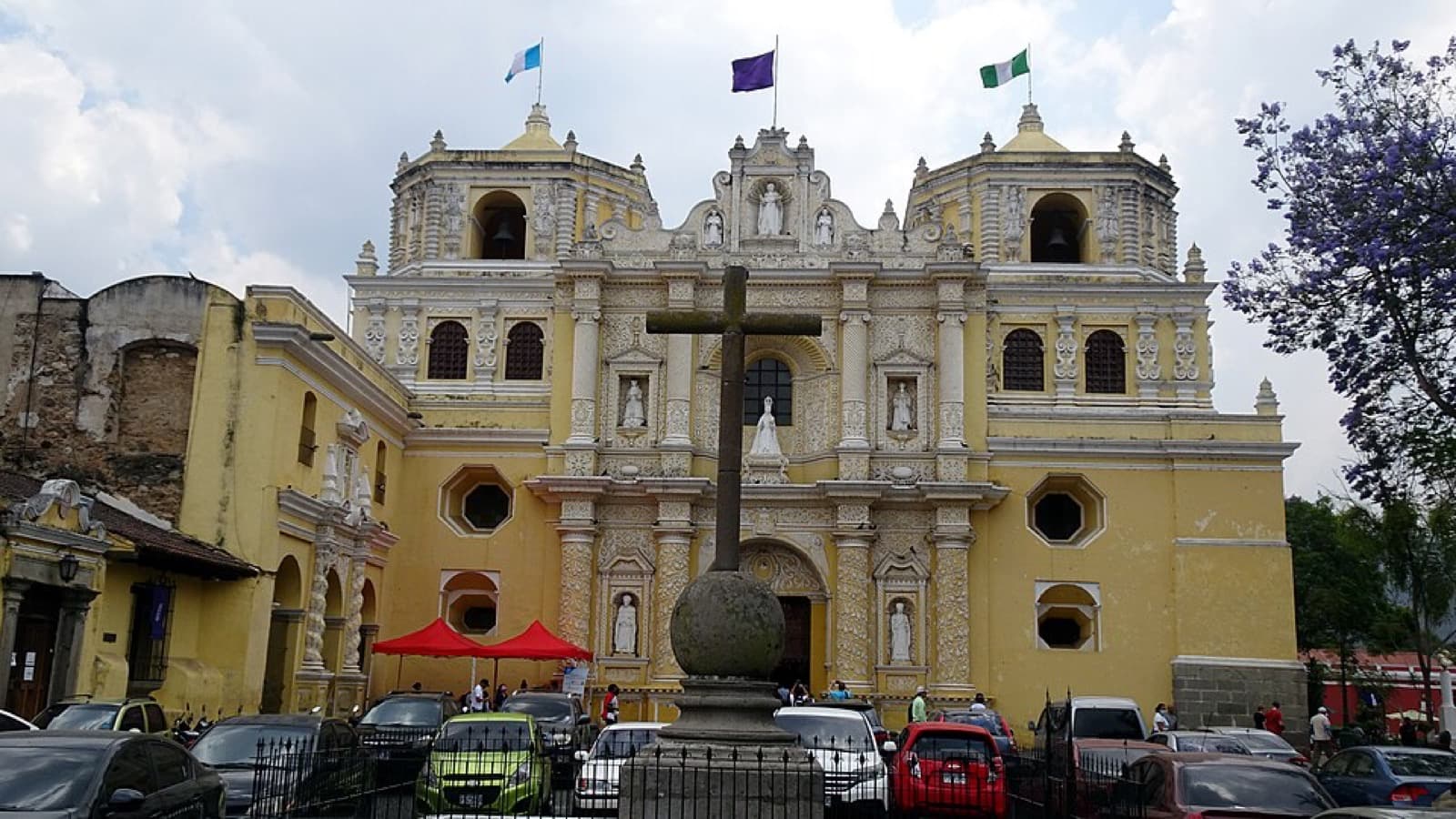
La Merced: The Church That Learned
A baroque church that survived the earthquake while its older convent behind did not.
- 6
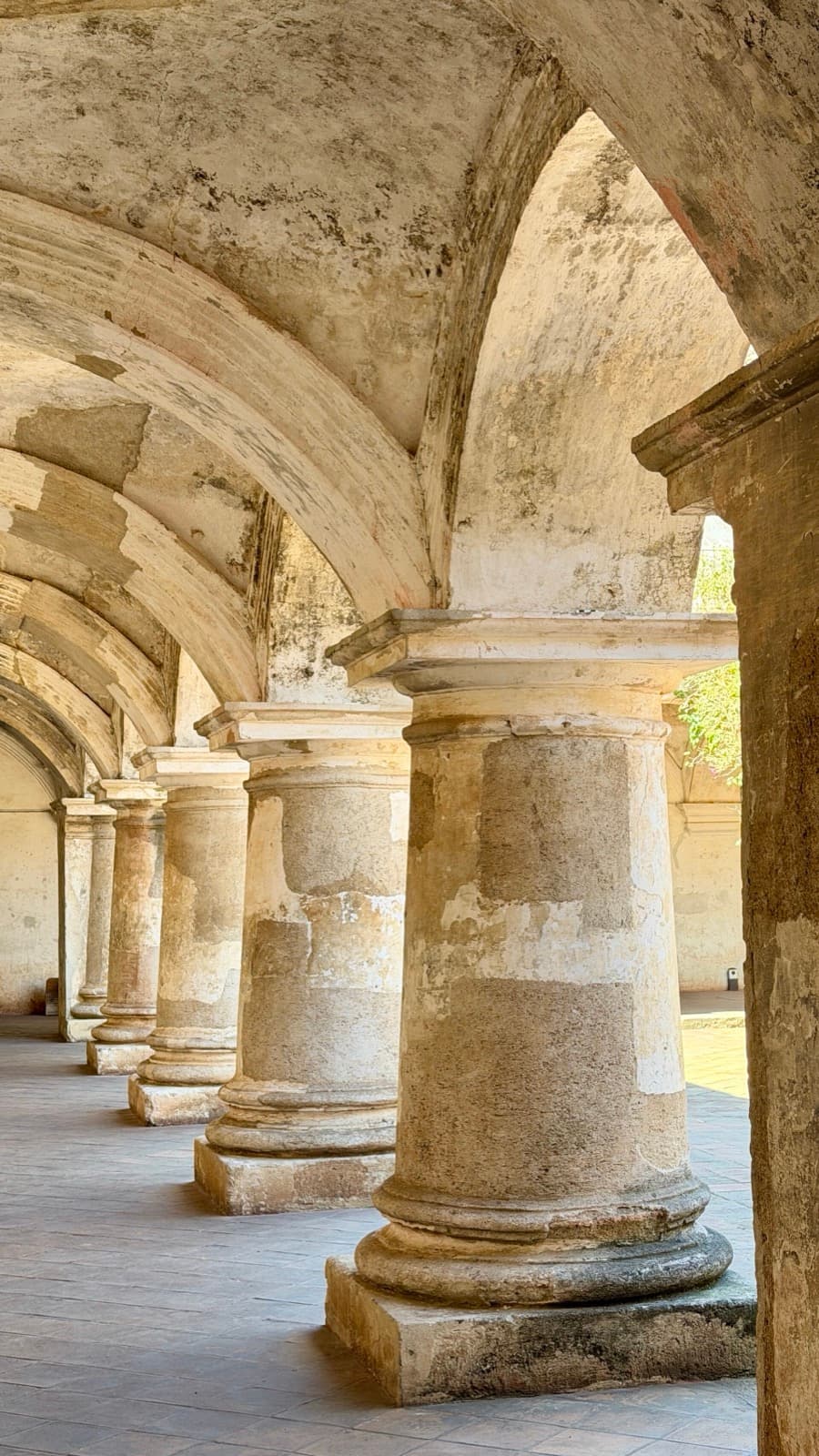
Capuchinas: Who the System Made Room For
The last colonial monastery in Antigua, run by an order that took nuns without a dowry.
- 7
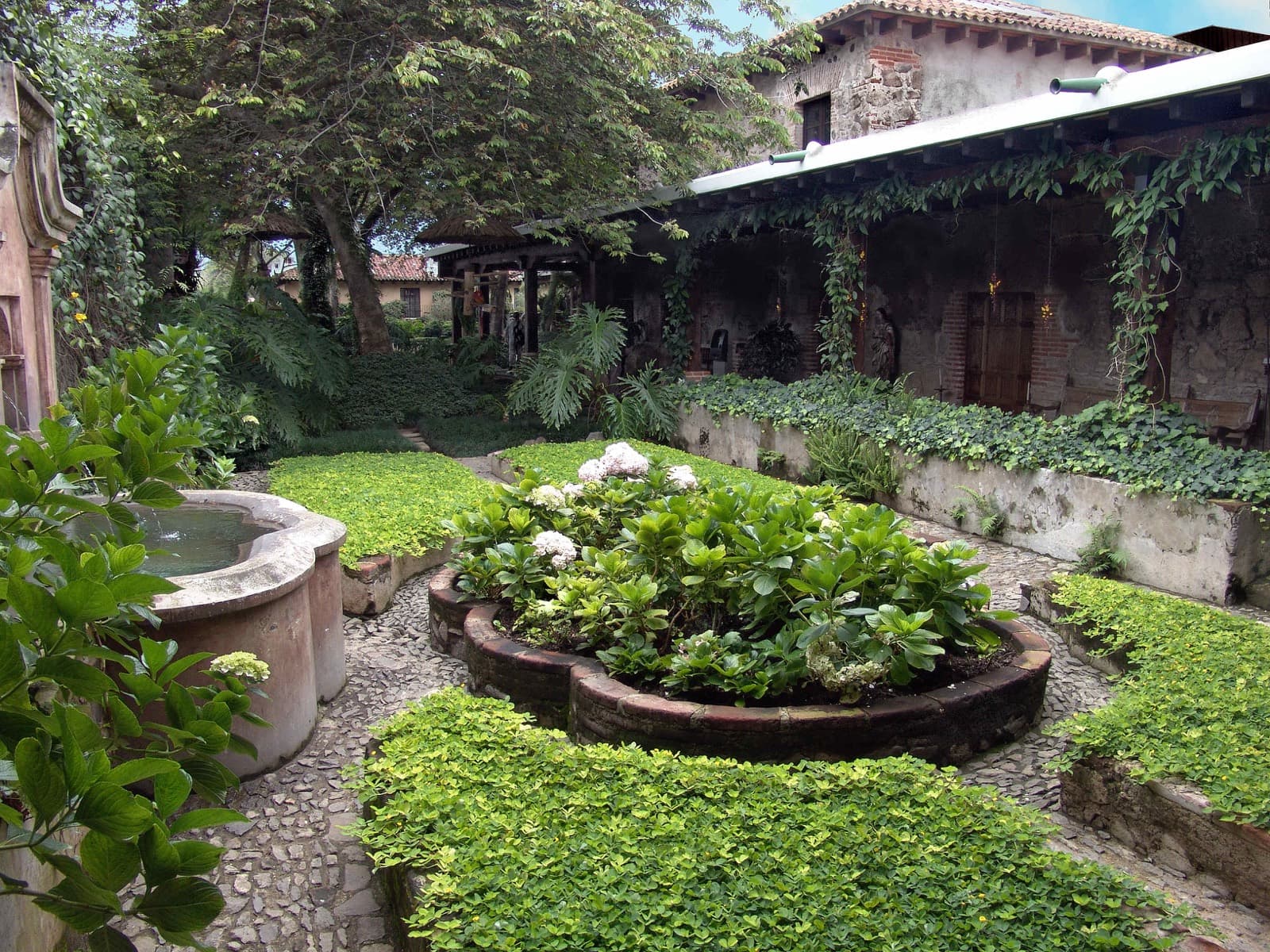
Santo Domingo: The Monastery Commerce Preserved
This was a 16th-century Dominican monastery. It was ruined in 1773 and absorbed into a luxury hotel in 1989.
- 8
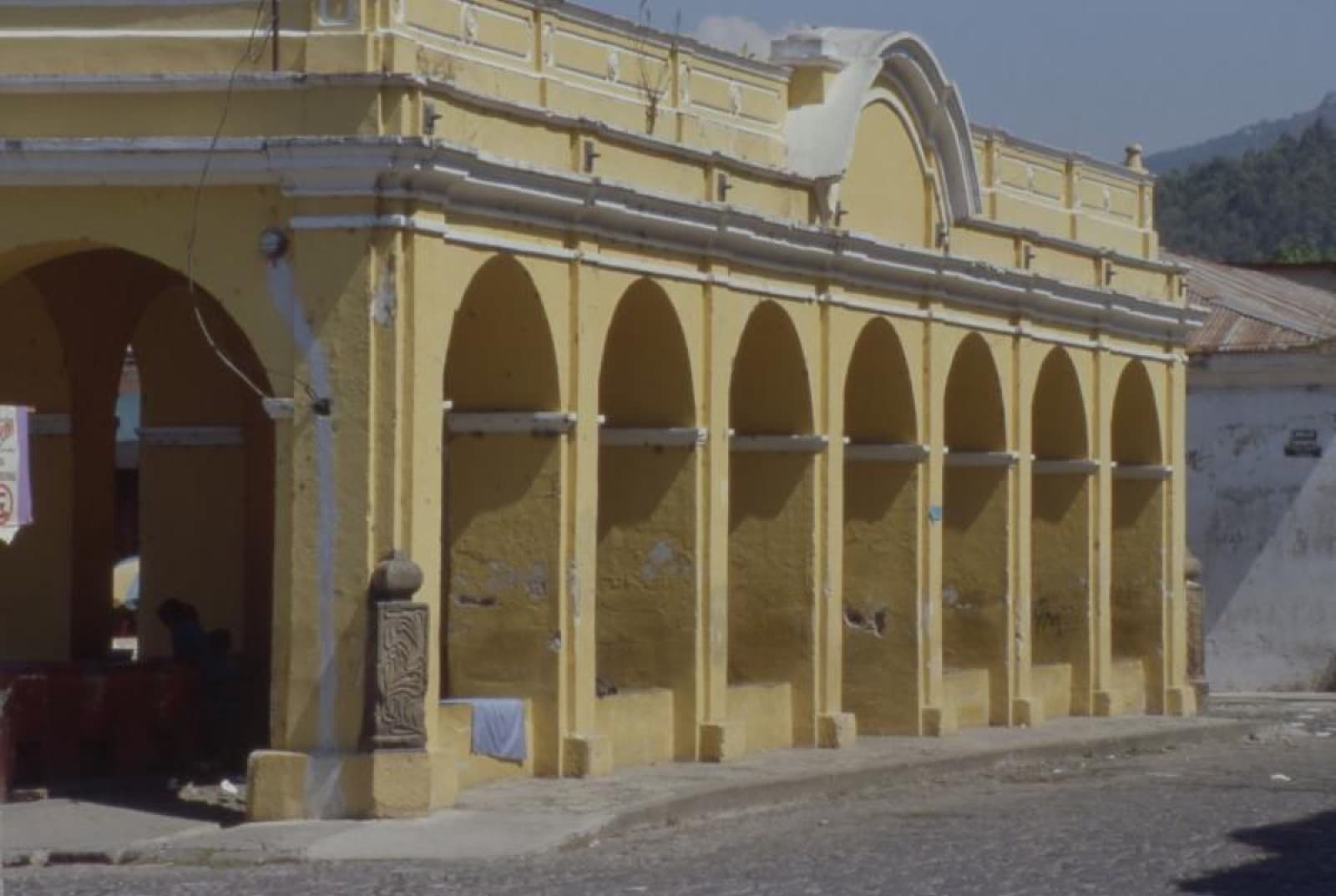
Tanque de la Union: The City That Stayed
Public washing basins from the 1850s, the monument of the people who stayed.
- 9
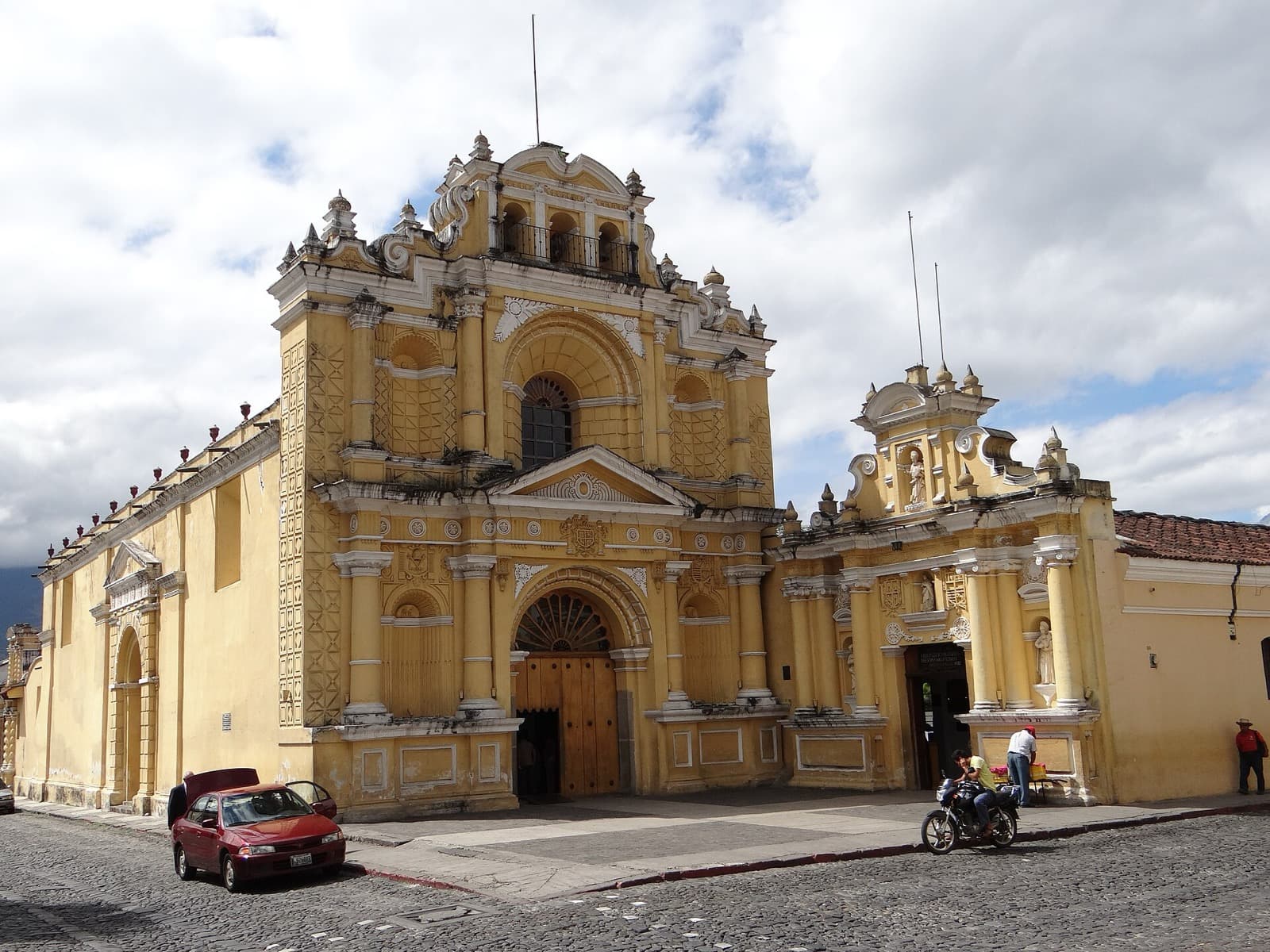
Hospital de San Pedro: The Mission Still Operating
A 1654 hospital still caring for the poor of Antigua today.
- 10
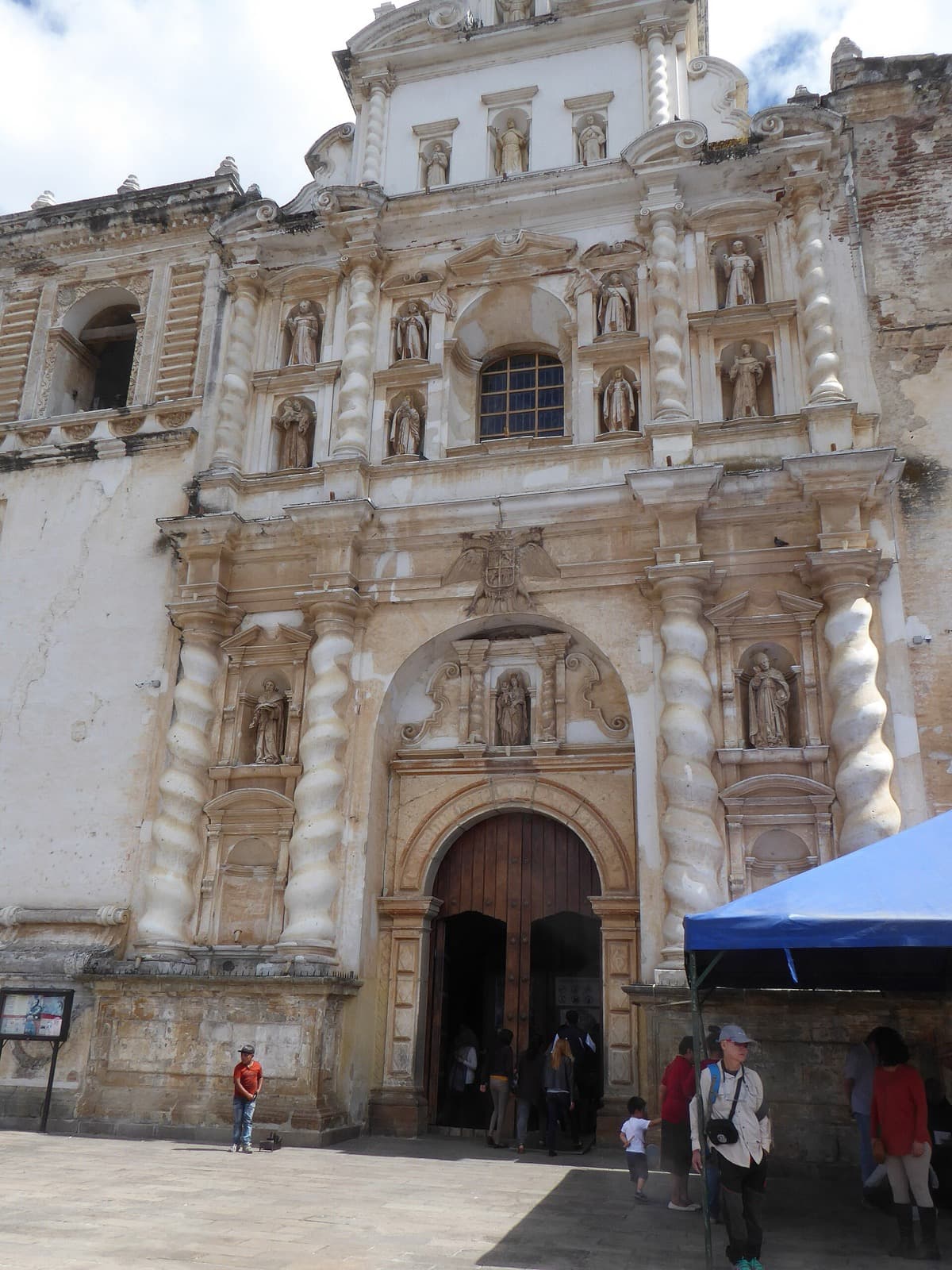
San Francisco: The Saint at the Tomb
The Franciscan church holding the tomb of Hermano Pedro, first saint of Central America.
Details
Best Time to Visit
Mid-morning, nine to eleven. Major sites are open, morning light is kindest to the ruins and facades, and you finish near lunch.
Pro Tips
- •Wear comfortable closed shoes with grip. The cobblestones are uneven 18th-century paving with deep gutters
- •Bring water and sun protection. The valley sits at 1,500m but the sun is strong
- •Bring small cash (Q5 to Q40 notes) for optional entry fees at the Cathedral ruins, La Merced, Capuchinas, and Santo Domingo
- •Cathedral and La Merced both hide ruins behind the active church. Walk around the side for the entrance
- •At Hospital de San Pedro, stay on the public-facing exterior. The hospital is active
- •End at San Francisco. There's a taxi rank just outside if you don't want to walk back to the plaza
Safety & Precautions
- •Some ruins have uneven surfaces, open masonry, and fallen stones on the ground. Watch your step and don't climb on the masonry
- •In rainy season (May to October), afternoon storms are sudden and heavy. Walk in the morning and don't shelter inside roofless ruins during a storm
- •Active churches are working places of worship. Lower your voice and cover shoulders and knees if entering, and don't photograph people praying at Hermano Pedro's tomb
- •This route passes Antigua's busiest plazas and the crowded arch. Keep valuables zipped away and your phone in a pocket rather than in hand while walking between stops, and keep bags in view at plaza cafes.
Travel advisory: Reconsider Travel (Level 3).
Gallery
Related Reading
Go deeper on what you'll see, hear, and walk through.
Overview
Antigua Guatemala Travel Guide: How Many Days, Getting There, When to Go (2026)
5 min
Overview
Best Self-Guided Walking Tours in Antigua Guatemala (2026)
3 min
Overview
One Day in Antigua Guatemala: A Walkable Itinerary (2026)
5 min
Overview
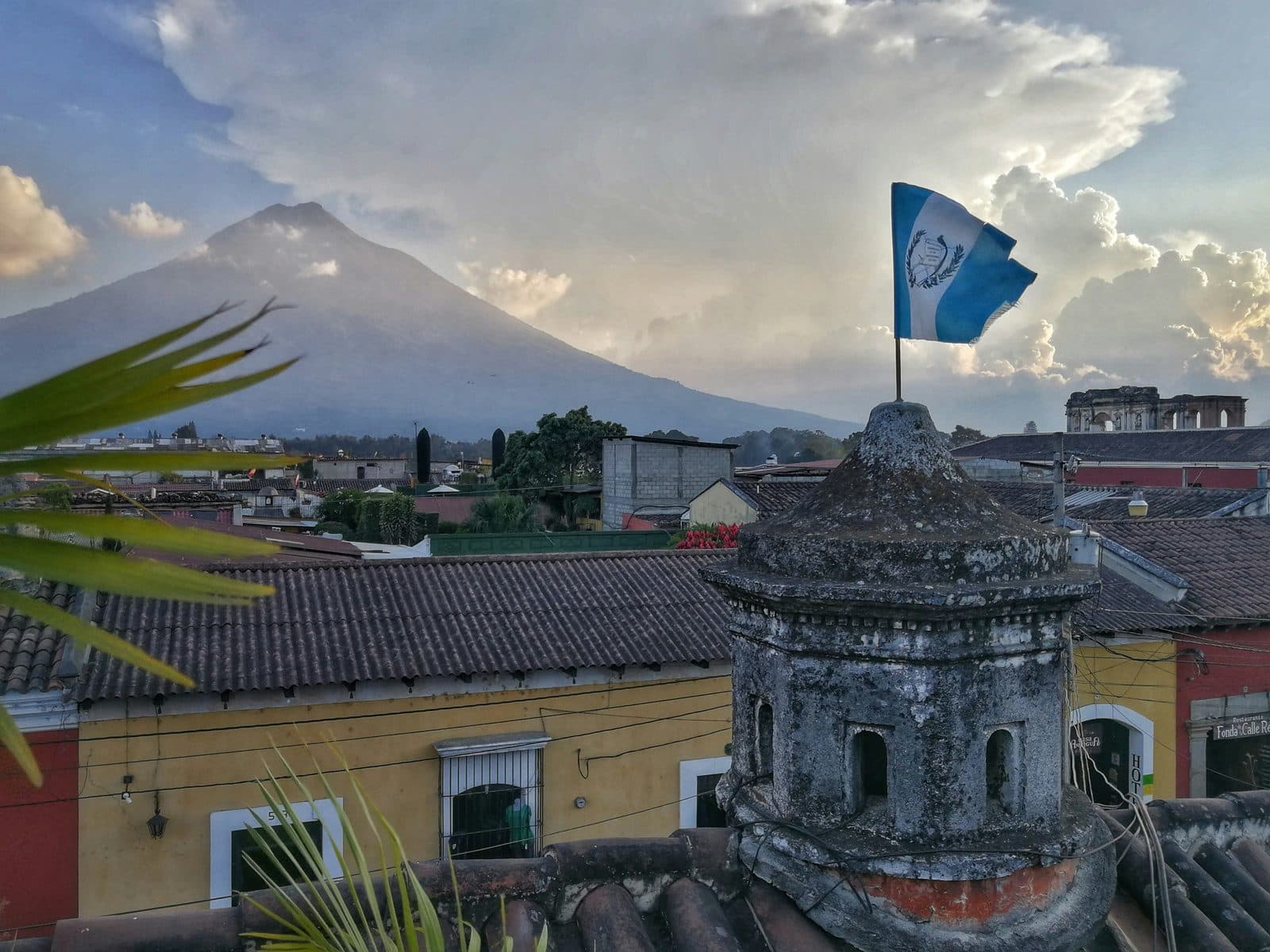
The Preserved Capital: How to See Antigua
6 min
Thematic
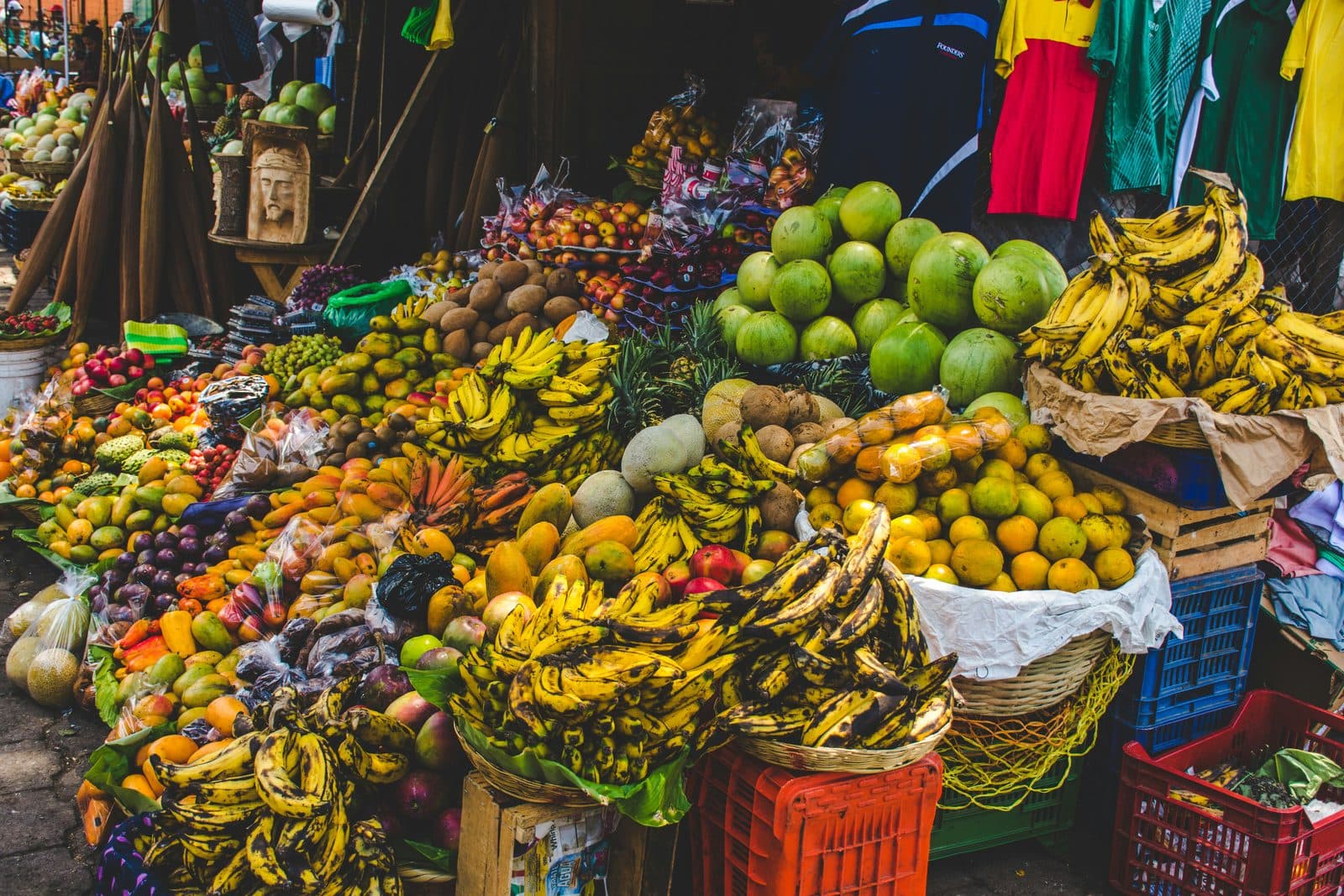
What to Eat in Antigua Guatemala: A Food Guide (2026)
4 min
Companion
How Antigua Became a UNESCO World Heritage Site
7 min
Companion
Poverty as Preservation: A Companion to the Catastrophe Walk
6 min
Companion
The People Who Stayed: A Companion to the Historic Center Walk
6 min
Deep dive
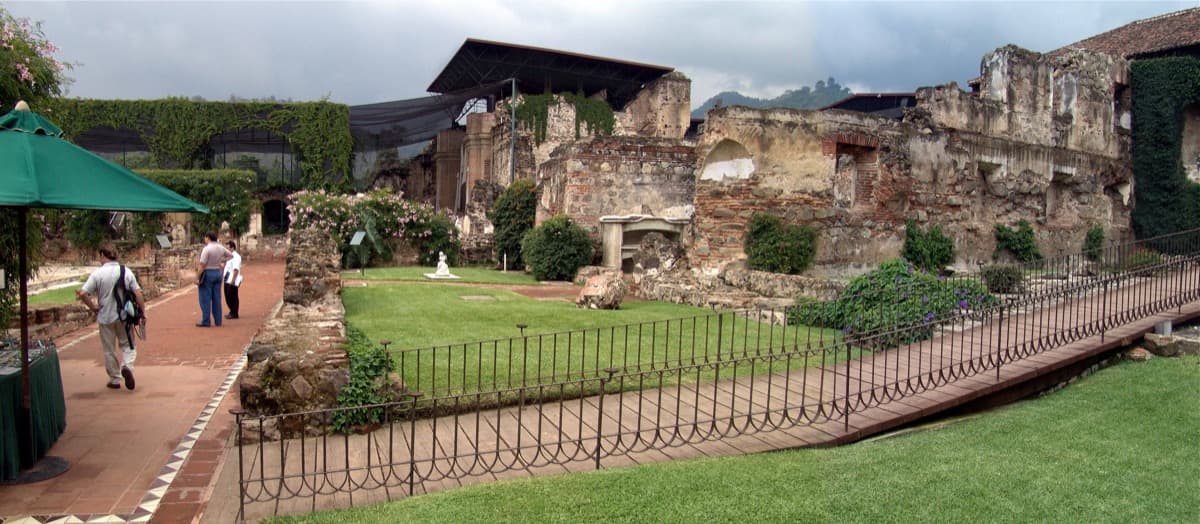
Santo Domingo: How a Hotel Saved a Monastery
9 min
Deep dive
The Arch of Santa Catalina: A Skybridge for Cloistered Nuns
6 min
Read
10 Best Things to Do in Antigua Guatemala
6 min
Read
7 Hidden Gems in Antigua Guatemala: Beyond the Tourist Trail
9 min
Read
A First-Timer's Guide to Guatemala
6 min
Read
Guatemala's Living Maya Heritage: Ancient Traditions in Modern Life
7 min
Read
The Ultimate Guide to Antigua's Coffee Culture: From Bean to Brew
8 min
Read the walk
The full story of Historic Center: Preserved by Catastrophe, in words. Prefer to listen? Play it narrated, from home or on location.
Introduction
The Spanish abandoned this city in seventeen seventy-three. The Archbishop left. The Captain General left. The wealthy families left. The people who could not afford to leave stayed, and their poverty, not any preservation plan, is why you can still walk it.
Antigua was the capital of Spanish Central America for two hundred and thirty years. An earthquake shattered it, and the government moved an hour east. Nobody had the money or the motive to demolish the ruins, so nothing got replaced. The catastrophe that destroyed this city is exactly what preserved it.
That is the paradox you are about to walk. It is the only Spanish colonial capital in the Americas never modernised, never paved over. Three-hundred-year-old churches still hold mass. Restaurants run in courtyards built before the United States existed.
By the end you will know the pattern this city repeats. Working church in front, open-air ruin behind, the same building. Once you see it, you cannot stop seeing it. And you will meet a saint along the way, a Canary Islander who was begging for the poor on these streets in the sixteen fifties.
The walk is ten stops, nearly four kilometres, running south through the colonial grid from Parque Central to the church of San Francisco. A few sites charge a small fee to step inside, so bring a little cash. When you arrive at Parque Central, begin with stop one.
1. Parque Central: Where the Pattern Starts
Welcome to Parque Central, your first stop and the centre of everything that happened here. You're at the fountain. Look around.
For two hundred and thirty-three years, this plaza was the most powerful piece of ground between Mexico and Lima. Every institution that ran Spanish Central America sat on one of these four sides. Cathedral to the east. Government palace to the south. City hall to the north. Commerce on the fourth. The Spanish laid this geometry on March tenth, fifteen forty-three, when they founded their capital here, Santiago de los Caballeros. Most of the buildings around it are not the originals. The grid is.
The fountain at the centre is the Fuente de las Sirenas, the Mermaid Fountain, carved in seventeen thirty-seven by an architect named Diego de Porres. Remember that name. He shaped more of this city than any single person, and you'll see his work again today. Walk over and look before we go on. The four mermaids around the basin face outward, one toward each corner of the plaza, and they've been pouring water here for nearly three hundred years.
The geometry of power outlasted the power itself. On the ground beneath all of it, in seventeen seventy-three, the earth moved, and everything that comes next follows from that.
Now turn and face the cathedral on the east side. From here it looks like one church. It's two. That's where we go first.
2. Cathedral and Ruins: One Building, Two Halves
Welcome to the cathedral, or what's left of it. Two things are happening at once here, and most visitors miss the second.
The first is the church you can see: the working parish of San José, active, open daily, mass on Sunday mornings. That's the front of the building.
The second is behind it. The original cathedral, completed around sixteen eighty by José de Porres, the father of Diego, and by Juan Pascual, was one of the most ambitious churches in the Americas. Seven entrances. Five naves. Eighteen chapels. A vault that soared above the city. It was built to project permanence: stone, dome, the architecture of forever. It didn't last a century. The seventeen seventy-three earthquake brought the vaults down, and what survived stood open to the sky for two centuries. The parish you see today was rebuilt later, against one wall of the ruin.
So the front gives you the present-day church. The back, for a small entry fee, gives you the open-air ruins of the original. Walk around the right side of the building to reach them. The fallen vault stones are still where they landed in seventeen seventy-three.
That doubling, working church in front and open-air ruin behind, is the pattern you'll see again and again on this walk. Name it now, because once you have it, you cannot un-see it. Antigua is a city that wears its history on the outside.
When you're ready, make your way to the south side of the plaza.
3. Palacio de los Capitanes: Where Power Left
Welcome to the south side of the plaza. Look down the long arcade in front of you. This is the Palacio de los Capitanes Generales, and what happened here is the reason most of this tour exists.
For more than two centuries, the seat of Spanish colonial government for an enormous territory sat behind these arches: from Chiapas in southern Mexico all the way down to Costa Rica. An area roughly the size of Spain. The Real Audiencia, the highest court. The royal treasury. The army barracks. All of Central America was administered from this arcade. Today it has been restored to house the National Museum of Guatemalan Art.
After the seventeen seventy-three earthquake, the Captain General, Martín de Mayorga, left for the new valley within thirty-nine days. Thirty-nine days. The most powerful man in Central America looked at the damage and decided the city was finished. The Archbishop tried to stay, and was forced out by royal decree in seventeen seventy-nine.
Power doesn't stay where the buildings fall. It goes where the money goes. And once it left, no one had the reason to modernise or the incentive to replace anything. That's the pivot the rest of this walk turns on. That's why the next stops still exist.
Walk the arcade before we go on. In late afternoon the shadows of the columns stretch across the cobblestones. Then keep north, three blocks up, toward the yellow arch.
4. Arco de Santa Catalina: Built to Hide, Impossible to Miss
Welcome to the Arco de Santa Catalina, the most photographed structure in Guatemala. It was built to be invisible. In sixteen ninety-four, the Convento de Santa Catalina stood on both sides of this street, and the nuns who lived in it were cloistered. They were not allowed to…
Full narration for this stop unlocks with the tour.
5. La Merced: The Church That Learned
Welcome to La Merced, the church that gives you both halves of Antigua in a single building, and a lesson in how this city learned to build. Walk around to the front first. The façade is why this church is famous. It's one of the most ornate baroque compositions in the…
Full narration for this stop unlocks with the tour.
6. Capuchinas: Who the System Made Room For
Welcome to Capuchinas, the quietest of the four great monastic complexes, and the last religious building erected in colonial Antigua. Diego de Porres designed it, and it was completed in seventeen thirty-six, thirty-seven years before the earthquake ended everything. The entry…
Full narration for this stop unlocks with the tour.
7. Santo Domingo: The Monastery Commerce Preserved
Welcome to Santo Domingo. You've been walking through what the earthquake left behind. This is where commerce caught up with the ruin. The Dominicans arrived in Guatemala in fifteen thirty-eight, five years before this city was even founded. Of all the religious orders, they…
Full narration for this stop unlocks with the tour.
8. Tanque de la Union: The City That Stayed
Welcome to the Tanque de la Union. This is not a colonial building. It was built between eighteen fifty and eighteen fifty-three, seventy-seven years after the earthquake. And that is exactly why it's here. What you're looking at are public washing basins, a lavadero.…
Full narration for this stop unlocks with the tour.
9. Hospital de San Pedro: The Mission Still Operating
Welcome to Hospital de San Pedro. On a walk full of ruins and reconstructed churches, this is the one living institution. Construction began in sixteen fifty-four, led by the architect José de Porres, the same mestizo stonemason whose son Diego went on to shape so much of this…
Full narration for this stop unlocks with the tour.
10. San Francisco: The Saint at the Tomb
Welcome to San Francisco el Grande. We end at the church most beloved by the people who actually live in Antigua. The current building was rebuilt in sixteen ninety-eight by José de Porres, the father of Diego, the man who founded the dynasty of architects you've heard about…
Full narration for this stop unlocks with the tour.