Historic Center: Preserved by Catastrophe
105 min · 3.69 km · easy
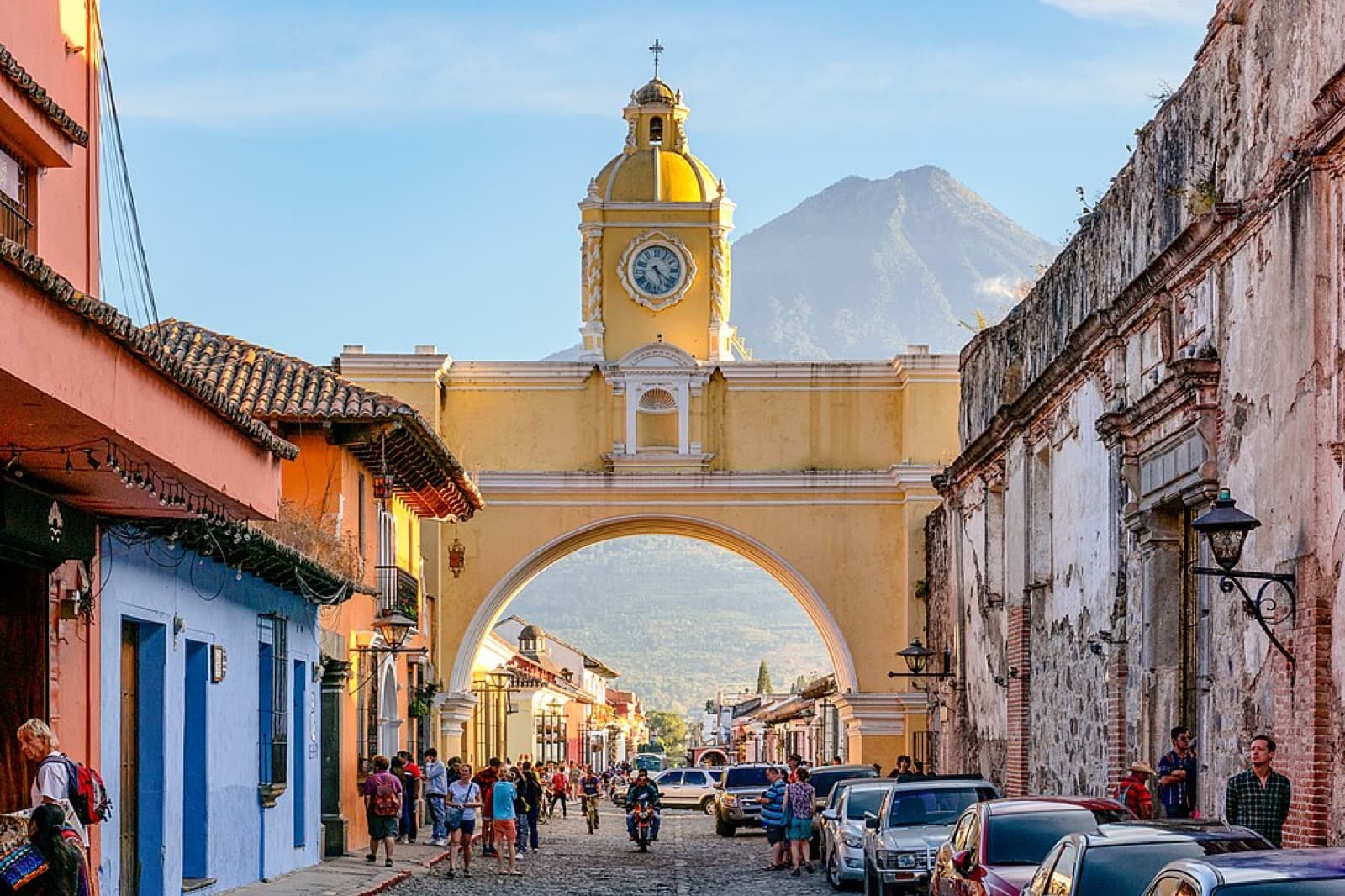
In 1979, UNESCO inscribed Antigua Guatemala on its World Heritage List. It was among the first sites designated in Latin America, following Ecuador's Quito and Galapagos, which had been inscribed the year before. The decision wasn't obvious at the time. Antigua was a small, economically modest town, its colonial monuments in varying states of collapse, its infrastructure minimal. What it had was authenticity: a remarkably intact colonial street grid, dozens of significant ruins and restored buildings, and two centuries of benign neglect that had accidentally preserved what wealthier cities would have demolished and rebuilt.
Here's how it happened, and what it means.
The Case for Antigua
UNESCO's criteria for World Heritage designation require that a site possess "outstanding universal value." Antigua qualified under three of the organization's ten criteria:
Criterion ii (interchange of human values): Antigua served as a center where Spanish colonial, indigenous Maya, and broader American architectural and artistic traditions fused. The city's churches, monasteries, universities, and civic buildings represented a distinctive synthesis: European Baroque adapted for seismic conditions, built by Maya laborers using indigenous techniques, decorated with a blend of Catholic and pre-Columbian iconography.
Criterion iii (unique testimony to a cultural tradition): As the capital of the Captaincy General of Guatemala for over two hundred years, Antigua was the administrative, religious, and cultural center of Spanish Central America. Its institutions included the University of San Carlos (founded 1676), one of the earliest printing presses in the Americas, and numerous religious orders, all of which made it a capital of intellectual and artistic production.
Criterion iv (outstanding example of a type of building): Antigua's colonial architecture represents a specific regional adaptation, Antiguan Baroque, developed for the region's seismic conditions. The squat columns, massive buttresses, thick walls, and low-rise proportions were direct responses to seismic activity. This earthquake-adapted architecture is unique to Antigua and its surrounding region.
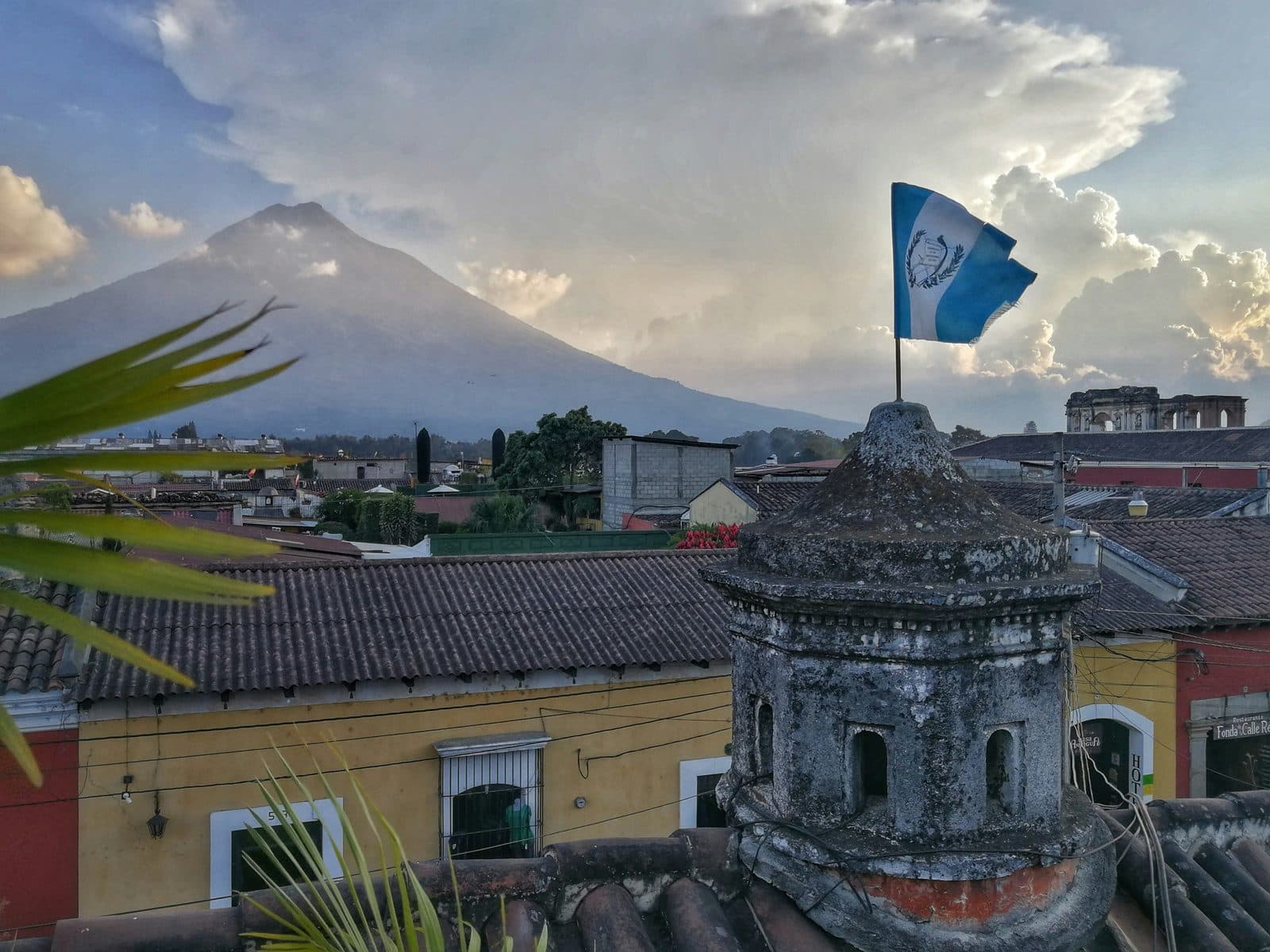
The 1773 earthquake that destroyed much of the city, paradoxically, strengthened the case for preservation. Because the capital moved to Guatemala City, Antigua was never subjected to the waves of modernization that transformed other colonial capitals. No one demolished colonial buildings to build shopping malls. No highway cut through the street grid. The city that earthquake had frozen in time.
What Came Before UNESCO
Hear a stop from this walk
San Francisco: The Saint at the Tomb
Antigua didn't wait for UNESCO to begin preservation efforts. Guatemala declared Antigua a national monument in 1944. Decades later, in 1969, the government created the Consejo Nacional para la Proteccion de La Antigua Guatemala (National Council for the Protection of Antigua Guatemala) to regulate construction and restoration within the historic city.
The Council's powers were, and remain, significant. Within the designated historic zone, new construction must conform to colonial aesthetics: maximum building heights, approved materials, required setbacks, and color palettes. This is why Antigua maintains its visual coherence even as it has grown and developed. The McDonald's on the central plaza has no golden arches. The Hotel Casa Santo Domingo integrated its modern amenities within restored colonial ruins. Even gas stations and banks conform to the architectural guidelines.
These regulations weren't always popular. Property owners complained about restrictions on their land. Developers chafed at height limits and material requirements. Enforcement was inconsistent, and unauthorized modifications occurred regularly. But the framework kept Antigua from the fate of other colonial cities where preservation arrived too late.
What UNESCO Actually Does
A common misconception: UNESCO doesn't manage, fund, or police World Heritage Sites. The designation is essentially a recognition, an international agreement that a place has outstanding universal value and that the host country is responsible for protecting it.
What UNESCO does provide:
- International visibility. Being on the World Heritage List puts a city on the global cultural map. For Antigua, this translated directly into tourism growth and international investment.
- Technical expertise. UNESCO and its advisory bodies (ICOMOS for cultural sites, IUCN for natural sites) provide guidance on conservation methods, restoration techniques, and management plans.
- Monitoring. UNESCO periodically reviews the state of conservation at World Heritage Sites. If conditions deteriorate significantly, a site can be placed on the "List of World Heritage in Danger," a reputational and practical pressure that encourages governments to maintain standards.
- Emergency assistance. The World Heritage Fund can provide financial support for sites facing urgent threats, including natural disasters.
The practical effect of designation for Antigua has been significant but indirect. UNESCO didn't rebuild the ruins or pave the streets. But the prestige of the designation attracted tourism, which generated revenue, which funded restoration, which attracted more tourism. The virtuous cycle that transformed Antigua from a sleepy backwater into one of Central America's most popular colonial destinations began with the 1979 inscription.
The Preservation Paradox
UNESCO designation saved Antigua and also created its central tension. The same authenticity that earned the designation is threatened by the success the designation brought.
Tourism pressure: Antigua now draws hundreds of thousands of visitors each year, making it one of Guatemala's most visited destinations. Foot traffic wears cobblestone streets. Vibration from tour buses damages foundations. Commercial demand converts residential buildings into hotels, restaurants, and shops, displacing long-term residents and altering the social fabric.
Gentrification: Property values within the historic zone have skyrocketed, pricing out the Guatemalan families whose continuous presence was part of what made the city authentic. Foreign-owned vacation rentals, expat-oriented businesses, and upscale developments fill blocks that were formerly working-class neighborhoods.
Restoration versus preservation: Debate continues over how much to restore damaged buildings versus leaving them as ruins. Heavy-handed restoration can erase the earthquake history that makes Antigua distinctive. Insufficient intervention allows continued deterioration. Every building presents a judgment call.
Modern infrastructure: The colonial city wasn't designed for modern utilities, waste management, or traffic. Running water and sewer lines, electrical cables, and internet infrastructure through a 16th-century street grid without damaging historic fabric requires constant compromise.
These challenges aren't unique to Antigua. Every popular World Heritage Site faces versions of the same pressures. But they're particularly acute in a developing country where the economic benefits of tourism are substantial and the resources for conservation are limited.
Living Heritage
What makes Antigua's UNESCO story compelling isn't the buildings themselves. It's the ongoing negotiation between preservation and life. The city isn't a museum. People live here, work here, raise children here. Semana Santa processions fill the streets with sawdust carpets and processional floats, as they have for centuries. Market vendors sell produce under the same arches where vendors stood in the 1700s. Students at the University of San Carlos (now relocated to Guatemala City, though a campus remains) walk past ruins on their way to class.
This living quality, the fact that Antigua is still a functional city rather than a preserved artifact, is precisely what UNESCO criteria value most. A World Heritage Site isn't supposed to be frozen in time. It's supposed to demonstrate how cultural heritage and contemporary life can coexist.
Seeing It for Yourself
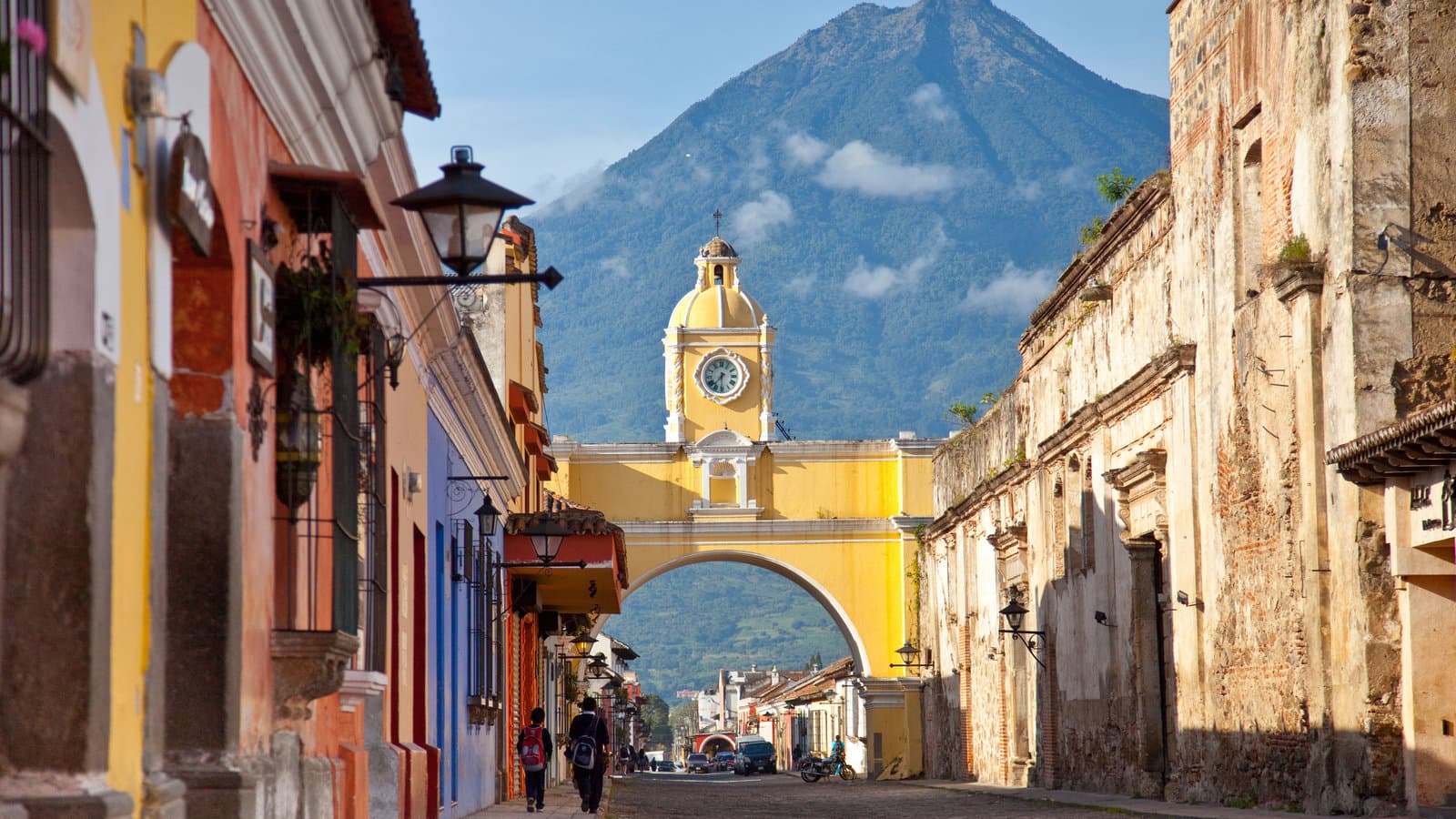
Walking Antigua with the UNESCO story in mind changes what you notice. The consistency of the street grid (preserved since the 16th century). The regulated building heights that keep volcano views unobstructed. The restored facades next to stabilized ruins next to modern construction that mimics colonial proportions. Each detail represents a decision: what to save, what to rebuild, what to leave alone.
The Antigua Historic Tour traces the development of the city from its 16th-century founding through the earthquake and into its current incarnation as a World Heritage Site. The Antigua Architecture Tour focuses specifically on the building techniques, earthquake adaptations, and preservation approaches that make Antigua's architecture distinctive.
Together, they provide the context that transforms a pretty colonial city into a comprehensible story about ambition and disaster, neglect and rediscovery, and the ongoing effort to keep a living city and a preserved monument in the same body.
Ready to experience it?
Historic Center: Preserved by Catastrophe
105 min · 3.69 km · easy
More from Antigua
Explore more at your own pace.
Antigua Guatemala Travel Guide: How Many Days, Getting There, When to Go (2026)
Best Self-Guided Walking Tours in Antigua Guatemala (2026)
One Day in Antigua Guatemala: A Walkable Itinerary (2026)
What to Eat in Antigua Guatemala: A Food Guide (2026)
The People Who Stayed: A Companion to the Historic Center Walk