Historic Center: Preserved by Catastrophe
105 min · 3.69 km · easy
Guatemala doesn't ease you in gently. You land in Guatemala City, the largest metropolis in Central America, and within an hour you can be standing in a colonial plaza framed by volcanoes or navigating a market where vendors call out prices in three languages. It's intense, beautiful, and occasionally bewildering. Here's what you actually need to know before you go.
The Basics: When, Where, How
Best time to visit: November through April is dry season. Skies are clear, roads are passable, and outdoor activities run without interruption. The rainy season (May-October) brings afternoon downpours but also lush green landscapes and fewer crowds. Either works, so just pack accordingly.
Getting around: Chicken buses (repurposed American school buses, painted in wild colors) connect most towns for under a dollar. They're an experience in themselves, but not always comfortable. Shuttle vans run between major tourist destinations like Antigua, Lake Atitlan, and Flores for $10-25 per trip. Uber works in Guatemala City. Tuk-tuks rule in smaller towns.
Currency: The Guatemalan quetzal (GTQ), named after the national bird. ATMs are widely available in cities and tourist towns. Credit cards work in upscale restaurants and hotels but not at markets, street food stalls, or small tiendas. Carry cash in small denominations, because breaking a Q200 note at a corner store can be a challenge.
Two Cities, Two Worlds
Hear a stop from this walk
San Francisco: The Saint at the Tomb
Most visitors split their time between Antigua and Guatemala City, and the contrast between them is striking.
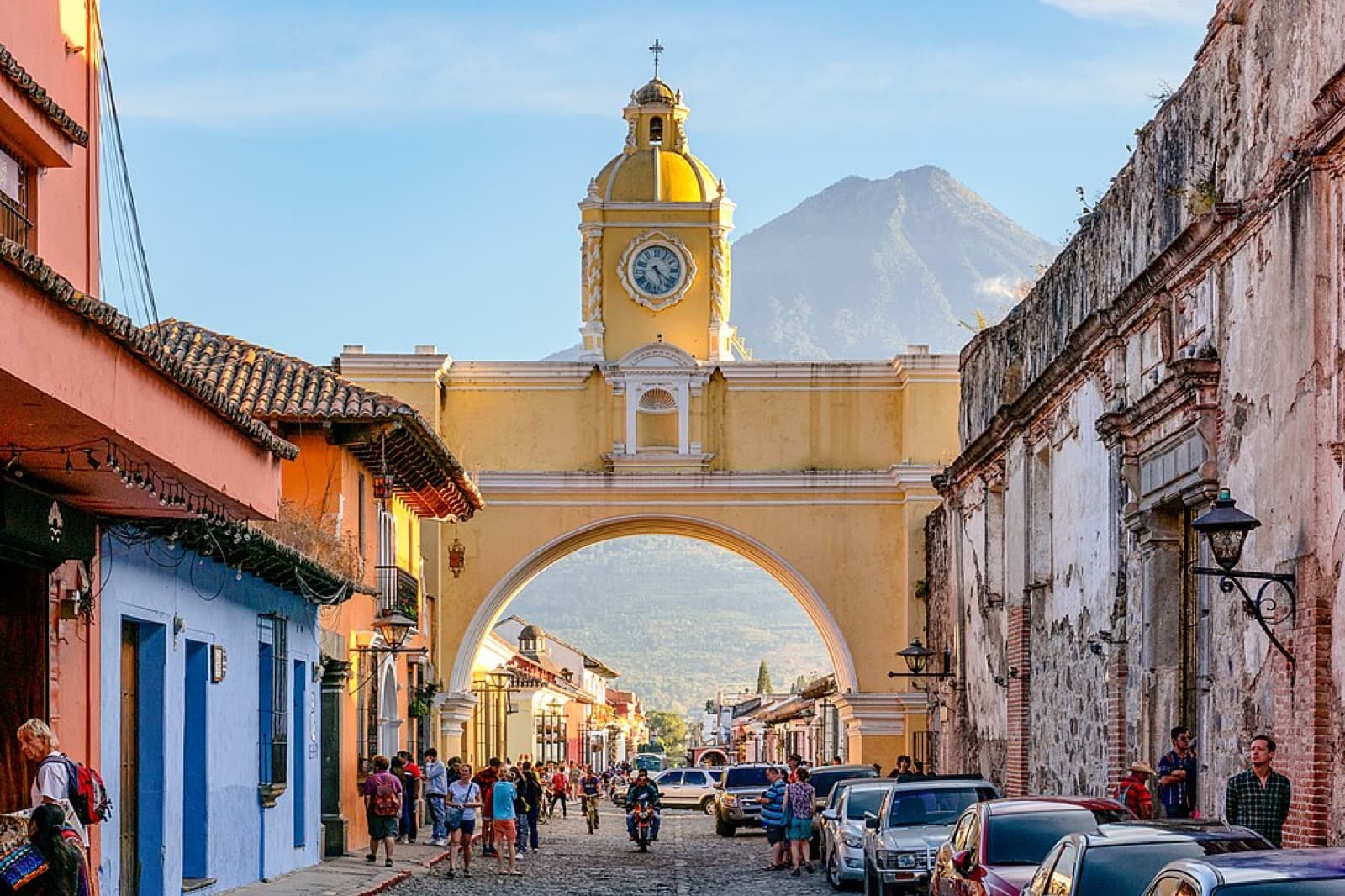
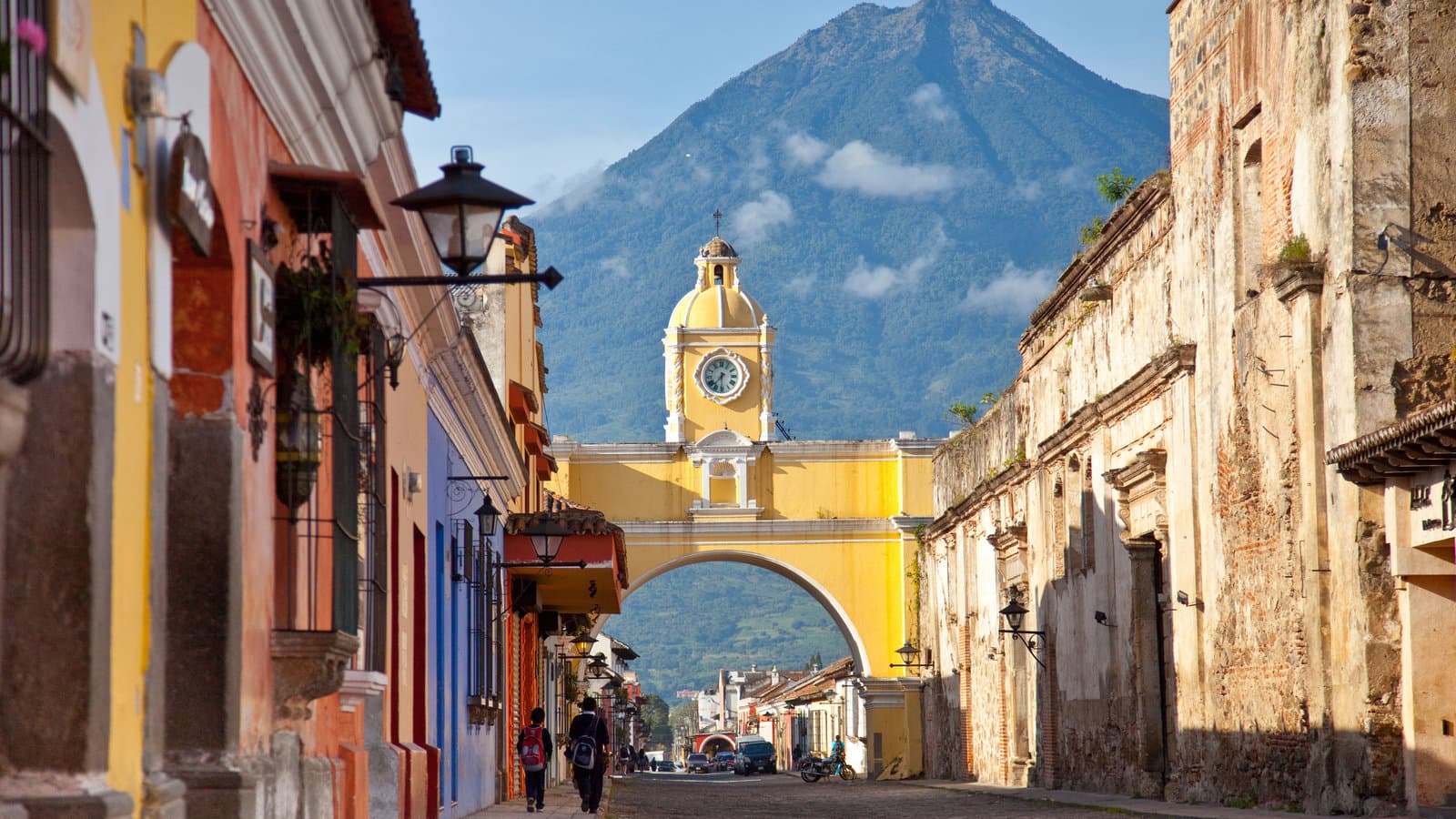
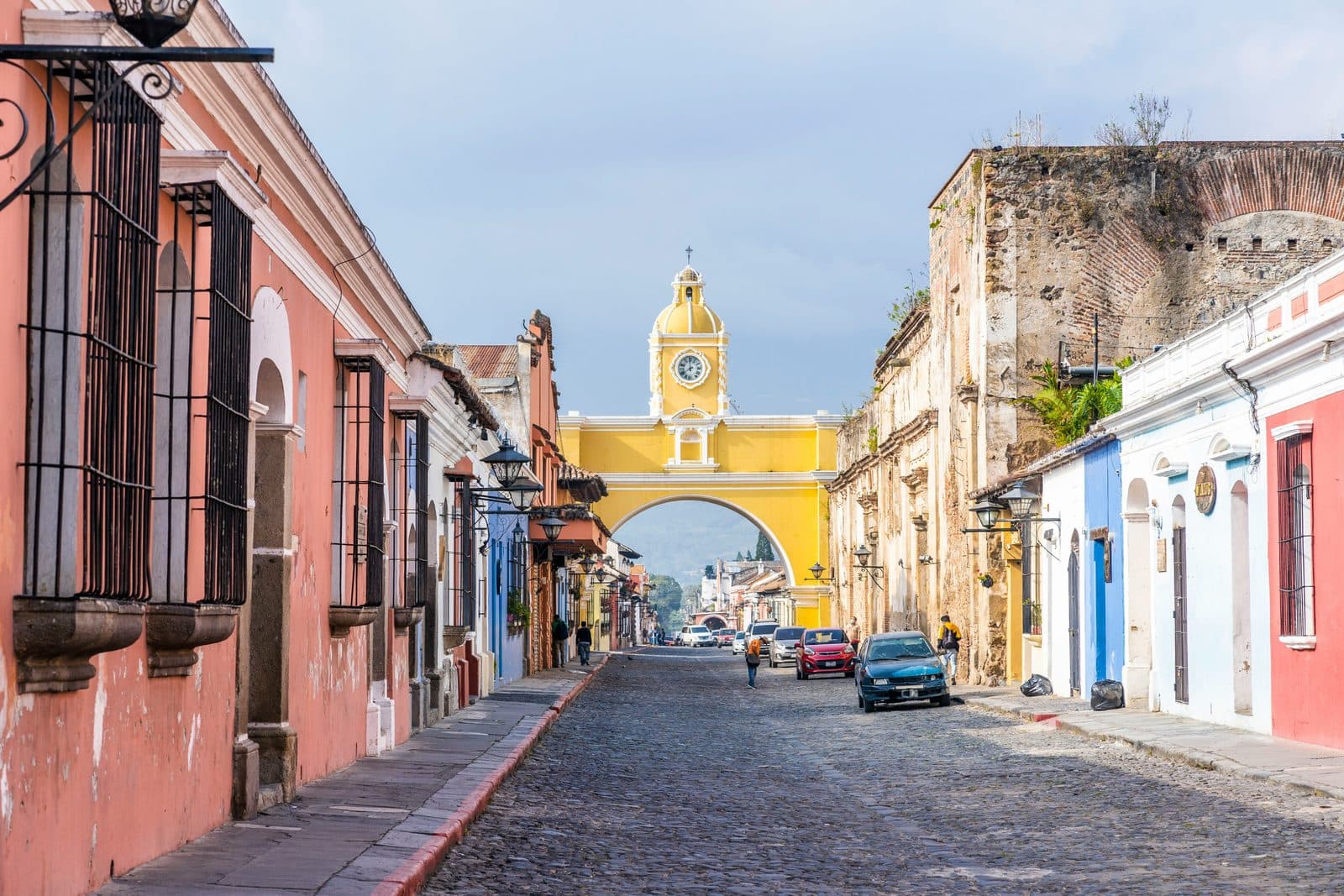
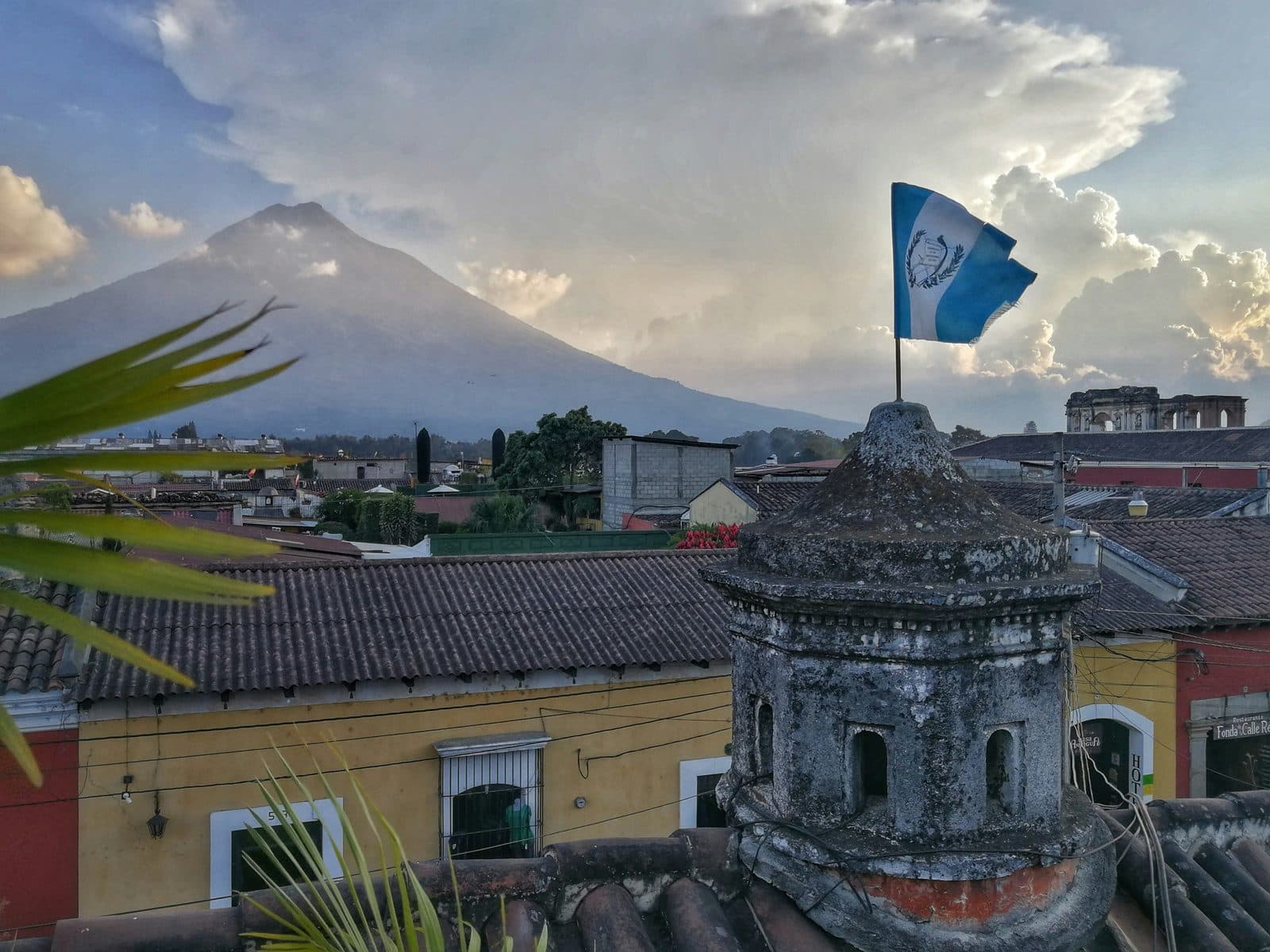
Antigua Guatemala is the postcard. Cobblestone streets, pastel-colored facades, volcanic backdrops, coffee shops on every corner. It's walkable, safe, and easy to navigate. For first-timers, it's the ideal base: enough infrastructure to feel comfortable, enough history and culture to stay fascinated. The Antigua Historic Walking Tour covers the essential landmarks and the stories behind them.
Guatemala City is the reality. A sprawling capital of three million people with world-class museums, street art districts, ambitious urban renewal projects, and yes, neighborhoods you should avoid. Zone 1's historic center has been undergoing a renaissance, with pedestrianized streets, restored architecture, and a growing food scene. It deserves more than a transfer stop. Our Guatemala City Historic Center Tour helps you navigate Zone 1 with context and confidence.
Safety: The Honest Version
Guatemala's reputation precedes it, and some of that reputation is outdated. The tourist corridor of Antigua, Lake Atitlan, Flores, and Semuc Champey is generally safe and well-traveled. Guatemala City requires more street awareness, particularly after dark and outside the main zones (Zones 1, 4, 10, and 13 are the safest for visitors).
Practical safety tips:
- Keep your phone in your pocket, not in your hand, when walking busy streets
- Use Uber or official taxis in Guatemala City rather than hailing from the street
- Carry a photocopy of your passport, not the original
- Avoid wearing flashy jewelry or carrying expensive cameras visibly
- Ask your hotel about neighborhoods before wandering, since they'll give honest answers
- Travel between cities during daylight hours
Don't let caution become paranoia. Guatemalans are overwhelmingly welcoming, and millions of travelers visit safely every year.
Cultural Etiquette
Guatemala is home to over 20 Maya ethnic groups, each with distinct languages, traditions, and textiles. This isn't abstract history. It's the living present. You'll hear Kaqchikel in Antigua's markets, K'iche' around Lake Atitlan, and Mam in the western highlands.
Key courtesies:
- Ask before photographing people, especially indigenous women in traditional dress. Their textiles carry deep cultural and spiritual significance.
- Learn basic Spanish. Even "buenos dias," "gracias," and "con permiso" go a long way. English is spoken in tourist areas but not universally.
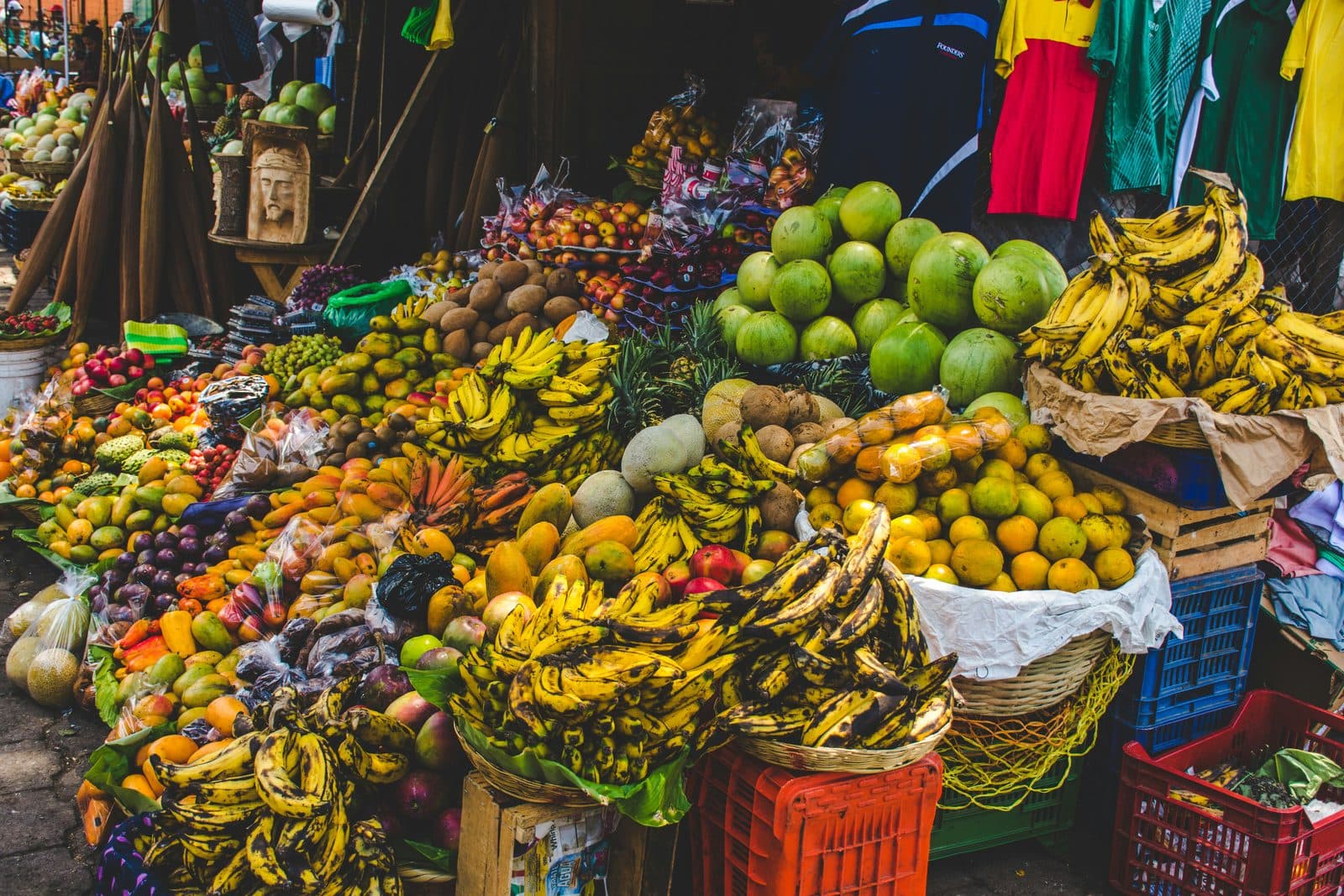
- Haggle gently. In markets, negotiating is expected, but don't grind vendors down to nothing. These are handmade goods that took hours or days to create.
- Accept hospitality. If someone offers you coffee or food, accepting is a sign of respect. Refusing can feel dismissive.
What to Eat
Guatemalan food is hearty, corn-based, and deeply satisfying. Start with these:
- Pepian: a thick, spiced stew considered the national dish, made with roasted seeds, chiles, and chicken or pork
- Pupusas: stuffed corn tortillas filled with cheese, beans, or chicharron
- Tamales: steamed corn dough wrapped in banana leaves (Saturday is traditionally tamale day)
- Rellenitos: fried plantain balls stuffed with sweetened black beans
- Coffee: Guatemala produces some of the world's best. Order it everywhere.
Street food is generally safe if the stall is busy (high turnover means fresh food). Comedores, small family-run restaurants, serve filling set lunches for Q25-40 ($3-5 USD).
Money-Saving Tips
Guatemala is one of Central America's most affordable destinations. A comfortable daily budget runs $40-60 USD, including accommodation, food, and transport.
- Stay in hostels or guesthouses. Private rooms start at $15-20/night in Antigua.
- Eat at comedores. Lunch specials (almuerzo) include soup, main course, drink, and tortillas for $3-5.
- Take chicken buses. Pennies per kilometer, adventure included.
- Negotiate shuttle prices, especially if you're traveling with others and can fill a van.
- Skip the tourist restaurants and follow the locals to where the food is better and cheaper.
Your First 48 Hours
If you're landing in Guatemala City and heading to Antigua (the most common route), here's a solid plan:
Day 1: Arrive Guatemala City, shuttle to Antigua (1 hour). Walk Parque Central, get oriented, eat dinner at a comedor near the market. Sleep early, since you'll be adjusting to altitude (1,530m).
Day 2: Explore Antigua on foot. Hit the major landmarks: Santa Catalina Arch, the cathedral ruins, La Merced church. In the afternoon, find a rooftop cafe with volcano views and plan the rest of your trip.
From Antigua, the rest of Guatemala opens up: Lake Atitlan (3 hours), the Pacific coast (2 hours), Semuc Champey (8 hours), or back to Guatemala City for its museums and urban culture.
The Bottom Line
Guatemala rewards curiosity and punishes complacency. It's not a resort destination. It's a place that asks you to pay attention, to adapt, and to engage with a culture that's been evolving for millennia. That's exactly what makes it unforgettable.
Come with an open mind, a basic Spanish vocabulary, and comfortable walking shoes. The rest will take care of itself.
Frequently asked questions
- What is the best time of year to visit Guatemala?
- November through April is the dry season, with clear skies, passable roads, and uninterrupted outdoor activities. The rainy season from May to October brings afternoon downpours but also lush green landscapes and fewer crowds.
- Is Guatemala safe for tourists?
- The tourist corridor of Antigua, Lake Atitlan, Flores, and Semuc Champey is generally safe and well-traveled. Guatemala City requires more street awareness, particularly after dark and outside the main zones.
- What is the national dish of Guatemala?
- Pepian, a thick, spiced stew considered the national dish, is made with roasted seeds, chiles, and chicken or pork.
Ready to experience it?
Historic Center: Preserved by Catastrophe
105 min · 3.69 km · easy
More from Antigua
Explore more at your own pace.
Antigua Guatemala Travel Guide: How Many Days, Getting There, When to Go (2026)
Best Self-Guided Walking Tours in Antigua Guatemala (2026)
One Day in Antigua Guatemala: A Walkable Itinerary (2026)
What to Eat in Antigua Guatemala: A Food Guide (2026)
The People Who Stayed: A Companion to the Historic Center Walk