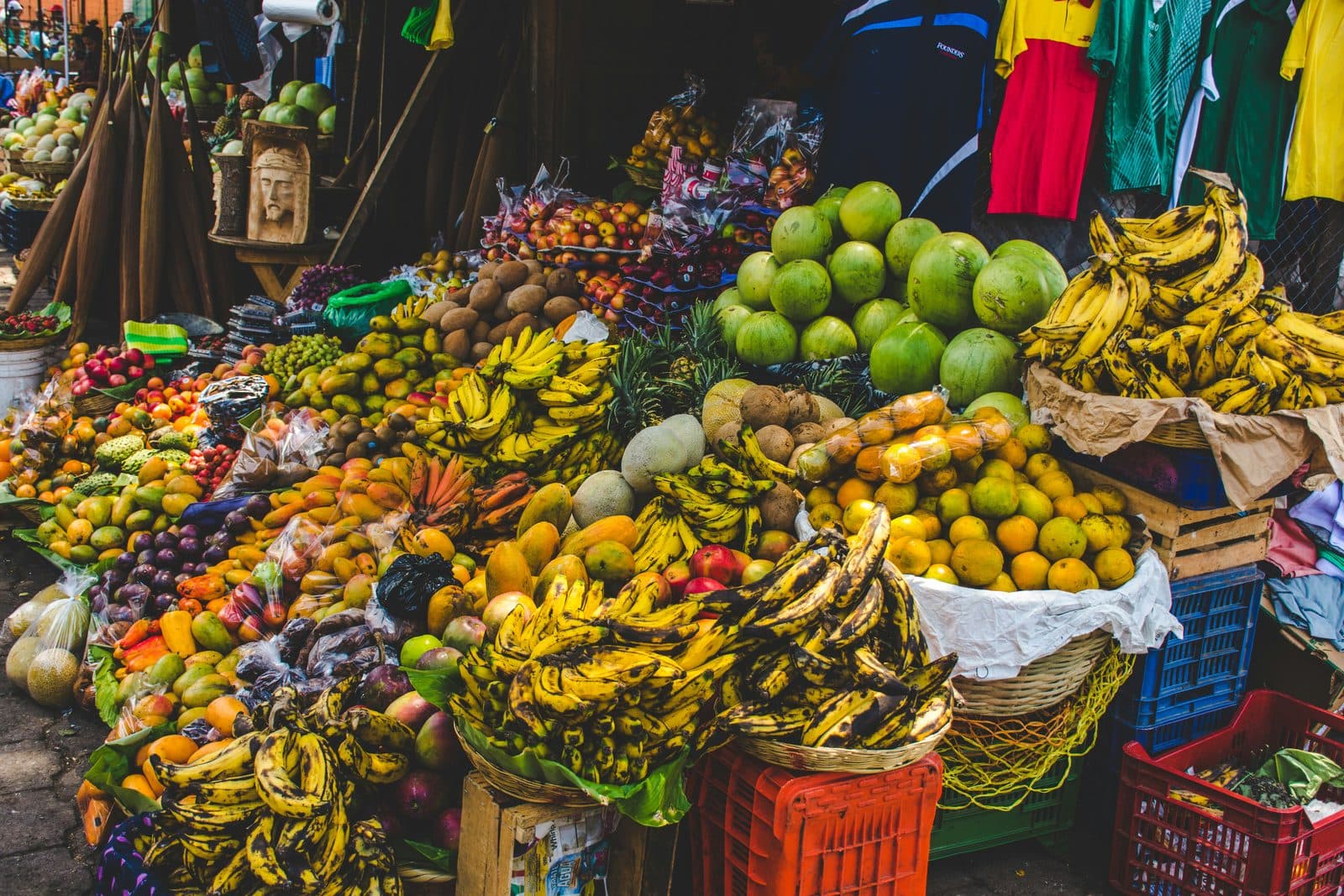
Antigua food is Guatemalan food at its most concentrated. It rests on three foundations: the Mayan trinity of corn, beans, and squash that still underlies almost every plate; the Spanish colonial kitchen, which turned native seeds and chilies into slow, layered stews called recados; and the surrounding valley, one of the world's great coffee regions, planted on volcanic soil at around 1,500 meters. Eat well here and you are eating close to the ground, at the market and the street cart, and drinking coffee where it grows. This guide covers the dishes worth seeking out and where the food culture actually lives, and it pairs naturally with a slow walk on one of our Antigua self-guided tours.
The dishes to seek out
Pepian. The dish to try first, and a strong candidate for Guatemala's national dish. Chicken (or sometimes beef) in a deep, brick-red sauce built from toasted pumpkin and sesame seeds, tomatoes, chilies, and spices, ground into a complex recado and served with rice and tortillas. Smoky, nutty, and utterly Guatemalan.
Jocon. The green counterpart to pepian: chicken simmered in a bright sauce of tomatillos, cilantro, and green onion. The Antigua region's version has a strong local reputation. Clean, herbal, and lighter than it looks.
Hilachas. "Rags," named for the beef shredded into fine strands, stewed in a tomato-based recado with peppers. A hearty highland comfort dish.
Chuchitos and tamales. Masa (corn dough) steamed in a wrapper, the everyday backbone of the cuisine. Chuchitos are the small, firm ones in a corn husk, filled with a bit of pork or chicken and tomato recado, served with a dusting of cheese and a splash of sauce. Larger tamales, often wrapped in banana leaf, appear especially at weekends and holidays.
Rellenitos. The sweet you will want twice: ripe plantain mashed into a dough, filled with sweetened refried black beans (and sometimes chocolate), fried, and dusted with sugar. Sweet, savory, and unexpected.
Chapin street snacks. "Chapin" is what Guatemalans call themselves, and the street canon is worth grazing: tostadas piled with guacamole, black beans, or salsa; dobladas, crisp folded tortillas with cheese; and elotes locos, grilled corn loaded with toppings.
Coffee, the other headline
Hear a stop from this walk
San Francisco: The Saint at the Tomb
Antigua is not just near coffee country, it is one of the world's most celebrated origins. The beans grow on the volcanic slopes ringing the valley at around 1,500 meters, and the region's coffee is prized for a chocolatey body under a fine citric acidity. Drink it two ways: at a specialty cafe in town, where the third-wave scene is strong, or on a tour of a working finca on the edge of the valley, where you can follow the bean from the tree to the cup. It is the single most place-specific thing you can taste here.
Where the food culture lives
The Mercado Municipal, for the real thing. Two blocks north of Parque Central, the municipal market is the most authentic and affordable place to eat. Its comedores (simple cooked-food stalls) serve pepian, jocon, kak'ik (a fiery highland turkey broth), and rellenitos for only a few dollars a plate. It is loud, local, and exactly where the city eats.
Tanque de la Union, for evening street food. The old public washing tanks at the east end of town become a street-food gathering after dark, especially on weekends: tostadas, dobladas, chuchitos, and sweets from vendors locals line up for. Fittingly, this same square closes the Preserved by Catastrophe tour as "the city that stayed," so you can walk the history straight into dinner.
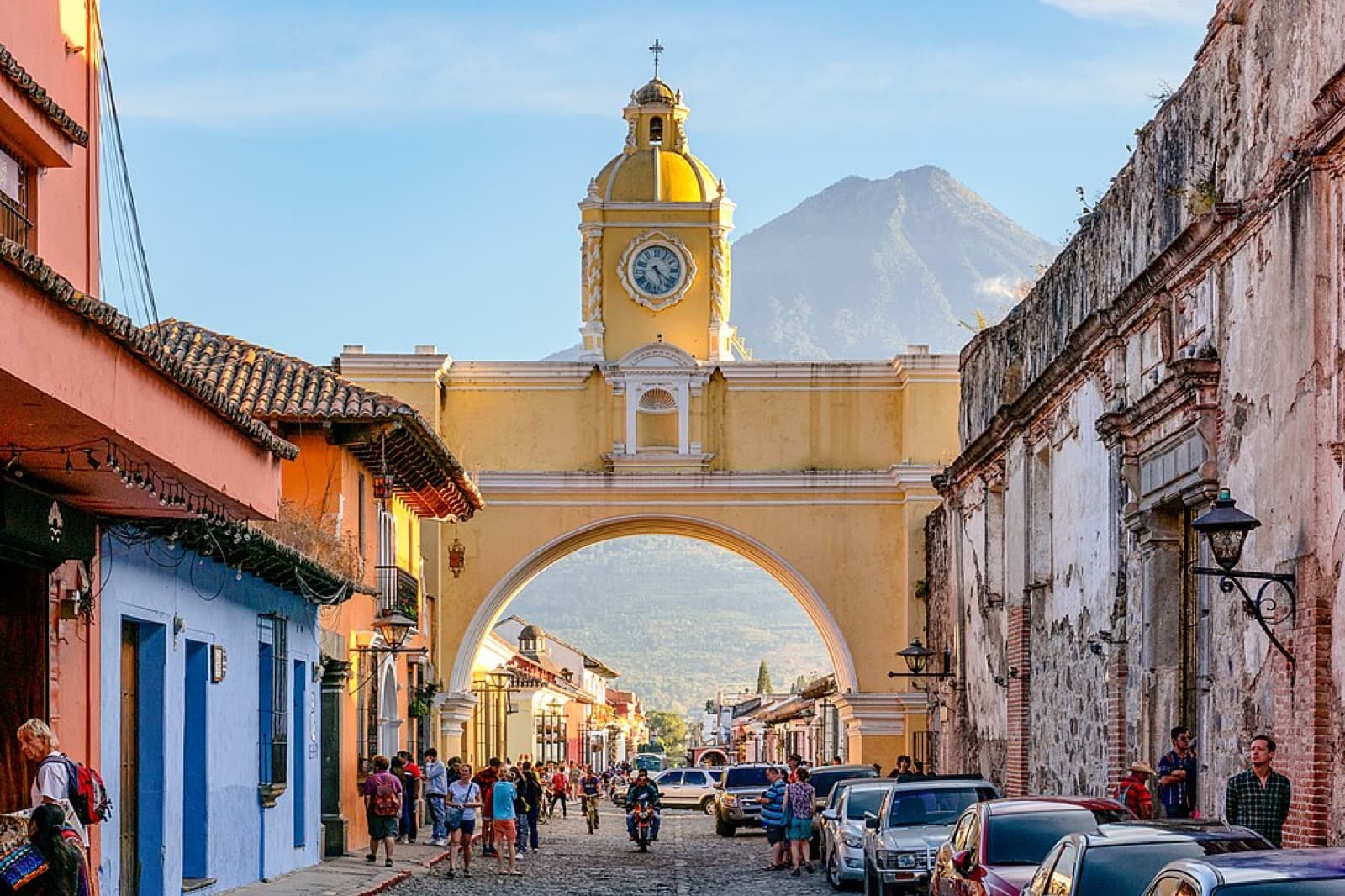
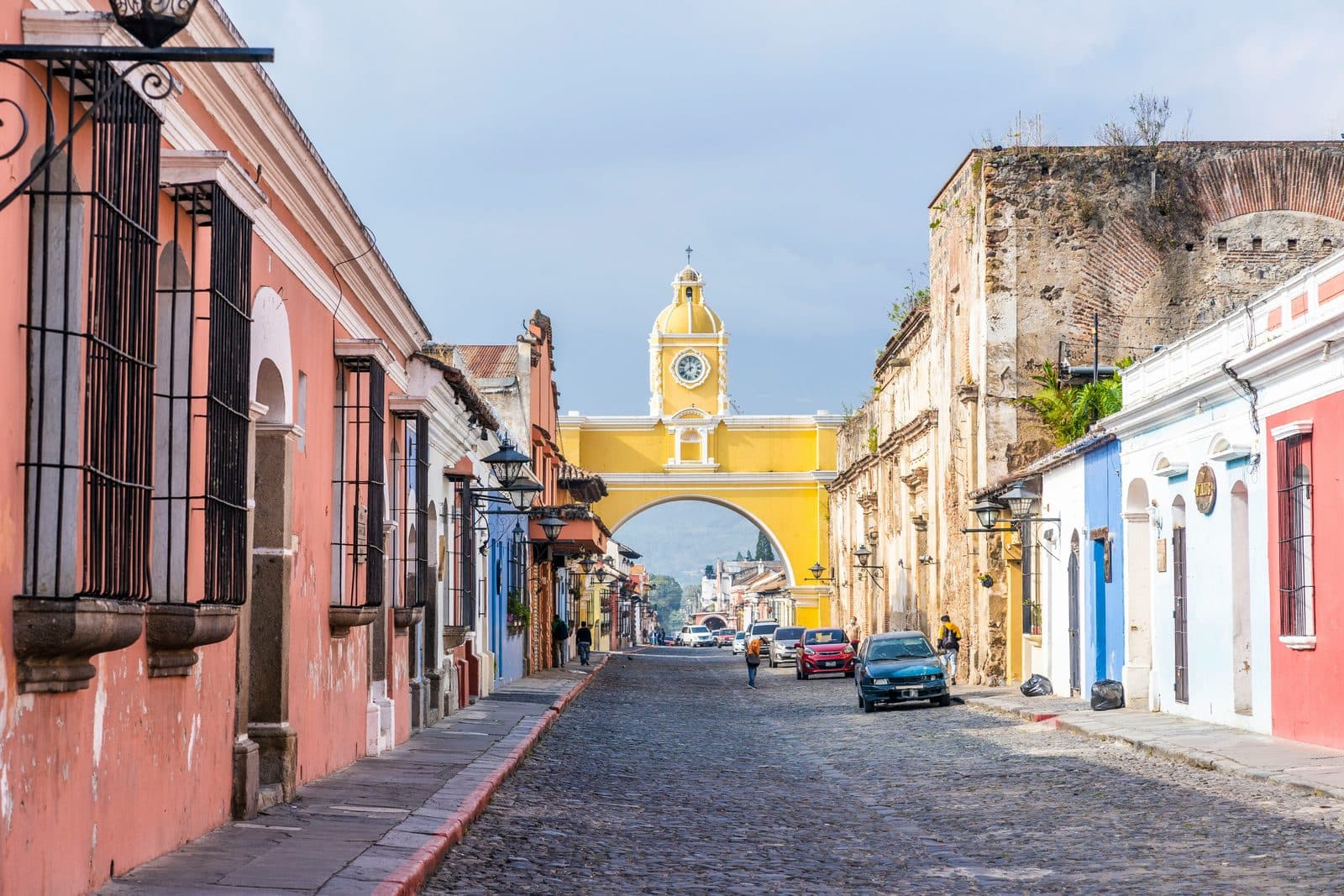
Around Parque Central and the Arco, for a table. The blocks off the plaza and along the Arco de Santa Catalina hold the sit-down restaurants, from traditional Guatemalan kitchens to international menus, plus the best of the cafes. Walk the Historic Center tour through this quarter and it doubles as your route to a meal. To go deeper on the coffee, the Antigua coffee culture guide follows the bean from finca to cup, and the hidden gems guide points to more corners worth the detour.
Eat as you walk
The best way to work through this list is on foot, one part of town at a time. Pair a morning of ruins around Parque Central with a market lunch of pepian, an afternoon coffee at a specialty cafe or a finca, and an evening of street food at Tanque de la Union. Route your day with the one day in Antigua itinerary, plan the practical side with the Antigua travel guide, and browse all Antigua tours. Every tour is free to start: the introduction and first stop play in full, and every later stop plays a short preview before an optional purchase.
Frequently asked questions
- What food is Antigua Guatemala known for?
- Antigua serves the classic dishes of Guatemalan highland cuisine. The headliners are pepian (a rich, toasted seed-and-chili stew over chicken, considered a national dish), jocon (chicken in a green tomatillo-and-cilantro sauce), hilachas (shredded beef in a tomato-based sauce), chuchitos and tamales (masa steamed in corn husks or banana leaf), and rellenitos (fried mashed plantain stuffed with sweetened black beans). Antigua is also one of the world premier coffee regions, so the coffee itself is a headline experience.
- Where should you eat in Antigua Guatemala?
- For the most authentic and affordable food, head to the Mercado Municipal, two blocks north of Parque Central, where market comedores serve pepian, jocon, kak'ik, and rellenitos for only a few dollars. In the evening, street vendors gather near Tanque de la Union with tostadas, dobladas, and chuchitos. Around the plaza and the Arco you will find sit-down restaurants ranging from traditional Guatemalan to international, and specialty cafes for the local coffee.
- What should I drink in Antigua Guatemala?
- Coffee, first and foremost. Antigua sits in one of the world most celebrated coffee valleys, its beans grown on volcanic soil at around 1,500 meters, known for a chocolatey body and bright citric acidity. Order it at a specialty cafe in town or, better, visit a working finca on a tour. Beyond coffee, try atol de elote (a warm sweet corn drink), fresh fruit licuados, and horchata.
- Is street food safe to eat in Antigua?
- Generally yes, with common-sense care. Choose busy stalls with high turnover where food is cooked hot to order, favor the popular market comedores and the evening vendors locals line up for, and stick to bottled or purified water. Freshly griddled tortillas, tamales, and hot stews are lower-risk than anything left sitting. The Mercado Municipal and the Tanque de la Union vendors are well-trodden by both locals and travelers.
Ready to experience it?
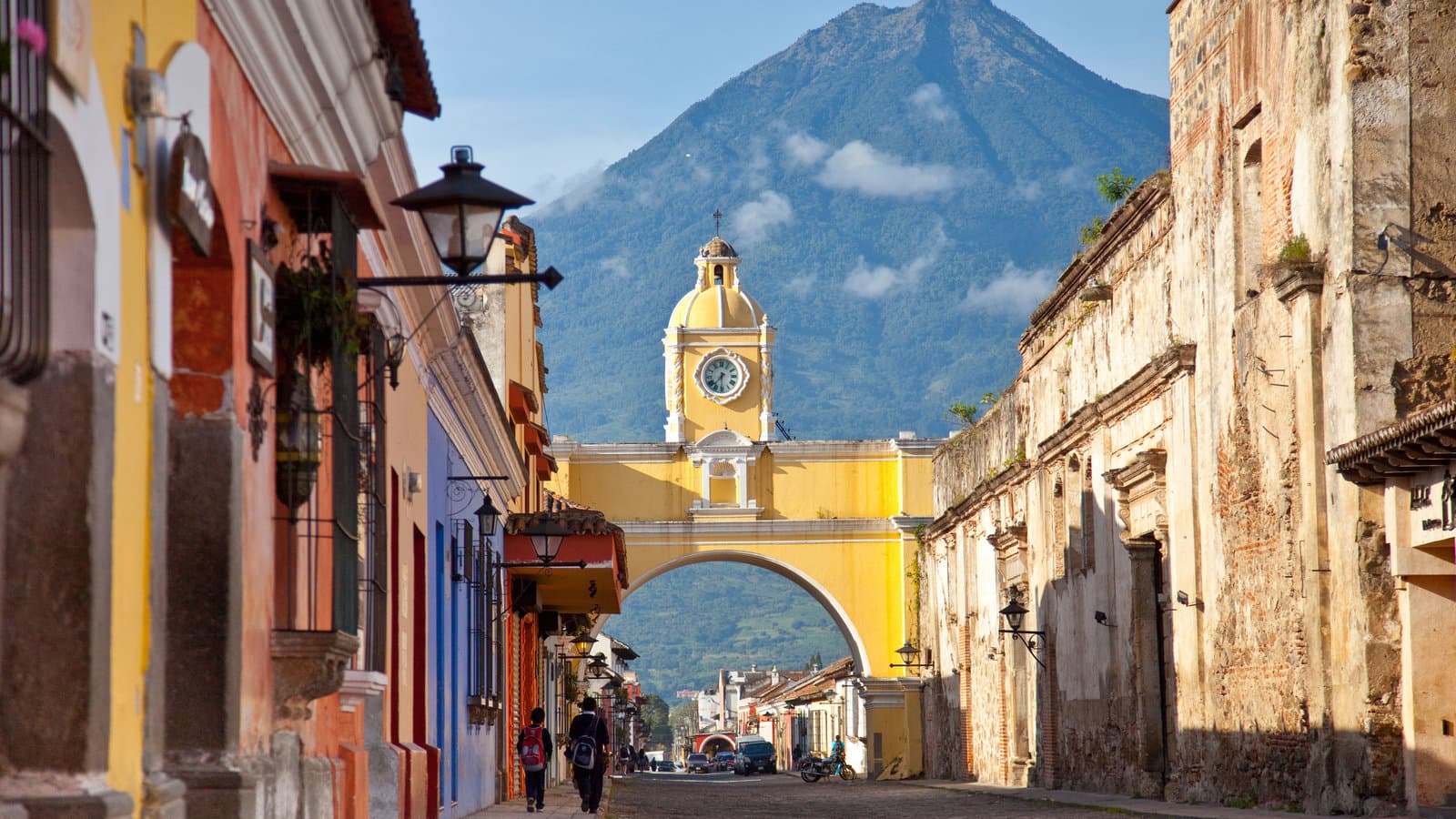
Historic Center: Preserved by Catastrophe
105 min · 3.69 km · easy
More from Antigua
Explore more at your own pace.
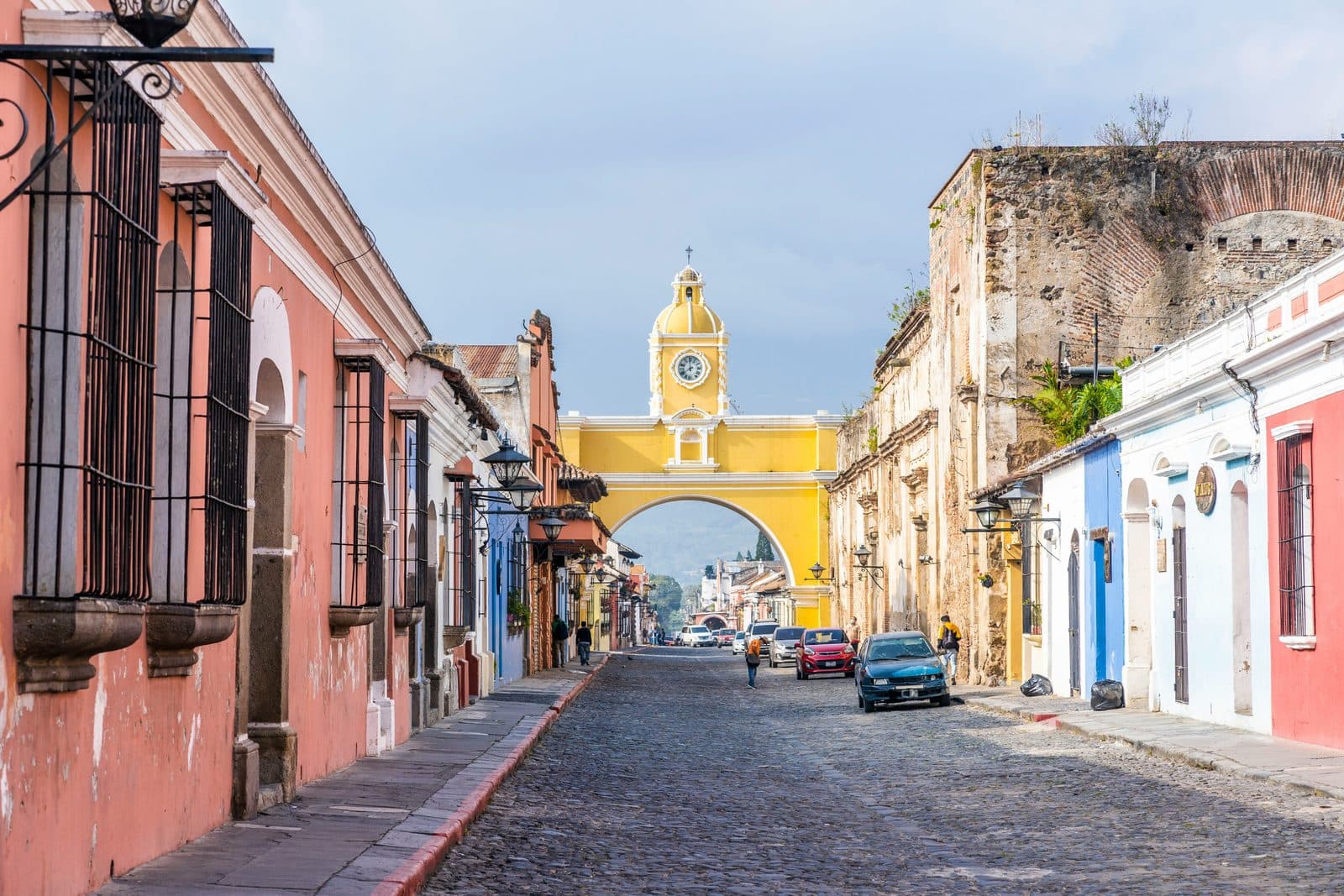
Antigua Guatemala Travel Guide: How Many Days, Getting There, When to Go (2026)
Best Self-Guided Walking Tours in Antigua Guatemala (2026)
One Day in Antigua Guatemala: A Walkable Itinerary (2026)
The People Who Stayed: A Companion to the Historic Center Walk
The Porres Dynasty: Three Generations of Earthquake Architecture