Lambton Quay: The Capital on the Old Shoreline
95 min · 4 km · easy
If you want to eat like a Wellingtonian, start with coffee and craft beer, then work outward to the whitebait fritter, the Sunday harbour market, and a plate of fish and chips by the water. Wellington calls itself New Zealand's coffee capital, and the claim has teeth: the compact downtown packs in more cafes per head than most cities its size, and the flat white you order here sits at the center of the local food identity. This guide covers the specific things to eat and drink in Wellington, where the traditions come from, and how to order them without hesitating at the counter.
Start with the flat white (and take the origin story with a grain of salt)
The flat white is the drink to order first. It is espresso with steamed milk poured to a thin, glossy microfoam, smaller and stronger than a latte, with no dry foam cap on top. In Wellington it is the default, not a special request, so you can simply ask for "a flat white" and expect it made well.
Who invented it is genuinely contested between New Zealand and Australia, and honest sources leave the question open. The Wellington version of the story credits a barista named Fraser McInnes, who is said to have made a cappuccino with low-fat milk in 1989 that refused to froth and called the flat result a "flat white." Australia has its own claim, centered on Sydney cafes in the mid-1980s. There, the term shows up in a 1983 press review of one cafe and on a documented cafe menu by 1985, which gives the Australian side the older paper trail. Treat it as a shared trans-Tasman drink with a good Wellington legend attached rather than a settled fact.
For the coffee itself, the city roasts its own. Havana Coffee Works occupies a green 1959 building on upper Tory Street and roasts on site, which is a short detour off the Cuba Street and Waterfront walking route. You do not need a specific address to drink well here, though. Cuba Street and the lanes around it are dense with independent cafes, and ordering a flat white, a long black, or a short black at almost any of them is the local ritual.
The whitebait fritter: seasonal, simple, and unmistakably local
Hear a stop from this walk
Lambton Quay: The Shoreline of Eighteen Forty in the Pavement
The most distinctive New Zealand dish you can chase in Wellington is the whitebait fritter. Whitebait are tiny translucent freshwater fish, the juveniles of several native galaxiid species, caught in rivers mostly across spring, roughly September to November. The classic fritter is barely a fritter at all: whitebait bound with beaten egg, seasoned, and pan-fried in butter, with little or no flour, then served with a lemon wedge and often on soft white bread.
Order it in season and expect it to be priced as a delicacy, because the catch is limited and tightly regulated. If you see it on a menu outside the season, it is likely frozen or previously frozen, which is normal and still worth trying. Ask for it with lemon and bread, eat it warm, and do not expect a thick battered patty. The point is the fish, not the coating.
Craft beer is the other half of Wellington's drinking culture
Wellington takes its craft beer as seriously as its coffee. Garage Project, the brewery that put the city on the international beer map, started in a former petrol station in the Aro Valley just uphill from Cuba Street, and it built a reputation on constant experimentation: hazy IPAs, sours, lagers, and stranger one-offs. You will find its beers, and dozens of other local brews, on tap across the central city.
How to order like a local: bars here pour tasting flights and small pours, so you can sample several without committing to a full pint. If you are new to the style, ask the bartender for a hazy IPA or a pale ale and mention whether you want it hoppy and bitter or softer and fruity. Staff at good beer bars expect the question and will steer you. The craft-beer strip overlaps the Cuba Street and Waterfront route, so a walk and a pour fit together naturally.
Eat at the markets: Harbourside on Sunday, the Night Market on weekends
Two markets give you the fastest read on how Wellington eats.
The Harbourside Market runs every Sunday morning beside Te Papa, on the corner of Cable and Barnett Streets, opening around 7:30am and running into the early afternoon. It is Wellington's oldest open-air food and produce market, with fruit and vegetable stalls, seafood, baked goods, cheese, and food trucks doing breakfast. This is the place to grab a coffee, a fresh pastry, and whatever seafood is being cooked to order, then eat it looking at the harbour. It sits directly on the Cuba Street and Waterfront walking tour path.
The Wellington Night Market covers Cuba Street on Friday and Saturday evenings, roughly 5pm to 11pm, with the Friday market on upper Cuba Street and the Saturday market on the lower stretch. Expect hot street food from many cuisines: ramen, dumplings and steamed buns, Indonesian noodles, curries, and more. It is cash-and-card, casual, and made for grazing across several stalls.
Round out the plate: fish and chips, kaimoana, and a bottle of L&P
Beyond the signature items, a few things belong on any Wellington eating list. Fish and chips wrapped in paper, eaten on the waterfront, is a national habit and easy to find near the harbour. Look for kaimoana (seafood) on menus, including green-lipped mussels, a New Zealand species farmed in the surrounding waters. And to drink something unmistakably local without alcohol, order an L&P, short for Lemon & Paeroa, a sweet lemon soft drink made in New Zealand and marketed for decades under the affectionate slogan "world famous in New Zealand."
Where museum food and free stops fit in
If you are pairing eating with sightseeing, Te Papa Tongarewa, the national museum on the waterfront at 55 Cable Street, is a useful anchor. It is open daily from 10am to 6pm. General admission is free for New Zealand residents; international visitors aged 16 and over pay NZ$35 for museum entry, and it has cafe space if you want to sit down between market stops. The Harbourside Market is right beside it on Sunday mornings, which makes for an easy combined morning.
Turn this into a walk
Most of what is worth eating in Wellington sits along two flat, walkable corridors: Cuba Street and the harbour. The Cuba Street and Waterfront self-guided audio tour threads past the coffee lanes, the craft-beer strip, the Sunday market, and Te Papa, so you can time your stops around a flat white, a market snack, or an early beer. For the civic and heritage half of the city, including Lambton Quay and Parliament, see the full set of Wellington walking tours. Order the flat white first, save the whitebait for when it is in season, and let the harbour set the pace.
Sources
Frequently asked questions
- What food is Wellington known for?
- Wellington is best known for coffee and craft beer. It bills itself as New Zealand's coffee capital, with more cafes per head than most comparable cities, and the flat white is the default order. It is also a craft-beer hub anchored by Garage Project. Local dishes to seek out include the whitebait fritter, fish and chips by the harbour, and green-lipped mussels.
- What is a flat white and did Wellington invent it?
- A flat white is espresso with steamed milk poured to a thin microfoam, smaller and stronger than a latte, with no dry foam cap. Its origin is genuinely disputed between New Zealand and Australia. Wellington's version credits barista Fraser McInnes with coining the name in 1989 after low-fat milk failed to froth, while Australia points to Sydney cafes in the mid-1980s, where the term shows up in a 1983 press review and on a documented cafe menu by 1985. It is best treated as a shared trans-Tasman drink.
- What is a whitebait fritter and when can I get one?
- A whitebait fritter is tiny native freshwater fish bound with beaten egg and pan-fried in butter, usually with little or no flour, served with lemon and often on white bread. Whitebait is caught mostly in spring, roughly September to November, so fresh fritters are seasonal and priced as a delicacy. Outside the season you may find frozen versions on menus.
- Where should I eat at markets in Wellington?
- Two markets stand out. The Harbourside Market runs every Sunday morning beside Te Papa on the corner of Cable and Barnett Streets, opening around 7:30am, and is Wellington's oldest open-air food and produce market. The Wellington Night Market covers Cuba Street on Friday and Saturday evenings, roughly 5pm to 11pm, with hot street food from many cuisines.
- Is Te Papa museum free?
- Te Papa Tongarewa on the Wellington waterfront at 55 Cable Street is free for New Zealand residents. International visitors aged 16 and over pay NZ$35 for general museum entry, and children under 16 are free. The museum is open daily from 10am to 6pm, except Christmas Day, and a single ticket is valid for 48 hours.
- What is L&P and should I try it?
- L&P, short for Lemon & Paeroa, is a sweet lemon-flavoured soft drink made in New Zealand, originally combining lemon with mineral water from the town of Paeroa. It has been marketed for decades under the slogan 'world famous in New Zealand,' coined in 1993. It is the classic non-alcoholic local order and easy to find in shops and cafes.
Ready to experience it?
Lambton Quay: The Capital on the Old Shoreline
95 min · 4 km · easy
More from Wellington
Explore more at your own pace.
One Day in Wellington: A Walking Itinerary
Wellington: The Capital on Ground the Sea Gave Back
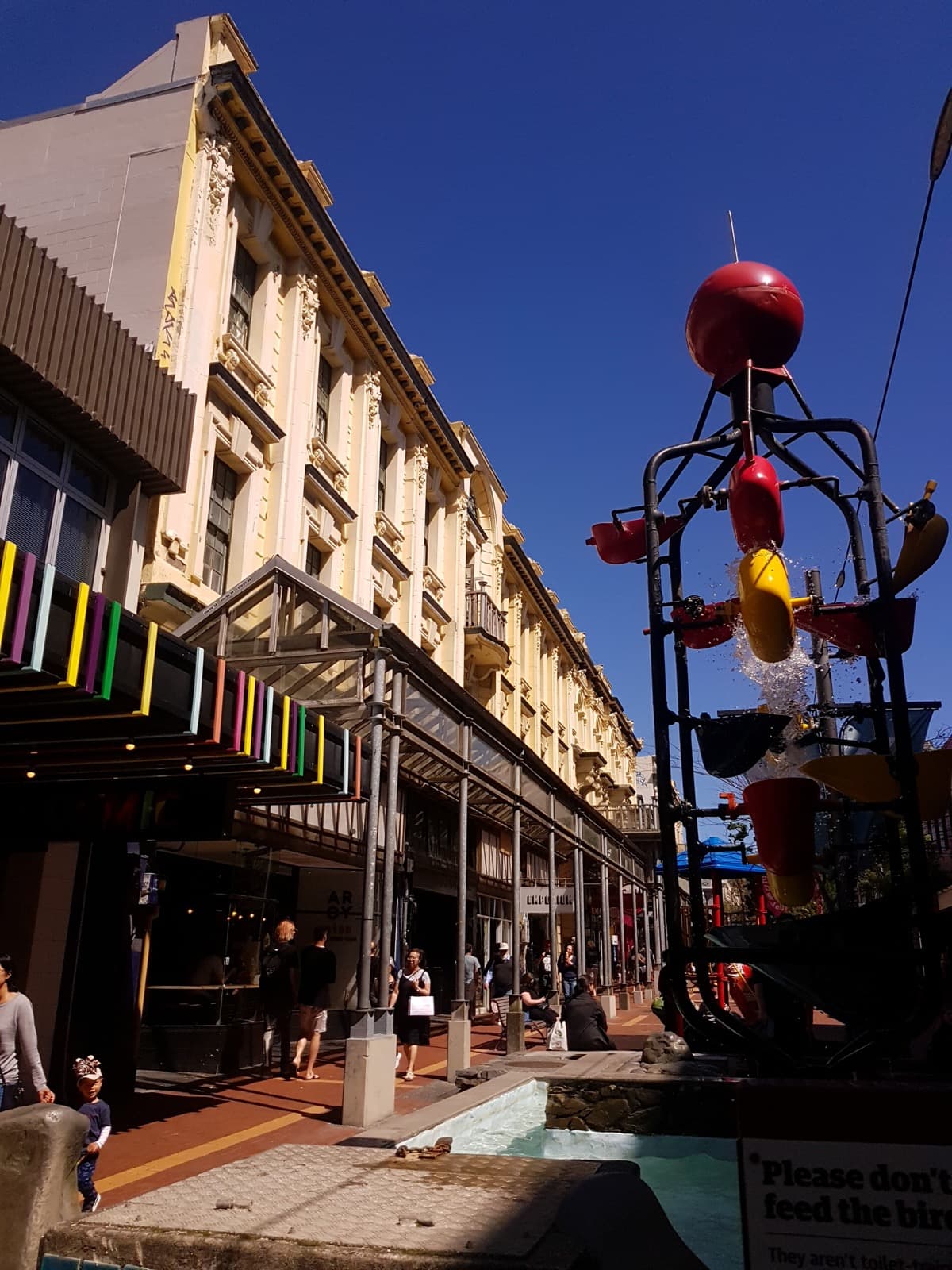
Cuba Street, Wellington: The Bohemian Spine Named for a Ship, Not the Country
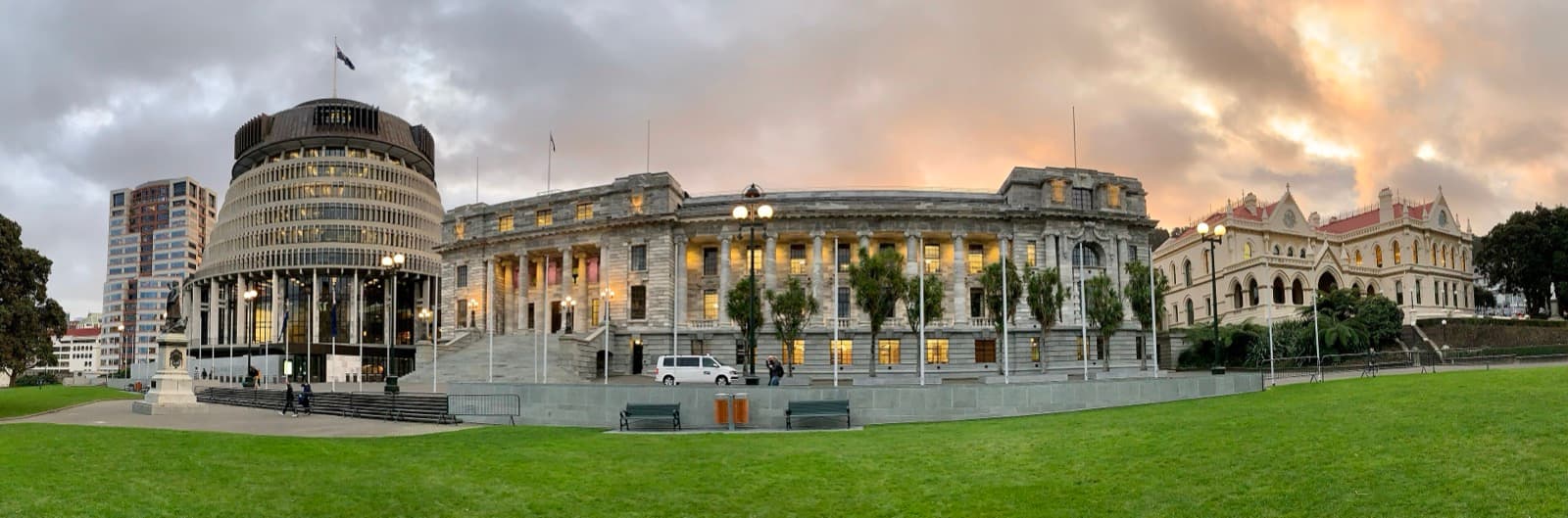
Reading Wellington's Parliament and the Beehive: Three Buildings, One Capital
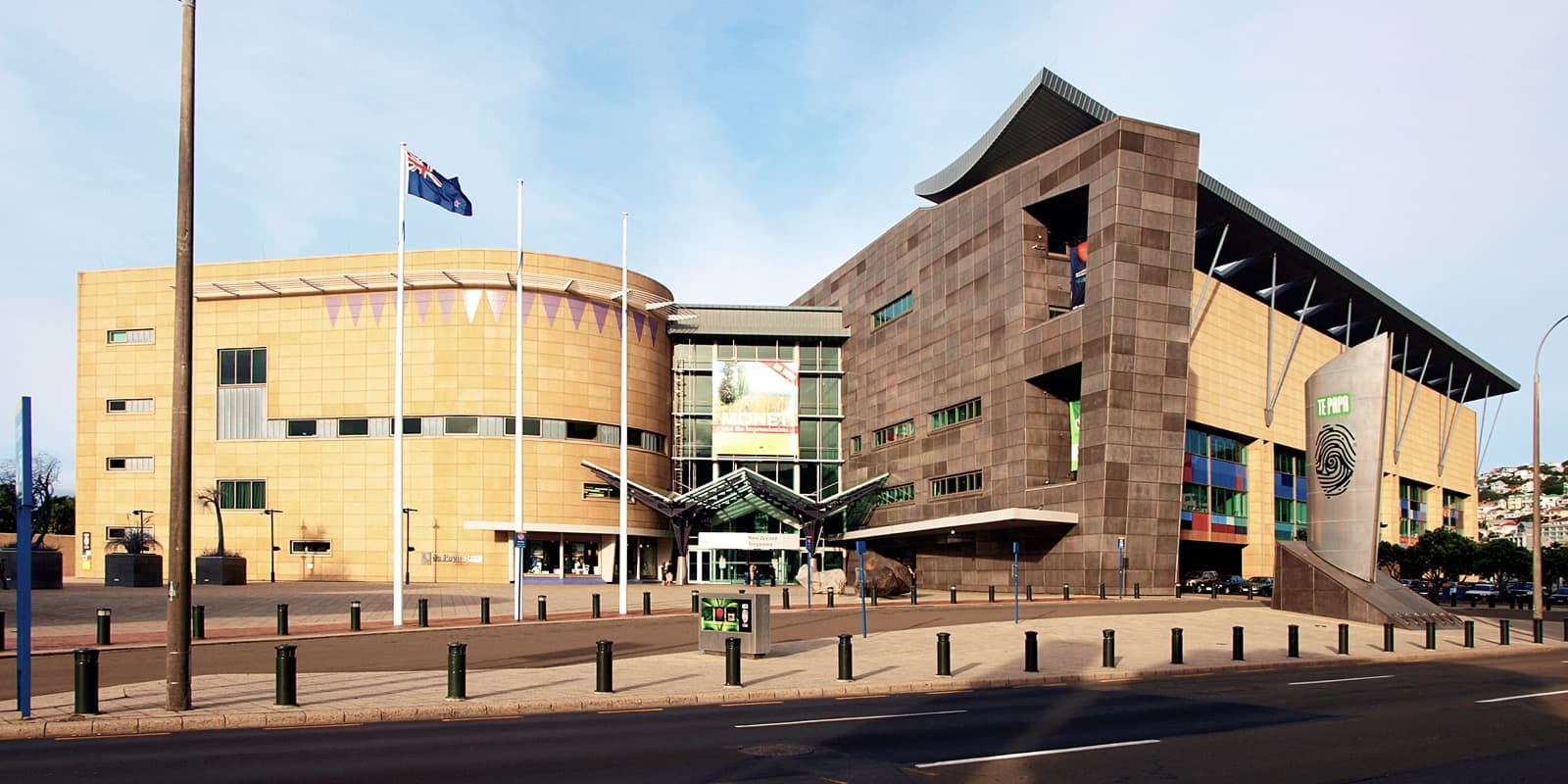
Te Papa Tongarewa: Why New Zealand's National Museum Is Built Around a Marae