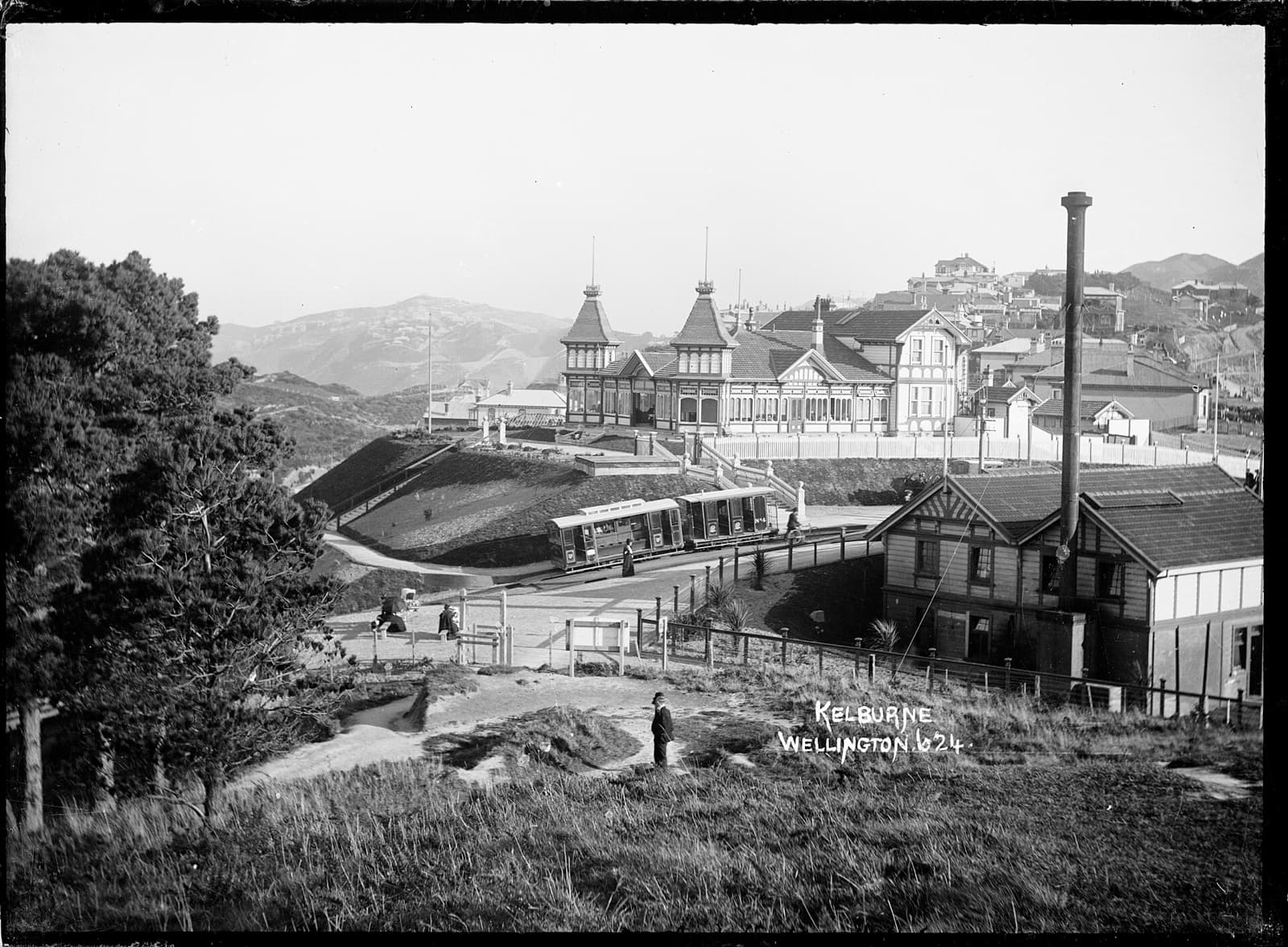
The Wellington Cable Car is the last historic funicular in New Zealand, and that fact, not the postcard view at the top, is the reason it belongs at the end of a walk through the capital. The line has climbed the same slope from Lambton Quay to the suburb of Kelburn since it opened on the twenty-second of February, 1902. It runs about 628 metres up the hill, rises roughly 120 metres, and passes through three tunnels and over three bridges on the way. Ride it once and you are riding working heritage, not visiting a monument to it. At the top the Wellington Botanic Garden spreads across the hillside, and the whole capital lies laid out below, reduced to a pattern of streets on reclaimed flats at the head of the harbour.
A working funicular, not a museum piece
It helps to separate two dates that are easy to blur together. The line dates from 1902, designed by the engineer James Edward Fulton. The cars you actually ride are newer. The original cable-hauled system was rebuilt as a full electric funicular by the Swiss firm Habegger and reopened in 1979. So the route is a century and a quarter old, the mechanism underneath it is modern, and both facts are true at once. That is what Engineering New Zealand means when it records the line as the last historic funicular in the country: the continuity is in the alignment and the purpose, the slope it climbs and the job it does, carried forward through a full rebuild rather than frozen in place.
This is worth holding onto because it changes how you read the ride. A funicular works by balance. Two cars are linked by a cable over a drum at the top, and as one descends it helps haul the other up, which is why a steep grade that would exhaust a walker becomes an easy, quiet climb. On this line the grade is real. In roughly 628 metres of track the car gains about 120 metres of height, threading tunnels cut through the hill and crossing bridges over the gullies. You feel the city drop away behind you as you go, the flat streets you have just walked shrinking into a grid on the harbour floor.
Why the view matters more here than anywhere else on the walk
Hear a stop from this walk
Lambton Quay: The Shoreline of Eighteen Forty in the Pavement
Wellington is a capital built on ground that was partly lifted out of the sea. The main shopping street, Lambton Quay, is called a quay because it once ran along the beach, and the 1855 Wairarapa earthquake, magnitude at least eight point two and probably the most powerful in the country's recorded history, raised the harbour floor around Wellington by roughly one and a half metres in a single evening before later reclamation pushed the sea back further. Down at street level that history is abstract, marked only by brass plaques in the footpath. From the Kelburn lookout it becomes legible. You can see the flat reclaimed core sitting at the head of the harbour, the water held back from streets that used to be shoreline, the whole geography of a city that grew onto land the sea gave up. The climb does something a photograph cannot: it lets you carry the ground you crossed up into the air and look back down on it as a single shape.
That is the one thing to understand standing at the top. The cable car is not a detour from the walk. It is the walk's last argument, the moment the flat capital you have been reading at eye level resolves into a map. Everything the route has been about, the reclaimed land, the quay with no water, the works of the state on the old harbour floor, is visible in one sweep from Kelburn.
The garden that meets you at the top
Beside the lookout, the Wellington Botanic Garden spreads down the slope, about twenty-five hectares of hill and valley established in 1868. It is one of New Zealand's earliest and most significant public gardens, old enough that it grew up alongside the capital itself rather than being added to it later. Entry is free. The cable car is the only part of this stop that charges, and it charges little.
The practical move, and the one the tour recommends, is to ride the cable car up and walk back down through the garden paths at your own pace. The uphill work is done for you by the funicular, so you spend your effort on the descent, when the harbour view is in front of you the whole way rather than at your back. There is no coach idling at the curb and no guide counting heads at the gate. You take the view for as long as the light holds, then drop back into the city through the garden on your own clock. Wellington's weather changes fast, so a settled, clear day pays off most here, both for the view from the top and for the light through the garden on the way down.
Standing at the top
If you take one idea away from the Kelburn lookout, let it be the two dates again, because they are the whole character of the place: a line laid down in 1902 and cars rebuilt in 1979, a piece of the city that stayed itself through being entirely remade. That is a fitting note to end a capital walk on. Wellington is a small city carrying a nation's government on ground it partly took back from the sea, and its oldest working climb still does exactly what it was built to do.
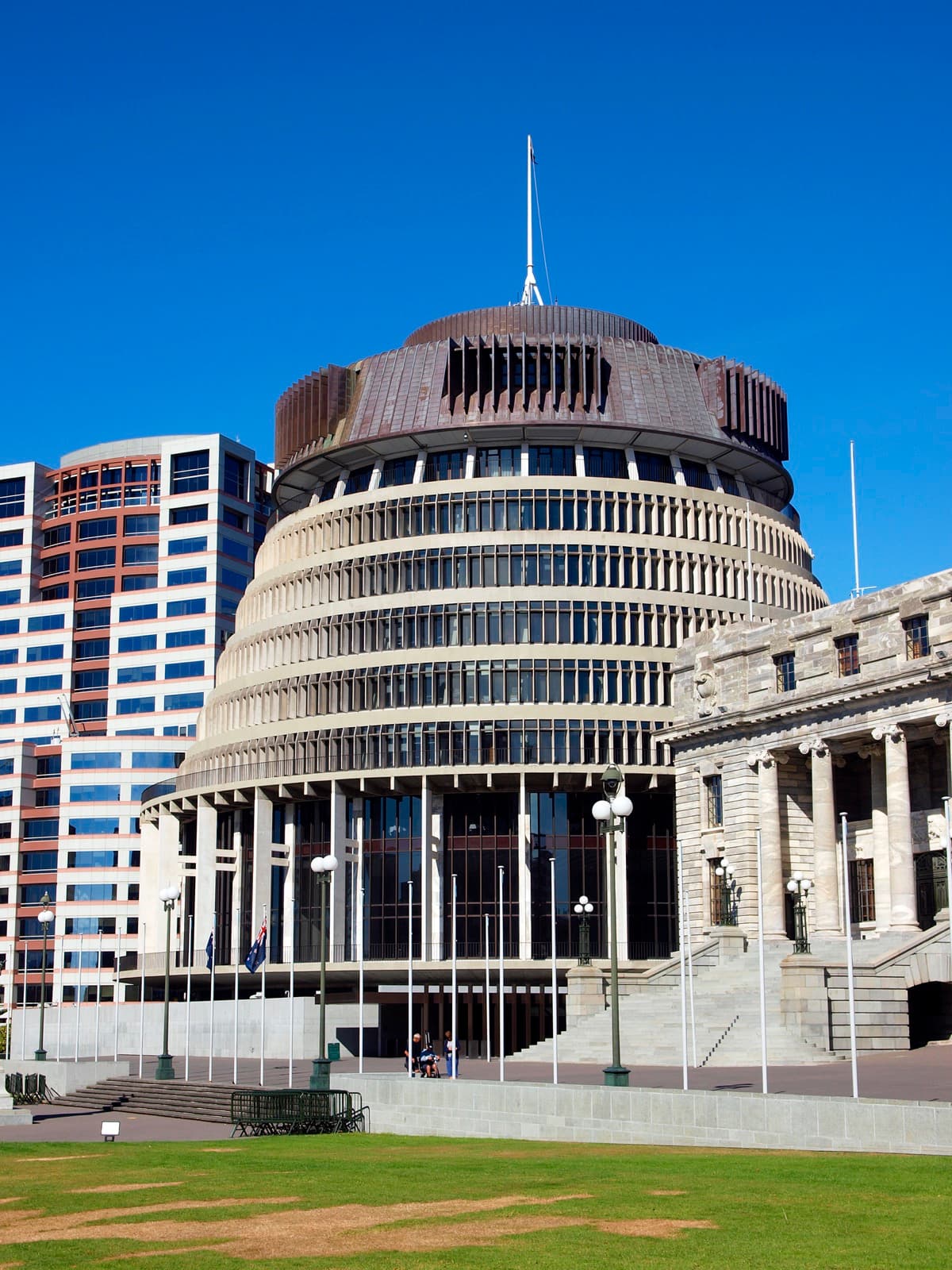
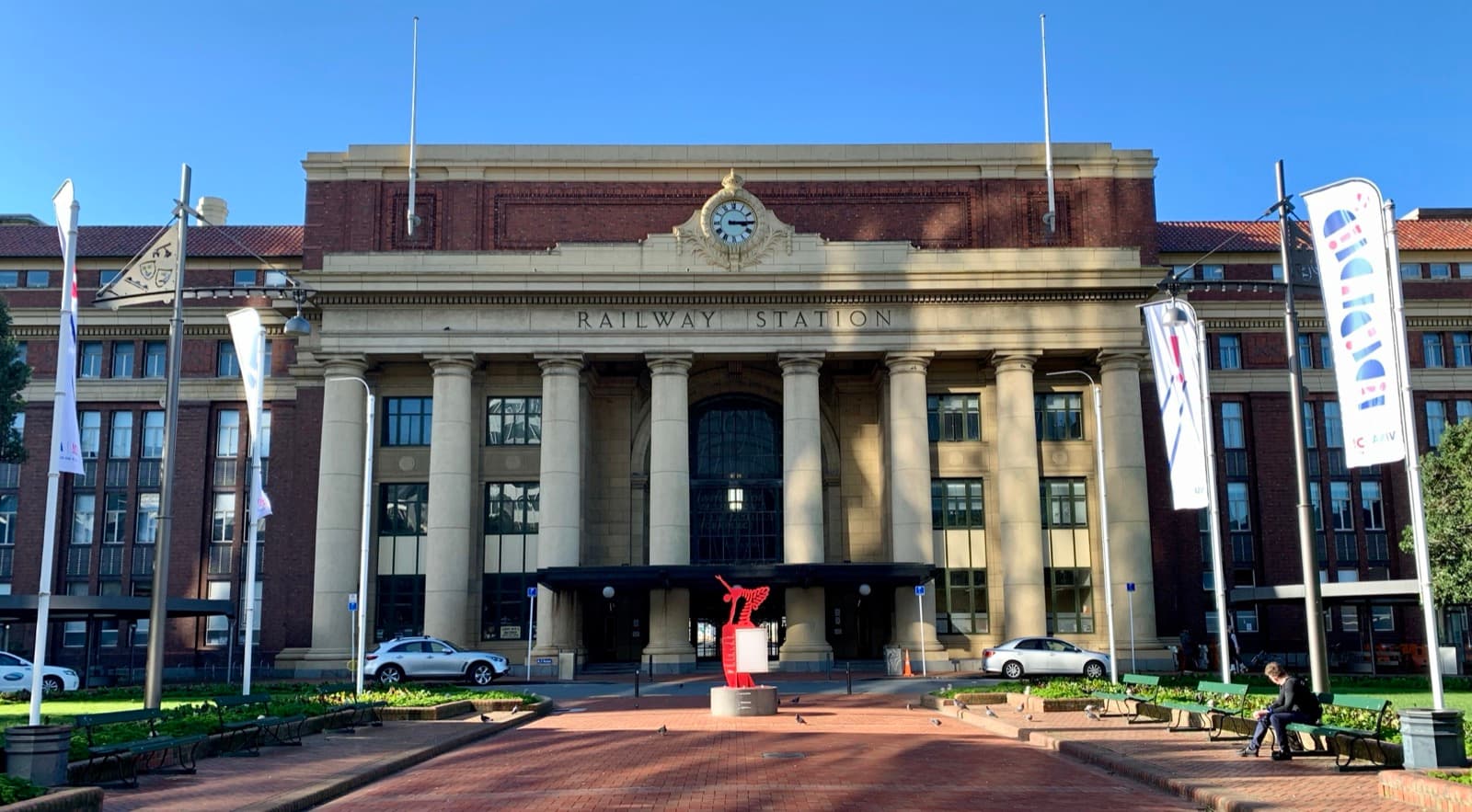
This stop is the last of seven on a level, roughly four-kilometre walk through the capital core, from the grand railway station past Parliament and the Beehive, the timber Old Government Buildings, the wooden Gothic church of Old St Paul's, the old shoreline under Lambton Quay, and the ship's hull kept beneath the Old Bank Arcade. If you want the full route with GPS-triggered audio at each stop, walk the Lambton Quay and Parliament tour, which climbs to the cable car and the garden at its close. You can browse the rest of the city's routes among the Wellington walking tours, or start from the Wellington city page and pick your pace from there.
Sources
- Wellington Cable Car, Wikipedia. Opening date, length, height gain, tunnels and bridges, and the 1979 Habegger electric rebuild.
- Wellington Botanic Garden, Wikipedia. Establishment in 1868 and the roughly twenty-five hectare extent of the garden above Kelburn.
- Engineering New Zealand, heritage records. The designation of the line as the last historic funicular in New Zealand and its engineering by James Edward Fulton.
- Te Ara, the Encyclopedia of New Zealand, historic earthquakes. The 1855 Wairarapa earthquake, its magnitude, and the roughly metre-and-a-half uplift at Wellington that shaped the reclaimed capital seen from the lookout.
Ready to experience it?
Lambton Quay: The Capital on the Old Shoreline
95 min · 4 km · easy
More from Wellington
Explore more at your own pace.
One Day in Wellington: A Walking Itinerary
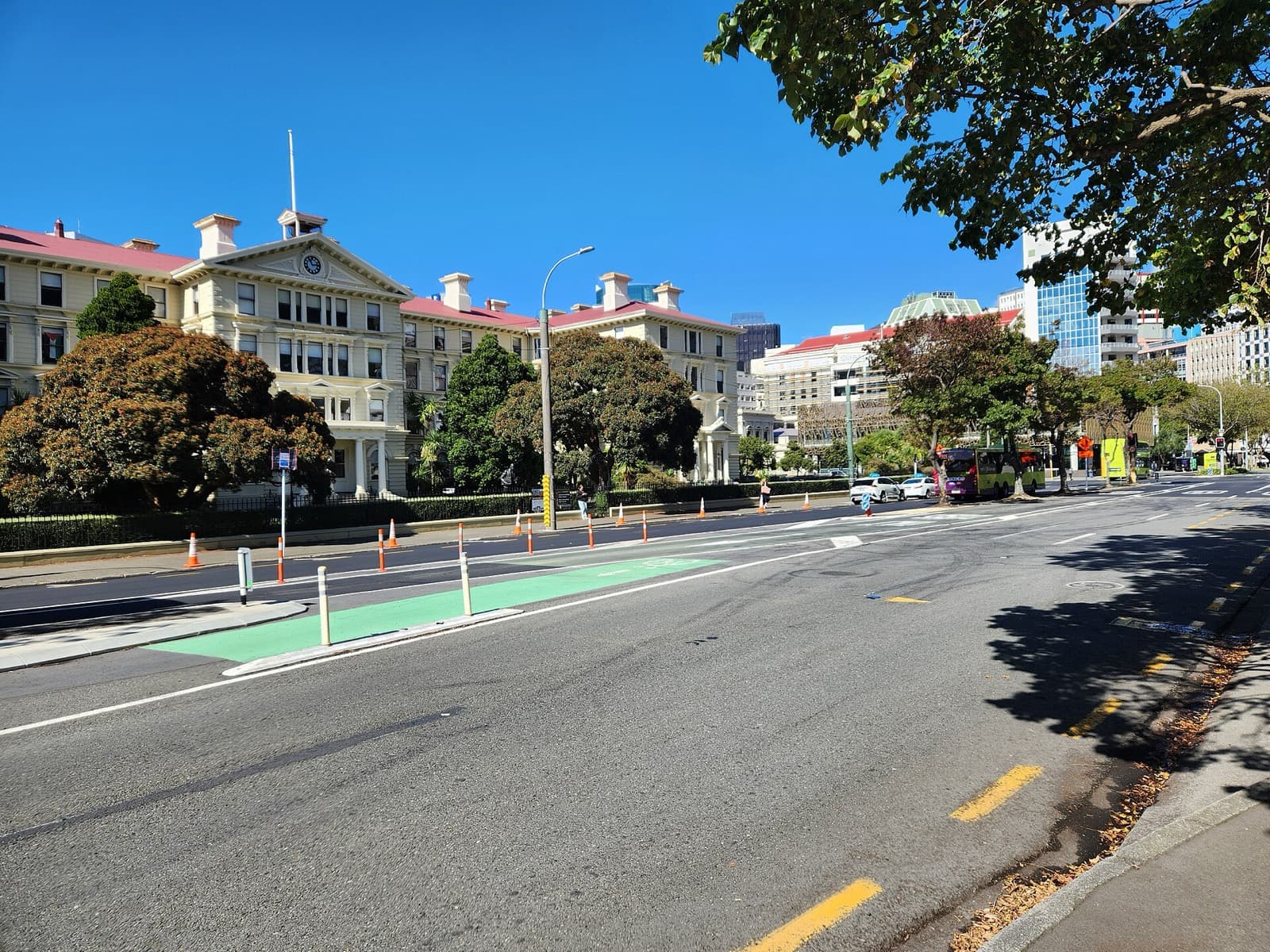
Wellington Travel Guide: Days, Transport, Cost, and Safety
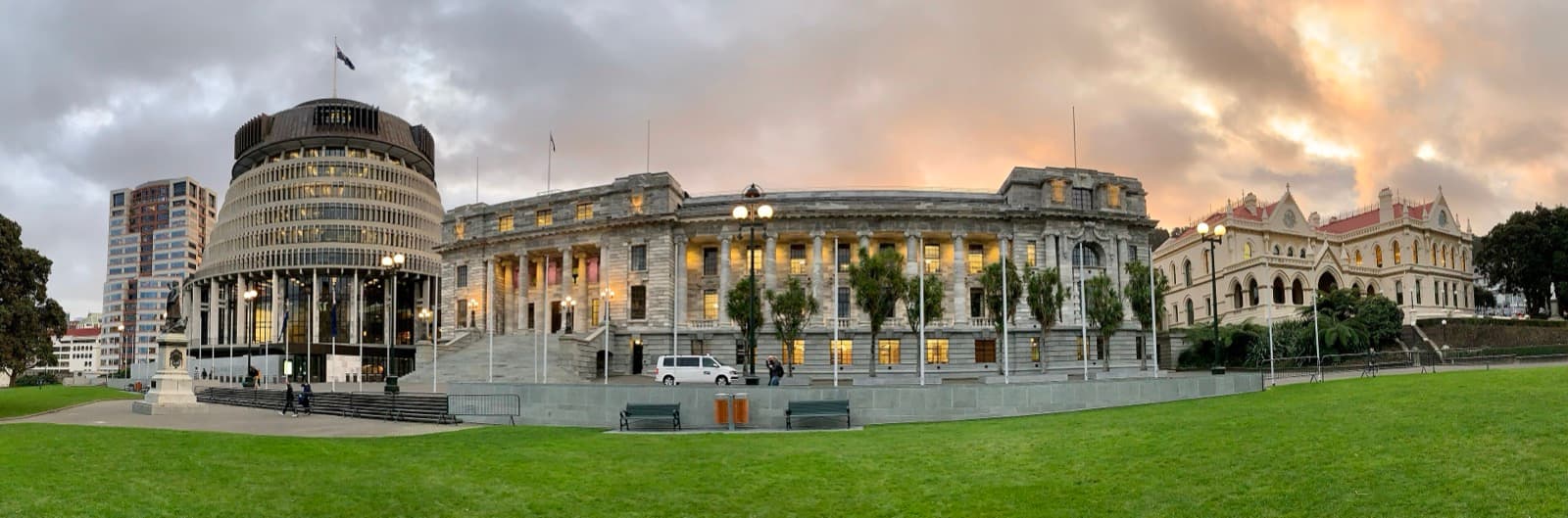
Wellington: The Capital on Ground the Sea Gave Back
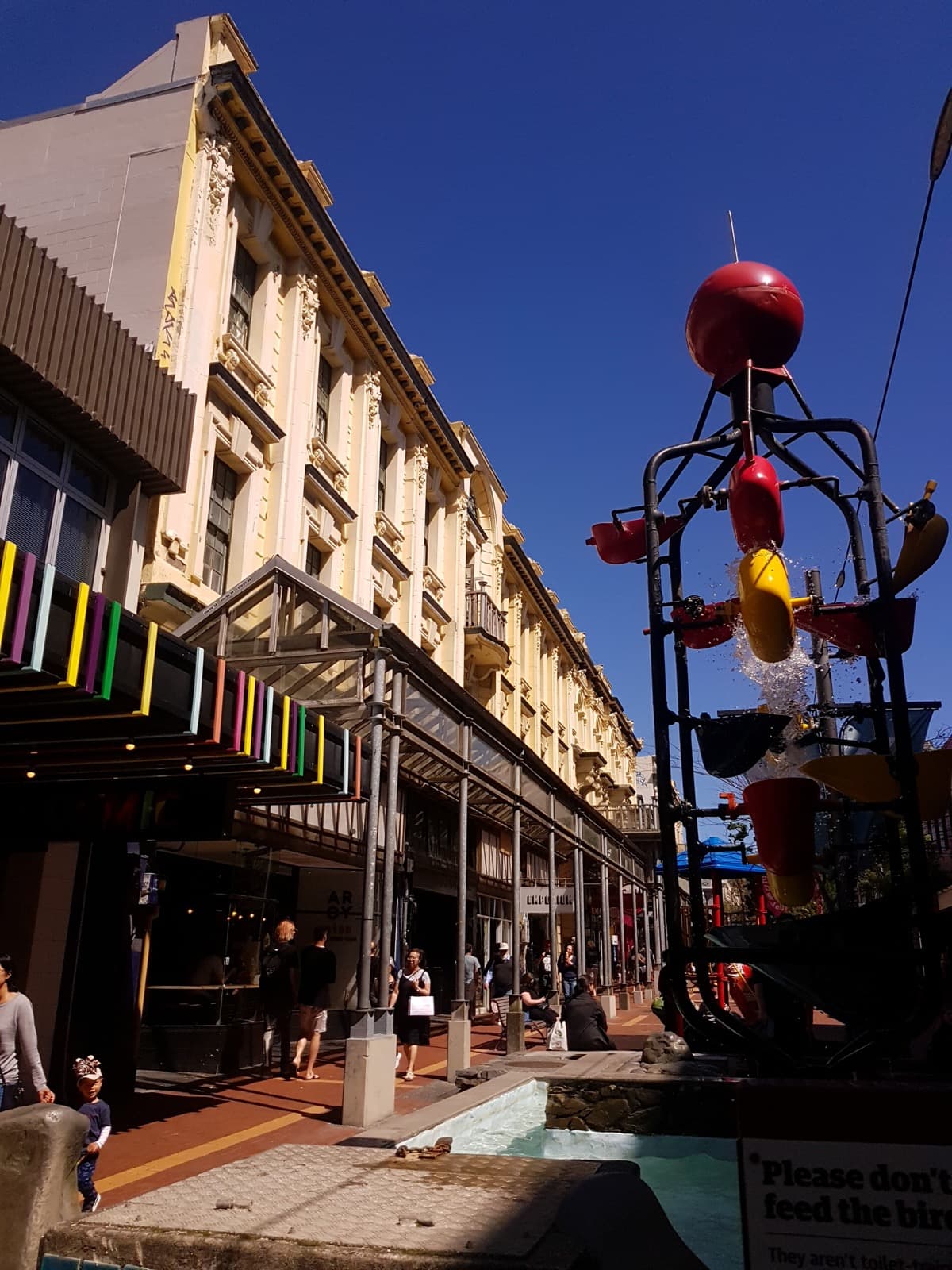
Cuba Street, Wellington: The Bohemian Spine Named for a Ship, Not the Country
Reading Wellington's Parliament and the Beehive: Three Buildings, One Capital