Lambton Quay: The Capital on the Old Shoreline
95 min · 4 km · easy
Wellington rewards two unhurried days on foot: New Zealand's capital packs Parliament, the national museum, a heritage cable car, and a preserved bohemian street into a flat, compact core at the head of the harbour, and the honest logistics (how to get in from the airport, when to come, what costs money, and how safe it feels) are simple enough to plan in one sitting. This guide answers the practical questions travelers actually search before they arrive, with prices and hours checked against current 2026 sources, then hands you off to two self-guided audio walks that cover the ground.
How many days do you need in Wellington?
Two days is the sweet spot for the city itself. Wellington's central attractions cluster tightly between Lambton Quay, Cuba Street, and the waterfront, so you can see the government quarter, the national museum, the cable car, and the harbour edge without ever needing a car. One full day covers the essentials if you are passing through on the way to the South Island ferry. A third day makes sense if you want day trips (the Wairarapa wine country, Zealandia, or the Weta film-effects tours) or if you simply want to slow down.
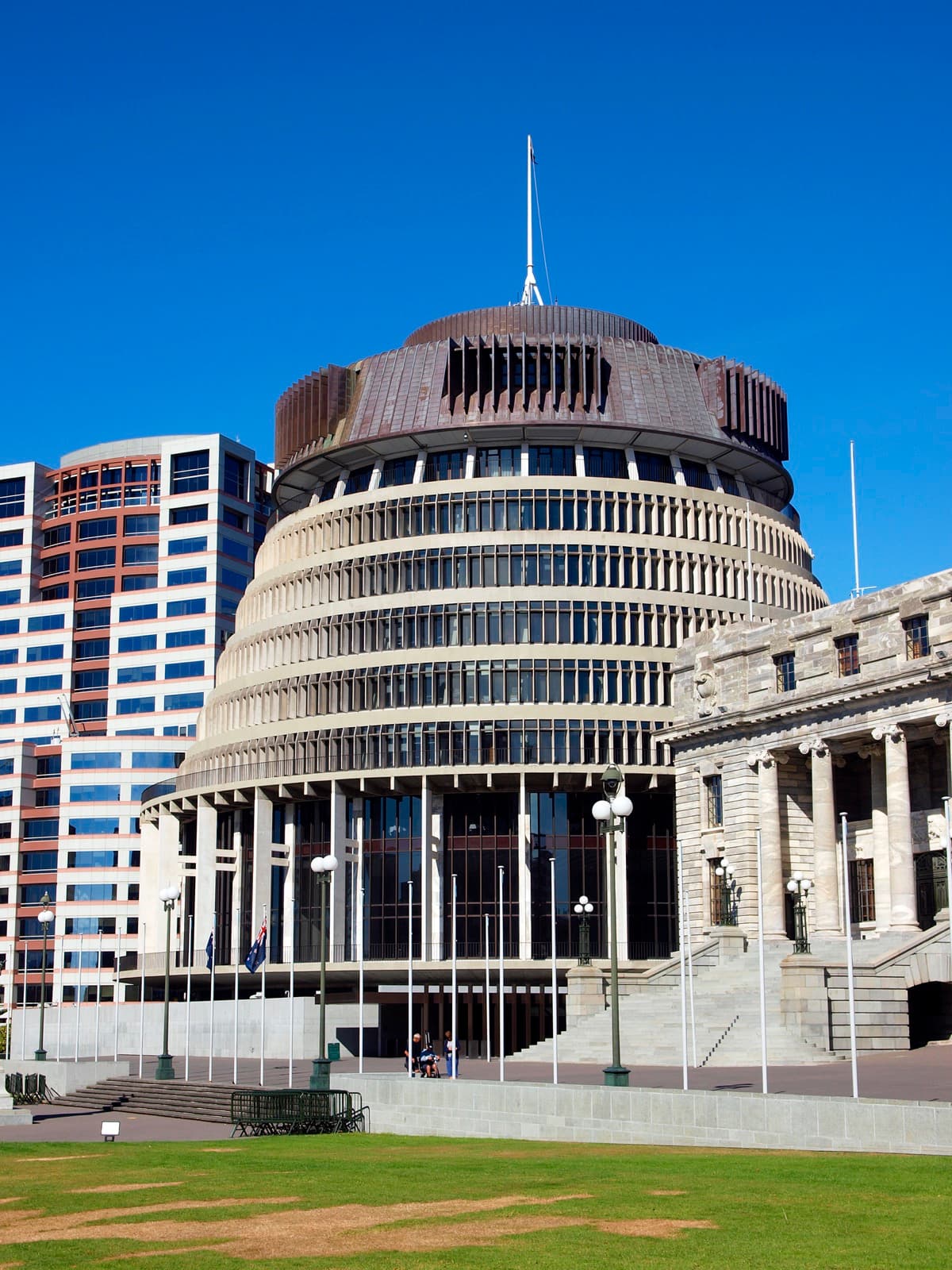
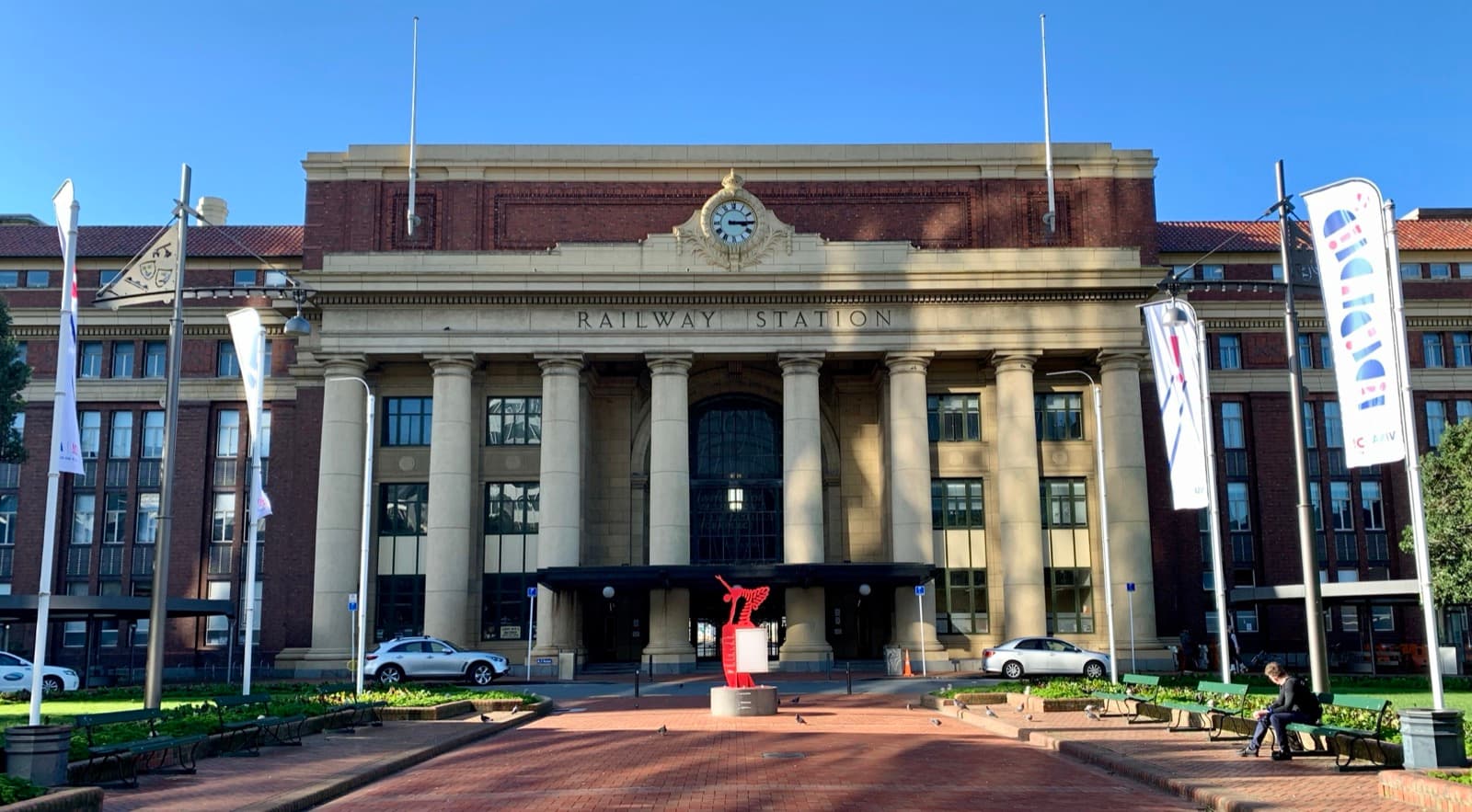
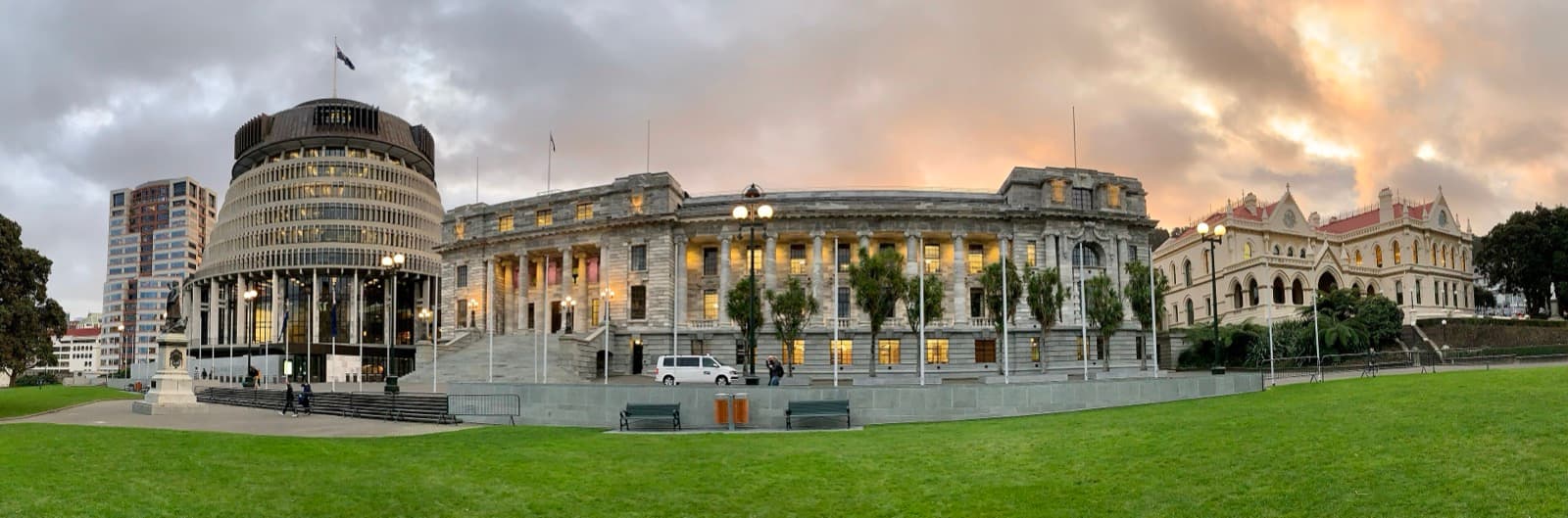
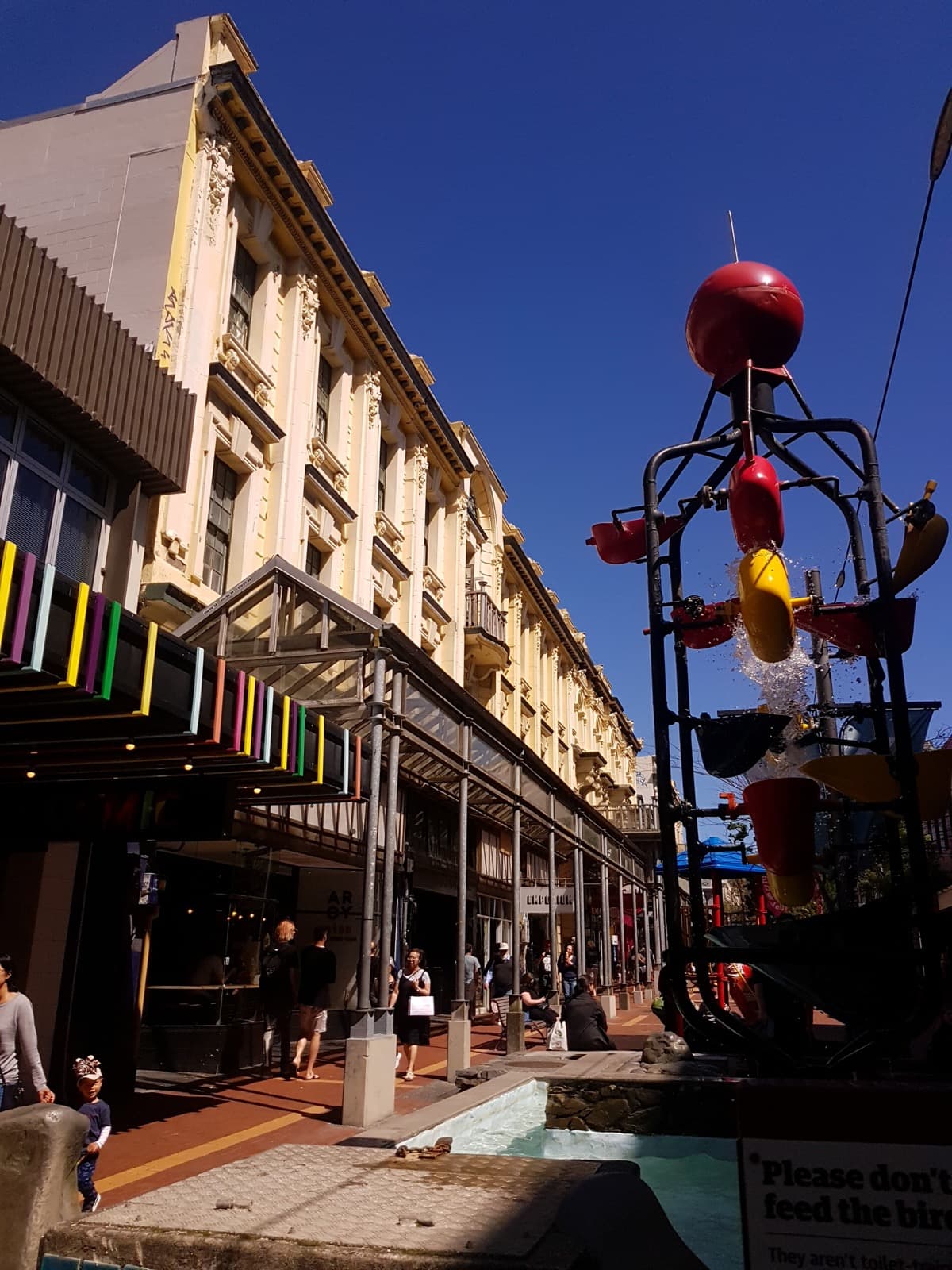
Because the core is so walkable, the two Roamer routes map cleanly onto a two-day plan. Day one follows the capital's civic spine on the Lambton Quay parliament walk, from the railway station past Parliament and the Beehive to the old shoreline and up the cable car. Day two reads the creative city on the Cuba Street and waterfront walk, from Civic Square through Cuba Street to Te Papa on the bay. Full route detail and the city's other tours live on the Wellington walking tours hub.
How do you get around Wellington?
Hear a stop from this walk
Lambton Quay: The Shoreline of Eighteen Forty in the Pavement
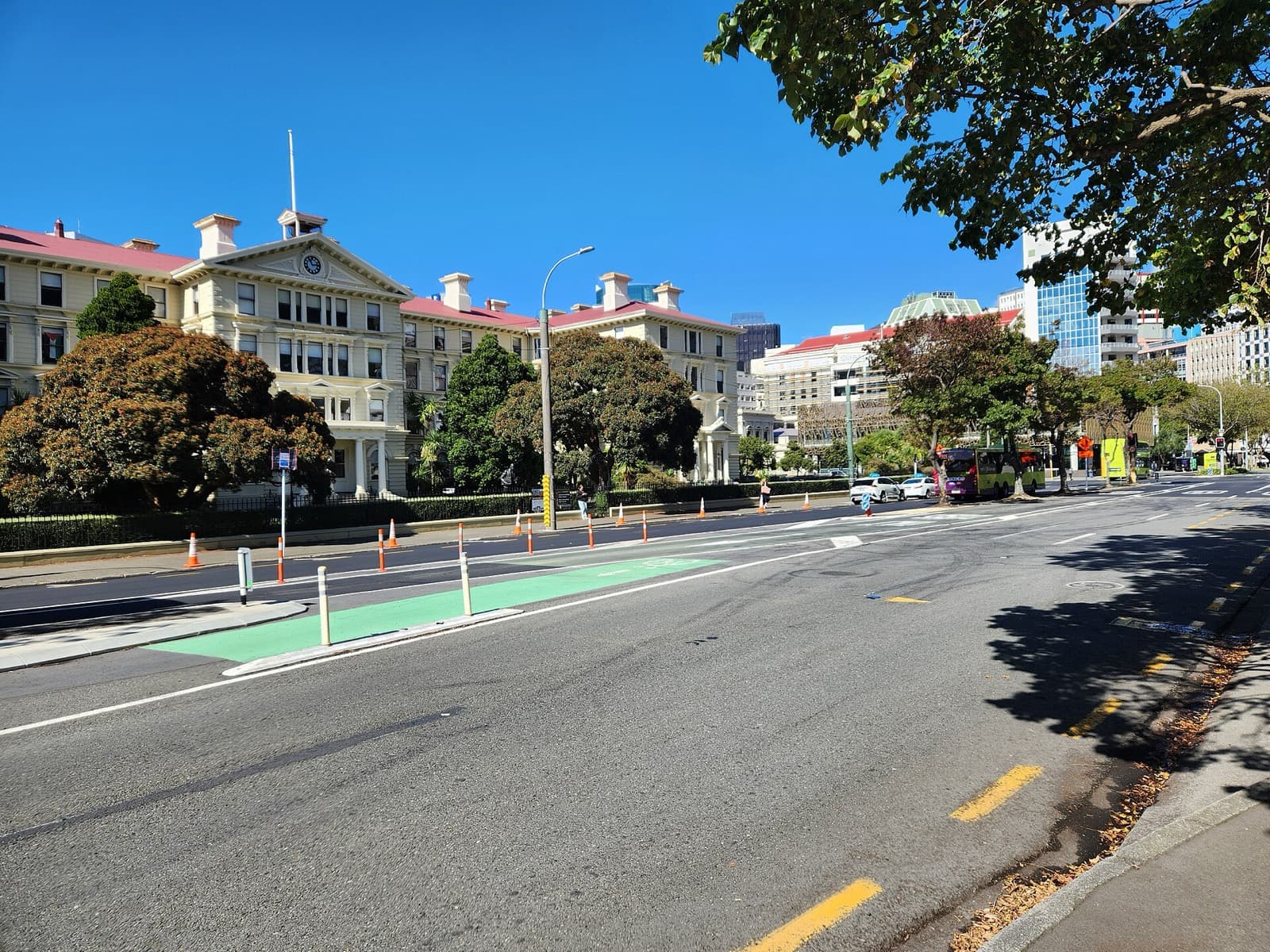
On foot, mostly. The flat central city is the point: the ground you walk was partly lifted from the sea by the great earthquake of 1855 and reclaimed since, which is why Lambton Quay is a "quay" with no water beside it. Both self-guided routes are rated easy and stay level for most of their length.
For everything beyond walking distance, the Metlink network runs buses and trains. The cheapest way to pay is a Snapper card, topped up at kiosks (including one at the airport). As of 2026 you can also tap a contactless credit or debit card or a phone on buses and trains, though contactless carries a small processing fee, so Snapper remains the cheapest option. Metlink fares rose about 3.1 percent in May 2026, so treat any older price you see online as a floor, not a promise.
From Wellington Airport, the Airport Express (route AX) runs into the central city in roughly 30 minutes, every 10 to 20 minutes, seven days a week, with luggage racks on board. Taxis and rideshare are the faster door-to-door option. The airport sits close to the city (about 8 kilometres), so transfers are short by international standards.
The Wellington Cable Car: hours and fare
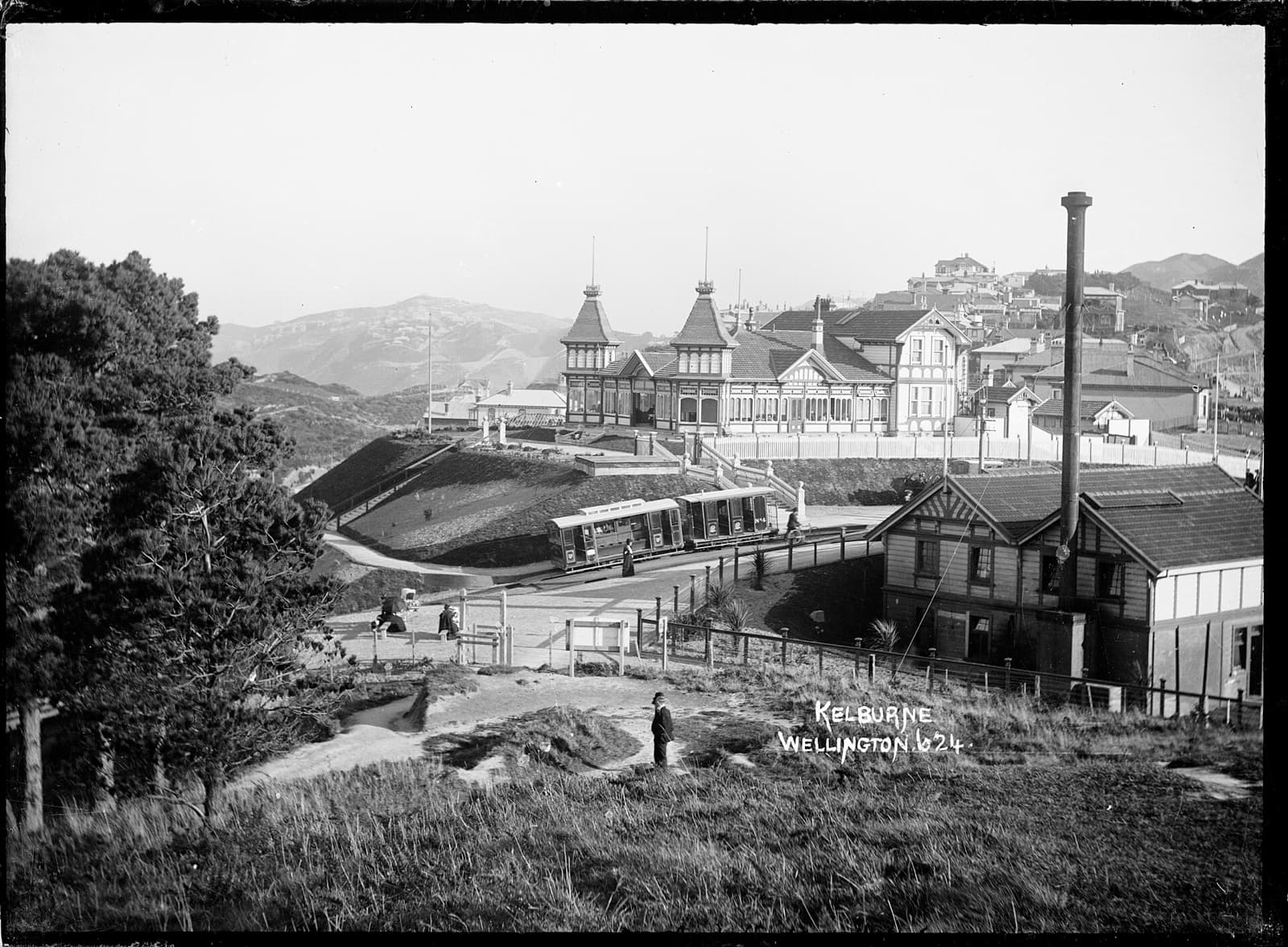
The heritage cable car is the one paid ride most visitors take, and it is the finish of the Lambton Quay walk. It climbs from Lambton Quay up to Kelburn, beside the Botanic Garden, with the whole capital and its harbour spread below. On the official operator's 2026 schedule, an adult return ticket is NZ$13 and a one-way is NZ$7. It runs roughly every 10 minutes, from early morning to evening daily, and closes only on Christmas Day. You can pay with a Snapper card. The Botanic Garden at the top is free, so you can ride up, wander down through the garden, and walk back into town at your own pace.
Best time to visit Wellington
Aim for December through March. That is the southern-hemisphere summer, with the longest days (light past 8:30pm in midsummer), the warmest temperatures (highs around 20 degrees Celsius), and the busiest events calendar. January and February are typically the driest months. Book accommodation and popular restaurants ahead over the January holiday peak.
Wellington's wind is real and worth planning around rather than fearing. Strong gusts can arrive in any season and are most common in spring. Locals note that March and April tend to be calmer, which makes autumn a quieter, steadier alternative to peak summer. Whatever the month, pack a light windbreaker and layers: the weather here changes fast, and a settled, clear day gives you the best harbour views from the top of the cable car. If you have flexibility, waiting a day for calm weather is genuinely worth it.
Is Wellington safe?
Wellington is a low-risk city for visitors, and most trips pass without incident. New Zealand sits at the lowest tier of the United States State Department travel advisory (Level 1, exercise normal precautions), and violent crime against tourists is uncommon. The ordinary rules apply: keep an eye on your belongings around transport hubs, and take a little more care late at night in the nightlife strip around Courtenay Place, where alcohol-fuelled incidents are the main concern.
The distinctive Wellington caveat is natural, not criminal. The city sits on an active fault system, so earthquakes are a genuine part of life and coastal areas carry tsunami planning. This is not a reason to stay away, it is a reason to note the basics: in a strong quake, drop, cover, and hold, and if you are near the water and the shaking is long or hard, move to higher ground. Signage around the waterfront marks safe zones. It is background awareness, not a daily worry.
What does a Wellington visit cost?
Wellington can be an inexpensive walking city because so much of its best content is free. Parliament and the Beehive offer free grounds and free guided tours. Old St Paul's welcomes visitors for a donation. Cuba Street, the Bucket Fountain, Civic Square, the Old Bank Arcade, and the entire harbour promenade with its Writers Walk cost nothing. The Botanic Garden is free.
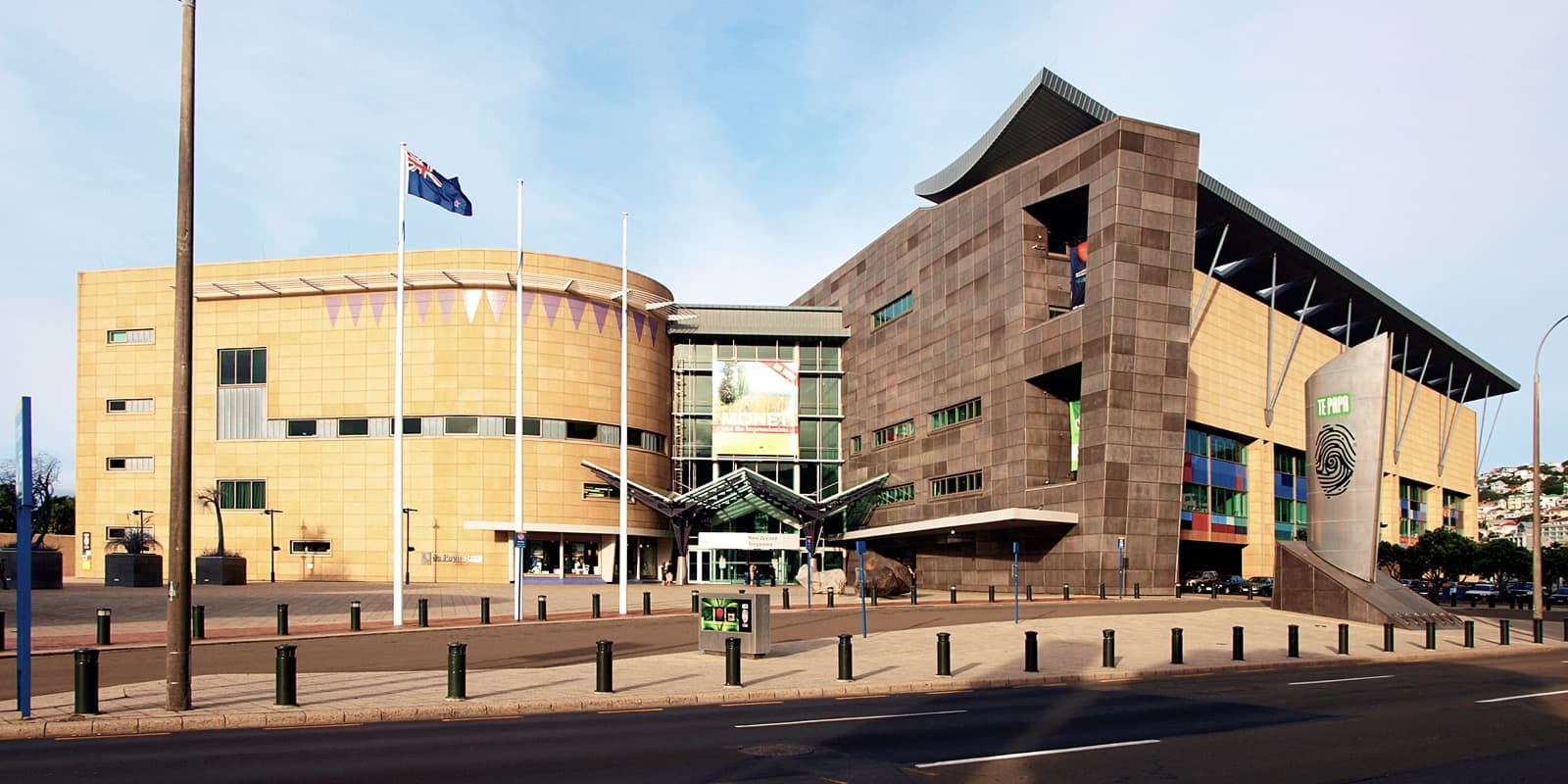
The main paid items are modest and predictable. The cable car is NZ$13 return. Te Papa, the national museum on the waterfront, is free for New Zealand residents; international visitors aged 16 and over now pay NZ$35 for general admission, a ticket valid for 48 hours (under-16s enter free). Te Papa is open 10am to 6pm daily except Christmas Day. Beyond those, budget for coffee (Wellington takes its coffee seriously), a meal or two on Cuba Street, and public transport if you range beyond the centre. A self-guided audio walk keeps the guiding cost near zero and lets you set your own pace with no group and no tip expected.
The self-guided way to see it
Wellington's scale is exactly right for self-guided audio walks: flat, compact, and dense with story, from the timber government offices dressed to look like stone to the bones of a beached ship kept beneath a bank. The two Roamer routes give you the capital's civic grammar and its creative pulse across two easy half-days, triggered by GPS as you reach each stop, so you keep your eyes on the buildings and the harbour instead of a screen. Start planning from the Wellington walking tours hub, or go straight to the city page at /new-zealand/wellington to pick your first walk.
Sources
Frequently asked questions
- How many days do you need in Wellington?
- Two days is ideal for the city itself. The central attractions between Lambton Quay, Cuba Street, and the waterfront are tightly clustered and walkable, so two days covers Parliament, Te Papa, the cable car, and the harbour without a car. One day works if you are passing through, and a third day suits day trips or a slower pace.
- How much does the Wellington Cable Car cost in 2026?
- On the official operator's 2026 schedule, an adult return ticket is NZ$13 and a one-way is NZ$7. It runs roughly every 10 minutes daily from early morning to evening and closes only on Christmas Day. You can pay with a Snapper card, and the Botanic Garden at the top is free.
- How do you get from Wellington Airport to the city?
- The Airport Express bus (route AX) runs into the central city in about 30 minutes, every 10 to 20 minutes, seven days a week, with luggage racks. Taxis and rideshare are faster door to door. The airport is only about 8 kilometres from the centre, so transfers are short.
- Is Te Papa free?
- Te Papa general admission is free for New Zealand residents. As of 2026, international visitors aged 16 and over pay NZ$35 for general admission, a ticket valid for 48 hours, while under-16s enter free. The museum is open 10am to 6pm daily except Christmas Day.
- When is the best time to visit Wellington?
- December through March, the southern-hemisphere summer, offers the longest days, warmest weather (highs around 20 degrees Celsius), and the busiest events calendar, with January and February typically driest. Wellington is windy in any season, most often in spring, so March and April can be calmer alternatives.
- Is Wellington safe for tourists?
- Yes. New Zealand sits at the lowest tier of the US State Department travel advisory (Level 1), and violent crime against tourists is uncommon. Take normal precautions with belongings and a little more care late at night around Courtenay Place. The bigger local caveat is natural: earthquakes and tsunami planning are part of life, so learn the drop, cover, and hold basics.
Ready to experience it?
Lambton Quay: The Capital on the Old Shoreline
95 min · 4 km · easy
More from Wellington
Explore more at your own pace.
One Day in Wellington: A Walking Itinerary
Wellington: The Capital on Ground the Sea Gave Back
Cuba Street, Wellington: The Bohemian Spine Named for a Ship, Not the Country
Reading Wellington's Parliament and the Beehive: Three Buildings, One Capital
Te Papa Tongarewa: Why New Zealand's National Museum Is Built Around a Marae