Old Town: The Roman Fort Beneath the Imperial City
100 min · 1.9 km · easy
Eat in Vienna the way the city built its cuisine: a breaded veal cutlet fried gold, a chocolate cake sealed with apricot jam, a simmered cut of beef the last emperor loved, and a coffee measured in hours rather than ounces. Viennese food is imperial leftovers made democratic. Dishes that once fed the Habsburg court now cost a few euros at a marble cafe table or a corner sausage window, and knowing what to order (and what the crude local slang for it means) is the difference between eating like a tourist and eating like a Wiener.
Here is the short version, then the detail. Order a Wiener Schnitzel (veal, pounded thin, fried) with potato salad; a slice of Sachertorte with unsweetened whipped cream; a Tafelspitz if you want the emperor's dinner; a Melange in a real coffee house where nobody rushes you; a Käsekrainer at a Würstelstand for a cheap late-night bite; and Apfelstrudel warm. Do it across a couple of days of walking and the food maps neatly onto the city's core, which is exactly where our self-guided tours run.
Wiener Schnitzel: order it veal, and know the pork twin
The Wiener Schnitzel is a thin veal cutlet, breaded and pan-fried until the coating puffs slightly away from the meat. In Austria the name is protected by food-labeling rules: a dish called "Wiener Schnitzel" must be veal. If it is pork, the menu has to say so, usually as "Schnitzel Wiener Art" (Viennese-style schnitzel) or "vom Schwein" (from pork). Pork is cheaper and perfectly good, but if you want the original, read the menu word.
The dish first shows up in a cookbook around 1831. The charming story that Field Marshal Joseph Radetzky carried the recipe home from Italy in 1857, adapting the Milanese cotoletta, is popular but disputed: the linguist Heinz-Dieter Pohl traces that account to an 1869 Italian book and calls the Radetzky connection invented. The honest version is that breaded veal cutlets existed in and around Vienna before any single hero brought them, and the Milanese cotoletta is a cousin, not a proven parent.
How to order like a local: ask for it with Erdäpfelsalat (potato salad) or Petersilerdäpfel (parsley potatoes), a wedge of lemon, and maybe a green salad in a sweet-sour dressing. A proper schnitzel overhangs the plate and is thin enough to see light through. Cranberry jam (Preiselbeeren) on the side is traditional and not a tourist add-on.
Sachertorte: the apricot layer is the whole point
Hear a stop from this walk
Saint Stephen's Cathedral: The Steffl Over the City
Sachertorte is a dense chocolate cake with a layer of apricot jam under a firm dark chocolate glaze, served with a mound of unsweetened whipped cream. The apricot jam (Marillenmarmelade) is the defining element: swap in strawberry or raspberry and it is no longer a Sachertorte.
The origin story credits a young Franz Sacher, an apprentice around fifteen or sixteen, with inventing the cake in 1832 for the household of Prince Klemens von Metternich. The cake became the flagship of the Hotel Sacher his son later ran. For decades the Hotel Sacher and the Demel pastry shop fought over who made the "original," down to whether the cake had one layer of jam or two. The dispute was settled in 1963, roughly siding with Hotel Sacher on the name and Demel on the layering question. Today the Hotel Sacher marks its cake with a round chocolate seal and Demel with a triangular one, so you can tell whose you are eating.
Practical note: both houses are famous, both have long lines, and both are near the walking routes below. If you only want the taste, plenty of ordinary Viennese cafes serve an excellent house Sachertorte with no queue.
Tafelspitz: the emperor's beef
Tafelspitz is a tapered cut of beef gently simmered in broth with root vegetables, sliced and served with roast or hash-brown potatoes, chives, and two sauces: apple-horseradish (Apfelkren) and a chive sauce (Schnittlauchsauce). It was famously the favorite dish of Emperor Franz Joseph the First, which is a large part of why a humble boiled-beef dish became a Viennese icon.
Ordering it right: at a traditional Beisl (a Viennese tavern-restaurant) the broth often arrives first as a course, sometimes with semolina dumplings or thin pancake strips (Frittatensuppe), then the meat. Do not skip the horseradish. The apple cuts the richness and the horseradish wakes it up.
Coffee house culture: a Melange and a seat you can keep for hours
The Viennese coffee house is a listed part of Austria's national inventory of intangible cultural heritage (added in 2011), described in that listing as a place where "time and space are consumed, but only the coffee is found on the bill." That sentence is the etiquette in a nutshell: you buy one coffee and the table is yours to read, write, or do nothing.
Order a Melange: espresso lengthened with steamed milk and a cap of foam, milder and creamier than a cappuccino. Other common orders are a Kleiner Brauner (small black with a little milk), a Verlängerter (an espresso lengthened with water), and an Einspänner (black coffee under whipped cream in a glass). Coffee arrives with a small glass of water, and refilling that water is a sign the house is doing its job. Cafe Central at Herrengasse 14, opened in 1876 in the Palais Ferstel, is one of the historic rooms and sits within a short walk of the imperial quarter.
Würstelstand and Käsekrainer: the honest late-night bite
The Würstelstand, Vienna's corner sausage stand, is where the city eats cheap, standing up, at midnight. In late 2024 it too was added to Austria's inventory of intangible cultural heritage, which tells you it is taken seriously as a social institution, not just fast food. Stands sell Frankfurter (called Wiener elsewhere), Burenwurst, Bratwurst, and the star of the genre, the Käsekrainer: a smoked pork sausage shot through with pockets of melting cheese.
Local ordering, if you are brave: the slang for a Käsekrainer is a "Eitrige" (literally "the pus-y one," for the way the hot cheese oozes). You can ask for it "mit an Bugl" (with the heel of the bread) plus sweet or spicy mustard (süßer or scharfer Senf) and a pickle. You do not need the slang, but using it earns a nod.
Naschmarkt and Apfelstrudel: market grazing and the oldest pastry
The Naschmarkt is Vienna's largest open-air market, running since the sixteenth century, a long strip of produce, cheese, spices, olives, and sit-down stalls. Two timing rules matter: the market stalls run Monday through Saturday and are closed Sundays, and every Saturday a large flea market sets up at the far end. Go hungry, graze, and treat listed prices with a little skepticism at the tourist-facing stalls.
For dessert, Apfelstrudel is apple, sugar, cinnamon, and raisins wrapped in a paper-thin stretched dough that descends, by way of Ottoman baklava filtered through Hungarian cooking, from the layered-pastry tradition the Habsburgs met on their eastern frontier. The oldest known strudel recipe is a handwritten one from 1697, held at the Wienbibliothek im Rathaus. Order it warm (warm), and with vanilla sauce (Vanillesauce) if you want the full version. Its close cousin Topfenstrudel, filled with a fresh curd cheese, is the one locals often prefer.
Eat it on foot: how the food maps to the tours
Vienna's food is concentrated in the same compact center our self-guided audio walks cover, so you can pair each route with a plateful. The Old Town route threads the Innere Stadt past the cathedral, the Graben, and Am Hof, which is Beisl-and-cafe territory for schnitzel and Tafelspitz. The Hofburg walk runs through the imperial quarter where the grand coffee houses and the Sacher and Demel counters sit, making it the natural Melange-and-Sachertorte loop. The Ringstrasse walk passes the State Opera and the museums, an easy detour to the Naschmarkt for market grazing and strudel.
Put the walking and the eating together over two days and you have covered the city's history and its menu at once. Start with the routes and timing on our Vienna walking tours hub, then pick a tour from the Vienna city page and let the map trigger each stop as you arrive.
Sources
Frequently asked questions
- What food is Vienna most famous for?
- Vienna is most associated with Wiener Schnitzel, a thin breaded veal cutlet, and Sachertorte, a chocolate cake with apricot jam. Other signatures include Tafelspitz (simmered beef), Apfelstrudel, and the coffee-house Melange. Käsekrainer sausages from a Würstelstand are the classic cheap street food.
- Is a real Wiener Schnitzel made of veal or pork?
- A dish sold as Wiener Schnitzel in Austria must legally be veal. Pork versions are permitted but have to be labeled differently, usually as Schnitzel Wiener Art (Viennese-style) or vom Schwein (from pork). Pork is cheaper and common, so read the menu wording if you want the original veal cutlet.
- What is the difference between a Melange and a cappuccino?
- A Wiener Melange is espresso lengthened with steamed milk and topped with foam, making it milder and creamier than a cappuccino. It is served in a real coffee house with a small glass of water on the side. Viennese coffee-house culture was added to Austria's national inventory of intangible cultural heritage in 2011, and the etiquette is that one coffee buys your table for as long as you like.
- What is a Käsekrainer and how do I order one?
- A Käsekrainer is a smoked pork sausage with pockets of melting cheese inside, sold at Vienna's corner sausage stands (Würstelstände). The local slang for it is Eitrige. You can order it with a heel of bread (mit an Bugl) plus sweet or spicy mustard (süßer or scharfer Senf). The Würstelstand was added to Austria's inventory of intangible cultural heritage in late 2024.
- Where is the best place to try Sachertorte in Vienna?
- The two most famous versions are at the Hotel Sacher and the Demel pastry shop, which fought a decades-long dispute settled in 1963. Hotel Sacher marks its cake with a round chocolate seal and Demel with a triangular one. Both draw long lines, so any traditional Viennese cafe serving a house Sachertorte with unsweetened whipped cream is a good, quicker alternative.
- Is the Naschmarkt open on Sundays?
- No, the Naschmarkt's stalls run Monday through Saturday and are closed on Sundays, though some restaurants and cafes keep separate hours. A large flea market sets up at the far end every Saturday. It is Vienna's largest open-air market and has operated since the sixteenth century.
Ready to experience it?
Old Town: The Roman Fort Beneath the Imperial City
100 min · 1.9 km · easy
More from Vienna
Explore more at your own pace.
One Day in Vienna: A Walkable Morning-to-Evening Itinerary
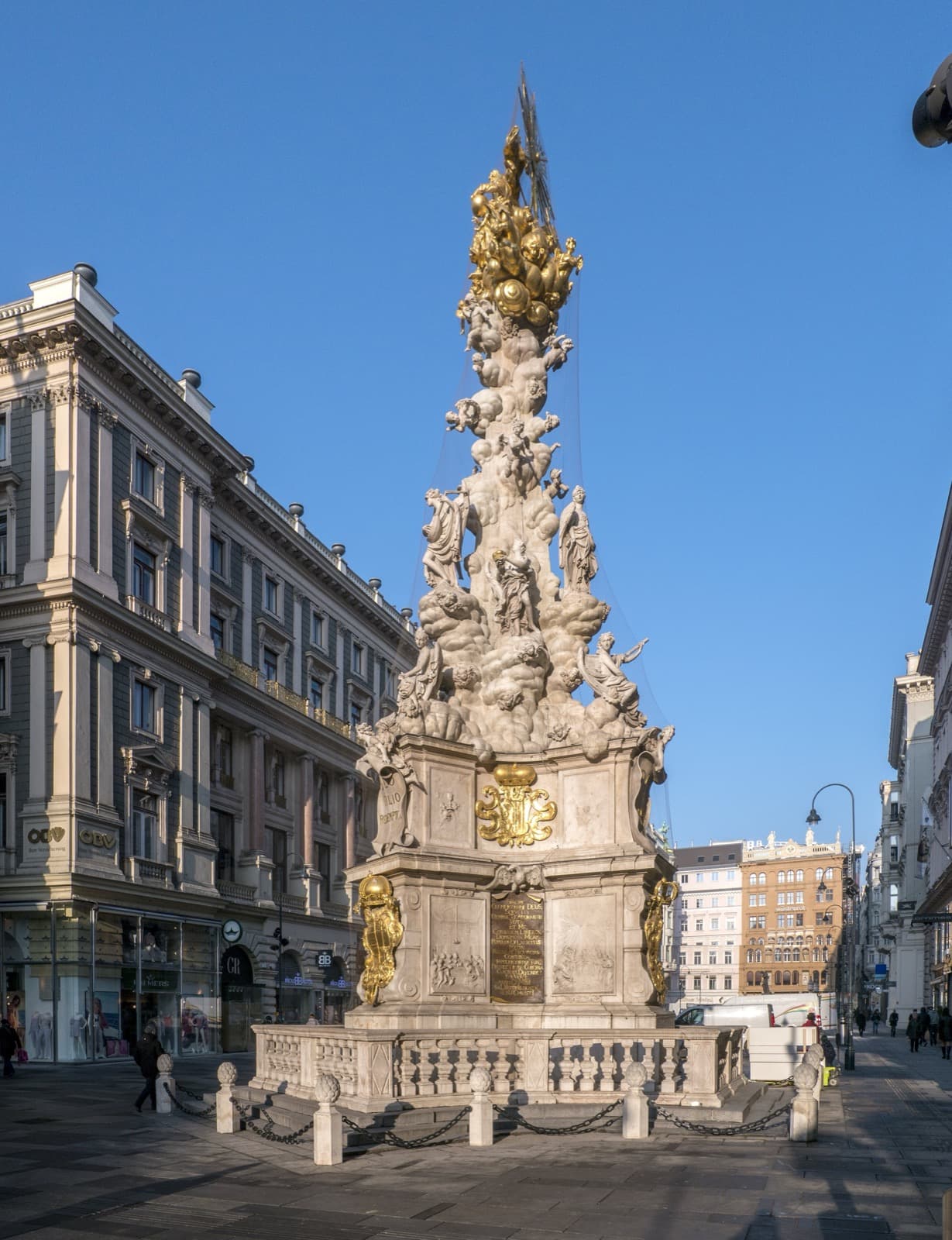
Vienna, a City Stacked on a City: Reading the Capital in Three Directions
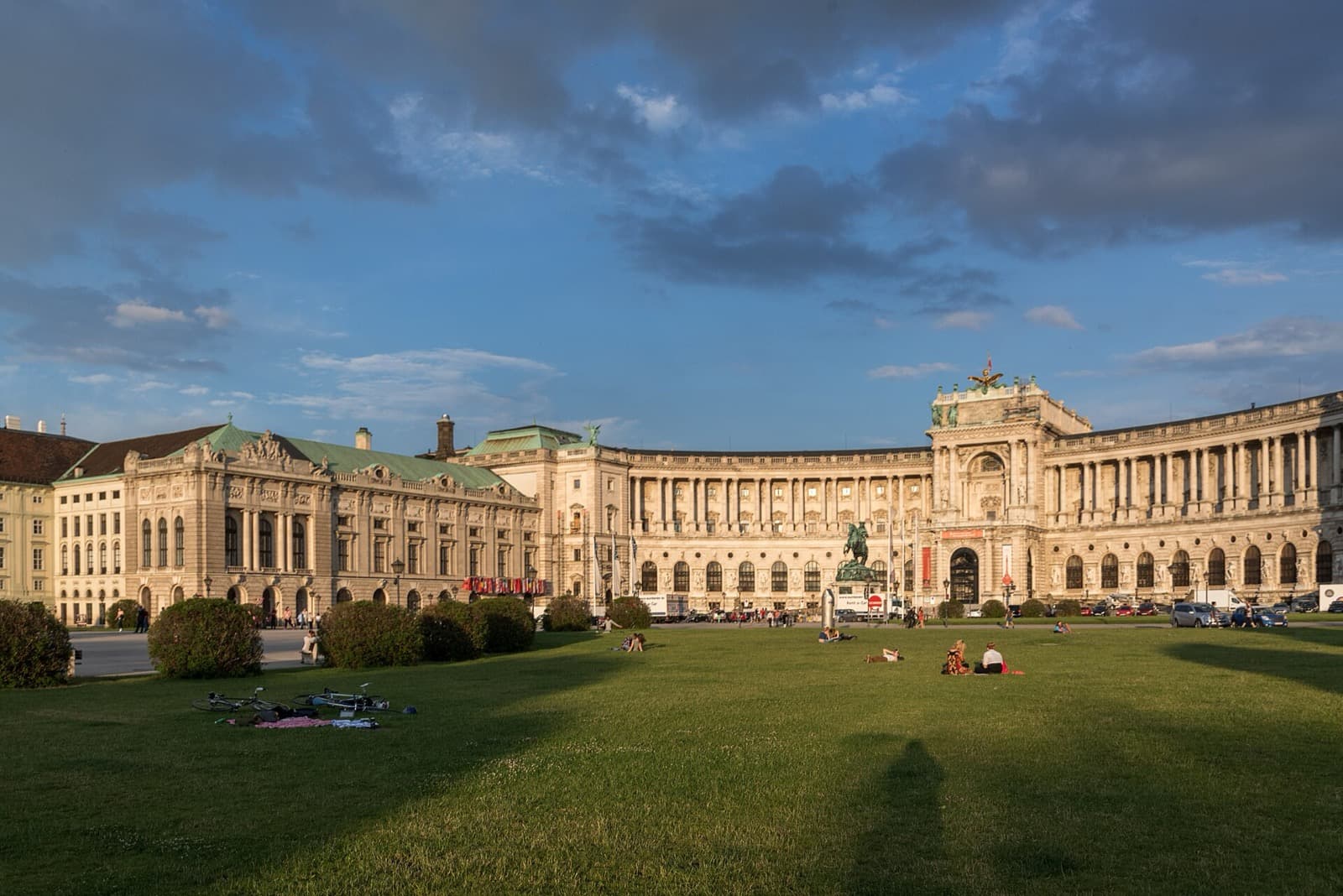
Heldenplatz and the Neue Burg: Why Vienna's Grandest Palace Wing Was Never Finished
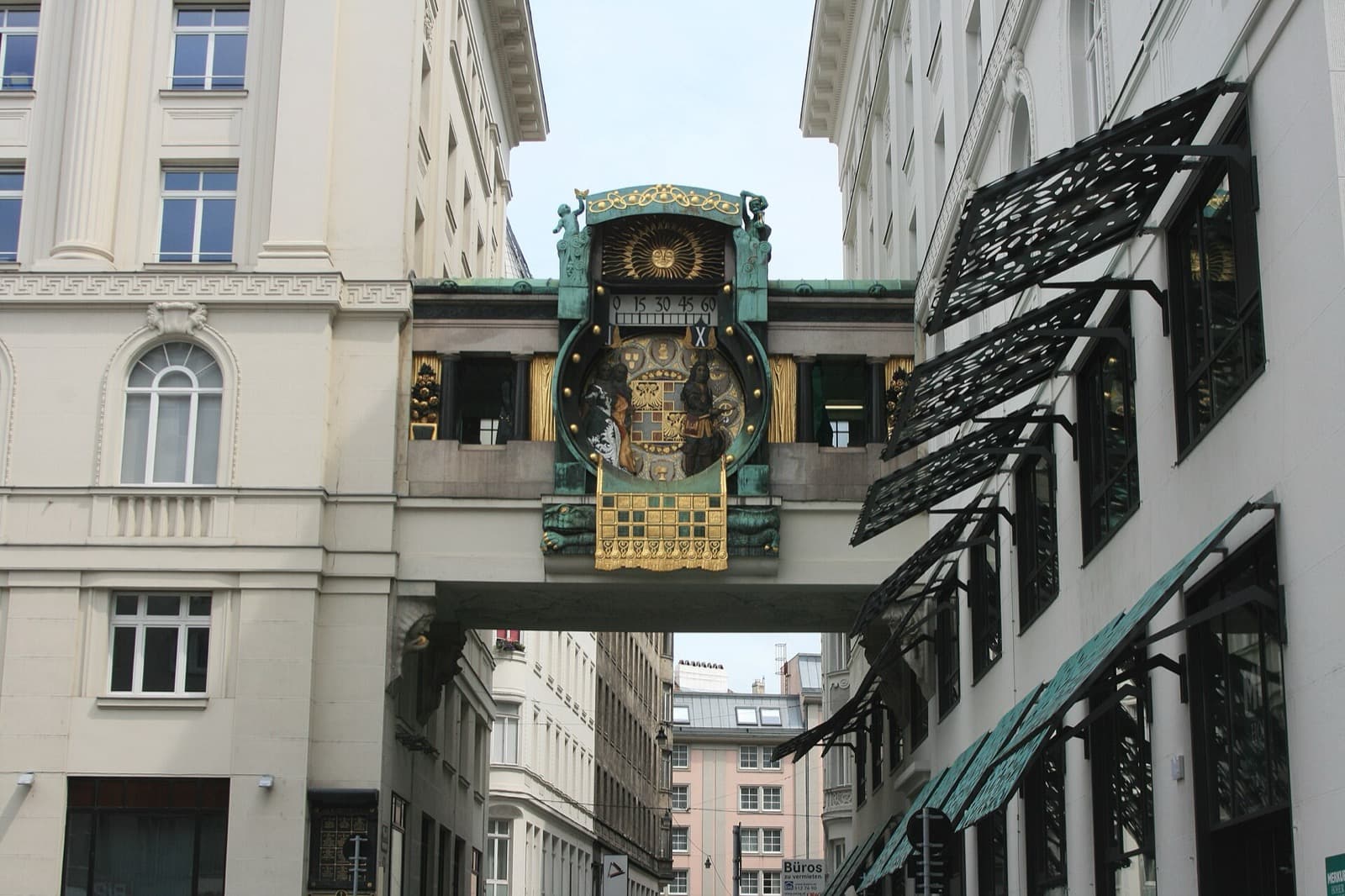
Hoher Markt and the Anker Clock: Where Roman Vienna Surfaces
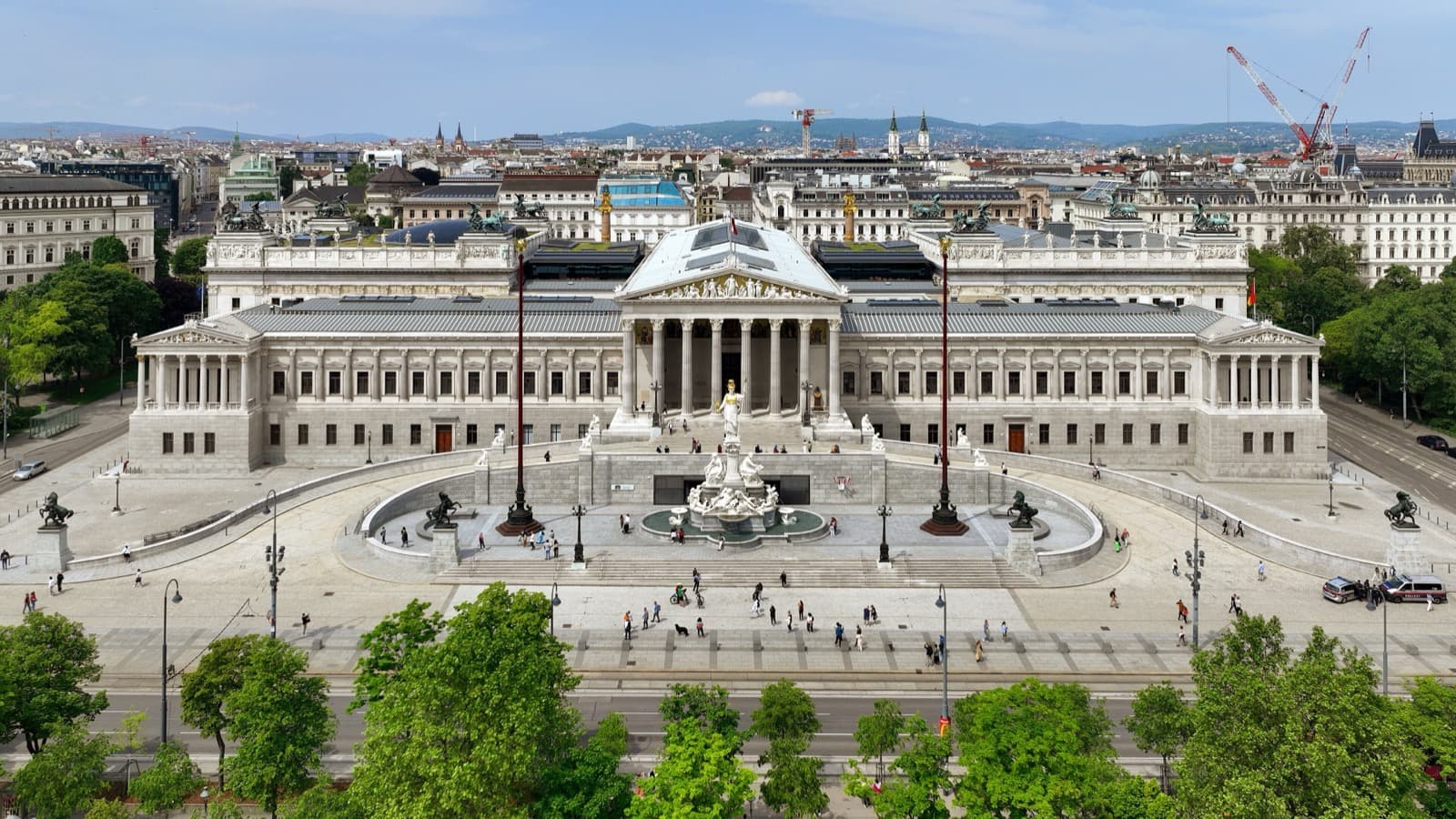
The Austrian Parliament: Why Vienna Built Its Legislature as a Greek Temple